Interact with The New York Times Four-Part Documentary, “A Short History of the Highrise”

A Short His­to­ry of the High­rise,” a four-part inter­ac­tive New York Times “Op-Doc” reminds me of a pop-up book. The very first lever I pulled (actu­al­ly it was a wood­en buck­et) added a cou­ple of sto­ries to a medieval tow­er! I even snagged a cou­ple of com­pli­men­ta­ry fac­toids about the Tow­er of Babel! Bonus!

The kids are gonna love it!

There are doors to push, scenic post­cards to flip, a lit­tle Roman guy to drag to the right… what a cre­ative use of the Times’ mas­sive pho­to morgue. Direc­tor Kate­ri­na Cizek skit­ters through­out his­to­ry and all over the globe, swing­ing by ancient Rome, Mon­tezu­ma’s Cas­tle cliff dwelling, Chi­na’s Fujian province, 18th cen­tu­ry Europe, and Jacob Riis’ New York. Appar­ent­ly, ver­ti­cal hous­ing is noth­ing new.

( I did find myself won­der­ing what direc­tor Cizek might be angling for at the Dako­ta. The sto­ried apart­ment build­ing was long ago dwarfed by taller addi­tions to New York City’s urban land­scape, but its mul­ti­ple appear­ances in the series indi­cate that it’s still its most desir­able. Mer­ci­ful­ly, none of the inter­ac­tive fea­tures involve John Lennon.)

Would that a sim­i­lar restraint had been exer­cised with regard to nar­ra­tion. I would have glad­ly lis­tened to Pro­fes­sor Miles Glendin­ning, the mass hous­ing schol­ar who lends his exper­tise to the pro­jec­t’s sub­ter­ranean lev­el. Alas, the non-inter­ac­tive por­tion is marred by a bizarre rhyme scheme meant to “evoke a sto­ry­book.” If so, it’s the sort of sto­ry­book no adult (with the pos­si­ble excep­tion of the singer Feist, who was hope­ful­ly paid for her par­tic­i­pa­tion) wants to read aloud. A sam­ple:

Pub­licly spon­sored hous­ing isn’t every­where the diet

Beyond Europe, North Amer­i­ca and the Sovi­et Union, high rise devel­op­ment is ram­pant­ly pri­vate.

Seri­ous­ly?

Giv­en the lev­el of dis­course, I see no rea­son we were deprived of a rhyme for “phal­lic sym­bol.” Those ani­mat­ed build­ings do reach for the sky.

If it all gets a bit much you can head straight for “Home.” The final install­ment jet­ti­sons the cutesy-boot­sy rhymes in favor of a love­ly tune by Patrick Wat­son, which makes a pleas­ant sound­track to read­er-sup­plied pho­tos of their bal­conies. The images have been arranged the­mat­i­cal­ly — pets, storms, night — and the cumu­la­tive effect is charm­ing. Click “More read­ers’ sto­ries of life in high-ris­es” to read the first-hand accounts that go with these views. If your perch is high enough, you can sub­mit one of your own.

You can watch a video trail­er for “A Short His­to­ry of the High­rise” up top and Part 1 of Cizek’s film below that. But to get the full inter­ac­tive expe­ri­ence you’ll want to head over to the New York Times web site.

Relat­ed Con­tent: 

Ten Build­ings That Changed Amer­i­ca: Watch the Debut Episode from the New PBS Series

The ABC of Archi­tects: An Ani­mat­ed Flip­book of Famous Archi­tects and Their Best-Known Build­ings

The His­to­ry of West­ern Archi­tec­ture: From Ancient Greece to Roco­co (A Free Online Course)

Ayun Hal­l­i­day has tem­porar­i­ly relo­cat­ed to the ground floor, but she still can bust a rhyme. Fol­low her@AyunHalliday

Portraits of Virginia Woolf, James Joyce, Walter Benjamin & Other Literary Legends by Gisèle Freund

James_Joyce_with_grandson

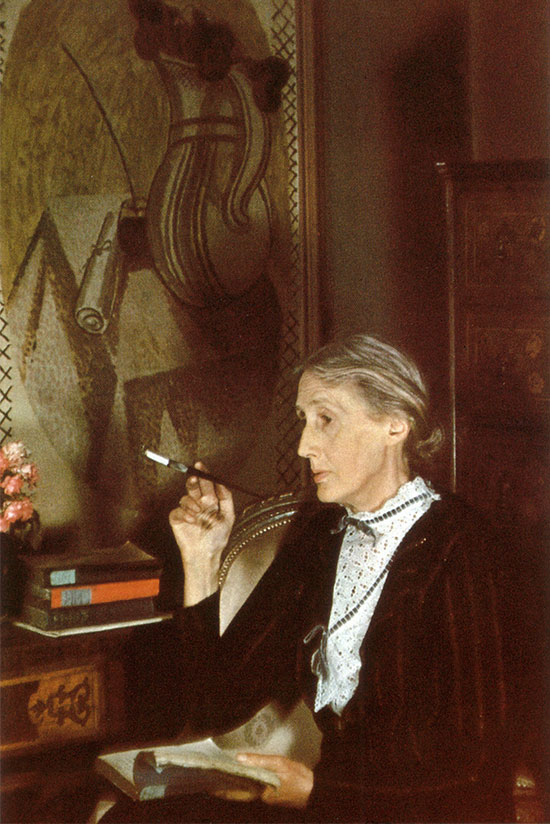
Gisèle Fre­und, the Ger­man-born pho­tog­ra­ph­er who died in 2000 at 91, is both famous and not famous enough,” writes Kather­ine Knorr in the New York Times. “She was some­times cha­grined to be best known for some of her por­traits,” whose lumi­nary sub­jects includ­ed artists, film stars, and writ­ers. At the top, we have Fre­und’s 1938 shot of James Joyce with his grand­son in Paris. Just below, her pho­to­graph of a pen­sive Wal­ter Ben­jamin from that same year. At the bot­tom, her 1939 por­trait of a smok­ing Vir­ginia Woolf. (French nov­el­ist, the­o­rist and, Min­is­ter for Cul­tur­al Affairs André Mal­raux also sport­ed a cig­a­rette in his 1935 por­trait by Fre­und, an image which made it to a postage stamp in 1996, though with his smoke care­ful­ly removed.) For­mer Pres­i­dent Jacques Chirac pub­licly praised Fre­und’s abil­i­ty to “reveal the essence of beings through their expres­sions.” In Woolf’s case, Fre­und pro­duced the being in ques­tion’s first-ever col­or por­trait.

Walter_Benjamin_Paris_1938

“[Fre­und] was an ear­ly adapter to col­or, in 1938, and her first exhi­bi­tion was in fact a pro­jec­tion of col­or por­traits giv­en in Monnier’s book shop,” Knorr writes. She goes on to describe anoth­er exhi­bi­tion, in 2011, that “sim­i­lar­ly projects the por­traits with­in its mock book­shop, turn­ing the show into a guess­ing game since some of those pho­tographed have enor­mous­ly famous faces,” while oth­ers “are a lot of French intel­lec­tu­als that most young French peo­ple today would not rec­og­nize.” While we nat­u­ral­ly assume that you, as an Open Cul­ture read­er, rec­og­nize a fair few more French intel­lec­tu­als than the aver­age gallery-goer, we can’t help but focus on the fact that so many of the writ­ers of whom Fre­und’s eye saw the defin­i­tive images — not just Joyce, Ben­jamin, and Woolf, but Beck­ett, Eliot, Hesse, the list goes on — became the defin­ing writ­ers of their era. Fre­und her­self had just one ques­tion: “Explain to me why writ­ers want to be pho­tographed like stars,” she wrote, “and the lat­ter like writ­ers.”

Images by Fre­und have been col­lect­ed in the book, Gisèle Fre­und: Pho­tographs & Mem­oirs. You can also vis­it the Fre­und web­site to view a col­lec­tion of por­traits.

Virginia_Woolf_smoking_London_1939

via A Piece of Mono­logue

Relat­ed Con­tent:

Philoso­pher Por­traits: Famous Philoso­phers Paint­ed in the Style of Influ­en­tial Artists

A‑List Authors, Artists & Thinkers Draw Self Por­traits

Col­in Mar­shall hosts and pro­duces Note­book on Cities and Cul­ture and writes essays on lit­er­a­ture, film, cities, Asia, and aes­thet­ics. He’s at work on a book about Los Ange­lesA Los Ange­les PrimerFol­low him on Twit­ter at @colinmarshall.

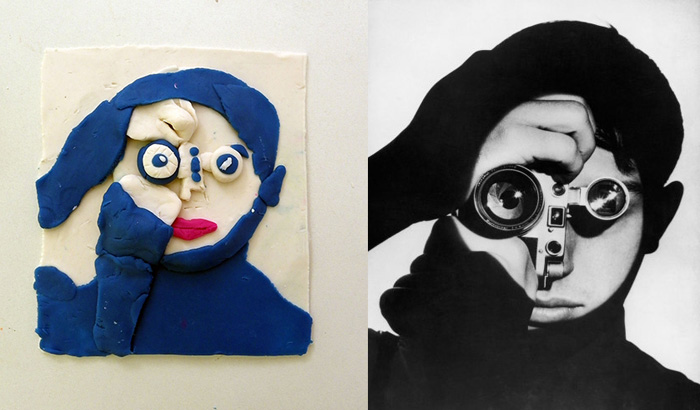
Iconic Photographs Re-Created in Play Doh: Man Ray to Nan Goldin

photosrenderedplaydohPoints for cre­ativ­i­ty go to Eleanor Mac­nair, who recent­ly launched the “Pho­tographs ren­dered in Play-Doh” Tum­blr. Giv­en the name of the Tum­blr, I prob­a­bly don’t have to explain the con­cept. I think you get it. Above we have “Pho­tog­ra­ph­er Den­nis Stock holds a cam­era in front of his face, 1955” — the orig­i­nal by Andreas Feininger (right), and the recre­ation by Ms. Mac­nair (left). Also on the Tum­blr you’ll find, among oth­ers:

  • “Nan and Bri­an in Bed, New York City, 1983” by Nan Goldin (orig­i­nal — play doh)
  • “Dovi­ma with ele­phants, evening dress by Dior, Cirque d’Hiver, August 1955” by Richard Ave­don (orig­i­nal — play doh)
  • “Helen Tamiris, 1929” by Man Ray (orig­i­nal — play doh)

Stay tuned, there’s hope­ful­ly more to come.

H/T goes to James Estrin, co-edi­tor of The New York Times Lens Blog

Pho­to above via DVAfo­to

Relat­ed Con­tent:

Two Scenes from Stan­ley Kubrick’s Dr. Strangelove, Recre­at­ed in Lego

Hen­ri Carti­er-Bres­son and the Deci­sive Moment

Pho­tog­ra­phy of Lud­wig Wittgen­stein Released by Archives at Cam­bridge

David Lynch Talks About His 99 Favorite Pho­tographs at Paris Pho­to 2012


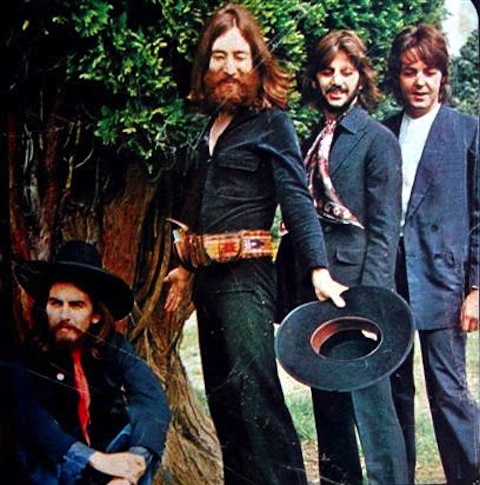
The Beatles’ Final, “Painful” Photo Shoot: A Gallery of Bittersweet Images

lastBeatlesShoot

Well, this is bit­ter­sweet. The pho­to above comes from The Bea­t­les’ final pho­to shoot togeth­er at John Lennon’s new­ly pur­chased estate in Sun­ninghill Berk­shire: clear­ly not a wel­come event for at least one Bea­t­le. The band had just com­plet­ed their final two album releas­es, Let it Be and Abbey Road—famous­ly con­tentious record­ing ses­sions in which George Har­ri­son walked out for a few days with a flip­pant “See you ‘round the clubs,” prompt­ing John Lennon to snap (accord­ing to direc­tor Michael Lind­say-Hogg), “Let’s get in Eric [Clap­ton]. He’s just as good and not such a headache.”

George lat­er recalled the cir­cum­stances of the shoot:

They were film­ing us hav­ing a row. It nev­er came to blows, but I thought, ‘What’s the point of this? I’m quite capa­ble of being rel­a­tive­ly hap­py on my own and I’m not able to be hap­py in this sit­u­a­tion. I’m get­ting out of here.’

Every­body had gone through that. Ringo had left at one point. I know John want­ed out. It was a very, very dif­fi­cult, stress­ful time, and being filmed hav­ing a row as well was ter­ri­ble. I got up and I thought, ‘I’m not doing this any more. I’m out of here.’ So I got my gui­tar and went home and that after­noon wrote Wah-Wah.

It became sti­fling, so that although this new album was sup­posed to break away from that type of record­ing (we were going back to play­ing live) it was still very much that kind of sit­u­a­tion where he already had in his mind what he want­ed. Paul want­ed nobody to play on his songs until he decid­ed how it should go. For me it was like: ‘What am I doing here? This is painful!’

See many more pho­tos from the shoot and read more painful details about the ses­sions and, yes, Yoko, over at Messy Nessy Chic.

via Mefi

Relat­ed Con­tent:

The 10-Minute, Nev­er-Released, Exper­i­men­tal Demo of The Bea­t­les’ “Rev­o­lu­tion” (1968)

A Short Film on the Famous Cross­walk From the Bea­t­les’ Abbey Road Album Cov­er

Eric Clapton’s Iso­lat­ed Gui­tar Track From the Clas­sic Bea­t­les Song, ‘While My Gui­tar Gen­tly Weeps’ (1968)

Josh Jones is a writer and musi­cian based in Durham, NC. Fol­low him at @jdmagness

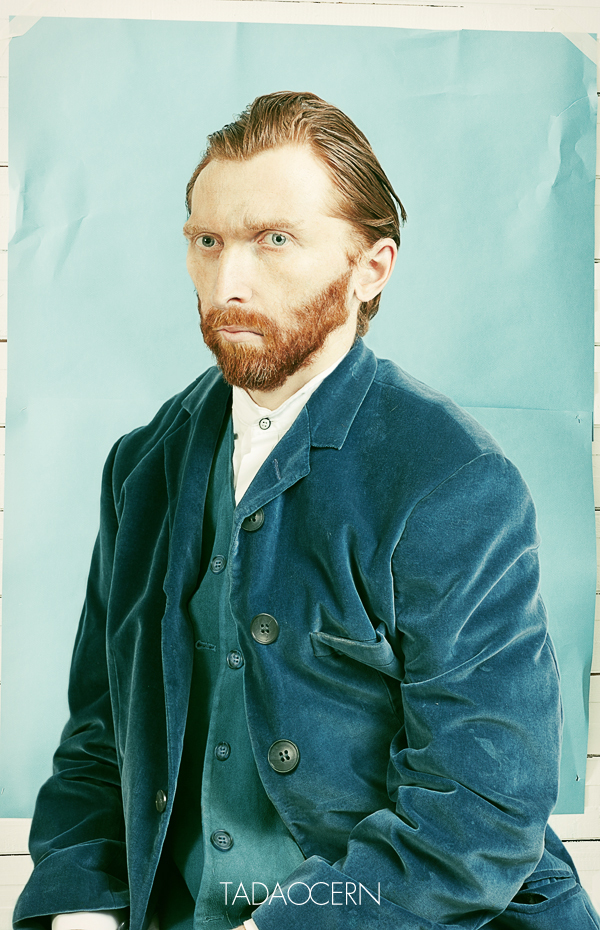
Watch as Van Gogh’s Famous Self-Portrait Morphs Into a Photograph

It’s a real­i­ty of big city liv­ing that one occa­sion­al­ly stum­bles upon some famous per­son behav­ing like a mere civil­ian, out walk­ing the dog, buy­ing a lat­te, or tak­ing the kids to some child-cen­tric event. I’m bad at rec­og­niz­ing these lumi­nar­ies out of con­text, which may be why I’m great at mis­tak­en­ly believ­ing some ran­dom cit­i­zen stand­ing beside me at an inter­sec­tion is in fact a not­ed author or beloved char­ac­ter actor. I have thus far nev­er labored under the delu­sion that the guy across the aisle on the F train to Brook­lyn is a one-eared Dutch post-Impres­sion­ist who died over a hun­dred years ago, but that could change.

van gogh portrait photo

Or not. Accord­ing to Lithuan­ian archi­tect and pho­tog­ra­ph­er Tadao Cern, the friend who served as the mod­el for his dig­i­tal recre­ation of Vin­cent Van Gogh’s icon­ic self-por­trait does­n’t resem­ble the painter all that much beyond his gin­ger hair and beard. After tak­ing his pic­ture, Cern devot­ed a day to adjust­ing col­ors and expo­sure in Light­room and fine tun­ing a host of details in Pho­to­shop. Sud­den­ly, the sim­i­lar­i­ties were uncan­ny.

vg Self-PortraitAnd since every Franken­stein needs a bride, Cern has cob­bled togeth­er a Mona Lisa to keep Van Gogh com­pa­ny.

via The Atlantic

Relat­ed Con­tent:

Mor­ph­ing Van Gogh Por­traits

Simon Schama Presents Van Gogh and the Begin­ning of Mod­ern Art

Ayun Hal­l­i­day is post­ing from the wilds of Cape Cod, where she once spot­ted John Waters rid­ing his bicy­cle to Safe­way in a yel­low slick­er and match­ing all-weath­er pants. Fol­low her @AyunHalliday

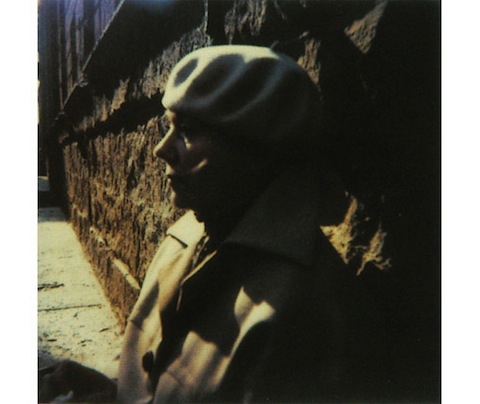
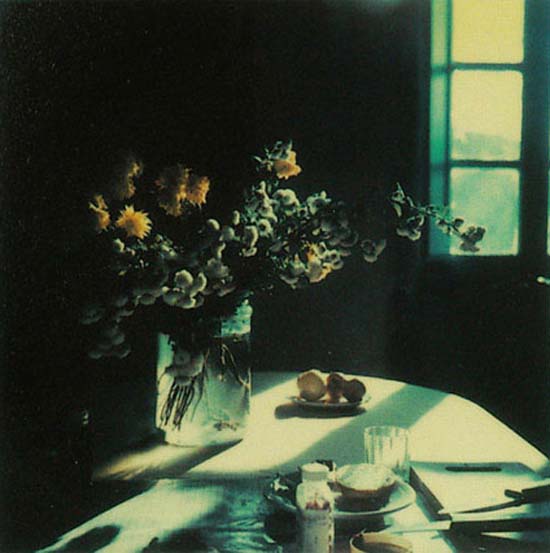
The Masterful Polaroid Pictures Taken by Filmmaker Andrei Tarkovsky

Tarkovskypol1

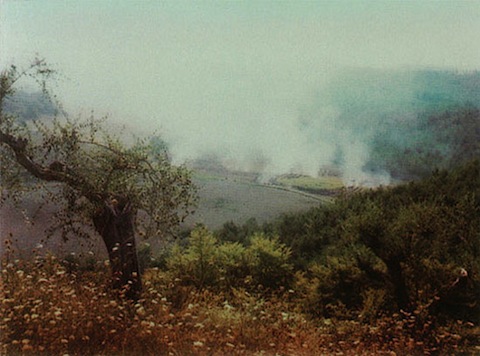
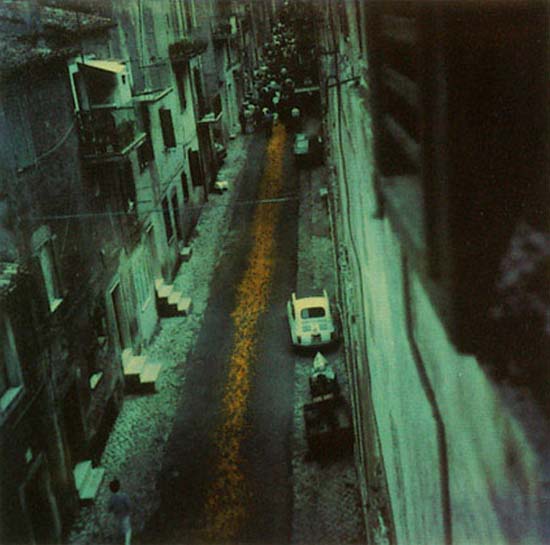
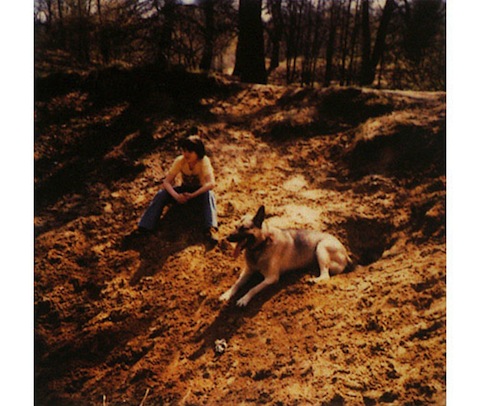
Today, dig­i­tal­ly empow­ered to take, view, and share a pho­to­graph in the span of sec­onds, we think noth­ing of the phrase “ïnstant cam­era.” But to cel­e­brat­ed Russ­ian film­mak­er Andrei Tarkovsky, who died in 1986 after liv­ing almost his entire life in the Sovi­et Union, the tech­nol­o­gy came as a rev­e­la­tion. He had, of course, to use a prim­i­tive Polaroid cam­era, but, Tarkovsky being Tarkovsky, his aes­thet­ic sense still came through its lit­tle square, self-devel­op­ing frames loud and clear — or rather, it came through, rich, pen­sive, solemn, and autum­nal.

tark photo

In 2006, Thames & Hud­son pub­lished Instant Light, a book col­lect­ing “a selec­tion of col­or Polaroids the film­mak­er took from 1979 to 1984 of his home, fam­i­ly, and friends in Rus­sia and of places he vis­it­ed in Italy,” and you can see some of these images on the blog Poe­mas del río Wang, or on this Face­book page.

Tarkovskypol2

The post quotes Tarkovsky’s friend Toni­no Guer­ra, remem­ber­ing the auteur’s Polaroid peri­od: “In 1977, on my wed­ding cer­e­mo­ny in Moscow, Tarkovsky appeared with a Polaroid cam­era. He had just short­ly dis­cov­ered this instru­ment and used it with great plea­sure among us. [ … ] Tarkovsky thought a lot about the ‘flight’ of time and want­ed to do only one thing: to stop it — even if only for a moment, on the pic­tures of the Polaroid cam­era.”

tark photo2

Now that we find our­selves in a new wave of Polaroidism — you can even buy the cam­eras and their film at Urban Out­fit­ters — we’d do well to study these pic­tures tak­en by a man who mas­tered their form just as thor­ough­ly as he mas­tered cin­e­ma. And if you want evi­dence of the lat­ter, look no fur­ther than our col­lec­tion of Tarkovsky films free online.

Tarkovskypol3

Relat­ed Con­tent:

Tarkovsky’s Advice to Young Film­mak­ers: Sac­ri­fice Your­self for Cin­e­ma

Tarkovsky’s Solaris Revis­it­ed

Andrei Tarkovsky’s Very First Films: Three Stu­dent Films, 1956–1960

Col­in Mar­shall hosts and pro­duces Note­book on Cities and Cul­ture and writes essays on lit­er­a­ture, film, cities, Asia, and aes­thet­ics. He’s at work on a book about Los Ange­lesA Los Ange­les Primer. Fol­low him on Twit­ter at @colinmarshall.

Nobel Laureates Draw Playful Pictures of Their Discoveries

nobel soccer 3

As an arty, unath­let­ic only child in the 70s, I refused to buy into the idea that sci­ence could be fun. This despite a wealth of zip­py edu­ca­tion­al pro­gram­ming, and the efforts of at least two cute young teach­ers whose hands-on approach includ­ed throw­ing eggs off of a rail­road tres­tle, demol­ish­ing tooth­pick bridges and dip­ping things into liq­uid nitro­gen for the sheer plea­sure of see­ing them explode when they hit the wall. Nice try. As far as I was con­cerned, those dullsville black-and-white films from the ’50s embod­ied the sub­jec­t’s gen­er­al vibe far more hon­est­ly than any attempt to force it down our throats with a fash­ion­able Hon­ey­comb Kids-style spin.

Hav­ing by now met dozens of sci­en­tists and sci­ence enthu­si­asts who are left cold by the arts, I’m not ashamed to be plain­spo­ken here.  I cer­tain­ly don’t begrudge them their pas­sion, and appre­ci­ate it when they don’t belit­tle mine. Dif­fer­ent strokes, you know?

Still, it’s nice to stum­ble across com­mon ground and for me, pho­tog­ra­ph­er Volk­er Ste­gerfor’s Nobel lau­re­ate por­traits pro­vides acreage on the order of Jim Otta­viani and Leland Myrick­’s graph­ic biog­ra­phy of Richard Feyn­man. I may be hard pressed to artic­u­late what the peo­ple in the por­traits are famous for, but I appre­ci­ate their will­ing­ness to be a play by the artist’s rules. (By his esti­mate, the decline rate is some­where around 4. 29%)

Ste­gerfor’s method for cap­tur­ing big brained inno­va­tors in a light frame of mind resem­bles a well run exper­i­ment. His unsus­pect­ing spec­i­mens were appre­hend­ed at Ger­many’s annu­al Lin­dau Nobel Lau­re­ate Meet­ing. Thus secured, they were led one at a time into a tem­po­rary stu­dio where each was invit­ed to draw what­ev­er it was that had earned him or her the Nobel prize. The results weren’t much as art, but they’re unmis­tak­ably play­ful, bristling with arrows, excla­ma­tion points, smi­ley faces, and word bub­bles. The pho­tog­ra­ph­er let his sub­jects pick the pose, at which points things did become art.

I’m going to award 1996 Chem­istry lau­re­ate Sir Harold Kro­to Best in Show for his well war­rant­ed action pose. Appar­ent­ly, his dis­cov­ery’s mol­e­c­u­lar struc­ture looks like a soc­cer ball.

It’s not exact­ly Break­ing Bad, but it does bring Chem­istry alive for me as a sub­ject oth­ers might find enjoy­able in the empir­i­cal sense.

View a gallery of Volk­er Ste­gerfor’s Sketch­es of Sci­ence. If you’re real­ly into it, the Nobel Muse­um is herald­ing a trav­el­ing exhi­bi­tion of Ste­gerfor’s work with audio record­ings of the sci­en­tists on the sub­ject of their dis­cov­er­ies.

via The Smith­son­ian blog

- Ayun Hal­l­i­day is slat­ed to direct the world’s first bio-his­tor­i­cal musi­cal in Novem­ber. Fol­low her @AyunHalliday


Annotated Photographs of Beat Writers Featured in The Allen Ginsberg Festival, Starting Today

BurroughsKerouac

Start­ing today, the Con­tem­po­rary Jew­ish Muse­um (CJM) begins its four-day cel­e­bra­tion of Allen Gins­berg with The Allen Gins­berg Fes­ti­val in San Fran­cis­co, pro­duced in coop­er­a­tion with The Beat Muse­um, City Lights Book­store, and sev­er­al oth­er orga­ni­za­tions. The fes­ti­val, which runs from the 11th to the 14th of this month, cel­e­brates Ginsberg’s life and art with a host of events (some free, some rang­ing from $10 to $15 for admis­sion). While the lit­er­ary tours, pan­el dis­cus­sions, and lec­tures promise to be a treat for those lucky enough to attend, per­haps the cen­ter­piece of the Gins­berg Fes­ti­val is an exhi­bi­tion of the poet’s anno­tat­ed pho­tographs, on view at CJM until Sep­tem­ber 8th.

The pho­tos, which moved through NYU’s Grey Art Gallery ear­li­er this year, show Gins­berg and his beat bud­dies in inti­mate and unguard­ed moments, such as the snap above of William Bur­roughs and Jack Ker­ouac. In his tidy script hand­writ­ing, Gins­berg writes below the pho­to:

“Now Jack as I warned you far back as 1945, if you keep going home to live with your ‘Memère’ you’ll find your­self wound tighter and tighter in her apron strings till you’re an old man and can’t escape…” William Seward Bur­roughs camp­ing as an André Gide-ian sophis­ti­cate lec­tur­ing the earnest Thomas Wolfean All-Amer­i­can youth Jack Ker­ouac who lis­tens sober­ly dead-pan to “the most intel­li­gent man in Amer­i­ca” for a fun­ny second’s cha­rade in my liv­ing room 206 East 7th Street Apt 16, Man­hat­tan, one evening Fall 1953

Fla­vor­wire has com­piled 25 of these pho­tos, includ­ing the por­trait of the young mer­chant marine, Allen Gins­berg, below, which he anno­tates as, “Allen Gins­berg, util­i­ty man S.S. John Blair just back from Galve­ston-Dakar dol­drums trip, I hand­ed my cam­era to the radio-man on the ship’s fan­tail, smok­ing what? In New York har­bor, cir­ca Octo­ber 30, 1947.”

Ginsberg47

As the CJM page notes, “the late 1940s and ear­ly 1950s marked a cru­cial peri­od for Allen Gins­berg as he found his poet­ic and sex­u­al voic­es simul­ta­ne­ous­ly.” The pho­tos in this exhib­it doc­u­ment not only Gins­berg find­ing him­self, but also find­ing him­self among a group of men—Burroughs, Ker­ouac, Neal Cas­sady, Gre­go­ry Corso—whose rest­less­ness and eru­dite enthu­si­asm changed the course of twen­ti­eth cen­tu­ry lit­er­a­ture.

Relat­ed Con­tent:

Hear the Very First Record­ing of Allen Gins­berg Read­ing His Epic Poem “Howl” (1956)

Allen Ginsberg’s “Celes­tial Home­work”: A Read­ing List for His Class “Lit­er­ary His­to­ry of the Beats”

Allen Ginsberg’s Per­son­al Recipe for Cold Sum­mer Borscht

Josh Jones is a writer and musi­cian based in Wash­ing­ton, DC. Fol­low him at @jdmagness

« Go BackMore in this category... »
Quantcast