Free Interactive e‑Books from NASA Reveal History, Discoveries of the Hubble & Webb Telescopes

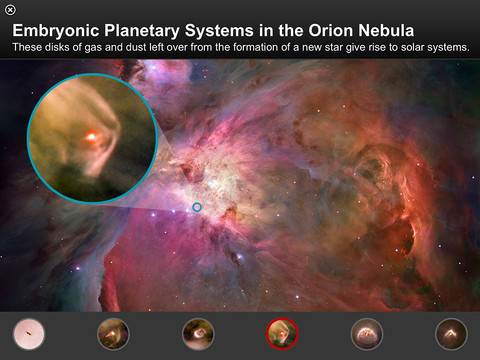
OrionNebula

Ear­li­er this month NASA announced that the Hub­ble Space Tele­scope found evi­dence of a plan­et form­ing 7.5 bil­lion miles from its star. This aston­ish­ing dis­cov­ery chal­lenges all of our cur­rent the­o­ries about how plan­ets devel­op.

A few days lat­er, Hub­ble cap­tured images of two galax­ies merg­ing.

Hub­ble has been in orbit since 1990, col­lect­ing images with one of the largest and most ver­sa­tile tele­scopes designed for deep space. No sin­gle tool has done as much to advance astro­nom­i­cal pub­lic rela­tions in recent years.

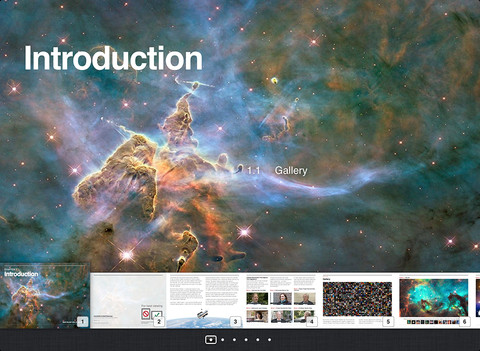
Hubble’s devel­op­ment, launch and dis­cov­er­ies are the sub­ject of a new, free inter­ac­tive e‑book (best viewed on the iPad) that brings to life Hubble’s dis­tin­guished ser­vice as our eye on the uni­verse.

NasaIntroductionSlide

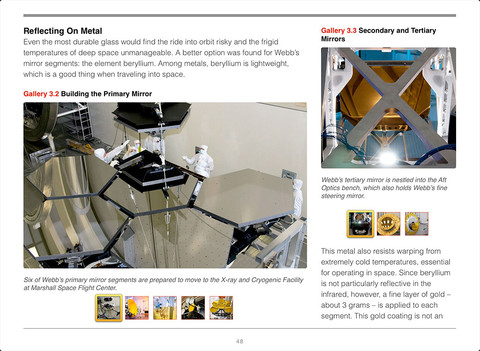
For almost as long as Hub­ble has been in space, NASA has been work­ing on the next gen­er­a­tion space tele­scope. The James Webb Space Tele­scope will fea­ture a mir­ror three times the size of Hubble’s. Once launched, the tele­scope will trav­el far beyond our Moon. NASA’s free e‑book about the Webb Tele­scope reveals the prepa­ra­tion going on to get the new tool ready for take-off.

NasaSlide3

Its large mir­ror and dis­tant view­ing posi­tion are expect­ed to give Webb’s images high­er res­o­lu­tion and sen­si­tiv­i­ty, allow­ing sci­en­tists to study the birth and evo­lu­tion of galax­ies as well as the for­ma­tion of stars and plan­ets.

The e‑books are writ­ten at a high school lev­el and can be viewed on an iPad using a free iBooks app. If you don’t have an iPad, no need to wor­ry. A non-inter­ac­tive ver­sion of the Hub­ble eBooks is also avail­able, as is one about the Webb Tele­scope.

You will find these books in our col­lec­tions, 800 Free eBooks for iPad, Kin­dle & Oth­er Devices and 200 Free Kids Edu­ca­tion­al Resources: Video Lessons, Apps, Books, Web­sites & More

Relat­ed Con­tent:

Live: Watch NASA’s Cov­er­age of Aster­oid As It Buzzes By Earth

NASA Sends Image of the Mona Lisa to the Moon and Back

Leonard Nimoy Nar­rates Short Film About NASA’s Dawn: A Voy­age to the Ori­gins of the Solar Sys­tem

Kate Rix writes about dig­i­tal media and edu­ca­tion. Vis­it her web­site and fol­low her on Twit­ter @mskaterix.

Amazing Aerial Photographs of Great American Cities Circa 1906

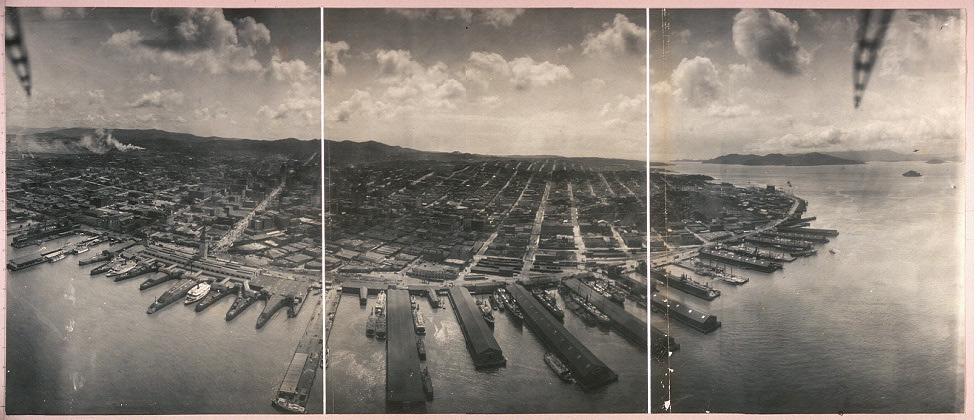
sf 1906

Click images to enlarge

In the late 19th cen­tu­ry, an enter­pris­ing pho­tog­ra­ph­er named George R. Lawrence devel­oped a keen inter­est in aer­i­al pho­tog­ra­phy. He first began tak­ing pic­tures with the help of high lad­ders, tow­ers, and air­borne bal­loons. Lat­er he switched to using unmanned kites, which did the trick. Deploy­ing 17 Conyne kites strung togeth­er by piano wire, Lawrence hoist­ed a hulk­ing, 50 pound cam­era some 400 to 2,000 feet above the ground and then began cap­tur­ing views of Amer­i­can cities. Most of these urban cen­ters were grow­ing at a steady clip. But, in his most famous pho­to­graph, Lawrence cap­tured San Fran­cis­co reel­ing after the dev­as­ta­tion of the 1906 earth­quake. (Click the image above to see the lev­eled city in a larg­er for­mat.)

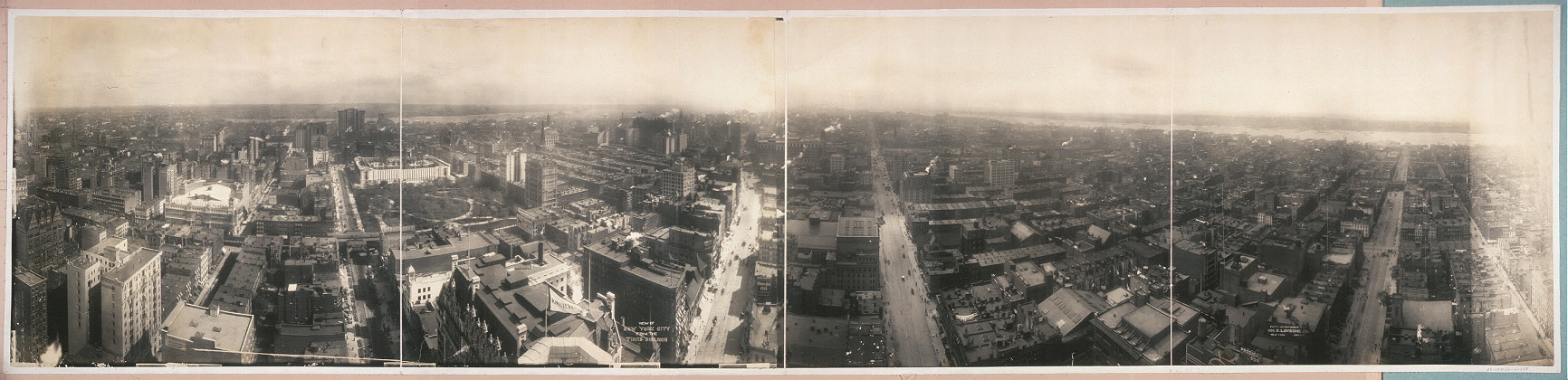
New York Lawrence

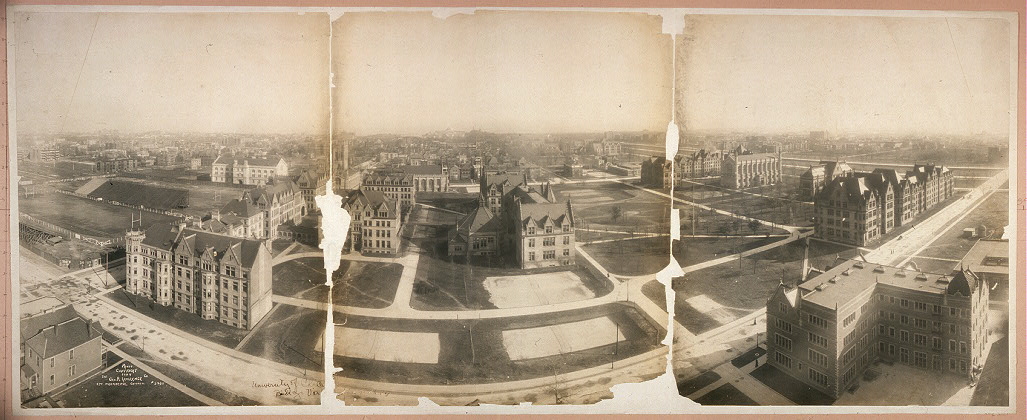
A col­lec­tion of Lawrence’s panoram­ic pho­tographs can be viewed over at the Library of Con­gress web site. The col­lec­tion includes bird’s-eye views of Man­hat­tan (above) and a more sleepy Brook­lyn, not to men­tion some great Mid­west­ern cities and towns. Below you can see a vin­tage shot of The Uni­ver­si­ty of Chica­go cam­pus cir­ca 1904. Or here Evanston’s North­west­ern cam­pus in 1907. And let’s not for­get this 1908 pho­to of Madi­son, WI, where I spent my most for­ma­tive years some eight decades lat­er.…

u chicago aerial

via @MatthiasRascher and Dai­ly Mail

Relat­ed Con­tent:

The 1906 San Fran­cis­co Earth­quake: Before and After

Berlin Street Scenes Beau­ti­ful­ly Caught on Film (1900–1914)

1927 Lon­don Shown in Mov­ing Col­or

The Extraordinary Life and Art of Henri Cartier-Bresson Revealed in 1998 Documentary

The cam­era, Hen­ri Carti­er-Bres­son once said, is an instru­ment of intu­ition and spon­tane­ity — “the mas­ter of the instant which, in visu­al terms, ques­tions and decides simul­ta­ne­ous­ly.” Like a Zen archer, Carti­er-Bres­son viewed his méti­er as a way of being in the world. Pho­tog­ra­phy for him was an “art­less art,” best approached by for­get­ting tech­nique and open­ing one­self to the uncon­scious. “To take pho­tographs,” he said, “means to recognize–simultaneously and with­in a frac­tion of a second–both the fact itself and the rig­or­ous orga­ni­za­tion of visu­al­ly per­ceived forms that give it mean­ing. It is putting one’s head, one’s eye, and one’s heart on the same axis.”

Hen­ri Carti­er-Bres­son: Pen, Brush and Cam­era (above) is an excel­lent overview of the great pho­tog­ra­pher’s life and work. Direct­ed and nar­rat­ed by Patri­cia Wheat­ley, the film was pro­duced for the BBC in 1998, the year four major exhi­bi­tions were held in Lon­don to cel­e­brate Carti­er-Bres­son’s 90th birth­day. The film traces the pho­tog­ra­pher’s extra­or­di­nary life, from his ear­ly train­ing as a painter and his infat­u­a­tion with Sur­re­al­ism to his lat­er work as a globe-trot­ting pho­to­jour­nal­ist and his deci­sion, after 40 years of work in the medi­um, to give up pho­tog­ra­phy and ded­i­cate the last decades of his life to draw­ing. The film includes rare footage of Carti­er-Bres­son at work, along with inter­views by Mag­num pho­tog­ra­ph­er Eve Arnold and oth­ers. Best of all, Wheat­ley was able to film exten­sive inter­views with the noto­ri­ous­ly shy pho­tog­ra­ph­er, both in Lon­don and in his apart­ment over­look­ing the Tui­leries Gar­dens in Paris.

To learn more about Carti­er-Bres­son and to see a won­der­ful slide show of his pho­tog­ra­phy nar­rat­ed by the man him­self, please see our ear­li­er piece, â€śHen­ri Carti­er Bres­son and the Deci­sive Moment.”

Relat­ed Con­tent:

The Cre­ative Process of Ansel Adams Revealed in 1958 Doc­u­men­tary

Dis­cov­er Ansel Adams’ 226 Pho­tos of U.S. Nation­al Parks (and Anoth­er Side of the Leg­endary Pho­tog­ra­ph­er)

Alfred Stieglitz: The Elo­quent Eye, a Reveal­ing Look at “The Father of Mod­ern Pho­tog­ra­phy”

1972 Diane Arbus Doc­u­men­tary Inter­views Those Who Knew the Amer­i­can Pho­tog­ra­ph­er Best

The Beauty of Space Photography

So many of the images we see of out­er space are either cold and flat—a plan­et sphere sur­round­ed by scores of pin­point stars against the back­drop of black space—or they’re artists’ ren­der­ings.

The pic­tures fea­tured in The Beau­ty of Space Pho­tog­ra­phy are nei­ther of those. They’re more like con­cep­tu­al art: beau­ti­ful, mys­te­ri­ous, and intrigu­ing.

The video above is the lat­est episode of PBS’s Off Book, a web series that explores new Inter­net cul­ture. In this episode, the pro­duc­ers inter­view three astro­physi­cists, and they are any­thing but the pock­et-pro­tec­tor types. These sci­en­tists are artic­u­late, thought­ful, and pas­sion­ate about space and about pho­tograph­ing what they see through super-pow­er­ful tele­scopes.

Work­ing for dif­fer­ent insti­tu­tions, each sci­en­tist uses pho­tog­ra­phy as a major tool to study space. The images have func­tion­al val­ue of course, to assist with mea­sur­ing and doc­u­ment­ing find­ings. But there’s no deny­ing their beau­ty. Astro­physics also touch­es on philo­soph­i­cal ques­tions, so the pic­tures trig­ger a sense of awe that bor­ders on the exis­ten­tial.

The blue and pink swirls of cloud dust and deep spi­ral-shaped galax­ies in these pic­tures are breath­tak­ing because, as astro­physi­cist Emi­ly Rice says, we know what they are and yet they are unfath­omable.

The images are of such high qual­i­ty that they con­vey some of the depth and grandeur of space. The pic­tures seem to con­tain the unbe­liev­able immen­si­ty and allow us to focus in on just a small, beau­ti­ful piece of what is all around out there.

But that’s just part of the fun of this short video. Lis­ten­ing to the sci­en­tists talk about their work is like hav­ing an expert guide you through the uni­verse, a docent who’s excit­ed and edu­cat­ed about things that none of us can tru­ly com­pre­hend even as we gape at their beau­ty.

The oth­er sci­en­tists fea­tured in this short are David Hogg (NYU) and Zolt Lev­ay (Space Tele­scope Sci­ence Insti­tute).

Relat­ed Con­tent:

Find Cours­es on Astron­o­my and Physics in our Col­lec­tion of 700 Free Online Cours­es

125 Great Sci­ence Videos: From Astron­o­my to Physics & Psy­chol­o­gy

The Won­der, Thrill & Mean­ing of See­ing Earth from Space. Astro­nauts Reflect on The Big Blue Mar­ble

An Ani­mat­ed Visu­al­iza­tion of Every Observed Mete­orite That Has Hit Earth Since 861 AD

Kate Rix writes about dig­i­tal media and edu­ca­tion. Vis­it her web­site or fol­low her on Twit­ter @mskaterix.

Photographer Revisits Abandoned Movie Sets for Star Wars and Other Classic Films in North Africa

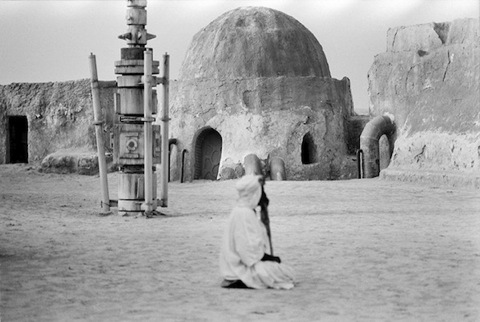
Tunisia

Mak­ing a movie? Need to shoot some large-scale desert scenes? You might con­sid­er tak­ing your pro­duc­tion to North Africa, where you’ll find not only a great many acres of sand, but will fol­low in the foot­steps of some of the twen­ti­eth cen­tu­ry’s high­est-pro­file film­mak­ers. Just above, you see a pic­ture of one of the many Star Wars sets still stand­ing in Tozeur, Tunisia, 36 years after the shoot. New York pho­tog­ra­ph­er Rä di Mar­ti­no has tak­en it upon her­self to deter­mine the loca­tions and col­lect images of these cin­e­mat­ic ruins in the projects “No More Stars” and “Every World’s a Stage.” Giv­en the sur­pris­ing­ly sound con­di­tion of some of these sets — that dry air must have some­thing to do with it — I fore­see an entre­pre­neur­ial oppor­tu­ni­ty in the vein of all those New Zealand Lord of the Rings fan tours.

Even if Star Wars does­n’t get you excit­ed enough to book a trip to Tunisia, a vis­it to Moroc­co may still inter­est you. Di Mar­ti­no’s short Petite his­toire des plateaux aban­don­nès (Short His­to­ry of Aban­doned Sets) seeks out more such long-silent fake towns, fortress­es, and gas sta­tions around Ouarza­zate, orig­i­nal­ly used for every­thing from cheap hor­ror movies to Lawrence of Ara­bia. There, a group of kids recites, dead­pan, scenes from the var­i­ous pro­duc­tions that swung through town well before they were born. These sur­viv­ing chunks of arti­fice, meant only for the cam­era, have found the cam­era again — or, rather, the cam­era has found them — with results that now look more inter­est­ing than many of the major films that com­mis­sioned them.

Relat­ed Con­tent:

The Mak­ing of The Empire Strikes Back Show­cased on Long-Lost Dutch TV Doc­u­men­tary

Hun­dreds of Fans Col­lec­tive­ly Remade Star Wars; Now They Remake The Empire Strikes Back

Col­in Mar­shall hosts and pro­duces Note­book on Cities and Cul­ture and writes essays on lit­er­a­ture, film, cities, Asia, and aes­thet­ics. He’s at work on a book about Los Ange­les, A Los Ange­les Primer. Fol­low him on Twit­ter at @colinmarshall.

The Finland Wartime Photo Archive: 160,000 Images From World War II Now Online

Kuitu Oy:llä konstuoitu IT-tykki.

From the The Finnish Defence Forces comes the Finnish Wartime Pho­to­graph Archive, a col­lec­tion of 160,000 pho­tographs tak­en dur­ing World War II when Fin­land fought to free itself from Nazi Ger­many and the Sovi­et Union. Pre­served in their orig­i­nal state, the pic­tures “por­tray life on the home front, ruins from bomb­ings, the war indus­try and events that hap­pened behind the front lines.” As you can imag­ine, some of the pho­tos can be dis­turb­ing.

On a brighter note, let me add this. You can down­load each and every pho­to, and use them for edu­ca­tion­al pur­pos­es. The archive only asks that you give prop­er attri­bu­tion by men­tion­ing “SA-kuva” as the source. And, indeed, “SA-kuva” should be giv­en cred­it for the image above.

You can enter the com­plete archive here.

via Petapix­el

by | Permalink | Make a Comment ( 3 ) |

The Digital Public Library of America Launches Today, Opening Up Knowledge for All

dpla

A group of top Amer­i­can libraries and aca­d­e­m­ic insti­tu­tions launched a new cen­tral­ized research resource today, the Dig­i­tal Pub­lic Library of Amer­i­ca (DPLA), mak­ing mil­lions of resources (books, images, audio­vi­su­al resources, etc.) avail­able in dig­i­tal for­mat. First hatched as an idea at Har­vard’s Berk­man Cen­ter for Inter­net & Soci­ety, the DPLA is now real­iz­ing its vision of being “an open, dis­trib­uted net­work of com­pre­hen­sive online resources that draws on the nation’s liv­ing her­itage from libraries, uni­ver­si­ties, archives, and muse­ums in order to edu­cate, inform, and empow­er every­one in the cur­rent and future gen­er­a­tions.”

The Dig­i­tal Pub­lic Library of Amer­i­ca rolls out today as a beta site with some kinks to work out. Some links to mate­ri­als don’t work at the oth­er end. And right now the offer­ing is built around a mod­est num­ber of online exhi­bi­tions that have been dig­i­tized by cul­tur­al insti­tu­tions through­out the coun­try, accord­ing to Robert Darn­ton, a dri­ving force behind the DPLA. When you vis­it the site, a dynam­ic map and time­line will help you nav­i­gate the col­lec­tions by year, decade or place. It will lead you to exhi­bi­tions, for exam­ple, about the Great Depres­sion and Roo­sevelt’s New DealBoston’s sto­ried sports tem­ples, and Pro­hi­bi­tion in the US. Around this core, the DPLA will grow until it tru­ly serves as the dig­i­tal pub­lic library of Amer­i­ca.

You can read more about Robert Darn­ton’s vision for the Dig­i­tal Pub­lic Library of Amer­i­ca in the pages of The New York Review of Books.

via Har­vard Press

Kate Rix writes about dig­i­tal media and edu­ca­tion. Vis­it her web­site, .

Relat­ed Con­tent:

Cor­nell Launch­es Archive of 150,000 Bird Calls and Ani­mal Sounds, with Record­ings Going Back to 1929

The Alan Lomax Sound Archive Now Online: Fea­tures 17,000 Record­ings

Albert Ein­stein Archive Now Online, Bring­ing 80,000+ Doc­u­ments to the Web

Roy­al Soci­ety Opens Online Archive; Puts 60,000 Papers Online

Italian Photographer Maurizio Galimberti Creates Cubist Polaroid Collages of Artists & Celebrities

Five years ago Polaroid announced that they would no longer make ana­log insta­mat­ic film. At that moment, if one lis­tened care­ful­ly, one could almost hear some of the 20th cen­tu­ry’s most famous artists wail in despair, even from the grave. Ansel Adams loved Polaroid and shot some of his famous Yosemite images in that for­mat first.

But a tech­nique with that kind of fol­low­ing doesn’t die off eas­i­ly. Two ardent Polaroid fans—ardent enough to actu­al­ly attend the clo­sure of a Polaroid fac­to­ry in the Netherlands—met and came up with a plan to save the fac­to­ry and Polaroid instant film. They called their plan the Impos­si­ble Project. They leased one of the Dutch fac­to­ry build­ings and even­tu­al­ly fired up the machines again, turn­ing out new instant film.

Lucky for us. Artists like David Hock­ney have long made beau­ti­ful use of Polaroid instant pho­tos to con­struct cubist col­lages. One of the best at this is the Ital­ian pho­tog­ra­ph­er Mau­r­izio Gal­im­ber­ti who cre­ates ter­rif­ic celebri­ty por­traits using a Polaroid.

close Galimberti

Gal­im­ber­ti con­sid­ers him­self a painter who uses a cam­era. Watch­ing the video of his pho­to shoot with painter Chuck Close, it’s inter­est­ing to observe how sim­i­lar Galimberti’s pho­to col­lage (above) is to Close’s own paint­ed self-por­traits.

Gal­im­ber­ti also has pret­ty good access to celebri­ties, hav­ing shot the por­trait of John­ny Depp and this one of George Clooney at the 2003 Venice Film Fes­ti­val.

Gal­im­ber­ti posts a num­ber of more recent celebri­ty por­traits on his web­site, where he also dis­plays his abstract city pho­to col­lages.

Kate Rix writes about dig­i­tal media and edu­ca­tion. Vis­it her web­site: .  

« Go BackMore in this category... »
Quantcast