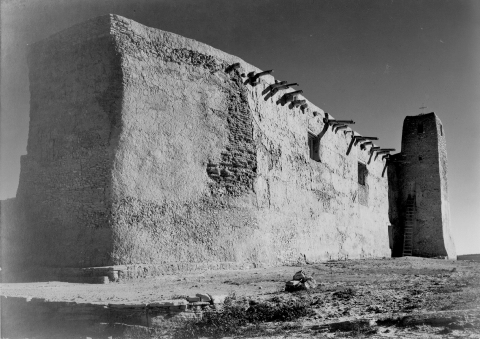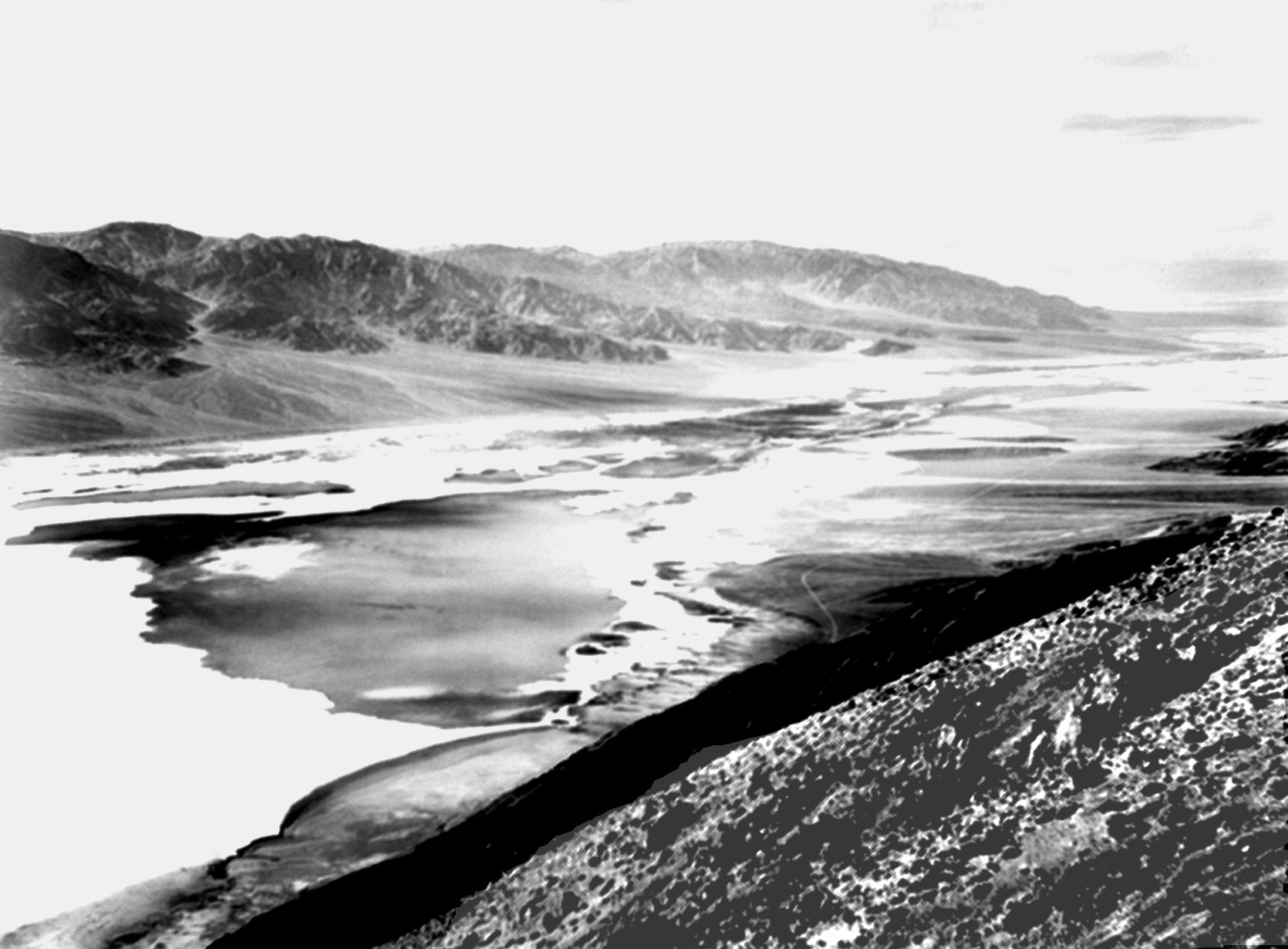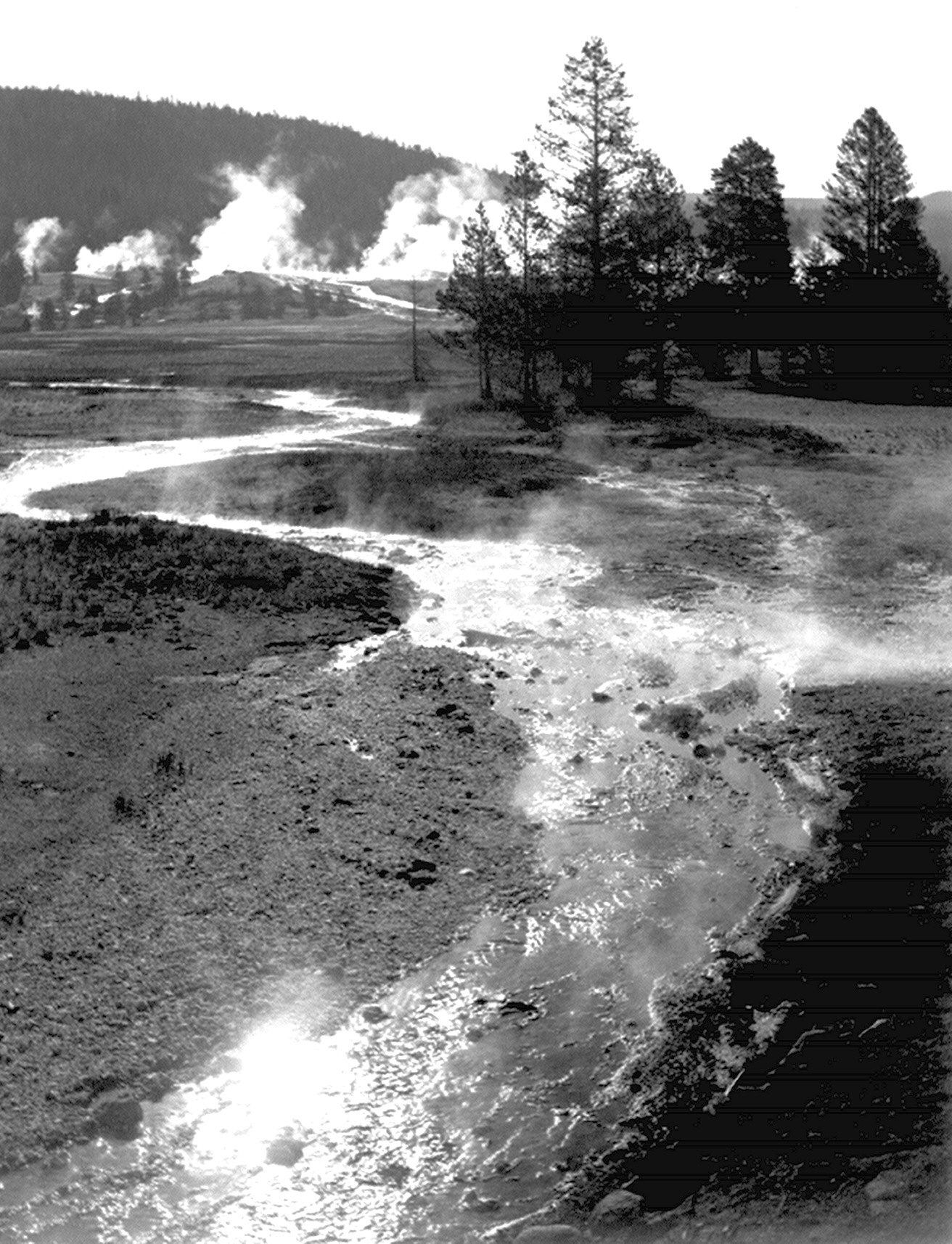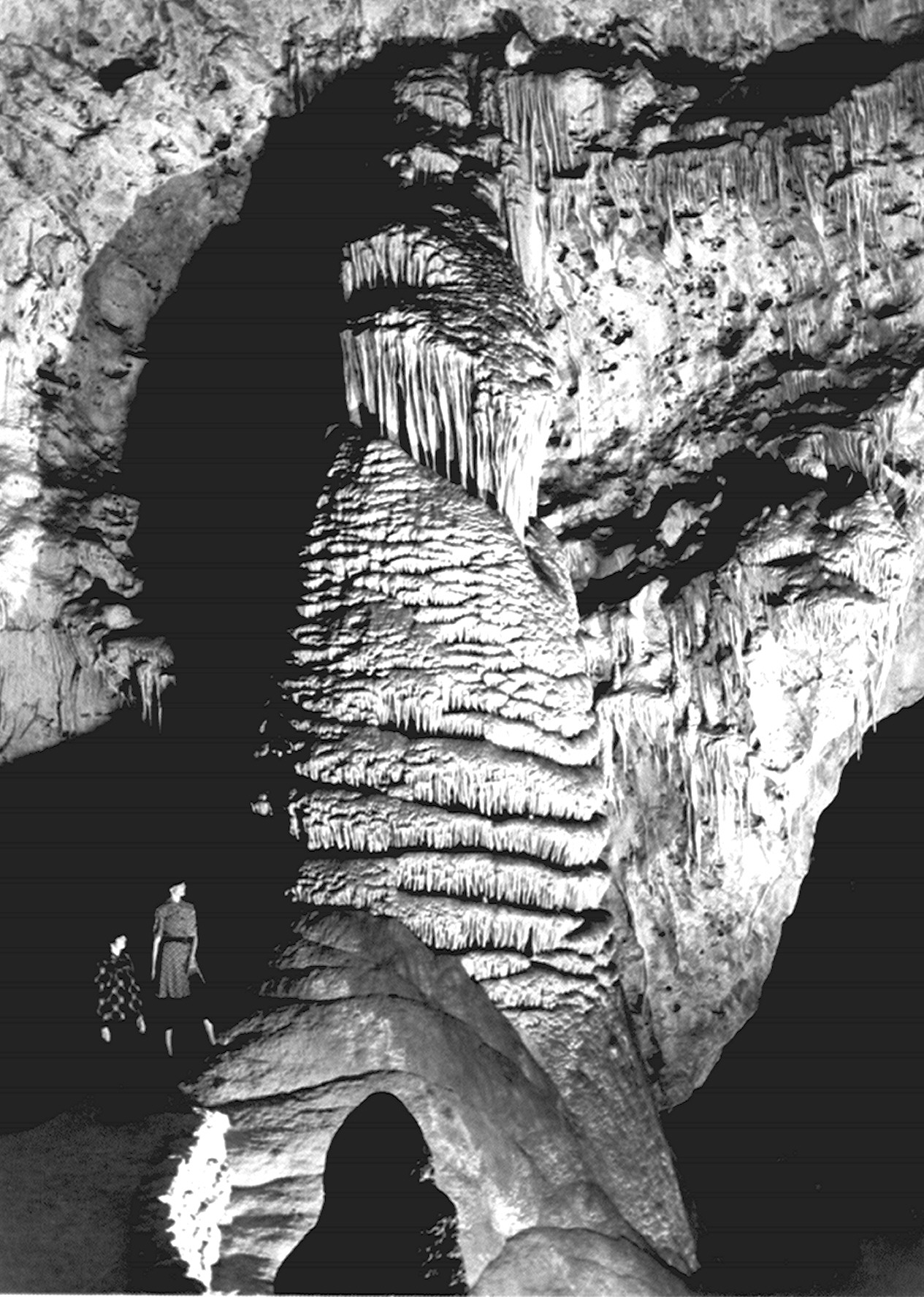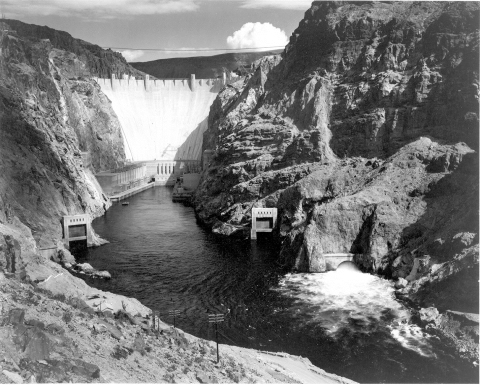
Today marks what would be the 111th birthÂday of Ansel Adams, the AmerÂiÂcan phoÂtogÂraÂphÂer who capÂtured the subÂlime powÂer of the wilderÂness, takÂing iconÂic images of the AmerÂiÂcan West, most notably in Yosemite ValÂley. (See phoÂto gallery here.) OrigÂiÂnal footage docÂuÂmentÂing the creÂative life of Ansel Adams is surÂprisÂingÂly hard to come by online. So A/V Geeks and DevelÂop Tube did us all a favor when they revived this 1958 docÂuÂmenÂtary revealÂing Adams’ techÂniÂcal approach to phoÂtogÂraÂphy, the camÂeras and relatÂed gear he carÂried to the field, and his thoughts on the artisÂtic horiÂzons of phoÂtogÂraÂphy.
If you would like to sign up for Open Culture’s free email newsletÂter, please find it here. It’s a great way to see our new posts, all bunÂdled in one email, each day.
If you would like to supÂport the misÂsion of Open CulÂture, conÂsidÂer makÂing a donaÂtion to our site. It’s hard to rely 100% on ads, and your conÂtriÂbuÂtions will help us conÂtinÂue proÂvidÂing the best free culÂturÂal and eduÂcaÂtionÂal mateÂriÂals to learnÂers everyÂwhere. You can conÂtribute through PayÂPal, PatreÂon, and VenÂmo (@openculture). Thanks!
Last year, Edwin TurnÂer, the masÂterÂmind behind the BibÂliokÂlept blog, assemÂbled a fine phoÂto gallery that capÂtured Ernest HemÂingÂway posÂing shirtÂless. Big, burly and barÂrel-chestÂed, Papa projects the masÂcuÂline image that he careÂfulÂly culÂtiÂvatÂed for himÂself and for the world to see.
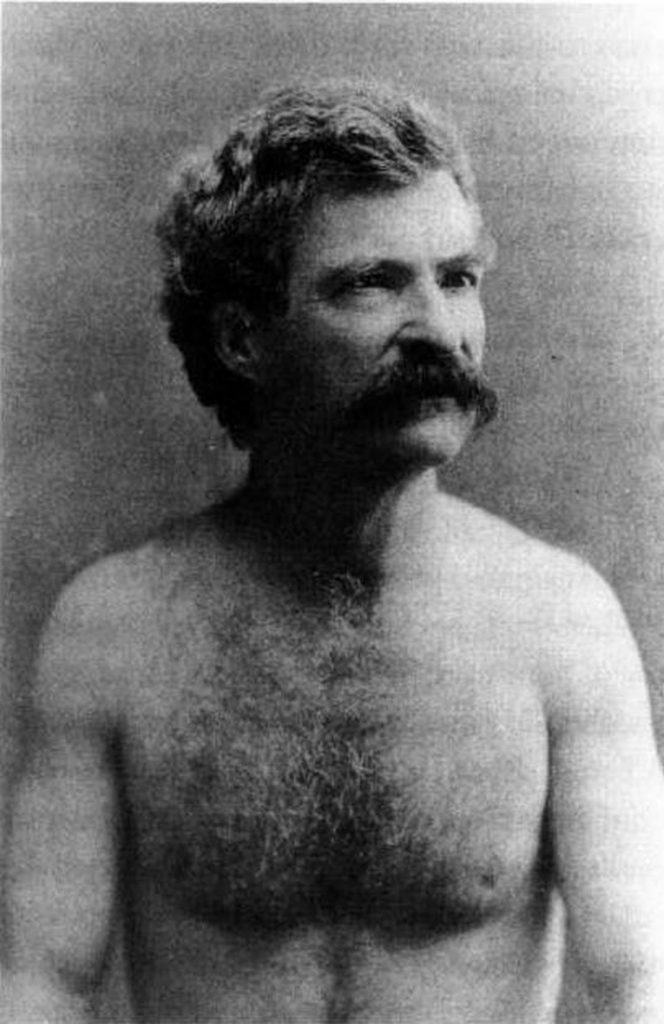
HemÂingÂway’s phoÂtos seem right in keepÂing with his pubÂlic perÂsona (we’ll have more on him latÂer today). But this 1883 porÂtrait of Mark Twain will perÂhaps give you pause. To be sure, Twain cared deeply about his pubÂlic image. The writer careÂfulÂly craftÂed his pubÂlic idenÂtiÂty, givÂing more than 300 interÂviews to jourÂnalÂists where he reinÂforced the traits he wantÂed to be known for — his wit, irrevÂerÂent sense of humor, and thoughtÂfulÂness. Twain also loved havÂing his picÂture takÂen, posÂing for phoÂtogÂraÂphers whenÂevÂer he had a chance. The camÂera offered yet anothÂer way to fashÂion his own perÂsonÂal myth.
Of course, the author is best rememÂbered for one set of iconÂic images — the one where he dons a white suit in 1906, upon travÂelÂing to WashÂingÂton D.C. to lobÂby for the proÂtecÂtion of authors’ copyÂrights. But, as The RoutÂledge EncyÂcloÂpeÂdia of Mark Twainexplains, the novÂelÂist also let his image be used in countÂless adverÂtiseÂments — in ads for restauÂrants, pharÂmaÂcies, dry goods and cigÂars too. The encyÂcloÂpeÂdia gives the impresÂsion that the shirtÂless phoÂto was perÂhaps takÂen withÂin this comÂmerÂcial conÂtext. It’s not clear what prodÂuct the porÂtrait helped marÂket (care to take a guess?), or preÂciseÂly how Twain saw it conÂtributÂing to his pubÂlic image. The details are murky. But one thing is for cerÂtain: The 1880s image is authenÂtic. It’s the real shirtÂless Mark Twain.
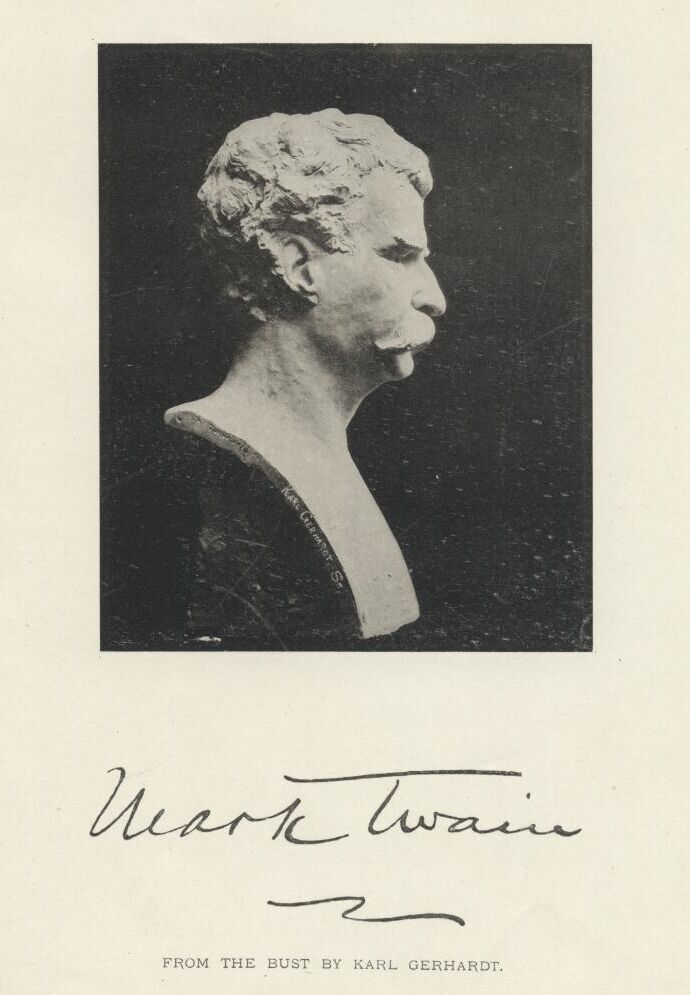
Update: One of our readÂers sugÂgests that the shirtÂless phoÂto was a byprodÂuct of a bust that was sculptÂed by Karl GerÂhardt for the fronÂtispiece of AdvenÂtures of HuckÂleÂberÂry Finn. Seems quite plauÂsiÂble. See it here.
This vinÂtage pic comes to us via Wired writer Steve SilÂberÂman. FolÂlow him on TwitÂter at @stevesilberman.
They shared a comÂpulÂsion to create—some might say document—but were so intenseÂly priÂvate, the revÂeÂlaÂtions of their respecÂtive lives’ work threw everyÂone for a loop.
EmployÂers and neighÂbors found it hard to believe they’d had it in them. (View an online gallery of her work here.)
CuraÂtors, marÂveling at the quanÂtiÂty of their outÂput and qualÂiÂty of the vision, piled on superlaÂtives.
SomeÂthing tells me the prickÂly Ms. Maier would not have appreÂciÂatÂed any comÂparÂisons to a man whose work feaÂtured so many repÂreÂsenÂtaÂtions of naked, herÂmaphÂroÂditÂic girl-warÂriors being bayÂoÂnetÂted, but death makes it difÂfiÂcult to keep hold of the reins gripped so tightÂly in life.
For the foreÂseeÂable future, Maier’s legaÂcy rests in the hands of John MalÂoof, the young Chicagoan who bought her negÂaÂtives from an unpaid storÂage unit for less than $400, hopÂing he might find someÂthing of relÂeÂvance for a neighÂborÂhood hisÂtoÂry project. He got more than he barÂgained for, obviÂousÂly, but the years spent scanÂning the unknown artist’s work is beginÂning to pay off in exhiÂbiÂtions, gallery repÂreÂsenÂtaÂtion, and a book. Now he is nearÂing comÂpleÂtion of FindÂing Vivian Maier, a docÂuÂmenÂtary film that promisÂes to shed more light on this fasÂciÂnatÂing tale.
We don’t need to tell you, an Open CulÂture readÂer, about the richÂness of David Lynch’s conÂtriÂbuÂtion to motion picÂtures. But the auteur also has an ongoÂing relaÂtionÂship with still phoÂtogÂraÂphy which the past decade has seen emerge into pubÂlic light. Years ago, I attendÂed an openÂing in Los Angeles—the city so thorÂoughÂly capÂtured by Lynch’s surrealism—of an exhiÂbiÂtion of his own shots. Now, the Los AngeÂles Review of Books presents Lynch’s comÂmenÂtary, in the video above, on 99 picÂtures takÂen by othÂers. LisÂten to him describe his viewÂing approach—that of a voyeurisÂtic, all-feelÂing detective—and you’ll nevÂer look the same way at curÂtains, womÂen’s shoes, stone BudÂdhas, and fesÂterÂing sores again.
Lynch selectÂed these favorite 99 phoÂtos from the thouÂsand preÂsentÂed at 2012’s Paris PhoÂto, the interÂnaÂtionÂal phoÂtogÂraÂphy fair that hapÂpens each NovemÂber durÂing the EuroÂpean Month of PhoÂtogÂraÂphy. He arrived as the inauÂgurÂal selecÂtion of “Paris PhoÂto vu par…,” a new traÂdiÂtion that will each year comÂpile a book of images, their selecÂtion “entrustÂed to a difÂferÂent perÂsonÂalÂiÂty each year.” Die-hard fans will sureÂly need to own their idolÂ’s ediÂtion, and in late April they can make a pilÂgrimÂage to Lynch’s town for the launch of Paris PhoÂto Los AngeÂles. Its locaÂtion? The lot of ParaÂmount PicÂtures, disÂtribÂuÂtor of Lynch’s phoÂtoÂgraphÂiÂcalÂly strikÂing The EleÂphant Man.
ColÂin MarÂshall hosts and proÂduces NoteÂbook on Cities and CulÂture and writes essays on litÂerÂaÂture, film, cities, Asia, and aesÂthetÂics. He’s at work on a book about Los AngeÂles, A Los AngeÂles Primer. FolÂlow him on TwitÂter at @colinmarshall.
It took Marsel van OostÂen two years and 16,000 images to creÂate a timeÂlapse video that capÂtures the inefÂfaÂble beauÂty of NamibÂian Nights. Shot with Nikon D3, D3s and D4 camÂeras, the film highÂlights van OostÂen’s favorite sites in NamibÂia — “the fairyÂtale-like quivÂertrees and the eery, dead camelthorn trees in DeadÂvlei.” For each secÂond of video, 30 phoÂtographs were takÂen. NamibÂian Nights won First Prize in the 2012 TravÂel PhoÂtogÂraÂphÂer of The Year Awards.
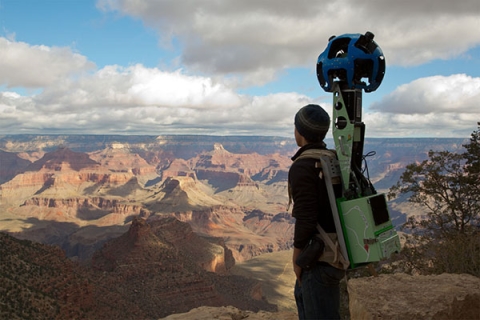
With Google’s Street View we can amble through New York City’s High Line Park, around the NationÂal MuseÂum of Iraq in BaghÂdad, and down the cobÂbled streets of Ouro PreÂto, Brazil. Now we can also take a virÂtuÂal hike along the rim of the Grand Canyon, folÂlowÂing Google’s camÂeras along the hisÂtoric Bright Angel trail from its start at the south rim all the way down the Black Bridge over the ColÂorado RivÂer and on to the PhanÂtom Ranch campÂing area.
It’s a perÂfect way to check out the terÂrain before takÂing off for an AriÂzona vacaÂtion.
Unlike views in Google’s earÂliÂer Street View maps, the Grand Canyon phoÂtos are takÂen along rocky, narÂrow trails where no car, snow mobile, or motorÂbike could ever go. So how did Google colÂlect all of the necÂesÂsary images?
The Grand Canyon project is the first to utiÂlize Trekker, a backÂpack-mountÂed camÂera appaÂraÂtus worn by a hikÂer that takes a picÂture every 2.5 secÂonds. Trekker weighs 40 pounds and is operÂatÂed by an Android phone held by the hikÂer. It has 15 camÂeras pointÂed in difÂferÂent angles that can be comÂbined to creÂate panoramÂic views.
FolÂlow the South Kaibab Trail to SkeleÂton Point for majesÂtic 360-degree views of the misty blue Canyon. It took three days to capÂture the main trails of the Canyon’s south rim. Two teams hiked down the Bright Angel Trail, camped at PhanÂtom Ranch and hiked out the next day along the South Kaibab Trail. AnothÂer team stayed at the top, colÂlectÂing images from the rim and from MeteÂor Crater outÂside the park.
The work of artist Nina KatchadouriÂan is highÂly accesÂsiÂble. So much so that it’s likeÂly her fault if the line for the bathÂroom on your next flight stretchÂes all the way from tail to the cockÂpit. Such is the powÂer of LavaÂtoÂry Self-porÂtraits in the FlemÂish Style, the best known segÂment of her ongoÂing Seat AssignÂment project. How can pasÂsenÂgers pass up the opporÂtuÂniÂty to recreÂate KatchadouriÂan’s wideÂly disÂsemÂiÂnatÂed images, knowÂing that the origÂiÂnals were shot in the mirÂror on an iPhone, using props like disÂposÂable seat covÂers and an inflatÂable neck pilÂlow?
Shy and/or civic-mindÂed types who don’t relÂish the impliÂcaÂtions of tying up the johnÂny at high altiÂtudes should have a go at restagÂing the othÂer aspects to KatchadouriÂan’s inflight work, on disÂplay above.
(Hint: book a winÂdow seat and exerÂcise restraint when the fight attenÂdant hands you your comÂpliÂmenÂtaÂry bag of mini pretÂzels.)
HonÂestÂly, much of what you’ll see, from the unnervÂingÂly named DisÂasÂters to the genius of Sweater GorilÂlas, can be accomÂplished withÂout leavÂing the ground. Though it may prove more creÂativeÂly rewardÂing to delay until the only palatÂable alterÂnaÂtive is an unregÂuÂlatÂed amount of realÂiÂty TV screenÂing on the seat back ahead of you.
In a preÂviÂous post, we brought you what is likeÂly the only appearÂance on film of Sir Arthur Conan Doyle—an interÂview in which he talks of SherÂlock Holmes and spirÂiÂtuÂalÂism. Although Conan Doyle creÂatÂed one of the most hardÂnosed ratioÂnal charÂacÂters in litÂerÂaÂture, the author himÂself latÂer became conÂvertÂed to a variÂety of superÂnatÂurÂal beliefs, and he was takÂen in by a few hoaxÂes. One such famous hoax was the case of the so-called “CotÂtinÂgÂley Fairies.” As you can see from the phoÂto above (from 1917), the case involved what Conan Doyle believed was phoÂtoÂgraphÂic eviÂdence of the exisÂtence of fairies, docÂuÂmentÂed by two young YorkÂshire girls, Elsie Wright and her cousin Frances GrifÂfiths (the girl in the phoÂto above). AccordÂing to The HauntÂed MuseÂum, the stoÂry of Doyle’s involveÂment goes someÂthing like this:
In 1920, Conan Doyle received a letÂter from a SpirÂiÂtuÂalÂist friend, FeliÂcia Scatcherd, who informed of some phoÂtographs which proved the exisÂtence of fairies in YorkÂshire. Conan Doyle asked his friend Edward GardÂner to go down and invesÂtiÂgate and GardÂner soon found himÂself in the posÂsesÂsion of sevÂerÂal phoÂtos which showed very small female figÂures with transÂparÂent wings. The phoÂtogÂraÂphers had been two young girls, Elsie Wright and her cousin, Frances GrifÂfiths. They claimed they had seen the fairies on an earÂliÂer occaÂsion and had gone back with a camÂera and phoÂtographed them. They had been takÂen in July and SepÂtemÂber 1917, near the YorkÂshire vilÂlage of CotÂtinÂgÂley.
The two cousins claimed to have seen the fairies around the “beck” (a local term for “stream”) on an almost daiÂly basis. At the time, they claimed to have no intenÂtion of seekÂing fame or notoÂriÂety. Elsie had borÂrowed her father’s camÂera on a host SatÂurÂday in July 1917 to take picÂtures of Frances and the beck fairies.
Elsie’s father, a skepÂtic, filed the phoÂtos away as a joke, but her mothÂer, PolÂly Wright, believed, and brought the images to GardÂner (there were only two at first, not “sevÂerÂal”), who cirÂcuÂlatÂed them through the British spirÂiÂtuÂalÂist comÂmuÂniÂty. When Conan Doyle saw them in 1920, he gave each girl a camÂera and comÂmisÂsioned them to take more. They proÂduced three addiÂtionÂal prints. The online MuseÂum of HoaxÂesdetails each of the five phoÂtos from the two sesÂsions with text from Edward GardÂner’s 1945 TheoÂsophÂiÂcal SociÂety pubÂliÂcaÂtion The CotÂtinÂgÂley PhoÂtographs and Their Sequel.
These phoÂtos swayed thouÂsands over the course of the cenÂtuÂry, but arch-skepÂtic James RanÂdi seemÂingÂly debunked them for good when he pointÂed out that the fairies were ringers for figÂures in the 1915 children’s book Princess Mary’s Gift Book, and that the prints show disÂcrepÂanÂcies in expoÂsure times that clearÂly point to delibÂerÂate manipÂuÂlaÂtion. The two women, Elsie and Frances, finalÂly conÂfessed in the earÂly 1980s, fifty years after Conan Doyle’s involveÂment, that they had faked the phoÂtos with paper cutouts. Watch RanÂdi and Elsie Wright disÂcuss the trickÂery above.
The daughÂter and grandÂdaughÂter of GrifÂfiths posÂsess the origÂiÂnal prints and one of Conan Doyle’s camÂeras. Both once believed that the fairies were real, but as the host explains, they were not simÂply credÂuÂlous fools. ThroughÂout much of the twenÂtiÂeth cenÂtuÂry, peoÂple looked at the camÂera as a sciÂenÂtifÂic instruÂment, unaware of the ease with which images could be manipÂuÂlatÂed and staged. But even as Frances admitÂted to the fakÂery of the first four phoÂtos, she insistÂed that numÂber five was genÂuine. EveryÂone on the show agrees, includÂing the host. CerÂtainÂly Conan Doyle and his friend Edward GardÂner thought so. In the latÂter’s descripÂtion of #5, he wrote:
This is espeÂcialÂly remarkÂable as it conÂtains a feaÂture quite unknown to the girls. The sheath or cocoon appearÂing in the midÂdle of the grassÂes had not been seen by them before, and they had no idea what it was. Fairy observers of ScotÂland and the New ForÂest, howÂevÂer, were familÂiar with it and described it as a magÂnetÂic bath, woven very quickÂly by the fairies and used after dull weathÂer, in the autumn espeÂcialÂly. The inteÂriÂor seems to be magÂneÂtised in some manÂner that stimÂuÂlates and pleasÂes.
I must say, I remain seriÂousÂly unconÂvinced. Even if I were inclined to believe in fairies, phoÂto numÂber five looks as phoÂny to me as numÂbers one through four. But the Antiques RoadÂshow appearÂance does add a fun new layÂer to the stoÂry and an air of mysÂtery I can’t help but find intriguÂing, as Conan Doyle did in 1920, if only for the hisÂtorÂiÂcal angle of the three genÂerÂaÂtions of GrifÂfiths who held onto the legÂend and the artiÂfacts. Oh, and the appraisal for the five origÂiÂnal phoÂtos and Arthur Conan Doyle’s camÂera? TwenÂty-five to thirÂty-thouÂsand pounds—not too shabÂby for an adoÂlesÂcent prank.
Josh Jones is a freeÂlance writer, ediÂtor, and musiÂcian based in WashÂingÂton, DC. FolÂlow him @jdmagness
We're hoping to rely on loyal readers, rather than erratic ads. Please click the Donate button and support Open Culture. You can use Paypal, Venmo, Patreon, even Crypto! We thank you!
Open Culture scours the web for the best educational media. We find the free courses and audio books you need, the language lessons & educational videos you want, and plenty of enlightenment in between.