Patti Smith’s Musical Tributes to the Russian Greats: Tarkovsky, Gogol & Bulgakov

In 2010, Pat­ti Smith won a Nation­al Book Award for her mem­oir Just Kids, mak­ing her, by my count, the only Rock and Roll Hall of Fame mem­ber to land that prize. Of course, she’s also the only per­son I can think of who has appeared in both a movie by Jean-Luc Godard (Film Social­isme) and an episode of Law and Order. And she’s def­i­nite­ly the only rock­er out there who has a per­son­al invite from the Pope to play at the Vat­i­can.

Back in the mid-‘70s, Smith fused the noise and urgency of punk rock with spo­ken word poet­ry and cre­at­ed some­thing unlike any­thing before or since. She per­formed with such inten­si­ty on stage that she looked like a mod­ern day shaman in the midst of an ecsta­t­ic rev­el­ry. Yet she had a lit­er­ary sen­si­bil­i­ty that made her stand apart from most of her fel­low pro­to-punks at CBG­Bs. (The Ramones are awe­some but no one is going to parse the lyrics of “Beat on the Brat with a Base­ball Bat.”) The B‑side track of Smith’s first sin­gle, “Piss Fac­to­ry,” describes the unre­lent­ing tedi­um she expe­ri­enced work­ing at a fac­to­ry before she swiped a copy of Illu­mi­na­tions by French poet Arthur Rim­baud.

While mak­ing Film Social­isme with Godard, she con­ceived of her lat­est album, Ban­ga, released in 2012. When she start­ed writ­ing songs, she was, as she said in an inter­view, very inter­est­ed in Russ­ian cul­ture.

I like my trav­els to be akin with my stud­ies, and so when I start­ed being smit­ten with Bul­gakov and start­ed read­ing a lot of Russ­ian lit­er­a­ture and then watch­ing a lot of Tarkovsky, being very immersed in Russ­ian cul­ture, I got some jobs in Rus­sia. … But I’ve always done that. We have very idio­syn­crat­ic tours – I always make sure that the band does well finan­cial­ly, but a lot of our tours are based on things that I’m study­ing, and I’ll make choic­es as to where we go so that I can see some­thing spe­cial.

The title track of the work, Ban­ga, is tak­en from a minor char­ac­ter in Mikhail Bulgakov’s The Mas­ter and Mar­gari­ta – Pon­tus Pilate’s extreme­ly loy­al dog who wait­ed cen­turies for his mas­ter to come to heav­en. Fun fact: John­ny Depp played drums on this track.

Accord­ing to the lin­er notes, the album’s first sin­gle, “April Fool” was inspired by nov­el­ist Niko­lai Gogol. As John Free­man notes in the Moscow Times, a num­ber of lines from the song evoke the writer.

We’ll race through alley­ways in tat­tered coats” is a fair­ly clear ref­er­ence to Gogol’s short sto­ry “The Over­coat,” while “we’ll burn all of our poems” begs to be con­sid­ered a nod to the fact that Gogol famous­ly burned the sec­ond vol­ume of his great nov­el “Dead Souls.” That work, one of Rus­si­a’s fun­ni­est and dark­est, is con­jured in the lines, “We’ll tramp through the mire when our souls feel dead. With laugh­ter we’ll inspire them back to life again.

And the track “Tarkovsky (The Sec­ond Stop Is Jupiter)”, not sur­pris­ing­ly, evokes images from the films of cin­e­mat­ic auteur Andrei Tarkovsky – specif­i­cal­ly, his meta­phys­i­cal sci-fi epic Solaris along with Ivan’s Child­hood. Hear the track at the top of this post, and watch Tarkovsky’s films online here.

In case you thought that the album was just about Rus­sians, her song “This is the Girl” is about the life and death of Amy Wine­house, “Fuji-San” is a trib­ute to the mas­sive 2011 Tohoku earth­quake, and “Nine” is a birth­day present to John­ny Depp.

Relat­ed Con­tent: 

Watch Pat­ti Smith Read from Vir­ginia Woolf, and Hear the Only Sur­viv­ing Record­ing of Woolf’s Voice

See Pat­ti Smith Give Two Dra­mat­ic Read­ings of Allen Ginsberg’s “Foot­note to Howl”

Pat­ti Smith Plays Songs by The Ramones, Rolling Stones, Lou Reed & More on CBGB’s Clos­ing Night (2006)

Pat­ti Smith Doc­u­men­tary Dream of Life Beau­ti­ful­ly Cap­tures the Author’s Life and Long Career (2008)

Jonathan Crow is a Los Ange­les-based writer and film­mak­er whose work has appeared in Yahoo!, The Hol­ly­wood Reporter, and oth­er pub­li­ca­tions. You can fol­low him at @jonccrow. And check out his blog Veep­to­pus, fea­tur­ing lots of pic­tures of bad­gers and even more pic­tures of vice pres­i­dents with octo­pus­es on their heads.  The Veep­to­pus store is here.

O Frabjous Day! Neil Gaiman Recites Lewis Carroll’s “Jabberwocky” from Memory

When the young Neil Gaiman was learn­ing Lewis Carroll’s “Jab­ber­wocky” by heart, he sure­ly had no inkling that years lat­er he’d be called upon to recite it for legions of ador­ing fans…particularly on the Inter­net, a phe­nom­e­non the bud­ding author may well have imag­ined, if not tech­ni­cal­ly imple­ment­ed.

World­builders, a fundrais­ing por­tal that rewards donors not with tote bags or umbrel­las, but rather with celebri­ty chal­lenges of a non-ice buck­et vari­ety, scored big when Gaiman agreed to par­tic­i­pate.

Ear­li­er this year, a rum­pled look­ing Gaiman read Dr. Seuss’s “rather won­der­ful” Green Eggs and Ham into his web­cam.

This month, with dona­tions to Heifer Inter­na­tion­al exceed­ing $600,000, he found him­self on the hook to read anoth­er piece of the donors’ choos­ing. Carroll’s non­sen­si­cal poem won out over Good­night Moon, Fox in Socks, and Where the Wild Things Are

Like fel­low author, Lyn­da Bar­ry, Gaiman is not one to under­es­ti­mate the val­ue of mem­o­riza­tion.

The videog­ra­phy may be casu­al, but his off-book per­for­mance in an undis­closed tul­gey wood is the stuff of high dra­ma.

Cal­looh!

Callay!

Is that a mem­o­ry lapse at the one minute mark? Anoth­er inter­preter might have called for a retake, but Gaiman rides out a four sec­ond pause cooly, his eyes the only indi­ca­tor that some­thing may be amiss. Per­haps he’s just tak­ing pre­cau­tions, lis­ten­ing for tell­tale whif­fling and bur­bling.

If you’re on the prowl to make some year end char­i­ta­ble dona­tions, recre­ation­al math­e­mu­si­cian Vi Hart and author John Green are among those World­builders has in the pipeline to per­form stunts for suc­cess­ful­ly fund­ed cam­paigns.

Jab­ber­wocky is a poem that appears in Car­rol­l’s Through the Look­ing-Glass, the 1871 sequel to Alice’s Adven­tures in Won­der­land (1865). You can find both in our col­lec­tion, 800 Free eBooks for iPad, Kin­dle & Oth­er Devices.

Relat­ed Con­tent:

Neil Gaiman Reads The Grave­yard Book, His Award-Win­ning Kids Fan­ta­sy Nov­el, Chap­ter by Chap­ter

Neil Gaiman Gives Grad­u­ates 10 Essen­tial Tips for Work­ing in the Arts

Where Do Great Ideas Come From? Neil Gaiman Explains

Ayun Hal­l­i­day is an author, home­school­er, and Chief Pri­ma­tol­o­gist of the East Vil­lage Inky zine. Fol­low her @AyunHalliday

Muhammad Ali Gives a Dramatic Reading of His Poem on the Attica Prison Uprising

In July of 1972, box­er Muham­mad Ali trav­eled to Dublin to fight Alvin ‘Blue’ Lewis, an ex-con from Detroit. In the days lead­ing up to the bout, he amused him­self by bust­ing on Fight of the Cen­tu­ry vic­tor Smokin’ Joe Fra­zier from afar, refer­ring to him on live tele­vi­sion as a “tramp” and a “slave” who lived on a “chick­en plan­ta­tion.”

It was a career defin­ing encounter for inter­view­er Cathal O’Shan­non, who praised Ali’s deft­ness in that area and not­ed that the champ said things “he would not have been able to say in Amer­i­ca.”

It’s doubt­ful that O’Shannon was refer­ring to the name call­ing, part of Ali’s cam­paign to draw Fra­zier back into the ring. (The champ got his wish less than two years lat­er, when he defeat­ed Fra­zier at Madi­son Square Gar­den in the sec­ond of their three fights.)

What’s more like­ly is that O’Shannon was allud­ing to the orig­i­nal poem Ali recites from mem­o­ry, one minute into clip above, after ori­ent­ing Irish view­ers to the pre­vi­ous fall’s Atti­ca Prison upris­ing, still the dead­liest in U.S. his­to­ry.

Ali imag­ines him­self in the shoes of a black pris­on­er, respond­ing to the white war­den issu­ing a final ulti­ma­tum. His reply, which could be tak­en as a call to arms , but which Ali touch­ing­ly calls a “poet­ic poem,” takes the form of a dozen ter­cets:

Bet­ter far from all I see

To die fight­ing to be free

What more fit­ting end could be?

Bet­ter sure­ly than in some bed

Where in bro­ken health I’m led

Lin­ger­ing until I’m dead

Bet­ter than with prayers and pleas

Or in the clutch of some dis­ease

Wast­ing slow­ly  by degrees

Bet­ter than of heart attack 

Or some dose of drug I lack 

Let me die by being Black 

Bet­ter far that I should go 

Stand­ing here against the foe 

Is the sweet­er death to know 

Bet­ter than the bloody stain 

On some high­way where I’m lain 

Torn by fly­ing glass and pane 

Bet­ter call­ing death to come

Than to die anoth­er dumb

Mut­ed vic­tim in the slum

Bet­ter than of this prison rot

If there’s any choice I’ve got

Kill me here on the spot

Bet­ter far my fight to wage

Now while my blood boils with rage

Lest it cool with ancient age

Bet­ter vow­ing for us to die

Than to Uncle Tom and try

Mak­ing peace just to live a lie

Bet­ter now that I say my sooth

I’m gonna die demand­ing truth

While I’m still akin to youth

Bet­ter now than lat­er on

Now that fear of death is gone

Nev­er mind anoth­er dawn.

The poem draws to a close with an inex­pert but heart­felt sound effect.

The poet — whose mater­nal great-grand­fa­ther was born in Coun­ty Clare — went on to knock out his oppo­nent in the 11th round.

The trail­er for the doc­u­men­tary, When Ali Came to Ire­land, fea­tur­ing Cathal O’Shan­non, is below.

More poet­ry read­ings can be found in our col­lec­tion of Free Audio Books.

Relat­ed Con­tent:

Muham­mad Ali Plans to Fight on Mars in Lost 1966 Inter­view

Mal­colm X, Debat­ing at Oxford, Quotes Shakespeare’s Ham­let (1964)

Mail­er on the Ali-Fore­man Clas­sic

Ayun Hal­l­i­day is an author, home­school­er, and Chief Pri­ma­tol­o­gist of the East Vil­lage Inky zine. Fol­low her @AyunHalliday

Hear Russian Futurist Vladimir Mayakovsky Read His Strange & Visceral Poetry

mayakovsky

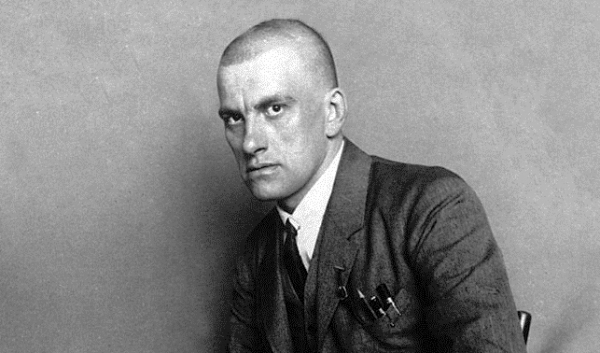
You have to give the Russ­ian Futur­ists this: those guys did­n’t mince words. It was in their 1912 pub­li­ca­tion Пощёчина общественному вкусу, known in Eng­lish as A Slap in the Face of Pub­lic Taste, that poet, play­wright, artist, actor, and film­mak­er Vladimir Vladimirovich Mayakovsky (pic­tured above in the cen­ter of a group that includes Sergei Eisen­stein, Boris Paster­nak, and his muse Lilya Brik) made his lit­er­ary debut. As his sen­si­bil­i­ty devel­oped through­out the rest of that decade — a time which, of course, includ­ed the Russ­ian Rev­o­lu­tion — Mayakovsky made him­self into an almost anti-poet­ic poet, incor­po­rat­ing the most com­mon vari­eties of lan­guage, engag­ing straight-on with pol­i­tics, and pre­sent­ing him­self as any­thing but a lofty artis­tic fig­ure.

Here, cour­tesy of PennSound, you can hear Mayakovsky him­self read­ing “An Extra­or­di­nary Adven­ture Which Hap­pened to Me, Vladimir Mayakovsky, One Sum­mer in the Coun­try”:

You can read the Russ­ian here, or an Eng­lish trans­la­tion here, and even in the lat­ter ver­sion the poem’s final lines, which Mayakovsky speaks after hav­ing befriend­ed the sun itself, remain mem­o­rably invig­o­rat­ing:

Shine all the time,
for ever shine.
the last days’ depths to plumb,
to shine — !
spite every hell com­bined!
So runs my slo­gan -
and the sun’s!

PennSound also has Mayakovsky’s own read­ing of “And Could You?” [Russ­ian] [Eng­lish], a much short­er but no less strange­ly vis­cer­al work (1913), which runs, in its entire­ty, as fol­lows:

I sud­den­ly smeared the week­day map
splash­ing paint from a glass;
On a plate of aspic
I revealed
the ocean’s slant­ed cheek.
On the scales of a tin fish
I read the sum­mons of new lips.
And you
could you per­form
a noc­turne on a drain­pipe flute?

Mayakovsky, the com­plete col­lec­tion of whose trans­lat­ed poems you can down­load at Ubuweb, lived from 1893 until his sui­cide in 1930 — a span coeval with the devel­op­ment of the motion pic­ture. He took to that art form just as he took to oth­ers like the stage play and the pro­pa­gan­da poster, and it makes sense that the kind of real­i­ty-bend­ing visu­al mind revealed in his poet­ry would fall under the spell of that whol­ly new and dream­like medi­um. In his short life — all in 1918, in fact — Mayakovsky direct­ed and starred in three short films, It Can­not Be Bought for Mon­eyShack­led by Film, and The Young Lady and the Hooli­gan. Only the last of them sur­vives today, and you can watch it below. It’s also housed in our col­lec­tion, 4,000+ Free Movies Online: Great Clas­sics, Indies, Noir, West­erns, Doc­u­men­taries & More. More poet­ry read by great poets can be found in our col­lec­tion of Free Audio Books.

Relat­ed Con­tent:

Penn Sound: Fan­tas­tic Audio Archive of Mod­ern & Con­tem­po­rary Poets

“PoemTalk” Pod­cast, Where Impre­sario Al Fil­reis Hosts Live­ly Chats on Mod­ern Poet­ry

Col­in Mar­shall hosts and pro­duces Note­book on Cities and Cul­ture and writes essays on cities, lan­guage, Asia, and men’s style. He’s at work on a book about Los Ange­les, A Los Ange­les Primer. Fol­low him on Twit­ter at @colinmarshall or on Face­book.

Dostoyevsky Got a Reprieve from the Czar’s Firing Squad and Then Saved Charles Bukowski’s Life

Yes­ter­day we fea­tured Charles Bukowski’s first-ever record­ed read­ings. Per­haps you found them, in their way, inspi­ra­tional, but for me the feel­ing of inspi­ra­tion always leads to a ques­tion — who inspired my inspir­er? In the case of Bukows­ki, the poet has, in his work, clear­ly named one of his main inspi­ra­tions: the work of 19th-cen­tu­ry Russ­ian nov­el­ist Fyo­dor Dos­toyevsky. The author of Crime and Pun­ish­ment might at first seem to have lit­tle in com­mon with the author of Ham on Rye, but often the most res­o­nant inspi­ra­tions don’t involve much direct resem­blance. And as Bukows­ki remem­bers in the poem he gave Dos­toyevsky’s name (albeit in one of the oth­er stan­dard spellings), his ances­tor in the world of let­ters did more than just get him writ­ing:

Dos­to­evsky

against the wall, the fir­ing squad ready.
then he got a reprieve.
sup­pose they had shot Dos­to­evsky?
before he wrote all that?
I sup­pose it would­n’t have
mat­tered
not direct­ly.
there are bil­lions of peo­ple who have
nev­er read him and nev­er
will.
but as a young man I know that he
got me through the fac­to­ries,
past the whores,
lift­ed me high through the night
and put me down
in a bet­ter
place.
even while in the bar
drink­ing with the oth­er
dere­licts,
I was glad they gave Dos­to­evsky a
reprieve,
it gave me one,
allowed me to look direct­ly at those
ran­cid faces
in my world,
death point­ing its fin­ger,
I held fast,
an immac­u­late drunk
shar­ing the stink­ing dark with
my
broth­ers.

You can also lis­ten to “Dos­to­evsky” read aloud at the top of the post. Those with a work­ing knowl­edge of its name­sake’s life might think back to Dos­toyevsky’s time in prison, recount­ed briefly in the “Siber­ian exile (1849–1854)” sec­tion of his Wikipedia page. Arrest­ed on trumped-up charges of con­spir­a­cy for sim­ply read­ing the wrong books, he was sen­tenced to “eight years of exile with hard labour at a kator­ga prison camp in Omsk, Siberia, fol­lowed by a term of com­pul­so­ry mil­i­tary ser­vice.” Today, any of us can read Bukowski’s rough-and-tum­ble verse to get us through hard times; we can also, as Bukows­ki did, read Dos­toyevsky (see our col­lec­tion of Free eBooks). But Dos­toyevsky him­self, con­sid­ered par­tic­u­lar­ly dan­ger­ous by his jail­ers, was “per­mit­ted to read noth­ing but his New Tes­ta­ment.” Hard times indeed.

Relat­ed Con­tent:

Hear 130 Min­utes of Charles Bukowski’s First-Ever Record­ed Read­ings (1968)

A Read­ing of Charles Bukowski’s First Pub­lished Sto­ry, “After­math of a Lengthy Rejec­tion Slip” (1944)

So You Want to Be a Writer?: Charles Bukows­ki Explains the Dos & Don’ts

Charles Bukows­ki Rails Against 9‑to‑5 Jobs in a Bru­tal­ly Hon­est Let­ter (1986)

Crime and Pun­ish­ment by Fyo­dor Dos­toyevsky Told in a Beau­ti­ful­ly Ani­mat­ed Film by Piotr Dumala

Fyo­dor Dos­to­evsky Draws Elab­o­rate Doo­dles In His Man­u­scripts

Col­in Mar­shall hosts and pro­duces Note­book on Cities and Cul­ture and writes essays on cities, lan­guage, Asia, and men’s style. He’s at work on a book about Los Ange­les, A Los Ange­les Primer. Fol­low him on Twit­ter at @colinmarshall or on Face­book.

Hear 130 Minutes of Charles Bukowski’s First-Ever Recorded Readings (1968)

Charles_Bukowski_smoking

Image via Wiki­me­dia Com­mons

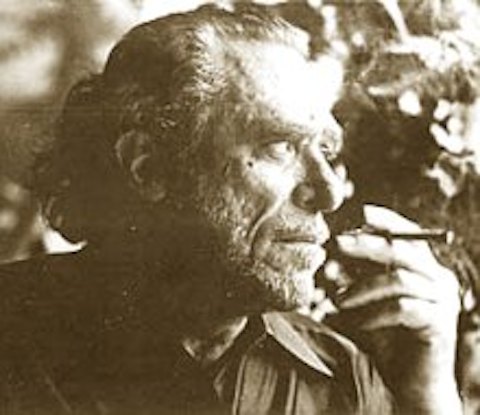
We enjoy the work of Charles Bukows­ki here at Open Cul­ture, but recent­ly we’ve weight­ed our atten­tion toward his late work. And I mean his very late work, like the last poem he ever faxed. So today we turn to the very back of Bukowski’s back pages, for 130 min­utes of the can­tan­ker­ous yet odd­ly hope-filled poet and nov­el­ist’s first-ever record­ed read­ings, all avail­able at Ubuweb. They come, as the site says, “culled from tapes made by Bukows­ki at his Los Ange­les home in 1968 for biog­ra­ph­er and rock crit­ic Bar­ry Miles, long before the author had begun reg­u­lar pub­lic read­ings.” Few would expect the behav­ior of a shrink­ing vio­let from the likes of Bukows­ki, but this occa­sion found him “so shy he insist­ed that he record alone. He reads both poet­ry and prose, gets thor­ough­ly drunk dur­ing the record­ing, and bitch­es about his life, his land­lord, and his neigh­bors.”

This mate­r­i­al all comes the album At Ter­ror Street and Agony Way, com­mer­cial­ly issued in 2000 but now out of print. Now that it has made its way to the inter­net, you can enjoy such vin­tage, lean Bukows­ki cuts  as “The State of World Affairs” (“The Hol­ly­wood hills stand there, stand there, full of drunks and insane peo­ple and much kiss­ing and auto­mo­biles”), “I Can­not Stand Tears” (“There were sev­er­al hun­dred fools around the goose who broke his leg, try­ing to decide what to do, when the guard walked up and pulled out his can­non”), and “I Want­ed to Over­throw the Gov­ern­ment” (“The weak­ness was not Gov­ern­ment but Man, one at a time, that men were nev­er as strong as their ideas, and that ideas were gov­ern­ments turned into men; and so it began on a couch with a spilled mar­ti­ni and it end­ed in the bed­room”).

You can hear the whole thing, in all its spir­it­ed (in both sens­es of the word) glo­ry on Ubuwe­b’s Bukows­ki page, which also offers such choice record­ings as 1969’s 70 Min­utes in Hell, 1973’s Poems and Insults, and 1980’s Hostage.

Find more of Bukowskis’s 1968 record­ings at Ubuweb.

Relat­ed Con­tent:

A Read­ing of Charles Bukowski’s First Pub­lished Sto­ry, “After­math of a Lengthy Rejec­tion Slip” (1944)

Lis­ten to Charles Bukows­ki Poems Being Read by Bukows­ki Him­self & the Great Tom Waits

So You Want to Be a Writer?: Charles Bukows­ki Explains the Dos & Don’ts

The Last (Faxed) Poem of Charles Bukows­ki

1,000 Free Audio Books: Down­load Great Books for Free

Col­in Mar­shall hosts and pro­duces Note­book on Cities and Cul­ture and writes essays on cities, lan­guage, Asia, and men’s style. He’s at work on a book about Los Ange­les, A Los Ange­les Primer. Fol­low him on Twit­ter at @colinmarshall or on Face­book.

Naropa Archive Presents 5,000 Hours of Audio Recordings of William Burroughs, Allen Ginsberg & Other Beat Writers

Image via Chris­ti­aan Ton­nis

Schools like Har­vard, Oxford, and the Sor­bonne sure­ly have qual­i­ties to rec­om­mend them, but to my mind, noth­ing would feel quite as cool as say­ing your degree comes from the Jack Ker­ouac School of Dis­em­bod­ied Poet­ics. If you aspire to say it your­self, you’ll have to apply to Naropa Uni­ver­si­ty, which Tibetan Bud­dhist teacher (and, inci­den­tal­ly, Oxford schol­ar) Chö­gyam Trung­pa estab­lished in Boul­der, Col­orado in 1974. This rare, accred­it­ed, “Bud­dhist-inspired” Amer­i­can school has many unusu­al qual­i­ties, as you’d expect, but, as many of us remem­ber from our teenage years, your choice of uni­ver­si­ty has as much to do with who has passed through its halls before as what you think you’ll find when you pass through them. Naropa, besides nam­ing a school after the late Ker­ouac has host­ed the likes of Allen Gins­berg, Anne Wald­man, William S. Bur­roughs, Gre­go­ry Cor­so, Philip Whalen, and Lawrence Fer­linghet­ti.

But you don’t actu­al­ly have to attend Naropa to par­take of its Beat lega­cy. At the Naropa Poet­ics Audio Archives, freely brows­able at the Inter­net Archive, you can hear over 5000 hours of read­ings, lec­tures, per­for­mances, sem­i­nars, pan­els, and work­shops record­ed at the school and fea­tur­ing the afore­men­tioned lumi­nar­ies and many oth­ers. “The Beat writ­ers had inter­vened on the cul­ture,” says Wald­man in an inter­view about her book Beats at Naropa. “It wasn’t just a mat­ter of sim­ply offer­ing the usu­al kind of writ­ing work­shops, but read­ing and think­ing lec­tures, pan­els, pre­sen­ta­tions as well. The Beat writ­ers have been excep­tion­al as polit­i­cal and cul­tur­al activists, inves­tiga­tive work­ers, trans­la­tors, Bud­dhists, envi­ron­men­tal activists, fem­i­nists, seers. There’s so much leg­endary his­to­ry here.” Empha­sis — I repeat, 5000 hours — on so much.

To help you dive into this leg­endary his­to­ry, we’ve round­ed up today some pre­vi­ous­ly fea­tured high­lights from Naropa. Begin here, and if you keep going, you’ll dis­cov­er vari­eties of Beat expe­ri­ence even we’ve nev­er had — and maybe you’ll even con­sid­er putting in a Ker­ouac School appli­ca­tion, and doing some cul­tur­al inter­ven­tion of your own.

Enter the Naropa Audio Archive here.

Relat­ed Con­tent:

Allen Gins­berg Reads His Famous­ly Cen­sored Beat Poem, Howl (1959)

Take First-Class Phi­los­o­phy Cours­es Any­where with Free Oxford Pod­casts

Sci­ence & Cook­ing: Har­vard Profs Meet World-Class Chefs in Unique Online Course

Col­in Mar­shall hosts and pro­duces Note­book on Cities and Cul­ture and writes essays on cities, lan­guage, Asia, and men’s style. He’s at work on a book about Los Ange­les, A Los Ange­les Primer. Fol­low him on Twit­ter at @colinmarshall or on Face­book.

Bill Murray Sings the Poetry of Bob Dylan: Shelter From the Storm

We’ve shown you Bill Mur­ray in full-blown lit­er­ary mode, read­ing long pas­sages from Huck Finn and poems by Wal­lace Stevens, Bil­ly Collins and Emi­ly Dick­in­son. (My favorite is the poet­ry read­ing at the con­struc­tion site.) Now it’s time to add Bob Dylan to that list. And, why not? Dylan is the undis­put­ed “poet lau­re­ate of rock ’n’ roll.” Who would argue with that?

The poem recit­ed — or rather mut­tered in Mur­ray’s inim­itable style — is “Shel­ter from the Storm,” found on Dylan’s 1975 album, Blood on the Tracks. The scene comes from the film “St. Vin­cent,” which you can find in the­aters on Octo­ber 10. “Shel­ter from the Storm” begins:

’Twas in anoth­er life­time, one of toil and blood
When black­ness was a virtue and the road was full of mud
I came in from the wilder­ness, a crea­ture void of form
“Come in,” she said, “I’ll give you shel­ter from the storm”

And if I pass this way again, you can rest assured
I’ll always do my best for her, on that I give my word
In a world of steel-eyed death, and men who are fight­ing to be warm
“Come in,” she said, “I’ll give you shel­ter from the storm”

Read along with the full poem here.

Relat­ed Con­tent:

Bob Dylan Reads From T.S. Eliot’s Great Mod­ernist Poem The Waste Land

Bill Mur­ray Gives a Delight­ful Dra­mat­ic Read­ing of Twain’s Huck­le­ber­ry Finn (1996)

Bill Mur­ray Reads Great Poet­ry by Bil­ly Collins, Cole Porter, and Sarah Man­gu­so

13 Lec­tures from Allen Ginsberg’s “His­to­ry of Poet­ry” Course (1975)

« Go BackMore in this category... »
Quantcast