The 430 Books in Marilyn Monroe’s Library: How Many Have You Read?

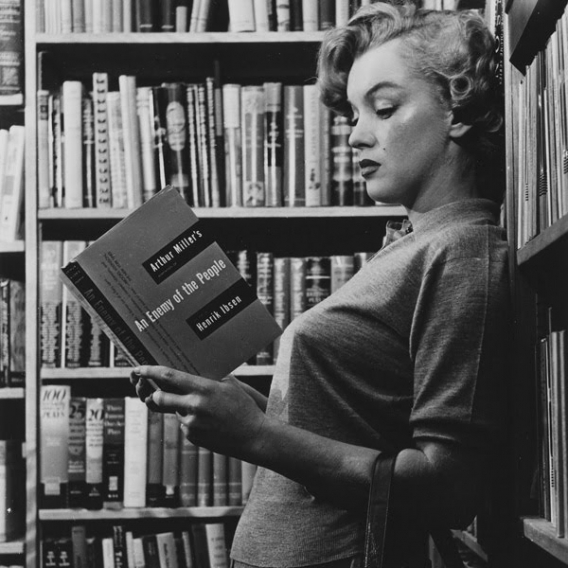
marilyn reading

If you’re a read­er and user of social media, you’ve like­ly test­ed your life­time read­ing list against the BBC Book Quiz.

Or per­haps you’ve allowed your worth as a read­er to be deter­mined by the num­ber of Pulitzer Prize win­ners you’ve made it through.

The Nation­al Endow­ment for the Arts’ Big Read, any­one?

The 142 Books that Every Stu­dent of Eng­lish Lit­er­a­ture Should Read?

The 50 Best Dystopi­an Nov­els?

Being young is no excuse! Not when the Amer­i­can Library Asso­ci­a­tion pub­lish­es an annu­al list of Out­stand­ing Books for the Col­lege Bound and Life­long Learn­ers.

So… how’d you do? Or should I say how’d you do in com­par­i­son to Mar­i­lyn Mon­roe? The online Mon­roe fan club Ever­last­ing Star used pho­tographs, inter­views, and a Christie’s auc­tion cat­a­logue to come up with a list of more than 400 books in her pos­ses­sion.

Did she read them all? I don’t know. Have you read every sin­gle title on your shelves? (There’s a Japan­ese word for those books. It’s Tsun­doku.)

Fem­i­nist biog­ra­ph­er Oline Eaton has a great rant on her Find­ing Jack­ie blog about the phrase “Mar­i­lyn Mon­roe read­ing,” and the 5,610,000 search engine results it yields when typed into Google:

There is, with­in Monroe’s image, a deeply root­ed assump­tion that she was an idiot, a vul­ner­a­ble and kind and lov­ing and ter­ri­bly sweet idiot, but an idiot nonethe­less. That is the assump­tion in which ‘Mar­i­lyn Mon­roe read­ing’ is entan­gled.

The pow­er of the phrase Mar­i­lyn Mon­roe read­ing’ lies in its appli­ca­tion to Mon­roe and in our assump­tion that she wouldn’t know how.

Would that every­one search­ing that phrase did so in the belief that her pas­sion for the print­ed word rivaled their own. Imag­ine legions of geeks lov­ing her for her brain, bypass­ing Sam Shaw’s icon­ic sub­way grate pho­to in favor of home print­ed pin ups depict­ing her with book in hand.

Com­mem­o­ra­tive postage stamps are nice, but per­haps a more fit­ting trib­ute would be an ALA poster. Like Eaton, when I look at that image of Mar­i­lyn hunched over James Joyce’s Ulysses (or kick­ing back read­ing Walt Whit­man’s Leaves of Grass), I don’t see some­one try­ing to pass her­self off as some­thing she’s not. I see a high school dropout caught in the act of edu­cat­ing her­self. If I saw it taped to a library shelf embla­zoned with the word “READ,” I might just sum­mon the resolve to take a stab at Ulysses myself. (I know how it ends, but that’s about it.)

See below, dear read­ers. Apolo­gies that we’re not set up to keep track of your score for you, but please let us know in the com­ments sec­tion if you’d hearti­ly sec­ond any of Mar­i­lyn’s titles, par­tic­u­lar­ly those that are less­er known or have fad­ed from the pub­lic view.

Mar­i­lyn Monroe’s Read­ing Chal­lenge

(Thanks to Book Tryst for com­pil­ing Ever­last­ing Star’s find­ings)

1) Let’s Make Love by Matthew Andrews (nov­el­iza­tion of the movie)

2) How To Trav­el Incog­ni­to by Lud­wig Bemel­mans

3) To The One I Love Best by Lud­wig Bemel­mans

4) Thurber Coun­try by James Thurber

5) The Fall by Albert Camus

6) Mar­i­lyn Mon­roe by George Car­pozi

7) Camille by Alexan­der Dumas

8) Invis­i­ble Man by Ralph Elli­son

9) The Boston Cook­ing-School Cook Book by Fan­nie Mer­ritt-Farmer

10) The Great Gats­by by F Scott Fitzger­ald

11) From Rus­sia With Love by Ian Flem­ing

12) The Art Of Lov­ing by Erich Fromm

13) The Prophet by Kahlil Gilbran

14) Ulysses by James Joyce

15) Stoned Like A Stat­ue: A Com­plete Sur­vey Of Drink­ing Clich­es, Prim­i­tive, Clas­si­cal & Mod­ern by Howard Kan­del & Don Safran, with an intro by Dean Mar­tin (a man who knew how to drink!)

16) The Last Temp­ta­tion Of Christ by Nikos Kazantza­kis

17) On The Road by Jack Ker­ouac

18) Select­ed Poems by DH Lawrence

19 and 20) Sons And Lovers by DH Lawrence (2 edi­tions)

21) The Portable DH Lawrence (more…)
Sylvia Plath Reads Her Poetry: 23 Poems from the Last 6 Years of Her Life

In March of last year, Toron­to col­lec­tor Greg Gaten­by auc­tioned off “some 1,700 LPs, 45s, and 10-inch discs”-worth of record­ed lit­er­ary his­to­ry, con­tain­ing read­ings by such canon­i­cal fig­ures as “Auden and Atwood, Camus and Capote, Eliot, Faulkn­er, Kipling, Shaw and Yeats,” and the record­ings fea­tured here from Sylvia Plath. Gatenby’s entire col­lec­tion went on sale for a buy-it-now price of $85,000 (I assume it’s sold by now), and while we might have pre­ferred that he donat­ed these arti­facts to libraries, there may have been no need. Most of them are already, or we hope soon will be, dig­i­tized and free online. Sylvia Plath read­ing her poet­ry (now out of print) was orig­i­nal­ly released on vinyl and cas­sette in 1977 by pro­lif­ic spo­ken word record label Caed­mon, but of course the read­ings they doc­u­ment all took place over fif­teen years ear­li­er, some at least as ear­ly as 1959, the year before the pub­li­ca­tion of her first book, The Colos­sus and Oth­er Poems.

Many of the poems here appeared in The Colos­sus, the only col­lec­tion of poems Plath pub­lished in her life­time. Some, like “Novem­ber Graveyard”—first pub­lished in Made­moi­selle in 1958—were col­lect­ed late, in the Ted Hugh­es-edit­ed Col­lect­ed Poems in 1981, and the rest appeared in Ariel and oth­er posthu­mous col­lec­tions. Odd­ly, the title poem of her first book doesn’t appear, nor will you hear any of the poems that made Plath an infa­mous lit­er­ary fig­ure: no “Ariel,” no “Dad­dy,” no “Lady Lazarus,” though you can hear her read those poems else­where. Many of these poems are more lush, less vis­cer­al and per­son­al, though no less rich with arrest­ing and some­times dis­turb­ing imagery. Sev­er­al of these read­ings took place in Feb­ru­ary 1959 at Harvard’s Wood­ber­ry Poet­ry Room. The album’s offi­cial descrip­tion tells us these are “selec­tions from the last 6 years of her life,” and also include “read­ings for the BBC before she wrote her con­tro­ver­sial nov­el, The Bell Jar.”

Before Caed­mon col­lect­ed these less­er-known poems record­ed read­ings of “Dad­dy” and “Lady Lazarus” had already been released on the com­pi­la­tion record The Poet Speaks in 1965. Lis­ten­ing to Plath read these poems may prompt you to pull out your own edi­tions to read them for your­self, whether again or for the first time. To see a full list­ing of the poems Plath reads above, scroll to the bot­tom of this bib­li­og­ra­phy page on sylviaplath.info.

Find more great poet­ry read­ings in our audio col­lec­tion — 1,000 Free Audio Books: Down­load Great Books for Free.

Relat­ed Con­tent:

Hear Sylvia Plath Read Fif­teen Poems From Her Final Col­lec­tion, Ariel, in 1962 Record­ing

For Sylvia Plath’s 81st Birth­day, Hear Her Read ‘A Birth­day Present’

Sylvia Plath Reads “Dad­dy”

Josh Jones is a writer and musi­cian based in Durham, NC. Fol­low him at @jdmagness.

Henri Matisse Illustrates Baudelaire’s Censored Poetry Collection, Les Fleurs du Mal

Matisse-Baudelaire1

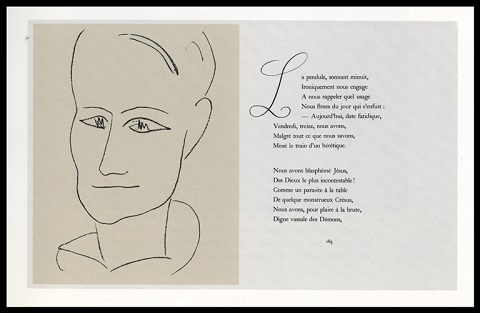
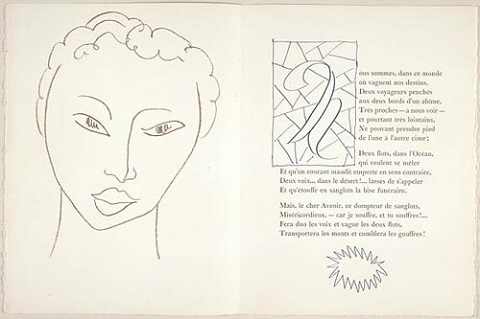
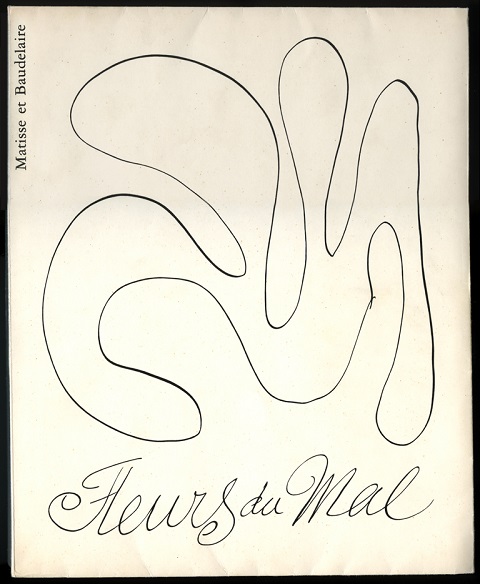
We pre­vi­ous­ly fea­tured Hen­ri Matis­se’s illus­tra­tions for a 1935 edi­tion of James Joyce’s Ulysses. If the Odyssey-themed etch­ings he did for that book sur­prised you, have a look at his illus­tra­tions for Charles Baude­laire’s poet­ry col­lec­tion Les Fleurs du mal, first pub­lished in 1857. Accord­ing to Henri-Matisse.net, the book (avail­able in French and Eng­lish in our col­lec­tion of 600 Free eBooks) had “been illus­trat­ed over the years by a vari­ety of major artists, includ­ing Emile Bernard, Charles Despi­au, Jacob Epstein, Gus­tave Rodin, Georges Rouault, and Pierre-Yes Tré­mois. Each inter­pret­ed select­ed poems more or less faith­ful­ly. Matisse took a dif­fer­ent approach in the 1947 edi­tion pub­lished by La Bib­lio­thèque Française.” As you can see from the exam­ples pro­vid­ed here, he went an even more uncon­ven­tion­al route this time, accom­pa­ny­ing Baude­laire’s poems with noth­ing but por­trai­ture.

Matisse-Baudelaire2

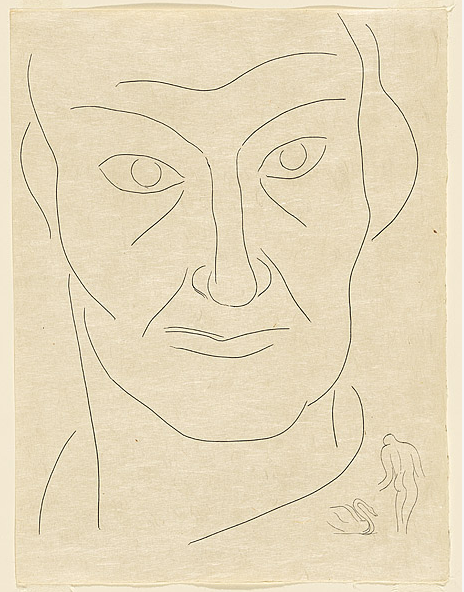
The edi­tion’s 33 por­traits, includ­ing one of Matisse him­self and one of Baude­laire, cap­ture a vari­ety of sub­jects, most­ly women — also a source of inspi­ra­tion for the poet. How­ev­er, as the site that bears his name makes clear, “Matisse did not indulge in the bio­graph­i­cal fal­lac­i­es of the lit­er­ary crit­ics of his day who attempt­ed to under­stand Baude­laire by asso­ci­at­ing each poem with the woman who may have inspired it. Thus, his gallery of facial por­traits pro­vides an accom­pa­ni­ment rather than an imi­ta­tive ren­di­tion of select­ed poems.” Would that more illus­tra­tors of lit­er­a­ture fol­low his exam­ple and make a break from pure lit­er­al­ism, allow­ing the mean­ing of the rela­tion­ship between text and image to cohere in the read­er-view­er’s mind. You might say that Matisse pio­neered, in oth­er words, the most poet­ic pos­si­ble method of illus­trat­ing poet­ry.

Matisse-Baudelaire3

Since it is Banned Books Week, it’s per­haps worth not­ing that Baude­laire’s Les Fleurs du Mal was quick­ly cen­sored in France. Yale’s Mod­ernism Lab web­site notes that, two months after its pub­li­ca­tion in 1857, a French court “banned six of Baudelaire’s erot­ic poems, two of them on les­bian themes and the oth­er four het­ero­sex­u­al but mild­ly sado-masochis­tic. The ban was not offi­cial­ly lift­ed until 1949, by which time Baude­laire had achieved ‘clas­sic’ sta­tus as among the most impor­tant influ­ences on mod­ern lit­er­a­ture in France and through­out Europe.” A sec­ond expur­gat­ed (or as Baude­laire called it “muti­lat­ed”) edi­tion was pub­lished in 1861. Pre­sum­ably Matisse illus­trat­ed that edi­tion in 1947. If you want to buy one of the 300 copies with Matis­se’s illus­tra­tions, you will have to shell out about $7500.

matisse portrait

Relat­ed Con­tent:

Hen­ri Matisse Illus­trates 1935 Edi­tion of James Joyce’s Ulysses

Hear Gertrude Stein Read Works Inspired by Matisse, Picas­so, and T.S. Eliot (1934)

Vin­tage Film: Watch Hen­ri Matisse Sketch and Make His Famous Cut-Outs (1946)

Col­in Mar­shall hosts and pro­duces Note­book on Cities and Cul­ture and writes essays on cities, lan­guage, Asia, and men’s style. He’s at work on a book about Los Ange­les, A Los Ange­les Primer. Fol­low him on Twit­ter at @colinmarshall or on Face­book.

Hear Allen Ginsberg Teach “Literary History of the Beats”: Audio Lectures from His 1977 & 1981 Naropa Courses

ginsberg favorite films

Image by Michiel Hendryckx, via Wiki­me­dia Com­mons

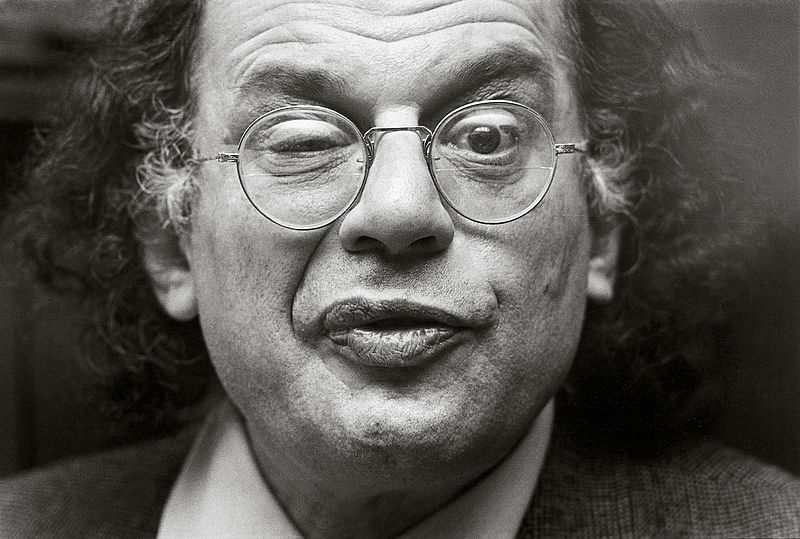
It’s not often one gets the oppor­tu­ni­ty to take a course on a major lit­er­ary move­ment taught by a found­ing mem­ber of that move­ment. Imag­ine sit­ting in on lec­tures on Roman­tic poet­ry taught by John Keats or William Wordsworth? It may be the case, how­ev­er, that the Roman­tic poets would have a hard time of it in the cut­throat world of pro­fes­sion­al­ized aca­d­e­m­ic poet­ry, a world Allen Gins­berg helped cre­ate in 1974 with the found­ing of his Jack Ker­ouac School of Dis­em­bod­ied Poet­ics at Naropa Uni­ver­si­ty, almost twen­ty years after he brought hip mod­ern poet­ry to the mass­es with the wild­ly pop­u­lar City Lights paper­back edi­tion of Howl and Oth­er Poems. (Here you can lis­ten to the first record­ing of Gins­berg read­ing that famous poem.)

Dis­missed by the mod­ernist old guard as “vac­u­ous self-pro­mot­ers” in their time, the Beats’ leg­end often por­trays them as paragons of artis­tic integri­ty. There’s no rea­son they couldn’t be both in some sense. The anti-author­i­tar­i­an pranks and pos­es gained them noto­ri­ety for mat­ters of style, and their ded­i­ca­tion to rad­i­cal­iz­ing Amer­i­can lit­er­a­ture pro­vid­ed the sub­stance.

As the Acad­e­my of Amer­i­can Poets writes, “there is a clear work eth­ic that rever­ber­ates in their lives and in their writ­ing, and in the eyes of many read­ers and crit­ics, the Beats fos­tered a sus­tained, authen­tic, and com­pelling attack on post-World War II Amer­i­can Cul­ture,” reject­ing both “the stul­ti­fy­ing mate­ri­al­ism and con­formism of the cold war era” and “the high­ly wrought and con­trolled aes­thet­ic of mod­ernist stal­warts.”

Thanks to the archives at Naropa, we can hear Gins­berg him­self lec­ture on both the style and sub­stance of Beat lit­er­ary cul­ture in a series of lec­tures he deliv­ered in 1977 for his sum­mer course called “Lit­er­ary His­to­ry of the Beats.” We’ve pre­vi­ous­ly fea­tured the exten­sive “spe­cial­ized read­ing list” Gins­berg hand­ed stu­dents for that class, which he titled “Celes­tial Home­work.” In the first series of lectures—divided in 18 parts in the archive—hear him dis­cuss the list. The Naropa archive describes the first lec­ture as div­ing “right into the 40’s lives of Gins­berg, Ker­ouac, Bur­roughs, Her­bert Huncke, and oth­ers liv­ing in NYC at that time. From con­sum­ing Ben­zadrine inhalers to the dis­cov­ery of the void, Gins­berg’s account and analy­ses are enter­tain­ing and live­ly as well as insight­ful.” Hear part one of that talk at the top of the post, and part two just above.

Gins­berg focus­es on the 40s as the peri­od of Beat ori­gins in his 1977 class. Anoth­er sec­tion of the course—taught in 1981—cov­ers the 50s, with top­ics such as “Bur­roughs’ rec­om­mend­ed read­ing lists,” “Bur­roughs on drugs and soci­ety,” and “the found­ing of the study of seman­tics.” Hear the first lec­ture in that series just above.

Lit­er­ary His­to­ry of the Beats will be added to our col­lec­tion, 1,700 Free Online Cours­es from Top Uni­ver­si­ties.

Image above was tak­en by Marce­lo Noah.

Relat­ed Con­tent:

Allen Ginsberg’s “Celes­tial Home­work”: A Read­ing List for His Class “Lit­er­ary His­to­ry of the Beats”

William S. Bur­roughs Teach­es a Free Course on Cre­ative Read­ing and Writ­ing (1979)

“Expan­sive Poet­ics” by Allen Gins­berg: A Free Course from 1981

13 Lec­tures from Allen Ginsberg’s “His­to­ry of Poet­ry” Course (1975)

Down­load 55 Free Online Lit­er­a­ture Cours­es: From Dante and Mil­ton to Ker­ouac and Tolkien

Josh Jones is a writer and musi­cian based in Durham, NC. Fol­low him at @jdmagness.

Allen Ginsberg Talks About Coming Out to His Family & Fellow Poets on 1978 Radio Show (NSFW)

Allen_ginsberg_erads howl

Image by Michiel Hendryckx, via Wiki­me­dia Com­mons

Recent MacArthur Fel­low and poet Ter­rence Hayes appeared on NPR yes­ter­day to read and dis­cuss his work; he was asked if he found “being defined as an African-Amer­i­can poet” to be lim­it­ing in some way. Hayes replied,

I think it’s a bonus. It’s a thing that makes me addi­tion­al­ly inter­est­ing, is what I would say. So, black poet, South­ern poet, male poet — many of those iden­ti­ties I try to fold into the poems and hope that they enrich them.

It seemed to me an odd ques­tion to ask a MacArthur-win­ning Amer­i­can poet. Issues of both per­son­al and nation­al iden­ti­ty have been cen­tral to Amer­i­can poet­ry at least since Walt Whit­man or Langston Hugh­es, but espe­cial­ly since the 1950s with the emer­gence of con­fes­sion­al and beat poets like Allen Gins­berg. With­out the cel­e­bra­tion of per­son­al iden­ti­ty, one might say that it’s hard to imag­ine Amer­i­can poet­ry.

Like Hayes, Gins­berg enfold­ed his var­i­ous identities—Jew, Bud­dhist, gay man—into his poet­ry in enrich­ing ways. Thir­ty-six years ago, he gave a radio inter­view to “Stonewall Nation,” one of a hand­ful of specif­i­cal­ly gay radio pro­grams broad­cast in 1970s West­ern New York. In an occa­sion­al­ly NSFW con­ver­sa­tion, he dis­cussed the expe­ri­ence of com­ing out to his fel­low Beats and to his fam­i­ly.

  1. Intro­duc­tion (5:21): MP3
  2. On being clos­et­ed (2:09): MP3
  3. Excerpts from “Don’t Grow Old” (2:32): MP3
  4. On com­ing out to his fam­i­ly (3:01): MP3
  5. On desire and com­pas­sion (1:41): MP3
  6. On the Brig­gs amend­ment (8:54): MP3
  7. On the Beats and nature (3:24): MP3
  8. On Rocky Flats (2:19): MP3
  9. Gins­berg sings “Every­body Sing” (2:37): MP3

Dur­ing the inter­view Gins­berg talks about being clos­et­ed and hav­ing a crush on Jack Ker­ouac, who was “very tol­er­ant, friend­ly,” after Gins­berg con­fessed it. Above he tells a fun­ny sto­ry about com­ing out to his father, then reads a mov­ing unti­tled poem about his father’s even­tu­al accep­tance after their mutu­al “timid­i­ty and fear.” He also recalls how the rest of his fam­i­ly, par­tic­u­lar­ly his broth­er, react­ed.

The inter­view moves to broad­er top­ics. Gins­berg dis­cuss­es his views on desire and com­pas­sion, defin­ing the lat­ter as “benev­o­lent and indif­fer­ent atten­tive­ness,” rather than “heart-love.” Bud­dhism per­vades Gins­berg’s con­ver­sa­tion as does a rogu­ish vaude­vil­lian sen­si­bil­i­ty mixed with sober reflec­tion. He opens with a long, boozy sing-along whose first four lines con­cise­ly sum up core Bud­dhist doc­trines; he ends with a fun­ny, bawdy song that then becomes a dark explo­ration of homo­pho­bic and misog­y­nis­tic vio­lence.

Gins­berg and host also dis­cuss the Brig­gs Ini­tia­tive (above) a piece of leg­is­la­tion that would have been an effec­tive purge in the Cal­i­for­nia school sys­tem of gay teach­ers, their sup­port­ers, even those who might “take a neu­tral atti­tude which could be inter­pret­ed as approval.” This would pre­clude even the teach­ing of Whitman’s “Song of Myself” (or one par­tic­u­lar sec­tion of it), which, Gins­berg says, “would make the teacher liable for encour­ag­ing homo­sex­u­al activ­i­ty.” The amendment—one that, appar­ent­ly, for­mer gov­er­nor Ronald Rea­gan strong­ly opposed—failed to pass. These days such pro­pos­als tar­get Ginsberg’s poet­ry as well, and we still have con­ver­sa­tions about the val­ue of things like “benev­o­lent and indif­fer­ent atten­tive­ness” in the class­room, or whether poets should feel lim­it­ed by being who they are.

In the pho­to above, tak­en by Her­bert Rusche in 1978, you can see Gins­berg (left) with his long-time part­ner, the poet Peter Orlovsky (right).

via PennSound

Relat­ed Con­tent:

The First Record­ing of Allen Gins­berg Read­ing “Howl” (1956)

Jack Ker­ouac, Allen Gins­berg & Mar­garet Mead Explain the Mean­ing of “Beat” in Rare 1950s Audio Clips

“Expan­sive Poet­ics” by Allen Gins­berg: A Free Course from 1981

Josh Jones is a writer and musi­cian based in Durham, NC. Fol­low him at @jdmagness.

In the Voice of Robin Williams, Impressionist Jim Meskimen Reads an Elegy for the Departed Comedian

We’ve pre­vi­ous­ly fea­tured the impres­sion­ist work of Jim Meski­men on Open Cul­ture, par­tic­u­lar­ly his fab read­ing of a mono­logue from Shake­speare’s Richard III in 25 celebri­ty voic­es. It includes every­one from Woody Allen to Jack Nichol­son to Droopy Dog. Today he returns on a more solemn occa­sion. In the voice of Robin Williams, Meski­men reads a poem he wrote to the dear­ly depart­ed come­di­an. You can watch it above. His poem appears below:

IN MEMORY OF ROBIN WILLIAMS

by Jim Meski­men

THEY DIDN’T BURN ALL THE PIANOS
WHEN FREDRICK CHOPIN DIED

DIDN’T OUTLAW OIL PAINTS
WHEN PICASSO TOOK HIS FINAL RIDE

NO ONE PUT A STOP TO BASEBALL
WHEN MICKEY MANTLE’S TIME WAS UP

OR BANNED ALL RUSSIAN NOVELS
WHEN TOLSTOY WENT BELLY UP

ON SHAKESPEARE’S DEATH, NOBODY SAID
“NOW HATH ARRIVED THE DAY–

FROM THIS POINT HENCE LET NONE DARE
PUT FORTH PEN TO WRITE A PLAY!”

WE CELEBRATE WHAT’S LEFT
BY THE DEPARTED, IT’S OUR CHOICE

YET IT DOES SEEM SACRILIGEOUS
TO DO ROBIN WILLIAM’S VOICE

A VOICE THAT WAS DESIGNED TO SOOTHE,
SOFT, DEEP TONES TO RESONATE

AND CASCADE GENTLY OUTWARD
FROM BEHIND A SMILING FACE

A VOICE THAT COULD ACCELERATE
TO CATCH UP WITH THE MIND

LIKE SHIFTING INTO OVERDRIVE
TO NOT GET LEFT BEHIND

A VOICE THAT COULD CHANGE CHARACTER
LIKE SECONDS ON A CLOCK

OR HIJACK NATIONALITIES
FOR A SPIN AROUND THE BLOCK

SHIFT AGE, SHIFT VIEWPOINT, SHIFT I.Q.,
WHATEVER’S NOT NAILED DOWN

DESTROY, REBUILD, DESTROY AGAIN,
A FORMIDABLE CLOWN

WE’LL HEAR THIS VOICE IN FUTURE TIMES
IN RERUNS ON TV,

IT WILL OCCUPY THE WORLD WIDE WEB
LIVE ON, DIGITALLY

WE’LL HEAR ITS ECHOES COME
FROM OTHER MOUTHS AND OTHER LIPS

IN TRIBUTES AND HOMAGES, AND,
LIKE PSYCHEDELIC TRIPS

WE’LL THINK THE OWNER’S BACK AGAIN
WITH HIS FAMILIAR SOUND

BUT THEY’LL ALL BE IMITATIONS–
JUST AN AUDIBLE REBOUND

NEW JOKES AREN’T IN THE PIPELINE NOW,
NOT THAT THE WELL WENT DRY-

BUT THE JESTER WHO POSSESSED THIS VOICE
JUST CHOSE TO SAY GOODBYE

WITH THE WEALTH OF JOY HE LEFT US
WE SHOULD PROBABLY REJOICE

BUT IT’S HARD TO TO GRASP WE LOST THE GUY
WHO USED TO HAVE THIS VOICE.

RIP ROBIN.

by | Permalink | Make a Comment ( 1 ) |

Charles Bukowski Uncensored

Charles Bukows­ki, the Poet Lau­re­ate of Amer­i­can Lowlife, would have cel­e­brat­ed his 94th birth­day tomor­row, almost cer­tain­ly with some beer and cig­a­rettes. (The very stuff that makes it dif­fi­cult to reach 94 — but I digress.) To mark this occa­sion, the folks behind the Blank on Blank ani­ma­tions pre­vi­ous­ly fea­tured on Open Cul­ture have cre­at­ed a video called “Charles Bukows­ki Uncen­sored.” The video ani­mates out­takes from can­did con­ver­sa­tions that took place between Bukows­ki, his wife, and the pro­duc­er of the record­ing ses­sion for the 1993 audio CD, Run With the Hunt­ed. It’s a lit­tle some­thing to hold you over until the Blank on Blank team returns with new ani­ma­tions this fall. If you’re won­der­ing, Bukows­ki died in 1994, at age 73.

Relat­ed Con­tent:

Charles Bukows­ki: Depres­sion and Three Days in Bed Can Restore Your Cre­ative Juices (NSFW)

Read 113 Pages of Charles Bukowski’s FBI File From 1968

Three Charles Bukows­ki Poems Ani­mat­ed

The Last (Faxed) Poem of Charles Bukows­ki

“Don’t Try”: Charles Bukowski’s Con­cise Phi­los­o­phy of Art and Life

Allen Ginsberg & The Clash Perform the Punk Poem “Capitol Air,” Live Onstage in Times Square (1981)

The Clash had been called sell­outs ever since they signed with CBS and made their 1977 debut, so the charge was pret­ty stale when cer­tain crit­ics lobbed it at their turn to dis­co-fla­vored new wave and “are­na rock” in 1982’s pop­u­lar Com­bat Rock. As All­mu­sic writes of the record, “if this album is, as it has often been claimed, the Clash’s sell­out effort, it’s a very strange way to sell out.” Com­bat Rock’s hits—“Rock the Cas­bah” and “Should I Stay or Should I Go”—are catchy and anthemic, respec­tive­ly, but this hard­ly breaks new styl­is­tic ground, though the sounds are clean­er and the influ­ences more dif­fuse. But the true stand­outs for my mon­ey—“Straight to Hell” and “Ghet­to Defen­dant”—per­fect the strain of reg­gae-punk The Clash had made their career-long exper­i­ment.

The lat­ter track, a midtem­po dub take on the pathos of hero­in addic­tion and under­class angst, fea­tures a cameo spo­ken-word vocal from Allen Gins­berg, who co-wrote the song with Joe Strum­mer. Far from sim­ply lend­ing the song Beat cred—as Bur­roughs would for a string of artists, to vary­ing degrees of artis­tic success—the Gins­berg appear­ance feels pos­i­tive­ly essen­tial, such that the poet joined the band on stage dur­ing the New York leg of their tour in sup­port of the album.

But before “Ghet­to Defen­dant,” there was “Capi­tol Air,” a com­po­si­tion of Ginsberg’s own that he per­formed impromp­tu with the band in New York in 1981. As Gins­berg tells it, he joined the band back­stage dur­ing one of their 17 shows at Bonds Club in Times Square dur­ing the San­din­ista tour. Strum­mer invit­ed the poet onstage to riff on Cen­tral Amer­i­can pol­i­tics, and Gins­berg instead taught the band his very own punk song, which after 5 min­utes of rehearsal, they took to the stage and played.

Just above, hear that one­time live per­for­mance of “Capi­tol Air,” one of those anti-author­i­tar­i­an rants Gins­berg turned into an art form all its own—ripping cap­i­tal­ists, com­mu­nists, bureau­crats, and the police state—as the band backs him up with a chug­ging three-chord jam. Gins­berg wrote the song, accord­ing to the Allen Gins­berg Project, in 1980, after return­ing from Yugoslavia and “real­iz­ing that police bureau­cra­cies in Amer­i­ca and in East­ern Europe were the same, mir­ror images of each oth­er final­ly,” a feel­ing cap­tured in the lines “No Hope Com­mu­nism, No Hope Cap­i­tal­ism, Yeah. Every­body is lying on both sides.” Many of these same themes worked their way into “Ghet­to Defen­dant,” writ­ten and record­ed six months lat­er.

Here you can hear the Com­bat Rock album ver­sion of “Ghet­to Defen­dant.” (The track appeared in longer form on the record’s first, unre­leased, incar­na­tion, Rat Patrol From Fort Bragg). Ginsberg’s con­tri­bu­tions to the track, which he intones as “the voice of God,” match his free-asso­cia­tive dark humor against Strummer’s nar­ra­tive con­crete­ness. Off the wall hip­ster lines like “Hooked on necrop­o­lis,” “Do the worm on the acrop­o­lis” and “Slam­dance the cos­mopo­lis” become ellip­ti­cal ref­er­ences to Arthur Rim­baud, Sal­vado­ri­an death squads, and Afghanistan before Gins­berg launch­es into the Bud­dhist heart sutra over Strummer’s final cho­rus. The effect is com­ic, hyp­not­ic, and dis­ori­ent­ing, rem­i­nis­cent of the sam­ple-based elec­tron­ic col­lages groups like Cabaret Voltaire and Throb­bing Gris­tle con­struct­ed around the same time. It’s such a per­fect sym­bio­sis that the song los­es much of its impact with­out Ginsberg’s nut­ty offer­ings, I think, though you can judge for your­self in the live, Gins­berg-less ver­sion below.

Relat­ed Con­tent:

Rare Live Footage Doc­u­ments The Clash From Their Raw Debut to the Career-Defin­ing Lon­don Call­ing

The First Record­ing of Allen Gins­berg Read­ing “Howl” (1956)

William S. Bur­roughs “Sings” R.E.M. and The Doors, Backed by the Orig­i­nal Bands

Josh Jones is a writer and musi­cian based in Durham, NC. Fol­low him at @jdmagness

« Go BackMore in this category... »
Quantcast