Gil Scott-Heron Spells Out Why “The Revolution Will Not Be Televised”

Con­sid­er the influ­ence of tele­vi­sion, even in the dig­i­tal age. Con­sid­er the pow­er that net­works like Fox and CNN con­tin­ue to wield over that neb­u­lous thing called pub­lic opin­ion; the con­tin­ued dom­i­nance of NBC and CBS. These giants don’t real­ly inform so much as sell pack­aged ide­o­log­i­cal con­tent paid for and approved by cor­po­rate spon­sors. There’s real­ly no need to update poet and musi­cian Gil Scott-Heron’s rad­i­cal, 1971 clas­sic “The Rev­o­lu­tion Will Not Be Tele­vised,” unless we want­ed to change the names. His voice still speaks direct­ly to the moment we live in.

We exist on a con­tin­u­um of con­di­tions that have wors­ened since the late 1960s—despite promis­es and appear­ances to the contrary—until they have become intol­er­a­ble. Scott-Heron wrote and sang about those con­di­tions since his fiery 1970 debut.

“Dubbed the ‘God­fa­ther of Rap,’” notes Brook­lyn Rail in a 2007 inter­view, “Scott-Heron has become a ubiq­ui­tous and prac­ti­cal­ly de rigueur influ­ence for every­one from hip hop­pers and indie rock­ers to aging literati and dyed-in-the-wool aca­d­e­mics.”

One might think Scott-Heron’s clas­sic spo­ken-word tes­ta­ment “The Rev­o­lu­tion Will Not Be Tele­vised” speaks for itself by now, but it still cre­ates con­fu­sion in part because peo­ple still mis­con­strue the nature of the medi­um. Why can’t you sit at home and watch jour­nal­ists cov­er protests and revolts on TV? If you think you’re see­ing “the Rev­o­lu­tion” instead of curat­ed, maybe spu­ri­ous, con­tent designed to tell a sto­ry and gin up views, you’re fool­ing your­self.

But Scott-Heron also had some­thing else in mind—you can’t see the rev­o­lu­tion on TV because you can’t see it at all. As he says above in a 1990s inter­view:

The first change that takes place is in your mind. You have to change your mind before you change the way you live and the way you move. The thing that’s going to change peo­ple is some­thing that nobody will ever be able to cap­ture on film. It’s just some­thing that you see and you’ll think, “Oh I’m on the wrong page,” or “I’m on I’m on the right page but the wrong note. And I’ve got to get in sync with every­one else to find out what’s hap­pen­ing in this coun­try.”

If we real­ize we’re out of sync with what’s real­ly hap­pen­ing, we can­not find out more on tele­vi­sion. The infor­ma­tion is where the bat­tles are being fought, at street lev­el, and in the mech­a­nisms of the legal process. “I think that the Black Amer­i­cans are the only real die-hard Amer­i­cans here,” Scott-Heron goes on, “because we’re the only ones who’ve car­ried the process through the process…. We’re the ones who marched… we’re the ones who tried to go through the courts. Being born Amer­i­can didn’t seem to mat­ter.” It still doesn’t, as we see in the killings of George Floyd and Bre­on­na Tay­lor and so many before them, and in the griev­ous injuries and deaths from uncon­sti­tu­tion­al, mil­i­tary-grade police esca­la­tions nation­wide since.

Scott-Heron asked us to ques­tion the nar­ra­tives. “How do they know?” he sang in “There’s a War Going On” at Wood­stock 94, above. How do the self-appoint­ed guardians of infor­ma­tion know what’s real­ly going on? Tele­vi­sion spreads igno­rance and mis­in­for­ma­tion, as does radio and, of course, social media. This much we should know. But we’ve mis­in­ter­pret­ed “The Rev­o­lu­tion Will Not Be Tele­vised” if we think it’s real­ly about mass media, Scott-Heron always main­tained. Before we can engage mean­ing­ful­ly with cur­rent events, a rev­o­lu­tion­ary change must hap­pen from the inside out. No one’s broad­cast­ing the truths we first, most need to hear.

via Boing­Bo­ing

Relat­ed Con­tent:

Gil Scott-Heron, God­fa­ther of Rap, Rest in Peace

Nina Simone’s Live Per­for­mances of Her Poignant Civ­il Rights Protest Songs

How Nina Simone Became Hip Hop’s “Secret Weapon”: From Lau­ryn Hill to Jay Z and Kanye West

Josh Jones is a writer and musi­cian based in Durham, NC. Fol­low him at @jdmagness

Saul Alinsky’s 13 Tried-and-True Rules for Creating Meaningful Social Change

Saul David Alin­sky died 36 years before the elec­tion of Barack Oba­ma and Hilary Clin­ton’s first attempt for the pres­i­den­cy. But many fever­ish screeds on social media, talk radio, and YouTube might have made one think he lurked behind these politi­cians like Rasputin. Spo­ken of by many on the right as a ser­vant of the dev­il, “Amer­i­can Joseph Goebbels,” and “dan­ger­ous har­bin­ger of insur­rec­tion,” Alin­sky devel­oped a rep­u­ta­tion for insid­i­ous­ness that may exceed his influ­ence, con­sid­er­able though it may be.

But lib­er­als and left­ists have no spe­cial pur­chase on Alinsky’s lega­cy. As one thought­ful, elo­quent pun­dit recent­ly wrote, “the Right has tak­en Saul Alinsky’s Rules for Rad­i­cals and shoved it up where #TheRe­sis­tance don’t shine.” Not long before this charm­ing appro­pri­a­tion, Alinsky’s 1971 man­u­al of polit­i­cal war­fare found its way into the hands of some of the same Tea Par­ty orga­niz­ers who had made his name syn­ony­mous with every­thing they despised about the left. (See Alin­sky court his Lucifer­ian com­par­isons in the 1966 inter­view above.)

But Alin­sky wrote Rules for Rad­i­cals for his demo­graph­ic. From the 30s to the 70s, he orga­nized poor, work­ing peo­ple in Chica­go and oth­er cities and addressed coun­ter­cul­tur­al and civ­il rights activists nation­wide. The open­ing para­graph of the book makes it per­fect­ly clear who his read­ers are:

What fol­lows is for those who want to change the world from what it is to what they believe it should be. The Prince was writ­ten by Machi­avel­li for the Haves on how to hold pow­er. Rules for Rad­i­cals is writ­ten for the Have-Nots on how to take it away.

Alin­sky’s ref­er­ence to Machi­avel­li sets read­ers up for a high degree of ruth­less­ness and realpoli­tik, and the book does not dis­ap­point. If you’re look­ing for Anar­chist Cook­book-lev­el rad­i­cal­ism, you’d best look else­where. While Alin­sky talked tough, in an hon­est Chica­go way, he did not rec­om­mend vio­lence in his man­u­al. In the Pro­logue, he denounces “parts of the far left who have gone so far in the polit­i­cal cir­cle that they are now all but indis­tin­guish­able from the extreme right.” In recent rev­o­lu­tion­ary vio­lence, he writes, “we are deal­ing with peo­ple who are mere­ly hid­ing psy­chosis behind a polit­i­cal mask.”

Rules for Rad­i­cals rec­om­mends most­ly work­ing with­in the system—though in the twist­ed way Machi­avel­li is reput­ed to have done (whether or not he’s been inter­pret­ed fair­ly). Below, you’ll find Alinsky’s list of 13 “Rules for Rad­i­cals,” offered with his pro­vi­so that polit­i­cal activism can­not be a self-serv­ing enter­prise: “Peo­ple can­not be free unless they are will­ing to sac­ri­fice some of their inter­ests to guar­an­tee the free­dom of oth­ers. The price of democ­ra­cy is the ongo­ing pur­suit of the com­mon good by all of the peo­ple.”

1. “Pow­er is not only what you have, but what the ene­my thinks you have.” Pow­er is derived from 2 main sources – mon­ey and peo­ple. “Have-Nots” must build pow­er from flesh and blood.
2. “Nev­er go out­side the exper­tise of your peo­ple.” It results in con­fu­sion, fear and retreat. Feel­ing secure adds to the back­bone of any­one.
3. “When­ev­er pos­si­ble, go out­side the exper­tise of the ene­my.” Look for ways to increase inse­cu­ri­ty, anx­i­ety and uncer­tain­ty.
4. “Make the ene­my live up to its own book of rules.” If the rule is that every let­ter gets a reply, send 30,000 let­ters. You can kill them with this because no one can pos­si­bly obey all of their own rules.
5. “Ridicule is man’s most potent weapon.” There is no defense. It’s irra­tional. It’s infu­ri­at­ing. It also works as a key pres­sure point to force the ene­my into con­ces­sions.
6. “A good tac­tic is one your peo­ple enjoy.” They’ll keep doing it with­out urg­ing and come back to do more. They’re doing their thing, and will even sug­gest bet­ter ones.
7. “A tac­tic that drags on too long becomes a drag.” Don’t become old news.
8. “Keep the pres­sure on. Nev­er let up.” Keep try­ing new things to keep the oppo­si­tion off bal­ance. As the oppo­si­tion mas­ters one approach, hit them from the flank with some­thing new.
9. “The threat is usu­al­ly more ter­ri­fy­ing than the thing itself.” Imag­i­na­tion and ego can dream up many more con­se­quences than any activist.
10. “The major premise for tac­tics is the devel­op­ment of oper­a­tions that will main­tain a con­stant pres­sure upon the oppo­si­tion.” It is this unceas­ing pres­sure that results in the reac­tions from the oppo­si­tion that are essen­tial for the suc­cess of the cam­paign.
11. “If you push a neg­a­tive hard enough, it will push through and become a pos­i­tive.” Vio­lence from the oth­er side can win the pub­lic to your side because the pub­lic sym­pa­thizes with the under­dog.
12. “The price of a suc­cess­ful attack is a con­struc­tive alter­na­tive.” Nev­er let the ene­my score points because you’re caught with­out a solu­tion to the prob­lem.
13. “Pick the tar­get, freeze it, per­son­al­ize it, and polar­ize it.” Cut off the sup­port net­work and iso­late the tar­get from sym­pa­thy. Go after peo­ple and not insti­tu­tions; peo­ple hurt faster than insti­tu­tions.

Alinsky’s rules can and have been used for anti-demo­c­ra­t­ic designs. But he defines the U.S. as a “soci­ety pred­i­cat­ed on vol­un­tarism.” His vision of democ­ra­cy leans heav­i­ly on that of keen out­side observ­er of ear­ly Amer­i­ca, Alex­is de Toc­queville, the French philoso­pher who “grave­ly warned,” writes Alin­sky, “that unless indi­vid­ual cit­i­zens were reg­u­lar­ly involved in the action of gov­ern­ing them­selves, self-gov­ern­ment would pass from the scene.”

Note: This post orig­i­nal­ly appeared on our site in 2017. In this moment of protest, we’re bring­ing it back.

Relat­ed Con­tent:

Noam Chom­sky Explains the Best Way for Ordi­nary Peo­ple to Make Change in the World, Even When It Seems Daunt­ing

Read the CIA’s Sim­ple Sab­o­tage Field Man­u­al: A Time­less Guide to Sub­vert­ing Any Orga­ni­za­tion with “Pur­pose­ful Stu­pid­i­ty” (1944)

David Byrne Curates a Playlist of Great Protest Songs Writ­ten Over the Past 60 Years: Stream Them Online

Josh Jones is a writer and musi­cian based in Durham, NC. Fol­low him at @jdmagness

by | Permalink | Make a Comment ( 5 ) |

Take Hannah Arendt’s Final Exam for Her 1961 Course “On Revolution”

After her analy­sis of total­i­tar­i­an­ism in Nazi Ger­many and Stalin’s Sovi­et Union, Han­nah Arendt turned her schol­ar­ly atten­tion to the sub­ject of revolution—namely, to the French and Amer­i­can Rev­o­lu­tions. How­ev­er, the first chap­ter of her 1963 book On Rev­o­lu­tion opens with a para­phrase of Lenin about her own time: “Wars and rev­o­lu­tions… have thus far deter­mined the phys­iog­no­my of the twen­ti­eth cen­tu­ry.”

Arendt wrote the book on the thresh­old of many wars and rev­o­lu­tions yet to come, but she was not par­tic­u­lar­ly sym­pa­thet­ic to the left­ist turn of the 1960s. On Rev­o­lu­tion favors the Amer­i­can Colonists over the French Sans Culottes and Jacobins. The book is in part an intel­lec­tu­al con­tri­bu­tion to anti-Com­mu­nism, one of many ide­olo­gies, Arendt writes, that “have lost con­tact with the major real­i­ties of our world”?

What are those real­i­ties? “War and rev­o­lu­tion,” she argues, “have out­lived all their ide­o­log­i­cal jus­ti­fi­ca­tions… no cause is left but the most ancient of all, the one, in fact, that from the begin­ning of our his­to­ry has deter­mined the very exis­tence of pol­i­tics, the cause of free­dom ver­sus tyran­ny.” This sounds like pam­phle­teer­ing, but Arendt did not use such abstrac­tions light­ly. As one of the fore­most schol­ars of ancient Greek and mod­ern Euro­pean phi­los­o­phy, she was emi­nent­ly qual­i­fied to define her terms.

Her stu­dents, on the oth­er hand, might have strug­gled with such weighty con­cepts as “rev­o­lu­tion,” “rights, “free­dom,” etc. which can so eas­i­ly become mean­ing­less slo­gans with­out sub­stan­tive elab­o­ra­tion and “con­tact with real­i­ty.” Arendt was a thor­ough teacher. Once her stu­dents left her class, they sure­ly had a bet­ter grasp on the intel­lec­tu­al his­to­ry of lib­er­al democ­ra­cy. Such under­stand­ing con­sti­tut­ed Arendt’s life’s work, and it was through teach­ing that she devel­oped and refined the ideas that became On Rev­o­lu­tion.

Arendt began research for the book at Prince­ton, where she was appoint­ed the first woman to serve as a full pro­fes­sor in 1953. Through­out the 50s and ear­ly 60s, she taught at Berke­ley, Colum­bia, Cor­nell, the Uni­ver­si­ty of Chica­go, and North­west­ern before join­ing the fac­ul­ty of the New School. In 1961, she taught a North­west­ern sem­i­nar called “On Rev­o­lu­tion.” Just above, you can see the course’s final exam. (View it in a larg­er for­mat here.) If you’re won­der­ing why she gave the test in March, per­haps it’s because the fol­low­ing month, she board­ed a plane to cov­er the Adolf Eich­mann tri­al for The New York­er.

What did Arendt want to make sure that her stu­dents under­stood before she left? See a tran­scrip­tion of the exam ques­tions below. We see the two poles of her lat­er argu­ment com­ing into focus, the French and the Amer­i­can Rev­o­lu­tion­ary ideas. The lat­ter exam­ple has been seen by many crit­i­cal philoso­phers as hard­ly rev­o­lu­tion­ary at all, giv­en that it was pri­mar­i­ly waged in the inter­ests of mer­chants and slave-own­ing plan­ta­tion own­ers. It was, as one his­to­ri­an puts it, “a rev­o­lu­tion in favor of gov­ern­ment.”

This crit­i­cism is like­ly the basis of Arendt’s final ques­tion on the test. But in her eru­dite argu­ment, the Amer­i­can Rev­o­lu­tion is foun­da­tion­al to use of “rev­o­lu­tion” as a polit­i­cal term of art. As Arendt writes in a late 60s lec­ture, re-dis­cov­ered in 2017, “pri­or to the two great rev­o­lu­tions at the end of the 18th cen­tu­ry and the spe­cif­ic sense it then acquired, the word ‘rev­o­lu­tion’ was hard­ly promi­nent in the vocab­u­lary of polit­i­cal thought or prac­tice.” Rather, it main­ly had astro­log­i­cal sig­nif­i­cance.

Arendt saw all sub­se­quent world rev­o­lu­tions as par­tak­ing of the twinned log­ics of the 18th cen­tu­ry. “Its polit­i­cal usage was metaphor­i­cal,” she says, “describ­ing a move­ment back into some pre-estab­lished point, and hence a motion, a swing­ing back to a pre-ordained order.” Gen­er­al­ly, that order has been pre-ordained by the rev­o­lu­tion­ar­ies them­selves. See if your under­stand­ing of rev­o­lu­tion­ary his­to­ry is up to Arendt’s ped­a­gog­i­cal stan­dards, below, and get a more com­pre­hen­sive his­to­ry of rev­o­lu­tion from the read­ings on recent course syl­labus­es here, here, and here.


Answer at least five of the fol­low­ing ques­tions:

  1. What is the ori­gin of the word “rev­o­lu­tion”?

How was the word orig­i­nal­ly used in polit­i­cal lan­guage?

  1. Iden­ti­fy the fol­low­ing dates:

The 14th of July

The 9th of Ther­mi­dore

The 18th of Bru­maire

  1. Who wrote The Rights of Man?

Who wrote Reflec­tions on the French Rev­o­lu­tion?

What was the con­nec­tion between the two books?

  1. Who was Creve­coeur? Give title of his book.
  2. Enu­mer­ate some authors and books that played a role in the rev­o­lu­tions?
  3. What is the dif­fer­ence between abso­lutism and a “lim­it­ed monar­chy”?
  4. Who is the author of The Spir­it of the Laws?
  5. Which author had the great­est influ­ence on the men of the French Rev­o­lu­tion?
  6. What is meant by the phrase “state of nature”?
  7. The fol­low­ing words are of Greek ori­gin; give their Eng­lish equiv­a­lent: monarchy—oligarchy—aristocracy—democracy.

Write a short essay of no more than four pages on one of the fol­low­ing top­ics:

  1. It is a main the­sis of R.R. Palmer’s The Age of the Demo­c­ra­t­ic Rev­o­lu­tion that “the Amer­i­can Rev­o­lu­tion was an event with­in an Atlantic civ­i­liza­tion as a whole.” Explain and dis­cuss.

  2. Clin­ton Rossiter asserts that “America’s debt to the idea of social con­tract is so huge as to defy mea­sure­ment.” Explain and dis­cuss.

  3. Dif­fer­ences and sim­i­lar­i­ties between the Amer­i­can and the French Rev­o­lu­tion.

  4. Con­nect on pos­si­ble mean­ings of the phrase: Pur­suit of hap­pi­ness.

  5. Describe Melville’s atti­tude to the French Rev­o­lu­tion in Bil­ly Budd.

  6. The Amer­i­can Revolution—was there any?

via Saman­tha Hill

Relat­ed Con­tent: 

Han­nah Arendt Explains How Pro­pa­gan­da Uses Lies to Erode All Truth & Moral­i­ty: Insights from The Ori­gins of Total­i­tar­i­an­ism

Han­nah Arendt Explains Why Democ­ra­cies Need to Safe­guard the Free Press & Truth … to Defend Them­selves Against Dic­ta­tors and Their Lies

Large Archive of Han­nah Arendt’s Papers Dig­i­tized by the Library of Con­gress: Read Her Lec­tures, Drafts of Arti­cles, Notes & Cor­re­spon­dence

Josh Jones is a writer and musi­cian based in Durham, NC. Fol­low him at @jdmagness

Pretty Much Pop: A Culture Podcast #40 on #MeToo Depictions in TV and Film


These sto­ries are all heav­i­ly watched, which means they’re enter­tain­ing: The 2019 film Bomb­shell (about the pre­da­tions of Roger Ailes), Apple TV’s The Morn­ing Show (about a dis­graced anchor), and Net­flix’s Unbe­liev­able (about report­ing rape) and 13 Rea­sons Why (about teen sui­cide result­ing from sex­u­al assault). But what’s “enter­tain­ing” about sex­u­al assault and harass­ment? What makes for a sen­si­tive as opposed to a sen­sa­tion­al­ized por­tray­al?

Eri­ca, Mark, and Bri­an con­sid­er which sto­ries work and why. How much diver­gence from true events is allow­able in Bomb­shell or Con­fir­ma­tion (about Ani­ta Hill)? By hav­ing char­ac­ters inter­pret their sit­u­a­tions (Eri­ca gives an exam­ple from the show Sex Edu­ca­tion), are writ­ers essen­tial­ly telling audi­ences how to feel about their own expe­ri­ences? Should cer­tain depic­tions be ruled out as poten­tial­ly trig­ger­ing, or is it good to “bring to light” what­ev­er ter­ri­ble things actu­al­ly hap­pen in the world? Should shows delve into the psy­chol­o­gy of the per­pe­tra­tor (maybe even treat­ing him as a pro­tag­o­nist), or must the mes­sage be whol­ly and unam­bigu­ous­ly about the vic­tim? 

Art is about risk-tak­ing and cap­tur­ing dif­fi­cult ambi­gu­i­ties; this does­n’t sound much like a pub­lic ser­vice mes­sage. So what respon­si­bil­i­ty to do show cre­ators have to con­sult pro­fes­sion­als about how to present dif­fi­cult top­ics like this?

We drew on some arti­cles to help us look at these ques­tions:

Here’s that weird scene where Jen­nifer Anis­ton and Bil­ly Crudup sing on The Morn­ing Show.

If this top­ic is too depress­ing, check out our episode #39 from last week about what to watch on TV dur­ing quar­an­tine:

Learn more at prettymuchpop.com. This episode includes bonus dis­cus­sion that you can only hear by sup­port­ing the pod­cast at patreon.com/prettymuchpop. This pod­cast is part of the Par­tial­ly Exam­ined Life pod­cast net­work.

Pret­ty Much Pop: A Cul­ture Pod­cast is the first pod­cast curat­ed by Open Cul­ture. Browse all Pret­ty Much Pop posts or start with the first episode.
Bernie Sanders Time as an Educational Filmmaker: Watch His Documentary on Socialist Activist Eugene V. Debs (1979)

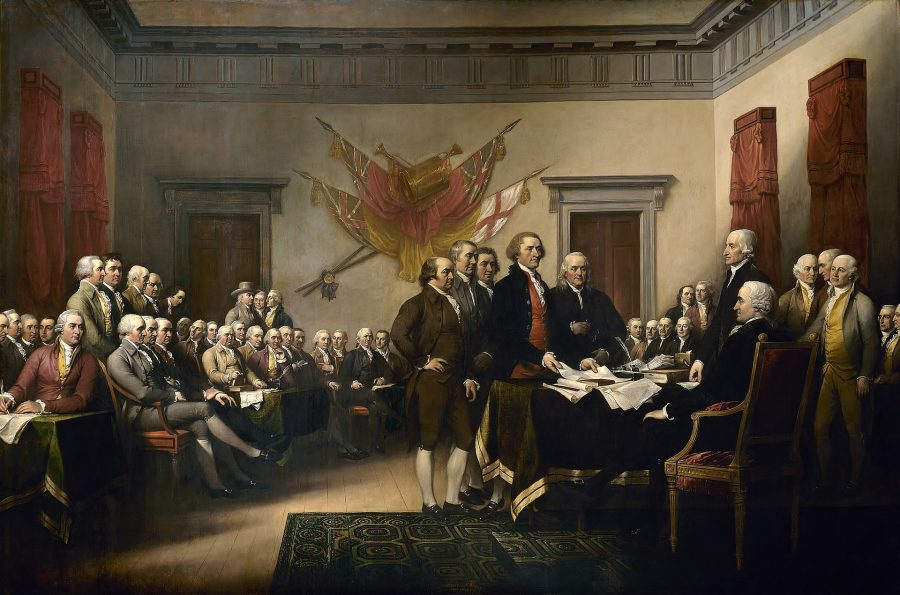
If you grew up in the Unit­ed States of Amer­i­ca, you’ll remem­ber the name Eugene V. Debs from his­to­ry class. And if you grew up dur­ing a cer­tain era in the Unit­ed States of Amer­i­ca, you might have learned about Debs from Bernie Sanders. Try to recall one of Debs’ speech­es; if you hear it in Sanders’ dis­tinc­tive Brook­lyn accent, you have at some point or anoth­er seen Eugene V. Debs: Trade Union­ist, Social­ist, Rev­o­lu­tion­ary. A film-strip slideshow with an accom­pa­ny­ing audio track, it came out in 1979 as a prod­uct of the Amer­i­can People’s His­tor­i­cal Soci­ety, Sanders’ own pro­duc­tion com­pa­ny.

That ven­ture con­sti­tutes just one chap­ter of a sto­ried life and career, which includes peri­ods as a high-school track star, a folk singer, and the may­or of Burling­ton, Ver­mont. Now that Sanders, junior Unit­ed States Sen­a­tor from Ver­mont since 2007, has pulled ahead in the race for the Demo­c­ra­t­ic nom­i­na­tion in the 2020 pres­i­den­tial elec­tion, peo­ple want to know what he’s all about — and he has long been giv­en, cer­tain­ly by the stan­dards of U.S. politi­cians, to clear and fre­quent expres­sion of what he’s all about. He has made no secret, for exam­ple, of his admi­ra­tion for Debs, a social­ist polit­i­cal activist who five times ran for Pres­i­dent of the Unit­ed States. You can see it come through in Eugene V. Debs: Trade Union­ist, Social­ist, Rev­o­lu­tion­ary, which Jacobin mag­a­zine has recon­struct­ed and made avail­able on Youtube.

Hyper­al­ler­gic’s Nathan Smith writes that the doc­u­men­tary frames Debs “as a lost prophet before explain­ing how he end­ed up where he did ide­o­log­i­cal­ly. It opens with Debs’s final pres­i­den­tial cam­paign, con­duct­ed in 1920 from prison. If a mil­lion peo­ple vot­ed for this man while he was behind bars, if more peo­ple went to hear him speak than Pres­i­dent Taft, then how could his­to­ry have for­got­ten him?” Sanders explains Debs’ social­ism “as a response to issues which still res­onate today: the exploita­tion of work­ing peo­ple, seg­re­ga­tion and vio­lent racism, vot­ing rights, and the sup­pres­sion of free speech and dis­sent dur­ing World War I.” More so than see Sanders’ admi­ra­tion for Debs — Jacobin hav­ing had to use visu­als oth­er than the ones on the film strip at the time — you can hear it: as in all the shoe­string pro­duc­tions of the Amer­i­can People’s His­tor­i­cal Soci­ety’s shoe­string pro­duc­tions, Sanders him­self plays the roles of the his­tor­i­cal char­ac­ters involved.

In this case, that means we hear Sanders give Debs’ speech­es, and in cer­tain moments we view­ers of 2020 could eas­i­ly mis­take Debs’ indict­ments of the dis­tri­b­u­tion of wealth, goods, and the means of pro­duc­tion in Amer­i­ca as Sanders’ own. A self-described social­ist, Sanders has in his polit­i­cal career placed him­self in Debs’ tra­di­tion, and hav­ing made a doc­u­men­tary like this more than 40 years ago shores up that image. The Wash­ing­ton Post’s Philip Bump points out that, before becom­ing a U.S. sen­a­tor, Sanders did a cou­ple more act­ing jobs in fea­ture films, once as a man stingy with Hal­loween can­dy and once as a Dodgers-obsessed rab­bi. As much as those roles might have suit­ed his demeanor, it’s safe to say he played Eugene V. Debs with more con­vic­tion.

via Hyper­al­ler­gic

Relat­ed Con­tent:

Bernie Sanders: I Will Be an Arts Pres­i­dent

Spike Lee Inter­views Bernie Sanders: Two Guys from Brook­lyn Talk About Edu­ca­tion, Inequal­i­ty & More

Bernie Sanders Sings “This Land is Your Land” on the Endear­ing­ly Bad Spo­ken Word Album, We Shall Over­come

Allen Ginsberg’s Hand­writ­ten Poem For Bernie Sanders, “Burling­ton Snow” (1986)

Albert Ein­stein Writes the 1949 Essay “Why Social­ism?” and Attempts to Find a Solu­tion to the “Grave Evils of Cap­i­tal­ism”

Based in Seoul, Col­in Mar­shall writes and broad­casts on cities, lan­guage, and cul­ture. His projects include the book The State­less City: a Walk through 21st-Cen­tu­ry Los Ange­les and the video series The City in Cin­e­ma. Fol­low him on Twit­ter at @colinmarshall or on Face­book.

Bertrand Russell’s Prison Letters Are Now Digitized & Put Online (1918 — 1961)

Boethius, Hen­ry David Thore­au, Anto­nio Gram­sci, Mar­tin Luther King, Jr…. It’s pos­si­ble, if one tried, to draw oth­er com­par­isons between these dis­parate fig­ures, but read­ers famil­iar with the work of all four will imme­di­ate­ly rec­og­nize their most obvi­ous lit­er­ary com­mon­al­i­ty: all wrote some of their most impas­sioned and per­sua­sive work while unjust­ly con­fined to a cell.

In the case of Bertrand Rus­sell, how­ev­er, per­haps one of the most famous fig­ures in 20th cen­tu­ry phi­los­o­phy and intel­lec­tu­al life more gen­er­al­ly, peri­ods of incar­cer­a­tion in Brix­ton prison in 1918 and, forty-three years lat­er, in 1961, play a min­i­mal role in the larg­er dra­ma of his writ­ing life, despite the fact that he did a good deal of writ­ing, includ­ing some sig­nif­i­cant philo­soph­i­cal work, behind bars.

Even schol­ars well-read in Russell’s work may have lit­tle knowl­edge of his prison writ­ing, and for good rea­son: most of it has been inac­ces­si­ble. “Now, for the first time,” writes Eri­ca Balch at McMas­ter University’s Brighter World blog, “Russell’s prison letters—part of McMaster’s Bertrand Rus­sell Archives—are being made avail­able online through a new dig­i­ti­za­tion project devel­oped by the Bertrand Rus­sell Research Cen­tre. Com­plete with detailed anno­ta­tions and ful­ly search­able text, the project is pro­vid­ing schol­ars from around the world with access to these rarely seen mate­ri­als.”

The con­tents of the let­ters reveal oth­er rea­sons that Russell’s prison writ­ing isn’t bet­ter known. He did plen­ty of impas­sioned and per­sua­sive writ­ing for the pub­lic out­side of a prison cell—publishing fiery books, essays, and lec­tures against war and pro­pa­gan­da and in defense of free thought through­out his life. Behind bars, how­ev­er, Russell’s writ­ing turned almost sole­ly pro­fes­sion­al and per­son­al, in let­ters addressed pri­mar­i­ly to “his then lover Lady Con­stance Malle­son (known as ‘Colette’) and his for­mer lover, aris­to­crat and socialite Lady Otto­line Mor­rell.”

The 105 let­ters “reveal the pri­vate thoughts of one of the 20th century’s most pub­lic fig­ures and pro­vide an inter­est­ing win­dow on Russell’s inner life,” says Andrew Bone, Senior Research Asso­ciate at McMaster’s Bertrand Rus­sell Research Cen­tre.  Most of the let­ters “were writ­ten in secret,” Balch notes, “and smug­gled out of Brix­ton by Russell’s friends, con­cealed between the uncut pages of books.” Rus­sell was only allowed one let­ter per week; offi­cial­ly sanc­tioned cor­re­spon­dence is writ­ten on prison sta­tion­ary and bears the Brix­ton governor’s ini­tials.

A life­long paci­fist, Rus­sell was first jailed for six months in 1918 for a speech oppos­ing U.S. entry into World War I. “I found prison in many ways quite agree­able,” he lat­er wrote in his auto­bi­og­ra­phy. “I had no engage­ments, no dif­fi­cult deci­sions to make, no fear of callers, no inter­rup­tions to my work. I read enor­mous­ly; I wrote a book, ‘Intro­duc­tion to Math­e­mat­i­cal Phi­los­o­phy’… and began the work for ‘Analy­sis of Mind,’” a project that nev­er reached fruition. In 1961, at age 89, he was jailed for sev­en days for par­tic­i­pat­ing in a Lon­don anti-nuclear demon­stra­tion.

Dur­ing his first stay as a pris­on­er of Brixton’s “first divi­sion,” Rus­sell was “allowed to fur­nish his cell, wear civil­ian clothes, pur­chase catered food, and most impor­tant­ly, be exempt­ed from prison work while he pur­sued his pro­fes­sion as an author,” as the Bertrand Rus­sell Research Cen­tre points out. It’s lit­tle won­der he looked for­ward to the expe­ri­ence as a “hol­i­day from respon­si­bil­i­ty,” he wrote in a let­ter to his broth­er, Frank, four days after he began his sen­tence.

Rus­sell may not have suffered—or acquired a height­ened sense of polit­i­cal urgency—while behind bars (at one point he was heard laugh­ing out loud and had to be remind­ed by the war­den that “prison is a place of pun­ish­ment”). But his prison let­ters offer sig­nif­i­cant insight into not only the deeply emo­tion­al rela­tion­ships he had with Malle­son and Mor­rell, but also his rela­tion­ship with oth­er mem­bers of the famous Blooms­bury group and “lit­er­ary celebri­ties such as D.H. Lawrence, and T.S. Eliot,” writes Balch, “many of whom are ref­er­enced in the let­ters.”

The 104 let­ters from 1918, includ­ing Russell’s cor­re­spon­dence with his broth­er, his pub­lish­er, The Nation mag­a­zine and oth­ers, are all avail­able in orig­i­nal scans with tran­scrip­tions and anno­ta­tions at the McMas­ter Uni­ver­si­ty Bertrand Rus­sell Research Cen­tre site. The final let­ter, num­ber 105, the sole piece of cor­re­spon­dence from Russell’s week­long stay in Brix­ton in 1961, is addressed to his wife Edith.

My Dar­ling,

The lawyer’s nice young man brought me cheer­ing news of you and told me I could write to you, which I had not known. Every one here treats me kind­ly and the only thing I mind is being away from you. At all odd min­utes I have the illu­sion that you are there, and for­get that if I sneeze it won’t dis­turb you. I am enjoy­ing Madame de Staël immense­ly, hav­ing at last got round to read­ing her. At odd moments I argue the­ol­o­gy with the chap­lain and med­i­cine with the Doc­tor, and so the time pass­es eas­i­ly. But sep­a­ra­tion from you is quite hor­rid, Dear­est Love, it will be heav­en­ly when we are togeth­er again. Take care of your­self, Beloved.

B.

As in most of the ear­li­er let­ters, Rus­sell avoids pol­i­tics and keeps things per­son­al. But as in near­ly all of his writ­ing, the prose is live­ly, evoca­tive, and poignant, reveal­ing much about the per­son­al­i­ty behind it. While these let­ters may nev­er achieve the sta­tus of great lit­er­a­ture, by virtue of their pri­vate nature and their minor role in Russell’s major canon, that does not mean they aren’t a joy to read, for stu­dents of Bertrand Rus­sell and any­one else who appre­ci­ates the work­ings of a bril­liant philo­soph­i­cal and eth­i­cal mind. Enter the Brix­ton Let­ter archive here.

Relat­ed Con­tent: 

Bertrand Russell’s Advice For How (Not) to Grow Old: “Make Your Inter­ests Grad­u­al­ly Wider and More Imper­son­al”

Bertrand Rus­sell Author­i­ty and the Indi­vid­ual (1948) 

Josh Jones is a writer and musi­cian based in Durham, NC. Fol­low him at @jdmagness

An Animated Look at the Charade of the Global Elites: Claiming They Want to “Change the World,” They End Up Preserving the Unjust Status Quo

From Peter Kropotkin to Leo Tol­stoy to Noam Chom­sky, some of the most revered anar­chist thinkers have exhaust­ed page after page explain­ing why pow­er over oth­ers is unjus­ti­fied, no mat­ter how it jus­ti­fies itself. To those who say the wealthy and pow­er­ful ben­e­fit soci­ety with char­i­ta­ble works and occa­sion­al­ly humane pol­i­cy, Tol­stoy might reply with the fol­low­ing illus­tra­tion, which opens Time edi­tor Anand Girid­haradas’ talk above, “Win­ner Take All,” as ani­mat­ed by the RSA:

I sit on a man’s back, chok­ing him and mak­ing him car­ry me, and yet assure myself and oth­ers that I am sor­ry for him and wish to light­en his load by all means pos­si­ble… except by get­ting off his back.

The author of Win­ners Take All: The Elite Cha­rade of Chang­ing the World, Girid­haradas doesn’t make the case for anar­chism here, except per­haps by the slight­est impli­ca­tion in his choice of epi­graph. But he does call out the “win­ners of our age,” no mat­ter how much they deter­mine to make a dif­fer­ence with human­i­tar­i­an aid, for being “unwill­ing to get off the man’s back.” Unwill­ing to pay tax­es, close loop­holes and tax shel­ters, pay high­er wages, or stop lob­by­ing to slash pub­lic ser­vices. Unwill­ing to rein­vest in the com­mu­ni­ties that made them.

“What does it look like to imag­ine the kind of change,” Girid­haradas asks, “that would involve the win­ners of our age step­ping off that guy’s back? Or being made to step off that guy’s back?” Here, he leaves us with an ellipses and moves to cri­tique the idea of the “win-win” as a means of mak­ing change, rather than just exchange.

The mar­ket econ­o­my has import­ed the cri­te­ria of exchange into pol­i­tics and social action. Every­thing is trans­ac­tion­al. But in order to address the gross inequities that result in peo­ple fig­u­ra­tive­ly sit­ting on the backs of oth­ers, some must gain more pow­er and oth­ers must have less. The par­ties do not meet in a state of ceteris paribus.

One might take issue with the very terms used in “win-win” think­ing. Rather than win­ners, some would call pow­er­ful cap­i­tal­ists oppor­tunists, prof­i­teers, and worse. (The term “rob­ber baron” was once in com­mon cir­cu­la­tion.) To claim that good works and good inten­tions obvi­ate mas­sive pow­er imbal­ances is to pre­sume that such imbal­ances are jus­ti­fi­able in the first place. Answer­ing this the­o­ret­i­cal ques­tion doesn’t, how­ev­er, address the prac­ti­cal prob­lem.

In the cur­rent sys­tem of cor­po­rate mis­rule, says Girid­haradas, “when every­thing is couched as a win-win, what you are real­ly say­ing… is that the best kinds of solu­tions don’t ask any­one to get off anyone’s back.” Unfet­tered cap­i­tal­ism has brought us the “pri­va­ti­za­tion of pub­lic prob­lems.” That is to say, com­pa­nies prof­it from the same issues they help cre­ate through pol­lu­tion, preda­to­ry schemes, and undue polit­i­cal influ­ence.

You don’t have to be an anar­chist to see a seri­ous prob­lem with that. But if you see the prob­lem, you should want to imag­ine how things could be oth­er­wise.

via Aeon

Relat­ed Con­tent:

Saul Alinsky’s 13 Tried-and-True Rules for Cre­at­ing Mean­ing­ful Social Change

Noam Chom­sky Explains the Best Way for Ordi­nary Peo­ple to Make Change in the World, Even When It Seems Daunt­ing

Teach­ing Tol­er­ance to Activists: A Free Course Syl­labus & Anthol­o­gy

Josh Jones is a writer and musi­cian based in Durham, NC. Fol­low him at @jdmagness

Radical Tea Towels Offer a Graphic Crash Course in Progressive American History

Those of us who are deeply dis­ap­point­ed to learn we won’t be see­ing Har­ri­et Tubman’s face on a redesigned $20 bill any time soon can dry our eyes on a Tub­man tea tow­el… or could if the revered abo­li­tion­ist and activist wasn’t one of the fam­i­ly-owned Rad­i­cal Tea Towel’s hottest sell­ing items.

The pop­u­lar design, based on one of Charles Ross’ murals in Cam­bridge, Maryland’s Har­ri­et Tub­man Memo­r­i­al Gar­den is cur­rent­ly out of stock.

For­tu­nate­ly, the com­pa­ny has immor­tal­ized plen­ty of oth­er inspi­ra­tional fem­i­nists, activists, civ­il rights lead­ers, authors, and thinkers on cot­ton rec­tan­gles, suit­able for all your dish dry­ing and gift giv­ing needs.

Or wave them at a demon­stra­tion, on the cre­ators’ sug­ges­tion.

The need for rad­i­cal tea tow­els was hatched as one of the company’s Welsh co-founder’s was search­ing in vain for a prac­ti­cal birth­day present that would reflect her 92-year-old father’s pro­gres­sive val­ues.

Five years lat­er, bom­bard­ed with dis­tress­ing post-elec­tion mes­sages from the States, they decid­ed to expand across the pond, to high­light the achieve­ments of “amaz­ing Amer­i­cans who’ve fought the cause of free­dom and equal­i­ty over the years.”

The descrip­tion of each tow­el’s sub­ject speaks to the pas­sion for his­to­ry, edu­ca­tion  and jus­tice the founders—a moth­er, father, and adult son—bring to the project. Here, for exam­ple, is their write up on Muham­mad Ali, above:

He was born Cas­sius Clay and changed his name to Muham­mad Ali, but the name the world knew him by was sim­ply, ‘The Great­est.’ Through his remark­able box­ing career, Ali is wide­ly regard­ed as one of the most sig­nif­i­cant and cel­e­brat­ed sports fig­ures of the 20th cen­tu­ry and was an inspir­ing, con­tro­ver­sial and polar­is­ing fig­ure both inside and out­side the ring. 

Ali start­ed box­ing as a 12-year-old because he want­ed to take revenge on the boy who stole his bike, and at 25, he lost his box­ing licence for refus­ing to fight in Viet­nam. (‘Why should they ask me to put on a uni­form and go 10,000 miles from home and drop bombs and bul­lets on brown peo­ple in Viet­nam when so-called Negro peo­ple in Louisville are treat­ed like dogs and denied sim­ple human rights?’ He demand­ed.) It was per­haps the only time he sur­ren­dered: mil­lions of dol­lars, the love of his nation, his career… but it was for what he believed in. And although his views on race were often con­fused, this was just exam­ple of his Civ­il Rights activism.

Ali became a light­ning rod for dis­sent, set­ting an exam­ple of racial pride for African Amer­i­cans and resis­tance to white dom­i­na­tion dur­ing the Civ­il Rights Move­ment. And he took no punch lying down – nei­ther inside the box­ing ring nor in the fight for equal­i­ty: after being refused ser­vice in a whites-only restau­rant in his home­town of Louisville, Ken­tucky, he report­ed­ly threw the Olympic gold medal he had just won in Rome into the Ohio Riv­er. So, here’s an empow­er­ing gift cel­e­brat­ing the man who nev­er threw in the (tea) tow­el.

The Rad­i­cal Tea Tow­el blog is such stuff as will bring a grate­ful tear to an AP US His­to­ry teacher’s eye. The Fore­bears We Share: Learn­ing from Rad­i­cal His­to­ry is a good place to start. Oth­er top­ics include Abi­gail Adam’s Amer­i­can Rev­o­lu­tion advo­ca­cy, the bridge designs of rev­o­lu­tion­ary philoso­pher Thomas Paine, and Bruce Springsteen’s love of protest songs.

(The Rad­i­cal Tea Tow­el design team has yet to pay trib­ute to The Boss, but until they do, we can rest easy know­ing author John Steinbeck’s tow­el embod­ies Springsteen’s sen­ti­ment. )

Lest our edu­ca­tion­al dish­cloths lull us into think­ing we know more about our coun­try than we actu­al­ly do, the company’s web­site has a rad­i­cal his­to­ry quiz, mod­eled on the US his­to­ry and gov­ern­ment nat­u­ral­iza­tion test which would-be Amer­i­cans must pass with a score of at least 60%. This one is, unsur­pris­ing­ly, geared toward pro­gres­sive his­to­ry. Test your knowl­edge to earn a tea tow­el dis­count code.

Begin your Rad­i­cal Tea Tow­el explo­rations here, and don’t neglect to take in all the rad designs cel­e­brat­ing the upcom­ing cen­ten­ni­al of wom­en’s suf­frage.

Relat­ed Con­tent: 

2,200 Rad­i­cal Polit­i­cal Posters Dig­i­tized: A New Archive

11 Essen­tial Fem­i­nist Books: A New Read­ing List by The New York Pub­lic Library

Down­load 834 Rad­i­cal Zines From a Rev­o­lu­tion­ary Online Archive: Glob­al­iza­tion, Punk Music, the Indus­tri­al Prison Com­plex & More

Ayun Hal­l­i­day is an author, illus­tra­tor, the­ater mak­er and Chief Pri­ma­tol­o­gist of the East Vil­lage Inky zine.  Join her in NYC on Mon­day, Decem­ber 9 when her month­ly book-based vari­ety show, Necro­mancers of the Pub­lic Domain cel­e­brates Dennison’s Christ­mas Book (1921). Fol­low her @AyunHalliday.

« Go BackMore in this category... »
Quantcast