Teaching Tolerance to Activists: A Free Course Syllabus & Anthology

The waters of acad­e­mia have grown chop­py of late, and many vet­er­an sailors have found them­selves ill-equipped to nav­i­gate the brave new world stu­dent activists are forg­ing at a break­neck pace.

Trig­ger warn­ings. Safe spaces. Cur­ric­u­la restruc­tured with an eye toward iden­ti­ty. Swift judg­ments for those who fail to com­ply.

Admis­sions brochures and cam­pus tours make fre­quent men­tion of their institution’s com­mit­ment to social jus­tice. They have to—many high school­ers share the under­grads’ beliefs.

Those of us whose col­lege years are but a dis­tant mem­o­ry should­n’t depend on our school’s alum­ni mag to paint an accu­rate pic­ture of the bat­tles that may be rag­ing with­in. Sus­tain­abil­i­ty, pre­ferred pro­nouns, and inclu­sive bath­room facil­i­ties may get a men­tion, but the offi­cial organ’s unlike­ly to peek into the abyss where tol­er­ance goes to die.

Cul­tur­al schol­ar Frances Lee, a queer trans per­son of col­or recov­er­ing from a forced con­ver­sion to evan­gel­i­cal Chris­tian­i­ty, took a hard look at the prob­lem of intol­er­ance with­in activist cir­cles as a sec­ond year Mas­ters stu­dent in Cul­tur­al Stud­ies at the Uni­ver­si­ty of Wash­ing­ton.

Pub­lished exact­ly one year ago, their essay, Kin Aes­thet­ics: Excom­mu­ni­cate Me from the Church of Social Jus­tice, was plain­spo­ken about the neg­a­tive side effects of social progress in activist cir­cles, and by exten­sion, on cam­pus:

Telling peo­ple what to do and how to live out their lives is endem­ic to reli­gious and to dog­mat­ic activism. It’s not that my com­rades are the boss­es of me, but that dog­mat­ic activism cre­ates an envi­ron­ment that encour­ages peo­ple to tell oth­er peo­ple what to do. This is espe­cial­ly promi­nent on Face­book. Scrolling through my news feed some­times feels Iike slid­ing into a pew to be blast­ed by a frag­ment­ed, fren­zied ser­mon. I know that much of the media post­ed there means to dis­ci­pline me to be a bet­ter activist and com­mu­ni­ty mem­ber. But when dic­tates aren’t fol­lowed, a com­mon pro­ce­dure of pun­ish­ment ensues. Pun­ish­ments for saying/doing/believing the wrong thing include sham­ing, scold­ing, call­ing out, iso­lat­ing, or evis­cer­at­ing someone’s social stand­ing. Dis­ci­pline and pun­ish­ment have been used for all of his­to­ry to con­trol and destroy peo­ple. Why is it being used in move­ments meant to lib­er­ate all of us? We all have made seri­ous mis­takes and hurt oth­er peo­ple, inten­tion­al­ly or not. We get a chance to learn from them when those around us respond with kind­ness and patience. Where is our humil­i­ty when exam­in­ing the mis­takes of oth­ers? Why do we posi­tion our­selves as moral­ly supe­ri­or to the low­ly un-woke?

The essay’s viral suc­cess gives extra oomph to “Wok­er Than Thou: Left­ist Activist Iden­ti­ty For­ma­tions,” a com­mu­ni­ty course Lee designed and taught ear­li­er this year.

Intend­ed for com­mu­ni­ty lead­ers, polit­i­cal activists, and orga­niz­ers, Lee wel­comed any­one with any inter­est in the sub­ject, pro­vid­ed they were will­ing “to stay open to dis­sent­ing or unpop­u­lar ideas for the sake of dis­cus­sion, instead of fore­clos­ing cer­tain top­ics or ideas by judg­ing them as not wor­thy of atten­tion.”

The 10-week syl­labus delved into such rel­e­vant top­ics as Call-out Cul­ture, the False Promis­es of Empa­thy, and of course “wok­e­ness,” a term Lee takes care to attribute to Black cul­ture.

While not all of the required read­ings can be found online, Lee pro­vides a wealth of links to those that can.

Titles include Uni­ver­si­ty of San Fran­cis­co Pro­fes­sor Rhon­da Magee’s “Address­ing Social Injus­tice with Com­pas­sion,” author Andrea Smith’s “The Prob­lem with Priv­i­lege,” Trau­ma Stew­ard­ship Insti­tute founder Lau­ra van Der­noot Lipsky’s TEDx Talk on sys­tem­at­ic oppres­sion and lib­er­a­tion the­o­ry.

There’s even a Suf­jan Stevens song that evolved from cheap shots at skater Tonya Harding’s expense to some­thing that con­sid­ered the “whole­ness of the per­son… with dig­ni­ty and grace.”

Fol­low­ing Lee’s course mate­ri­als seems a much more ratio­nal way to con­front the cur­rent social cli­mate than bing­ing on con­fes­sion­al essays by lib­er­al arts pro­fes­sors who feel ham­strung by not-unfound­ed fears that their stu­dents could cost them their jobs … and the good rep­u­ta­tion required to secure anoth­er.

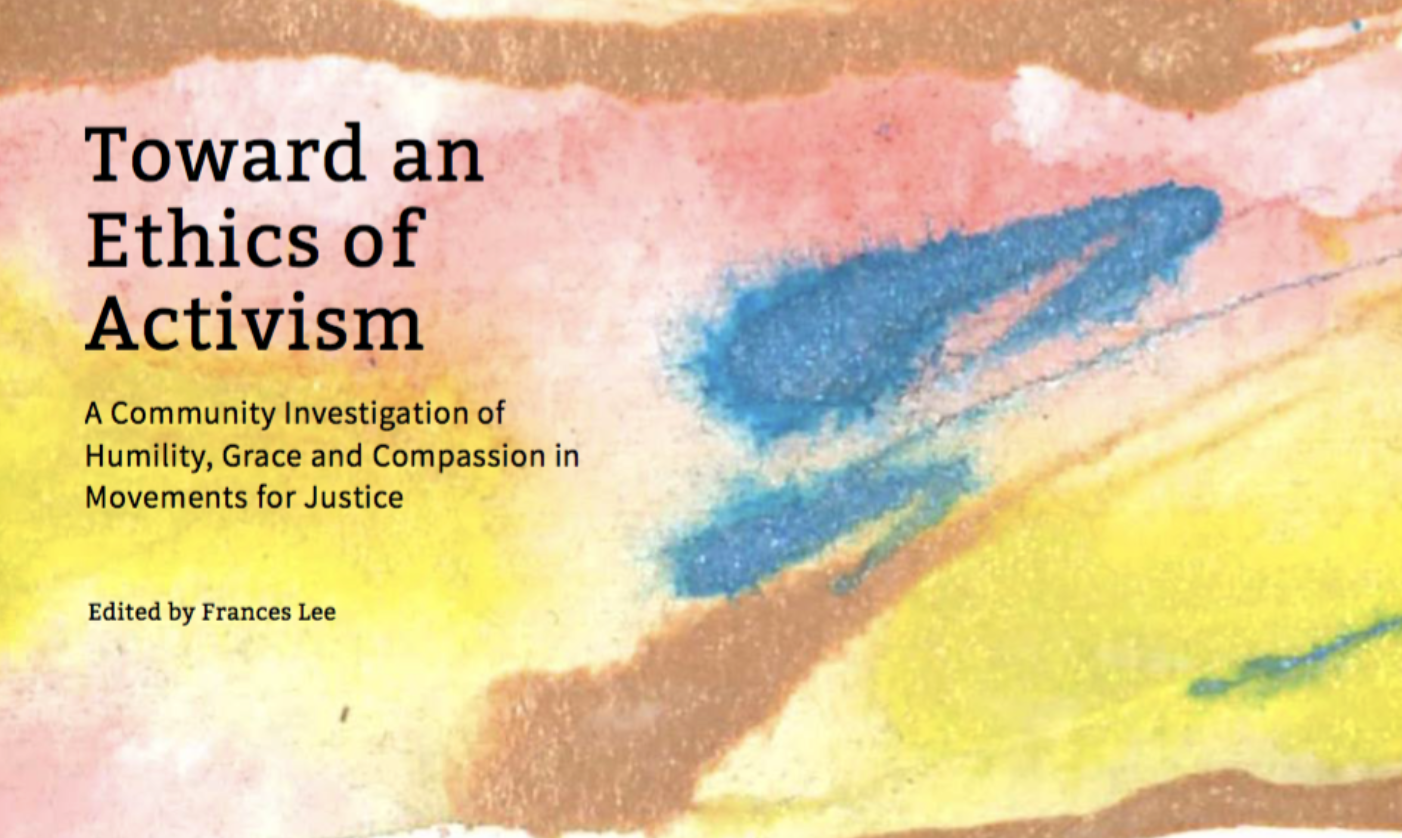
For fur­ther read­ing, Lee offers free down­loads of Toward An Ethics of Activism: A Com­mu­ni­ty Inves­ti­ga­tion of Humil­i­ty, Grace and Com­pas­sion in Move­ments for Jus­tice, an anthol­o­gy that “seeks to dis­rupt dog­mat­ic, exclu­sion­ary activist cul­ture with kind­ness and con­nec­tion.”

Find Frances Lee’s “Wok­er Than Thou” syl­labus here.

Down­load a PDF of the anthol­o­gy Toward An Ethics of Activism here. (A screen read­er acces­si­ble ver­sion is also avail­able.)

Relat­ed Con­tent:

Slavoj Žižek Calls Polit­i­cal Cor­rect­ness a Form of “Mod­ern Total­i­tar­i­an­ism”

Noam Chom­sky Explains the Best Way for Ordi­nary Peo­ple to Make Change in the World, Even When It Seems Daunt­ing

Dr. Jane Goodall Is Now Teach­ing an Online Course on Con­ser­va­tion, Ani­mal Intel­li­gence & Activism

Ayun Hal­l­i­day is an author, illus­tra­tor, the­ater mak­er and Chief Pri­ma­tol­o­gist of the East Vil­lage Inky zine. Fol­low her @AyunHalliday.

A Big Digital Archive of Independent & Alternative Publications: Browse/Download Radical Periodicals Printed from 1951 to 2016

The con­sol­i­da­tion of big media in print, TV, and inter­net has had some seri­ous­ly dele­te­ri­ous effects on pol­i­tics and cul­ture, not least of which has been the major depen­dence on social media as a means of mass com­mu­ni­ca­tion. While these plat­forms give space to voic­es we may not oth­er­wise hear, they also flat­ten and mon­e­tize com­mu­ni­ca­tion, spread abuse and dis­in­for­ma­tion, force the use of one-size-fits-all tools, and cre­ate the illu­sion of an open, demo­c­ra­t­ic forum that obscures the gross inequities of real life.

Today’s media land­scape stands in stark con­trast to that of the mid-to-late twen­ti­eth cen­tu­ry, when inde­pen­dent and alter­na­tive press­es flour­ished, dis­sem­i­nat­ing art, poet­ry, and rad­i­cal pol­i­tics, and offer­ing cus­tom plat­forms for mar­gin­al­ized com­mu­ni­ties and dis­senters. While the future of inde­pen­dent media seems, today, unclear at best, a look back at the indie press­es of decades past may show a way for­ward.

Para­dox­i­cal­ly, the same tech­nol­o­gy that threat­ens to impose a glob­al mono­cul­ture also enables us to archive and share thou­sands of unique arti­facts from more het­ero­dox ages of com­mu­ni­ca­tion. One stel­lar exam­ple of such an archive, Inde­pen­dent Voic­es—“an open access col­lec­tion of an alter­na­tive press”—stores sev­er­al hun­dred dig­i­tized copies of peri­od­i­cals “pro­duced by fem­i­nists, dis­si­dent GIs, cam­pus rad­i­cals, Native Amer­i­cans, anti-war activists, Black Pow­er advo­cates, His­pan­ics, LGBT activists, the extreme right-wing press and alter­na­tive lit­er­ary mag­a­zines dur­ing the lat­ter half of the 20th cen­tu­ry.”

These pub­li­ca­tions come from the spe­cial col­lec­tions of sev­er­al dozen libraries and indi­vid­u­als and span the years 1951 to 2016. While exam­ples from recent years show that alter­na­tive print pub­li­ca­tions haven’t dis­ap­peared, the rich­est, most his­tor­i­cal­ly res­o­nant exam­ples tend to come from the 60s and 70s, when the var­i­ous strains of the coun­ter­cul­ture formed col­lec­tive move­ments and aes­thet­ics, often pow­ered by easy-to-use mimeo­graph machines.

As Geor­gia State Uni­ver­si­ty his­to­ri­an John McMil­lian says, the “hun­dreds of rad­i­cal under­ground news­pa­pers” that pro­lif­er­at­ed dur­ing the Viet­nam war “edu­cat­ed and politi­cized young peo­ple, helped to shore up activist com­mu­ni­ties, and were the movement’s pri­ma­ry means of inter­nal com­mu­ni­ca­tion.” These pub­li­ca­tions, notes The New York­er’s Louis Menand, rep­re­sent “one of the most spon­ta­neous and aggres­sive growths in pub­lish­ing his­to­ry.”

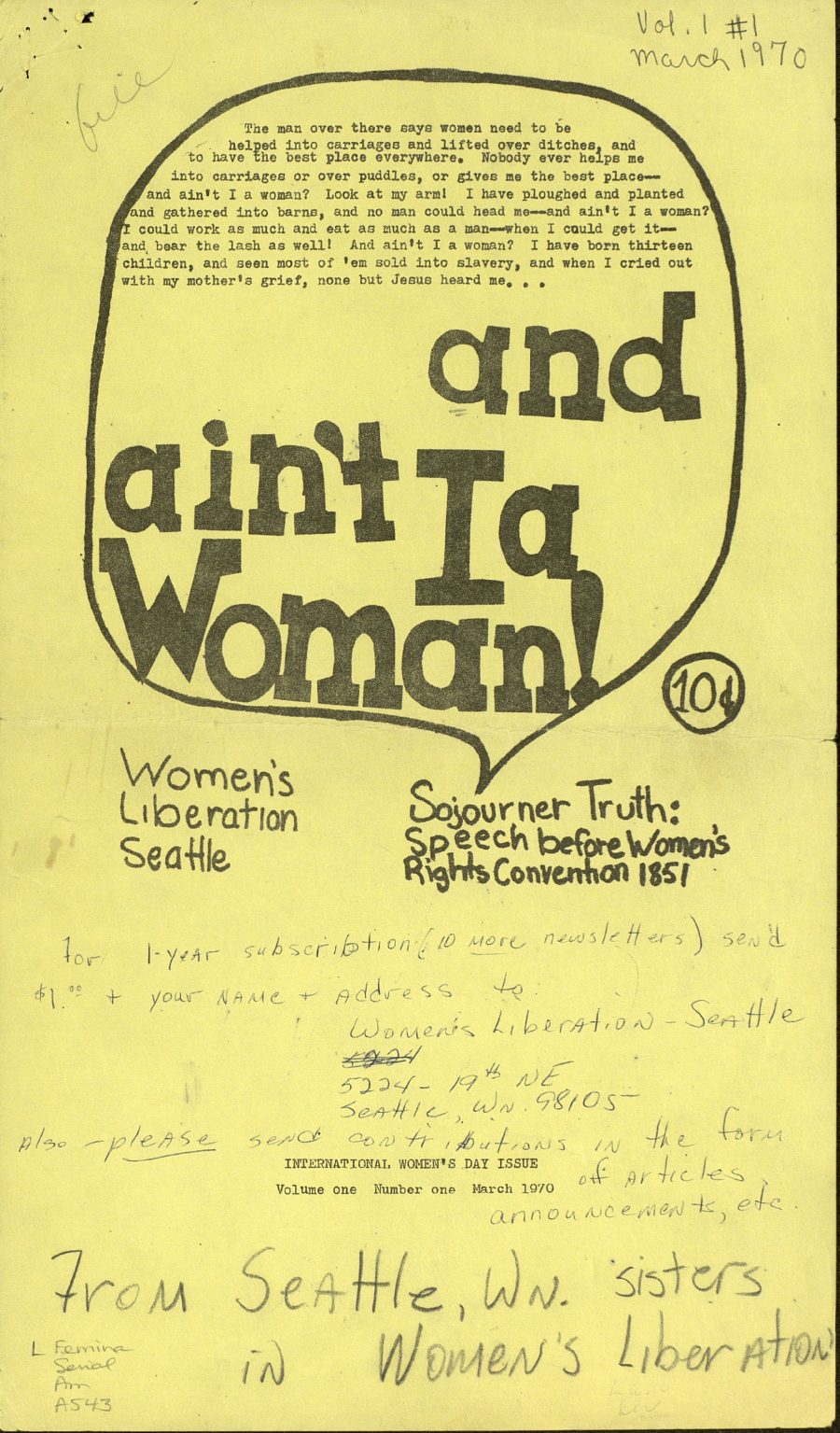
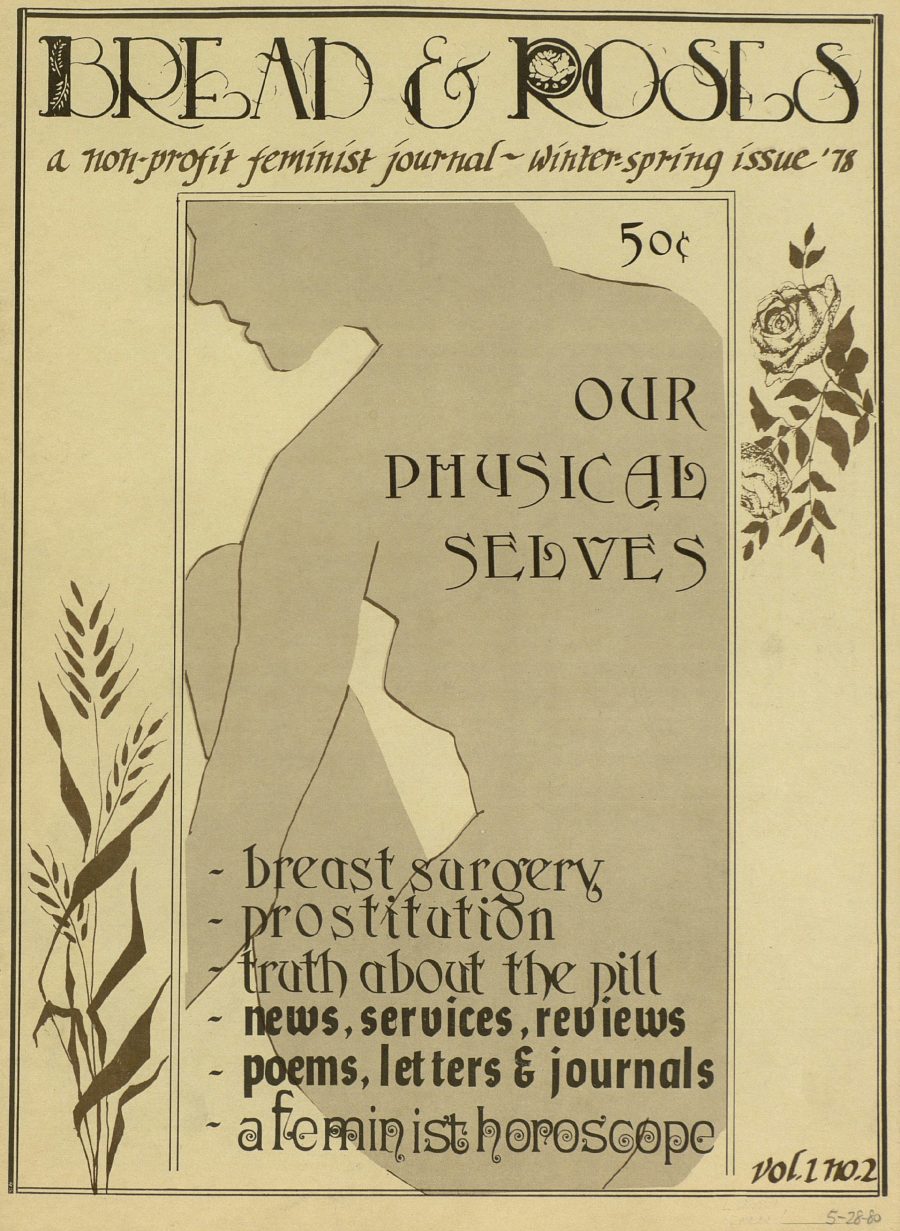
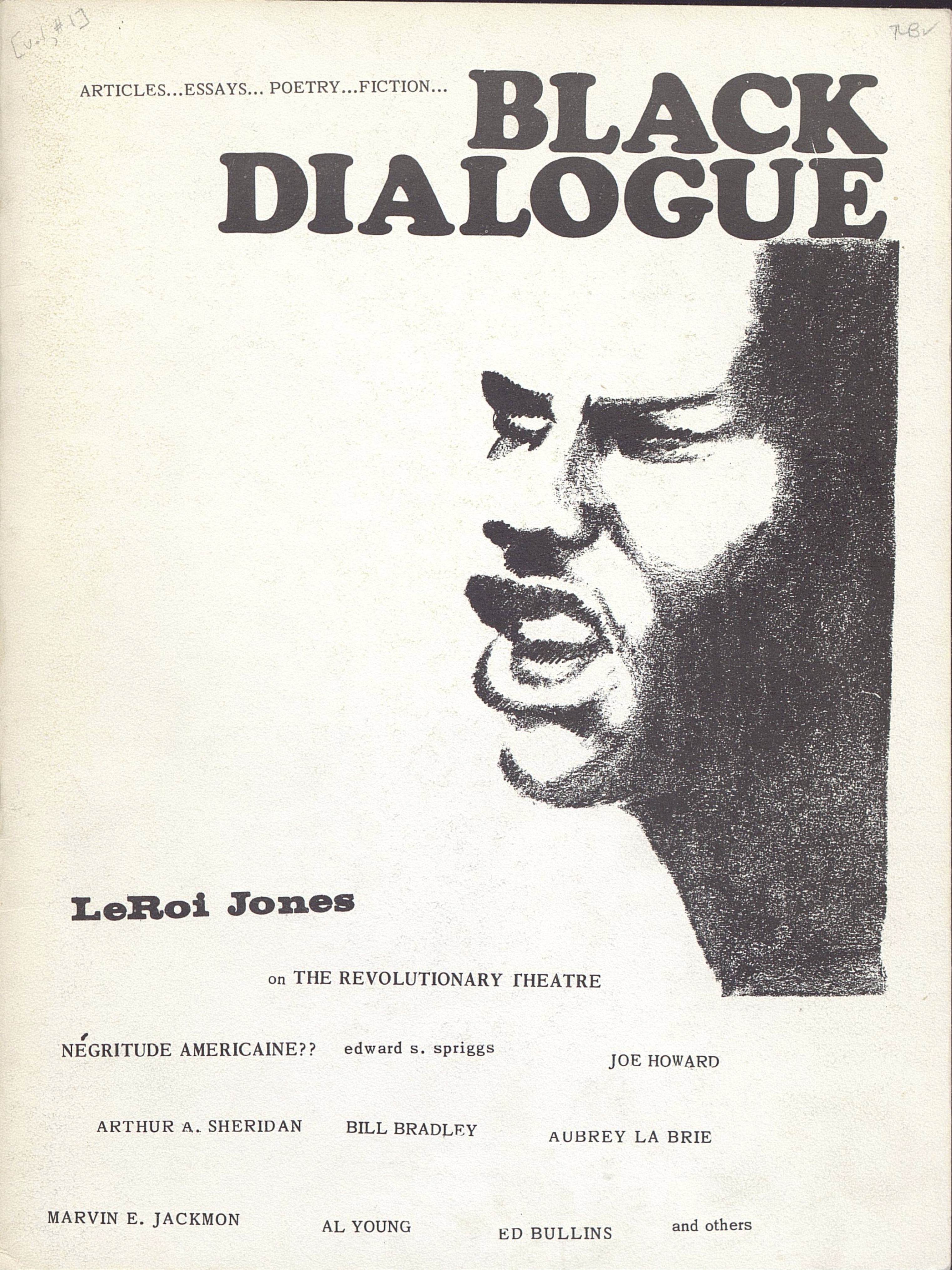
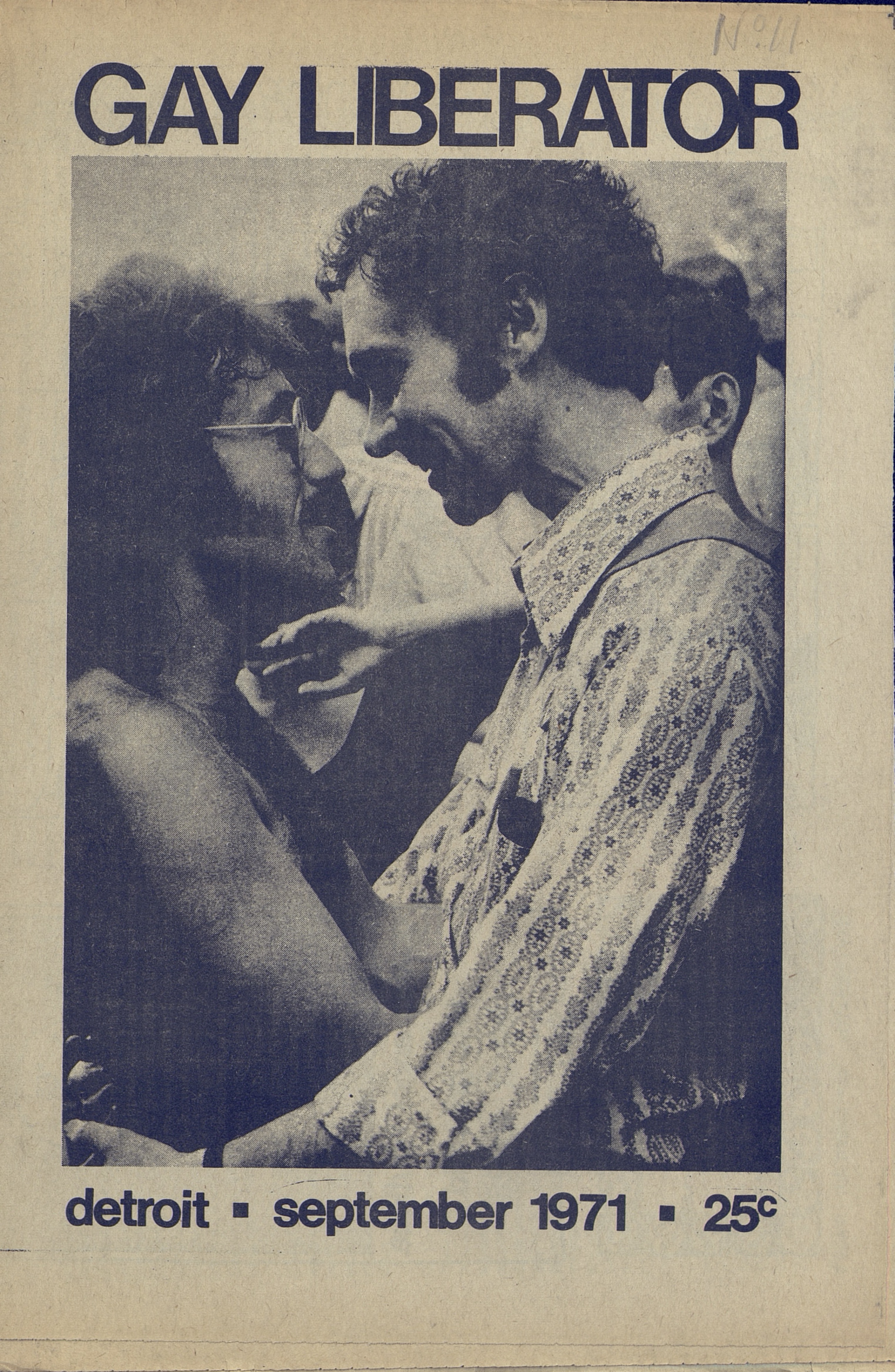
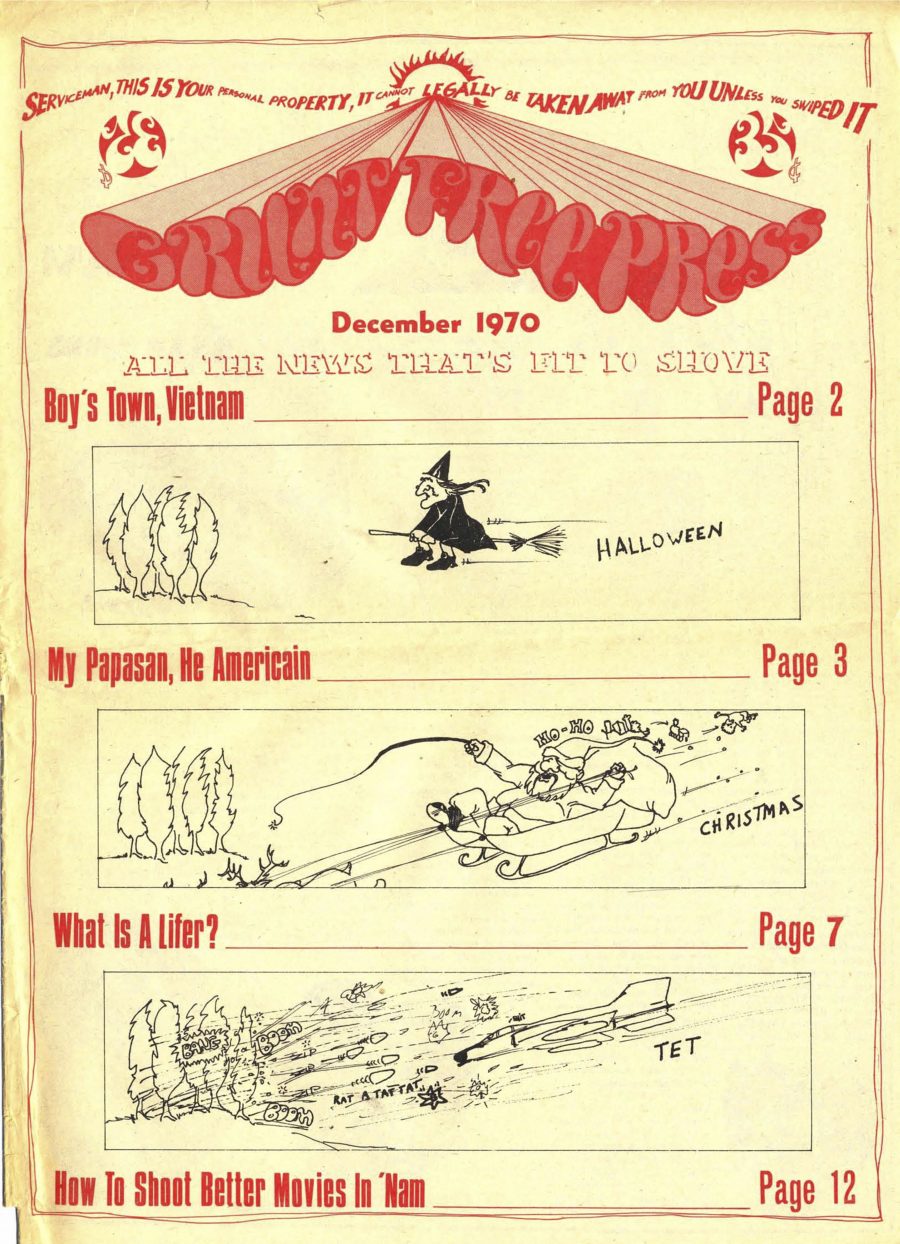
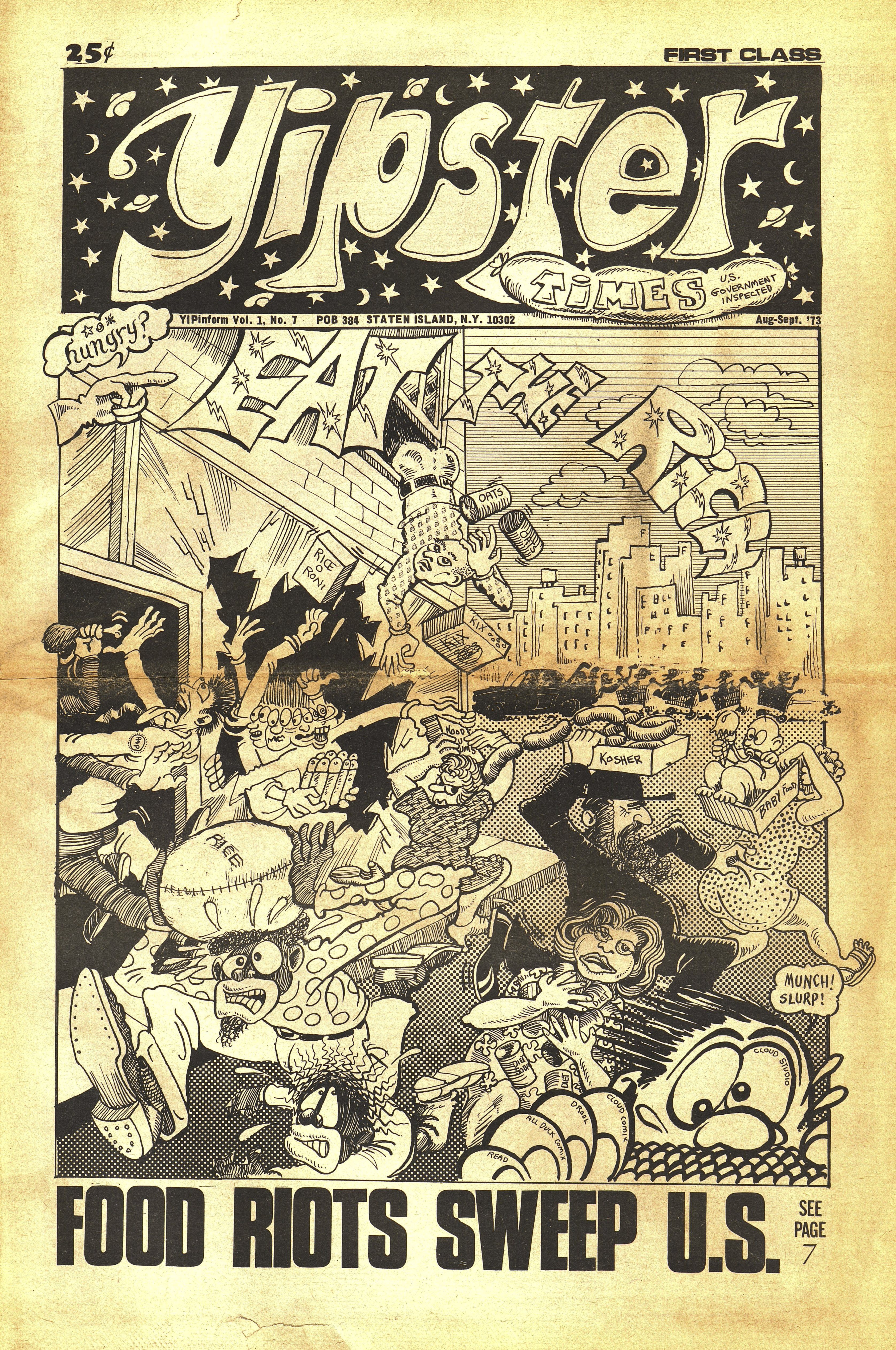
With pub­li­ca­tions from the era like And Ain’t I a WomanBread & Ros­es, Black Dia­logue, Gay Lib­er­a­tor, Grunt Free Press, Native Move­ment, and The Yip­ster Times, Inde­pen­dent Voic­es show­cas­es the height of coun­ter­cul­tur­al activist pub­lish­ing. These are only a smat­ter­ing of titles on offer. Each issue is archived in a high-res­o­lu­tion, down­load­able PDF, per­fect for brush­ing up on your gen­er­al knowl­edge of sec­ond-wave fem­i­nism or 60s Black Pow­er; sourc­ing schol­ar­ship on the devel­op­ment of rad­i­cal, alter­na­tive press over the past six­ty years; or find­ing mate­r­i­al to inspire the future of indie media, what­ev­er form it hap­pens to take. Enter the Inde­pen­dent Voic­es archive here.

Relat­ed Con­tent:  

Down­load 834 Rad­i­cal Zines From a Rev­o­lu­tion­ary Online Archive: Glob­al­iza­tion, Punk Music, the Indus­tri­al Prison Com­plex & More

Down­load 50+ Issues of Leg­endary West Coast Punk Music Zines from the 1970–80s: Dam­age, Slash & No Mag

Enter the Pulp Mag­a­zine Archive, Fea­tur­ing Over 11,000 Dig­i­tized Issues of Clas­sic Sci-Fi, Fan­ta­sy & Detec­tive Fic­tion

Josh Jones is a writer and musi­cian based in Durham, NC. Fol­low him at @jdmagness


Read George Washington’s “110 Rules of Civility”: The Code of Decency That Guided America’s First President

Con­trary to a thor­ough­ly abused polit­i­cal metaphor, Wash­ing­ton, DC was not in fact built on a swamp, though any­one who has vis­it­ed in the sum­mer will find that sto­ry plau­si­ble. Hav­ing just returned to my home­town for a few days, I’ve had ample reminder of its stick­i­ness, and have expe­ri­enced its fig­u­ra­tive­ly over­heat­ed atmos­phere first­hand. I needn’t go over the polit­i­cal and moral crises turn­ing the cap­i­tal into a caul­dron of “inci­vil­i­ty.”

But what exact­ly is “civil­i­ty” and what does it entail? Is it just anoth­er word for polite­ness, or a hyp­o­crit­i­cal­ly insid­i­ous code for silenc­ing dis­sent? Oxford Dic­tio­nar­ies recent­ly chose the word for its Week­ly Word Watch, cit­ing an Oxford Eng­lish Dic­tio­nary entry defin­ing it as “the min­i­mum degree” of deco­rum in social sit­u­a­tions. Deriv­ing from the Latin civis, or “cit­i­zen,” and relat­ed to “civics” and “civ­i­liza­tion,” the word first meant “cit­i­zen­ship,” and con­not­ed the treat­ment sup­pos­ed­ly due a per­son with said sta­tus. As often hap­pens, con­no­ta­tion became deno­ta­tion, and civil­i­ty came to stand for basic respect.

Ner­vous colum­nists now wor­ried about civility’s decline have pinned the prob­lem on cit­i­zen pro­test­ers exer­cis­ing civ­il dis­obe­di­ence and their first amend­ment rights, rather than on the tor­rents of abuse, threats, and lies that pour forth dai­ly from the exec­u­tive, who seems inca­pable of treat­ing any­one with min­i­mal decen­cy. But the very first hold­er of the office—faced with a frac­tious and unciv­il pop­u­lace (some of whom toast­ed to his “speedy death”)—believed it was his duty to set “a stan­dard to which the wise and hon­est can repair.”

What, we might won­der, would George Wash­ing­ton, builder of DC, have thought of the city’s cur­rent state? We can spec­u­late by ref­er­ence to his “Farewell Address,” in which the depart­ing pres­i­dent wrote:

The alter­nate dom­i­na­tion of one fac­tion over anoth­er, sharp­ened by the spir­it of revenge nat­ur­al to par­ty dis­sention, which in dif­fer­ent ages & coun­tries has per­pe­trat­ed the most hor­rid enor­mi­ties, is itself a fright­ful despo­tism. But this leads at length to a more for­mal and per­ma­nent despo­tism. The dis­or­ders & mis­eries, which result, grad­u­al­ly incline the minds of men to seek secu­ri­ty & repose in the absolute pow­er of an Indi­vid­ual: and soon­er or lat­er the chief of some pre­vail­ing fac­tion more able or more for­tu­nate than his com­peti­tors, turns this dis­po­si­tion to the pur­pos­es of his own ele­va­tion, on the ruins of Pub­lic Lib­er­ty.

Wash­ing­ton, argues his­to­ri­an and con­ser­v­a­tive colum­nist Richard Brookhis­er, gov­erned his own behav­ior with a strict code of con­duct based on “The Rules of Civil­i­ty & Decent Behav­ior in Com­pa­ny and Con­ver­sa­tion,” a list he care­ful­ly copied out by hand as a school­boy in Vir­ginia. “Based on a 16th-cen­tu­ry set of pre­cepts com­piled for young gen­tle­men by Jesuit instruc­tors,” notes NPR, “the Rules of Civil­i­ty were one of the ear­li­est and most pow­er­ful forces to shape America’s first pres­i­dent,” as Brookhis­er claims in his 2003 book Rules of Civil­i­ty: The 110 Pre­cepts That Guid­ed Our First Pres­i­dent in War and Peace.

Many of these “rules” are out­mod­ed eti­quette, many are baroque in their lev­el of detail, some should nev­er go out of style, and many would be mocked and derid­ed today as “polit­i­cal cor­rect­ness.” Brookhis­er “warns against dis­miss­ing the max­ims” as mere polite­ness, not­ing that they “address moral issues, but they address them indi­rect­ly. Maybe they can work on us in our cen­tu­ry as the Jesuits intend­ed them to work in theirs—indirectly—by putting us in a more ambi­tious frame of mind.” Or maybe they could induce some humil­i­ty among the already polit­i­cal­ly ambi­tious.

See all of the 110 “Rules of Civil­i­ty” below, with mod­ern­ized spelling and punc­tu­a­tion, cour­tesy of NPR:

  1. Every action done in com­pa­ny ought to be with some sign of respect to those that are present.
  2. When in com­pa­ny, put not your hands to any part of the body not usu­al­ly dis­cov­ered.
  3. Show noth­ing to your friend that may affright him.
  4. In the pres­ence of oth­ers, sing not to your­self with a hum­ming voice, or drum with your fin­gers or feet.
  5. If you cough, sneeze, sigh or yawn, do it not loud but pri­vate­ly, and speak not in your yawn­ing, but put your hand­ker­chief or hand before your face and turn aside.
  6. Sleep not when oth­ers speak, sit not when oth­ers stand, speak not when you should hold your peace, walk not on when oth­ers stop.
  7. Put not off your clothes in the pres­ence of oth­ers, nor go out of your cham­ber half dressed.
  8. At play and attire, it’s good man­ners to give place to the last com­er, and affect not to speak loud­er than ordi­nary.
  9. Spit not into the fire, nor stoop low before it; nei­ther put your hands into the flames to warm them, nor set your feet upon the fire, espe­cial­ly if there be meat before it.
  10. When you sit down, keep your feet firm and even, with­out putting one on the oth­er or cross­ing them.
  11. Shift not your­self in the sight of oth­ers, nor gnaw your nails.
  12. Shake not the head, feet, or legs; roll not the eyes; lift not one eye­brow high­er than the oth­er, wry not the mouth, and bedew no man’s face with your spit­tle by approach­ing too near him when you speak.
  13. Kill no ver­min, or fleas, lice, ticks, etc. in the sight of oth­ers; if you see any filth or thick spit­tle put your foot dex­ter­ous­ly upon it; if it be upon the clothes of your com­pan­ions, put it off pri­vate­ly, and if it be upon your own clothes, return thanks to him who puts it off.
  14. Turn not your back to oth­ers, espe­cial­ly in speak­ing; jog not the table or desk on which anoth­er reads or writes; lean not upon any­one.
  15. Keep your nails clean and short, also your hands and teeth clean, yet with­out show­ing any great con­cern for them.
  16. Do not puff up the cheeks, loll not out the tongue with the hands or beard, thrust out the lips or bite them, or keep the lips too open or too close.
  17. Be no flat­ter­er, nei­ther play with any that delight not to be played with­al.
  18. Read no let­ter, books, or papers in com­pa­ny, but when there is a neces­si­ty for the doing of it, you must ask leave; come not near the books or writ­tings of anoth­er so as to read them unless desired, or give your opin­ion of them unasked. Also look not nigh when anoth­er is writ­ing a let­ter.
  19. Let your coun­te­nance be pleas­ant but in seri­ous mat­ters some­what grave.
  20. The ges­tures of the body must be suit­ed to the dis­course you are upon.
  21. Reproach none for the infir­mi­ties of nature, nor delight to put them that have in mind of there­of.
  22. Show not your­self glad at the mis­for­tune of anoth­er though he were your ene­my.
  23. When you see a crime pun­ished, you may be inward­ly pleased; but always show pity to the suf­fer­ing offend­er.
  24. Do not laugh too loud or too much at any pub­lic spec­ta­cle.
  25. Super­flu­ous com­pli­ments and all affec­ta­tion of cer­e­monies are to be avoid­ed, yet where due they are not to be neglect­ed.
  26. In putting off your hat to per­sons of dis­tinc­tion, as noble­men, jus­tices, church­men, etc., make a rev­er­ence, bow­ing more or less accord­ing to the cus­tom of the bet­ter bred, and qual­i­ty of the per­sons. Among your equals expect not always that they should begin with you first, but to pull off the hat when there is no need is affec­ta­tion. In the man­ner of salut­ing and resalut­ing in words, keep to the most usu­al cus­tom.
  27. ‘Tis ill man­ners to bid one more emi­nent than your­self be cov­ered, as well as not to do it to whom it is due. Like­wise he that makes too much haste to put on his hat does not well, yet he ought to put it on at the first, or at most the sec­ond time of being asked. Now what is here­in spo­ken, of qual­i­fi­ca­tion in behav­ior in salut­ing, ought also to be observed in tak­ing of place and sit­ting down, for cer­e­monies with­out bounds are trou­ble­some.
  28. If any one come to speak to you while you are are sit­ting stand up, though he be your infe­ri­or, and when you present seats, let it be to every­one accord­ing to his degree.
  29. When you meet with one of greater qual­i­ty than your­self, stop and retire, espe­cial­ly if it be at a door or any straight place, to give way for him to pass.
  30. In walk­ing, the high­est place in most coun­tries seems to be on the right hand; there­fore, place your­self on the left of him whom you desire to hon­or. But if three walk togeth­er the mid­dest place is the most hon­or­able; the wall is usal­ly giv­en to the most wor­thy if two walk togeth­er.
  31. If any­one far sur­pass­es oth­ers, either in age, estate, or mer­it, yet would give place to a mean­er than him­self in his own lodg­ing or else­where, the one ought not to except it. So he on the oth­er part should not use much earnest­ness nor offer it above once or twice.
  32. To one that is your equal, or not much infe­ri­or, you are to give the chief place in your lodg­ing, and he to whom it is offered ought at the first to refuse it, but at the sec­ond to accept though not with­out acknowl­edg­ing his own unwor­thi­ness.
  33. They that are in dig­ni­ty or in office have in all places prece­den­cy, but whilst they are young, they ought to respect those that are their equals in birth or oth­er qual­i­ties, though they have no pub­lic charge.
  34. It is good man­ners to pre­fer them to whom we speak before our­selves, espe­cial­ly if they be above us, with whom in no sort we ought to begin.
  35. Let your dis­course with men of busi­ness be short and com­pre­hen­sive.
  36. Arti­fi­cers and per­sons of low degree ought not to use many cer­e­monies to lords or oth­ers of high degree, but respect and high­ly hon­or then, and those of high degree ought to treat them with affa­bil­i­ty and cour­tesy, with­out arro­gance.
  37. In speak­ing to men of qual­i­ty do not lean nor look them full in the face, nor approach too near them at left. Keep a full pace from them.
  38. In vis­it­ing the sick, do not present­ly play the physi­cian if you be not know­ing there­in.
  39. In writ­ing or speak­ing, give to every per­son his due title accord­ing to his degree and the cus­tom of the place.
  40. Strive not with your supe­ri­or in argu­ment, but always sub­mit your judg­ment to oth­ers with mod­esty.
  41. Under­take not to teach your equal in the art him­self pro­fess­es; it savors of arro­gan­cy.
  42. Let your cer­e­monies in cour­tesy be prop­er to the dig­ni­ty of his place with whom you con­verse, for it is absurd to act the same with a clown and a prince.
  43. Do not express joy before one sick in pain, for that con­trary pas­sion will aggra­vate his mis­ery.
  44. When a man does all he can, though it suc­ceed not well, blame not him that did it.
  45. Being to advise or rep­re­hend any one, con­sid­er whether it ought to be in pub­lic or in pri­vate, and present­ly or at some oth­er time; in what terms to do it; and in reprov­ing show no signs of cholor but do it with all sweet­ness and mild­ness.
  46. Take all admo­ni­tions thank­ful­ly in what time or place soev­er giv­en, but after­wards not being cul­pa­ble take a time and place con­ve­nient to let him know it that gave them.
  47. Mock not nor jest at any thing of impor­tance. Break no jests that are sharp, bit­ing, and if you deliv­er any thing wit­ty and pleas­ant, abstain from laugh­ing there­at your­self.
  48. Where­in you reprove anoth­er be unblame­able your­self, for exam­ple is more preva­lent than pre­cepts.
  49. Use no reproach­ful lan­guage against any one; nei­ther curse nor revile.
  50. Be not hasty to believe fly­ing reports to the dis­par­age­ment of any.
  51. Wear not your clothes foul, or ripped, or dusty, but see they be brushed once every day at least and take heed that you approach not to any uncleaness.
  52. In your appar­el be mod­est and endeav­or to accom­mo­date nature, rather than to pro­cure admi­ra­tion; keep to the fash­ion of your equals, such as are civ­il and order­ly with respect to time and places.
  53. Run not in the streets, nei­ther go too slow­ly, nor with mouth open; go not shak­ing of arms, nor upon the toes, kick not the earth with your feet, go not upon the toes, nor in a danc­ing fash­ion.
  54. Play not the pea­cock, look­ing every where about you, to see if you be well decked, if your shoes fit well, if your stock­ings sit neat­ly and clothes hand­some­ly.
  55. Eat not in the streets, nor in the house, out of sea­son.
  56. Asso­ciate your­self with men of good qual­i­ty if you esteem your own rep­u­ta­tion; for ’tis bet­ter to be alone than in bad com­pa­ny.
  57. In walk­ing up and down in a house, only with one in com­pa­ny if he be greater than your­self, at the first give him the right hand and stop not till he does and be not the first that turns, and when you do turn let it be with your face towards him; if he be a man of great qual­i­ty walk not with him cheek by jowl but some­what behind him, but yet in such a man­ner that he may eas­i­ly speak to you.
  58. Let your con­ver­sa­tion be with­out mal­ice or envy, for ’tis a sign of a tractable and com­mend­able nature, and in all caus­es of pas­sion per­mit rea­son to gov­ern.
  59. Nev­er express any­thing unbe­com­ing, nor act against the rules moral before your infe­ri­ors.
  60. Be not immod­est in urg­ing your friends to dis­cov­er a secret.
  61. Utter not base and friv­o­lous things among grave and learned men, nor very dif­fi­cult ques­tions or sub­jects among the igno­rant, or things hard to be believed; stuff not your dis­course with sen­tences among your bet­ters nor equals.
  62. Speak not of dole­ful things in a time of mirth or at the table; speak not of melan­choly things as death and wounds, and if oth­ers men­tion them, change if you can the dis­course. Tell not your dreams, but to your inti­mate friend.
  63. A man ought not to val­ue him­self of his achieve­ments or rare qual­i­ties of wit; much less of his rich­es, virtue or kin­dred.
  64. Break not a jest where none take plea­sure in mirth; laugh not aloud, nor at all with­out occa­sion; deride no man’s mis­for­tune though there seem to be some cause.
  65. Speak not inju­ri­ous words nei­ther in jest nor earnest; scoff at none although they give occa­sion.
  66. Be not froward but friend­ly and cour­te­ous, the first to salute, hear and answer; and be not pen­sive when it’s a time to con­verse.
  67. Detract not from oth­ers, nei­ther be exces­sive in com­mand­ing.
  68. Go not thith­er, where you know not whether you shall be wel­come or not; give not advice with­out being asked, and when desired do it briefly.
  69. If two con­tend togeth­er take not the part of either uncon­strained, and be not obsti­nate in your own opin­ion. In things indif­fer­ent be of the major side.
  70. Rep­re­hend not the imper­fec­tions of oth­ers, for that belongs to par­ents, mas­ters and supe­ri­ors.
  71. Gaze not on the marks or blem­ish­es of oth­ers and ask not how they came. What you may speak in secret to your friend, deliv­er not before oth­ers.
  72. Speak not in an unknown tongue in com­pa­ny but in your own lan­guage and that as those of qual­i­ty do and not as the vul­gar. Sub­lime mat­ters treat seri­ous­ly.
  73. Think before you speak, pro­nounce not imper­fect­ly, nor bring out your words too hasti­ly, but order­ly and dis­tinct­ly.
  74. When anoth­er speaks, be atten­tive your­self and dis­turb not the audi­ence. If any hes­i­tate in his words, help him not nor prompt him with­out desired. Inter­rupt him not, nor answer him till his speech be end­ed.
  75. In the midst of dis­course ask not of what one treats, but if you per­ceive any stop because of your com­ing, you may well entreat him gen­tly to pro­ceed. If a per­son of qual­i­ty comes in while you’re con­vers­ing, it’s hand­some to repeat what was said before.
  76. While you are talk­ing, point not with your fin­ger at him of whom you dis­course, nor approach too near him to whom you talk, espe­cial­ly to his face.
  77. Treat with men at fit times about busi­ness and whis­per not in the com­pa­ny of oth­ers.
  78. Make no com­par­isons and if any of the com­pa­ny be com­mend­ed for any brave act of virtue, com­mend not anoth­er for the same.
  79. Be not apt to relate news if you know not the truth there­of. In dis­cours­ing of things you have heard, name not your author. Always a secret dis­cov­er not.
  80. Be not tedious in dis­course or in read­ing unless you find the com­pa­ny pleased there­with.
  81. Be not curi­ous to know the affairs of oth­ers, nei­ther approach those that speak in pri­vate.
  82. Under­take not what you can­not per­form but be care­ful to keep your promise.
  83. When you deliv­er a mat­ter do it with­out pas­sion and with dis­cre­tion, how­ev­er mean the per­son be you do it to.
  84. When your supe­ri­ors talk to any­body hear­ken not, nei­ther speak nor laugh.
  85. In com­pa­ny of those of high­er qual­i­ty than your­self, speak not ’til you are asked a ques­tion, then stand upright, put off your hat and answer in few words.
  86. In dis­putes, be not so desirous to over­come as not to give lib­er­ty to each one to deliv­er his opin­ion and sub­mit to the judg­ment of the major part, espe­cial­ly if they are judges of the dis­pute.
  87. Let your car­riage be such as becomes a man grave, set­tled and atten­tive to that which is spo­ken. Con­tra­dict not at every turn what oth­ers say.
  88. Be not tedious in dis­course, make not many digres­sions, nor repeat often the same man­ner of dis­course.
  89. Speak not evil of the absent, for it is unjust.
  90. Being set at meat scratch not, nei­ther spit, cough or blow your nose except there’s a neces­si­ty for it.
  91. Make no show of tak­ing great delight in your vict­uals. Feed not with greed­i­ness. Eat your bread with a knife. Lean not on the table, nei­ther find fault with what you eat.
  92. Take no salt or cut bread with your knife greasy.
  93. Enter­tain­ing any­one at table it is decent to present him with meat. Under­take not to help oth­ers unde­sired by the mas­ter.
  94. If you soak bread in the sauce, let it be no more than what you put in your mouth at a time, and blow not your broth at table but stay ’til it cools of itself.
  95. Put not your meat to your mouth with your knife in your hand; nei­ther spit forth the stones of any fruit pie upon a dish nor cast any­thing under the table.
  96. It’s unbe­com­ing to heap much to one’s mea. Keep your fin­gers clean and when foul wipe them on a cor­ner of your table nap­kin.
  97. Put not anoth­er bite into your mouth ’til the for­mer be swal­lowed. Let not your morsels be too big for the jowls.
  98. Drink not nor talk with your mouth full; nei­ther gaze about you while you are drink­ing.
  99. Drink not too leisure­ly nor yet too hasti­ly. Before and after drink­ing wipe your lips. Breathe not then or ever with too great a noise, for it is unciv­il.
  100. Cleanse not your teeth with the table­cloth, nap­kin, fork or knife, but if oth­ers do it, let it be done with a pick tooth.
  101. Rinse not your mouth in the pres­ence of oth­ers.
  102. It is out of use to call upon the com­pa­ny often to eat. Nor need you drink to oth­ers every time you drink.
  103. In com­pa­ny of your bet­ters be not longer in eat­ing than they are. Lay not your arm but only your hand upon the table.
  104. It belongs to the chiefest in com­pa­ny to unfold his nap­kin and fall to meat first. But he ought then to begin in time and to dis­patch with dex­ter­i­ty that the slow­est may have time allowed him.
  105. Be not angry at table what­ev­er hap­pens and if you have rea­son to be so, show it not but on a cheer­ful coun­te­nance espe­cial­ly if there be strangers, for good humor makes one dish of meat a feast.
  106. Set not your­self at the upper of the table but if it be your due, or that the mas­ter of the house will have it so. Con­tend not, lest you should trou­ble the com­pa­ny.
  107. If oth­ers talk at table be atten­tive, but talk not with meat in your mouth.
  108. When you speak of God or His attrib­ut­es, let it be seri­ous­ly and with rev­er­ence. Hon­or and obey your nat­ur­al par­ents although they be poor.
  109. Let your recre­ations be man­ful not sin­ful.
  110. Labor to keep alive in your breast that lit­tle spark of celes­tial fire called con­science.

via Wash­Po

Relat­ed Con­tent:

Dis­cov­er Thomas Jefferson’s Cut-and-Paste Ver­sion of the Bible, and Read the Curi­ous Edi­tion Online

The Poet­ry of Abra­ham Lin­coln

John Green’s Crash Course in U.S. His­to­ry: From Colo­nial­ism to Oba­ma in 47 Videos

Josh Jones is a writer and musi­cian based in Durham, NC. Fol­low him at @jdmagness

The Simpsons Take on Ayn Rand: See the Show’s Satire of The Fountainhead and Objectivist Philosophy

Say what you will about the tenets of Objectivism—to take a fan favorite line from a lit­tle film about bowl­ing and white Rus­sians. At least it’s an ethos. As for Ayn Rand’s attempts to real­ize her “absurd phi­los­o­phy” in fic­tion, we can say that she was rather less suc­cess­ful, in aes­thet­ic terms, than lit­er­ary philoso­phers like Albert Camus or Simone de Beau­voir. But that’s a high bar. When it comes to sales fig­ures, her nov­els are, we might say, com­pet­i­tive.

Atlas Shrugged is some­times said to be the sec­ond best-sell­ing book next to the Bible (with a sig­nif­i­cant degree of over­lap between their read­er­ships). The claim is gross­ly hyper­bol­ic. With some­where around 7 mil­lion copies sold, Rand’s most pop­u­lar nov­el falls behind oth­er cap­i­tal­ist clas­sics like Think and Grow Rich. Still, along with The Foun­tain­head and her oth­er osten­si­bly non-fic­tion­al works, Rand sold enough books to make her com­fort­able in life, even if she spent her last years on the dole.

Since her death, Rand’s books have grown in pop­u­lar­i­ty each decade, with a big spike imme­di­ate­ly after the 2008 finan­cial cri­sis. That pop­u­lar­i­ty isn’t par­tic­u­lar­ly hard to explain as an appeal to ado­les­cent self­ish­ness and grandios­i­ty, and it has made her works ripe tar­gets for satire—especially since they almost read like self-par­o­dy already. And who bet­ter to take on Rand than The Simp­sons, reli­able pop satirists of great Amer­i­can delu­sions since 1989?

The show’s take on The Foun­tain­head, above, has baby Mag­gie in the role of archi­tect Howard Roark, the book’s genius indi­vid­u­al­ist whose extra­or­di­nary tal­ent is sti­fled by a crit­ic named Ellsworth Toohey (a card­board car­i­ca­ture of British the­o­rist and politi­cian Harold Las­ki). In this ver­sion, Toohey is a vicious preschool teacher in tweed, who insists on edu­cat­ing his charges in banal­i­ty (“medi­oc­rity rules!”) and knocks down Maggie’s block cathe­dral with a snide “wel­come to the real world.”

In response to Toohey’s abuse, Mag­gie deliv­ers a pompous solil­o­quy about her own great­ness, as Rand’s heroes are wont to do. She is again sub­ject­ed to preschool repres­sion in the clip just above—this time not at the hands of a social­ist crit­ic but from the head­mistress of the Ayn Rand School for Tots. The dom­i­neer­ing dis­ci­pli­nar­i­an tells Marge her aim is to “devel­op the bot­tle with­in” and dis­suade her stu­dents from becom­ing “leech­es,” a dig at Rand’s tendency—one sad­ly par­rot­ed by her acolytes—to dehu­man­ize recip­i­ents of social ben­e­fits as par­a­sites.

Read­ers of Roald Dahl will be remind­ed of Matil­da’s Miss Trunch­bull, and the bar­racks-like day­care, its walls lined with Objec­tivist slo­gans, becomes a site for some Great Escape capers. These sly ref­er­ences hint at a deep­er critique—suggesting that the lib­er­tar­i­an phi­los­o­phy of hyper-indi­vid­u­al­ism con­tains the poten­tial for tyran­ny and ter­ror as bru­tal as that of the most dog­mat­i­cal­ly col­lec­tivist of utopi­an schemes.

Relat­ed Con­tent:

Christo­pher Hitchens Dis­miss­es the Cult of Ayn Rand: There’s No “Need to Have Essays Advo­cat­ing Self­ish­ness Among Human Beings; It Requires No Rein­force­ment”

Flan­nery O’Connor: Friends Don’t Let Friends Read Ayn Rand (1960)

When Ayn Rand Col­lect­ed Social Secu­ri­ty & Medicare, After Years of Oppos­ing Ben­e­fit Pro­grams

Josh Jones is a writer and musi­cian based in Durham, NC. Fol­low him at @jdmagness

A New Massive Helen Keller Archive Gets Launched: Take a Digital Look at Her Photos, Letters, Speeches, Political Writings & More

Take an innocu­ous state­ment like, “we should teach chil­dren about the life of Helen Keller.” What rea­son­able, com­pas­sion­ate per­son would dis­agree? Hers is a sto­ry of tri­umph over incred­i­ble adver­si­ty, of per­se­ver­ance and friend­ship and love. Now, take a state­ment like, “we should teach chil­dren the polit­i­cal writ­ing of Helen Keller,” and you might see brawls in town halls and school board meet­ings. This is because Helen Keller was a com­mit­ted social­ist and seri­ous polit­i­cal thinker, who wrote exten­sive­ly to advo­cate for eco­nom­ic coop­er­a­tion over com­pe­ti­tion and to sup­port the caus­es of work­ing peo­ple. She was an activist for peace and jus­tice who opposed war, impe­ri­al­ism, racism, and pover­ty, con­di­tions that huge num­bers of peo­ple seem devot­ed to maintaining—both in her life­time and today.

Keller’s mov­ing, per­sua­sive writ­ing is elo­quent and uncom­pro­mis­ing and should be taught along­side that of oth­er great Amer­i­can rhetori­cians. Con­sid­er, for exam­ple, the pas­sage below from a let­ter she wrote in 1916 to Oswald Vil­lard, then Vice-Pres­i­dent of the NAACP:

Ashamed in my very soul I behold in my own beloved south-land the tears of those who are oppressed, those who must bring up their sons and daugh­ters in bondage to be ser­vants, because oth­ers have their fields and vine­yards, and on the side of the oppres­sor is pow­er. I feel with those suf­fer­ing, toil­ing mil­lions, I am thwart­ed with them. Every attempt to keep them down and crush their spir­it is a betray­al of my faith that good is stronger than evil, and light stronger than dark­ness…. My spir­it groans with all the deaf and blind of the world, I feel their chains chaf­ing my limbs. I am dis­en­fran­chised with every wage-slave. I am over­thrown, hurt, oppressed, beat­en to the earth by the strong, ruth­less ones who have tak­en away their inher­i­tance. The wrongs of the poor endure ring fierce­ly in my soul, and I shall nev­er rest until they are lift­ed into the light, and giv­en their fair share in the bless­ings of life that God meant for us all alike.

It is dif­fi­cult to choose any one pas­sage from the let­ter because the whole is writ­ten with such expres­sive feel­ing. This is but one doc­u­ment among many hun­dreds in the new Helen Keller archive at the Amer­i­can Foun­da­tion for the Blind (AFB), which has dig­i­tized let­ters, essays, speech­es, pho­tographs, and much more from Keller’s long, tire­less career as a writer and pub­lic speak­er. Fund­ed by the Nation­al Endow­ment for the Human­i­ties, the archive includes over 250,000 dig­i­tal images of her work from the late 19th cen­tu­ry to well into the 20th. There are many films of Keller, pho­tos like that of her and her dog Sieglinde at the top, a col­lec­tion of her cor­re­spon­dence with Mark Twain, and much more.

In addi­tion to Keller’s own pub­lished and unpub­lished work, the archive con­tains many let­ters to and about her, press clip­pings, infor­ma­tive AFB blog posts, and resources for stu­dents and teach­ers. The site aims to be “ful­ly acces­si­ble to audi­ences who are blind, deaf, hard-of-hear­ing, low vision, or deaf­blind.” On the whole, this project “presents an oppor­tu­ni­ty to encounter this renowned his­tor­i­cal fig­ure in a new, dynam­ic, and excit­ing way,” as AFB writes in a press release. “For exam­ple, despite her fame, rel­a­tive­ly few peo­ple know that Helen Keller wrote 14 books as well as hun­dreds of essays and arti­cles on a broad array of sub­jects rang­ing from ani­mals and atom­ic ener­gy to Mahat­ma Gand­hi.”

And, of course, she was a life­long advo­cate for the blind and deaf, writ­ing and speak­ing out on dis­abil­i­ty rights issues for decades. Indeed, it’s dif­fi­cult to find a sub­ject in which she did not take an inter­est. The archive’s sub­ject index shows her writ­ing about games, sports, read­ing, shop­ping, swim­ming, trav­el, archi­tec­ture and the arts, edu­ca­tion, law, gov­ern­ment, world reli­gions, roy­al­ty, women’s suf­frage, and more. There were many in her time who dis­missed Keller’s unpop­u­lar views, call­ing her naïve and claim­ing that she had been duped by nefar­i­ous actors. The charge is insult­ing and false. Her body of work shows her to have been an extra­or­di­nar­i­ly well-read, wise, cos­mopoli­tan, sen­si­tive, self-aware, and hon­est crit­i­cal thinker.

Two years after the NAACP let­ter, Keller wrote an essay called “Com­pe­ti­tion,” in which she made the case for “a bet­ter social order” against a cen­tral con­ceit of cap­i­tal­ism: that “life would not be worth while with­out the keen edge of com­pe­ti­tion,” and that with­out it “men would lose ambi­tion, and the race would sink into dull same­ness.” Keller advances her coun­ter­ar­gu­ment with vig­or­ous and inci­sive rea­son­ing.

This whole argu­ment is a fal­la­cy. What­ev­er is worth while in our civ­i­liza­tion has sur­vived in spite of com­pe­ti­tion. Under the com­pet­i­tive sys­tem the work of the world is bad­ly done. The result is waste and ruin [….] Prof­it is the aim, and the pub­lic good is a sec­ondary con­sid­er­a­tion. Com­pe­ti­tion sins against its own pet god effi­cien­cy. In spite of all the strug­gle, toil and fierce effort the result is a depress­ing state of des­ti­tu­tion for the major­i­ty of mankind. Com­pe­ti­tion diverts man’s ener­gies into use­less chan­nels and degrades his char­ac­ter. It is immoral as well as inef­fi­cient, since its com­mand­ment is “Thou shalt com­pete against thy neigh­bor.” Such a rule does not fos­ter Truth­ful­ness, hon­esty, con­sid­er­a­tion for oth­ers. [….] Com­peti­tors are indif­fer­ent to each oth­er’s wel­fare. Indeed, they are glad of each oth­er’s fail­ure because they find their advan­tage in it. Com­pas­sion is dead­ened in them by the neces­si­ty they are under of nul­li­fy­ing the efforts of their fel­low-com­peti­tors.

Keller refused to become cyn­i­cal in the face of seem­ing­ly inde­fati­ga­ble greed, cru­el­ty, and hypocrisy. Though not a mem­ber of a main­stream church (she belonged to the obscure Chris­t­ian sect of Swe­den­bor­gian­ism), she exhort­ed Amer­i­can Chris­tians to live up to their professions—to fol­low the exam­ple of their founder and the com­mand­ments of their sacred text. In an essay writ­ten after World War I, she argued mov­ing­ly for dis­ar­ma­ment and “the vital issue of world peace.” While mak­ing a num­ber of log­i­cal argu­ments, Keller prin­ci­pal­ly appeals to the com­mon ethos of the nation’s dom­i­nant faith.

This is pre­cise­ly where we have failed, call­ing our­selves Chris­tians we have fun­da­men­tal­ly bro­ken, and taught oth­ers to break most patri­ot­i­cal­ly, the com­mand­ment of the Lord, “Thou shalt not kill” [….] Let us then try out Chris­tian­i­ty upon earth—not lip-ser­vice, but the teach­ing of Him who came upon earth that “all men might have life, and have it more abun­dant­ly.” War strikes at the very heart of this teach­ing.

We can hear Helen Keller’s voice speak­ing direct­ly to us from the past, diag­nos­ing the ills of her age that look so much like those of our own. “The mytho­log­i­cal Helen Keller,” writes Kei­th Rosen­thal, “has apt­ly been described as a sort of ‘plas­ter saint;’ a hol­low, emp­ty ves­sel who is lit­tle more than an apo­lit­i­cal sym­bol for per­se­ver­ance and per­son­al tri­umph.” Though she embod­ied those qual­i­ties, she also ded­i­cat­ed her entire life to care­ful obser­va­tion of the world around her, to writ­ing and speak­ing out on issues that mat­tered, and to car­ing deeply about the wel­fare of oth­ers. Get to know the real Helen Keller, in all her com­plex­i­ty, fierce intel­li­gence, and fero­cious com­pas­sion, at the Amer­i­can Foun­da­tion for the Blind’s exhaus­tive dig­i­tal archive of her life and work.

Relat­ed Con­tent:

Mark Twain & Helen Keller’s Spe­cial Friend­ship: He Treat­ed Me Not as a Freak, But as a Per­son Deal­ing with Great Dif­fi­cul­ties

Helen Keller Writes a Let­ter to Nazi Stu­dents Before They Burn Her Book: “His­to­ry Has Taught You Noth­ing If You Think You Can Kill Ideas” (1933)

Watch Helen Keller & Teacher Annie Sul­li­van Demon­strate How Helen Learned to Speak (1930)

Josh Jones is a writer and musi­cian based in Durham, NC. Fol­low him at @jdmagness

An Introduction to Ivan Ilyin, the Philosopher Behind the Authoritarianism of Putin’s Russia & Western Far Right Movements

Fas­cism had been creep­ing back into Euro­pean and North Amer­i­can pol­i­tics for many years before the word regained its cur­ren­cy in main­stream dis­course as an alarm­ing descrip­tion of present trends. In 2004, his­to­ri­an Enzo Tra­ver­so wrote of the “unset­tling phe­nom­e­non” of “the rise of fas­cist-inspired polit­i­cal move­ments in the Euro­pean are­na (from France to Italy, from Bel­gium to Aus­tria).” Many of those far-right move­ments have come very close to win­ning pow­er, as in Aus­tria and France’s recent elec­tions, or have done so, as in Italy’s.

And while the sud­den rise of the far right came as a shock to many in the US, polit­i­cal com­men­ta­tors fre­quent­ly point out that the ero­sion of demo­c­ra­t­ic civ­il rights and lib­er­ties has been a decades-long project, coin­cid­ing with the finan­cial­iza­tion of the econ­o­my, the pri­va­ti­za­tion of pub­lic goods and ser­vices, the rise of the mass sur­veil­lance state, and the extra­or­di­nary war pow­ers assumed, and nev­er relin­quished, by the exec­u­tive after 9/11, cre­at­ing a per­ma­nent state of excep­tion and weak­en­ing checks on pres­i­den­tial pow­er.

This is not even to men­tion the auto­crat­ic regimes of Turkey’s Recep Tayyip Erdoğan and Russia’s Vladimir Putin, which are tied to oth­er anti-demo­c­ra­t­ic move­ments across the West not only geopo­lit­i­cal­ly but also philo­soph­i­cal­ly, a sub­ject that gets far less press than it deserves. When analy­sis of the philo­soph­i­cal under­pin­nings of neo-fas­cism comes up, it often focus­es on Russ­ian aca­d­e­m­ic Alexan­der Dug­in, “who has been called,” notes Salon’s Conor Lynch, “every­thing from ‘Putin’s brain’ to ‘Putin’s Rasputin.’” (Bloomberg calls Dug­in “the one Russ­ian link­ing Putin, Erdo­gon and Trump.”)

Dugin’s fusion of Hei­deg­ger­ian post­mod­ernism and apoc­a­lyp­tic mys­ti­cism plays a sig­nif­i­cant role in the ide­ol­o­gy of the glob­al­ized far right. But Yale his­to­ri­an Tim­o­thy Sny­der—who has writ­ten exten­sive­ly on both Sovi­et Rus­sia and Nazi Germany—points to an ear­li­er Russ­ian thinker whom he says exer­cis­es con­sid­er­able influ­ence on the ide­ol­o­gy of Vladimir Putin, the fas­cist philoso­pher Ivan Ilyin.

Anton Bar­bashin and Han­nah Thoburn called Ilyin “Putin’s philoso­pher” in a For­eign Affairs pro­file. Ilyin was “a pub­li­cist, a con­spir­a­cy the­o­rist, and a Russ­ian nation­al­ist with a core of fascis­tic lean­ings.” David Brooks iden­ti­fied Ilyin as one of a trio of nation­al­ist philoso­phers Putin quotes and rec­om­mends. Sny­der defines Ilyin’s phi­los­o­phy as explic­it­ly “Russ­ian Chris­t­ian fas­cism,” describ­ing at the New York Review of Books the Russ­ian thinker’s pro­lif­ic writ­ing before and after the Russ­ian Rev­o­lu­tion, a hodge­podge of Ger­man ide­al­ism, psy­cho­analy­sis, Ital­ian fas­cism, and Chris­tian­i­ty.

In brief, Ilyin’s the­o­ret­i­cal works argued that “the world was cor­rupt; it need­ed redemp­tion from a nation capa­ble of total pol­i­tics; that nation was unsoiled Rus­sia.” Ilyin’s, and Putin’s, Russ­ian nation­al­ism has had a para­dox­i­cal­ly glob­al appeal among a wide swath of far right polit­i­cal par­ties and move­ments across the West, as Sny­der writes in his lat­est book The Road to Unfree­dom: Rus­sia, Europe, Amer­i­ca. “What these ways of think­ing have in com­mon,” write The Econ­o­mist in their review of Sny­der’s book, “is a qua­si-mys­ti­cal belief in the des­tiny of nations and rulers, which sets aside the need to observe laws or pro­ce­dures, or grap­ple with phys­i­cal real­i­ties.”

Sny­der sum­ma­rizes Ilyin’s ideas in the Big Think video above in ways that make clear how his thought appeals to far right move­ments across nation­al bor­ders. Ilyin, he says, is “prob­a­bly the most impor­tant exam­ple of how old ideas”—the fas­cism of the 20s, 30s, and 40s—“can be brought back in the 21st cen­tu­ry for a post­mod­ern con­text.” Those ideas can be sum­ma­rized in three the­ses, says Sny­der, the first hav­ing to do with the con­ser­v­a­tive reifi­ca­tion of social hier­ar­chies. “Social advance­ment was impos­si­ble because the polit­i­cal sys­tem, the social sys­tem, is like a body… you have a place in this body. Free­dom means know­ing your place.”

“A sec­ond idea,” says Sny­der, relates to vot­ing as a rat­i­fi­ca­tion, rather than elec­tion, of the leader. “Democ­ra­cy is a rit­u­al…. We only vote in order to affirm our col­lec­tive sup­port for our leader. The leader’s not legit­i­mat­ed by our votes or cho­sen by our votes.” The leader, instead, emerges “from some oth­er place.… In fas­cism the leader is some kind of hero, who emerges from myth.” The third idea might imme­di­ate­ly remind US read­ers of Karl Rove’s dis­missal of the “real­i­ty-based com­mu­ni­ty,” a chill­ing augur of the fact-free real­i­ty of today’s pol­i­tics.

Ilyin thought that “the fac­tu­al world doesn’t count. It’s not real.” In a restate­ment of gnos­tic the­ol­o­gy, he believed that “God cre­at­ed the world but that was a mis­take. The world was a kind of abort­ed process,” because it lacks coher­ence and uni­ty. The world of observ­able facts was, to him, “hor­ri­fy­ing…. Those facts are dis­gust­ing and of no val­ue what­so­ev­er.” These three ideas, Sny­der argues, under­pin Putin’s rule. They also define Amer­i­can polit­i­cal life under Trump, he con­cludes in his New York Review of Books essay.

Ilyin “made of law­less­ness a virtue so pure as to be invis­i­ble,” Sny­der writes, “and so absolute as to demand the destruc­tion of the West. He shows us how frag­ile mas­culin­i­ty gen­er­ates ene­mies, how per­vert­ed Chris­tian­i­ty rejects Jesus, how eco­nom­ic inequal­i­ty imi­tates inno­cence, and how fas­cist ideas flow into the post­mod­ern. This is no longer just Russ­ian phi­los­o­phy. It is now Amer­i­can life.” There are more than enough home­grown sources for Amer­i­can author­i­tar­i­an­ism and inequal­i­ty, one can argue. But Sny­der makes a com­pelling case for the obscure Russ­ian thinker as an indi­rect, and insid­i­ous, influ­ence.

Relat­ed Con­tent:

Umber­to Eco Makes a List of the 14 Com­mon Fea­tures of Fas­cism

20 Lessons from the 20th Cen­tu­ry About How to Defend Democ­ra­cy from Author­i­tar­i­an­ism, Accord­ing to Yale His­to­ri­an Tim­o­thy Sny­der

George Orwell’s Final Warn­ing: Don’t Let This Night­mare Sit­u­a­tion Hap­pen. It Depends on You!

Josh Jones is a writer and musi­cian based in Durham, NC. Fol­low him at @jdmagness

George Orwell Reveals the Role & Responsibility of the Writer “In an Age of State Control”

Image by BBC, via Wiki­me­dia Com­mons

What is the role of the writer in times of polit­i­cal tur­moil? Pro­fes­sion­al ath­letes get told to “shut up and play” when they speak out—as if they had no vest­ed inter­est in cur­rent events or a con­sti­tu­tion­al right to speak. But it is gen­er­al­ly assumed that writ­ers have a cen­tral part to play in pub­lic dis­course, even when they don’t explic­it­ly write about pol­i­tics. When writ­ers make con­tro­ver­sial state­ments, it sounds a lit­tle ridicu­lous to tell them to “shut up and write.”

On one view, “it is the respon­si­bil­i­ty of intel­lec­tu­als to speak the truth and to expose lies,” as Noam Chom­sky declares in “The Respon­si­bil­i­ty of Intel­lec­tu­als.” Chom­sky deplores those who com­fort­ably accept the con­sen­sus and delib­er­ate­ly dis­sem­i­nate untruths out of a “fail­ure of skep­ti­cism” and blind belief in the puri­ty of their motives. Faced with obvi­ous lies, out­rages, and oppres­sion, “intel­lec­tu­als”— jour­nal­ists, aca­d­e­mics, artists, even clergy—should “fol­low the path of integri­ty, wher­ev­er it may lead.”

One such intel­lec­tu­al, George Orwell, is often held up across the polit­i­cal spec­trum as a par­a­digm of intel­lec­tu­al integri­ty. Orwell, as you might expect, had his own thoughts on what he called “the posi­tion of the writer in an age of State con­trol.” He expressed his view in a 1948 essay titled “Writ­ers and the Leviathan.” He accords with Chom­sky in most respects, yet in the end does not endorse the view that the polit­i­cal respon­si­bil­i­ties of writ­ers are greater than any­one else. Yet Orwell also express­es sim­i­lar wari­ness about writ­ers becom­ing card­board pro­pa­gan­dists, and los­ing their cre­ative, crit­i­cal, and eth­i­cal integri­ty.

Orwell begins his argu­ment by claim­ing that writ­ers bear some respon­si­bil­i­ty for cre­at­ing the cul­ture that nur­tures pol­i­tics. “WHAT KIND of State rules over us,” he writes, “must depend part­ly on the pre­vail­ing intel­lec­tu­al atmos­phere: mean­ing, in this con­text, part­ly on the atti­tude of writ­ers and artists them­selves.” More­over, he sug­gests, it is unre­al­is­tic to expect writ­ers, or any­one for that mat­ter, not to have strong polit­i­cal opin­ions. The “spe­cial prob­lem of total­i­tar­i­an­ism” infects every­thing, even lit­er­a­ture, mak­ing “a pure­ly aes­thet­ic atti­tude,” like that of Oscar Wilde, “impos­si­ble.”

This is a polit­i­cal age. War, Fas­cism, con­cen­tra­tion camps, rub­ber trun­cheons, atom­ic bombs, etc are what we dai­ly think about, and there­fore to a great extent what we write about, even when we do not name them open­ly. We can­not help this. When you are on a sink­ing ship,
your thoughts will be about sink­ing ships. 

Sev­en­ty years after Orwell’s essay, we live in no less a “polit­i­cal age,” bur­dened by dai­ly thoughts of all the above, plus the dead­ly effects of cli­mate change and oth­er ills Orwell could not fore­see.

We also see our age reflect­ed in Orwell’s descrip­tion of the “ortho­dox­ies and ‘par­ty lines’” that plague the writer. “A mod­ern lit­er­ary intel­lec­tu­al,” he writes, “lives and writes in con­stant dread—not, indeed, of pub­lic opin­ion in the wider sense, but of pub­lic opin­ion with­in his own group…. At any giv­en moment there is a dom­i­nant ortho­doxy, to offend against which needs a thick skin and some­times means cut­ting one’s income in half for years on end.”

But integri­ty requires unortho­dox think­ing. Orwell goes on to ana­lyze a num­ber of “unre­solved con­tra­dic­tions” on the left that make a whole­sale, uncrit­i­cal embrace of its polit­i­cal ortho­doxy tan­ta­mount to “men­tal dis­hon­esty.” He takes pains to note that this phe­nom­e­non is inher­ent to every polit­i­cal ide­ol­o­gy: “accep­tance of ANY polit­i­cal dis­ci­pline seems to be incom­pat­i­ble with lit­er­ary integri­ty.” Here is a dilem­ma. Ignor­ing pol­i­tics is irre­spon­si­ble and impos­si­ble. But so is com­mit­ting to a par­ty line.

Well, then what? Do we have to con­clude that it is the duty of every writer to “keep out of pol­i­tics”? Cer­tain­ly not! In any case, as I have said already, no think­ing per­son can or does gen­uine­ly keep out of pol­i­tics, in an age like the present one. I only sug­gest that we should 
draw a sharp­er dis­tinc­tion than we do at present between our polit­i­cal and our lit­er­ary loy­al­ties, and should recog­nise that a will­ing­ness to DO cer­tain dis­taste­ful but nec­es­sary things does not car­ry with it any oblig­a­tion to swal­low the beliefs that usu­al­ly go with them. When a writer engages in pol­i­tics he should do so as a cit­i­zen, as a human being, but not AS A WRITER. I do not think that he has the right, mere­ly on the score of his sen­si­bil­i­ties, to shirk the ordi­nary dirty work of pol­i­tics. Just as much as any­one else, he should be pre­pared to deliv­er lec­tures in draughty halls, to chalk pave­ments, to can­vass vot­ers, to dis­trib­ute leaflets, even to fight in civ­il wars if it seems nec­es­sary. But what­ev­er else he does in the ser­vice of his par­ty, he should nev­er write for it. He should make it clear that his writ­ing is a thing apart. And he should be able to act co-oper­a­tive­ly while, if he choos­es, com­plete­ly reject­ing the offi­cial ide­ol­o­gy. He should nev­er turn back from a train of thought because it may lead to a heresy, and he should not mind very much if his unortho­doxy is smelt out, as it prob­a­bly will be.

It might be object­ed that Orwell him­self wrote an awful lot about pol­i­tics from a def­i­nite point of view (which he defined in “Why I Write” as “against total­i­tar­i­an­ism and for demo­c­ra­t­ic social­ism”). He even cit­ed “polit­i­cal pur­pose” as one of four rea­sons that seri­ous writ­ers have for writ­ing. But before accus­ing him of hypocrisy, we must read on for more nuance. “There is no rea­son,” he says, that a writer “should not write in the most crude­ly polit­i­cal way, if he wish­es to. Only he should do so as an indi­vid­ual, an out­sider, at the most an unwel­come gueril­la on the flank of a reg­u­lar army.” (His posi­tion is rem­i­nis­cent of James Bald­win’s, a polit­i­cal writer who “exco­ri­at­ed the protest nov­el.”) And if the writer finds some of that army’s posi­tions unten­able, “then the rem­e­dy is not to fal­si­fy one’s impuls­es, but to remain silent.”

Orwell’s essay char­ac­ter­izes the “almost inevitable nature of the irrup­tion of pol­i­tics into cul­ture,” argues Enzo Tra­ver­so, “Writ­ers were no longer able to shut them­selves up in a uni­verse of aes­thet­ic val­ues, shel­tered from the con­flicts that were tear­ing apart the old world.” The kind of com­part­men­tal­iza­tion he rec­om­mends might seem cyn­i­cal, but it rep­re­sents for him a prag­mat­ic third way between the “ivory tow­er” and the “par­ty machine,” a way for the writer to act eth­i­cal­ly in the world yet retain a “san­er self [who] stands aside, records the things that are done and admits their neces­si­ty, but refus­es to be deceived as to their true nature” and thus become a par­ty mouth­piece, rather than an artist and crit­i­cal thinker.

Relat­ed Con­tent:

George Orwell Cre­ates a List of the Four Essen­tial Rea­sons Writ­ers Write

George Orwell Explains in a Reveal­ing 1944 Let­ter Why He’d Write 1984

George Orwell Reviews Sal­vador Dali’s Auto­bi­og­ra­phy: “Dali is a Good Draughts­man and a Dis­gust­ing Human Being” (1944)

Josh Jones is a writer and musi­cian based in Durham, NC. Fol­low him at @jdmagness

Chilling and Surreal Propaganda Posters from the NSA Are Now Declassified and Put Online

“Omg wow this is rly cool and unique like I nev­er knew the gov­ermnet was wac­thing me.”

So wrote an anony­mous inter­net com­menter on a Wash­ing­ton Post arti­cle about NSA mobile phone track­ing, jok­ing, or just emerg­ing from a bunker some­where off the grid. Every­one knows the gov­ern­ment is watch­ing or might be. Or at least we should since the infa­mous 2013 rev­e­la­tions about the mas­sive scope of NSA domes­tic sur­veil­lance. Reports of domes­tic spy­ing first appeared in 2005. In 2009, Alex Kings­bury at U.S. News and World Report described the Agency as “one of the most secre­tive fief­doms inside the Amer­i­can gov­ern­ment… prob­a­bly famil­iar to most peo­ple only as the guys who may or may not be lis­ten­ing to your phone calls and read­ing your E‑mails as they sur­veil ter­ror­ists.”

As is often the case when gov­ern­ment over­reach, abuse, or cor­rup­tion become pub­lic knowl­edge, the ques­tion is not whether most Amer­i­cans know, but whether they care. An often-mis­used Ben Franklin quote pops up fre­quent­ly in argu­ments about a nec­es­sary bal­ance between “lib­er­ty” and “secu­ri­ty.” The lat­ter now seems to inevitably entail extra-con­sti­tu­tion­al spy­ing (as well as tor­ture, indef­i­nite deten­tion, police mil­i­ta­riza­tion and oth­er total­ly nor­mal gov­ern­ment oper­a­tions).

These days, as often as not, gov­ern­ment sur­veil­lance takes place by proxy, by way of tech monop­o­lies like AT&T, Ama­zon, and Google (which the NSA helped cre­ate). Maybe, when it comes to the gov­ern­ment watch­ing, resis­tance is futile, as a species of out­er space cyborg total­i­tar­i­ans likes to say.

In any case, we might imag­ine that pub­lic debates about civ­il lib­er­ties and pri­va­cy are laugh­able to many a sea­soned intel­li­gence agent. A recent­ly declas­si­fied trove of pro­pa­gan­da posters aimed at NSA employ­ees, dat­ing from the 50s, 60s, and 70s, shows that in the mind of the Agency, there is no con­flict between lib­er­ty and secu­ri­ty. With­out secu­ri­ty (or total secre­cy), many of these posters sug­gest, all free­dom is lost. They do so in some “super freaky” ways, to quote Jason Kot­tke, look­ing like “they were cooked up by Sal­vador Dali or the Dadaists. Or even Mad Mag­a­zine.”

Some of the posters, espe­cial­ly those from the Cold War, look pret­ty chill­ing in hind­sight, with their theo­crat­ic over­tones and anti-Com­mu­nist apoc­a­lyp­ti­cism. Agency employ­ees were to under­stand that not only might they risk their jobs and clear­ances if they hap­pened to spill clas­si­fied info, but that every­thing they held dear—Christmas, prayer, fish­ing, free­dom of the press—might be destroyed. The posters get pro­gres­sive­ly groovi­er as things thawed between the super­pow­ers, and they stop allud­ing to spe­cif­ic ene­mies and threats to Chris­t­ian piety. Still, there’s some­thing a lit­tle creepy about an intel­li­gence agency co-opt­ing the Mona Lisa and Sat­ur­day Night Fever.

The agency was offi­cial­ly cre­at­ed in 1952 to mon­i­tor for­eign elec­tron­ic sig­nals, which at the time meant radio and tele­phone traf­fic. The com­par­a­tive­ly bronze-age tech­nol­o­gy avail­able in the decades these posters were print­ed makes them seem all the more quaint, with their ref­er­ences to care­less­ly dis­card­ed doc­u­ments and get­ting too chat­ty in the car pool. Is the gov­ern­ment still war­rant­less­ly spy­ing on Amer­i­cans? There may have been sev­er­al recent “inad­ver­tent com­pli­ance laps­es,” the NSA admits, but sure­ly a secret court and trust­wor­thy Con­gress will keep every­one hon­est.

See many more of these bizarre posters here.

via Kot­tke

Relat­ed Con­tent:

Han­nah Arendt Explains How Pro­pa­gan­da Uses Lies to Erode All Truth & Moral­i­ty: Insights from The Ori­gins of Total­i­tar­i­an­ism

“Glo­ry to the Con­querors of the Uni­verse!”: Pro­pa­gan­da Posters from the Sovi­et Space Race (1958–1963)

When Sovi­et Artists Turned Tex­tiles (Scarves, Table­cloths & Cur­tains) into Beau­ti­ful Pro­pa­gan­da in the 1920s & 1930s

Josh Jones is a writer and musi­cian based in Durham, NC. Fol­low him at @jdmagness

« Go BackMore in this category... »
Quantcast