How Plants Move in a 24-Hour Period

Neat to watch. Learn more about how plants move over on this Penn State web site.

If you would like to sign up for Open Culture’s free email newslet­ter, please find it here. It’s a great way to see our new posts, all bun­dled in one email, each day.

If you would like to sup­port the mis­sion of Open Cul­ture, con­sid­er mak­ing a dona­tion to our site. It’s hard to rely 100% on ads, and your con­tri­bu­tions will help us con­tin­ue pro­vid­ing the best free cul­tur­al and edu­ca­tion­al mate­ri­als to learn­ers every­where. You can con­tribute through Pay­Pal, Patre­on, and Ven­mo (@openculture). Thanks!

Rage Against the Machine’s “Killing In The Name” Performed By the North Korean Military Chorus : A Clever Fake

Want to see North Kore­a’s Mil­i­tary Cho­rus per­form Rage Against the Machine’s “Killing In The Name”? You real­ly do? This may be the clos­est you’ll ever get.  Watch it, and thank YouTu­ber Lars von Retriev­er for the clever edit…

If you would like to sign up for Open Culture’s free email newslet­ter, please find it here. It’s a great way to see our new posts, all bun­dled in one email, each day.

If you would like to sup­port the mis­sion of Open Cul­ture, con­sid­er mak­ing a dona­tion to our site. It’s hard to rely 100% on ads, and your con­tri­bu­tions will help us con­tin­ue pro­vid­ing the best free cul­tur­al and edu­ca­tion­al mate­ri­als to learn­ers every­where. You can con­tribute through Pay­Pal, Patre­on, and Ven­mo (@openculture). Thanks!

Relat­ed Con­tent 

Hip Hop Fan Freaks Out When He Hears Rage Against the Machine’s Debut Album for the Very First Time

A List of 132 Rad­i­cal, Mind-Expand­ing Books from Rage Against the Machine

Tom Morel­lo Responds to Angry Fans Who Sud­den­ly Real­ize That Rage Against the Machine’s Music Is Polit­i­cal: “What Music of Mine DIDN’T Con­tain Polit­i­cal BS?”

When Rage Against the Machine Inter­viewed Noam Chom­sky (1999)

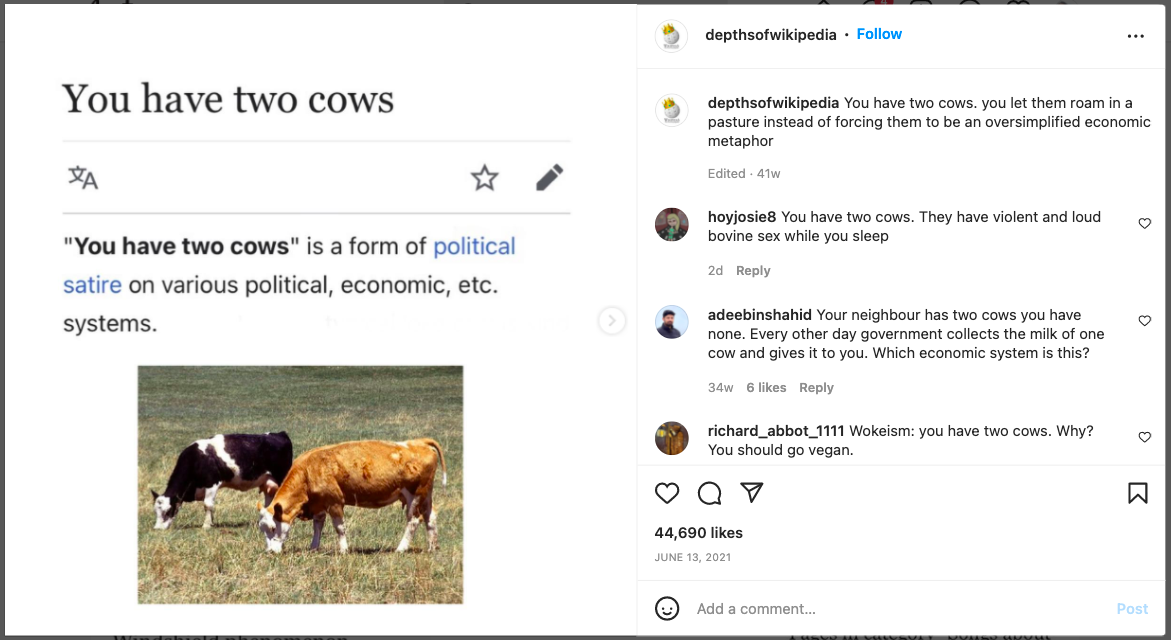
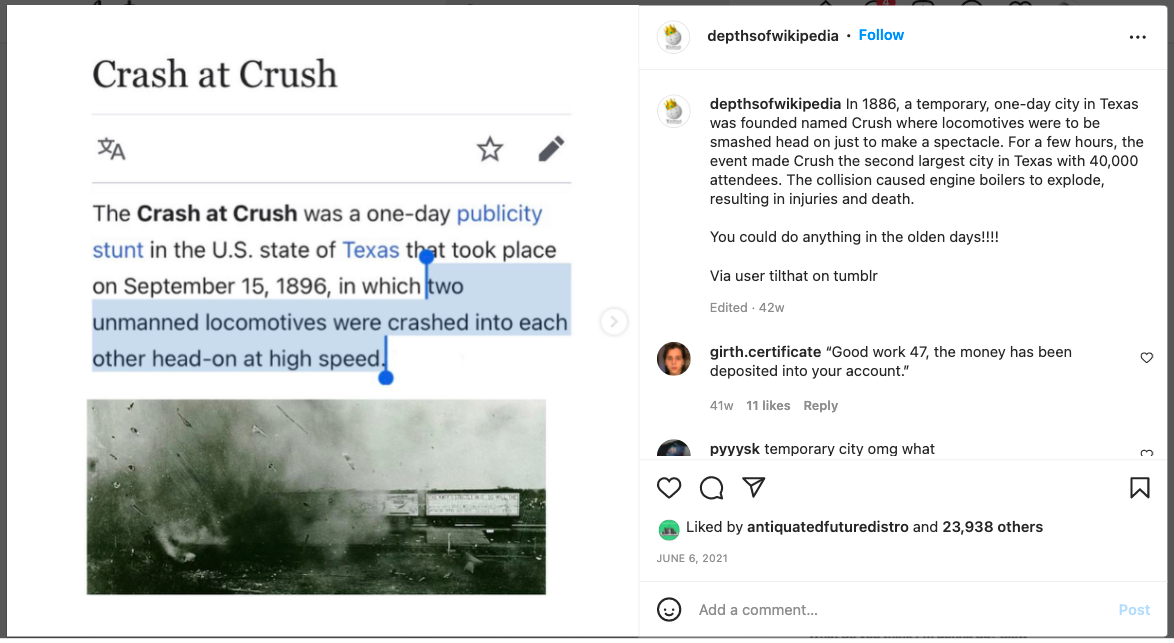
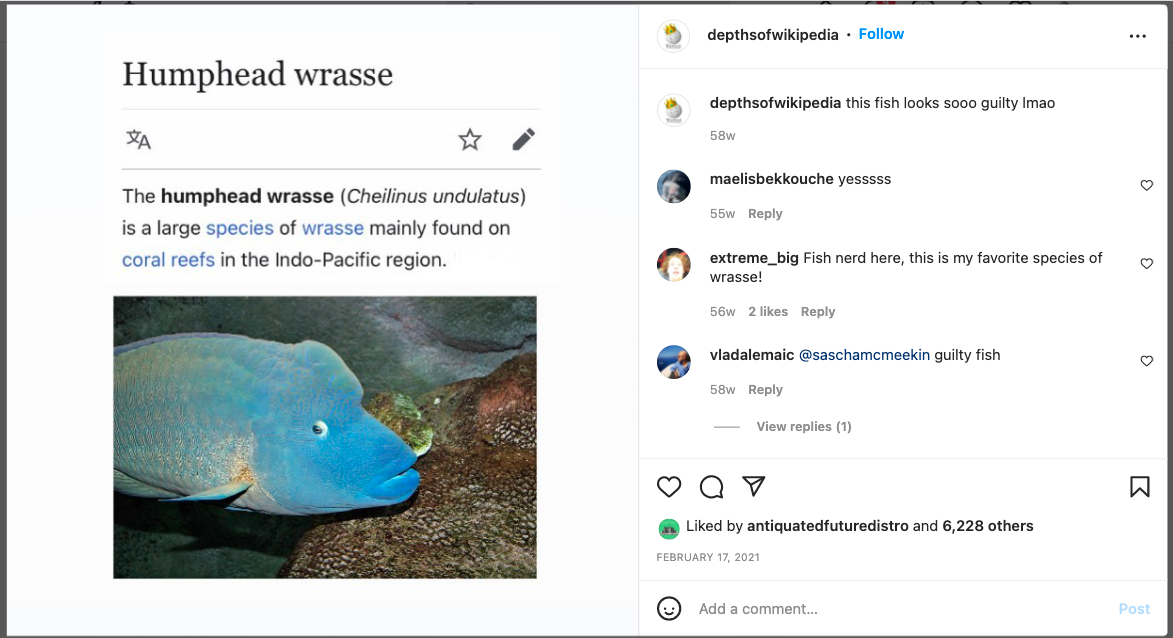
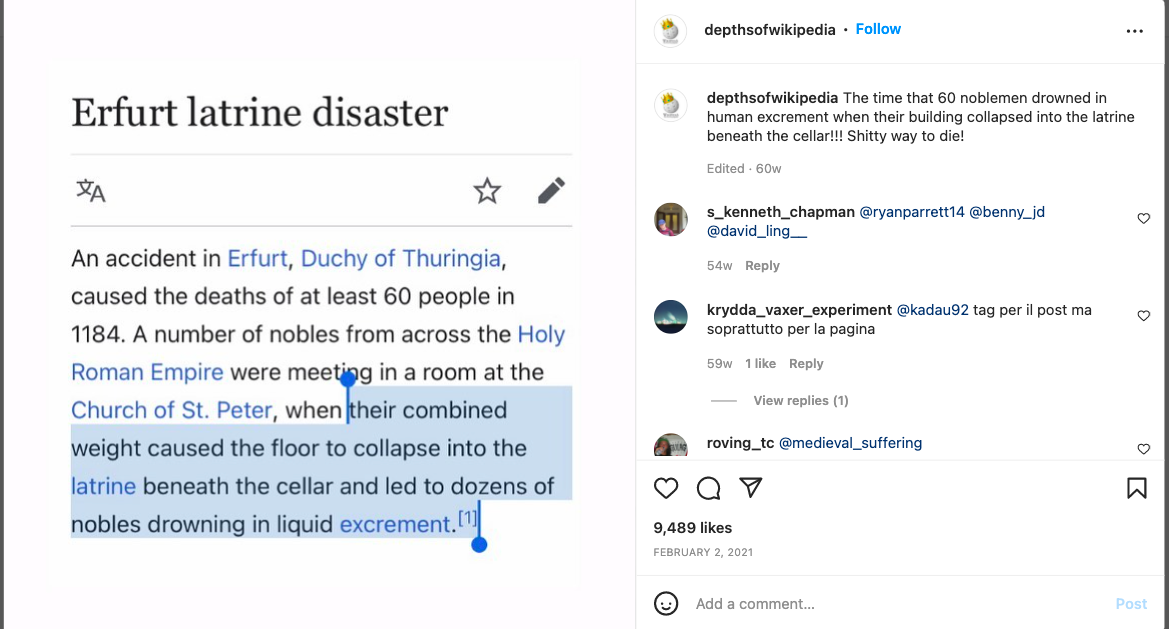
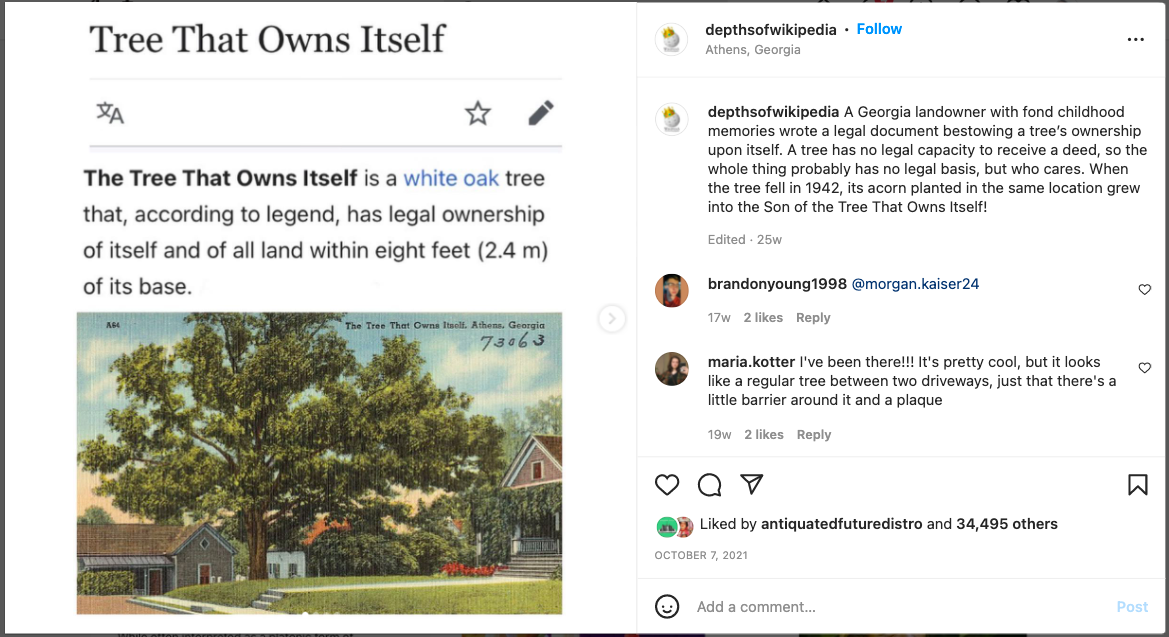
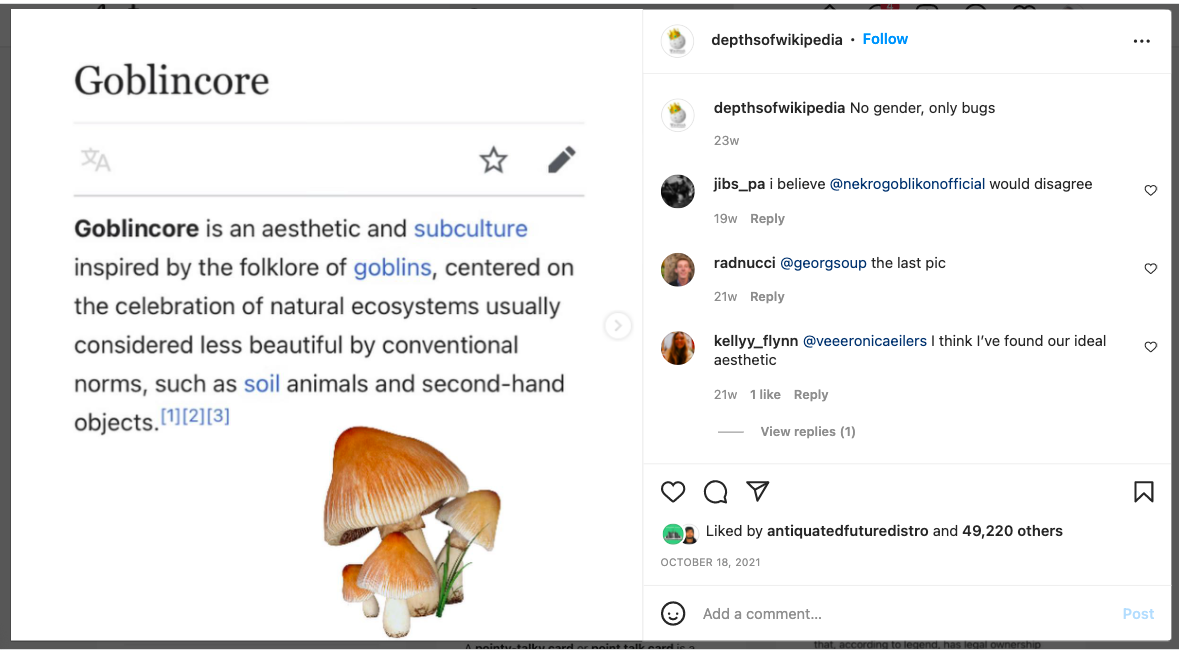
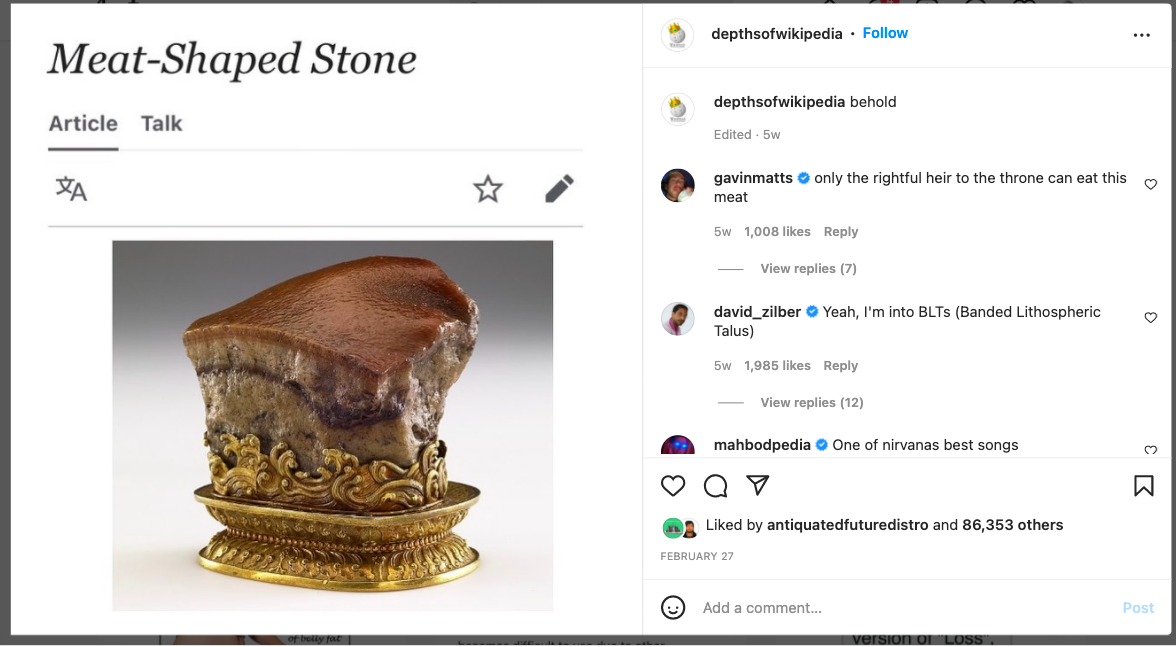
The Depths of Wikipedia: Enjoy a Compendium of the Online Encyclopedia’s Most Bizarre Pages

@depthsofwikipedia If the author­i­ties kill me for mak­ing this tik­tok just know I loved you guys #learnon­tik­tok #tik­tok­part­ner ♬ orig­i­nal sound — Annie Rauw­er­da

What’s your stance on Wikipedia, the free, open con­tent online ency­clo­pe­dia?

Stu­dents are often dis­cour­aged or dis­al­lowed from cit­ing Wikipedia as a source, a bias that a Wikipedia entry titled “Wikipedia should not be con­sid­ered a defin­i­tive source in and of itself” sup­ports:

As a user-gen­er­at­ed source, it can be edit­ed by any­one at any time, and any infor­ma­tion it con­tains at a par­tic­u­lar time could be van­dal­ism, a work in progress, or sim­ply incor­rect. Biogra­phies of liv­ing per­sons, sub­jects that hap­pen to be in the news, and polit­i­cal­ly or cul­tur­al­ly con­tentious top­ics are espe­cial­ly vul­ner­a­ble to these issues…because Wikipedia is a vol­un­teer-run project, it can­not con­stant­ly mon­i­tor every con­tri­bu­tion. There are many errors that remain unno­ticed for hours, days, weeks, months, or even years.


(Anoth­er entry coun­sels those who would per­sist to cite the exact time, date, and arti­cle ver­sion they are ref­er­enc­ing.)

Wikipedia has a clear­ly stat­ed pol­i­cy pro­hibit­ing con­trib­u­tors from close para­phras­ing or out­right copy­ing and past­ing from out­side sources, though in a bit of a cir­cle-in-a-cir­cle sit­u­a­tion, sev­er­al not­ed authors and jour­nal­ists have been caught pla­gia­riz­ing Wikipedia arti­cles.

A list of Wikipedia con­tro­ver­sies, pub­lished on — where else? — Wikipedia is a hair rais­ing litany of polit­i­cal sab­o­tage, char­ac­ter assas­si­na­tion, and “revenge edits”. (The list is cur­rent­ly sub­stan­ti­at­ed by 338 ref­er­ence links, and has been char­ac­ter­ized as in need of update since Octo­ber 2021, owing to a lack of edits regard­ing the “con­tro­ver­sy about Main­land Chi­nese edi­tors.”)

It can be a pret­ty scary place, but Uni­ver­si­ty of Michi­gan senior Annie Rauw­er­da, cre­ator of the Insta­gram account Depths of Wikipedia is unfazed. As she wrote in an arti­cle for the tech pub­li­ca­tion Input:

Wikipedia is a splen­did­ly exten­sive record of almost every­thing that mat­ters; a mod­ern-day Library of Alexan­dria that’s free, acces­si­ble, and dynam­ic. But Wikipedia is char­ac­ter­ized not only by what it is but also by what it is not. It’s not a soap­box, a bat­tle­ground, nor a blog.


It’s also becom­ing famous as Rauw­er­da’s play­ground, or more accu­rate­ly, a packed swap shop in which mil­lions of bizarre items are tucked away.

If your sched­ule lim­its the amount time you can spend down its myr­i­ad rab­bit holes, Rauw­er­da will do the dig­ging for you.

Turn­ing a selec­tion of Wikipedia excerpts into a col­lage for a friend’s quaran-zine inspired her to keep the par­ty going with screen­shots of odd­ball entries post­ed to a ded­i­cat­ed Insta­gram account.

Her fol­low­ers don’t seem to care whether a post con­tains an image or not, though the neu­ro­science major finds that emo­tion­al, short or ani­mal-relat­ed posts gen­er­ate the most excite­ment. “I used to post more things that were con­cep­tu­al,” she told Lithi­um Mag­a­zine,  “like mind-blow­ing physics con­cepts, but those didn’t lend them­selves to Insta­gram as well since they require a few min­utes of think­ing and read­ing.”

The bulk of what she posts come to her as read­er sub­mis­sions, though in a pinch, she can always turn to the “holy grail” — Wikipedia’s own list of unusu­al arti­cles.

In addi­tion to Insta­gram, her dis­cov­er­ies find their way into an infre­quent­ly pub­lished newslet­ter, and onto Tik­Tok and Twit­ter, where some of our recent faves include the def­i­n­i­tion of hum­ster, a list of games that Bud­dha would not play, and the Paul O’Sullivan Band, “an inter­na­tion­al­ly based, pop-rock band con­sist­ing of four mem­bers, all of whom are named Paul O’Sullivan.”

Along the way, she has found ways to give back, co-host­ing a vir­tu­al edit-a-thon and bring­ing some gen­uine glam­our to a livestreamed Wikipedia triv­ia con­test.

And she recent­ly authored a seri­ous arti­cle for Slate about Rus­sians scram­bling to down­load a 29-giga­byte file con­tain­ing Russ­ian-lan­guage Wikipedia after the Fed­er­al Ser­vice for Super­vi­sion of Com­mu­ni­ca­tions, Infor­ma­tion Tech­nol­o­gy and Mass Media (Roskom­nad­zor) threat­ened to block it over con­tent relat­ed to the inva­sion of Ukraine.

(You can read more about how that’s going on Wikipedia…)

Sub­mit a link to Wikipedia page for pos­si­ble inclu­sion on the Depths of Wikipedia here.

Fol­low Annie Rauwin­da’s Depths of Wikipedia on Insta­gram and Tik­Tok.

via NYTimes

Relat­ed Con­tent 

Lis­ten to Wikipedia: A Web Site That Turns Every Wikipedia Edit Into Ambi­ent Music in Real Time

- Ayun Hal­l­i­day is the Chief Pri­ma­tol­o­gist of the East Vil­lage Inky zine and author, most recent­ly, of Cre­ative, Not Famous: The Small Pota­to Man­i­festo.  Fol­low her @AyunHalliday.

How to Open a Door: A Finnish Instructional Video from 1979

Before you get start­ed, turn on the sub­ti­tles by click­ing the “CC” but­ton on the low­er right side of the video.

Did you know that one out of every three peo­ple opens a door incor­rect­ly. You–yes, you–might be doing it all wrong. But this Finnish instruc­tion­al video from 1979 has you cov­ered. Watch and learn. This clip will–as they say–open so many doors to you…

If you would like to sign up for Open Culture’s free email newslet­ter, please find it here. It’s a great way to see our new posts, all bun­dled in one email, each day.

If you would like to sup­port the mis­sion of Open Cul­ture, con­sid­er mak­ing a dona­tion to our site. It’s hard to rely 100% on ads, and your con­tri­bu­tions will help us con­tin­ue pro­vid­ing the best free cul­tur­al and edu­ca­tion­al mate­ri­als to learn­ers every­where. You can con­tribute through Pay­Pal, Patre­on, and Ven­mo (@openculture). Thanks!

via Boing­Bo­ing

Relat­ed Con­tent 

Why Fin­land & Den­mark Are Hap­pi­er Than the Unit­ed States

The Bialet­ti Moka Express: The His­to­ry of Italy’s Icon­ic Cof­fee Mak­er, and How to Use It the Right Way

How to Open a Wine Bot­tle with Your Shoe

This Is What It Sounds Like When a Harpist Plays “Amazing Grace” and a String Suddenly Breaks

Lisa War­ren was peace­ful­ly play­ing “Amaz­ing Grace” on her harp, when sud­den­ly the c string broke and–as she says–“scared the day­lights out of me.” Harp play­ing, it’s not for the faint of heart…

If you would like to sign up for Open Culture’s free email newslet­ter, please find it here. It’s a great way to see our new posts, all bun­dled in one email, each day.

If you would like to sup­port the mis­sion of Open Cul­ture, con­sid­er mak­ing a dona­tion to our site. It’s hard to rely 100% on ads, and your con­tri­bu­tions will help us con­tin­ue pro­vid­ing the best free cul­tur­al and edu­ca­tion­al mate­ri­als to learn­ers every­where. You can con­tribute through Pay­Pal, Patre­on, and Ven­mo (@openculture). Thanks!

Relat­ed Con­tent

A Harp Played with a Heavy Dis­tor­tion Ped­al

Pink Floyd Songs Played Splen­did­ly on a Harp Gui­tar: “Com­fort­ably Numb,” “Wish You Were Here” & More

Visu­al­iz­ing Bach: Alexan­der Chen’s Impos­si­ble Harp

Hear the First Song Record­ed on the Yazh, a 2,000 Year-Old Indi­an Instru­ment

by | Permalink | Make a Comment ( 2 ) |

A Harp Played with a Heavy Distortion Pedal

You’ve had the thought exper­i­ment in your head. What would hap­pen if you run a harp through a heavy dis­tor­tion ped­al? Now you can see how it all plays out. Emi­ly Hop­kins has been play­ing the harp for over 20 years and has recent­ly tak­en to exper­i­ment­ing with harp dis­tor­tion. Above, you can watch her exper­i­ment with the Nepenthes by Elec­tro­foods, the heav­i­est dis­tor­tion ped­al she could find. Oth­er ped­al dis­tor­tion exper­i­ments can be found here.

If you would like to sign up for Open Culture’s free email newslet­ter, please find it here. It’s a great way to see our new posts, all bun­dled in one email, each day.

If you would like to sup­port the mis­sion of Open Cul­ture, con­sid­er mak­ing a dona­tion to our site. It’s hard to rely 100% on ads, and your con­tri­bu­tions will help us con­tin­ue pro­vid­ing the best free cul­tur­al and edu­ca­tion­al mate­ri­als to learn­ers every­where. You can con­tribute through Pay­Pal, Patre­on, and Ven­mo (@openculture). Thanks!

Relat­ed Con­tent: 

A Brief His­to­ry of Gui­tar Dis­tor­tion: From Ear­ly Exper­i­ments to Hap­py Acci­dents to Clas­sic Effects Ped­als

Two Gui­tar Effects That Rev­o­lu­tion­ized Rock: The Inven­tion of the Wah-Wah & Fuzz Ped­als

Visu­al­iz­ing Bach: Alexan­der Chen’s Impos­si­ble Harp

Pink Floyd Songs Played Splen­did­ly on a Harp Gui­tar: “Com­fort­ably Numb,” “Wish You Were Here” & More

Take a Trip to the LSD Museum, the Largest Collection of “Blotter Art” in the World

When Ken Kesey and his Mer­ry Pranksters kicked off Haight-Ash­bury’s coun­ter­cul­ture in the 1960s, LSD was the key ingre­di­ent in their potent mix of drugs, the Hell’s Angels, the Beat poets, and their local band The War­locks (soon to become The Grate­ful Dead). Kesey admin­is­tered the drug in “Acid Tests” to find out who could han­dle it (and who couldn’t) after he stole the sub­stance from Army doc­tors, who them­selves admin­is­tered it as part of the CIA’s MKUl­tra exper­i­ments. Not long after­ward, Grate­ful Dead sound­man Owsley “Bear” Stan­ley syn­the­sized “the purest form of LSD ever to hit the street,” writes Rolling Stone, and became the country’s biggest sup­pli­er, the “king of acid.”

What­ev­er uses it might have had in psy­chi­atric set­tings — and there were many known at the time — LSD was made ille­gal in 1968 by the U.S. gov­ern­ment, repress­ing what the gov­ern­ment had itself helped bring into being. But it has since returned with new­found respectabil­i­ty. “Once dis­missed as the dan­ger­ous dal­liances of the coun­ter­cul­ture,” writes Nature, psy­che­del­ic drugs are “gain­ing main­stream accep­tance” in clin­i­cal treat­ment. Psilo­cy­bin, MDMA, and LSD “have been steadi­ly mak­ing their way back into the lab,” notes Sci­en­tif­ic Amer­i­can. “Sci­en­tists are redis­cov­er­ing what many see as the sub­stances’ aston­ish­ing ther­a­peu­tic poten­tial.”

None of this comes as news to San Fran­cis­co fix­ture Mark McCloud. “In the same moral­is­tic man­ner many San Fran­cis­cans pon­tif­i­cate on the health ben­e­fits of mar­i­jua­na,” writes Gre­go­ry Thomas at Mis­sion Local, “McCloud and his friends tout the mer­its of acid.” Next to cur­ing “anx­i­ety, depres­sion and ‘mar­i­tal prob­lems,’” it is also an impor­tant source  of folk art, says McCloud, the own­er and sole pro­pri­etor of the infor­mal­ly-named “LSD Muse­um” housed in his three-sto­ry Vic­to­ri­an home in San Fran­cis­co.

His mis­sion in cre­at­ing and main­tain­ing the muse­um for­mal­ly called the Insti­tute of Ille­gal Images, he says, is to “pre­serve a ‘skele­tal’ rem­nant of San Francisco’s drug-induced 1960s lega­cy, ‘so maybe our chil­dren can bet­ter under­stand us.’”

Specif­i­cal­ly, as Cul­ture Trip explains, McCloud pre­serves the art on sheets of blot­ter acid. As is clear from the many pop cul­tur­al ref­er­ences on blot­ter art — like Beav­is and Butthead and tech­no artist Plas­tik­man (who named his debut album Sheet One) — the 60s blot­ter acid lega­cy extend­ed far beyond its founders’ vision in under­ground scenes through­out the 70s, 80s, 90s, and oughts.

Also known as the Blot­ter Barn or the Insti­tute of Ille­gal Images, McCloud’s house is locat­ed on 20th Street between Mis­sion and Capp. The house pre­serves over 33,000 sheets of LSD blot­ter, treat­ing them like tiny lit­tle works of art. Most of the sheets are framed and hang­ing on McCloud’s walls, dec­o­rat­ing the home with vibrant col­ors and pat­terns, and the rest are kept safe in binders. The house also fea­tures a per­fo­ra­tion board, allow­ing McCloud to turn any work of art sized 7.5 by 7.5 inch­es into 900 pieces, as is typ­i­cal for LSD blot­ter sheets.

McCloud has faced intense scruti­ny from the FBI, and on a cou­ple of occa­sions — in 1992 and again in 2001 — arrest and tri­al by “not very sym­pa­thet­ic” juries, who nonethe­less acquit­ted him both times. Despite the fact that he has a larg­er col­lec­tion of blot­ter acid sheets than the DEA, he and his muse­um have with­stood pros­e­cu­tion and attempts to shut them down, since all the sheets in his pos­ses­sion have either nev­er been dipped in LSD or have become chem­i­cal­ly inac­tive over time. (The museum’s web­site explains the ori­gins of “blot­ter” paper as a means of prepar­ing LSD dos­es after the drug was crim­i­nal­ized in Cal­i­for­nia in 1966.)

“What fas­ci­nates me about blot­ter is what fas­ci­nates me about all art. It changes your mind,” says McCloud in the Wired video at the top of the post. None of his muse­um’s art­work will change your mind in quite the way it was intend­ed, but the mere asso­ci­a­tion with hal­lu­cino­genic expe­ri­ences is enough to inspire the artists “to build the myr­i­ad of sub­ject mat­ter appear­ing on the blot­ters,” Atlas Obscu­ra writes, “rang­ing from the spir­i­tu­al (Hin­du gods, lotus flow­ers) to whim­si­cal (car­toon char­ac­ters), as well as cul­tur­al com­men­tary (Gor­bachev) and the just plain dement­ed (Ozzy Osbourne).”

The muse­um does not keep reg­u­lar hours and was only open by appoint­ment before COVID-19. These days, it’s prob­a­bly best to make a vir­tu­al vis­it at blotterbarn.com, where you’ll find dozens of images of acid blot­ter paper like those above and learn much more about the his­to­ry and cul­ture of LSD dur­ing long years of pro­hi­bi­tion — a con­di­tion that seems poised to final­ly end as gov­ern­ments give up the waste­ful, pun­ish­ing War on Drugs and allow sci­en­tists and psy­cho­nauts to study and explore altered states of con­scious­ness again.

Relat­ed Con­tent: 

Artist Draws 9 Por­traits While on LSD: Inside the 1950s Exper­i­ments to Turn LSD into a “Cre­ativ­i­ty Pill”

When Michel Fou­cault Tripped on Acid in Death Val­ley and Called It “The Great­est Expe­ri­ence of My Life” (1975)

New LSD Research Pro­vides the First Images of the Brain on Acid, and Hints at Its Poten­tial to Pro­mote Cre­ativ­i­ty

Josh Jones is a writer and musi­cian based in Durham, NC. Fol­low him at @jdmagness

A Duck Gets a Prosthetic Leg & Waddles Along

Wad­dles the Duck was born with a man­gled left leg. So what does his care­tak­er–Ben Wein­man, the gui­tarist of Sui­ci­dal Ten­den­cies–do? Gets him a 3D print­ed pros­thet­ic, with the help of Der­rick Cam­pana, a Cer­ti­fied Pet Pros­theti­cist at Bion­ic Pets, notes Laugh­ing Squid. And, for a brief moment, the world’s ok.

If you would like to sign up for Open Culture’s free email newslet­ter, please find it here. It’s a great way to see our new posts, all bun­dled in one email, each day.

If you would like to sup­port the mis­sion of Open Cul­ture, con­sid­er mak­ing a dona­tion to our site. It’s hard to rely 100% on ads, and your con­tri­bu­tions will help us con­tin­ue pro­vid­ing the best free cul­tur­al and edu­ca­tion­al mate­ri­als to learn­ers every­where. You can con­tribute through Pay­Pal, Patre­on, and Ven­mo (@openculture). Thanks!

« Go BackMore in this category... »
Quantcast