70,000+ Religious Texts Digitized by Princeton Theological Seminary, Letting You Immerse Yourself in the Curious Works of Great World Religions

It is maybe easy for those unfa­mil­iar with the study of reli­gion to reduce the aca­d­e­m­ic dis­ci­pline to a pon­der­ous exercise—self-serious, obsessed with tra­di­tion, ren­dered sus­pect by his­to­ries of vio­lence and high­ly implau­si­ble, con­tra­dic­to­ry claims. But this is a mis­take. For one thing, as schol­ar of reli­gion Wil­fred Cantwell Smith once wrote, “the study of reli­gion is the study of persons”—quite broad­ly, he sug­gests, to study reli­gion is to study human­i­ty: anthro­pol­o­gy, soci­ol­o­gy, his­to­ry, art, lit­er­a­ture, phi­los­o­phy, mythol­o­gy, psy­chol­o­gy, etc. Study­ing reli­gion can also be—contrary to cer­tain stereotypes—a great deal of fun.

In what oth­er schol­ar­ly pur­suit, after all, can one read Regi­nald Scot, Esquire’s 1584 The Dis­cov­er­ie of Witch­craft, L. Aus­tine Waddell’s 1805 The Bud­dhism of Tibet, and J.G. Frazer’s 1894 The Gold­en Bough, inspi­ra­tion for T.S. Eliot’s poet­ry and spir­i­tu­al ances­tor to Joseph Campbell’s pop­u­lar com­par­a­tive work The Hero with a Thou­sand Faces?

But of course, not many an advanced schol­ar would find him or her­self immersed in all of these texts, spe­cial­iz­ing, as they must, in one par­tic­u­lar area. Those of us who are mere­ly curi­ous, how­ev­er, or insa­tiably curi­ous, can do as we please in the the­ol­o­gy library, thumb­ing through what­ev­er strikes our fan­cy.

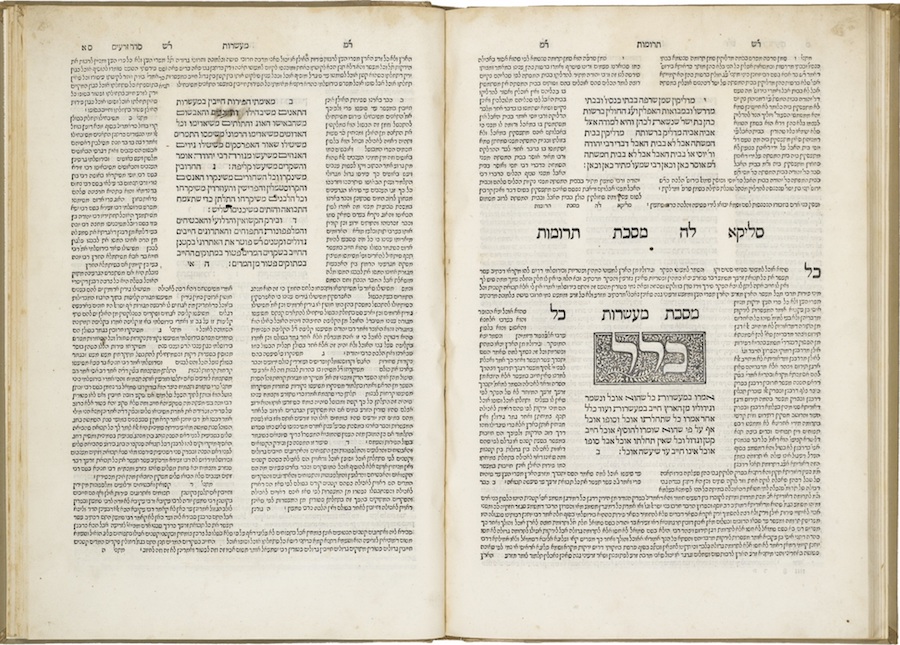
We may do so from the com­fort of wher­ev­er we can get wifi thanks to Prince­ton The­o­log­i­cal Seminary’s The­o­log­i­cal Com­mons’ project with the Inter­net Archive, which has dig­i­tized over 70,000 texts from the Prince­ton The­o­log­i­cal Sem­i­nary Library, span­ning hun­dreds of years and near­ly every con­ceiv­able reli­gious sub­ject. Yes, there are shelves of hym­nals, hard­ly the kind of thing to gen­er­ate much inter­est among any but the most devout or the most deeply-down-a-schol­ar­ly-rab­bit-hole. But there are also many fas­ci­nat­ing gems like Jacob Grimm’s 1882–88 Teu­ton­ic Mythol­o­gy in four vol­umes (trans­lat­ed into Eng­lish), like E.A. Wal­lis Budge’s beau­ti­ful­ly illus­trat­ed 1911 Osiris and the Egypt­ian Res­ur­rec­tion, and like Wes­leyan min­is­ter Charles Roberts’ 1899 The Zulu-Kafir Lan­guage Sim­pli­fied for Begin­ners.

Like many texts writ­ten by colo­nial observers and Ori­en­tal­ist schol­ars, some of these books may tell us as much or more about their authors than about the pur­port­ed subjects—we encounter in reli­gious schol­ar­ship no more nor less bias than in any oth­er field, though piety is giv­en license to take more overt forms. Unfor­tu­nate­ly, as Cantwell Smith wrote, “the tra­di­tion­al form of West­ern schol­ar­ship in the study of oth­er men’s reli­gion was that of an imper­son­al pre­sen­ta­tion of an ‘it.’” But these out­dat­ed views are them­selves instructive—as part of a process towards a wider human­ist under­stand­ing, “the grad­ual recog­ni­tion of what was always true in prin­ci­ple, but was not always grasped.”

For stu­dents and pro­fes­sion­al schol­ars, the Prince­ton dig­i­tal library is obvi­ous­ly, well… a god­send. For the merely—or insatiably—curious, it is an open invi­ta­tion to explore strange new worlds, so to speak, and to real­ize, again and again, that they’re all the same world, seen in innu­mer­ably dif­fer­ent ways. In this archive, you’ll find pri­ma­ry texts and com­men­taries on Islam, Bud­dhism, Hin­duism, Judaism, Zoroas­tri­an­ism, Greek and Egypt­ian reli­gions, indige­nous faiths of all kinds, and, of course, giv­en the source, plen­ty of Chris­tian­i­ty (like the 1606, pre-King James Bible at the top). “The next step,” writes Cantwell Smith, in mov­ing the study of reli­gion for­ward, “is a dia­logue.… If there is lis­ten­ing and mutu­al­i­ty… the cul­mi­na­tion of this progress is when ‘we all’ are talk­ing with each oth­er about ‘us.’”

Enter the online Prince­ton The­o­log­i­cal Sem­i­nary Library here.

Relat­ed Con­tent:

Har­vard Launch­es a Free Online Course to Pro­mote Reli­gious Tol­er­ance & Under­stand­ing

Phi­los­o­phy of Reli­gion: A Free Online Course 

Free Online Reli­gion Cours­es 

Josh Jones is a writer and musi­cian based in Durham, NC. Fol­low him at @jdmagness

Harvard Launches a Free Online Course to Promote Religious Tolerance & Understanding

It is dif­fi­cult to have dis­cus­sions in our cur­rent pub­lic square with­out becom­ing forced into false choic­es. Fol­low­ing Mar­shall McLuhan, we might think that the nature of the dig­i­tal medi­um makes this hap­pen, as much as the con­tent of the mes­sages. But some mes­sages are more polar­iz­ing than others—with argu­ments over reli­gion seem­ing­ly primed for bina­ry oppo­si­tions.

That many nuanced posi­tions exist between deny­ing the valid­i­ty of every reli­gion and pro­claim­ing a spe­cif­ic ver­sion as the only one true path shows how durable and flex­i­ble reli­gious thought can be. The wide­spread diver­si­ty among reli­gions can­not mask the sig­nif­i­cant degree of com­mon­al­i­ty between them, in all human soci­eties, lead­ing schol­ars like anthro­pol­o­gist Pas­cal Boy­er to con­clude, as he writes in Reli­gion Explained, that “the expla­na­tion for reli­gious beliefs and behav­iors is to be found in the way all human minds work….”

I real­ly mean all human minds not the just the minds of reli­gious peo­ple or some of them. I am talk­ing about human minds, because what mat­ters here are prop­er­ties of minds that are found in all mem­bers of our species with nor­mal brains.

Famed Stan­ford biol­o­gist Robert Sapol­sky, who hap­pens to be an athe­ist, claims that some­where around 95% of the human pop­u­la­tion believes in some sort of super­nat­ur­al agency or reli­gious set of expla­na­tions, and that such faith has “unde­ni­able health ben­e­fits,” and is thus bio­log­i­cal­ly moti­vat­ed.

The real ques­tion, he reluc­tant­ly admits, is not why so many peo­ple believe, but “what’s up with the 5% of athe­ists who don’t do that?” The ques­tion needn’t imply there’s any­thing abnor­mal, infe­ri­or, or supe­ri­or, about athe­ists. Vari­a­tions don’t come with inher­ent val­ues, though they may even­tu­al­ly become the norm.

But if we accept the well-sup­port­ed the­sis that reli­gion is a phe­nom­e­non root­ed in and nat­u­ral­ly expressed by the human mind, like art, lan­guage, and lit­er­a­ture, we would be neg­li­gent in remain­ing will­ful­ly igno­rant of its expres­sions. And yet, Diane Moore, direc­tor of Har­vard Divin­i­ty School’s Reli­gious Lit­er­a­cy Project, tells the Huff­in­g­ton Post, “wide­spread illit­er­a­cy about reli­gion… spans the globe” and “fuels big­otry and prej­u­dice and hin­ders capac­i­ties for coop­er­a­tive endeav­ors in local, nation­al, and glob­al are­nas.”

Har­vard aims to help change atti­tudes with their Reli­gious Lit­er­a­cy Project, which offers free online cours­es on the world’s five major reli­gions—Chris­tian­i­ty, Islam, Judaism, Bud­dhism, and Hin­duism—through their edX plat­form. The first course of the series, taught by Moore, is self paced. “Reli­gious Lit­er­a­cy: Tra­di­tions and Scrip­tures” sur­veys the method­ol­o­gy of the project as a whole, explor­ing “case stud­ies about how reli­gions are inter­nal­ly diverse, how they evolve and change through time, and how reli­gions are embed­ded in all dimen­sions of human expe­ri­ence.” (See a pro­mo video at the top and a teas­er for the project as a whole above.)

Under­stand­ing reli­gion as both a uni­ver­sal phe­nom­e­non and a set of cul­tur­al­ly and his­tor­i­cal­ly spe­cif­ic events resolves mis­un­der­stand­ings that result from over­sim­pli­fied, sta­t­ic stereo­types. Study­ing the his­tor­i­cal, the­o­log­i­cal, and geo­graph­i­cal vari­eties of Islam, for exam­ple, makes it impos­si­ble to say any­thing defin­i­tive about one sin­gu­lar, mono­lith­ic “Islam,” and there­fore about Mus­lims in gen­er­al. The same goes for Chris­tians, Hin­dus, Jews, Bud­dhists, etc. The fact that reli­gion is embed­ded in near­ly every facet of human expe­ri­ence, writes Moore in an intro­duc­to­ry essay for the project, means that we can cred­it it with the “full range of agency from the heinous to the hero­ic,” rather than flip­ping between these extremes to score chau­vin­ist points or inval­i­date entire realms of social life.

We’ve pre­vi­ous­ly fea­tured one of the cours­es from the big five series of class­es, “Bud­dhism through its Scrip­tures.” The method there applies to each course, which all engage rig­or­ous­ly with pri­ma­ry sources and schol­ar­ly com­men­tary to get stu­dents as close as pos­si­ble to under­stand­ing reli­gious prac­tice from both the inside and the out­side. Grant­ed this canon­i­cal approach ignores the prac­tices of mil­lions of peo­ple out­side the big five cat­e­gories, but one could osten­si­bly apply a sim­i­lar aca­d­e­m­ic rubric to the study of syn­cretisms and indige­nous reli­gions all over the world.

Pro­fes­sor Moore’s “Reli­gious Lit­er­a­cy” class—which you can audit free of charge or take for a cer­tifi­cate for $50—promises to give stu­dents the tools they need to under­stand how to sur­vey reli­gions crit­i­cal­ly, yet sym­pa­thet­i­cal­ly, and to “inter­pret the roles reli­gions play in con­tem­po­rary and his­toric con­texts.” Like it or not, reli­gions of every kind remain per­va­sive and seem­ing­ly intractable. Rather than fight­ing over this fact of life, we would all do bet­ter to try and under­stand it. Begin to enlarge your own under­stand­ing by sign­ing up for “Reli­gious Lit­er­a­cy: Tra­di­tions and Scrip­tures” for free.

Relat­ed Con­tent:

Take Harvard’s Intro­duc­to­ry Course on Bud­dhism, One of Five World Reli­gions Class­es Offered Free Online

Athe­ist Stan­ford Biol­o­gist Robert Sapol­sky Explains How Reli­gious Beliefs Reduce Stress

Free Online Reli­gion Cours­es 

Josh Jones is a writer and musi­cian based in Durham, NC. Fol­low him at @jdmagness

Take Harvard’s Introductory Course on Buddhism, One of Five World Religions Classes Offered Free Online

A friend of mine describes her child­hood as, in part, resem­bling a real-world com­par­a­tive reli­gions course. Her broad-mind­ed moth­er encour­aged her to choose her own reli­gious iden­ti­ty, or none at all. This required her to do inde­pen­dent research, not only in libraries, but in the church­es, mosques, syn­a­gogues, and tem­ples of an unusu­al­ly reli­gious­ly diverse group of friends and acquain­tances. It’s an expe­ri­ence that dif­fers from that of most peo­ple, and one not with­out its own pressures—how does one know what to believe with­out an author­i­ty fig­ure to dic­tate, many may won­der?

She did just fine, acquir­ing con­sid­er­able under­stand­ing of world reli­gions while her­self set­tling on a Bud­dhist path, the only one of the big five, it seems, that encour­ages peo­ple to try out spir­i­tu­al meth­ods for them­selves and deter­mine what seems true or not. At least the Bud­dha sup­pos­ed­ly rec­om­mend­ed this in one “Sut­ta” (or “sutra”)—an ancient form of writ­ing prac­ticed by ear­ly Indi­an philo­soph­i­cal schools and a word whose mean­ing takes on a very mod­ern res­o­nance for 21st cen­tu­ry dig­i­tal read­ers: “thread.”

In the “Kala­ma Sut­ta,” which one trans­la­tor describes as “The Buddha’s Char­ter of Free Inquiry,” the reli­gious founder and for­mer prince attempts to set­tle reli­gious dis­putes by explain­ing to some per­plexed vil­lagers that one must use one’s own moral and intel­lec­tu­al rea­son­ing to find the truth. It’s a dis­course that cap­tures the Socrat­ic style of many Bud­dhist texts, and a famous one for West­ern­ers for obvi­ous rea­sons, but to say that it is rep­re­sen­ta­tive of all kinds of Bud­dhism would be myopic.

Bud­dhist scrip­tures “num­ber in the thou­sands,” says Pro­fes­sor Charles Hal­lisey of Har­vard Divin­i­ty School, mak­ing their study a hum­bling life­long activ­i­ty that can nev­er be exhaust­ed. “What you have is a dif­fer­ent phe­nom­e­non in which no one can ever say, ‘I know it all.’” Pro­fes­sor Hal­lisey leads a new online course from Harvard’s edX, which you can audit for free, called “Bud­dhism through its Scrip­tures.” The course looks at dis­tinc­tive prop­er­ties of this world reli­gion through sev­er­al impor­tant texts, his­tor­i­cal con­text, and com­men­tary from notable schol­ars like Thanis­saro Bhikkhu.

You can reg­is­ter now for Pro­fes­sor Hallisey’s fas­ci­nat­ing sur­vey course on Bud­dhist scrip­tures here. “Bud­dhism through its Scrip­tures” is one of five such rig­or­ous, yet high­ly acces­si­ble cours­es offered by edX, under the umbrel­la pro­gram “Reli­gious Lit­er­a­cy: Tra­di­tions and Scrip­tures” (see an intro­duc­to­ry video above), which offers stu­dents and spir­i­tu­al seek­ers a sym­pa­thet­ic yet schol­ar­ly overview of each of the largest world reli­gions: Chris­tian­i­tyIslamJudaismHin­duism  and Bud­dhism. These cours­es are designed and taught by accom­plished Har­vard pro­fes­sors, and they intro­duce stu­dents to his­tor­i­cal, the­o­log­i­cal, soci­o­log­i­cal, cul­tur­al, and tex­tu­al issues with­in each tra­di­tion.

The approach of these cours­es is summed up by Reli­gious Lit­er­a­cy Project Direc­tor Diane L. Moore in a doc­u­ment called “Our Method.” Reli­gious schol­ars, she writes, rec­og­nize “the valid­i­ty of nor­ma­tive the­o­log­i­cal asser­tions with­out equat­ing them with uni­ver­sal truths about the tra­di­tion itself.” One can study reli­gions with a crit­i­cal, yet char­i­ta­ble, eye, allow­ing them to speak for them­selves while remain­ing skep­ti­cal of their claims, and while acknowl­edg­ing their “full range of agency from the heinous to the hero­ic.” In his intro­duc­to­ry video lec­tures, Pro­fes­sor Hal­lisey admits this isn’t always easy.

It almost goes with­out say­ing, as he does say, that “con­ver­sa­tions about reli­gious mat­ters can be con­tentious, even painful—sometimes intense­ly so.” But like the best reli­gious teach­ers, Hal­lisey urges his stu­dents to think for them­selves, and to place the study of reli­gion “firm­ly in the Human­i­ties,” a dis­ci­pline in which “we not only… learn about oth­er men and women, but also… learn about our­selves…. When we look back at what has hap­pened to us, we can say that we ‘have grown.’” We can study some or all of the world reli­gions and have this expe­ri­ence, even if we end up adopt­ing none of them.

Sign up to take “Bud­dhism and its Scrip­tures” here, either as a free audit­ed course or for a Ver­i­fied Cer­tifi­cate for $50.

This course will be added to our col­lec­tion of Free Reli­gion Cours­es, a sub­set of our larg­er col­lec­tion 1,700 Free Online Cours­es from Top Uni­ver­si­ties.

Relat­ed Con­tent:

The Dalai Lama’s Intro­duc­tion to Bud­dhism

Bud­dhism 101: A Short Intro­duc­to­ry Lec­ture by Jorge Luis Borges

Free Online Reli­gion Cours­es 

Josh Jones is a writer and musi­cian based in Durham, NC. Fol­low him at @jdmagness

A YouTube Channel Completely Devoted to Medieval Sacred Music: Hear Gregorian Chant, Byzantine Chant & More

The artists of medieval Europe, at least accord­ing to the impres­sion we get in his­to­ry class, gave far less con­sid­er­a­tion to the world around them than the world above. His­to­ri­ans argue about how much that gen­er­al atti­tude hin­dered the improve­ment of the human lot dur­ing those ten cen­turies or so, but even we denizens of the 21st cen­tu­ry can feel that the imag­i­na­tions of the Mid­dle Ages did tap into some­thing res­o­nant — and in the domain of music quite lit­er­al­ly res­o­nant, since the sacred songs of that time still cre­ate a prop­er­ly oth­er­world­ly son­ic atmos­phere when they echo through cathe­drals.

If you don’t hap­pen to live near a cathe­dral, you can expe­ri­ence some­thing of that atmos­phere through your head­phones any­where you hap­pen to be with Cal­lix­tus, a chan­nel on the not nor­mal­ly sacred space of Youtube. “Per­haps named in hon­or of either Pope Cal­lis­tus or Xan­oth­opou­los Cal­lis­tus, Patri­arch of Con­stan­tino­ple,” writes Catholic web site Aleteia’s Daniel Esparza, it offers “an impres­sive col­lec­tion of sacred music, most­ly medieval, includ­ing choral works belong­ing to both West­ern Chris­tian­i­ty and the East­ern tra­di­tion.”

Cal­lix­tus’ playlist includes such endur­ing “hits” of these tra­di­tions as the Gre­go­ri­an chant “Invi­ta­to­ri­um: Deum Verum,” the Byzan­tine chant “Δεύτε λαοί” (“Come Ye Peo­ples”), and the mul­ti-part Medieval Chant of the Tem­plars.

How did this still-haunt­ing style of music come about? Accord­ing to for­mer Talk­ing Heads front­man David Byrne, who laid out these ideas in a pop­u­lar TED Talk, it evolved along­side the hous­es of wor­ship them­selves, the archi­tec­ture shap­ing the music and the music shap­ing the archi­tec­ture: “In a goth­ic cathe­dral, this kind of music is per­fect,” says Byrne. “It does­n’t change key, the notes are long, there’s almost no rhythm what­so­ev­er, and the room flat­ters the music. It actu­al­ly improves it.” So famil­iar­ize your­self with all this sacred music through Cal­lix­tus, but as soon as you get the chance, hie thee to a goth­ic cathe­dral: no mat­ter your reli­gious sen­si­bil­i­ties, it will cer­tain­ly enrich your aes­thet­ic ones.

via Aleteia and @dark_shark

Relat­ed Con­tent:

David Byrne: How Archi­tec­ture Helped Music Evolve

The His­to­ry of Clas­si­cal Music in 1200 Tracks: From Gre­go­ri­an Chant to Górec­ki (100 Hours of Audio)

Hear What Homer’s Odyssey Sound­ed Like When Sung in the Orig­i­nal Ancient Greek

What Ancient Greek Music Sound­ed Like: Hear a Recon­struc­tion That is ‘100% Accu­rate’

Lis­ten to the Old­est Song in the World: A Sumer­ian Hymn Writ­ten 3,400 Years Ago

Hear the Hagia Sophia’s Awe-Inspir­ing Acoustics Get Recre­at­ed with Com­put­er Sim­u­la­tions, and Let Your­self Get Trans­port­ed Back to the Mid­dle Ages

Based in Seoul, Col­in Mar­shall writes and broad­casts on cities and cul­ture. His projects include the book The State­less City: a Walk through 21st-Cen­tu­ry Los Ange­les and the video series The City in Cin­e­ma. Fol­low him on Twit­ter at @colinmarshall or on Face­book.

Celebrate the Women’s March with 24 Goddess GIFs Created by Animator Nina Paley: They’re Free to Download and Remix

As mil­lions of women, men, and friends beyond the bina­ry gear up for Wom­en’s March events around the world this week­end, we can’t help but draw strength from the Venus of Wil­len­dorf in Graph­ics Inter­change For­mat, above.

Like the pussy hats that became the most vis­i­ble sym­bol of last year’s march, there’s a strong ele­ment of humor at play here.

Also respect for the female form.

As Dr. Bryan Zyg­mont notes in his Khan Acad­e­my essay on the Venus of Wil­len­dorf, her exis­tence is evi­dence that “nomadic peo­ple liv­ing almost 25,000 years ago cared about mak­ing objects beau­ti­ful. And … that these Pale­olith­ic peo­ple had an aware­ness of the impor­tance of the women.”

Ani­ma­tor Nina Paley has tak­en up our Pale­olith­ic ances­tors’ baton by cre­at­ing two dozen ear­ly god­dess GIFs, includ­ing the Venus.

As fur­ther proof that sis­ter­hood is pow­er­ful, Paley is shar­ing her unashamed­ly boun­cy pan­theon with the pub­lic. Vis­it her blog to down­load all 24 indi­vid­ual god­dess GIFs. Dis­sem­i­nate them wide­ly. Use them for good! No per­mis­sion need­ed.

Paley is no stranger to god­dess­es, hav­ing pre­vi­ous­ly placed the divine hero­ine of the Ramayana front and cen­ter in her semi-auto­bi­o­graph­i­cal fea­ture length ani­ma­tion, Sita Sings the Blues.

She’s also incred­i­bly famil­iar with rights issues, fol­low­ing mas­sive com­pli­ca­tions with some vin­tage record­ings her Bet­ty Boop-ish Sita lip-synchs in the film. (She had pre­vi­ous­ly believed them to be in the pub­lic domain.) Unable to pay the huge sum the copy­right hold­ers demand­ed to license the tunes, Paley ulti­mate­ly decid­ed to relin­quish all legal claims to her own film, plac­ing Sita Sings the Blues in the pub­lic domain, to be freely shared, exhib­it­ed, or even remixed.

If Paley’s the poster child for copy­right issues she’s also a shin­ing exam­ple of deriv­ing pow­er from unlike­ly sources.

As she wrote on her web­site near­ly ten years ago:

My per­son­al expe­ri­ence con­firms audi­ences are gen­er­ous and want to sup­port artists. Sure­ly there’s a way for this to hap­pen with­out cen­tral­ly con­trol­ling every trans­ac­tion. The old busi­ness mod­el of coer­cion and extor­tion is fail­ing. New mod­els are emerg­ing, and I’m hap­py to be part of that. But we’re still mak­ing this up as we go along. You are free to make mon­ey with the free con­tent of Sita Sings the Blues, and you are free to share mon­ey with me. Peo­ple have been mak­ing mon­ey in Free Soft­ware for years; it’s time for Free Cul­ture to fol­low. I look for­ward to your inno­va­tions.

As for Paley’s own plans for her god­dess­es, they’ll be a part of her upcom­ing ani­mat­ed musi­cal, Seder-Masochism, not­ing that “all ear­ly peo­ples con­ceived the divine as female.”

Down­load Nina Paley’s God­dess GIFs here. Watch Sita Sings the Blues here. March ever onward!

Relat­ed Con­tent:

3D Scans of 7,500 Famous Sculp­tures, Stat­ues & Art­works: Down­load & 3D Print Rodin’s Thinker, Michelangelo’s David & More

How Ancient Greek Stat­ues Real­ly Looked: Research Reveals their Bold, Bright Col­ors and Pat­terns

The God­dess: A Clas­sic from the Gold­en Age of Chi­nese Cin­e­ma, Star­ring the Silent Film Icon Ruan Lingyu (1934)

Ayun Hal­l­i­day is an author, illus­tra­tor, the­ater mak­er and Chief Pri­ma­tol­o­gist of the East Vil­lage Inky zine. Join her on Feb­ru­ary 8 for Necro­mancers of the Pub­lic Domain, when a host of New York City-based per­form­ers and musi­cians will res­ur­rect  a long for­got­ten work from 1911 as a low bud­get, vari­ety show. Fol­low her @AyunHalliday.

A Brief History of Making Deals with the Devil: Niccolò Paganini, Robert Johnson, Jimmy Page & More

When the term “witch hunt” gets thrown around in cas­es of pow­er­ful men accused of harass­ment and abuse, his­to­ri­ans every­where bang their heads against their desks. The his­to­ry of per­se­cut­ing witches—as every school­boy and girl knows from the famous Salem Trials—involves accu­sa­tions mov­ing decid­ed­ly in the oth­er direc­tion.

But we’re very famil­iar with men sup­pos­ed­ly sell­ing out to Satan, dealing—or just dueling—with the dev­il. They weren’t called witch­es for doing so, or burned at the stake. They were blues pio­neers, vir­tu­oso fid­dlers, and gui­tar gods. From the dev­il­ish­ly dash­ing Nic­colò Pagani­ni, to Robert John­son at the Cross­roads, to Jim­my Page’s black mag­ic, to “The Dev­il Went Down to Geor­gia,” to the omnipres­ence of Satan in met­al…. The dev­il “seems to have quite the inter­est in music,” notes the Poly­phon­ic video above.

Before musi­cians came to terms with the dark lord, pow­er-hun­gry schol­ars used demonolo­gy to sum­mon Lucifer­ian emis­saries like Mephistophe­les. The leg­end of Faust dates back to the late 16th cen­tu­ry and a his­tor­i­cal alchemist named Johann Georg Faust, who inspired many dra­mat­ic works, like Christo­pher Marlowe’s The Trag­i­cal His­to­ry of Doc­tor Faus­tus, Johann Goethe’s Faust, Thomas Mann’s Doc­tor Faus­tus, Mikhail Bugakov’s The Mas­ter and Mar­gari­ta, and F.W. Murnau’s 1926 silent film.

The Faust leg­end may be the stur­di­est of such sto­ries, but it is not by any means the ori­gin of the idea. Medieval Catholic saints feared the dev­il’s entice­ments con­stant­ly. Medieval occultists often saw things dif­fer­ent­ly. If we can trace the notion of women con­sort­ing with the dev­il to the Bib­li­cal Eve in the Gar­den, we find male ana­logues in the New Testament—Christ’s temp­ta­tions in the desert, Judas’s thir­ty pieces of sil­ver, the pos­sessed vagrant who sends his demons into a herd of pigs. But we might even say that God made the first deal with the dev­il, in the open­ing wager of the book of Job.

In most examples—Charlie Daniels’ tri­umphal folk tale aside—the deal usu­al­ly goes down bad­ly for the mor­tal par­ty involved, as it did for Robert John­son when the dev­il came for his due, and con­vened the mor­bid­ly fas­ci­nat­ing 27 Club. Goethe impos­es a redemp­tive hap­py end­ing onto Faust that seems to wild­ly over­com­pen­sate for the typ­i­cal fate of souls in hell’s pawn shop. Kierkegaard took the idea seri­ous­ly as a cul­tur­al myth, and wrote in Either/Or that “every notable his­tor­i­cal era will have its own Faust.”

Mod­ern-day Fausts in the pop­u­lar genre of the day, the con­spir­a­cy the­o­ry, are famous enter­tain­ers, as you can see in the unin­ten­tion­al­ly humor­ous super­cut above from a YouTube chan­nel called “End­TimeChris­t­ian.” As it hap­pens in these kinds of nar­ra­tives, the cul­tur­al trope gets tak­en far too lit­er­al­ly as a real event. The Faust leg­end shows us that mak­ing deals with the dev­il has been a lit­er­ary device for hun­dreds of years, pass­ing into pop­u­lar cul­ture, then the blues—a genre haunt­ed by hell hounds and infer­nal crossroads—and its prog­e­ny in rock and roll and hip hop.

Those who talk of sell­ing their souls might real­ly believe it, but they inher­it­ed the lan­guage from cen­turies of West­ern cul­tur­al and reli­gious tra­di­tion. Sell­ing one’s soul is a com­mon metaphor for liv­ing a car­nal life, or get­ting into bed with shady char­ac­ters for world­ly suc­cess. But it’s also a play­ful notion. (A mis­un­der­stood aspect of so much met­al is its com­ic Satan­ic overkill.) John­son him­self turned the sto­ry of sell­ing his soul into an icon­ic boast, in “Cross­roads” and “Me and the Dev­il Blues.” “Hel­lo Satan,” he says in the lat­ter tune, “I believe it’s time to go.”

Chill­ing in hind­sight, the line is the bluesman’s grim­ly casu­al acknowl­edg­ment of how life on the edge would catch up to him. But it was worth it, he also sug­gests, to become a leg­end in his own time. In the short, ani­mat­ed video above from Music Mat­ters, John­son meets the horned one, a slick oper­a­tor in a suit: “Sud­den­ly, no one could touch him.” Often when we talk these days about peo­ple sell­ing their souls, they might even­tu­al­ly end up singing, but they don’t make beau­ti­ful music. In any case, the moral of almost every ver­sion of the sto­ry is per­fect­ly clear: no mat­ter how good the deal seems, the dev­il nev­er fails to col­lect on a debt.

Relat­ed Con­tent:

The Sto­ry of Blues­man Robert Johnson’s Famous Deal With the Dev­il Retold in Three Ani­ma­tions

Watch Häx­an, the Clas­sic Cin­e­mat­ic Study of Witch­craft Nar­rat­ed by William S. Bur­roughs (1922)

Aleis­ter Crow­ley: The Wickedest Man in the World Doc­u­ments the Life of the Bizarre Occultist, Poet & Moun­taineer

Josh Jones is a writer and musi­cian based in Durham, NC. Fol­low him at @jdmagness

Did Santa Claus & His Reindeers Begin with a Mushroom Trip?: Discover the Psychedelic, Shamanistic Side of Christmas

Just when you thought you had Christ­mas all fig­ured out, Matthew Salton comes along with this new ani­mat­ed short, “San­ta Is a Psy­che­del­ic Mush­room.” It makes the case that maybe, just maybe, “the sto­ry of our mod­ern San­ta Claus, the omnipo­tent man who trav­els the globe in one night, bear­ing gifts, and who’s camped out in shop­ping malls across the Unit­ed States, is linked to a hal­lu­cino­genic mush­room-eat­ing shaman from the Arc­tic.” Specif­i­cal­ly a his­toric Shaman from Lap­land, in north­ern Fin­land, who tripped out on Amani­ta mus­caria, the tox­ic, red-and-white toad­stool mush­room you’ve seen in fairy tales so many times before. Elab­o­rat­ing, Salton talks with Carl Ruck, a Boston Uni­ver­si­ty pro­fes­sor who stud­ies mythol­o­gy, reli­gion and the sacred role of psy­choac­tive plants. And also Lawrence Mill­man. Writ­ing at The New York Times, Salton adds:

Accord­ing to the writer and mycol­o­gist Lawrence Mill­man, the shaman would make use of Amani­ta muscaria’s psy­choac­tive effects in order to per­form heal­ing rit­u­als. The use of Amani­ta mus­caria as an entheogen (that is, a drug used to bring about a spir­i­tu­al expe­ri­ence) would enable the shamans to act as inter­me­di­aries between the spir­it and human world, bring­ing gifts of heal­ing and prob­lem-solv­ing. (Although these mush­rooms are poi­so­nous, the Sami reduced their tox­i­c­i­ty by dry­ing them..) Var­i­ous accounts describe the shaman and the rit­u­als per­formed in ways that are fas­ci­nat­ing­ly sim­i­lar to the nar­ra­tive of San­ta. An all-know­ing man who defies space and time? Fly­ing rein­deer? Rein­deer-drawn sleds? Climb­ing down the chim­ney? The giv­ing of gifts? The tales of the Sami shamans have it all.

To learn more about the psy­che­del­ic ori­gins of San­ta, you can read this 2010 arti­cle pub­lished at NPR, “Did ‘Shrooms Send San­ta And His Rein­deer Fly­ing?”

If you would like to sign up for Open Culture’s free email newslet­ter, please find it here. It’s a great way to see our new posts, all bun­dled in one email, each day.

If you would like to sup­port the mis­sion of Open Cul­ture, con­sid­er mak­ing a dona­tion to our site. It’s hard to rely 100% on ads, and your con­tri­bu­tions will help us con­tin­ue pro­vid­ing the best free cul­tur­al and edu­ca­tion­al mate­ri­als to learn­ers every­where. You can con­tribute through Pay­Pal, Patre­on, and Ven­mo (@openculture). Thanks!

Relat­ed Con­tent:

When Michel Fou­cault Tripped on Acid in Death Val­ley and Called It “The Great­est Expe­ri­ence of My Life” (1975)

Artist Draws Nine Por­traits on LSD Dur­ing 1950s Research Exper­i­ment

Aldous Hux­ley, Dying of Can­cer, Left This World Trip­ping on LSD (1963)

by | Permalink | Make a Comment ( 1 ) |

How Scientology Works: A Primer Based on a Reading of Paul Thomas Anderson’s Film, The Master

Paul Thomas Ander­son­’s The Mas­ter focus­es, with almost unbear­able inten­si­ty, on two char­ac­ters: Joaquin Phoenix’s impul­sive ex-sailor Fred­die Quell, and Philip Sey­mour Hoff­man’s Lan­cast­er Dodd, “the founder and mag­net­ic core of the Cause — a clus­ter of folk who believe, among oth­er things, that our souls, which pre­date the foun­da­tion of the Earth, are no more than tem­po­rary res­i­dents of our frail bod­i­ly hous­ing,” writes The New York­er’s Antho­ny Lane in his review of the film. “Any rela­tion to per­sons liv­ing, dead, or Sci­en­to­log­i­cal is, of course, entire­ly coin­ci­den­tal.”

Before The Mas­ter came out, rumor built up that the film mount­ed a scathing cri­tique of the Church of Sci­en­tol­ogy; now, we know that it accom­plish­es some­thing, par for the course for Ander­son, much more fas­ci­nat­ing and artis­ti­cal­ly idio­syn­crat­ic.

Few of its glo­ri­ous­ly 65-mil­lime­ter-shot scenes seem to have much to say, at least direct­ly, about Sci­en­tol­ogy or any oth­er sys­tem of thought. But per­haps the most mem­o­rable, in which Dodd, hav­ing dis­cov­ered Fred­die stown away aboard his char­tered yacht, offers him a ses­sion of “infor­mal pro­cess­ing,” does indeed have much to do with the faith found­ed by L. Ron Hub­bard — at least if you believe the analy­sis of Evan Puschak, bet­ter known as the Nerd­writer, who argues that the scene “bears an unmis­tak­able ref­er­ence to a vital activ­i­ty with­in Sci­en­tol­ogy called audit­ing.”

Just as Dodd does to Fred­die, “the audi­tor in Sci­en­tol­ogy asks ques­tions of the ‘pre­clear’ with the goal of rid­ding him of ‘engrams,’ the term for trau­mat­ic mem­o­ry stored in what’s called the ‘reac­tive mind.’ ” By thus “help­ing the pre­clear relive the expe­ri­ence that caused the trau­ma,” the audi­tor accom­plish­es a goal that, in a clip Puschak includes in the essay, Hub­bard lays out him­self: to “show a fel­low that he’s mock­ing up his own mind, there­fore his own dif­fi­cul­ties; that he is not com­plete­ly adrift in, and swamped by, a body.” Sci­en­to­log­i­cal or not, such notions do intrigue the des­per­ate, drift­ing Fred­die, and although the sto­ry of his and Dod­d’s entwine­ment, as told by Ander­son, still divides crit­i­cal opin­ion, we can say this for sure: it beats Bat­tle­field Earth.

Relat­ed Con­tent:

When William S. Bur­roughs Joined Sci­en­tol­ogy (and His 1971 Book Denounc­ing It)

The Career of Paul Thomas Ander­son: A 5‑Part Video Essay on the Auteur of Boo­gie Nights, Punch-Drunk Love, The Mas­ter, and More

Space Jazz, a Son­ic Sci-Fi Opera by L. Ron Hub­bard, Fea­tur­ing Chick Corea (1983)

Based in Seoul, Col­in Mar­shall writes and broad­casts on cities and cul­ture. His projects include the book The State­less City: a Walk through 21st-Cen­tu­ry Los Ange­les and the video series The City in Cin­e­ma. Fol­low him on Twit­ter at @colinmarshall or on Face­book.

« Go BackMore in this category... »
Quantcast