The Talmud Is Finally Now Available Online

In South Korea, where I live, the Tal­mud is a best­seller. Just a few years ago the New York­er’s Ross Armud report­ed on the improb­a­ble pub­lish­ing suc­cess, in this small east Asian coun­try, of Judais­m’s “dense com­pi­la­tion of oral laws anno­tat­ed with rab­bini­cal dis­cus­sions, con­sist­ing of about two and a half mil­lion words.” Some of those words deal­ing with such press­ing ques­tions as, “If you find a cake with a pot­tery shard in it, can you keep it? Do you have to report the dis­cov­ery of a pile of fruit? What do you do if you find an item built into the wall of your house?”

The much short­er “Kore­an Tal­mud,” Armud writes, with its para­bles, apho­risms, and top­ics that run the gamut “from busi­ness ethics to sex advice,” makes a read­er feel like “the last play­er in a game of tele­phone.” But Joshua Foer, the sci­ence writer who co-found­ed Atlas Obscu­ra, might say that the Jew­ish Tal­mud has long left even Jew­ish read­ers in a sim­i­lar state of befud­dle­ment — if, indeed, they could find the text at all. Look­ing to get a han­dle on the Tal­mud him­self back in 2010, he found that, shock­ing­ly, the inter­net had almost noth­ing to offer him. And so he began work­ing, along­side an ex-Google engi­neer col­lab­o­ra­tor named Brett Lock­speis­er, to cor­rect that absence.

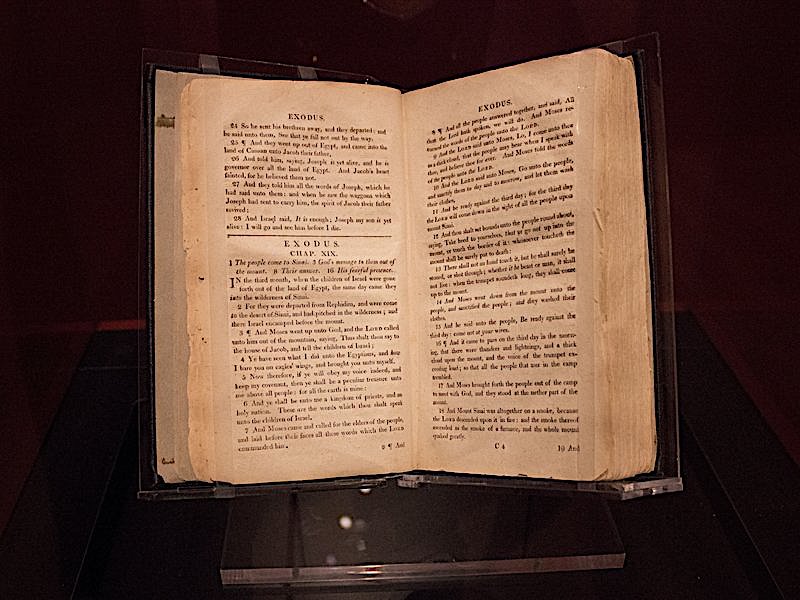
“Last year, after years of work and nego­ti­a­tions, Foer and Lock­speis­er final­ly suc­ceed­ed in their quest,” writes the Wash­ing­ton Post’s Noah Smith. “Through a non­prof­it they cre­at­ed called Sefaria, the men are bring­ing the Tal­mud online in mod­ern Eng­lish, and free of charge.” Sefari­a’s library, avail­able on the web as well as in app form, now includes a vari­ety of texts from Gen­e­sis and the Kab­bal­ah to phi­los­o­phy and mod­ern works — and of course the Tal­mud, the cen­ter­piece of the col­lec­tion, the rel­e­vant resources for which had not been in the pub­lic domain and thus required no small amount of nego­ti­a­tion to make free.

Sefari­a’s cre­ators have com­bined all this with a fea­ture called “source sheets,” which allow “any user on the site to com­pile and share a selec­tion of rel­e­vant texts, from Sefaria or out­side, sur­round­ing a giv­en issue or ques­tion.” (Smith points to the most pop­u­lar source sheet thus far, “Is One Per­mit­ted to Punch a White Suprema­cist in the Face?”) At about 160 mil­lion words with 1.7 mil­lion inter­tex­tu­al links and count­ing, the site has made a greater vol­ume of Jew­ish texts far more acces­si­ble than ever before. Read­ers, even non-Ortho­dox ones, have been dis­cov­er­ing them in Eng­lish, but if Sefaria wants to increase their traf­fic fur­ther still, they might con­sid­er upload­ing some Kore­an trans­la­tions as well.

via Kot­tke

Relat­ed Con­tent:

Ancient Israel: A Free Online Course from NYU

Intro­duc­tion to the Old Tes­ta­ment: A Free Yale Course

Intro­duc­tion to New Tes­ta­ment His­to­ry and Lit­er­a­ture: A Free Yale Course

Har­vard Presents Two Free Online Cours­es on the Old Tes­ta­ment

Har­vard Launch­es a Free Online Course to Pro­mote Reli­gious Tol­er­ance & Under­stand­ing

Based in Seoul, Col­in Mar­shall writes and broad­casts on cities and cul­ture. His projects include the book The State­less City: a Walk through 21st-Cen­tu­ry Los Ange­les and the video series The City in Cin­e­ma. Fol­low him on Twit­ter at @colinmarshall or on Face­book.

Experience the Mystical Music of Hildegard Von Bingen: The First Known Composer in History (1098 – 1179)

The Ger­man abbess, vision­ary, mys­tic poet, com­pos­er, and heal­er Hilde­gard von Bin­gen “has become a sym­bol to dis­parate groups,” writes Bri­an Wise at WQXR, includ­ing “fem­i­nists and the­olo­gians, musi­col­o­gists and new-age med­i­cine prac­ti­tion­ers. Her chants have been set to tech­no rhythms; her writ­ings on nutri­tion have yield­ed count­less cook­books (even though she nev­er left behind a sin­gle recipe.)” She did leave behind an astound­ing body of work that has made her improb­a­bly pop­u­lar for a 12th cen­tu­ry nun, with a live­ly pres­ence on Face­book and her own Twit­ter account, @MysticHildy (“very into tech­nol­o­gy, love to trav­el”).

Her fame rests not only on the beau­ty of her work, but on her extra­or­di­nary life sto­ry and the fact that she is the first com­pos­er to whose work we can put a name. She was born in 1098 in Berm­er­sheim, the tenth child of a noble fam­i­ly. It being the cus­tom then to ded­i­cate a tenth child (a “tithe”) to the church, Hilde­gard was sent to the Monastery of Saint Dis­i­bo­den­berg to become a Bene­dic­tine nun under the tute­lage of Jut­ta, a high­ly-respect­ed anchoress.

“After Jutta’s death,” notes Ford­ham University’s source­book, “when Hilde­gard was 38 years of age, she was elect­ed the head of the bud­ding con­vent liv­ing with­in cramped walls of the anchor­age.”

Through­out her life, Hilde­gard had expe­ri­enced visions, begin­ning at the age of 3. (Oliv­er Sacks attrib­uted these to migraines). At age 42, she had a pow­er­ful expe­ri­ence that rad­i­cal­ly changed her life. She described this moment in her writ­ings:

And it came to pass … when I was 42 years and 7 months old, that the heav­ens were opened and a blind­ing light of excep­tion­al bril­liance flowed through my entire brain. And so it kin­dled my whole heart and breast like a flame, not burn­ing but warm­ing… and sud­den­ly I under­stood of the mean­ing of expo­si­tions of the books…

Over­whelmed, and fear­ful of writ­ing down her visions “because of doubt and a low opin­ion of myself and because of diverse say­ings of men,” she nonethe­less found encour­age­ment from lead­ers in the church to write and cir­cu­late her the­o­log­i­cal work: “With papal impri­matur, Hilde­gard was able to fin­ish her first vision­ary work Scivias (“Know the Ways of the Lord”) and her fame began to spread through Ger­many.” Soon after, she relo­cat­ed her con­vent to Bin­gen, and began an incred­i­bly pro­duc­tive peri­od in the last few decades of her life.

All told, she turned out an “extra­or­di­nary array of cre­ative trea­sures,” writes Wise: a dra­ma in verse, “more than 70 musi­cal works, med­ical texts filled with 2,000 reme­dies, writ­ings pre­sent­ing fem­i­nine arche­types for the divine.” Although she held to ortho­dox doc­trine, oppos­ing the Cathars, for exam­ple, and oth­er “schis­mat­ics,” she was a mys­tic whose ideas far exceed­ed the cramped the­o­log­i­cal con­fines of so many male coun­ter­parts. “Hildegard’s visions caused her to see humans as ‘liv­ing sparks’ of God’s love, com­ing from God as day­light comes from the sun,” writes Fr. Don Miller. “This uni­ty was not appar­ent to many of her con­tem­po­raries.”

Her tran­scen­dent sight did not blind her to the diverse beau­ty of the nat­ur­al world. “She not only had faith,” says Ger­man direc­tor and actress Mar­garethe Von Trot­ta, who made a 2010 biopic about Hilde­gard, “but she was so curi­ous. Today, per­haps she would have been a sci­en­tist because she did so much research on heal­ing peo­ple, on plants and ani­mals.” Hildegard’s tal­ent, intel­lect, and force­ful per­son­al­i­ty made her a for­mi­da­ble per­son, “the only known female fig­ure of her time,” writes Music Acad­e­my Online, “who achieved such intel­lec­tu­al stature and whose con­tri­bu­tions have had last­ing impact.” The revived inter­est in her music coin­cid­ed with “the ‘new age’ chant craze in the mid-1990s,” but Hildegard’s work dif­fers marked­ly from medieval chant writ­ten for male voic­es.

Vary­ing from “high­ly syl­lab­ic to dra­mat­ic melis­mas (swirling melodies on a sin­gle open syl­la­ble,” Melanie Spiller explains, “her music is quite dis­tinc­tive and eas­i­ly rec­og­niz­able, with unsu­al ele­ments for the time, includ­ing exceed­ing an octave by a fourth or fifth, and large and fre­quent leaps.” Her music also func­tioned as “a vehi­cle for her own mys­ti­cal expe­ri­ence,” and it con­tin­ues to move listeners—of faith and no faith—who hear in her song cel­e­bra­tions of the divine­ly fem­i­nine and the won­ders of the nat­ur­al world.

Relat­ed Con­tent:

1200 Years of Women Com­posers: A Free 78-Hour Music Playlist That Takes You From Medieval Times to Now

A YouTube Chan­nel Com­plete­ly Devot­ed to Medieval Sacred Music: Hear Gre­go­ri­an Chant, Byzan­tine Chant & More

Mashup Weaves Togeth­er 57 Famous Clas­si­cal Pieces by 33 Com­posers: From Bach to Wag­n­er

Josh Jones is a writer and musi­cian based in Durham, NC. Fol­low him at @jdmagness

How William S. Burroughs Embraced, Then Rejected Scientology, Forcing L. Ron Hubbard to Come to Its Defense (1959–1970)

Image by Chris­ti­aan Ton­nis, via Wiki­me­dia Com­mons

William S. Bur­roughs was a cul­tur­al prism. Through him, the mid-cen­tu­ry demi-monde of illic­it drug use and mar­gin­al­ized sexualities—of occult beliefs, alter­na­tive reli­gions, and bizarre con­spir­a­cy theories—was refract­ed on the page in exper­i­men­tal writ­ing that inspired every­one from his fel­low Beats to the punks of lat­er decades to name-your-coun­ter­cul­tur­al-touch­stone of the past fifty years or so. There are many such peo­ple in his­to­ry: those who go to the places that most fear to tread and send back reports writ­ten in lan­guage that alters real­i­ty. To quote L. Ron Hub­bard, anoth­er writer who pur­port­ed to do just that, “the world needs their William Bur­rough­ses.”

And Bur­roughs, so it appears, need­ed L. Ron Hub­bard, at least for most of the six­ties, when the writer became a devout fol­low­er of the Church of Sci­en­tol­ogy. The sci-fi-inspired “new reli­gious move­ment” that needs no fur­ther intro­duc­tion proved irre­sistible in 1959 when Bur­roughs met John and Mary Cooke, two found­ing mem­bers of the church who had been try­ing to recruit Bur­roughs’ friend and fre­quent artis­tic part­ner Brion Gysin. “Ulti­mate­ly,” writes Lee Kon­stan­ti­nou at io9, “it was Bur­roughs, not Gysin, who explored the Church that L. Ron Hub­bard built. Bur­roughs took Sci­en­tol­ogy so seri­ous­ly that he became a ‘Clear’ and almost became an ‘Oper­at­ing Thetan.’ ”

Bur­roughs immersed him­self with­out reser­va­tion in the prac­tices and prin­ci­ples of Sci­en­tol­ogy, writ­ing let­ters to Allen Gins­berg that same year in which he rec­om­mends his friend “con­tact [a] local chap­ter and find an audi­tor. They do the job with­out hyp­no­sis or drugs, sim­ply run the tape back and forth until the trau­ma is wiped off. It works. I have used the method—partially respon­si­ble for recent changes.” No doubt Bur­roughs had his share of per­son­al trau­ma to over­come, but he also found Sci­en­tol­ogy espe­cial­ly con­ducive to his greater cre­ative project of coun­ter­ing “the Reac­tive Mind… an ancient instru­ment of con­trol designed to stul­ti­fy and lim­it the poten­tial for action in a con­struc­tive or destruc­tive direc­tion.”

The method of “audit­ing” gave Bur­roughs a good deal of mate­r­i­al to work with in his fic­tion and film­mak­ing exper­i­ments. He and Gysin includ­ed Sci­en­tol­ogy’s lan­guage in a short 1961 film called “Tow­ers Open Fire,” which was, writes Kon­stan­ti­nou, “designed to show the process of con­trol sys­tems break­ing down.” Sci­en­tol­ogy appeared in 1962’s The Tick­et That Explod­ed and again in 1964’s Nova ExpressEach nov­el ref­er­ences the con­cept of “engrams,” which Bur­roughs suc­cinct­ly defines as “trau­mat­ic mate­r­i­al.” Dur­ing this huge­ly pro­duc­tive peri­od, the rad­i­cal­ly anti-author­i­tar­i­an Bur­roughs “asso­ci­at­ed the group with a range of mind-expand­ing and mind-free­ing prac­tices.”

It’s easy to say Bur­roughs uncrit­i­cal­ly par­took of a cer­tain sug­ary bev­er­age. But he clear­ly made his own idio­syn­crat­ic uses of Sci­en­tol­ogy, incor­po­rat­ing it with­in the syn­cret­ic con­stel­la­tion of ref­er­ences, prac­tices, and cut-up tech­niques “designed to jam up what he called ‘the Real­i­ty Stu­dio,’ aka the every­day, con­di­tioned, mind-con­trolled real­i­ty.” An inevitable turn­ing point came, how­ev­er, in 1968, as Bur­roughs jour­neyed deep­er into Scientology’s secret order at the world head­quar­ters in Saint Hill Manor in the UK. There, he report­ed, he “had to work hard to sup­press or ratio­nal­ize his per­sis­tent­ly neg­a­tive feel­ings toward L. Ron Hub­bard dur­ing audit­ing ses­sions.”

Bur­roughs’ dis­like of the church’s founder and extreme aver­sion to “what he con­sid­ered its Orwellian secu­ri­ty pro­to­cols” even­tu­at­ed his break with Sci­en­tol­ogy, which he under­took grad­u­al­ly and pub­licly in a series of “bul­letins” pub­lished dur­ing the late six­ties in the Lon­don mag­a­zine May­fair. Before his “clear­ing course” with Hub­bard, in a 1967 arti­cle excerpt­ed and repub­lished as a pam­phlet by the church itself, Bur­roughs prais­es Sci­en­tol­ogy and its founder, and claims that “there is noth­ing secret about Sci­en­tol­ogy, no talk of ini­ti­ates, secret doc­trines, or hid­den knowl­edge.”

By 1970, he had made an about-face, in a fierce­ly polem­i­cal essay titled “I, William Bur­roughs, Chal­lenge You, L. Ron Hub­bard,” pub­lished in the Los Ange­les Free Press. While he con­tin­ues to val­ue some of the ben­e­fits of audit­ing, Bur­roughs declares the church’s founder “grandiose” and “fas­cist” and lays out his objec­tions to its ini­ti­a­tions, secret doc­trines, and hid­den knowl­edge, among oth­er things:

…One does not sim­ply pay the tuitions, obtain the mate­ri­als and study. Oh no. One must JOIN. One must ‘sign up for the dura­tion of the uni­verse’ (Sea Org mem­bers are required to sign a bil­lion-year con­tract)…. Fur­ther­more whole cat­e­gories of peo­ple are auto­mat­i­cal­ly exclud­ed from train­ing and pro­cess­ing and may nev­er see Mr Hubbard’s con­fi­den­tial mate­ri­als.

Bur­roughs chal­lenges Hub­bard to “show his con­fi­den­tial mate­ri­als to the astro­nauts of inner space,” includ­ing Gysin, Gins­berg, and Tim­o­thy Leary; to the “stu­dents of lan­guage like Mar­shall MacLuhan and Noam Chomp­sky” [sic]; and to “those who have fought for free­dom in the streets: Eldridge Cleaver, Stoke­ly Carmichael, Abe Hoff­man, Dick Gre­go­ry…. If he has what he says he has, the results should be cat­a­clysmic.”

The debate con­tin­ued in the pages of May­fair when Hub­bard pub­lished a lengthy and bland­ly genial reply to Bur­roughs’ chal­lenge, in an arti­cle that also con­tained, in an inset, a brief rebut­tal from Bur­roughs. The debate will sure­ly be of inter­est to stu­dents of the strange his­to­ry of Sci­en­tol­ogy, and it should most cer­tain­ly be fol­lowed by lovers of Bur­roughs’ work. In the process of embrac­ing, then reject­ing, the con­trol­ling move­ment, he com­pelling­ly artic­u­lates a need for “unimag­in­able exten­sions of aware­ness” to deal with the trau­ma of liv­ing on what he calls the “sink­ing ship” of plan­et Earth.

via io9

Relat­ed Con­tent:

William S. Bur­roughs Tells the Sto­ry of How He Start­ed Writ­ing with the Cut-Up Tech­nique

When William S. Bur­roughs Appeared on Sat­ur­day Night Live: His First TV Appear­ance (1981)

Hear a Great Radio Doc­u­men­tary on William S. Bur­roughs Nar­rat­ed by Iggy Pop

Josh Jones is a writer and musi­cian based in Durham, NC. Fol­low him at @jdmagness

Mister Rogers Accepts a Lifetime Achievement Award, and Helps You Thank Everyone Who Has Made a Difference in Your Life

Tele­vi­sion host and children’s advo­cate Fred Rogers was also an ordained Pres­by­ter­ian min­is­ter, for whom spir­i­tu­al reflec­tion was as nat­ur­al and nec­es­sary a part of dai­ly life as his veg­e­tar­i­an­ism and morn­ing swims.

His qui­et per­son­al prac­tice could take a turn for the pub­lic and inter­ac­tive, as he demon­strat­ed from the podi­um at the Day­time Emmy Awards in 1997, above.

Accept­ing a Life­time Achieve­ment Award, he refrained from run­ning through the stan­dard laun­dry list of thanks. Instead he invit­ed the audi­ence to join him in spend­ing 10 sec­onds think­ing of the peo­ple who “have loved us into being.”

He then turned his atten­tion to his wrist­watch as hun­dreds of glam­orous­ly attired talk show hosts and soap stars thought of the teach­ers, rel­a­tives, and oth­er influ­en­tial adults whose ten­der care, and per­haps rig­or­ous expec­ta­tions, helped shape them.

(Play along from home at the 2:15 mark.)

Ten sec­onds may not seem like much, but con­sid­er how often we deploy emo­jis and “likes” in place of sit­ting with oth­ers’ feel­ings and our own.

Of all the things Fred Rogers was cel­e­brat­ed for, the time he allot­ted to mak­ing oth­ers feel heard and appre­ci­at­ed may be the great­est.

Fif­teen years after his death, the Inter­net ensures that he will con­tin­ue to inspire us to be kinder, try hard­er, lis­ten bet­ter.

That effect should quadru­ple when Mor­gan Neville’s Mis­ter Rogers doc­u­men­tary, Won’t You Be My Neigh­bor? is released next month.

Anoth­er sweet Emmy moment comes at the top, when the hon­oree smooches his wife, Joanne Rogers, before head­ing off to join pre­sen­ter Tim Rob­bins at the podi­um. Described in Esquire as “hearty and almost whoop­ing in (her) forth­right­ness,” the stal­wart Mrs. Rogers appeared in a hand­ful of episodes, but nev­er played the sort of high­ly vis­i­ble role Mrs. Claus inhab­it­ed with­in her husband’s pub­lic realm.

The full text of Mis­ter Rogers’ Life­time Achieve­ment Award award speech is below:

So many peo­ple have helped me to come here to this night.  Some of you are here, some are far away and some are even in Heav­en.  All of us have spe­cial ones who loved us into being.  Would you just take, along with me, 10 sec­onds to think of the peo­ple who have helped you become who you are, those who cared about you and want­ed what was best for you in life.  10 sec­onds, I’ll watch the time. Whomev­er you’ve been think­ing about, how pleased they must be to know the dif­fer­ence you feel they have made.  You know they’re kind of peo­ple tele­vi­sion does well to offer our world.  Spe­cial thanks to my fam­i­ly, my friends, and my co-work­ers in Pub­lic Broad­cast­ing and Fam­i­ly Com­mu­ni­ca­tions, and to this Acad­e­my for encour­ag­ing me, allow­ing me, all these years to be your neigh­bor.  May God be with you.  Thank you very much.

via Men­tal Floss

Relat­ed Con­tent:

Watch a Marathon Stream­ing of All 856 Episodes of Mis­ter Rogers Neigh­bor­hood, and the Mov­ing Trail­er for the New Doc­u­men­tary, Won’t You Be My Neigh­bor?

Mis­ter Rogers Turns Kids On to Jazz with Help of a Young Wyn­ton Marsalis and Oth­er Jazz Leg­ends (1986)

Mis­ter Rogers, Sesame Street & Jim Hen­son Intro­duce Kids to the Syn­the­siz­er with the Help of Her­bie Han­cock, Thomas Dol­by & Bruce Haack

Ayun Hal­l­i­day is an author, illus­tra­tor, the­ater mak­er and Chief Pri­ma­tol­o­gist of the East Vil­lage Inky zine.  Join her in NYC this Wednes­day, May 16, for anoth­er month­ly install­ment of her book-based vari­ety show, Necro­mancers of the Pub­lic Domain. Fol­low her @AyunHalliday.

John Lennon Extols the Virtues of Transcendental Meditation in a Spirited Letter Written to a Beatles Fan (1968)

An Indi­an guru trav­els to the West with teach­ings of enlight­en­ment, world peace, and lib­er­a­tion from the soul-killing mate­ri­al­ist grind. He attracts thou­sands of fol­low­ers, some of them wealthy celebri­ties, and founds a com­mer­cial empire with his teach­ings. No, this isn’t the sto­ry of Bhag­wan Shree Rajneesh, the head of the reli­gious move­ment in Wild Wild Coun­try. There was no mirac­u­lous city in the Ore­gon wilds or fleet of Lear­jets and Rolls Royces. No stock­pile of auto­mat­ic weapons, planned assas­si­na­tions, or mass poi­son­ings. Decades before those strange events, anoth­er teacher, Mahar­ishi Mahesh Yogi inspired mass devo­tion among stu­dents around the world with the peace­ful prac­tice of Tran­scen­den­tal Med­i­ta­tion.

Rolling Stone’s Claire Hoffman—who grew up in a TM com­mu­ni­ty—writes of the move­ment with ambiva­lence. For most of his dis­ci­ples, he was a “Wiz­ard of Oz-type char­ac­ter,” she says, dis­tant and mys­te­ri­ous. But much of what we pop­u­lar­ly know about TM comes from its most famous adher­ents, includ­ing Jer­ry Sein­feld, Katy Per­ry, David Lynch, the Beach Boys, and, of course, The Bea­t­les, who famous­ly trav­eled to India in 1968, med­i­tat­ed with Mia Far­row, Dono­van, and Mike Love, and wrote some of their wildest, most inven­tive music after a cre­ative slump fol­low­ing the huge suc­cess of Sgt. Pepper’s.

“They stayed in Rishikesh,” writes Maria Popo­va at Brain Pick­ings, “a small vil­lage in the foothills of the Himalayas, con­sid­ered the cap­i­tal of yoga. Immersed in this peace­ful com­mu­ni­ty and nur­tured by an inten­sive dai­ly med­i­ta­tion prac­tice, the Fab Four under­went a cre­ative growth spurt—the weeks at Rishikesh were among their most fer­tile song­writ­ing and com­pos­ing peri­ods, pro­duc­ing many of the songs on The White Album and Abbey Road.” Unlike most of the Maharishi’s fol­low­ers, The Bea­t­les got a per­son­al audi­ence. The Indi­an spir­i­tu­al teacher “helped them through the shock” of their man­ag­er Bri­an Epstein’s death, and helped them tap into cos­mic con­scious­ness with­out LSD.

They left on a sour note—there were alle­ga­tions of impro­pri­ety, and Lennon, being Lennon, got a bit nasty, orig­i­nal­ly writ­ing The White Album’s “Sexy Sadie” with the lyrics “Maharishi—what have you done? You made a fool of every­one.” But before their falling out with TM’s founder, before even the trip to India, all four Bea­t­les became devot­ed med­i­ta­tors, sit­ting for two twen­ty-minute ses­sions a day and find­ing gen­uine peace and happiness—or “ener­gy,” as Lennon and Har­ri­son describe it in a 1967 inter­view with David Frost. The next year, hap­pi­ly prac­tic­ing, and fever­ish­ly writ­ing, in India, Lennon received let­ters from fans, and respond­ed with enthu­si­asm.

In answer to a let­ter from a fan named Beth, evi­dent­ly a devout Chris­t­ian and appar­ent­ly threat­ened by TM and con­cerned for the bands’ immor­tal souls, Lennon wrote the fol­low­ing (see his hand­writ­ten reply at the top):

Dear Beth:

Thank you for your let­ter and your kind thoughts. When you read that we are in India search­ing for peace, etc, it is not that we need faith in God or Jesus — we have full faith in them; it is only as if you went to stay with Bil­ly Gra­ham for a short time — it just so hap­pens that our guru (teacher) is Indi­an — and what is more nat­ur­al for us to come to India — his home. He also holds cours­es in Europe and Amer­i­ca — and we will prob­a­bly go to some of these as well — to learn — and to be near him.

Tran­scen­den­tal med­i­ta­tion is not opposed to any reli­gion — it is based on the basic truths of all reli­gions — the com­mon denom­i­na­tor. Jesus said: “The King­dom of Heav­en is with­in you” — and he meant just that — “The King­dom of Heav­en is at hand” — not in some far dis­tant time — or after death — but now.

Med­i­ta­tion takes the mind down to that lev­el of con­scious­ness which is Absolute Bliss (Heav­en) and through con­stant con­tact with that state — “the peace that sur­pass­es all under­stand­ing” — one grad­u­al­ly becomes estab­lished in that state even when one is not med­i­tat­ing. All this gives one actu­al expe­ri­ence of God — not by detach­ment or renun­ci­a­tion — when Jesus was fast­ing etc in the desert 40 days & nights he would have been doing some form of med­i­ta­tion — not just sit­ting in the sand and pray­ing — although me it will be a true Chris­t­ian — which I try to be with all sin­cer­i­ty — it does not pre­vent me from acknowl­edg­ing Bud­dha — Mohammed — and all the great men of God. God bless you — jai guru dev.

With love,
John Lennon

This hard­ly sounds like the man who imag­ined no reli­gion. A fan in India wrote Lennon less to inquire and more to acquire, name­ly mon­ey for a trip around the world so that he could “dis­cov­er the ‘huge trea­sure’ nec­es­sary for achiev­ing inner peace.” Lennon respond­ed with a brief rebuke of the man’s mate­r­i­al aspi­ra­tions, then rec­om­mend­ed TM, “through which all things are pos­si­ble.” (He signs both let­ters with “jai guru dev,” or “I give thanks to the Guru Dev,” the Maharishi’s teacher. The phrase also appears as the refrain in his “Across the Uni­verse.”)

The let­ters come from an excel­lent col­lec­tion of his cor­re­spon­dence, The John Lennon Let­ters, which includes oth­er mis­sives extolling the virtues of tran­scen­den­tal med­i­ta­tion. We might take his word for it based on the strength of the cre­ative work he pro­duced dur­ing the peri­od. We could also take the word of David Lynch, who describes med­i­ta­tion as the way he catch­es the cre­ative “big fish.” Or we could go out and find our own meth­ods for expand­ing our minds and tap­ping into cre­ative poten­tial.

via Brain Pick­ings

Relat­ed Con­tent:

David Lynch Explains How Med­i­ta­tion Enhances Our Cre­ativ­i­ty

The John Lennon Sketch­book, a Short Ani­ma­tion Made of Lennon’s Draw­ings, Pre­mieres on YouTube

Watch John Lennon’s Last Live Per­for­mance (1975): “Imag­ine,” “Stand By Me” & More

Josh Jones is a writer and musi­cian based in Durham, NC. Fol­low him at @jdmagness

Help a Library Transcribe Magical Manuscripts & Recover the Charms, Potions & Witchcraft That Flourished in Early Modern Europe and America

Mag­ic is real—hear me out. No, you can’t solve life’s prob­lems with a wand and made-up Latin. But there are aca­d­e­m­ic depart­ments of mag­ic, only they go by dif­fer­ent names now. A few hun­dred years ago the dif­fer­ence between chem­istry and alche­my was nil. Witch­craft involved as much botany as spell­work. A lot of fun bits of mag­ic got weed­ed out when gen­tle­men in pow­dered wigs purged weird sis­ters and gnos­tic heretics from the field. Did the old spells work? Maybe, maybe not. Sci­ence has become pret­ty reli­able, I guess. Stan­dard­ized clas­si­fi­ca­tion sys­tems and mea­sure­ments are okay, but yawn… don’t we long for some witch­ing and wiz­ard­ing? A well-placed hex might work won­ders.

Say no more, we’ve got you cov­ered: you, yes you, can learn charms and potions, demonolo­gy and oth­er assort­ed dark arts. How? For a one­time fee of absolute­ly noth­ing, you can enter mag­i­cal books from the Ear­ly Mod­ern Peri­od.

T’was a ver­i­ta­ble gold­en age of mag­ic, when wiz­ard­ing sci­en­tists like John Dee—Queen Eliz­a­beth’s sooth­say­ing astrologer and reveal­er of the lan­guage of the angels—burned bright­ly just before they were extin­guished, or run under­ground, by ortho­dox­ies of all sorts. The New­ber­ry, “Chicago’s Inde­pen­dent Research Library Since 1887,” has reached out to the crowds to help “unlock the mys­ter­ies” of rare man­u­scripts and bring the diver­si­ty of the time alive.

The library’s Tran­scrib­ing Faith ini­tia­tive gives users a chance to con­nect with texts like The Book of Mag­i­cal Charms (above), by tran­scrib­ing and/or trans­lat­ing the con­tents there­in. Like soft­ware engi­neer Joseph Peterson—founder of the Eso­teric Archives, which con­tains a large col­lec­tion of John Dee’s work—you can vol­un­teer to help the Newberry’s project “Reli­gious Change, 1450–1700.” The New­ber­ry aims to edu­cate the gen­er­al pub­lic on a peri­od of immense upheaval. “The Ref­or­ma­tion and the Sci­en­tif­ic Rev­o­lu­tion are very big, cap­i­tal let­ter con­cepts,” project coor­di­na­tor Christo­pher Fletch­er tells Smithsonian.com, “we lose sight of the fact that these were real events that hap­pened to real peo­ple.”

By aim­ing to return these texts to “real peo­ple” on the inter­net, the New­ber­ry hopes to demys­ti­fy, so to speak, key moments in Euro­pean his­to­ry. “You don’t need a Ph.D. to tran­scribe,” Fletch­er points out. Atlas Obscu­ra describes the process as “much like updat­ing a Wikipedia page,” only “any­one can start tran­scrib­ing and trans­lat­ing and they don’t need to sign up to do so.” Check out some tran­scrip­tions of The Book of Mag­i­cal Charms—writ­ten by var­i­ous anony­mous authors in the sev­en­teenth cen­tu­ry—here. The book, writes the New­ber­ry, describes “every­thing from speak­ing with spir­its to cheat­ing at dice to cur­ing a toothache.”

Need to call up a spir­it for some dirty work? Just fol­low the instruc­tions below:

Call their names Ori­moth, Bel­moth Limoc and Say thus. I con­jure you by the neims of the Angels + Sator and Azamor that yee intend to me in this Aore, and Send unto me a Spirite called Sag­rigid that doe full­fill my comand­ng and desire and that can also undar­stand my words for one or 2 yuares; or as long as I will.

Seems sim­ple enough, but of course this busi­ness did not sit well with some pow­er­ful peo­ple, includ­ing one Increase Math­er, father of Cot­ton, pres­i­dent of Har­vard, best known from his work on the Salem Witch Tri­als. Increase defend­ed the pros­e­cu­tions in a man­u­script titled Cas­es of Con­science Con­cern­ing Evil Spir­its, a page from which you can see fur­ther up. The text reads, in part:

an Evi­dence Sup­posed to be in the Tes­ti­mo­ny
which is throw­ly to be Weighed, & if it doe
not infal­li­bly prove the Crime against the
per­son accused, it ought not to deter­mine
him Guilty of it for So right­eous may
be con­demned unjust­ly.

Math­er did not con­sid­er these to be show tri­als or “witch­hunts” but rather the fair and judi­cious appli­ca­tion of due process, for what­ev­er that’s worth. Else­where in the text he famous­ly wrote, “It were bet­ter that Ten Sus­pect­ed Witch­es should escape, than that one Inno­cent Per­son should be Con­demned.” Cold com­fort to those con­demned as guilty for like­ly prac­tic­ing some mix of reli­gion and ear­ly sci­ence.

These texts are writ­ten in Eng­lish and con­cern them­selves with mag­i­cal and spir­i­tu­al mat­ters express­ly. Oth­er man­u­scripts in the project’s archive roam more broad­ly across top­ics and lan­guages, and “shed light on the entwined prac­tices of reli­gion and read­ing.” One “com­mon­place book,” for exam­ple (above), from some­time between 1590 and 1620, con­tains ser­mons by John Donne as well as “reli­gious, polit­i­cal, and prac­ti­cal texts, includ­ing a Mid­dle Eng­lish lyric,” all care­ful­ly writ­ten out by an Eng­lish scribe named Hen­ry Feilde in order to prac­tice his cal­lig­ra­phy.

Anoth­er such text, large­ly in Latin, “may have been start­ed as ear­ly as the 16th cen­tu­ry, but con­tin­ued to be used and added to well into the 19th cen­tu­ry. Its com­pil­ers expressed inter­est in a wide range of top­ics, from reli­gious and moral ques­tions to the lib­er­al arts to strange events.” Books like these “reflect­ed the read­ing habits of ear­ly mod­ern peo­ple, who tend­ed not to read books from begin­ning to end, but instead to dip in and out of them,” extract­ing bits and bobs of wis­dom, quo­ta­tions, recipes, prayers, and even the odd spell or two.

The final work in need of transcription/translation is also the only print­ed text, or texts, rather, a col­lec­tion of Ital­ian reli­gious broad­sides, adver­tis­ing “pub­lic cel­e­bra­tions and com­mem­o­ra­tions of Catholic feast days and oth­er reli­gious occa­sions.” Hard­ly sum­mon­ing spir­its, though some may beg to dif­fer. If you’re so inclined to take part in open­ing the secrets of these rare books for lay read­ers every­where, vis­it Tran­scrib­ing Faith here and get to work.

via Smith­son­ianAtlas Obscu­ra

Relat­ed Con­tent:

1,600 Occult Books Now Dig­i­tized & Put Online, Thanks to the Rit­man Library and Da Vin­ci Code Author Dan Brown

Behold the Mys­te­ri­ous Voyn­ich Man­u­script: The 15th-Cen­tu­ry Text That Lin­guists & Code-Break­ers Can’t Under­stand

Isaac Newton’s Recipe for the Myth­i­cal ‘Philosopher’s Stone’ Is Being Dig­i­tized & Put Online (Along with His Oth­er Alche­my Man­u­scripts)

Josh Jones is a writer and musi­cian based in Durham, NC. Fol­low him at @jdmagness

Hear 48 Hours of Lectures by Joseph Campbell on Comparative Mythology and the Hero’s Journey

What does it mean to “grow up”? Every cul­ture has its way of defin­ing adult­hood, whether it’s sur­viv­ing an ini­ti­a­tion rit­u­al or fil­ing your first tax return. I’m only being a lit­tle facetious—people in the U.S. have long felt dis­sat­is­fac­tion with the ways we are ush­ered into adult­hood, from learn­ing how to fill out IRS forms to learn­ing how to fill out stu­dent loan and cred­it card appli­ca­tions, our cul­ture wants us to under­stand our place in the great machine. All oth­er press­ing life con­cerns are sec­ondary.

It’s lit­tle won­der, then, that gurus and cul­tur­al father fig­ures of all types have found ready audi­ences among America’s youth. Such fig­ures have left last­ing lega­cies for decades, and not all of them pos­i­tive. But one pub­lic intel­lec­tu­al from the recent past is still seen as a wise old mas­ter whose far-reach­ing influ­ence remains with us and will for the fore­see­able future. Joseph Camp­bell’s obses­sive, eru­dite books and lec­tures on world mytholo­gies and tra­di­tions have made cer­tain that ancient adult­hood rit­u­als have entered our nar­ra­tive DNA.

When Camp­bell was award­ed the Nation­al Arts Club Gold Medal in Lit­er­a­ture in 1985, psy­chol­o­gist James Hill­man stat­ed that “no one in our century—not Freud, not Thomas Mann, not Levi-Strauss—has so brought the myth­i­cal sense of the world and its eter­nal fig­ures back into our every­day con­scious­ness.” What­ev­er exam­ples Hill­man may have had in mind, we might rest our case on the fact that with­out Camp­bell there would like­ly be no Star Wars. For all its suc­cess as a mega­mar­ket­ing phe­nom­e­non, the sci-fi fran­chise has also pro­duced endur­ing­ly relat­able role mod­els, exam­ples of achiev­ing inde­pen­dence and stand­ing up to impe­ri­al­ists, even if they be your own fam­i­ly mem­bers in masks.

In the video inter­views above from 1987, Camp­bell pro­fess­es him­self no more than an “under­lin­er” who learned every­thing he knows from books. Like the con­tem­po­rary com­par­a­tive mythol­o­gist Mircea Eli­ade, Camp­bell did not con­duct his own anthro­po­log­i­cal research—he acquired a vast amount of knowl­edge by study­ing the sacred texts, arti­facts, and rit­u­als of world cul­tures. This study gave him insight into sto­ries and images that con­tin­ue to shape our world and fea­ture cen­tral­ly in huge pop cul­tur­al pro­duc­tions like The Last Jedi and Black Pan­ther.

Camp­bell describes rit­u­al entries into adult­hood that view­ers of these films will instant­ly rec­og­nize: Defeat­ing idols in masks and tak­ing on their pow­er; bur­ial enact­ments that kill the “infan­tile ego” (aca­d­e­mics, he says with a straight face, some­times nev­er leave this stage). These kinds of edge expe­ri­ences are at the very heart of the clas­sic hero’s jour­ney, an arche­type Camp­bell wrote about in his best­selling The Hero with a Thou­sand Faces and pop­u­lar­ized on PBS in The Pow­er of Myth, a series of con­ver­sa­tions with Bill Moy­ers.

In the many lec­tures just above—48 hours of audio in which Camp­bell expounds his the­o­ries of the mythological—the engag­ing, acces­si­ble writer and teacher lays out the pat­terns and sym­bols of mytholo­gies world­wide, with spe­cial focus on the hero’s jour­ney, as impor­tant to his project as dying and ris­ing god myths to James Fraz­er’s The Gold­en Bough, the inspi­ra­tion for so many mod­ernist writ­ers. Camp­bell him­self is more apt to ref­er­ence James Joyce, Carl Jung, Pablo Picas­so, or Richard Wag­n­er than sci­ence fic­tion, fan­ta­sy, or com­ic books (though he did break down Star Wars in his Moy­ers inter­views). Nonethe­less, we have him to thank for inspir­ing the likes of George Lucas and becom­ing a “patron saint of super­heroes” and space operas.

We will find some of Campbell’s meth­ods flawed and ter­mi­nol­o­gy out­dat­ed (no one uses “Ori­ent” and “Occi­dent” anymore)—and mod­ern heroes can just as well be women as men, pass­ing through the same kinds of sym­bol­ic tri­als in their ori­gin sto­ries. But Campbell’s ideas are as res­o­nant as ever, offer­ing to the wider cul­ture a coher­ent means of under­stand­ing the arche­typ­al stages of com­ing of age. As Hol­ly­wood exec­u­tive Christo­pher Vogler said in 1985, after rec­om­mend­ing The Hero with a Thou­sand Faces as a guide for screen­writ­ers, Campbell’s work “can be used to tell the sim­plest com­ic sto­ry or the most sophis­ti­cat­ed drama”—a sweep­ing vision of human cul­tur­al his­to­ry and its mean­ing for our indi­vid­ual jour­neys.

You can access the 48 hours of Joseph Camp­bell lec­tures above, or direct­ly on Spo­ti­fy.

Relat­ed Con­tent:

Joseph Camp­bell and Bill Moy­ers Break Down Star Wars as an Epic, Uni­ver­sal Myth

A 12-Hour East­ern Spir­i­tu­al­i­ty Playlist: Fea­tures Lec­tures & Read­ings by Joseph Camp­bell, Christo­pher Ish­er­wood, the Dalai Lama & Oth­ers

The Com­plete Star Wars “Fil­mu­men­tary”: A 6‑Hour, Fan-Made Star Wars Doc­u­men­tary, with Behind-the-Scenes Footage & Com­men­tary

Josh Jones is a writer and musi­cian based in Durham, NC. Fol­low him at @jdmagness

70,000+ Religious Texts Digitized by Princeton Theological Seminary, Letting You Immerse Yourself in the Curious Works of Great World Religions

It is maybe easy for those unfa­mil­iar with the study of reli­gion to reduce the aca­d­e­m­ic dis­ci­pline to a pon­der­ous exercise—self-serious, obsessed with tra­di­tion, ren­dered sus­pect by his­to­ries of vio­lence and high­ly implau­si­ble, con­tra­dic­to­ry claims. But this is a mis­take. For one thing, as schol­ar of reli­gion Wil­fred Cantwell Smith once wrote, “the study of reli­gion is the study of persons”—quite broad­ly, he sug­gests, to study reli­gion is to study human­i­ty: anthro­pol­o­gy, soci­ol­o­gy, his­to­ry, art, lit­er­a­ture, phi­los­o­phy, mythol­o­gy, psy­chol­o­gy, etc. Study­ing reli­gion can also be—contrary to cer­tain stereotypes—a great deal of fun.

In what oth­er schol­ar­ly pur­suit, after all, can one read Regi­nald Scot, Esquire’s 1584 The Dis­cov­er­ie of Witch­craft, L. Aus­tine Waddell’s 1805 The Bud­dhism of Tibet, and J.G. Frazer’s 1894 The Gold­en Bough, inspi­ra­tion for T.S. Eliot’s poet­ry and spir­i­tu­al ances­tor to Joseph Campbell’s pop­u­lar com­par­a­tive work The Hero with a Thou­sand Faces?

But of course, not many an advanced schol­ar would find him or her­self immersed in all of these texts, spe­cial­iz­ing, as they must, in one par­tic­u­lar area. Those of us who are mere­ly curi­ous, how­ev­er, or insa­tiably curi­ous, can do as we please in the the­ol­o­gy library, thumb­ing through what­ev­er strikes our fan­cy.

We may do so from the com­fort of wher­ev­er we can get wifi thanks to Prince­ton The­o­log­i­cal Seminary’s The­o­log­i­cal Com­mons’ project with the Inter­net Archive, which has dig­i­tized over 70,000 texts from the Prince­ton The­o­log­i­cal Sem­i­nary Library, span­ning hun­dreds of years and near­ly every con­ceiv­able reli­gious sub­ject. Yes, there are shelves of hym­nals, hard­ly the kind of thing to gen­er­ate much inter­est among any but the most devout or the most deeply-down-a-schol­ar­ly-rab­bit-hole. But there are also many fas­ci­nat­ing gems like Jacob Grimm’s 1882–88 Teu­ton­ic Mythol­o­gy in four vol­umes (trans­lat­ed into Eng­lish), like E.A. Wal­lis Budge’s beau­ti­ful­ly illus­trat­ed 1911 Osiris and the Egypt­ian Res­ur­rec­tion, and like Wes­leyan min­is­ter Charles Roberts’ 1899 The Zulu-Kafir Lan­guage Sim­pli­fied for Begin­ners.

Like many texts writ­ten by colo­nial observers and Ori­en­tal­ist schol­ars, some of these books may tell us as much or more about their authors than about the pur­port­ed subjects—we encounter in reli­gious schol­ar­ship no more nor less bias than in any oth­er field, though piety is giv­en license to take more overt forms. Unfor­tu­nate­ly, as Cantwell Smith wrote, “the tra­di­tion­al form of West­ern schol­ar­ship in the study of oth­er men’s reli­gion was that of an imper­son­al pre­sen­ta­tion of an ‘it.’” But these out­dat­ed views are them­selves instructive—as part of a process towards a wider human­ist under­stand­ing, “the grad­ual recog­ni­tion of what was always true in prin­ci­ple, but was not always grasped.”

For stu­dents and pro­fes­sion­al schol­ars, the Prince­ton dig­i­tal library is obvi­ous­ly, well… a god­send. For the merely—or insatiably—curious, it is an open invi­ta­tion to explore strange new worlds, so to speak, and to real­ize, again and again, that they’re all the same world, seen in innu­mer­ably dif­fer­ent ways. In this archive, you’ll find pri­ma­ry texts and com­men­taries on Islam, Bud­dhism, Hin­duism, Judaism, Zoroas­tri­an­ism, Greek and Egypt­ian reli­gions, indige­nous faiths of all kinds, and, of course, giv­en the source, plen­ty of Chris­tian­i­ty (like the 1606, pre-King James Bible at the top). “The next step,” writes Cantwell Smith, in mov­ing the study of reli­gion for­ward, “is a dia­logue.… If there is lis­ten­ing and mutu­al­i­ty… the cul­mi­na­tion of this progress is when ‘we all’ are talk­ing with each oth­er about ‘us.’”

Enter the online Prince­ton The­o­log­i­cal Sem­i­nary Library here.

Relat­ed Con­tent:

Har­vard Launch­es a Free Online Course to Pro­mote Reli­gious Tol­er­ance & Under­stand­ing

Phi­los­o­phy of Reli­gion: A Free Online Course 

Free Online Reli­gion Cours­es 

Josh Jones is a writer and musi­cian based in Durham, NC. Fol­low him at @jdmagness

« Go BackMore in this category... »
Quantcast