Ray Bradbury: “The Things That You Love Should Be Things That You Do.” “Books Teach Us That”

“I sup­pose you’re won­der­ing why I’ve called you all here,” says Ray Brad­bury above, in a lengthy inter­view with the The Big Read project spon­sored by the Nation­al Endow­ment for the Arts. Break­ing the ice with this stock phrase, Bradbury–author of Fahren­heit 451, The Illus­trat­ed Man, The Mar­t­ian Chron­i­cles, and sev­er­al dozen more fan­ta­sy and sci-fi nov­els and short sto­ry col­lec­tions (and some tru­ly chill­ing hor­ror)–begins to talk about… Love. Specif­i­cal­ly a love of books. “Love,” he says, “is at the cen­ter of your life. The things that you do should be things that you love, and the things that you love, should be things that you do.” That’s what books teach us, he says, and it becomes his mantra.

Brad­bury, who passed away in June, was cer­tain­ly an ear­ly inspi­ra­tion for me, and sev­er­al mil­lion oth­er book­ish kids whose warmest mem­o­ries involve dis­cov­er­ing some strange, life-alter­ing book on the shelf of a library. As he recounts his child­hood expe­ri­ences with books, he’s such an enthu­si­as­tic boost­er for pub­lic libraries that you may find your­self writ­ing a check to your local branch in the first ten min­utes of his talk.  And it’s easy to see why his most famous nov­el sprang from what must have been a very press­ing fear of the loss of books. Brad­bury was large­ly self-taught. Unable to afford col­lege, he pur­sued his fierce ambi­tion to become a writer imme­di­ate­ly out of high school and pub­lished his first short sto­ry, “Hollerbochen’s Dilem­ma,” at the age of nine­teen. As he says above, he became a writer because, “I dis­cov­ered that I was alive.” But I’m not doing it jus­tice. You have to watch him tell it to real­ly feel the thrill of this epiphany.

The Big Read’s mis­sion is to cre­ate a “Nation of Read­ers,” and to do so, it posts free audio guides for clas­sics such as Bradbury’s Fahren­heit 451, Hemingway’s A Farewell to Arms, and Fitzgerald’s The Great Gats­by. They also fea­ture video inter­views with oth­er authors, like Amy Tan, Ernest J. Gaines, and Tobias Wolff. Each of the inter­views is fan­tas­tic, and the read­ers’ guides are superb as well. Bradbury’s, for exam­ple, nar­rat­ed by poet and author Dana Gioia, also fea­tures sci-fi giants Orson Scott Card and Ursu­la K. Le Guin, as well as sev­er­al oth­er writ­ers who were inspired by his work.

Relat­ed Con­tent:

Ray Brad­bury Gives 12 Pieces of Writ­ing Advice to Young Authors (2001)

Ray Brad­bury: Lit­er­a­ture is the Safe­ty Valve of Civ­i­liza­tion

Josh Jones is a doc­tor­al can­di­date in Eng­lish at Ford­ham Uni­ver­si­ty and a co-founder and for­mer man­ag­ing edi­tor of Guer­ni­ca / A Mag­a­zine of Arts and Pol­i­tics.

Star Trek Celebrities, William Shatner and Wil Wheaton, Narrate Mars Landing Videos for NASA

NASA and Star Trek — they’ve been joined at the hip for decades. Back in 1972, when NASA launched its very first space shut­tle, they called it the Enter­prise, a clear nod to the star­ship made famous by the 1960s TV show. In 2011, NASA brought the space shut­tle pro­gram to a close, and they fit­ting­ly asked William Shat­ner to nar­rate an 80 minute film doc­u­ment­ing the his­to­ry of the auda­cious space pro­gram. (Watch it here.)

Now we’re one week away from anoth­er NASA mile­stone — the land­ing of the rover Curios­i­ty on Mars — which can mean only one thing. William Shat­ner’s back, and he’s pre­view­ing the action that lies ahead. First the Curios­i­ty’s dif­fi­cult land­ing, the so-called Sev­en Min­utes of Ter­ror. And then the rover’s mis­sion on the Red Plan­et. Shat­ner’s clip will give geeks north of 40 a lit­tle nerdgasm. For younger geeks (said affec­tion­ate­ly), NASA has Wil Wheaton, the star of Star Trek: The Next Gen­er­a­tion, read­ing the same script. You can watch it below.

Fol­low us on Face­bookTwit­ter and now Google Plus and share intel­li­gent media with your friends! They’ll thank you for it.


Miracle Mushrooms Power the Slums of Mumbai

If you want to see rough-and-ready exper­i­ments in res­i­den­tial archi­tec­ture and neigh­bor­hood con­struc­tion, look no fur­ther than the world’s largest slums. Every day, strait­ened con­di­tions and high den­si­ty force the mil­lions upon mil­lions who live in them to impro­vise cre­ative solu­tions to the chal­lenges of urban sur­vival using what­ev­er mate­ri­als and pow­er — both terms broad­ly defined — hap­pen to lay at hand. In his short New Mum­bai, film­mak­er Tobias Rev­ell turns his lens toward India, host to some of the most vast and com­plex slums around, and dis­cov­ers a high­ly uncon­ven­tion­al mate­r­i­al, a sort of organ­ic infra­struc­ture, in use in the knocked-togeth­er neigh­bor­hoods of Dhar­avi: giant mush­rooms.

Actu­al­ly, Rev­ell doesn’t dis­cov­er the mush­rooms; he invents them, telling a sci­ence-fic­tion sto­ry, if not a ter­ri­bly far-fetched one, in the plain­spo­ken, street-lev­el style of a devel­op­ing-world doc­u­men­tary. He even comes up with a semi-plau­si­ble expla­na­tion for how each of these mir­a­cle mush­rooms gen­er­ates enough pow­er to run an entire build­ing: bio­log­i­cal sam­ples leak from Ams­ter­dam into the Mum­bai gang­land, and a few shad­owy types strug­gle to engi­neer them into a new kind of nar­cot­ic. When that doesn’t work, Dharavi’s sci­ence-savvy res­i­dents — refugees from a reli­gious war — get to work on adapt­ing them to a vari­ety of life-improv­ing uses. Rev­ell, no stranger to spec­u­la­tive projects that tap into mod­ern cur­rents of thought, has tak­en the zeitgeist’s notions of a new part­ner­ship between the city and nature, but run them to an intrigu­ing extreme. And you can’t deny how cool those mush­rooms look sprout­ing from the rooftops.

via @cinnamon_carter

Col­in Mar­shall hosts and pro­duces Note­book on Cities and Cul­ture. Fol­low him on Twit­ter at @colinmarshall.

Isaac Asimov Recalls the Golden Age of Science Fiction (1937–1950)

In this short clip, Isaac Asi­mov dis­cuss­es the gold­en age of sci­ence fic­tion, which began in 1937 (and end­ed in 1950) when John W. Camp­bell Jr. took over as edi­tor of the mag­a­zine Astound­ing Sci­ence Fic­tion. Pri­or to Campbell’s edi­tor­ship, most sci-fi sto­ries were pub­lished in the “pulps,” and were in Asimov’s words “heav­i­ly adven­ture-fla­vored” because under­paid writ­ers often wrote in sev­er­al gen­res in order to com­pete in an over­crowd­ed mar­ket­place for escapist sto­ries of romance, war, jun­gle and sea adven­tures, and hor­ror tales. Unlike most of the “pulp” writ­ers, Camp­bell was a sci­en­tist who stud­ied physics at MIT and Duke, not to men­tion a pro­lif­ic writer of fic­tion. (Many of Campbell’s nov­els and short sto­ries are avail­able in full-text as ePUB and PDF files here).

Campbell’s ascen­sion was a water­shed moment for the genre since his “engi­neer­ing atti­tude” gave him a high regard for writ­ers of sci­ence fic­tion who under­stood the sci­ence of the day and could por­tray sci­en­tists authen­ti­cal­ly while still hav­ing the free­dom to “extrap­o­late wild­ly.” Astound­ing pub­lished some of the ear­li­est sto­ries by Asi­mov, Robert Hein­lein (an ear­ly sto­ry, pub­lished under the name “Anson Mac­Don­ald” in 1941 is here), and L. Ron Hub­bard. The rela­tion­ship between Camp­bell and Hub­bard is a fas­ci­nat­ing sto­ry. Camp­bell pub­lished a very ear­ly ver­sion of what would become the found­ing text of Sci­en­tol­ogy in March 1950, and he claimed to be an ear­ly sup­port­er of Hubbard’s “sci­ence of dia­net­ics.”

Camp­bell is a com­pli­cat­ed fig­ure. In addi­tion to sup­port­ing Hubbard’s ideas, writer Har­lan Elli­son has claimed that Camp­bell was an adher­ent of pseu­do­science who would “believe any­thing,” and he appar­ent­ly held some very objec­tion­able racist and far right polit­i­cal views which he cham­pi­oned in his edi­to­ri­als and which made Asi­mov uncom­fort­able, as Asi­mov writes in his intro­duc­tion to the gold­en age col­lec­tion Astound­ing: John W. Camp­bell Memo­r­i­al Anthol­o­gy. Nev­er­the­less, Asi­mov acknowl­edges Camp­bell as a “Father of Sci­ence Fic­tion” who was indis­pens­able in bring­ing the genre out of the pulp era.

J. David Jones is cur­rent­ly a doc­tor­al stu­dent in Eng­lish at Ford­ham Uni­ver­si­ty and a co-founder and for­mer man­ag­ing edi­tor of Guer­ni­ca / A Mag­a­zine of Arts and Pol­i­tics.

Relat­ed Con­tent: 

Free Sci­ence Fic­tion Clas­sics on the Web: Hux­ley, Orwell, Asi­mov, Gaiman & Beyond

A Trip to the Moon (1902): Where Sci Fi Movies Began

Ray Bradbury Reads Moving Poem, “If Only We Had Taller Been,” on the Eve of NASA’s 1971 Mars Mission

Pow­er­ful. Sim­ply pow­er­ful. In Novem­ber, 1971, the Mariner 9 space orbiter was about to make his­to­ry. It was rapid­ly approach­ing Mars, mak­ing it the first space­craft to orbit anoth­er plan­et. There, it would pro­duce a glob­al map­ping of the Mar­t­ian sur­face and cap­ture “the first detailed views of the mar­t­ian vol­ca­noes, Valles Mariner­is, the polar caps, and the satel­lites Pho­bos and Deimos.” This marked a major mile­stone in the great era of space explo­ration. The excite­ment lead­ing up to the moment was pal­pa­ble.


Just days before the Mariner 9 reached Mars, two of our great­est sci-fi writ­ers, the dear­ly depart­ed Ray Brad­bury and Arthur C. Clarke, shared the stage with two emi­nent sci­en­tists, Carl Sagan and Bruce Mur­ray, at a sym­po­sium held at Cal­tech. At one point, Brad­bury cap­ti­vat­ed the audi­ence when he read his poem, “If Only We Had Taller Been,” and gave an almost spir­i­tu­al inflec­tion to the Mariner 9 mis­sion, remind­ing us of some­thing that Neil deGrasse Tyson once said: the line sep­a­rat­ing reli­gious epiphany and feel­ings cre­at­ed by space explo­ration is awful­ly, awful­ly thin.

The video, which comes to us via Boing­Bo­ing, was put online by NASA’s Jet Propul­sion Lab­o­ra­to­ry.

Fol­low Open Cul­ture on Face­book and Twit­ter and share intel­li­gent media with your friends. Or bet­ter yet, sign up for our dai­ly email and get a dai­ly dose of Open Cul­ture in your inbox. And if you want to make sure that our posts def­i­nite­ly appear in your Face­book news­feed, just fol­low these sim­ple steps.

by | Permalink | Make a Comment ( 3 ) |

Ray Bradbury Offers 12 Essential Writing Tips and Explains Why Literature Saves Civilization

We woke up today to learn about the sad pass­ing of Ray Brad­bury. Brad­bury now joins Isaac Asi­mov, Arthur C. Clarke, Robert A. Hein­lein, and Philip K. Dick in the pan­theon of sci­ence fic­tion. It’s a place well deserved, see­ing that he effec­tive­ly brought mod­ern sci­ence fic­tion into the lit­er­ary main­stream. His first short sto­ry, “Holler­bochen’s Dilem­ma,” appeared in 1938. And his last one, “Take Me Home,” was just pub­lished this week in The New York­er’s first spe­cial issue devot­ed to sci­ence fic­tion. Dur­ing the 74 years in between, Brad­bury pub­lished eleven nov­els, includ­ing the great Fahren­heit 451, and count­less short sto­ries. His books, now trans­lat­ed into 36 lan­guages, have sold over eight mil­lion copies.

To help cel­e­brate his lit­er­ary lega­cy, we want to revis­it two moments when Brad­bury offered his per­son­al thoughts on the art and pur­pose of writ­ing. Above, we start you off with a 1970s clip where Brad­bury explains why lit­er­a­ture serves more than an aes­thet­ic pur­pose — it’s actu­al­ly the safe­ty valve of civ­i­liza­tion. (See our orig­i­nal post here.) And below we bring you back to Brad­bury’s 2001 keynote address at Point Loma Nazarene University’s Writer’s Sym­po­sium By the Sea. There, he gives 12 essen­tial pieces of writ­ing advice to young writ­ers. You can find a nice list of his tips in our orig­i­nal post here. And, if you’re hun­ger­ing for more, let us direct you to anoth­er clip rec­om­mend­ed by one of our read­ers: a lengthy talk record­ed in 2005 at the Los Ange­les Times Fes­ti­val of Books.

Relat­ed Con­tent:

Free Sci­ence Fic­tion Clas­sics on the Web: Hux­ley, Orwell, Asi­mov, Gaiman & Beyond

Leonard Nimoy Reads Ray Brad­bury Sto­ries From The Mar­t­ian Chron­i­cles & The Illus­trat­ed Man (1975–76)

Watch Ray Brad­bury: Sto­ry of a Writer, a 1963 Film That Cap­tures the Para­dox­es of the Leg­endary Sci-Fi Author


by | Permalink | Make a Comment ( 3 ) |

Isaac Asimov Imagines Learning in the Electronic Age … and Gets It Quite Right (1989)

In times past, we’ve seen Arthur C. Clarke, the great sci-fi writer, gaze into the future and fore­see our real­i­ty in a most uncan­ny way. Just watch him pre­dict our dig­i­tal­ly-con­nect­ed world in 1964, and then PC com­put­ers, e‑banking and telecom­mut­ing in 1974.

Now it’s time to see whether Isaac Asi­mov, anoth­er sci-fi leg­end, pos­sessed the same pow­ers of pre­science. Above, we’re high­light­ing the sec­ond part of an inter­view taped in 1989. It fea­tures Asi­mov and a younger Bill Moy­ers talk­ing about edu­ca­tion and sci­en­tif­ic progress, and it does­n’t take long for Asi­mov to start describ­ing the rev­o­lu­tion in learn­ing we’re see­ing unfold today. Imag­ine a world where com­put­ers, inter­net con­nec­tions and web­sites let peo­ple learn when they want, wher­ev­er they want, and how they want. Sud­den­ly tech­nol­o­gy democ­ra­tizes edu­ca­tion and empow­ers peo­ple of all ages, and, before too long, “Every­one can have a teacher in the form of access to the gath­ered knowl­edge of the human species.” That’s the world we’re com­ing into, espe­cial­ly dur­ing recent months, thanks to Google, open­course­ware, new-fan­gled MOOCs (Mas­sive Open Online Cours­es), the Khan Acad­e­my, and even sites like our own. (Have you seen our lists of 450 Free Cours­es? 300 Free eBooks? 150 Free Text­books? 400 Free Audio Books, etc?). Yes, 23 years ago, Asi­mov pret­ty much knew exact­ly where we would be today, and then some.

Relat­ed Con­tent: 

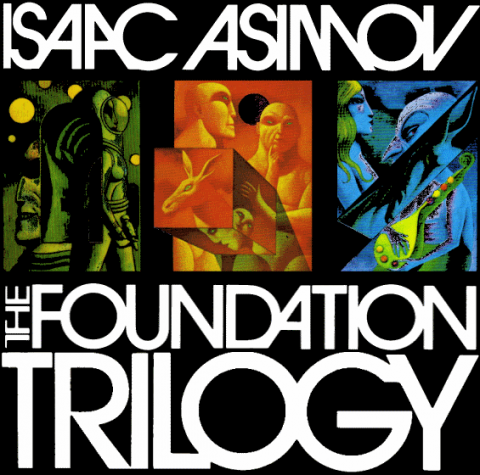
Free: Isaac Asimov’s Epic Foun­da­tion Tril­o­gy Dra­ma­tized in Clas­sic Audio

Free Sci­ence Fic­tion Clas­sics on the Web: Hux­ley, Orwell, Asi­mov, Gaiman & Beyond

The Works of H.P. Lovecraft: Text, Audio and Now Graphic Novel

If you ask Stephen King, he’ll tell you that H.P. Love­craft was “the twen­ti­eth cen­tu­ry’s great­est prac­ti­tion­er of the clas­sic hor­ror tale.” And Joyce Car­ol Oates will read­i­ly admit that Love­craft had “an incal­cu­la­ble influ­ence on suc­ceed­ing gen­er­a­tions of writ­ers of hor­ror fic­tion.” In these mod­ern times, you can revis­it Love­craft’s clas­sic hor­ror tales by down­load­ing his works in text or audio. (See below.) Or, you can revis­it his cos­mic hor­ror tales by pick­ing up The Love­craft Anthol­o­gy, a new graph­ic nov­el series that brings Love­craft’s writ­ings to “vivid and malev­o­lent life.” The video above gives you a pre­view of what the series has to offer. It fea­tures an ani­ma­tion of “The Call of Cthul­hu,” Love­craft’s famous pulp sto­ry from 1926.

Texts (from our col­lec­tion of Free eBooks)

  • Books by Love­craft sort­ed by title — Web

Audio (from our col­lec­tion of Free Audio Books)

The Col­lect­ed Pub­lic Domain Works of H. P. Love­craft – Free Stream

by | Permalink | Make a Comment ( 2 ) |

« Go BackMore in this category... »
Quantcast