Watching Nature Documentaries Can Produce “Real Happiness,” Finds a Study from the BBC and UC-Berkeley

Hol­ly­wood sci­ence fic­tion films imag­ine future humans in worlds that are no longer green, or nev­er were—from Soy­lent Green’s dying Earth to that of Inter­stel­lar. And from Soy­lent Green to Ad Astra, humans in the future expe­ri­ence plant and ani­mal life as sim­u­la­tions on a screen, in hyper­re­al pho­tog­ra­phy and video meant to paci­fy and com­fort. Maybe we live in that world already, to some extent, with apoc­a­lyp­tic films and sci­ence fic­tion express­ing a col­lec­tive mourn­ing for the extinc­tions brought on by cli­mate change.

“Over the course of my lifetime—I’m 46,” writes Wash­ing­ton Post art crit­ic Sebas­t­ian Smee, “the plan­et has lost more than half of its wildlife pop­u­la­tions, accord­ing to the World Wildlife Fund.” Sure­ly this brute fact explains the immense pop­u­lar­i­ty of high pro­duc­tion-val­ue nature doc­u­men­taries, the anti­dote to apoc­a­lyp­tic futur­ism. They have become “block­buster events,” argues Ed Yong at The Atlantic, with fan­doms as fierce as any.

Viewed “from the per­spec­tive of the future,” writes Smee, nature doc­u­men­taries “are great art. Maybe the great­est of our time.” But can view­ing film and pho­tographs of nature pro­duce in us the feel­ings of awe and won­der that poets, artists, and philoso­phers have described feel­ing in actu­al nature for cen­turies? BBC Earth, pro­duc­er of sev­er­al major block­buster nature doc­u­men­tary series, under­took some psy­cho­log­i­cal research to find out, part­ner­ing with researchers from the Uni­ver­si­ty of Cal­i­for­nia, Berke­ley.

The team exam­ined the effects of watch­ing the BBC’s Plan­et Earth II doc­u­men­tary series rel­a­tive to oth­er kinds of pro­grams. “It is a deep human intu­ition that view­ing nature and being in nature is good for the mind and body,” they write in the study, titled “Explor­ing the Emo­tion­al State of ‘Real Hap­pi­ness.’” (Socio­bi­ol­o­gist E.O. Wil­son coined the term “bio­phil­ia” to describe the evolved pref­er­ence for nat­ur­al beau­ty.) Does screen­time equal phys­i­cal time spent out­doors? Not exact­ly, but nature doc­u­men­taries can low­er stress lev­els and, yes, pro­duce feel­ings of “real hap­pi­ness.”

There have been sev­er­al pre­vi­ous such stud­ies. The authors cite one in which a few min­utes of the orig­i­nal series Plan­et Earth “led peo­ple, com­pared to con­trol par­tic­i­pants, to feel 45.6% more awe and 31.4% more grat­i­tude, but no shifts in feel­ings of neg­a­tive emo­tions such as fear and sad­ness.” The Plan­et Earth II study may be the largest of its kind, with almost 3,500 par­tic­i­pants in the U.S., around a thou­sand in the U.K., India, and Aus­tralia, each, and around 500 in both South Africa and Sin­ga­pore for a total of approx­i­mate­ly 7,500 view­ers.

Par­tic­i­pants across a range of age groups, from 16 to 55 and over, were shown short clips of a vari­ety of TV pro­grams, includ­ing clips from Plan­et Earth II. They were sur­veyed on an array of emo­tion­al respons­es before and after each view­ing. The study also mea­sured stress lev­els using the Per­ceived Stress Scale (PSS), and used a facial map­ping tech­nol­o­gy called CrowdE­mo­tion to track phys­i­cal respons­es. The researchers aggre­gat­ed the data and con­trolled for pop­u­la­tion size in each coun­try.

The find­ings are fas­ci­nat­ing. Across the scale, Plan­et Earth II clips gen­er­at­ed more feel­ings of hap­pi­ness and awe, with clips from news and enter­tain­ment shows caus­ing more fear. In most of the study’s mea­sures, these good feel­ings peaked high­est at the low­er demo­graph­ic age range of 16–24. Younger view­ers showed greater pos­i­tive emo­tion­al respons­es in facial map­ping and sur­vey data, a fact con­sis­tent with BBC rat­ings data show­ing that 16–34 year-olds make up around 41% of the audi­ence share for Plan­et Earth II.

“This younger group,” note the authors, “was more like­ly to expe­ri­ence sig­nif­i­cant pos­i­tive shifts in emo­tion.” They also start­ed out, before view­ing the clips, with sig­nif­i­cant­ly more envi­ron­men­tal anx­i­ety, scor­ing high­ly on the stress scale. 71% described them­selves as “extreme­ly wor­ried about the state of the world’s envi­ron­ment and what it will mean for my future.” A small­er per­cent­age showed the low­est lev­el of agree­ment with the state­ment “I reg­u­lar­ly get out­side and enjoy spend­ing time with nature.”

For near­ly all of the study’s view­ers, nature doc­u­men­taries seemed to pro­duce at least fleet­ing feel­ings of “real hap­pi­ness.” For many, they may also be a way of coun­ter­ing fears of the future, and com­pen­sat­ing in advance for a loss of the nat­ur­al beau­ty that remains. Unfor­tu­nate­ly, the study did not mea­sure the num­ber of par­tic­i­pants who viewed Plan­et Earth II and oth­er “block­buster” nature doc­u­men­taries as a call to action against envi­ron­men­tal destruc­tion. Maybe that’s a sub­ject for anoth­er study. Read the full Plan­et Earth II study results here. And if you’re feel­ing stressed, watch thir­ty min­utes of “Visu­al Sound­scapes,” pre­sent­ed by Plan­et Earth II, above.

Relat­ed Con­tent:

How the Japan­ese Prac­tice of “For­est Bathing”—Or Just Hang­ing Out in the Woods—Can Low­er Stress Lev­els and Fight Dis­ease

Becom­ing: A Short Time­lapse Film Shows a Sin­gle Cell Mor­ph­ing Into a Com­plete, Com­plex Liv­ing Organ­ism

Do Octopi Dream? An Aston­ish­ing Nature Doc­u­men­tary Sug­gests They Do

Josh Jones is a writer and musi­cian based in Durham, NC. Fol­low him at @jdmagness.
Novelist Cormac McCarthy Gives Writing Advice to Scientists … and Anyone Who Wants to Write Clear, Compelling Prose

As we point­ed out back in 2017, Cor­mac McCarthy, author of such grit­ty, blood-drenched nov­els as Blood Merid­i­an, Child of God, The Road, and No Coun­try for Old Men, prefers the com­pa­ny of sci­en­tists to fel­low writ­ers. Since the mid-nineties, he has main­tained a desk at the San­ta Fe Insti­tute, an inter­dis­ci­pli­nary sci­en­tif­ic think tank, and has served as a vol­un­teer copy-edi­tor for sev­er­al sci­en­tists, includ­ing Lisa Ran­dall, Harvard’s first female tenured the­o­ret­i­cal physi­cist, and physi­cist Geof­frey West, author of the pop­u­lar sci­ence book Scale.

One of McCarthy’s first such aca­d­e­m­ic col­lab­o­ra­tions came after a friend, econ­o­mist W. Bri­an Arthur, mailed him an arti­cle in 1996. McCarthy helped Arthur com­plete­ly revise it, which sent the edi­tor of the Har­vard Busi­ness Review into a “slight pan­ic,” the econ­o­mist remem­bers. I can’t imag­ine why, but then I’d rather read any of McCarthy’s nov­els than most aca­d­e­m­ic papers. Not that I don’t love to be exposed to new ideas, but it’s all about the qual­i­ty of the writ­ing.

Schol­ar­ly writ­ing has, after all, a rep­u­ta­tion for obscu­ri­ty, and obfus­ca­tion for a rea­son, and not only in post­mod­ern phi­los­o­phy. Sci­en­tif­ic papers also rely heav­i­ly on jar­gon, over­ly long, incom­pre­hen­si­ble sen­tences, and dis­ci­pli­nary for­mal­i­ties that can feel cold and alien­at­ing to the non-spe­cial­ist. McCarthy iden­ti­fied these prob­lems in the work of asso­ciates like biol­o­gist and ecol­o­gist Van Sav­age, who has “received invalu­able edit­ing advice from McCarthy,” notes Nature, “on sev­er­al sci­ence papers pub­lished over the past 20 years.”

Dur­ing “live­ly week­ly lunch­es” with the author dur­ing the win­ter of 2018, Sav­age dis­cussed the fin­er points of McCarthy’s edit­ing advice. Then Sav­age and evo­lu­tion­ary biol­o­gist Pamela Yeh present­ed the con­densed ver­sion at Nature for a wider audi­ence. Below, we’ve excerpt­ed some of the most strik­ing of “McCarthy’s words of wis­dom.” Find the com­plete com­pi­la­tion of McCarthy’s advice over at Nature.

  • Use min­i­mal­ism to achieve clar­i­ty…. Remove extra words or com­mas when­ev­er you can.
  • Decide on your paper’s theme and two or three points you want every read­er to remem­ber…. If some­thing isn’t need­ed to help the read­er to under­stand the main theme, omit it.
  • Lim­it each para­graph to a sin­gle mes­sage.
  • Keep sen­tences short, sim­ply con­struct­ed and direct.
  • Try to avoid jar­gon, buzz­words or over­ly tech­ni­cal lan­guage. And don’t use the same word repeatedly—it’s bor­ing.
  • Don’t over-elab­o­rate. Only use an adjec­tive if it’s rel­e­vant…. Don’t say the same thing in three dif­fer­ent ways in any sin­gle sec­tion.
  • Choose con­crete lan­guage and exam­ples.
  • When you think you’re done, read your work aloud to your­self or a friend. Find a good edi­tor you can trust and who will spend real time and thought on your work.
  • Final­ly, try to write the best ver­sion of your paper—the one that you like. You can’t please an anony­mous read­er, but you should be able to please your­self.
  • When you make your writ­ing more live­ly and eas­i­er to under­stand, peo­ple will want to invest their time in read­ing your work.

As Kot­tke points out, “most of this is good advice for writ­ing in gen­er­al.” This is hard­ly a sur­prise giv­en the source, though, as McCarthy’s pri­ma­ry body of work demon­strates, lit­er­ary writ­ers are free to tread all over these guide­lines as long as they can get away with it. Still, his straight­for­ward advice is an invi­ta­tion for writ­ers of all kinds—academic, pop­u­lar, aspir­ing, and professional—to remind them­selves of the fun­da­men­tal prin­ci­ples of clear, com­pelling com­mu­nica­tive prose.

Relat­ed Con­tent:

How Cor­mac McCarthy Became a Copy-Edi­tor for Sci­en­tif­ic Books and One of the Most Influ­en­tial Arti­cles in Eco­nom­ics

Cor­mac McCarthy’s Three Punc­tu­a­tion Rules, and How They All Go Back to James Joyce

Cor­mac McCarthy Explains Why He Worked Hard at Not Work­ing: How 9‑to‑5 Jobs Lim­it Your Cre­ative Poten­tial

Josh Jones is a writer and musi­cian based in Durham, NC. Fol­low him at @jdmagness

Bob Odenkirk & Errol Morris Create Comedic Shorts to Help You Take Action Against Global Warming: Watch Them Online

My beach house must be some­where around here. I used to be able to see the ocean from it. I should be able to see it from the ocean. Ooo, that looks famil­iar. Lady Lib­er­ty. Ha ha! Hel­looo! All the best to you.     —Admi­ral Hor­a­tio Horn­tow­er

Are there any Bet­ter Call Saul fans among the glob­al warm­ing deniers?

A sce­nario in which one can simul­ta­ne­ous­ly pooh pooh the melt­ing of the polar ice caps and embrace The Thin Blue Line?

Direc­tor Errol Mor­ris and his star, Bob Odenkirk, may not change any minds with their Glob­al Melt­down spots they pro­duced in part­ner­ship with the Insti­tute for the Future, but hope­ful­ly the emphat­ic end cards will stir some fans to action.

The absur­dist 30-sec­ond shorts fea­ture Odenkirk, encrust­ed in epaulets and naval insignia, as the fic­tion­al Horn­tow­er, “an admi­ral of a fleet of one and per­haps the last man on Earth.” Marooned on a small block of ice, he rails against the inex­pert­ly ani­mat­ed wildlife encroach­ing on his domain.

(“You don’t even have the facil­i­ty of lan­guage!” he tells a pen­guin, and lat­er threat­ens a wal­rus that it will “get paint­ed out” of the final cut for “com­plain­ing all the time…”)

Cer­tain­ly a doc­u­men­tar­i­an of Mor­ris’ stature could have tak­en a length­i­er, more seri­ous approach to the sub­ject, but as he notes:

Log­ic rarely con­vinces any­body of any­thing. Cli­mate change has become yet anoth­er vehi­cle for polit­i­cal polar­iza­tion. If Al Gore said the Earth was round there would be polit­i­cal oppo­si­tion insist­ing that the Earth was flat. It’s all so pre­pos­ter­ous, so con­temptible.

Odenkirk also has some out-of-uni­form con­cerns about cli­mate change, as expressed in “Where I Got These Abs,” a 2011 Shouts & Mur­murs piece for The New York­er:

The mid­dle ab on the left (not my left, your left, if you are look­ing at me) is called Ter­rence. It’s a dig­ni­fied ab. It tens­es each time I read an op-ed arti­cle about glob­al warm­ing. The article’s point of view is imma­te­r­i­al; sim­ply being remind­ed that I can do noth­ing to stop the hor­rif­ic future of floods and cat­a­stro­phe gives this ab a taut yank that lingers, burn­ing calo­ries in my well-creased fore­head at the same time. 

Watch all of Mor­ris and Odenkirk’s Admi­ral Horn­tow­er spots, cur­rent­ly total­ing nine, with ten more to come, on Glob­al Melt­down’s YouTube chan­nel.

via Kot­tke

Relat­ed Con­tent:

Cli­mate Change Gets Strik­ing­ly Visu­al­ized by a Scot­tish Art Instal­la­tion

Glob­al Warm­ing: A Free Course from UChica­go Explains Cli­mate Change

NASA Cap­tures the World on Fire

Ayun Hal­l­i­day is an author, illus­tra­tor, the­ater mak­er and Chief Pri­ma­tol­o­gist of the East Vil­lage Inkyzine.  Join her in NYC this Mon­day, Sep­tem­ber 9 for the new season’s kick­off of her book-based vari­ety show, Necro­mancers of the Pub­lic Domain. Fol­low her @AyunHalliday.

The Glorious Poster Art of the Soviet Space Program in Its Golden Age (1958–1963)

How do you sell a gov­ern­ment pro­gram that spends tens of mil­lions of dol­lars on research and devel­op­ment for space trav­el? While the aver­age tax­pay­er may love the idea of brav­ing new fron­tiers, far few­er are apt to vote for fund­ing sci­en­tif­ic research, the space program’s osten­si­ble rea­son for being.

Dur­ing the Cold War, how­ev­er, when the biggest break­throughs in space flight occurred, sell­ing the pro­gram didn’t involve sophis­ti­cat­ed meth­ods, only the broad­est themes of hero­ism, patri­o­tism, futur­ism, and, in more or less sub­tle ways, mil­i­tarism. The appeal to sci­ence always went hand-in-hand with an appeal to the sub­lime­ly aus­tere beau­ty of the heav­ens (which we’d hate to lose to the oth­er guys.)

All of these were strate­gies NASA uti­lized, and then some. In addi­tion to plant­i­ng a U.S. flag on the moon, they deliv­ered the first col­or image of Earth from space. On the ground, they enlist­ed artists like Andy Warhol, Nor­man Rock­well, and Lau­rie Ander­son and actors like Star Trek’s Nichelle Nichols to sell the pro­gram.

Recent­ly, NASA has seemed to be in a reflec­tive mood, from its anti­quar­i­an prepa­ra­tions for the 50th anniver­sary of the moon land­ing to its ad cam­paign of retro posters that resem­ble not only vin­tage sci-fi book jack­ets and movie ads, but also the futur­is­tic social real­ism of their for­mer Sovi­et rivals.

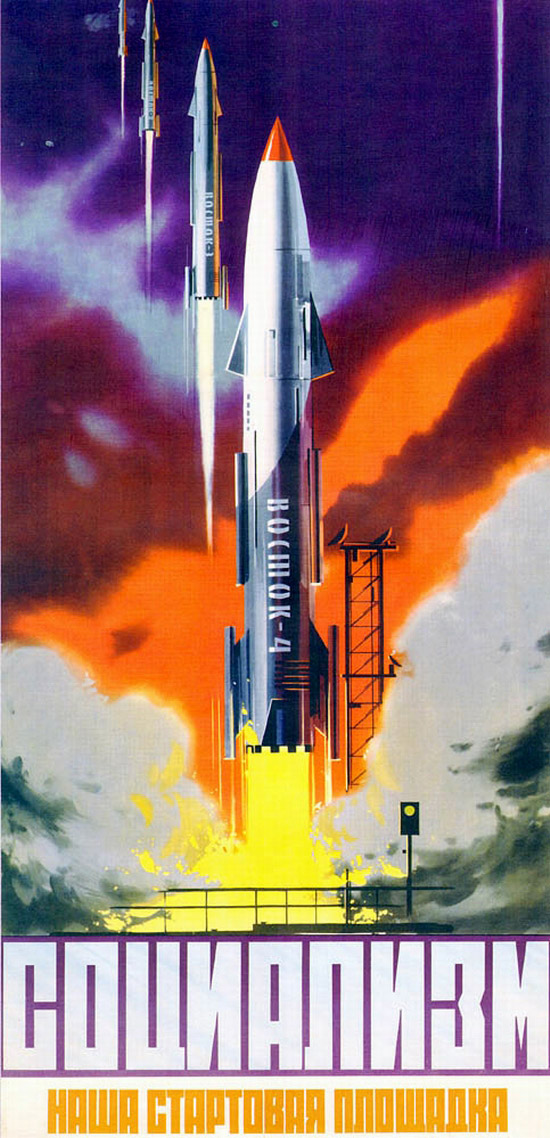
There’s almost some­thing of an admis­sion in NASA’s retro posters: we may have won the “space race,” but it wasn’t win­ner take all. There were some things the Sovi­ets just did better—and when it came to mak­ing space trav­el look like the most mon­u­men­tal­ly hero­ic and excit­ing thing ever, they excelled, as you can see in this ear­ly col­lec­tion of Sovi­et space posters from 1958–1963.

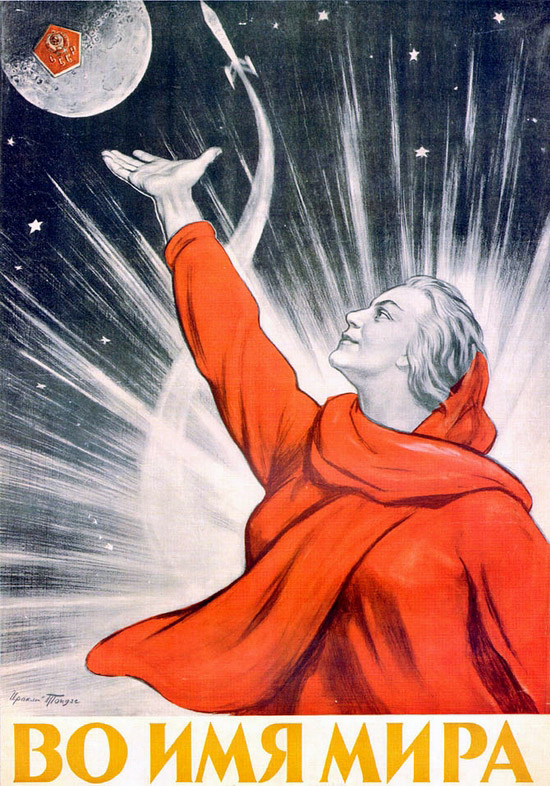
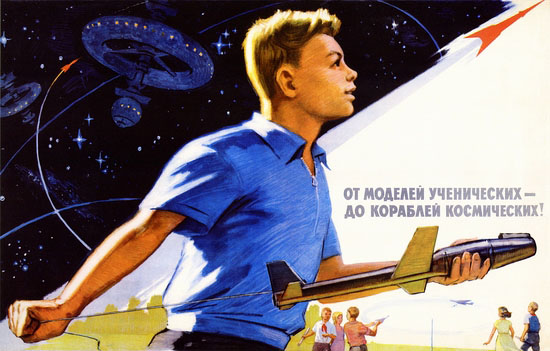
There’s some­thing for, well, not every­one, but for men, women, young, old, young adults. Sci-fi geeks and mod­el builders, peo­ple cel­e­brat­ing the new year, chil­dren cel­e­brat­ing the new year, a gag­gle of young stu­dents who some­how all look just like Mary Tyler Moore. The artists are not celebri­ties, they’re fel­low work­ers who “fore­saw a Utopia in space,” writes Flash­bak.

The Com­mu­nists would bring peace and pros­per­i­ty not only to the peo­ple of Earth but also to the tech­nol­o­gy-enabled, God-free Great Beyond. The artists cre­at­ed Sovi­et Space posters, vivid, ener­gis­ing and inspir­ing visions of the rosy-fin­gered dawn of tomor­row. They’re ter­rif­ic.

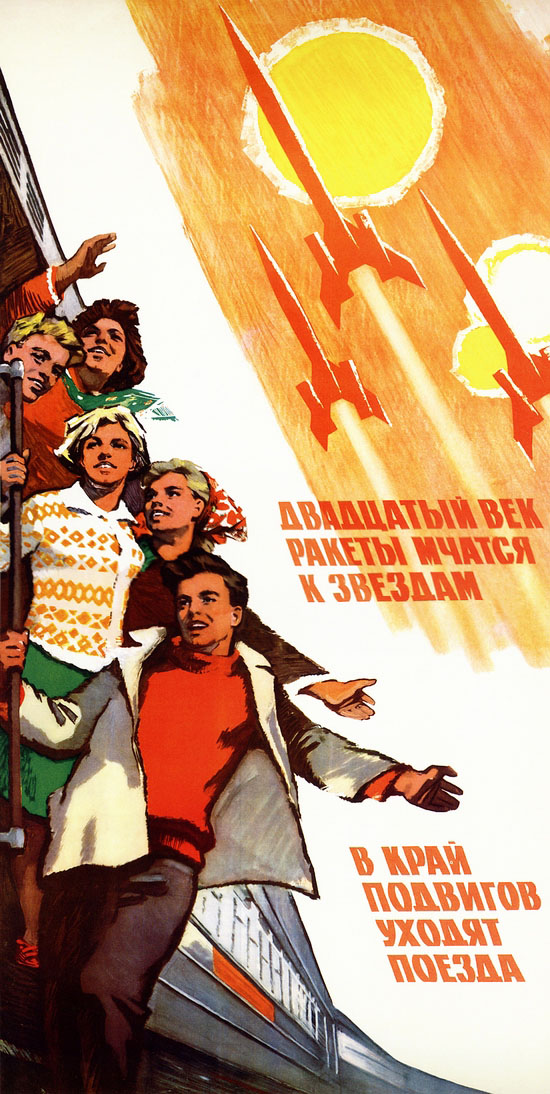
They’re maybe even more ter­rif­ic when we con­sid­er that ordi­nary cit­i­zens didn’t have much say, at all, in the fund­ing and direc­tion of the U.S.S.R.’s space pro­gram. (Whether Amer­i­can cit­i­zens did is anoth­er ques­tion.) It was impor­tant that Sovi­ets know, how­ev­er, that “We will open the dis­tant worlds!” as one poster reads, and, as the six­ties teenage cig­a­rette ad on a train above pro­claims, “In the 20th cen­tu­ry, the rock­ets race to the stars, the trains are going to the lands of achieve­ments!”

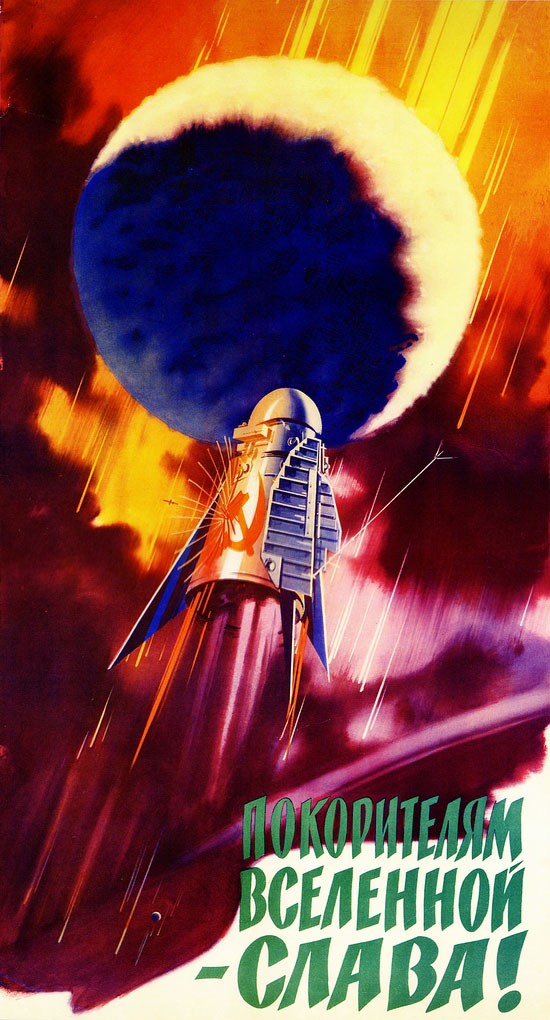
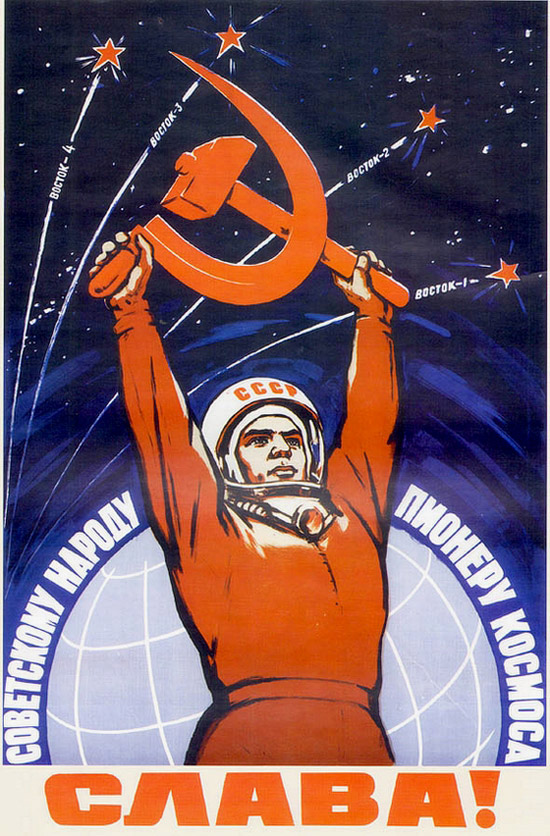
The num­ber of posters here is but a smat­ter­ing of those post­ed on All about Rus­sia (here and here) and Flash­bak. Each poster has its own enchant­i­ng qual­i­ty: emu­lat­ing the pro­pa­gan­da of the 1930s; turn­ing indus­tri­al labor­ers into anony­mous tow­er­ing heroes; and reach­ing some very heavy met­al heights of bom­bast, as in the ad above, which declares, “Glo­ry to the con­querors of the uni­verse!”

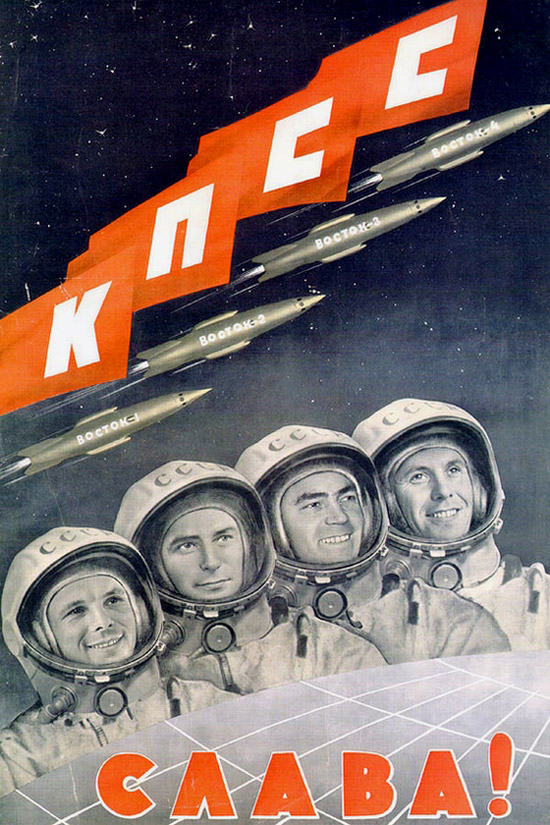
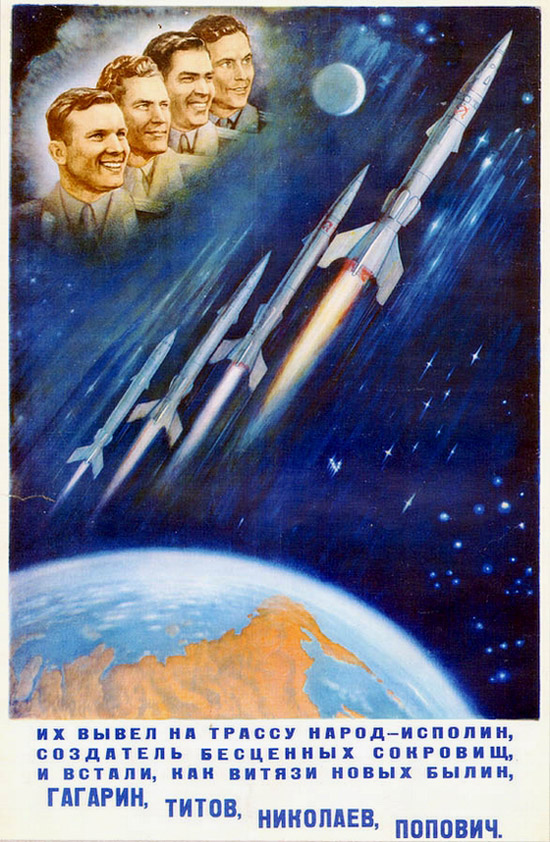
One poster super­im­pos­es the beam­ing faces of four cos­mo­nauts, lined up like Kraftwerk, over a scene of four rock­ets leav­ing the earth. “Gagarin, Titov, Niko­laev, Popoviich—the mighty knights of our days.” (I’m not sure how that pun works in Russ­ian.) The Sovi­ets could also pro­claim “Glo­ry to the first woman cos­mo­naut!,” Valenti­na Tereshko­va, who became the first woman to fly in space in 1963.

The Sovi­et space pro­gram deserves plen­ty of recog­ni­tion for its many his­toric firsts, and also for the wild­ly enthu­si­as­tic opti­mism of its ad cam­paigns. They sold grand ideas about the explo­ration and, yes, con­quest of space (and “the uni­verse”) with the same verve and pop­ulist appeal as U.S. com­pa­nies sold cars, cig­a­rettes, and wash­ing machines. Glo­ry to the unsung Mad Men of the Sovi­et space poster!

Relat­ed Con­tent:

Sovi­et Artists Envi­sion a Com­mu­nist Utopia in Out­er Space

NASA Enlists Andy Warhol, Annie Lei­bovitz, Nor­man Rock­well & 350 Oth­er Artists to Visu­al­ly Doc­u­ment America’s Space Pro­gram

Down­load 14 Free Posters from NASA That Depict the Future of Space Trav­el in a Cap­ti­vat­ing­ly Retro Style

Watch Inter­plan­e­tary Rev­o­lu­tion (1924): The Most Bizarre Sovi­et Ani­mat­ed Pro­pa­gan­da Film You’ll Ever See

Josh Jones is a writer and musi­cian based in Durham, NC. Fol­low him at @jdmagness

What Happens To Your Body & Brain If You Don’t Get Sleep? Neuroscientist Matthew Walker Explains

As an insom­ni­ac in a morn­ing person’s world, I wince at sleep news, espe­cial­ly from Matthew Walk­er, neu­ro­sci­en­tist, Berke­ley pro­fes­sor, and author of Why We Sleep. Some­thing of a “sleep evan­ge­list,” as Berke­ley News calls him (he prefers “sleep diplo­mat”), Walk­er has tak­en his mes­sage on the road—or the 21st cen­tu­ry equiv­a­lent: the TED Talk stages and ani­mat­ed explain­er videos.

One such video has Walk­er say­ing that “sleep when you’re dead” is “mor­tal­ly unwise advice… short sleep pre­dicts a short­er life.” Or as he elab­o­rates in an inter­view with Fresh Air’s Ter­ry Gross, “every dis­ease that is killing us in devel­oped nations has causal and sig­nif­i­cant links to a lack of sleep.”

Yeesh. Does he lay it on thick? Nope, he’s got the evi­dence and wants to scare us straight. It’s a psy­cho­log­i­cal tac­tic that hasn’t always worked so well, although next to “sleep or die” ser­mons, there’s good news: sleep, when har­nessed prop­er­ly (yes, some­where in the area of 8 hours a night) can also be a “super­pow­er.” Sleep does “won­der­ful­ly good things… for your brain and for your body,” boost­ing mem­o­ry, con­cen­tra­tion, and immu­ni­ty, just for starters.

But back to the bad.…

In the Tech Insid­er video above, Walk­er deliv­ers the grim facts. As he fre­quent­ly points out, most of us need to hear it. Sleep depri­va­tion is a seri­ous epidemic—brought on by a com­plex of socio-eco­nom­ic-politi­co-tech­no­log­i­cal fac­tors you can prob­a­bly imag­ine. See Walker’s com­par­isons (to the brain as an email inbox and a sewage sys­tem) ani­mat­ed, and learn about how lack of sleep con­tributes to a 24% increase in heart attacks and numer­ous forms of can­cer. (The World Health Orga­ni­za­tion has recent­ly “clas­si­fied night­time shift work as a prob­a­ble car­cino­gen.”)

On the upside, rarely is health sci­ence so unam­bigu­ous. If nutri­tion­ists could only give us such clear-cut advice. Whether we’d take it is anoth­er ques­tion. Learn more about the mul­ti­ple, and some­times fatal, con­se­quences of sleep depri­va­tion in the ani­mat­ed TED-Ed video above.

Relat­ed Con­tent:

Sleep or Die: Neu­ro­sci­en­tist Matthew Walk­er Explains How Sleep Can Restore or Imper­il Our Health

How Sleep Can Become Your “Super­pow­er:” Sci­en­tist Matt Walk­er Explains Why Sleep Helps You Learn More and Live Longer

10 Hours of Ambi­ent Arc­tic Sounds Will Help You Relax, Med­i­tate, Study & Sleep

Josh Jones is a writer and musi­cian based in Durham, NC. Fol­low him at @jdmagness.
How Scientists Colorize Those Beautiful Space Photos Taken By the Hubble Space Telescope

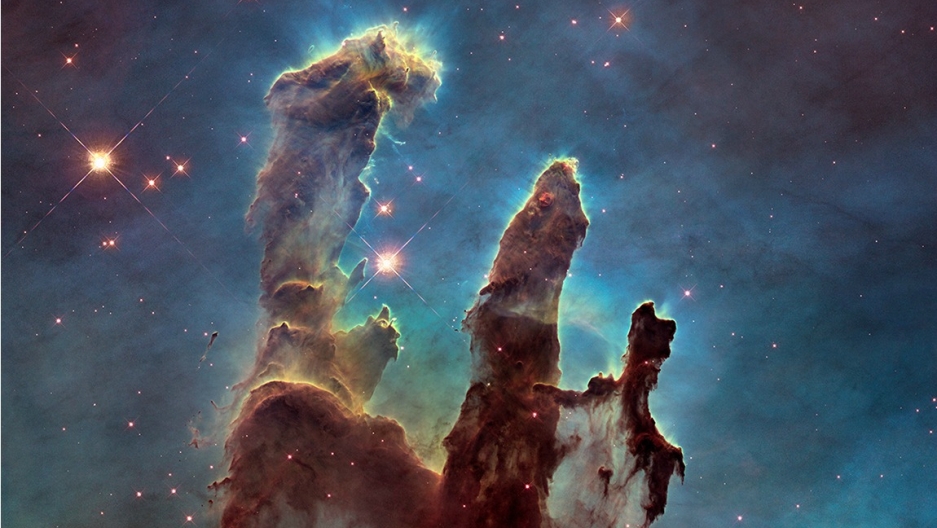
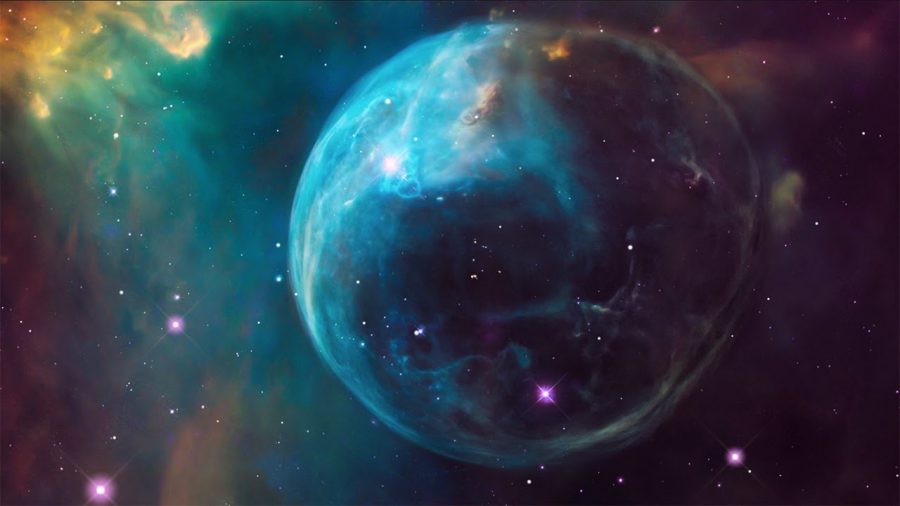
When you pic­ture the giant for­ma­tions of gasses and space dust that make up a neb­u­la, maybe you see the deli­cious­ly gar­ish CGI of Guardians of the Galaxy. The look of the Mar­vel uni­verse is, of course, inspired by eye-pop­ping images of neb­u­lae tak­en by the Hub­ble tele­scope, images that have appeared rou­tine­ly for the past three decades in the pages of Nation­al Geo­graph­ic, Dis­cov­er, and your favorite screen savers.

Whether you’re into sci-fi super­hero flicks or not, you’ve sure­ly stared in awe and dis­be­lief at these pho­tographs: ghost­ly, glow­ing, resem­bling the illus­tra­tions of out­er space by cer­tain pulp sci-fi illus­tra­tors twen­ty years before the Hub­ble was launched into orbit in 1990. If these images seem too painter­ly to be real, it’s because they are, as the Vox video above explains, to a great degree, prod­ucts of pho­to­graph­ic art and imag­i­na­tion.

The Hub­ble tele­scope only takes images in black and white. The images are then col­orized by sci­en­tists. Their work is not pure fan­ta­sy. A process called “broad­band fil­ter­ing” allows them to rea­son­ably esti­mate a range of col­ors in the black and white pho­to. Some imag­i­na­tive license must be tak­en “to show us por­tions of the image that would nev­er have been vis­i­ble to our eyes in the first place,” notes PetaPix­el. “For exam­ple: turn­ing cer­tain gasses into vis­i­ble col­or in a pho­to­graph.”

In an impres­sive few min­utes, the Vox explain­er digs deep into the sci­ence of optics to explain how and why we see col­or as com­bi­na­tions of three wave­lengths. The sci­ence has been “the guid­ing prin­ci­ple in col­or­ing black and white images” since the turn of the 20th cen­tu­ry. We learn above how broad­band filtering—the pho­to­graph­ic tech­nique bring­ing us full-col­or galac­tic fever dreams—originated in the ear­li­est exper­i­ments in col­or pho­tog­ra­phy.

In fact, the very first col­or pho­to­graph ever tak­en, by physi­cist James Clerk Maxwell in 1861, used a very ear­ly ver­sion of the tech­nique Hub­ble sci­en­tists now use to col­orize images of space, com­bin­ing three black and white pho­tos of the same object, tak­en through three dif­fer­ent-col­ored fil­ters. Giv­en the advances in imag­ing tech­nol­o­gy over the past 100+ years, why doesn’t the pow­er­ful space tele­scope just take col­or pic­tures?

It would com­pro­mise the Hubble’s pri­ma­ry pur­pose, to mea­sure the inten­si­ty of light reflect­ing off objects in space, a mea­sure­ment best tak­en in black and white. But the sci­en­tif­ic instru­ment can still be used as cos­mic paint­brush, cre­at­ing jaw-drop­ping images that them­selves serve a sci­en­tif­ic pur­pose. If you were dis­ap­point­ed to learn that the pho­tog­ra­phy fuel­ing our our space imag­i­na­tion has been doc­tored, watch this video and see if a sense of won­der isn’t restored.

Relat­ed Con­tent:

The Beau­ty of Space Pho­tog­ra­phy

NASA Releas­es a Mas­sive Online Archive: 140,000 Pho­tos, Videos & Audio Files Free to Search and Down­load

NASA Dig­i­tizes 20,000 Hours of Audio from the His­toric Apol­lo 11 Mis­sion: Stream Them Free Online

Josh Jones is a writer and musi­cian based in Durham, NC. Fol­low him at @jdmagness

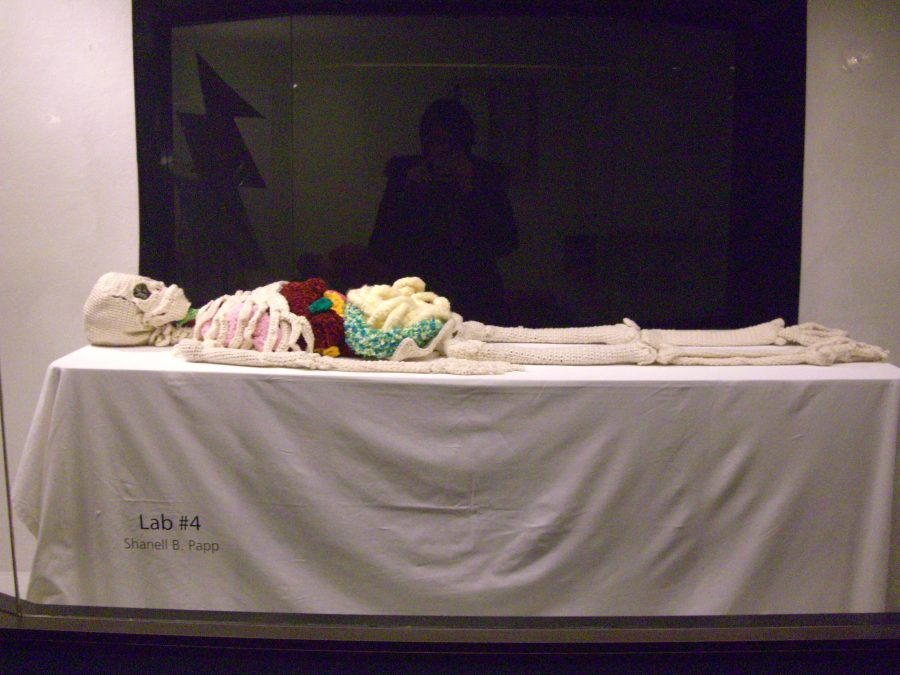
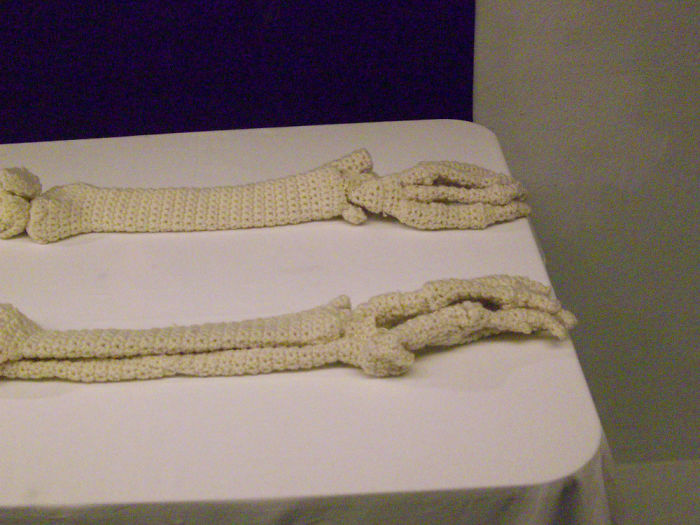
An Artist Crochets a Life-Size, Anatomically-Correct Skeleton, Complete with Organs

How to make a life-sized fac­sim­i­le of a human skele­ton:

  1. Down­load files pub­lished under a Cre­ative Com­mons license, and arrange to have them 3‑D print­ed.

or

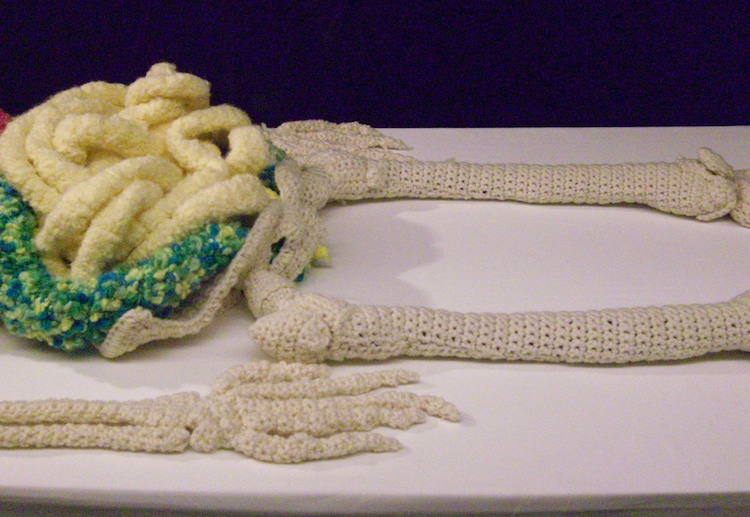
  1. Do as artist Shanell Papp did, above, and cro­chet one.

The lat­ter will take con­sid­er­ably more time and atten­tion on your part. Papp gave up all extracur­ric­u­lar activ­i­ties for four months to hook the woolen skele­ton around her work and school sched­ule. Equip­ping it with inter­nal organs ate up anoth­er four.

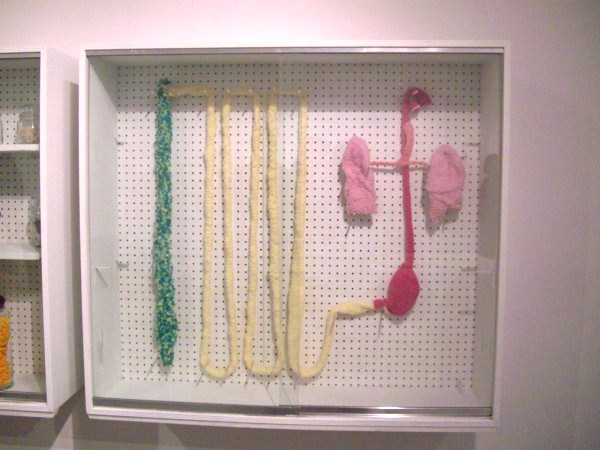
To ensure accu­ra­cy, Papp armed her­self with anatom­i­cal text­books and an actu­al human skele­ton on loan from the Uni­ver­si­ty of Leth­bridge, where she was an under­grad. The brain has gray and white mat­ter, there’s mar­row in the bones, the stom­ach con­tains half-digest­ed wool food, and the intestines can be unspooled to a real­is­tic length.

The gru­el­ing 2006 project did not exhaust her fas­ci­na­tion for the intri­ca­cies of human anato­my. The Uni­ver­si­ty of Saskatchewan grant­ed her open access to draw in the gross anato­my lab while she pur­sued her MFA.


As she told MICE mag­a­zine:

I want­ed this work to illus­trate all of the organs and bones every­one shares and to not high­light dif­fer­ences. Much of anatom­i­cal his­to­ry is about defin­ing dif­fer­ence, by com­par­a­tive analy­sis. This can set up strange tax­onomies and hier­ar­chies. I was­n’t inter­est­ed in par­tic­i­pat­ing in that; I want­ed to expose the frag­ile, com­mon, and unseen things in all of us.  

The fin­ished piece, which is dis­played supine on a gur­ney she nabbed for free dur­ing a mor­tu­ary ren­o­va­tion, incor­po­rates many of Papp’s oth­er abid­ing inter­ests: hor­ror, med­ical his­to­ry, Franken­stein, crime inves­ti­ga­tion, and mor­tu­ary prac­tices.

Papp, who taught her­self how to cro­chet from books as a child, using what­ev­er yarn found its way to her grandma’s junk shop, appre­ci­ates how her cho­sen medi­um adds a lay­er of homey soft­ness and famil­iar­i­ty to the macabre.

It’s also not lost on her that fiber arts, often dis­missed as too “crafty” by the estab­lish­ment, were an impor­tant com­po­nent of 70s-era fem­i­nist art, though in her view, her work is more of a state­ment on the his­to­ry of tex­tile man­u­fac­tur­ing, which is to say the his­to­ry of labor and class strug­gle.

See more of Shanell Papp’s work here.

All images in this post by Shanell Papp.

via design­boom/Mymod­ern­met

Relat­ed Con­tent:

Behold an Anatom­i­cal­ly Cor­rect Repli­ca of the Human Brain, Knit­ted by a Psy­chi­a­trist

The BBC Cre­ates Step-by-Step Instruc­tions for Knit­ting the Icon­ic Dr. Who Scarf: A Doc­u­ment from the Ear­ly 1980s

The Beau­ti­ful Math of Coral & Cro­chet

Ayun Hal­l­i­day is an author, illus­tra­tor, the­ater mak­er and Chief Pri­ma­tol­o­gist of the East Vil­lage Inkyzine.  Join her in NYC on Mon­day, Sep­tem­ber 9 for anoth­er sea­son of her book-based vari­ety show, Necro­mancers of the Pub­lic Domain. Fol­low her @AyunHalliday.

Why a Cat Always Lands on Its Feet: How a French Scientist Used Photography to Solve the Problem in 1894

In the era of the CATS trail­er and #cat­sofin­sta­gram, it’s easy to for­get that sci­en­tif­ic research is what orig­i­nal­ly con­vinced our feline friends to allow their images to be cap­tured and dis­sem­i­nat­ed.

An anony­mous white French pussy took one for the team in 1894, when scientist/inventor Éti­enne-Jules Marey dropped it from an unspec­i­fied height in the Bois de Boulogne, film­ing its descent at 12 frames per sec­ond.

Ulti­mate­ly, this brave and like­ly unsus­pect­ing spec­i­men fur­thered the cause of space explo­ration, though it took over 50 years for NASA-backed researchers T.R. Kane and M.P. Sch­er to pub­lish their find­ings in a paper titled “A Dynam­i­cal Expla­na­tion of the Falling Cat Phe­nom­e­non.”

As the Vox Dark­room episode above makes clear, Marey’s obses­sion was lofti­er than a fond­ness for Stu­pid Pet Tricks and the mis­chie­vous impulse to drop things off of tall build­ings that moti­vat­ed TV host David Let­ter­man once upon a time.

Marey’s pre­oc­cu­pa­tion with the mechan­ics of organ­ic loco­mo­tion extend­ed to hors­es and humans. It prompt­ed him to invent pho­to­graph­ic tech­niques that pre­fig­ured cin­e­matog­ra­phy, and, more dark­ly, to sub­ject oth­er, less-cat­like crea­tures to dead­falls from sim­i­lar heights.

(Chil­dren and ani­mal rights activists, con­sid­er this your trig­ger warn­ing.)

The white cat sur­vived its ordeal by arch­ing its back mid-air, effec­tive­ly split­ting its body in two to har­ness the iner­tia of its body weight, much like a fig­ure skater con­trol­ling the veloc­i­ty of her spin by the posi­tion of her arms.

Why waste a sin­gle one of your nine lives? Physics is your friend, espe­cial­ly when falling from a great height.

See one of Marey’s pio­neer­ing falling cat chronopho­tographs below.

Relat­ed Con­tent:

Thomas Edison’s Box­ing Cats (1894), or Where the LOL­Cats All Began

An Ani­mat­ed His­to­ry of Cats: How Over 10,000 Years the Cat Went from Wild Preda­tor to Sofa Side­kick

Explo­sive Cats Imag­ined in a Strange, 16th Cen­tu­ry Mil­i­tary Man­u­al

Ayun Hal­l­i­day is an author, illus­tra­tor, the­ater mak­er and Chief Pri­ma­tol­o­gist of the East Vil­lage Inkyzine.  Join her in NYC on Mon­day, Sep­tem­ber 9 for anoth­er sea­son of her book-based vari­ety show, Necro­mancers of the Pub­lic Domain. Fol­low her @AyunHalliday.

« Go BackMore in this category... »
Quantcast