The Origins of Pleasure: Paul Bloom Explains Why We Like Expensive Wines & Original Paintings

Let’s say you spend a con­sid­er­able amount of mon­ey for a paint­ing by a not­ed artist. Or maybe you get it for a steal. Either way, the paint­ing hangs promi­nent­ly in your home, where it is admired by guests and brings you plea­sure every time you look at it, which is often. Years lat­er, you acci­den­tal­ly dis­cov­er that your paint­ing is not the work of the artist whose sig­na­ture graces the low­er right hand cor­ner of the can­vas, but rather a hereto­fore anony­mous forg­er.  How do you react?

Do you laugh and say, “When I think of all the hap­pi­ness that liv­ing with this beau­ti­ful image has brought me over the years, I feel I have got­ten my money’s worth many times over. I don’t care who paint­ed it!”

Or do you look as though you’ve just real­ized that evil exists in the world, which is how Hitler’s right hand man, Her­mann Göring, reput­ed­ly looked when, as a pris­on­er at Nurem­berg, he was informed that his beloved Ver­meer, ”Christ with the Woman Tak­en in Adul­tery” (below), was actu­al­ly the work of the Dutch deal­er who had sold it to him.

vermeer

Göring’s reac­tion may have been the most human thing about him. Accord­ing to Yale psy­chol­o­gist Paul Bloom, the plea­sure we take in the things we love is deeply informed by their per­ceived ori­gins. For­get mon­e­tary val­ue. For­get brag­ging rights. We need to believe that our paint­ing was not just paint­ed by Ver­meer, but han­dled by him, breathed upon him. If only that Ver­meer of mine could talk…I bet it could set­tle once and for all the exact nature of his rela­tion­ship with that lit­tle serv­ing girl. Remem­ber? The one with the pearl ear­ring?

Oh, wait. She was fic­tion­al. I for­got.

But that’s the sort of prove­nance we crave. The kind that comes with a sto­ry we can sink our teeth into.

The sto­ry must also fit the cir­cum­stances, as Bloom makes plain in his won­der­ful­ly enter­tain­ing TED talk on the Ori­gins of Plea­sure.

Unknow­ing­ly hop­ping in the sack with a blood rel­a­tive or eat­ing rat meat are intrigu­ing nar­ra­tives, pro­vid­ed they hap­pen to some­one else. Knowl­edge of such sto­ries could deep­en your con­nec­tion to a par­tic­u­lar piece of art.

(Can’t you feel the sex­u­al anguish ooz­ing out of my Ver­meer? Did you know he had to choose between buy­ing brush­es and buy­ing food?)

Not the sort of ori­gin sto­ry you’d want to find at the bot­tom of your own per­son­al soup bowl, how­ev­er.

Ergo, let us say that when it comes to plea­sure ema­nat­ing from food, we savor tastes we per­ceive as com­ing from whole­some organ­ic farms, arti­sanal oper­a­tions, restau­rants that are known to have passed the Board of Health’s san­i­tary inspec­tion with fly­ing col­ors. 

And when it comes to drink, we will will­ing­ly believe in the supe­ri­or fla­vor of any­thing poured under the aus­pices of an acclaimed label. Sci­en­tif­ic evi­dence con­firms this.

(On a relat­ed note, I once hung on to a bot­tle after drink­ing the lux­u­ry vod­ka it once con­tained, think­ing I’d refill it with a cheap liquor hack I had read about. The exper­i­ment end­ed when my hus­band com­plained that the water in our Bri­ta pitch­er tast­ed fun­ny.)

Speak­ing of roman­tic part­ners, it turns out that beau­ty tru­ly is not so much in the eye, but the brain of the behold­er. And it’s prob­a­bly not a bad idea to make sure you’ve got the facts regard­ing a poten­tial lover’s age, gen­der, and blood­lines. Caveat emp­tor, as any­one who’s ever seen the Cry­ing Game  will attest.

Note: Paul Bloom has taught a free course through Yale called “Intro­duc­tion to Psy­chol­o­gy,”. It’s avail­able in our col­lec­tion of Free Online Psy­chol­o­gy Cours­es, part of our larg­er col­lec­tion, 1,700 Free Online Cours­es from Top Uni­ver­si­ties.

Relat­ed Con­tent:

Why We Love Rep­e­ti­tion in Music: Explained in a New TED-Ed Ani­ma­tion

A Dar­win­ian The­o­ry of Beau­ty, or TED Does Its Best RSA

1756 TED Talks List­ed in a Neat Spread­sheet

Ayun Hal­l­i­day is an author, home­school­er, and Chief Pri­ma­tol­o­gist of the East Vil­lage Inky zine. Fol­low her @AyunHalliday

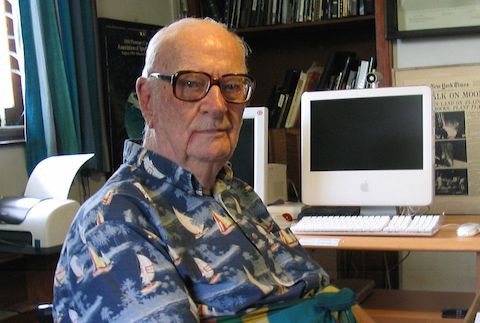
Arthur C. Clarke Predicts in 2001 What the World Will Look By December 31, 2100

Clarke_sm

“Clarke sm” by Amy Marash. Licensed under Pub­lic Domain via Wiki­me­dia Com­mons

When you want a vision of the future, I very much doubt you turn to Read­er’s Digest for it. But Arthur C. Clarke did once appear in its small-for­mat pages to pro­vide just that, and when Arthur C. Clarke talks about the future, you’d do well to lis­ten. Last year, we fea­tured a 1964 BBC doc­u­men­tary in which the sci­ence-fic­tion lumi­nary pre­dict­ed the inter­net, 3D print­ers, and trained mon­key ser­vants. Today, we’d like to link you up to his Read­er’s Digest pre­dic­tions from the com­par­a­tive­ly recent year of 2001 — one in which, for obvi­ous rea­sons, Clarke made the media rounds — which you can read in full at arthurcclarke.net. Some high­lights of his spec­u­la­tive time­line from 2001 to 2100:

  • By 2010, com­mer­cial nuclear devices, house­hold quan­tum gen­er­a­tors, and ful­ly re-engi­neered auto­mo­bile engines will have end­ed the Fos­sil Fuel Age. We’ll have seen the first acknowl­edged human clone and seen off the last human crim­i­nal.
  • By 2020, we’ll have dis­cov­ered a 76-meter octo­pus, fly on “aero­space-planes” (one of which will car­ry Prince Har­ry), and trade in “mega-watt-hours” instead of any now-known cur­ren­cies, and tsunamis caused by a mete­or will wreck the coasts of Green­land and Cana­da (prompt­ing the devel­op­ment of new mete­or-detect­ing tech­nolo­gies).
  • By 2030, arti­fi­cial intel­li­gence will have reached human lev­el, we’ll have land­ed on Mars, com­put­er-gen­er­at­ed DNA will make pos­si­ble a real-life Juras­sic Park, and the neu­ro­log­i­cal “brain­cap” will allow us the direct sen­so­ry expe­ri­ence of any­thing at all.
  • By 2040, the “uni­ver­sal repli­ca­tor” will allow us to cre­ate any object at all in the com­fort of our own homes, result­ing in the phase-out of work and a boom in arts, enter­tain­ment, and edu­ca­tion.
  • By 2050, Buck­min­ster Fuller-style self-con­tained mobile homes become a real­i­ty, and humans scat­tered as far as “Earth, the Moon, Mars, Europa, Ganymede and Titan, and in orbit around Venus, Nep­tune and Plu­to” cel­e­brate the cen­te­nary of Sput­nik 1.
  • By 2090, Hal­ley’s comet will have returned, and on it we’ll have found life forms that vin­di­cate “Wick­ra­mas­inghe and Hoyle’s cen­tu­ry-old hypoth­e­sis that life exists through space.” We’ll also start burn­ing fos­sil fuels again, both as a replace­ment for the car­bon diox­ide we’ve “mined” from the air and to fore­stall the next Ice Age by warm­ing the globe back up a bit.
  • By 2100, we’ll have replaced rock­ets with a “space dri­ve” that lets us trav­el close to the speed of light. And so, Clarke writes, “his­to­ry begins…”

You’ll notice, of course, that we’re already behind Clarke’s vision, accord­ing to which many a still-improb­a­ble devel­op­ment also lies ahead in the near future. In any case, though, the end of crime, the begin­ning of pri­vate space trav­el, and the era of the Dymax­ion home must come soon­er or lat­er, must­n’t they? And as Clarke him­self admits, one plays a mug’s game when one pre­dicts, even when one does it with uncom­mon astute­ness. “In 1971 I pre­dict­ed the first Mars Land­ing in 1994,” he remem­bers in the pre­am­ble to his list. “On the oth­er hand, I thought I was being wild­ly opti­mistic in 1951 by sug­gest­ing a mis­sion to the moon in 1978. Neil Arm­strong and Buzz Aldrin beat me by almost a decade.”

But to this day, Clarke’s score­card looks bet­ter than most of ours: “I take pride in the fact that com­mu­ni­ca­tions satel­lites are placed exact­ly where I sug­gest­ed in 1945, and the name “Clarke Orbit” is often used (if only because it’s eas­i­er to say than ‘geo­sta­tion­ary orbit’).” Who knows what he could tell us to watch out for now if, as he pre­dict­ed in 2001, he’d lived to see his hun­dredth birth­day aboard the Hilton Orbiter Hotel?

Relat­ed Con­tent:

Arthur C. Clarke Nar­rates Film on Mandelbrot’s Frac­tals; David Gilmour Pro­vides the Sound­track

Isaac Asi­mov Pre­dicts in 1964 What the World Will Look Like Today — in 2014

Free Sci­ence Fic­tion Clas­sics on the Web: Hux­ley, Orwell, Asi­mov, Gaiman & Beyond

Bet­ter Liv­ing Through Buck­min­ster Fuller’s Utopi­an Designs: Revis­it the Dymax­ion Car, House, and Map

Col­in Mar­shall hosts and pro­duces Note­book on Cities and Cul­ture as well as the video series The City in Cin­e­ma and writes essays on cities, lan­guage, Asia, and men’s style. He’s at work on a book about Los Ange­les, A Los Ange­les Primer. Fol­low him on Twit­ter at @colinmarshall or on Face­book.

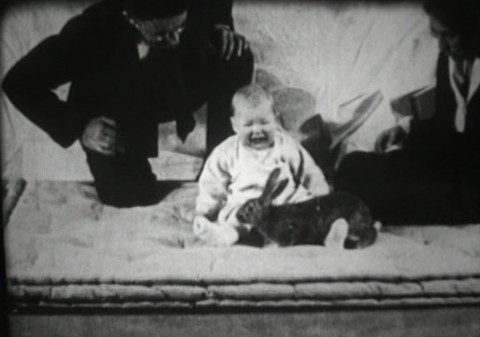
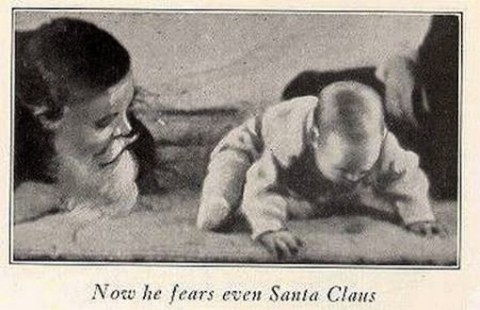
The Little Albert Experiment: The Perverse 1920 Study That Made a Baby Afraid of Santa Claus & Bunnies

The field of psy­chol­o­gy is very dif­fer­ent than it used to be. Nowa­days, the Amer­i­can Psy­cho­log­i­cal Asso­ci­a­tion has a code of con­duct for exper­i­ments that ensures a subject’s con­fi­den­tial­i­ty, con­sent and gen­er­al men­tal well being. In the old days, it was­n’t the case.

Back then, you could, for instance, con sub­jects into think­ing that they were elec­tro­cut­ing a man to death, as they did in the infa­mous 1961 Mil­gram exper­i­ment, which left peo­ple trau­ma­tized and hum­bled in the knowl­edge that deep down they are lit­tle more than weak-willed pup­pets in the face of author­i­ty. You could also try to turn a group of unsus­pect­ing orphans into stut­ter­ers by method­i­cal­ly under­min­ing their self-esteem as the folks who ran the apt­ly named Mon­ster Study of 1939 tried to do. But, if you real­ly want to get into the swamp of moral dubi­ous­ness, look no fur­ther than the Lit­tle Albert exper­i­ments, which trau­ma­tized a baby into hat­ing dogs, San­ta Claus and all things fuzzy.

Albert-and-rabbit-1024x718

In 1920, Johns Hop­kins pro­fes­sor John B. Wat­son was fas­ci­nat­ed with Ivan Pavlov’s research on con­di­tioned stim­u­lus. Pavlov famous­ly rang a bell every time he fed his dogs. At first the food caused the dogs to sali­vate, but after a spell of pair­ing the bell with din­ner, the dogs would even­tu­al­ly sali­vate at just the sound of the bell. That’s called a con­di­tioned response. Wat­son want­ed to see if he could cre­ate a con­di­tioned response in a baby.

Enter 9‑month old Albert B., AKA Lit­tle Albert. At the begin­ning of the exper­i­ment, Albert was pre­sent­ed with a white rat, a dog, a white rab­bit, and a mask of San­ta Claus among oth­er things. The lad was unafraid of every­thing and was, in fact, real­ly tak­en with the rat. Then every time the baby touched the ani­mals, sci­en­tists struck a met­al bar behind him, cre­at­ing a star­tling­ly loud bang. The sound freaked out the child and soon, like Pavlov’s dogs, Lit­tle Albert grew ter­ri­fied of the rat and the mask of San­ta and even a fur coat. The par­tic­u­lar­ly messed up thing about the exper­i­ment was that Wat­son didn’t even both to reverse the psy­cho­log­i­cal trau­ma he inflict­ed.

Little-albert

What hap­pened to poor baby Albert is hard to say, in part because no one is real­ly sure of the child’s true iden­ti­ty. He might have been Dou­glas Mer­ritte, as psy­chol­o­gists Hall P. Beck and Shar­man Levin­son argued in 2009. If that’s the case, then the child died at the age of 6 in 1925 of hydro­cephalus. Or he might have been William Albert Barg­er, as Russ Pow­ell and Nan­cy Dig­don argued in 2012. He passed away in 2007 at the age of 87. He report­ed­ly had a life­long aver­sion to dogs, though it can­not be deter­mined if it was a last­ing effect of the exper­i­ment.

Lat­er in life, Wat­son left aca­d­e­mics for adver­tis­ing.

You can watch a video of the exper­i­ment above.

via Men­tal Floss

Relat­ed Con­tent:

Free Online Psy­chol­o­gy Cours­es

How To Think Like a Psy­chol­o­gist: A Free Online Course from Stan­ford

Watch Footage from the Psy­chol­o­gy Exper­i­ment That Shocked the World: Milgram’s Obe­di­ence Study (1961)

Her­mann Rorschach’s Orig­i­nal Rorschach Test: What Do You See? (1921)

Jonathan Crow is a Los Ange­les-based writer and film­mak­er whose work has appeared in Yahoo!, The Hol­ly­wood Reporter, and oth­er pub­li­ca­tions. You can fol­low him at @jonccrow. And check out his blog Veep­to­pus, fea­tur­ing lots of pic­tures of bad­gers and even more pic­tures of vice pres­i­dents with octo­pus­es on their heads.  The Veep­to­pus store is here.

NASA Puts Online a Big Collection of Space Sounds, and They’re Free to Download and Use


When we envi­sion the fruits of the research of the Unit­ed States’ Nation­al Aero­nau­tics and Space Admin­is­tra­tion (aka NASA), we tend to think of images. I think I exag­ger­ate not at all when I say that the nev­er-before-seen view of the Earth from space gave human­i­ty a whole new per­spec­tive, no pun intend­ed, on our very exis­tence. But you don’t have to strain too hard to think of his­tor­i­cal­ly momen­tous NASA sounds, either: “Hous­ton we’ve had a prob­lem,” “One giant leap for mankind.”

If you can’t think of more than those two, why not spend some lis­ten­ing time with NASA’s new Sound­cloud account, or alter­na­tive­ly perus­ing the NASA Sounds web site, which fea­tures a larg­er num­ber of down­load­able mp3s. “There are rock­et sounds, the chirps of satel­lites and equip­ment, light­ning on Jupiter, inter­stel­lar plas­ma and radio emis­sions,” writes Cre­ate Dig­i­tal Music’s Peter Kirn. “And in one nod to human­i­ty, and not just Amer­i­can human­i­ty, there’s the Sovi­et satel­lite Sput­nik (among many projects that are inter­na­tion­al in nature).” Bet­ter still, “you’re free to use all of these sounds as you wish, because NASA’s own audio isn’t copy­right­ed.”

We’ve includ­ed here three of NASA’s Sound­cloud playlists: space shut­tle mis­sion sounds, solar sys­tem and beyond sounds, and Pres­i­dent Kennedy sounds. When you’ve lis­tened through all NASA them­selves have uploaded, you can find more sound clips of out­er-space inter­est in NASA’s liked sounds, a col­lec­tion of the ambi­ent sounds of space explo­ration that include those of a space suit­’s inter­nal pump, a Japan­ese exper­i­ment mod­ule, and, of course, a space toi­let — a con­stant son­ic com­pan­ion on any trip to the final fron­tier.

Please note that you can down­load the Sound­cloud files by fol­low­ing these instruc­tions. From the NASA Sounds web page, you can down­load files by right click­ing on them and then sav­ing them to your hard dri­ve.

Relat­ed Con­tent:

Free NASA eBook The­o­rizes How We Will Com­mu­ni­cate with Aliens

NASA Archive Col­lects Great Time-Lapse Videos of our Plan­et

Ray Brad­bury Reads Mov­ing Poem on the Eve of NASA’s 1971 Mars Mis­sion

Great Cities at Night: Views from the Inter­na­tion­al Space Sta­tion

NASA Presents “The Earth as Art” in a Free eBook and Free iPad App

Col­in Mar­shall hosts and pro­duces Note­book on Cities and Cul­ture as well as the video series The City in Cin­e­ma and writes essays on cities, lan­guage, Asia, and men’s style. He’s at work on a book about Los Ange­les, A Los Ange­les Primer. Fol­low him on Twit­ter at @colinmarshall or on Face­book.

How Did Everything Begin?: Animations on the Origins of the Universe Narrated by X‑Files Star Gillian Anderson

Back in Novem­ber, we brought you the BBC series of short ani­mat­ed videos, A His­to­ry of Ideas. Pro­duced in col­lab­o­ra­tion with the UK’s Open Uni­ver­si­ty and nar­rat­ed by Har­ry Shear­er, these fun intro­duc­tions to such philoso­phers as Simone de Beau­voir and Edmund Burke, and such weighty philo­soph­i­cal top­ics as free will and the prob­lem of evil, make chal­leng­ing, abstract con­cepts acces­si­ble to non-philoso­phers. Now the series is back with a new chap­ter, “How Did Every­thing Begin?,” a sur­vey of sev­er­al the­o­ries of the ori­gins of the uni­verse, from Thomas Aquinas’ philo­soph­i­cal spec­u­la­tions, to Hin­du cos­mol­o­gy; and from the­olo­gian William Paley’s design argu­ment (below), and the the­o­ry of the Big Bang (above).

The two videos here present an inter­est­ing coun­ter­point between the ori­gin the­o­ries of astro­physics and the­ol­o­gy. Though cur­rent day intel­li­gent design pro­po­nents deny it, there is still much of William Paley’s argu­ment, at least in style, in their expla­na­tions of cre­ation. First pro­pound­ed in his 1802 work Nat­ur­al The­ol­o­gy, the theologian’s famous watch­mak­er analogy—which he extend­ed to the design of the eye, and every­thing else—gave Charles Dar­win much to puz­zle over, though David Hume had sup­pos­ed­ly refut­ed Paley’s argu­ments 50 years ear­li­er. The Big Bang the­o­ry—a term cre­at­ed by its fore­most crit­ic Fred Hoyle as a pejorative—offers an entire­ly nat­u­ral­is­tic account of the universe’s ori­gins, one that pre­sup­pos­es no inher­ent pur­pose or design.

As with the pre­vi­ous videos, these are script­ed by for­mer Open Uni­ver­si­ty pro­fes­sor and host of the Phi­los­o­phy Bites pod­cast, Nigel War­bur­ton. This time around the videos are nar­rat­ed by Gillian Ander­son, whose voice you may not imme­di­ate­ly rec­og­nize. Rather than sound­ing like Dana Scul­ly, her famous X‑Files char­ac­ter, Ander­son speaks in a British accent, which she slips into eas­i­ly, hav­ing lived in the UK for much of her child­hood and now again as an adult. (You may have seen Ander­son in many of the Eng­lish peri­od dra­mas she has appeared in, or in British crime dra­ma The Fall or Michael Winterbottom’s uproar­i­ous adap­ta­tion of Tris­tram Shandy.)

These fas­ci­nat­ing spec­u­la­tive theories—whether sci­en­tif­ic or mythological—are sure to appeal to fans of the X‑Files, who can per­haps begin to believe again, or remain skep­ti­cal, thanks to news that Ander­son may reteam with Chris Carter and David Duchovny for a reboot of the clas­sic sci-fi series.

Watch the remain­ing videos in the series below:

Thomas Aquinas and the First Mover Argu­ment

Hin­du Cre­ation Sto­ries

Relat­ed Con­tent:

A His­to­ry of Ideas: Ani­mat­ed Videos Explain The­o­ries of Simone de Beau­voir, Edmund Burke & Oth­er Philoso­phers

The His­to­ry of Phi­los­o­phy With­out Any Gaps – Peter Adamson’s Pod­cast Still Going Strong

Free Online Phi­los­o­phy Cours­es (130 in Total)

Josh Jones is a writer and musi­cian based in Durham, NC. Fol­low him at @jdmagness

Neil deGrasse Tyson Ponders the Big Question “Does the Universe Have a Purpose” in a Simple Animation

The Tem­ple­ton Foun­da­tion asked some heavy-hit­ter thinkers to answer the ques­tion, “Does the Uni­verse Have a Pur­pose”. Some said “Yes” and “Cer­tain­ly.” Oth­ers con­clud­ed “Unlike­ly” and “No.” Neil deGrasse Tyson — astro­physi­cist, direc­tor of the Hay­den Plan­e­tar­i­um, and pop­u­lar­iz­er of sci­ence — gave an answer that falls tech­ni­cal­ly in the “Not Cer­tain” camp.

Above, you can watch a video where Tyson reads his answer aloud, and the mak­ers of Minute Physics pro­vide the rudi­men­ta­ry ani­ma­tion. One thing astro­physi­cists have is a knack for putting things into a deep­er con­text, often mak­ing “big” human ques­tions look remark­ably small (if not some­what absurd). Carl Sagan did it remark­ably well in his famous ‘The Pale Blue Dot’ speech. And Tyson picks up right where Sagan left off.

We still live in a world where, despite Coper­ni­cus, we think the world revolves essen­tial­ly around us. And, to the extent that that’s true, some will find Tyson’s data points dis­ori­ent­ing. Oth­ers might won­der whether we should angst so much about the ques­tions we peren­ni­al­ly ask in the first place. I guess I am kind of there today.

Relat­ed Con­tent:

Neil deGrasse Tyson Lists 8 (Free) Books Every Intel­li­gent Per­son Should Read

Carl Sagan’s Under­grad Read­ing List: 40 Essen­tial Texts for a Well-Round­ed Thinker

Carl Sagan Writes a Let­ter to 17-Year-Old Neil deGrasse Tyson (1975)

Free Online Astron­o­my Cours­es, part of our larg­er col­lec­tion, 1,700 Free Online Cours­es from Top Uni­ver­si­ties

by | Permalink | Make a Comment ( 8 ) |

Wonderfully Kitschy Propaganda Posters Champion the Chinese Space Program (1962–2003)

Playmates 80

A joint oper­a­tion of five par­tic­i­pat­ing coun­tries and the Euro­pean Space Agency, the Inter­na­tion­al Space Sta­tion is an enor­mous achieve­ment of human coop­er­a­tion across ide­o­log­i­cal and nation­al bound­aries. Gen­er­a­tions of peo­ple born in the nineties and beyond will have grown up with the ISS as a sym­bol of the tri­umph of STEM edu­ca­tion and decades of space trav­el and research. What they will not have expe­ri­enced is some­thing that seems almost fun­da­men­tal to the cul­tur­al and polit­i­cal land­scape of the Boomers and Gen Xers—the Cold War space race. But it is worth not­ing that while Rus­sia is one of the most promi­nent part­ners in ISS oper­a­tions, cur­rent Com­mu­nist repub­lic Chi­na has vir­tu­al­ly no pres­ence on it at all.

But this does not mean that Chi­na has been absent from the space race—quite the con­trary. While it seems to those of us who wit­nessed the excit­ing inter­stel­lar com­pe­ti­tion between super­pow­ers that the only play­ers were the big two, the Chi­nese entered the race in the 1960s and launched their first satel­lite in 1970. This craft, writes space his­to­ry enthu­si­ast Sven Grahn, “would lead to Chi­na being a major play­er in the com­mer­cial space field.”

Since its launch into orbit, the satel­lite has con­tin­u­ous­ly broad­cast a song called Dong Fang Hong, a eulo­gy for Mao Zedong (which “effec­tive­ly replaced the Nation­al Anthem” dur­ing the Cul­tur­al Revolution—hear the broad­cast here). The satel­lite, now referred to, after its song, as DFH‑1 (or CHINA‑1), marked a sig­nif­i­cant break­through for the Chi­nese space pro­gram, spear­head­ed by rock­et engi­neer Qian Xue­sen, who had been pre­vi­ous­ly expelled from the Jet Propul­sion Lab in Pasade­na for sus­pect­ed Com­mu­nist sym­pa­thies.

Roaming Space 62

Before DFH‑1, the nation­al imag­i­na­tion was primed for the prospect of Chi­nese space flight by images like the poster just above, titled “Roam­ing out­er space in an air­ship,” and designed by Zhang Rui­heng in 1962. This strik­ing piece of work comes to us from Chi­nese Posters, a com­pendi­um of images of “pro­pa­gan­da, pol­i­tics, his­to­ry, art.” Images like this one and that of a Chi­nese taiko­naut at the top—“Bringing his play­mates to the stars”—from 1980, appro­pri­ate imagery from the tra­di­tion­al nian­hua, or New Years pic­ture.

Moon Palace 70

This fan­ci­ful style, which “catered to the tastes and beliefs in the coun­try­side,” became the “most impor­tant influ­ence on the pro­pa­gan­da posters pro­duced by the Chi­nese Com­mu­nist Par­ty,” who began using it in the 1940s. The poster above, “Lit­tle guests in the Moon Palace,” dates from the ear­ly 1970s, after the launch of DFH‑1 and its sis­ter satel­lite SJ‑I (CHINA‑2).

Heaven Increases 89

As you can see from the 1989 poster above—“Heaven increas­es the years, man gets older”—the CCP con­tin­ued to use the nian­hua style well into the eight­ies, but in the fol­low­ing decades, they began to move away from it and toward more mil­i­taris­tic imagery, like that in the image below from 2002. With dif­fer­ent col­ors and sym­bols, it would look right at home on the wall of an armed forces recruit­ing sta­tion in any small town, U.S.A.

Continue the Struggle 02

Like many U.S. advo­cates for space trav­el and explo­ration, such as the increas­ing­ly vis­i­ble Neil deGrasse Tyson, the CCP has used space as a means of pro­mot­ing sci­en­tif­ic lit­er­a­cy. In the poster below, “Uphold sci­ence, erad­i­cate super­sti­tion,” space imagery is used to bring much-per­se­cut­ed Falon Gong adher­ents “back into the fold” and to oppose sci­ence to reli­gious super­sti­tion.

Uphold Science 99

Although some of the imagery may sug­gest oth­er­wise, the Chi­nese space pro­gram has devel­oped along sim­i­lar lines as the U.S.’s, and has been put to sim­i­lar uses. These include the use of space explo­ration as a means of uni­fy­ing nation­al­ist sen­ti­ment, dri­ving sup­port for sci­ence and tech­nol­o­gy fund­ing and research, and push­ing a vision of sci­en­tif­ic progress as the nation­al ethos. In 2012, the same year that Sal­ly Ride—first Amer­i­can woman in space—passed away, Chi­na began select­ing its first female taiko­naut, mak­ing their space pro­gram a venue for increas­ing gen­der equal­i­ty as well.

Warmly Welcome 03

It was only very recent­ly that the Chi­nese space pro­gram suc­cess­ful­ly com­plet­ed its first manned mis­sion, send­ing its first taiko­naut, Yang Liewei, abord the Shen­zhou 5 in a low earth orbit mis­sion. Although the achievement—as you can see in the poster above com­mem­o­rat­ing a vis­it of the taiko­naut to Hong Kong—marked a moment of sig­nif­i­cant nation­al pride, there was one encour­ag­ing sign for the future of inter­na­tion­al coop­er­a­tion: though you can­not see it in the pho­to, Yang wore the flag of the Unit­ed Nations in addi­tion to that of the People’s Repub­lic of Chi­na.

See more of these fas­ci­nat­ing works of pro­pa­gan­da at Chi­nese Posters

Relat­ed Con­tent:

“Glo­ry to the Con­querors of the Uni­verse!”: Pro­pa­gan­da Posters from the Sovi­et Space Race (1958–1963)

Sovi­et Artists Envi­sion a Com­mu­nist Utopia in Out­er Space

Astro­naut Suni­ta Williams Gives an Exten­sive Tour of the Inter­na­tion­al Space Sta­tion

Josh Jones is a writer and musi­cian based in Durham, NC. Fol­low him at @jdmagness

Great Minds Answer the Question “What Scientific Idea is Ready for Retirement?” in a New Film

At the start of 2014, Edge.org posed its annu­al ques­tion to 176 sci­en­tif­ic minds: “What Sci­en­tif­ic Idea is Ready for Retire­ment?” The ques­tion (as we not­ed in Jan­u­ary) came pref­aced by this thought:

Sci­ence advances by dis­cov­er­ing new things and devel­op­ing new ideas. Few tru­ly new ideas are devel­oped with­out aban­don­ing old ones first. As the­o­ret­i­cal physi­cist Max Planck (1858–1947) not­ed, “A new sci­en­tif­ic truth does not tri­umph by con­vinc­ing its oppo­nents and mak­ing them see the light, but rather because its oppo­nents even­tu­al­ly die, and a new gen­er­a­tion grows up that is famil­iar with it.” In oth­er words, sci­ence advances by a series of funer­als. Why wait that long?

As is its cus­tom, Edge ini­tial­ly gath­ered and pub­lished the respons­es (in text for­mat) from thinkers like Steven Pinker, Kevin Kel­lySher­ry TurkleRobert Sapol­sky, and Daniel Den­nett. Now, as the sun sets on 2014, film­mak­er Jesse Dylan has cre­at­ed a four-minute film based on the project, fea­tur­ing some of the same fig­ures men­tioned above. Watch it up top.

In a few short weeks, we’ll bring you the Edge ques­tion of 2015.

via io9

If you would like to sign up for Open Culture’s free email newslet­ter, please find it here. It’s a great way to see our new posts, all bun­dled in one email, each day.

If you would like to sup­port the mis­sion of Open Cul­ture, con­sid­er mak­ing a dona­tion to our site. It’s hard to rely 100% on ads, and your con­tri­bu­tions will help us con­tin­ue pro­vid­ing the best free cul­tur­al and edu­ca­tion­al mate­ri­als to learn­ers every­where. You can con­tribute through Pay­Pal, Patre­on, and Ven­mo (@openculture). Thanks!

by | Permalink | Make a Comment ( 5 ) |

« Go BackMore in this category... »
Quantcast