Richard Feynman’s Ode to a Flower: A Short Animation

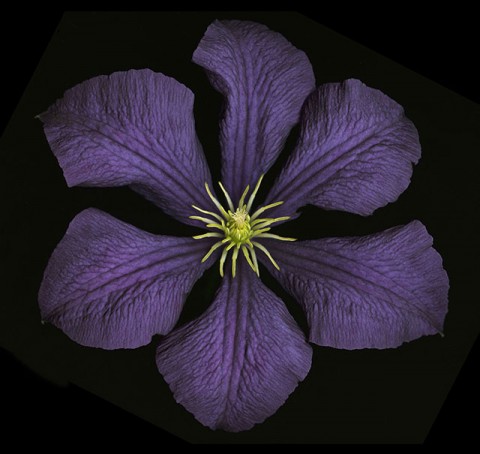
A rose by any oth­er name would smell as sweet, but could­n’t one’s appre­ci­a­tion of that aro­ma get a boost from under­stand­ing the sci­ence behind its exis­tence? So the­o­ret­i­cal physi­cist Richard Feyn­man argues from beyond the grave in ‘Ode to a Flower’, a short ani­ma­tion by Fras­er David­son. Pulling from a 1981 BBC inter­view with the charis­mat­ic Nobel lau­re­ate, David­son’s sim­ple graph­ics make the case for a mul­ti­fac­eted sense of admi­ra­tion. Revers­ing the angle, are there not those of us for whom Sci­ence is a patient ether­ized upon a table, until viewed through the warm lens of a tight­ly edit­ed ani­ma­tion? Speak­ing for myself, yes.
Let us find ways for our exist­ing pas­sions to lead to new found appre­ci­a­tions and an ever-deep­en­ing sense of won­der in the new year.

- Ayun Hal­l­i­day is the author of Peanut, a graph­ic nov­el released ear­li­er this week. Find her @AyunHalliday

Relat­ed con­tent:

Richard Feyn­man Presents Quan­tum Elec­tro­dy­nam­ics for the Non­Sci­en­tist

Leonard Susskind, Father of String The­o­ry, Warm­ly Remem­bers His Friend, Richard Feyn­man

Microscopic Battlefield: Watch as a Killer T Cell Attacks a Cancer Cell

Every day, inside our body, there is a war going on. Micro­scop­ic invaders of one kind or anoth­er try to make a meal of us, and our immune sys­tem fights back, seek­ing out the invaders and destroy­ing them. One of our body’s most impor­tant foot-sol­diers in this war is the T cell, a type of white blood cell with recep­tors that can rec­og­nize for­eign sub­stances. Like all white blood cells, T cells orig­i­nate in the bone mar­row, but then they migrate to an organ called the thy­mus (hence the “T” in “T cell”), where they evolve into spe­cial­ized immune sys­tem war­riors. Mature T cells, which leave the thy­mus and cir­cu­late around the body, come in dif­fer­ent types. One type, the cyto­tox­ic T cell, spe­cial­izes in attack­ing and killing cells of the body that are infect­ed by virus­es, bac­te­ria, or can­cer.

Which is where this fas­ci­nat­ing lit­tle video comes in. It shows a cyto­tox­ic T cell (also known as a “killer T cell”) attack­ing a can­cer­ous cell. The process is shown at 92 times the actu­al speed. And for a sense of scale, a cyto­tox­ic T cell is only 10 microns long, or about one-tenth the width of a human hair. The video was cre­at­ed by PhD stu­dent Alex Rit­ter at the Uni­ver­si­ty of Cam­bridge, and post­ed recent­ly in the uni­ver­si­ty’s “Under the Micro­scope” Web series. Rit­ter’s super­vi­sor in the Depart­ment of Med­i­cine, Pro­fes­sor Gillian Grif­fiths, explains the impor­tance of the research asso­ci­at­ed with the video:

Cyto­tox­ic T cells are very pre­cise and effi­cient killers. They are able to destroy infect­ed or can­cer­ous cells, with­out destroy­ing healthy cells sur­round­ing them.…By under­stand­ing how this works, we can devel­op ways to con­trol killer cells. This will allow us to find ways to improve can­cer ther­a­pies, and ame­lio­rate autoim­mune dis­eases caused when killer cells run amok and attack healthy cells in our bod­ies.

You can bone up on biol­o­gy by vis­it­ing the Bio sec­tion in our col­lec­tion of 625 Free Cours­es Online.

NASA Presents “The Earth as Art” in a Free eBook and Free iPad App

In 1960, NASA put its first “Earth-observ­ing envi­ron­men­tal satel­lite” into orbit, and, ever since, these satel­lites have let us observe the dynam­ics of our plan­et in a new way.  They can tell us all about chang­ing weath­er pat­terns, the impact of cli­mate change, what’s hap­pen­ing in the oceans, the coast­lines, rivers and more.

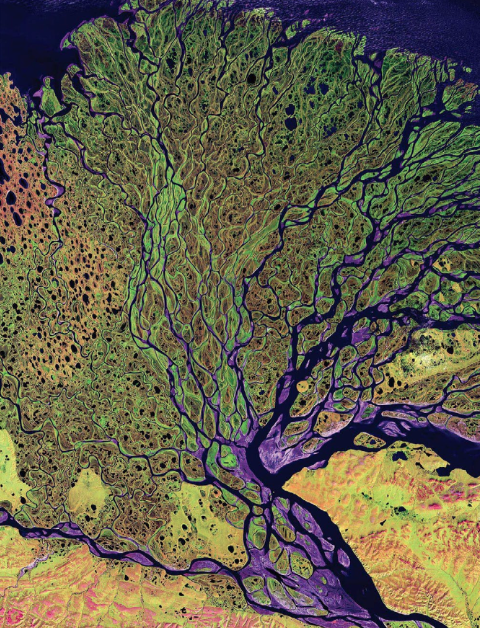
The satel­lites have also demon­strat­ed again and again the Earth’s aes­thet­ic beau­ty, revealed in the pat­terns, shapes, col­ors, and tex­tures seen from space. That beau­ty is what gets cel­e­brat­ed in NASA Earth As Art, a new visu­al pub­li­ca­tion made avail­able as a Free 160-Page eBook (PDF) and a Free iPad App. Fea­tur­ing 75 images in total, the app gives you a very aer­i­al look at places like the Himalayas, Arizona’s Paint­ed Desert, the Lena Riv­er Delta in Rus­sia (shown above), the Byrd Glac­i­er in Antarc­ti­ca, and much more. Enjoy the images, from the sur­re­al to the sub­lime.

You’ll find NASA Earth As Art list­ed in our col­lec­tion of Free eBooks. Also see these relat­ed NASA mate­ri­als:

NASA Archive Col­lects Great Time-Lapse Videos of our Plan­et

Ray Brad­bury Reads Mov­ing Poem on the Eve of NASA’s 1971 Mars Mis­sion

Great Cities at Night: Views from the Inter­na­tion­al Space Sta­tion

by | Permalink | Make a Comment ( 2 ) |

The Fascinating Science of Snow

Let it snow, let it snow, let it snow. Christ­mas songs and hol­i­day cards abound in pic­tures of pris­tine land­scapes cov­ered in fresh pow­der. But what exact­ly is that white stuff, any­way? In a lit­tle over two min­utes, The Chem­istry of Snowflakes gives us the answer. The film is the lat­est install­ment in the Byte­size Sci­ence series from the Amer­i­can Chem­i­cal Soci­ety. It’s an inter­est­ing look at a beau­ti­ful subject–and much more fun to think about than, say, the physics of shov­el­ing.

Fol­low us on Face­book and Twit­ter, and share the cul­tur­al good­ness with your friends!

via Boing­Bo­ing

Neil deGrasse Tyson Offers Advice on How to Be Yourself and Achieve Your Own Greatness

What­ev­er else it is—mordant self-mock­ery, sum­ma­tion of a life’s work in thought—Friedrich Nietzsche’s last pub­lished book, Ecce Homo: How One Becomes What One Is, is a pro­found­ly Roman­tic text, oper­at­ing on the premise that an indi­vid­ual who suf­fers for phi­los­o­phy, for art, for truth, is hero­ic, even (or espe­cial­ly) when anti-hero­ic, brood­ing, Byron­ic. Niet­zsche states one of the pur­pos­es of his strange lit­tle book as an impre­ca­tion: Hear me! For I am such and such. Above all, do not mis­take me for some­one else!

Over a cen­tu­ry after this work’s pub­li­ca­tion, a cry of pop cul­ture with its love of sim­u­lacra might be: Please mis­take me for some­one else, espe­cial­ly some­one wealthy and famous and pret­ti­er than I am! Maybe this ethos reached its zenith with Facebook’s celebri­ty look-alike day, which inspired a site called myheritage.com to use face recog­ni­tion tech­nol­o­gy for users who didn’t look enough like any­one famous to fig­ure out for them­selves who they want­ed to be. Sil­ly harm­less trend, yes, but a lit­tle sad too, since it shows how many peo­ple suf­fer from a sense that their iden­ti­ties are dwarfed into insignif­i­cance by a famous stranger who slight­ly resem­bles them. (Anoth­er, more humor­ous meme, goes some­thing like “Always be your­self, unless you can be Bat­man. Always be Bat­man”).

I offer these pop-soci­o­log­i­cal rumi­na­tions as con­text for the great Neil deGrasse Tyson’s response above to a ques­tion he receives quite a bit: “What can I do to be you?” On the one hand, it must be very flat­ter­ing to be asked this ques­tion, even though Tyson seems a pret­ty mod­est per­son. On the oth­er hand, the ques­tion is pathet­ic, I believe, for the rea­sons I sketched out above. Why be Neil deGrasse Tyson when you can be your­self? Unless you don’t believe you’re worth becom­ing. Tyson’s answer is also Roman­tic; he says, “I think the great­est of peo­ple in soci­ety carve nich­es that rep­re­sent a unique expres­sion of their com­bi­na­tion of tal­ents.” For Tyson that has meant tak­ing a set of aca­d­e­m­ic and career accom­plish­ments and using them as a plat­form for express­ing a com­bi­na­tion of tal­ents that only he has, which is to say that no one can be Neil deGrasse Tyson but Neil deGrasse Tyson. He uses the exam­ple of Michael Jor­dan, who honed his supe­ri­or tal­ent from nat­ur­al abil­i­ties, for sure, but who also cre­at­ed his own cat­e­go­ry through a tal­ent for being him­self, a com­bi­na­tion of per­son­al style, win­ning per­son­al­i­ty, lead­er­ship qual­i­ties, etc.

So what are we to con­clude from this?  Always be your­self, unless you can be Michael Jor­dan? Well, I think the gist of Tyson’s short talk is that there is no default or tem­plate for what you can become, or as he puts it, “what I do day-to-day is not the ful­fill­ment of some pre-exist­ing job descrip­tion.” And while “just be your­self” may sound like trite advice to peo­ple strug­gling to find an iden­ti­ty, Tyson sets it out as a task, not a fait accom­pli. “The task,” he says, “is to find the unique com­bi­na­tion of facts that apply to you. Then peo­ple will beat a path to your door.” It’s not a task to take on light­ly, or in Niet­zsche’s hyper­bol­ic words, it is “the heav­i­est demand ever put on mankind.”

The video above is an excerpt from a longer inter­view Neil deGrasse Tyson did for Big Think. The full inter­view is avail­able here.

Josh Jones is a writer and schol­ar cur­rent­ly com­plet­ing a dis­ser­ta­tion on land, lit­er­a­ture, and labor.

National Geographic Gives Us Intimate Moments with a Leopard Seal

Too bad there are no leop­ard seals on Nation­al Geo­graph­ic’s pay­roll. Pho­tog­ra­ph­er Paul Nicklen’s inti­mate por­traits of the one who took par­tic­u­lar inter­est in him on a recent Antarc­tic expe­di­tion are delight­ful. Imag­ine how great it would be to have some reverse angle reac­tion shots of Nicklen as his new friend attempts to serve him a suc­ces­sion of live, dead, and muti­lat­ed pen­guins.

He may have turned up his nose at his sub­jec­t’s cui­sine, but Nicklen brings some­thing else to the table, name­ly four days’ worth of up close and per­son­al shots of an ani­mal doing some­thing oth­er than going about its busi­ness. With­out anthro­po­mor­phiz­ing its inten­tions over much, this crea­ture went out of its way to accli­mate its strange guest to his new sur­round­ings, stick­ing around when less­er hosts would have aban­doned him along­side the buf­fet. Pret­ty cool when you con­sid­er that Nick­len’s entire head could — and briefly did — fit inside its mas­sive, sharp fanged jaws.

Relat­ed Con­tent:

Mari­achi Band Ser­e­nades Bel­u­ga Whale at Mys­tic Aquar­i­um

The Wild King­dom: Brought to You by Mutu­al of Oma­ha (It’s on YouTube)

Film­ing a Sprint­ing Chee­tah at 1,200 Frames Per Sec­ond

- Ayun Hal­l­i­day’s encoun­ters with species oth­er than her own are a fea­ture of her mem­oir, No Touch Mon­key! And Oth­er Trav­el Lessons Learned Too Late

Google Presents an Interactive Visualization of 100,000 Stars

Stargaz­ers of all ages will enjoy the lat­est Google exper­i­ment designed for Chrome. One Hun­dred Thou­sand Stars is an inter­ac­tive map of space includ­ing the loca­tions of—you guessed it—more than 100,000 stars.

Ren­dered in three dimen­sions, our know­able, mapped galaxy is both stag­ger­ing­ly vast and easy to nav­i­gate. With imagery and data from NASA and the Euro­pean Space Agency, Google’s Chrome Work­shop built a 3D mod­el of our lit­tle cor­ner of the uni­verse.

You can pre­view One Hun­dred Thou­sand Stars above. Or you can enter the map, click on the upper left cor­ner, and take a tour of your own. You’ll start just beyond the stars that astronomers have stud­ied and named. Swipe all the way into our own solar sys­tem. The first thing you’ll notice is that Plu­to isn’t includ­ed, invit­ing a new mnemon­ic for the plan­et names (My Very Earnest Moth­er Just Served Us Nec­tarines?). That hazy cloud about a light year from the sun is the Oort Cloud, a mass of comets that’s thought to mark the out­er edge of the sun’s grav­i­ta­tion­al pull.

Swipe out a bit to see 87 rel­a­tive­ly near­by stars. Click on their names to read about them. Sir­ius is the bright­est in the night sky, part­ly because of its own lumi­nos­i­ty but also because it is com­par­a­tive­ly close to Earth. Vega is so well stud­ied that its bright­ness is used as the base­line to clas­si­fy stars accord­ing to their col­or.

Swipe out fur­ther for a galac­tic view of the Milky Way. It appears as a beau­ti­ful illu­mi­nat­ed disc cen­tered around a bright bulge. This shape is called the Galac­tic Plane. Click and drag to tilt the disc this way and that. Total­ing to some 400 bil­lion stars and as many plan­ets, the Milky Way does in fact bulge at its cen­ter, though astronomers think that the true core is real­ly an intense black hole.

Notice the tiny icon to “Tog­gle Spec­tral Index” up in the left cor­ner. On one set­ting, each cloud is pix­i­lat­ed to high­light its col­or (a key iden­ti­fi­er for astronomers).

Here’s where it helps to know a lit­tle about stars and how they form. Stars begin as clouds of most­ly hydro­gen, becom­ing grad­u­al­ly so dense through the process of nuclear fusion that even grav­i­ty can­not make them fly apart.

The amount of light a star gives off is mea­sured as dif­fer­ent col­ors and tem­per­a­tures. “Hot­ter” stars are younger and give off more blue light, and so are indi­cat­ed as blue. “Cool” stars are old­er, give off less blue light, and are indi­cat­ed as red.

By the way, the music behind One Hun­dred Thou­sand Stars is by Sam Hulick, whose music gamers may rec­og­nize  from Mass Effect.

Kate Rix writes about dig­i­tal media and edu­ca­tion. Vis­it her web­site and her blog, thenifty.blogspot.com.

Adam Savage (Host of MythBusters) Explains How Simple Ideas Become Great Scientific Discoveries

A good TED talk is like a com­mer­cial for a great idea. There might not be much meat to sink into, but like any good ad agency, TED has its own unique for­mu­la for mak­ing even the most eso­teric sub­ject grab­by.

Who, after all, would have thought that a video of a British guy lec­tur­ing about how schools kill cre­ativ­i­ty would get more than 8 mil­lion hits? Evi­dent­ly the folks at TED did, and were they ever right.

Good TED talks come in a few fla­vors. That British guy I men­tioned? Sir Ken Robinson’s talk about con­tem­po­rary edu­ca­tion is one of TED’s best pol­i­cy cri­tique talks (and its most pop­u­lar over­all). There are also the per­son­al sto­ries that com­pel and the demon­stra­tions of great new ideas.

This talk by actor and edu­ca­tor Adam Sav­age might fall into more than one of those buck­ets. In the video above, Savage—who designed mod­els for two Star Wars movies and hosts Myth­busters on the Dis­cov­ery Channel—talks plain and sim­ple about some of humanity’s most amaz­ing sci­en­tif­ic dis­cov­er­ies. He walks us through how Eratos­thenes cal­cu­lat­ed the Earth’s cir­cum­fer­ence more than 2000 years ago and how Hip­poly­te Fizeau mea­sured the speed of light in the mid-1880s.

These two men used noth­ing more than their own brains and a few rel­a­tive­ly sim­ple tools to make aston­ish­ing­ly accu­rate obser­va­tions. It’s stuff we already know, but in true TED style Sav­age makes the whole thing rev­e­la­to­ry and inspir­ing.

“What hap­pens when you think about the dis­cov­er­ies and what they were think­ing is you under­stand that they were not so dif­fer­ent from us,” Sav­age says. “The peo­ple who made these dis­cov­er­ies just thought a lit­tle bit hard­er about what they were look­ing at. And they were a lit­tle bit more curi­ous.”

Savage’s video is part of TEDEd’s Lessons Worth Shar­ing, which comes bun­dled with oth­er videos and exer­cis­es that teach­ers can use to dis­cuss the notion that sim­ple ideas can lead to sci­en­tif­ic dis­cov­ery.

It’s also a very good  com­mer­cial for curios­i­ty. Sev­en and a half min­utes pro­mot­ing curios­i­ty. Take a look. Curios­i­ty, as Sav­age says, can change the world.

Relat­ed Con­tent:

Adam Sav­age (Host of Myth­busters) Tells Sarah Lawrence Grads to Think Broad­ly … and Don’t Work for Fools

1370 TED Talks List­ed in a Neat Spread­sheet

TED-Ed Brings the Edgi­ness of TED to Learn­ing

Kate Rix writes about dig­i­tal media and edu­ca­tion. See more of her work at and thenifty.blogspot.com.

« Go BackMore in this category... »
Quantcast