Watch Student Science Experiments Conducted on the International Space Station at 10:30 AM EDT

When YouTube Space Lab launched a com­pe­ti­tion call­ing for exper­i­ments to be con­duct­ed aboard the Inter­na­tion­al Space Sta­tion, thou­sands of high school stu­dents around the world respond­ed. The two win­ning exper­i­ments will be per­formed live Thurs­day at 7:30am PDT / 9:30am CDT / 10:30am EDT / 3:30pm BST / 4:30pm CEST. Back on Earth, we can watch astro­naut Suni­ta Williams live in the micro­grav­i­ty cap­sule as she puts the exper­i­ments to the test.

Stu­dents sub­mit­ted short videos explain­ing the sci­en­tif­ic exper­i­ments they hoped to see test­ed aboard the space sta­tion. One of the win­ning pro­pos­als, from Amr Mohamed of Egypt, asks whether zebra spi­ders, which jump on their prey, will be able to catch their food in their usu­al way in micro­grav­i­ty. The oth­er exper­i­ment, from Dorothy Chen and Sara Ma of Michi­gan, asks whether the growth of bac­te­ria deliv­ered into space will slow down when cer­tain com­pounds are added.

YouTube view­ers helped choose the win­ners from a pool of six semi-final­ists. Then mate­ri­als need­ed to con­duct the two win­ning exper­i­ments were packed into a rock­et and sent up to the space sta­tion, 250 miles above the Earth.

Watch live as Williams observes bac­te­ria and hun­gry zebra spi­ders in micro­grav­i­ty. Will the spi­ders fig­ure out a new way to hunt?

Kate Rix is a free­lance writer in Oak­land. See more of her work at .

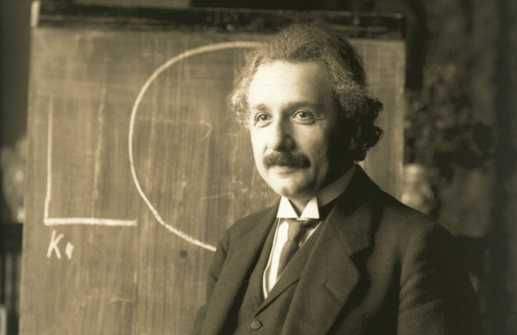
“Do Scientists Pray?”: A Young Girl Asks Albert Einstein in 1936. Einstein Then Responds.

einstein on god

Albert Ein­stein endeav­ored to express his view of God as forth­right­ly as pos­si­ble to a pub­lic eager to know where he stood in the pop­u­lar con­flict between sci­ence and reli­gion. In 1936, a sixth-grade girl named Phyl­lis wrote him a let­ter on behalf of her Sun­day School class. “We have brought up the ques­tion,” she wrote, “Do sci­en­tists pray? It began by ask­ing whether we could believe in both sci­ence and reli­gion.” Einstein’s reply is some­what equiv­o­cal. He is clear enough in stat­ing that a sci­en­tif­ic fideli­ty to the “laws of nature” means that “a sci­en­tist can­not be inclined to believe that the course of events can be influ­enced by prayer, that is, by a super­nat­u­ral­ly man­i­fest­ed wish.” This would seem to set­tle the ques­tion. How­ev­er, he goes on to invoke the philoso­pher Spinoza’s god and dis­tin­guish between intel­lec­tu­al humil­i­ty and won­der, on the one hand, and a more pop­u­lar, super­nat­ur­al faith on the oth­er.

How­ev­er, we must con­cede that our actu­al knowl­edge of these forces is imper­fect, so that in the end the belief in the exis­tence of a final, ulti­mate spir­it rests on a kind of faith. Such belief remains wide­spread even with the cur­rent achieve­ments in sci­ence.

But also, every­one who is seri­ous­ly involved in the pur­suit of sci­ence becomes con­vinced that some spir­it is man­i­fest in the laws of the uni­verse, one that is vast­ly supe­ri­or to that of man. In this way the pur­suit of sci­ence leads to a reli­gious feel­ing of a spe­cial sort, which is sure­ly quite dif­fer­ent from the reli­gios­i­ty of some­one more naive.

This is prob­a­bly not the response that Phyl­lis and her class had hoped for, and they (or their teacher) may have tak­en offense at the descrip­tion of their faith as “naïve.” But Einstein’s care­ful reply also express­es a kind of sci­en­tif­ic awe that acknowl­edges the lim­its of rea­son and leads to a kind of sub­lime feel­ing that can legit­i­mate­ly be called “reli­gious” (much as Carl Sagan would do decades lat­er). This, I believe, is not a casu­al or cal­lous dis­missal of Phyllis’s faith, some­thing that so-called “New Athe­ists” are often accused of (just­ly or not). Instead it’s a con­sid­ered response in which the great physi­cist shares his own ver­sion of “faith”–his faith in Nature, or the “laws of the uni­verse,” which he con­cedes are “vast­ly supe­ri­or to man.” I think it’s a mov­ing exchange between two peo­ple who couldn’t be fur­ther apart in their under­stand­ing of the world, but who just may have found some small com­mon ground in con­sid­er­ing each other’s posi­tions for a moment.

Ein­stein’s cor­re­spon­dence comes to us via the always illu­mi­nat­ing Let­ters of Note

Josh Jones is a doc­tor­al can­di­date in Eng­lish at Ford­ham Uni­ver­si­ty and a co-founder and for­mer man­ag­ing edi­tor of Guer­ni­ca / A Mag­a­zine of Arts and Pol­i­tics.

What Do Satellites Have in Common with Falling Cats? Attitude Control

Have you ever won­dered how the Hub­ble Space Tele­scope and oth­er satel­lites can be point­ed in any direc­tion at the will of sci­en­tists on the ground? Giv­en the ener­gy con­straints for satel­lites designed to stay in space for years, the tech­ni­cal chal­lenges are immense.

In this video from the “Smarter Every Day” YouTube series we learn a lit­tle about two clever meth­ods sci­en­tists use to con­trol the atti­tude, or ori­en­ta­tion, of satel­lites with very lit­tle ener­gy. The first method exploits the pow­er of the Earth­’s mag­net­ic field by using elec­tric cur­rent to selec­tive­ly acti­vate elec­tro­mag­nets and nudge the satel­lite in a desired direc­tion, rather like the nee­dle of a com­pass. The sec­ond and, in some ways, more fas­ci­nat­ing method takes its inspi­ra­tion from the amaz­ing­ly agile cat. It has long been known that cats can fall from any ini­tial ori­en­ta­tion and almost always land on their feet. They can reori­ent them­selves 180 degrees with­out vio­lat­ing the con­ser­va­tion of angu­lar momen­tum. They do it by adjust­ing their shape and thus rear­rang­ing the mass, and chang­ing the moment of iner­tia, with­in their bod­ies. Sci­en­tists employ a sim­i­lar tac­tic using mov­ing parts with­in satel­lites.

The host of the “Smarter Every Day” videos goes only by the name of “Des­tin,” and is report­ed­ly a mis­sile engi­neer at the U.S. Army’s Red­stone Arse­nal, near Huntsville Alaba­ma. Some view­ers will, like us, find the tone and sen­si­bil­i­ty of this video juve­nile and annoy­ing, with its overuse of the words “cool” and “awe­some” and with the gra­tu­itous cat-drop­ping scenes (note to future YouTube auteurs: con­sid­er using stock footage) but the sci­ence itself is, with­out a doubt, fas­ci­nat­ing.

Bill Nye, The Science Guy, Says Creationism is Bad for Kids and America’s Future

Bill Nye will tell you that he’s a man on a mis­sion. He’s out there try­ing to “help fos­ter a sci­en­tif­i­cal­ly lit­er­ate soci­ety, to help peo­ple every­where under­stand and appre­ci­ate the sci­ence that makes our world work.” From 1993 to 1998, Nye host­ed Bill Nye the Sci­ence Guya Disney/PBS chil­dren’s sci­ence show that won 18 Emmys along the way. A grad­u­ate of Cor­nell and a stu­dent of Carl Sagan, Nye has also pre­sent­ed shows on the Sci­ence Chan­nel, the Dis­cov­ery Chan­nel and oth­er media out­lets.

If you’re famil­iar with Bill Nye, you’ll know that he’s not exact­ly an in-your-face kind of sci­en­tist. He’s no Richard Dawkins. Nye is mild-man­nered, affa­ble and wears a bow tie. But, like Dawkins, he’ll tell you that if you deny evo­lu­tion, you’re not liv­ing in the world of basic facts. And if you teach cre­ation­ism to kids, you’re not prepar­ing them to com­pete in a world where sci­en­tif­ic lit­er­a­cy means every­thing. That bodes ill for your kids in par­tic­u­lar, and for Amer­i­ca’s future more gen­er­al­ly.

Now you might be inclined to say that Amer­i­ca has always had cre­ation­ists, and that did­n’t stop the coun­try from becom­ing an eco­nom­ic and mil­i­tary super­pow­er. Per­haps that’s true. But you need to recall this. Amer­i­ca reached its zenith when every oth­er pow­er had blown them­selves to smithereens. We were the only game in town. And it almost did­n’t mat­ter what we thought, or how much we thought. We just need­ed to show up to work. Nowa­days, we don’t have that lux­u­ry. We face stiff com­pe­ti­tion from ambi­tious nations that take sci­ence and edu­ca­tion seri­ous­ly. A coun­try that scoffs at sci­en­tif­ic rea­son­ing, that dis­miss­es it all as “elit­ist,”  has only one way to go, and that’s down. God help us.

You can find more clips from Nye’s talk here.

Relat­ed Con­tent:

Carl Sagan Presents Six Lec­tures on Earth, Mars & Our Solar Sys­tem … For Kids (1977)

Grow­ing Up in the Uni­verse: Richard Dawkins Presents Cap­ti­vat­ing Sci­ence Lec­tures for Kids (1991)

by | Permalink | Make a Comment ( 18 ) |

This is What Oliver Sacks Learned on LSD and Amphetamines

In this week’s issue of the New York­er, neu­rol­o­gist and writer Oliv­er Sacks has an arti­cle titled “Altered States.” Sub­ti­tled “Self-exper­i­ments in chem­istry,” it cov­ers, to be blunter, what Sacks expe­ri­enced and learned — or failed to learn, sub­stance depend­ing — when he began doing drugs.

His desire to con­duct these self-exper­i­ments flared up in his thir­ties, when, among oth­er sud­den jolts of curios­i­ty, he felt a sus­pi­cion that he had nev­er real­ly seen the col­or indi­go. “One sun­ny Sat­ur­day in 1964, I devel­oped a phar­ma­co­log­ic launch­pad con­sist­ing of a base of amphet­a­mine (for gen­er­al arousal), LSD (for hal­lu­cino­genic inten­si­ty), and a touch of cannabis (for a lit­tle added delir­i­um). About twen­ty min­utes after tak­ing this, I faced a white wall and exclaimed, ‘I want to see indi­go now — now!’ ” The result­ing expe­ri­ence, and sure­ly many oth­ers besides, should appear in detail in Sacks’ upcom­ing book Hal­lu­ci­na­tions. While you need to sub­scribe to the mag­a­zine to read the New York­er piece, any­one can watch the video above, which spends a few min­utes with Sacks talk­ing about what drugs taught him about the brain.

Every sub­ject Sacks writes about seems to start with his inter­est in our unusu­al sen­so­ry expe­ri­ences and end in the organ­ic work­ings of our brains. His body of work com­pris­es books on migraine, encephali­tis, visu­al agnosia, deaf­ness, autism, col­or blind­ness, and var­i­ous oth­er per­cep­tu­al impair­ments. Think­ing back to his self-induced hal­lu­ci­na­tions, he remem­bers feel­ing that “the drugs might sen­si­tize me to expe­ri­ences of a sort my patients could have,” mak­ing him more empa­thet­ic to what they were going through. On the oth­er hand, he says, some drugs “gave me some very direct knowl­edge of what phys­i­ol­o­gists would call the reward sys­tems of the brain,” pro­duc­ing “intense plea­sure, some­times plea­sure of an almost orgas­mic degree, with no par­tic­u­lar con­tent,” the kind that made him fear he would become one of those famous lab rats with an elec­trode con­nect­ed to its brain’s plea­sure cen­ter, push­ing and push­ing the lever to stim­u­late that cen­ter to the very end. But he stepped back, observed, wrote, and avoid­ed that fate, or at least its equiv­a­lent in the human domain, liv­ing to tell the tale more elo­quent­ly than most any writer around.

(See also: more from Oliv­er Sacks on the New York­er’s Out Loud pod­cast.)

Relat­ed con­tent:

Oliv­er Sacks Talks Music with Jon Stew­art

Oliv­er Sacks on the iPod

Col­in Mar­shall hosts and pro­duces Note­book on Cities and Cul­ture. Fol­low him on Twit­ter at @colinmarshall.

Do Yourself a Favor and Watch Stress: Portrait of a Killer (with Stanford Biologist Robert Sapolsky)

Intel­li­gence comes at a price. The human species, despite its tal­ent for solv­ing prob­lems, has man­aged over the mil­len­nia to turn one of its most basic sur­vival mechanisms–the stress response–against itself. “Essen­tial­ly,” says Stan­ford Uni­ver­si­ty neu­ro­bi­ol­o­gist Robert Sapol­sky, “we’ve evolved to be smart enough to make our­selves sick.”

In the 2008 Nation­al Geo­graph­ic doc­u­men­tary Stress: Por­trait of a Killer (above), Sapol­sky and fel­low sci­en­tists explain the dead­ly con­se­quences of pro­longed stress. “If you’re a nor­mal mam­mal,” Sapol­sky says, “what stress is about is three min­utes of scream­ing ter­ror on the savan­nah, after which either it’s over with or you’re over with.” Dur­ing those three min­utes of ter­ror the body responds to immi­nent dan­ger by deploy­ing stress hor­mones that stim­u­late the heart rate and blood pres­sure while inhibit­ing oth­er func­tions, like diges­tion, growth and repro­duc­tion.

The prob­lem is, human beings tend to secrete these hor­mones con­stant­ly in response to the pres­sures of every­day life. “If you turn on the stress response chron­i­cal­ly for pure­ly psy­cho­log­i­cal rea­sons,” Sapol­sky told Mark Shwartz in a 2007 inter­view for the Stan­ford News Ser­vice, “you increase your risk of adult onset dia­betes and high blood pres­sure. If you’re chron­i­cal­ly shut­ting down the diges­tive sys­tem, there’s a bunch of gas­troin­testi­nal dis­or­ders you’re more at risk for as well.”

Chron­ic stress has also been shown in sci­en­tif­ic stud­ies to dimin­ish brain cells need­ed for mem­o­ry and learn­ing, and to adverse­ly affect the way fat is dis­trib­uted in the body. It has even been shown to mea­sur­ably accel­er­ate the aging process in chro­mo­somes, a result that con­firms our intu­itive sense that peo­ple who live stress­ful lives grow old faster.

By study­ing baboon pop­u­la­tions in East Africa, Sapol­sky has found that indi­vid­u­als low­er down in the social hier­ar­chy suf­fer more stress, and con­se­quent­ly more stress-relat­ed health prob­lems, than dom­i­nant indi­vid­u­als. The same trend in human pop­u­la­tions was dis­cov­ered in the British White­hall Study. Peo­ple with more con­trol in work envi­ron­ments have low­er stress, and bet­ter health, than sub­or­di­nates.

Stress: Por­trait of a Killer is a fas­ci­nat­ing and impor­tant documentary–well worth the 52 min­utes it takes to watch.

Relat­ed con­tent:

Sapol­sky Breaks Down Depres­sion

Dopamine Jack­pot! Robert Sapol­sky on the Sci­ence of Plea­sure

Biol­o­gy That Makes Us Tick: Free Stan­ford Course by Robert Sapol­sky

Take a Panoramic Tour of NASA’s Kennedy Space Center with Google Street View

The Kennedy Space Cen­ter in Flori­da turns 50 this year. To cel­e­brate the occa­sion, NASA and Google Street View have teamed up to give the pub­lic unprece­dent­ed access to this cen­ter of space inno­va­tion. Start­ing today, you can explore 6,000 panoram­ic views of the Space Cen­ter. Some of the high­lights tout­ed by Google include:

You can start your tour here. Oth­er great places to vis­it with Street View include: Pom­peii and oth­er his­tor­i­cal sites, the Ama­zon BasinShackleton’s Antarc­tic, Ver­sailles, The White House, and 151 Great Muse­ums Across the Globe.

via Giz­mo­do and Google

Neil deGrasse Tyson’s StarTalk Radio Show Podcast Tackles the History of Video Games

Neil deGrasse Tyson has a pod­cast. I repeat, Neil deGrasse Tyson has a pod­cast. If you’re unfa­mil­iar (and you shouldn’t be), Tyson is Astro­physi­cist-in-res­i­dence at New York’s Nat­ur­al His­to­ry Muse­um and Direc­tor of its Hay­den Plan­e­tar­i­um. He’s also the most promi­nent advo­cate for a revi­tal­ized U.S. space pro­gram. Okay, back to the pod­cast. As an avid con­sumer of every sci­ence-based pod­cast out there, I can tell you that the StarTalk Radio Show (iTunesFeedWeb Site) has quick­ly risen to the top of my list. The very per­son­able Tyson is the big draw, but he has also made the wise deci­sion to include “come­di­an co-hosts, celebri­ties, and oth­er spe­cial guests.” In the episode right below, Tyson and come­di­an Eugene Mir­man (whom you might rec­og­nize as the voice of Gene from Bob’s Burg­ers) mix it up with video game design­er Will Wright and author Jeff Ryan.

Ryan’s Super Mario: How Nin­ten­do Con­quered Amer­i­ca—and the his­to­ry of video games more generally—is the top­ic of the show. Despite the less-than-stel­lar audio qual­i­ty, this is not to be missed. The con­ver­sa­tion is rapid-fire: Mir­man inter­jects hilar­i­ous inani­ties while Wright and Ryan speed through the fas­ci­nat­ing his­to­ry and Tyson throws knuck­le­ball ques­tions and enthus­es (at 4:30) that the “first real video game,” Space Wars, was about, what else, space. We also get the his­to­ry of the unfor­get­table Pong (at 5:59), the orig­i­nal Star Wars game (at 8:17), and, nat­u­ral­ly, Don­key Kong (at 3:19), designed by the now wild­ly famous (in Japan, at least) Shigeru Miyamo­to–who also invent­ed Mario, and who had nev­er designed a game in his life before Don­key Kong. All this and some clas­sic 8‑bit video game music to boot.

StarTalk in gen­er­al has much to rec­om­mend it. Tyson is the “nation’s fore­most expert on space,” and is prob­a­bly instant­ly rec­og­niz­able from his host­ing of NOVA sci­en­ceNow and his best­selling books. He is the pub­lic face of a sci­en­tif­ic com­mu­ni­ty often in need of good press, and he has the rare abil­i­ty to trans­late abstruse con­cepts to the gen­er­al pub­lic in a humor­ous and approach­able way. Pre­vi­ous guest­s/­co-hosts have includ­ed Janeane Garo­fa­lo (in the “most argu­men­ta­tive Startalk pod­cast ever”) and John Hodg­man (of the Dai­ly Show and the “Mac vs. PC” ads). But above all, c’mon, it’s Neil deGrasse Tyson. The man deserved­ly has his own inter­net meme, inspired by his dra­mat­ic ges­tures in this video dis­cus­sion of Isaac New­ton from Big Think.

Enough said.

Watch the full Big Think inter­view with Tyson here. And don’t for­get to sub­scribe to the StarTalk Radio Show (iTunes — Feed — Web Site).

Josh Jones is a doc­tor­al can­di­date in Eng­lish at Ford­ham Uni­ver­si­ty and a co-founder and for­mer man­ag­ing edi­tor of Guer­ni­ca / A Mag­a­zine of Arts and Pol­i­tics.

« Go BackMore in this category... »
Quantcast