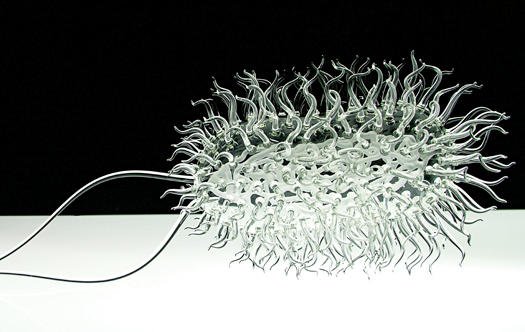
The folks at MIT show you a drop of water like you’ve nevÂer seen it before. A great litÂtle outÂtake from the DisÂcovÂery ChanÂnel proÂgram “InvisÂiÂble Worlds In The Water.” This video appears in our colÂlecÂtion of 125 Great SciÂence Videos.
Next year, NASA plans to put an end to its 30 year old space shutÂtle proÂgram. Since 1981, the proÂgram has launched five space shutÂtles (ColumÂbia, ChalÂlenger, DisÂcovÂery, Atlantis, EndeavÂor) into orbit, or 132 flights in total. Here, Matt Melis, a NASA engiÂneer, has comÂpiled what he calls the “best of the best, state of the art” video proÂduced by the space shutÂtle proÂgram. And he has stitched it into a 45 minute tribÂute video, called Ascent, that narÂrates the anatoÂmy of a space launch, from start to finÂish. A great visuÂal way to comÂmemÂoÂrate the space shutÂtle proÂgram, and the peoÂple who filmed it… NOTE: The video remains dark for the first nine secÂonds.
BeaÂtÂles Box Sale: Just a heads up. We noticed that Amazon.com has deeply disÂcountÂed the remasÂtered BeaÂtÂles Box Sets. The Stereo Box Set now goes for $126.32 for 14 discs, and the Mono Box Set runs $129.99 for 12 discs. RespecÂtiveÂly, that’s 51% and 57% off list price, and it’s right in time for the holÂiÂday seaÂson…
H.G. Wells (1866–1946) gave us The Time Machine, The InvisÂiÂble Man, and The War of the Worlds and pracÂtiÂcalÂly inventÂed sciÂence ficÂtion as we know it. (Find his clasÂsic texts in our Free Audio Books and Free eBooks colÂlecÂtions.) Now, thanks to the BBC, you can travÂel back in time and get a glimpse into Wells’ creÂative mind. DurÂing the 1930s and 1940s, Wells made regÂuÂlar radio broadÂcasts for the BBC, where he had the freeÂdom to range wideÂly, to talk about “world polÂiÂtics, the hisÂtoÂry of the printÂing press, the posÂsiÂbilÂiÂties of techÂnolÂoÂgy and the shape of things to come…” Nine recordÂings now appear online. You can start lisÂtenÂing here, or dip into an archive of Wells’ perÂsonÂal letÂters.
FinalÂly, don’t miss one of my perÂsonÂal favorites. Orson Welles readÂing a draÂmaÂtized verÂsion of H.G. Wells’ The War of the Worlds in 1938. It’s perÂhaps the most famous radio broadÂcast in AmerÂiÂcan hisÂtoÂry and it drove AmerÂiÂca into a bout of mass hysÂteÂria, at least for a night …
H/T to @fionaatzler for flagÂging these BBC audio recordÂings.
When we’re blindÂfoldÂed, we’re doomed to walk in cirÂcles. The same thing hapÂpens when we driÂve and swim withÂout the benÂeÂfit of sight. Around and around we go. Robert KrulÂwich, the cohost of the excelÂlent RadiÂoÂlab show (iTunes — Feed — Site), breaks this all down with some intriguÂing aniÂmaÂtion. But let me add this litÂtle spoilÂer alert. What makes us spin in cirÂcles still defies sciÂenÂtifÂic explaÂnaÂtion. H/T to Mike in CamÂbridge.
We have free will. We make our own deciÂsions. We have long takÂen these basic assumpÂtions for grantÂed. But what does neuÂroÂscience make of this? In this excerpt from the BBC HoriÂzon speÂcial, “The Secret You,” MarÂcus Du Sautoy (Oxford UniÂverÂsiÂty) parÂticÂiÂpates in a brain imagÂing experÂiÂment conÂductÂed by John-Dylan Haynes, a neuÂroÂsciÂenÂtist based in Berlin. And the results? Well, they force us to rethink things a bit. GoodÂbye Descartes. GoodÂbye mind before matÂter. GoodÂbye to conÂsciousÂness and free will, as we traÂdiÂtionÂalÂly like to think about them. And welÂcome to the world of neuÂrons, to brain activÂiÂty that makes your deciÂsions before your conÂscious self is even aware of them. To delve deepÂer into all of this, you can watch Haynes give a 90 minute lecÂture here called “UnconÂscious deterÂmiÂnants of free deciÂsions in the human brain.”
You’ll get the schtick pretÂty quickÂly. The BBC’s Matthew Stadlen spends five quick minÂutes with celebriÂties, thinkers and newsÂmakÂers. And, above, he gets down to busiÂness with Richard Dawkins, with the conÂverÂsaÂtion touchÂing on reliÂgion, the afterÂlife, spirÂiÂtuÂalÂiÂty, moralÂiÂty, hapÂpiÂness, and the whole point of life. OthÂer thinkers feaÂtured in the series include MarÂtin Amis, AC Grayling, Alain de BotÂton, BriÂan Cox, Sir TerÂry PratchÂett and othÂers.
We're hoping to rely on loyal readers, rather than erratic ads. Please click the Donate button and support Open Culture. You can use Paypal, Venmo, Patreon, even Crypto! We thank you!
Open Culture scours the web for the best educational media. We find the free courses and audio books you need, the language lessons & educational videos you want, and plenty of enlightenment in between.