When Glenn O’Brien’s TV Party Brought Klaus Nomi, Blondie & Basquiat to Public Access TV (1978–82)

“This is not a test!” the host shouts into his micro­phone. “This is an actu­al show!” If you lived in New York and had cable in the late 1970s, you may have wit­nessed it your­self — and you may well have need­ed the reminder, because this show nei­ther looked nor felt like any­thing that ever aired before. A fix­ture on pub­lic access Chan­nel D and Chan­nel J from 1972 to 1982, it threw down a rede­f­i­n­i­tion of tele­vi­su­al pos­si­bil­i­ties that has­n’t just sur­vived as a time cap­sule of the down­town Man­hat­tan scene at its cre­ative rolling boil, but retains its anar­chic charge to this day. Wel­come, whether you first tuned in back then or have only just tuned in on the inter­net now, to Glenn O’Brien’s TV Par­ty.

O’Brien, who co-cre­at­ed and presided over the show, did­n’t always shout, but when he did, he man­aged to retain his dead­pan self-pos­ses­sion. He even kept his cool when hang­ing out, live on the air, with the reg­u­lars of a guest list includ­ing “David Bowie, David Byrne, Robert Fripp, the B‑52s, Chris Bur­den, George Clin­ton, Iggy Pop, Steven Meisel, Mick Jones, James Chance, John Lurie, Klaus Nomi, Kraftwerk, the Scream­ers, Robert Map­plethor­pe, Jean-Michel Basquiat, Nile Rodgers, Kid Cre­ole, the Offs, Alex Chilton, the Brides of Funken­stein, Arthur Rus­sell, David McDer­mott, and Charles Rock­et, just to name a few.” At its height, TV Par­ty let its audi­ence hang out with such lumi­nar­ies almost every week as well — lit­er­al­ly, if they man­aged to find their way to the stu­dio.

Hav­ing attained sub­cul­tur­al fame as the first edi­tor of Andy Warhol’s Inter­view mag­a­zine, the Cleve­land-born O’Brien also engaged in such straight­for­ward­ly coun­ter­cul­tur­al efforts as writ­ing for, and lat­er edit­ing, the infa­mous jour­nal of the cannabis lifestyle High Times.

That bit of sta­tus drew an invi­ta­tion to appear on the ear­ly pub­lic-access vari­ety pro­gram The Coca Crys­tal Show. The expe­ri­ence imme­di­ate­ly inspired him to cre­ate one of his own, a strike against the threat to free speech he sensed when mass media meant just a few main­stream tele­vi­sion chan­nels. And so O’Brien, along with Blondie co-founder and gui­tarist Chris Stein, launched TV Par­ty, a drug-fueled re-inter­pre­ta­tion of Hugh Hefn­er’s Play­boy After Dark, “the TV show that’s a par­ty,” as he put it in a mem­o­rably askew phras­ing on its very first broad­cast, “but which could be a polit­i­cal par­ty.”

Here we have a few par­tic­u­lar­ly mem­o­rable TV Par­ty evenings, includ­ing a per­for­mance by the not-of-this-earth pro­to-glam-rock­er Klaus Nomi, an inter­view of painter Jean-Michel Basquiat (who became a reg­u­lar pres­ence on the show and a “lit­tle broth­er” fig­ure to the crew), and an episode with Blondie. Vice put up TV Par­ty best-of a cou­ple years ago, which has let a new gen­er­a­tion expe­ri­ence what now seems strik­ing­ly like a pre­de­ces­sor of the shows cre­at­ed for the inter­net video plat­forms they fre­quent today. It also includes a 90-minute doc­u­men­tary about the his­to­ry of TV Par­ty, which pro­vides the nec­es­sary his­tor­i­cal and cul­tur­al con­text for those unfa­mil­iar with the New York O’Brien describes as “like a third-world coun­try.” Shot in the ghost­ly black-and-white one asso­ciates with 1970s video artists, its visu­al ele­ments either psy­che­del­i­cal­ly bleed­ing into or jagged­ly cut­ting between one anoth­er, “the show could get abstract quick­ly,” remem­bers O’Brien.

But in uphold­ing its mis­sion to erase the dis­tinc­tion between per­former and audi­ence, TV Par­ty belongs as much to the late 70s as it does to the 21st cen­tu­ry. It used to the fullest extent pos­si­ble the free­dom of pub­lic-access tele­vi­sion, very much the Youtube of its day. (Cer­tain­ly the callers-in could sound just as abu­sive as Youtube com­menters.) It even end­ed in the high­ly mod­ern fash­ion of not get­ting can­celed, but sim­ply fad­ing away, the stretch­es between episodes grow­ing longer and longer. “Maybe Chris and I will start it up again,” O’Brien spec­u­lates in the doc­u­men­tary, but he pre­sum­ably has his hands full with his lat­est talk show: Tea at the Beat­rice with Glenn O’Brien, cre­at­ed espe­cial­ly for the inter­net. The sen­si­bil­i­ty may have changed — nobody fires up a joint on cam­era any­more — but the excite­ment of explor­ing unchart­ed media ter­ri­to­ry remains.

Relat­ed Con­tent:

Blondie Plays CBGB in the Mid-70s in Two Vin­tage Clips

Klaus Nomi: The Bril­liant Per­for­mance of a Dying Man

David Bowie and Klaus Nomi’s Hyp­not­ic Per­for­mance on SNL (1979)

The Odd Cou­ple: Jean-Michel Basquiat and Andy Warhol, 1986

Based in Seoul, Col­in Mar­shall writes and broad­casts on cities and cul­ture. He’s at work on a book about Los Ange­les, A Los Ange­les Primer, the video series The City in Cin­e­ma, the crowd­fund­ed jour­nal­ism project Where Is the City of the Future?, and the Los Ange­les Review of Books’ Korea Blog. Fol­low him on Twit­ter at @colinmarshall or on Face­book.

Marie Osmond Performs the Dadaist Poem “Karawane” on the TV Show, Ripley’s Believe It or Not (1985)

Remem­ber Don­ny and Marie Osmond, the toothy, teenage Mor­mon sib­lings whose epony­mous tele­vi­sion vari­ety show was a whole­some 70’s mix of skits, songs, and ice skat­ing?

Their sur­pris­ing­ly endur­ing theme song reduced their pop­u­lar­i­ty to an eas­i­ly gras­pable bina­ry for­mu­la:

She was a lit­tle bit coun­try. He was a lit­tle bit rock and roll.

Turns out Marie was also more than a lit­tle bit Dada.

From 1985 to 1986, Marie served as actor Jack Palance’s cohost on Ripley’s Believe It or Not, a TV series explor­ing strange occur­rences, bizarre his­tor­i­cal facts, and oth­er such crowd-pleas­ing odd­i­ties… one of which was appar­ent­ly the afore­men­tioned Euro­pean avant-garde art move­ment, found­ed a hun­dred years ago this week.

If you don’t know as much about Dada as you’d like, Ms. Osmond’s brief primer is a sur­pris­ing­ly stur­dy intro­duc­tion.

No cutesy boot­sy, easy ref­er­ences to melt­ing clocks here.

The high­light is her per­for­mance of Dada poet and man­i­festo author Hugo Bal­l’s non­sen­si­cal 1916 sound poem “Karawane.”

Lose the yel­low bathrobe and she could be a cap­tive war­rior princess on Game of Thrones, fierce­ly peti­tion­ing the Moth­er of Drag­ons on behalf of her peo­ple. (Invent some sub­ti­tles for extra Dada-inflect­ed fun!)

A sharp eyed young art stu­dent named Ethan Bates did catch one error in Marie’s les­son. The ’13’ cos­tume she pulls from a handy dress­ing room niche was not worn by Hugo Ball, but rather Dutch painter Theo Van Does­burg, one of the founders of the De Sti­jl move­ment.

Still you’ve got to hand it to Marie, who was slat­ed to per­form just a sin­gle line of the poem. When it came time to tape, she aban­doned the cue cards, blow­ing pro­duc­ers’ and crew’s minds by deliv­er­ing the poem in its unhinged entire­ty from mem­o­ry.

Now that’s rock and roll.

Below you’ll find footage of Ball him­self per­form­ing the work in 1916.

Marie’s ver­sion was even­tu­al­ly released by Rough Trade Records as a track on Lip­stick Traces, a com­pan­ion sound­track to Greil Mar­cus’ sem­i­nal book.

Relat­ed Con­tent:

Dada Was Born 100 Years Ago: Cel­e­brate the Avant-Garde Move­ment Launched by Hugo Ball on July 14, 1916

Hear the Exper­i­men­tal Music of the Dada Move­ment: Avant-Garde Sounds from a Cen­tu­ry Ago

Down­load All 8 Issues of Dada, the Arts Jour­nal That Pub­li­cized the Avant-Garde Move­ment a Cen­tu­ry Ago (1917–21)

Ayun Hal­l­i­day is an author, illus­tra­tor, and Chief Pri­ma­tol­o­gist of the East Vil­lage Inky zine. Fol­low her @AyunHalliday


Aaron Sorkin, Creator of The West Wing & The Social Network, Teaches Screenwriting in an Online Class

FYI: If you sign up for a Mas­ter­Class course by click­ing on the affil­i­ate links in this post, Open Cul­ture will receive a small fee that helps sup­port our oper­a­tion.

Sports NightThe West WingThe Amer­i­can Pres­i­dentThe Social Net­work — hard­ly shame­ful items to appear on any­one’s résumé. Sure, peo­ple dis­agree about the likes of Stu­dio 60 on the Sun­set Strip and The News­room, but we’ve all got to admit that when Aaron Sorkin writes, he hits more than he miss­es, and even the sup­posed miss­es have more of inter­est about them than many oth­ers’ hits. How does this mas­ter of the mod­ern Amer­i­can scene — its con­cerns, its per­son­al­i­ties, its con­ver­sa­tions, its pol­i­tics — do it? You can find out in his Screen­writ­ing course on Mas­ter­Class, the new plat­form for online instruc­tion as giv­en by big-name doers of high-pro­file work.

Back in May, we fea­tured Mas­ter­Class’s offer­ing of Wern­er Her­zog on film­mak­ing, and though most every­one can enjoy hear­ing the man behind Aguirre, the Wrath of GodFitz­car­ral­do, and Griz­zly Man talk for five hours, not every­one can sum­mon the will to make movies like those. Sorkin, by con­trast, uses his also con­sid­er­able cre­ative vital­i­ty to a dif­fer­ent end entire­ly, writ­ing snap­py scripts that bring his own com­pelling idio­syn­crasies to main­stream film and tele­vi­sion.

But he start­ed, accord­ing to Mas­ter­Class, by writ­ing his first screen­play on the hum­ble medi­um of cock­tail nap­kins — cock­tail nap­kins that became A Few Good Men. Since then, he’s come up with “rules of sto­ry­telling, dia­logue, char­ac­ter devel­op­ment, and what makes a script actu­al­ly sell,” now ready to share with his online stu­dents.

In fact, he gives one away for free in the trail­er above: “No one in real life starts a sen­tence with, ‘Damn it.’ ” That alone may get you writ­ing your own Oscar-win­ning screen­play, thus sav­ing you the $90 fee for the whole five-hour course, but Sorkin goes on to tease his meth­ods for break­ing through his “con­stant state of writer’s block” to craft dia­logue as he con­ceives of that process: “Tak­ing some­thing some­one has just said, hold­ing them in your hand, and then punch­ing them in the face with it.” He also makes ref­er­ence to Aris­totle’s Poet­ics, mak­ing his own lec­tur­ing sound like the very same high-and-low, intel­lec­tu­al and vis­cer­al cock­tail that his fans so enjoy in the dia­logue he writes. “The worst crime you can com­mit,” he warns, “is telling the audi­ence some­thing they already know,” and it sounds as if, in teacher mode to his audi­ence of aspir­ing screen­writ­ers, he plans on fol­low­ing his own advice.

Note: You can get a year-long pass to all Mas­ter­class cours­es for $180. Or give any indi­vid­ual course as a gift.

Relat­ed Con­tent:

Wern­er Her­zog Will Teach His First Online Course on Film­mak­ing

10 Tips From Bil­ly Wilder on How to Write a Good Screen­play

Ray­mond Chan­dler: There’s No Art of the Screen­play in Hol­ly­wood

Based in Seoul, Col­in Mar­shall writes and broad­casts on cities and cul­ture. He’s at work on a book about Los Ange­les, A Los Ange­les Primer, the video series The City in Cin­e­ma, the crowd­fund­ed jour­nal­ism project Where Is the City of the Future?, and the Los Ange­les Review of Books’ Korea Blog. Fol­low him on Twit­ter at @colinmarshall or on Face­book.

Helen Mirren Holds Her Own (and Then Some) in a Cringe-Inducingly Sexist TV Interview, 1975

Say what you will about Kim Kar­dashi­an. (Go ahead, I’ll wait.)

Yes, she may only be famous for being rich and famous—not a par­tic­u­lar­ly admirable cul­tur­al achieve­ment. But, “and this is the big word: B‑U-T-T‑,” says Helen Mir­ren, “it’s won­der­ful that you’re allowed to have a butt nowa­days… Thanks to Madame Kar­dashi­an.” Should you think Madame Kardashian’s butt-bar­ing shame­ful, you’ll have Dame Helen to deal with, and she may not deal with you kind­ly.

Though the Kar­dashi­ans are “a phe­nom­e­non I just don’t find inter­est­ing,” Mir­ren said recent­ly, she admires Kim and oth­er women in pop cul­ture for their body pos­i­tiv­i­ty: “When I was grow­ing up, it was thought to be unbe­liev­ably slut­tish to even have a bra strap show­ing. Every­thing was about women con­form­ing…. Women were con­trolled by being shamed…. I love shame­less women. Shame­less and proud.”

Mir­ren knows well of what she speaks. Though an accom­plished stage actress since the mid-six­ties, she has been pigeon­holed by crit­ics as a sex sym­bol through­out her career in the­atre and film. While per­form­ing with the Roy­al Shake­speare Com­pa­ny, one paper dubbed her “Stratford’s very own sex queen.” Mirren’s ear­ly film work includ­ed nude scenes in 1969’s Age of Con­sent and the 1979 Bob Guc­cione-pro­duced Caligu­la, and she has called the decade between those two films the most sex­ist time in recent his­to­ry, “worse than the 1940s or 50s,” she says, “It was hor­ri­ble. That decade, after the sex­u­al rev­o­lu­tion but before fem­i­nism, was per­ilous for women.”

Some evi­dence is on dis­play in the clips above from an infa­mous 1975 inter­view Mir­ren gave with a leer­ing Michael Parkin­son. The inter­view begins, at the top, with Parkin­son quot­ing sev­er­al crit­ics on Mirren’s “slut­tish eroti­cism,” among oth­er things. It quick­ly goes down­hill from there. Mir­ren shrugs off the sex­ist lin­go; Parkin­son can’t shut up about it, ask­ing if “what can best be described as your ‘equip­ment’ hin­ders you, per­haps, in that pur­suit” of being, he says, “in quotes a ‘seri­ous actress.’” Asked to clar­i­fy, he stum­bles, then says that her body “might detract from the per­for­mance, if you know what I mean.” She doesn’t.

Mir­ren doesn’t make this belit­tling sex­ism easy for Parkin­son, but he can’t seem to stop him­self. It’s hard to watch, but also inspir­ing to see her poise and con­fi­dence in the face of his boor­ish­ness. (She calls his ques­tions “bor­ing” and he final­ly vows to “leave off this sexy image thing,” though he comes back to it.) Yvonne Roberts in The Guardian calls the inter­view “far from unusu­al,” and the kind of thing that “gave Jim­my Sav­ile his cov­er.” She also says that though “Mir­ren is right on the impact of the sex­u­al rev­o­lu­tion,” she is “wrong on chronol­o­gy. The 70s was the decade when fem­i­nism took hold—and per­haps that’s why sex­ism became still more marked.” Pro­nounced back­lash always fol­lows social change, a phe­nom­e­non we’ve seen so often that it seems inevitable.

The Parkin­son inter­view was Mirren’s first talk show appear­ance, and she remem­bers being “ter­ri­fied” at the time. On re-watch­ing the inter­view in 2011, she said, “I actu­al­ly thought, bloody hell! I did real­ly well. I was so young and inex­pe­ri­enced. And he was such a f***ing sex­ist old fart. He was.” She remem­bers him as “an extreme­ly creepy inter­view­er” and told BUST mag­a­zine in 2010 she was “far more polite than I should have been.” Mir­ren got the chance to con­front Parkin­son about that creepy 1975 appear­ance when she returned as a guest on his show in 2006 to talk about her title role in The Queen.

In the clip above from that appear­ance, Parkin­son returns to the sub­ject of Mirren’s breasts in dis­cussing her lead part in the BBC police pro­ce­dur­al series Prime Sus­pect. She forth­right­ly takes him to task. “I’m glad you men­tioned that, Michael,” she says, “because you can’t resist, can you?” Of the 1975 inter­view, she says, “I hat­ed you. I thought you were a sex­ist per­son.” Parkin­son hasn’t changed, it’s clear, but Mir­ren says she’s “mel­lowed.” The exchange is a lot less awk­ward, per­haps because Parkin­son knows he can’t bul­ly Mir­ren the movie star as he did the young stage actress.

Though Mir­ren now says she’s hap­py to no longer be a sex sym­bol, she also express­es admi­ra­tion for “women who have claimed their own bod­ies…. They all raise their mid­dle fin­gers to this epi­thet of ‘slut.’ They wear what they want to wear, behave as they want to behave.” Though she did not have chil­dren, she tells BUST she would have taught her daugh­ter to “say ‘f*ck off’ in the face of sex­ism”: “It’s quite valu­able to have the courage and the con­fi­dence to say, ‘No, f*ck off, leave me alone, thank you very much.” Sad­ly, as we see again and again, in a cul­ture that still shames and deval­ues women, and enables rape and sex­u­al vio­lence, that courage and con­fi­dence, incred­i­bly valu­able as it is, isn’t enough to stop con­tin­ued ram­pant sex­ism and abuse in the enter­tain­ment indus­try and every­where else.

Relat­ed Con­tent:

Helen Mir­ren Now Teach­ing Her First Online Course on Act­ing

Down­load All 239 Issues of Land­mark UK Fem­i­nist Mag­a­zine Spare Rib Free Online

1933 Arti­cle on Fri­da Kahlo: “Wife of the Mas­ter Mur­al Painter Glee­ful­ly Dab­bles in Works of Art”

Simone de Beau­voir Tells Studs Terkel How She Became an Intel­lec­tu­al and Fem­i­nist (1960)

Josh Jones is a writer and musi­cian based in Durham, NC. Fol­low him at @jdmagness

Stream 23 Free Documentaries from PBS’ Award-Winning American Experience Series

How to under­stand a coun­try as enor­mous, as cul­tur­al­ly and eco­nom­i­cal­ly pro­duc­tive, and as con­tra­dic­to­ry and frus­trat­ing as the Unit­ed States of Amer­i­ca? As an Amer­i­can myself, I’m here to tell you that there’s no short­cut. I live abroad, and dis­tance has pro­vid­ed me a help­ful new per­spec­tive, but my curios­i­ty about how my home­land turned out like it did remains strong. That same curios­i­ty pos­sess­es many an Amer­i­can and non-Amer­i­can alike, and they all can sati­ate at least some of it by watch­ing episodes of the PBS doc­u­men­tary series Amer­i­can Expe­ri­ence avail­able free online. Note: We have a list of stream­able episodes down below.

Since pre­mier­ing at The Amer­i­can Expe­ri­ence on Octo­ber 4, 1988 with an episode on the great San Fran­cis­co earth­quake of 1906, the arti­cle may have fall­en away, but the in-depth explo­ration of U.S. his­to­ry has con­tin­ued apace. While hard­ly for­mu­la­ic, the episodes do tend start with a par­tic­u­lar event, place, or indi­vid­ual that time has ren­dered icon­ic. And so, at the top of the post, we have the Amer­i­can Expe­ri­ence por­trait of Thomas Edi­son, the “hold­er of more patents than any oth­er inven­tor in his­to­ry” who grew rich and famous “as the genius behind such rev­o­lu­tion­ary inven­tions as sound record­ing, motion pic­tures, and elec­tric light.”

Edi­son has indeed come to rep­re­sent the Amer­i­can arche­type of the self-made mil­lion­aire whose sheer inge­nu­ity would improve lives across the coun­try, and ulti­mate­ly the world. But the coin has, as always, anoth­er side: how much of Edis­on’s suc­cess owes to his own hard work, and how much owes to his com­bi­na­tion and mar­ket­ing of the work of oth­ers? (Sim­i­lar ques­tions have con­tin­ued to swirl around more recent larg­er-than-life fig­ures in Amer­i­can busi­ness, not least Steve Jobs.) Anoth­er fas­ci­nat­ing­ly com­pli­cat­ed lega­cy, as well as quite pos­si­bly Amer­i­ca’s most scru­ti­nized life and death, comes in for the Amer­i­can Expe­ri­ence treat­ment in the series’ four-hour episode on John F. Kennedy.

In addi­tion to these sto­ries of Amer­i­can per­son­al­i­ties, the online archive also has sto­ries of Amer­i­can places like Mount Rush­more, Amer­i­can achieve­ments like space trav­el, Amer­i­can eras like the year 1964, and even pieces of Amer­i­can infra­struc­ture like Penn Sta­tion. And of course, giv­en the insa­tiable Amer­i­can appetite for pres­i­den­tial biogra­phies, such com­man­ders-in-chief as Jim­my Carter, Ronald Rea­gan, and Bill Clin­ton also have their own episodes. But view­ers out­side Amer­i­ca should note that, because of geo­graph­i­cal rights restric­tions, not all these videos may stream for them. Since I live out­side Amer­i­ca myself, I’ve got the same prob­lem, but then again, I’ll also have some binge-watch­ing (and cul­tur­al rein­tro­duc­tion) mate­r­i­al on my next trip back.

The titles list­ed above will be added to our col­lec­tion of Free Online Doc­u­men­taries, a sub­set of our col­lec­tion, 4,000+ Free Movies Online: Great Clas­sics, Indies, Noir, West­erns, Doc­u­men­taries & More.

Relat­ed Con­tent:

Watch PBS’ Amer­i­can Mas­ters Doc­u­men­taries (Includ­ing Scorsese’s Homage to Kazan) Free Online

Ten Build­ings that Changed Amer­i­ca: Watch the Debut Episode from the New PBS Series

265 Free Doc­u­men­taries Online

Based in Seoul, Col­in Mar­shall writes and broad­casts on cities, lan­guage, and style. He’s at work on a book about Los Ange­les, A Los Ange­les Primer, the video series The City in Cin­e­ma, the crowd­fund­ed jour­nal­ism project Where Is the City of the Future?, and the Los Ange­les Review of Books’ Korea Blog. Fol­low him on Twit­ter at @colinmarshall or on Face­book.

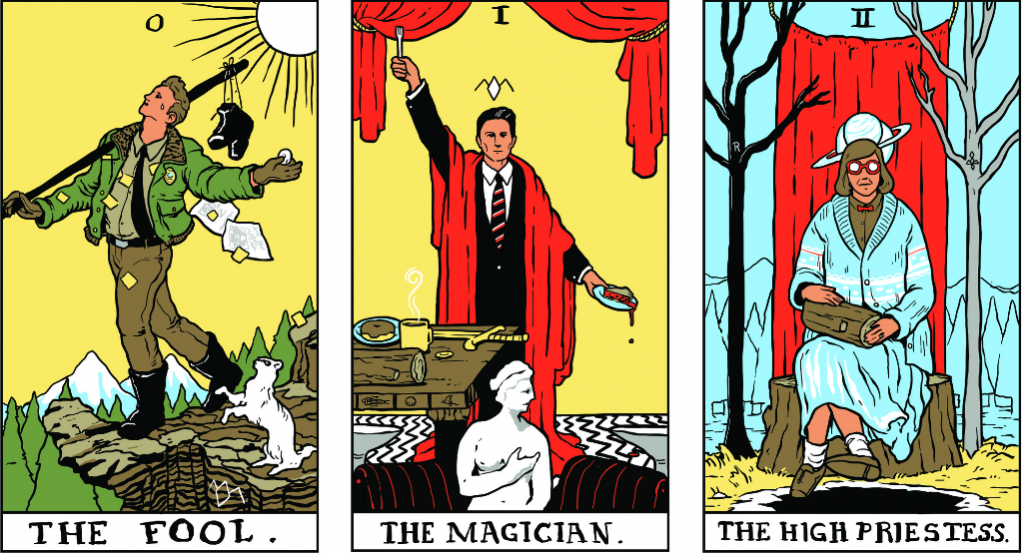
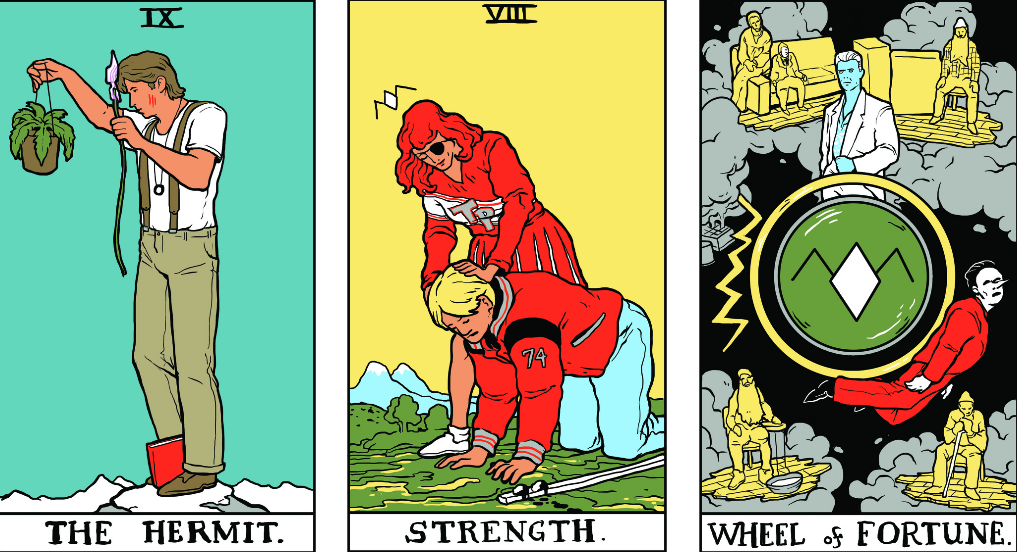
Hear the Music of David Lynch’s Twin Peaks Played by the Experimental Band, Xiu Xiu: A Free Stream of Their New Album

Last year, Col­in Mar­shall high­light­ed for you the music of Xiu Xiu, the exper­i­men­tal post-punk band, which has trav­eled the world, play­ing their own inter­pre­ta­tion of the music Ange­lo Badala­men­ti wrote for David Lynch’s ear­ly 1990s series, Twin Peaks. Our orig­i­nal post fea­tured some of those live per­for­mances, and now comes a stu­dio record­ing of those Twin Peaks inter­pre­ta­tions.

We’d be remiss if we did­n’t tell you that you can stream the new album–called Plays the Music of Twin Peaks– free online. Just click play above. Find a list of indi­vid­ual tracks below. And, if you like what you hear, con­sid­er pur­chas­ing your own copy of the album from the usu­al ven­dors. Enjoy.

1. Lau­ra Palmer’s Theme (0:00)
2. Into The Night (5:03)
3. Audrey’s Dance (10:15)
4. Packard’s Vibra­tion (14:41)
5. Night­sea Wind (18:31)
6. Blue Frank/Pink Room (25:37)
7. Sycamore Tree (31:28)
8. Harold’s Theme (38:16)
9. Dance of the Dream Man (42:12)
10. Falling (47:22)
11. Love Theme Farewell (54:20)
12. Josie’s Past (1:00:44)

via Wel­come to Twin Peaks

If you would like to sign up for Open Culture’s free email newslet­ter, please find it here. It’s a great way to see our new posts, all bun­dled in one email, each day.

If you would like to sup­port the mis­sion of Open Cul­ture, con­sid­er mak­ing a dona­tion to our site. It’s hard to rely 100% on ads, and your con­tri­bu­tions will help us con­tin­ue pro­vid­ing the best free cul­tur­al and edu­ca­tion­al mate­ri­als to learn­ers every­where. You can con­tribute through Pay­Pal, Patre­on, and Ven­mo (@openculture). Thanks!

Relat­ed Con­tent:

Exper­i­men­tal Post-Punk Band Xiu Xiu Plays the Music from David Lynch’s Twin Peaks

David Lynch’s Twin Peaks Title Sequence, Recre­at­ed in an Adorable Paper Ani­ma­tion

Play the Twin Peaks Video Game: Retro Fun for David Lynch Fans

David Lynch Presents the His­to­ry of Sur­re­al­ist Film (1987)

John Lydon & Public Image Ltd. Sow Chaos on American Bandstand: The Show’s Best and Worst Moment (1980)

Amer­i­can Band­stand is best remem­bered these days not for doing the job it set out to do–presenting safe pop stars in the com­pa­ny of a stu­dio audi­ence to move units–but for when it ran head­long into the chang­ing cul­ture around it. Or at least that’s what Open Cul­ture thinks. We’ve seen the begin­nings of the Sum­mer of Love with Jef­fer­son Air­plane and chip­per Dick Clark try­ing to fig­ure out why hip­pies wouldn’t cut their hair. We’ve also seen a bemused Clark attempt­ing to inter­act with David Byrne when the Talk­ing Heads played the show. But noth­ing real­ly tops the time Pub­lic Image Ltd. brought true chaos to the Band­stand.

Dick Clark called it the worst moment in Band­stand his­to­ry; Lydon, in his auto­bi­og­ra­phy, said the oppo­site, say­ing Clark told him it was one of the best per­for­mances in the show’s his­to­ry. Some­where in between lies the truth–no doubt Clark knew it was great tele­vi­sion.

It all took place on May 17, 1980, one full month before John Lydon and Kei­th Levene’s con­tentious appear­ance on Tom Snyder’s pro­gram, where Lydon insists that Pub­lic Image Ltd. is not a band. “It’s a com­pa­ny,” he shot back in his finest nasal cock­ney.

PIL was on Amer­i­can Band­stand to pro­mote their album Sec­ond Edi­tion, their dark dab­bling into dub and post-punk. The first song may be called “Pop­tones” but there’s noth­ing pop­py about it.

Accord­ing to Cole Coonce in his book Sex & Trav­el & Ves­tiges of Metal­lic Frag­ments, Lydon told Clark that he had a cold. “He said that because he wasn’t feel­ing well he was just going to go up there and take the piss out of me. So I said, ‘Go ahead.’ And he did.’”

Lydon’s account is dif­fer­ent, say­ing the show’s pro­duc­ers cut down “Pop­tones” and “Career­ing” (a total of 13 some min­utes) down to a man­age­able length.

“I don’t know where the vocals are going to drop. What are we sup­posed to do?” Lydon thought.

What PIL did is what was broad­cast. Adrift from their own song, Lydon starts “Pop­tones” sit­ting on the front of the stage, then grabs the micro­phone and wan­ders into the audi­ence. He makes no attempt to lip sync. The audi­ence isn’t sure what to do. Lydon isn’t sure. There’s an ele­ment of dan­ger and excite­ment. Lydon grabs audi­ence mem­bers and takes them onto the stage to dance. By the end of the first song the audi­ence has tak­en over the stage and then Dick Clark has to intro­duce the band. It doesn’t last long, and “Career­ing” begins.

The dan­ger of punk and post-punk that evening wasn’t in the per­for­mance of the band or of a volatile audi­ence. It was in the break­ing down of a tele­vi­sion show’s arti­fice and the sep­a­ra­tion of band and audi­ence. Check it out.

Some great pho­tos of the show can be viewed over at Flash­bak.

Relat­ed con­tent:

Nev­er Mind the Bol­locks, Here’s … John Lydon in a But­ter Com­mer­cial?

John­ny Rotten’s Cor­dial Let­ter to the Rock and Roll Hall of Fame: Next to the Sex Pis­tols, You’re ‘a Piss Stain’

John­ny Rot­ten Goes Before TV’s Judge Judy in 1997 … and Wins!

Ted Mills is a free­lance writer on the arts who cur­rent­ly hosts the artist inter­view-based FunkZone Pod­cast. You can also fol­low him on Twit­ter at @tedmills, read his oth­er arts writ­ing at tedmills.com and/or watch his films here.

Learn Calligraphy from Lloyd Reynolds, the Teacher of Steve Jobs’ Own Famously Inspiring Calligraphy Teacher

The sto­ry has, over time, solid­i­fied into one of the columns of Steve Jobs lore: in the ear­ly 1970s, the man who would found Apple left for Reed Col­lege. But before long, not want­i­ng to spend any more of his par­ents’ mon­ey on tuition (and per­haps not tem­pera­men­tal­ly com­pat­i­ble with the struc­ture of high­er edu­ca­tion any­way), he offi­cial­ly dropped out, couch-surfed through friends’ pads, lived on free meals ladled out by Hare Krish­nas, con­tin­ued to audit a vari­ety of class­es, and gen­er­al­ly lived the pro­to­type tech­no-neo-hip­pie lifestyle Sil­i­con Val­ley has con­tin­ued relent­less­ly to refine.

Per­haps the least like­ly of those class­es was one on cal­lig­ra­phy, taught by Trap­pist monk and cal­lig­ra­ph­er Robert Pal­ladi­no. More than thir­ty years lat­er, deliv­er­ing a now-famous Stan­ford com­mence­ment speech, Jobs recalled his time in the cal­lig­ra­phy class: “None of this had even a hope of any prac­ti­cal appli­ca­tion in my life. But 10 years lat­er, when we were design­ing the first Mac­in­tosh com­put­er, it all came back to me. And we designed it all into the Mac. It was the first com­put­er with beau­ti­ful typog­ra­phy.”

And what of the cal­lig­ra­phy teacher who made that pos­si­ble? “Pal­ladi­no, who died in late Feb­ru­ary at 83, joined the Trap­pist order of monks in New Mex­i­co in 1950, accord­ing to a 2003 pro­file in Reed Mag­a­zine,” writes the Wash­ing­ton Post’s Niraj Chok­shi. “Just 17 at the time, his hand­writ­ing attract­ed the atten­tion of the monastery scribe, who worked with him on his art. Five years lat­er, Pal­ladi­no moved to Lafayette, Ore., where local artists brought news of a skilled ama­teur to Lloyd Reynolds, an icon in the field and the cre­ator of Reed’s cal­lig­ra­phy pro­gram.”

Now you, too, can receive instruc­tion from Reynolds, who in 1968 starred in a series on the Ore­gon Edu­ca­tion Tele­vi­sion Ser­vice’s pro­gram Men Who Teach, shoot­ing twen­ty half-hour broad­casts on ital­ic cal­lig­ra­phy and hand­writ­ing. Eight years lat­er — about the time Jobs co-found­ed Apple with Steve Woz­ni­ak — he re-shot the series in col­or, and you can watch that ver­sion almost in its entire­ty with the playlist at the top of the post. (Reed has also made some relat­ed instruc­tion­al mate­ri­als avail­able.) You may feel the temp­ta­tion to turn all of Reynolds’ lessons on the art of writ­ing toward your goal of becom­ing the next Steve Jobs. But try to resist that impulse and appre­ci­ate it for its own nature, which Jobs him­self described as “beau­ti­ful, his­tor­i­cal, artis­ti­cal­ly sub­tle in a way that sci­ence can’t cap­ture.”

We’ll add these vin­tage lessons to our col­lec­tion, 1,700 Free Online Cours­es from Top Uni­ver­si­ties.

Relat­ed Con­tent:

Steve Jobs on Life: “Stay Hun­gry, Stay Fool­ish”

Steve Jobs Nar­rates the First “Think Dif­fer­ent” Ad (Nev­er Aired)

Steve Jobs Mus­es on What’s Wrong with Amer­i­can Edu­ca­tion, 1995

The Art of Hand­writ­ing as Prac­ticed by Famous Artists: Geor­gia O’Keeffe, Jack­son Pol­lock, Mar­cel Duchamp, Willem de Koon­ing & More

Font Based on Sig­mund Freud’s Hand­writ­ing Com­ing Cour­tesy of Suc­cess­ful Kick­starter Cam­paign

One of World’s Old­est Books Print­ed in Mul­ti-Col­or Now Opened & Dig­i­tized for the First Time

Dis­cov­er What Shakespeare’s Hand­writ­ing Looked Like, and How It Solved a Mys­tery of Author­ship

Based in Seoul, Col­in Mar­shall writes and broad­casts on cities, lan­guage, and style. He’s at work on a book about Los Ange­les, A Los Ange­les Primer, the video series The City in Cin­e­ma, the crowd­fund­ed jour­nal­ism project Where Is the City of the Future?, and the Los Ange­les Review of Books’ Korea Blog. Fol­low him on Twit­ter at @colinmarshall or on Face­book.

« Go BackMore in this category... »
Quantcast