The Black Rider: A Theatrical Production by Tom Waits, William S. Burroughs & Robert Wilson (1990)

Yes, you read cor­rect­ly: there exists a piece of the­ater whose pro­duc­tion brought togeth­er three of the most ardent­ly-fol­lowed, icon­o­clas­tic cre­ators of recent decades. First staged in 1990 at Ham­burg’s Thalia The­ater, The Black Rid­er: The Cast­ing of the Mag­ic Bul­lets appeared as the fruit of mul­ti­dis­ci­pli­nary labor from renowned avant-garde direc­tor Robert Wil­son, best known for extra-long-form pro­duc­tions like Ein­stein on the Beach, cre­at­ed with Philip Glass; ragged­ly Amer­i­can singer-song­writer Tom Waits, a musi­cian with no small the­atri­cal bent him­self; and William S. Bur­roughs, writer of Naked LunchJunkie, and oth­er texts that have blown away gen­er­a­tions of coun­ter­cul­tur­al­ly inclined read­ing minds. They based their tale of a hap­less young file clerk in love and his fate­ful pact with the dev­il on the Ger­man folk­tale-cum-opera Der Freis­chütz. Hence the work’s pre­miere in Ger­many, and the Ger­man dia­logue in the tele­vi­sion ver­sion of the full pro­duc­tion above.


But wor­ry not, non-Ger­manophones; the Waits-com­posed songs remain in Eng­lish, and as with any­thing direct­ed by Wil­son, you buy the tick­et as much to a strik­ing pure visu­al expe­ri­ence as to any­thing else. You can hear and see more from Waits and Wil­son about what went into The Black Rid­er in the half-hour TV doc­u­men­tary just above. (The nar­ra­tor may speak Ger­man, but every­one else involved speaks Eng­lish.) For a pure musi­cal expe­ri­ence of The Black Rid­er, pull up Waits’ epony­mous album, released in 1993(See also the boot­leg The Black Rid­er Out­takes.) And now, with twen­ty years’ dis­tance from The Black Rid­er’s Amer­i­can debut, maybe we can put the ques­tion to our­selves of whether it counts as a streak of poor taste or a stroke of artis­tic genius to have Bur­roughs, of all peo­ple, pen his own ver­sion of a sto­ry that — spoil­er alert — ends with the pro­tag­o­nist fat­ed to shoot his own bride.

Relat­ed Con­tent:

John­ny Depp: A Voom Por­trait by Robert Wil­son

Watch Big Time, the Con­cert Film Cap­tur­ing Tom Waits on His Best Tour Ever (1988)

William S. Bur­roughs Explains What Artists & Cre­ative Thinkers Do for Human­i­ty: From Galileo to Cézanne and James Joyce

Col­in Mar­shall hosts and pro­duces Note­book on Cities and Cul­ture and writes essays on lit­er­a­ture, film, cities, Asia, and aes­thet­ics. He’s at work on a book about Los Ange­lesA Los Ange­les Primer. Fol­low him on Twit­ter at @colinmarshall.

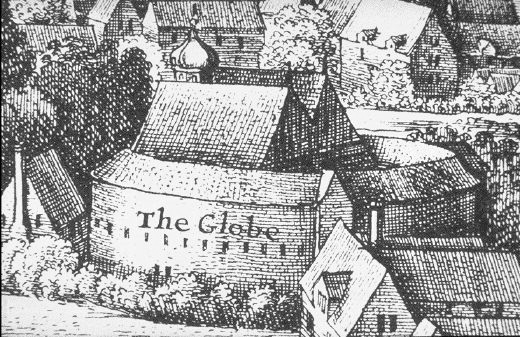
Take a Virtual Tour of Shakespeare’s Globe Theatre

Hollar_Long_View_detail

Last week, we fea­tured a Prize-Win­ning Ani­ma­tion of 17th Cen­tu­ry Lon­don. In many ways, it could be paired with these short vir­tu­al tours of the Globe The­atre. Built in 1599 by Shake­speare’s play­ing com­pa­ny, the Lord Cham­ber­lain’s Men, the orig­i­nal the­atre host­ed some of the Bard’s great­est plays until it burned down 14 years lat­er. In 1613, dur­ing a per­for­mance of Hen­ry VIII, a stage can­non ignit­ed the thatched roof and the the­atre burned to the ground in less than two hours. Rebuilt with a tile roof, the the­atre re-opened in 1614, and remained active until England’s Puri­tan admin­is­tra­tion closed all the­atres in 1642. A mod­ern recon­struc­tion of the Globe, named “Shake­speare’s Globe,” was built in 1997, just a few feet away from the orig­i­nal struc­ture. If you want to get a feel for what Shake­speare’s the­atre looked like, then look no fur­ther than this vir­tu­al tour. All you need is this free Quick­time plu­g­in for your brows­er and you can take a 360 tour of the stage, the yard, the mid­dle gallery, and the upper gallery … all with­out leav­ing your seat.

via @matthiasrascher and @faraway67

Relat­ed Con­tent:

What Shake­speare Sound­ed Like to Shake­speare: Recon­struct­ing the Bard’s Orig­i­nal Pro­nun­ci­a­tion

Pink Floyd’s David Gilmour Sings Shakespeare’s Son­net 18

A Sur­vey of Shakespeare’s Plays (Free Course) 

Shakespeare’s Satir­i­cal Son­net 130, As Read By Stephen Fry

by | Permalink | Make a Comment ( 1 ) |

Hear Orson Welles’ Iconic War of the Worlds Broadcast (1938)

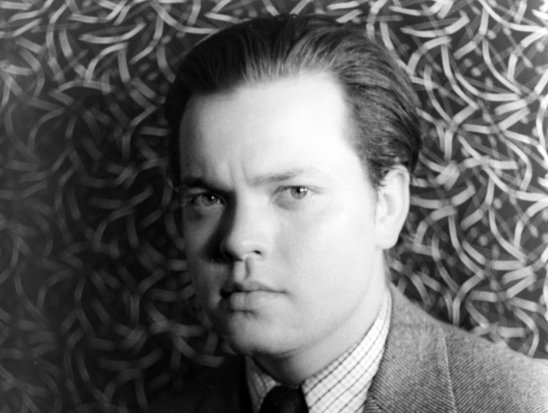
orson welles broadcast

Image by Carl Van Vecht­en, via Wiki­me­dia Com­mons

One night in Octo­ber of 1938, lis­ten­ers tuned into CBS radio to hear a piece of radio the­ater (lis­ten below) so fright­en­ing and, for its time, real­is­tic, that peo­ple across New Eng­land and east­ern Cana­da fled their homes to escape dan­ger. Or so the leg­end goes. With Orson Welles read­ing the part of an astro­naut and pro­fes­sor, the Mer­cury The­atre on the Air’s broad­cast of War of the Worlds hit a frayed nerve in the Amer­i­can pub­lic.

The show aired dur­ing the tense years lead­ing up to World War II, when fas­cism was on the rise in Europe. Many took the “news” of an alien inva­sion for truth.  It would have been easy to be fooled: the sto­ry, adapt­ed from H.G. Wells’ ear­ly sci-fi nov­el, was writ­ten as a sim­u­lat­ed news broad­cast. It opened with an intro­duc­tion from the nov­el and a note that the adap­ta­tion was set a year ahead (1939). For those who missed that dis­claimer, the remain­der of the show was unset­tling to say the least.

A reporter read a weath­er report. Then came dance music played by a fic­ti­tious band (“Ramon Raque­l­lo and his Orches­tra”) that was inter­rupt­ed by news of bizarre explo­sions on the sur­face of Mars. Soon Orson Welles made his appear­ance, inter­viewed as an expert who denied the pos­si­bil­i­ty of any life on the red plan­et. But then came the news of a cylin­dri­cal mete­orite land­ing in north­ern New Jer­sey. A crowd gath­ered and a “reporter” came on the scene to watch the cylin­der unscrew itself and reveal a rock­et­ship inside.

Chaos ensued, fol­lowed by a Mar­t­ian inva­sion of New York City, where peo­ple ran into the East Riv­er “like rats.”

Welles offered anoth­er dis­claimer at the end of the sto­ry (when the aliens suc­cumbed to Earth’s pathogens) to remind lis­ten­ers that the broad­cast was fic­tion.

Too lit­tle, too late? Or just great the­ater?

The next day, Welles held a bril­liant news con­fer­ence where he apol­o­gized for putting a fright into lis­ten­ers. (It’s anoth­er great piece of the­ater.) Mean­while the broad­cast estab­lished the Mer­cury The­atre on the Air—already an acclaimed stage pro­duc­tion company—as one of Amer­i­ca’s top-rat­ed radio pro­grams. Until then the show had lan­guished in rel­a­tive obscu­ri­ty. After send­ing thou­sands of peo­ple into a pan­ic, the show earned adver­tis­ing spon­sor­ship from Campbell’s Soup.

Kate Rix writes about dig­i­tal media and edu­ca­tion. Fol­low her on Twit­ter.

Relat­ed Con­tent:

Orson Welles Meets H.G. Wells in 1940: The Leg­ends Dis­cuss War of the Worlds, Cit­i­zen Kane, and WWII

Aldous Hux­ley Reads Dra­ma­tized Ver­sion of Brave New World

Free: Isaac Asimov’s Epic Foun­da­tion Tril­o­gy Dra­ma­tized in Clas­sic Audio

Watch Very First Film Adaptations of Shakespeare’s Plays: King John, The Tempest, Richard III & More (1899–1936)

Shake­speare sells: coun­ter­in­tu­itive, but seem­ing­ly true. The film indus­try, which pumps out Shake­speare adap­ta­tions (of vary­ing lev­els of cre­ativ­i­ty) on the reg­u­lar, has known this ever since it could hard­ly have had much aware­ness of itself as a film indus­try. At the top, we have the only sur­viv­ing scene from 1899’s King John, where Shake­speare on screen all start­ed.

“The next three decades would see var­ied approach­es to the chal­lenge of film­ing Shake­speare in a medi­um denied the spo­ken word,” writes the British Film Insti­tute’s Michael Brooke, “from the imag­i­na­tive tableaux-style mime of Per­cy Stow’s The Tem­pest (1908) to trun­cat­ed pro­duc­tions of the major tragedies (Richard III, 1911; Ham­let, 1913).” Excerpts from one of these last, F.R. Ben­son’s Richard III, you can watch just below:

Ear­ly Shake­speare adapters like Ben­son tend­ed to make less Shake­speare films than, as Brooke puts it, “com­pi­la­tions of mem­o­rable moments” from the plays. Then again, every genre of movie attempt­ed sim­ple things back then, and Shake­speare­an pro­duc­tions would grow far rich­er in the sound era, which 1929’s The Tam­ing of the Shrew ush­ered in for the Bard, and with no less a sil­ver-screen leg­end than Mary Pick­ford in the role of Kate.

Sev­en years lat­er, the not-yet-Sir Lau­rence Olivi­er, “cin­e­ma’s first great Shake­speare­an artist,” would make his Shake­speare debut as Orlan­do in Paul Czin­ner’s As You Like It (1936), which you can watch below. He’d almost made this debut as the lead in George Cuko­r’s Romeo & Juli­et, but ulti­mate­ly turned it down.

Relat­ed Con­tent:

What Shake­speare Sound­ed Like to Shake­speare: Recon­struct­ing the Bard’s Orig­i­nal Pro­nun­ci­a­tion

A Sur­vey of Shakespeare’s Plays (Free Course) 

Shakespeare’s Satir­i­cal Son­net 130, As Read By Stephen Fry

Col­in Mar­shall hosts and pro­duces Note­book on Cities and Cul­ture and writes essays on lit­er­a­ture, film, cities, Asia, and aes­thet­ics. He’s at work on a book about Los Ange­lesA Los Ange­les Primer. Fol­low him on Twit­ter at @colinmarshall.

Rocky’s Famous Trip up the Art Museum Steps Spoofed by the Pranksters of Improv Everywhere

I believe some movies are so clas­sic, they should be con­sid­ered untouch­able, an opin­ion I wish more Broad­way pro­duc­ers shared.

Brace your­self. Rocky, Sylvester Stal­lone’s heart­warm­ing tale about a small-pota­toes box­er in 1970s Philadel­phia, has been turned into a musi­cal.

No! Why!? Adri­an!!!

It’s like­ly not as bad as I fear. Stal­lone him­self is co-pro­duc­ing, young direc­tor Alex Tim­bers is deserved­ly hot, and lyri­cist Lynn Ahrens is respon­si­ble, in large degree, for School­house Rock.

All the same, prank col­lec­tive Improv Every­where’s take on one of Rock­y’s most icon­ic scenes falls more square­ly with­in my com­fort zone. The first install­ment in the group’s week­ly Movies in Real Life series, this Rocky fea­tures looka­like come­di­an Dan Black run­ning through the streets of Philly, a crowd of kids tail­ing him on the final leg. (“So, uh, you have par­ents?” he gasps, atop the art muse­um steps.)

As with the annu­al No-Pants Sub­way Ride and many oth­er Improv Every­where stunts, a great deal of fun comes from the reac­tions of unsus­pect­ing passers­by. Some of my favorites are view­able in the prank’s Mis­sion Report, a fol­low up with less need to stick to the script. Still in char­ac­ter, Black demands roy­al­ty checks from street ven­dors sell­ing Rocky t‑shirts and screws with tourists pos­ing in front of the famed Rocky stat­ue. Small won­der Improv Every­where’s mot­to is “we cause scenes.”

For those in need of refresh­ment, here is the orig­i­nal:

The most recent Movies in Real Life fea­tures a boul­der chas­ing Indi­ana Jones through Cen­tral Park to the Muse­um of Nat­ur­al His­to­ry. Tune in to the col­lec­tive’s Youtube chan­nel every Tues­day this fall for anoth­er fresh but faith­ful take on a famil­iar film.

Relat­ed Con­tent: 

What Hap­pens When Every­day Peo­ple Get a Chance to Con­duct a World-Class Orches­tra

The Do’s and Don’ts of Improv Com­e­dy with Liam Nee­son, Ricky Ger­vais, Tina Fey, and Del Close

Whose Line Is It Any­way? The Com­plete Improv Series Now Free Online

Ayun Hal­l­i­day’s most recent book is the graph­ic nov­el, Peanut . Fol­low her@AyunHalliday

The Hand Puppets That Bauhaus Artist Paul Klee Made for His Young Son

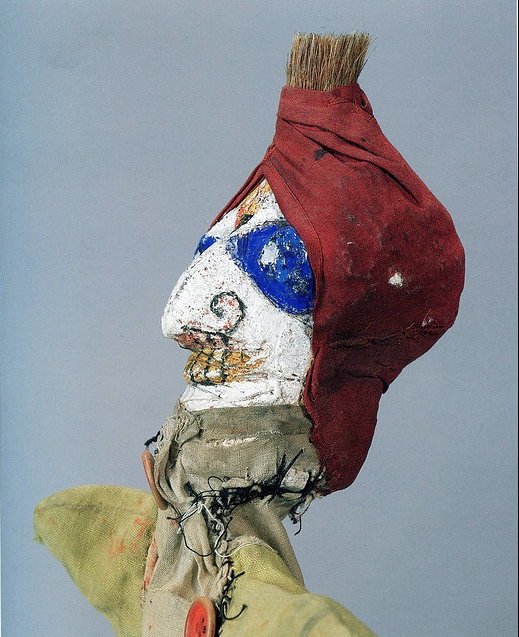
klee puppet

My kids used to beg their dad to help out with their impromp­tu pup­pet shows. He com­plied by hav­ing our daugh­ter’s favorite baby doll deliv­er an inter­minable cur­tain speech, hec­tor­ing the audi­ence (me) to become sub­scribers and make dona­tions via the small enve­lope they’d find tucked in their pro­grams.

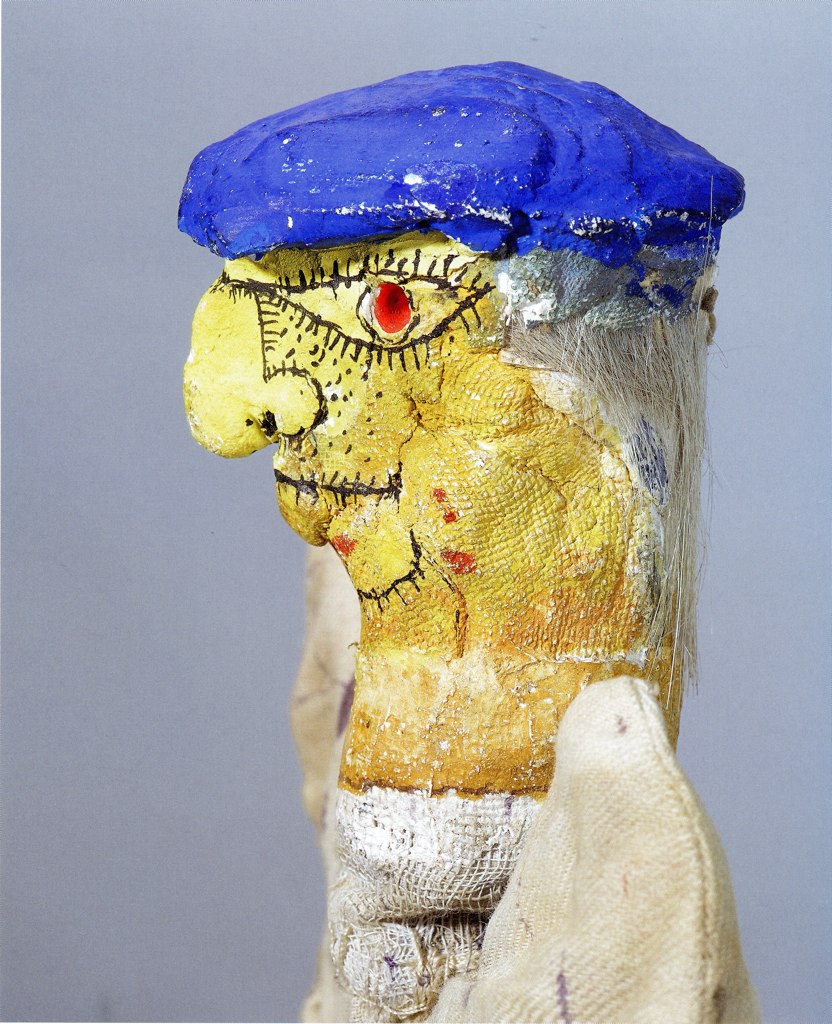
klee puppets 4

Like my hus­band, artist Paul Klee (1879–1940) loomed large in his child’s ear­ly pup­pet work. To mark his son Felix’s ninth birth­day, Klee fash­ioned eight hand pup­pets based on stock char­ac­ters from Kasperl and Gretl — Ger­many’s answer to Punch and Judy. The boy took to them so enthu­si­as­ti­cal­ly that his dad kept going, cre­at­ing some­thing in the neigh­bor­hood of fifty pup­pets between 1916 and 1925. The cast soon expand­ed to include car­toon­ish polit­i­cal fig­ures, a self-por­trait, and less rec­og­niz­able char­ac­ters with a decid­ed­ly Dada-ist bent. Klee also fixed Felix up with a flea mar­ket frame that served as the prosce­ni­um for the shows he put on in a door­way of the fam­i­ly’s tiny apart­ment.

PaulKleePuppets

When Felix set out into the world at the age of eigh­teen, he packed his favorite child­hood pup­pets, while his dad hung onto the ones born of his years on the fac­ul­ty of the Bauhaus. Felix’s por­tion of the col­lec­tion was almost entire­ly destroyed dur­ing the bomb­ing of Wurzburg in World War II. Dr. Death was the only mem­ber of the orig­i­nal eight to escape unscathed.

klee puppets 3

You can find a gallery of Klee’s pup­pets here, and a book ded­i­cat­ed to Klee’s pup­petry here.

If you would like to sign up for Open Culture’s free email newslet­ter, please find it here. It’s a great way to see our new posts, all bun­dled in one email, each day.

If you would like to sup­port the mis­sion of Open Cul­ture, con­sid­er mak­ing a dona­tion to our site. It’s hard to rely 100% on ads, and your con­tri­bu­tions will help us con­tin­ue pro­vid­ing the best free cul­tur­al and edu­ca­tion­al mate­ri­als to learn­ers every­where. You can con­tribute through Pay­Pal, Patre­on, and Ven­mo (@openculture). Thanks!

Relat­ed Con­tent:

Tchaikovsky Pup­pet in Time­lapse Film

Pup­pet Mak­ing with Jim Hen­son: A Price­less Primer from 1969

Bauhaus, Mod­ernism & Oth­er Design Move­ments Explained by New Ani­mat­ed Video Series

Free: The Met­ro­pol­i­tan Muse­um of Art and the Guggen­heim Offer 474 Free Art Books Online

 Ayun Hal­l­i­day is okay with pup­pets as long as she can hold them at arm’s length. Fol­low her @AyunHalliday

Rare 1910 Audio: Sarah Bernhardt, ‘The Most Famous Actress the World Has Ever Known,’ in Racine’s Phèdre

Sarah_Berhardt_dans_Phèdre

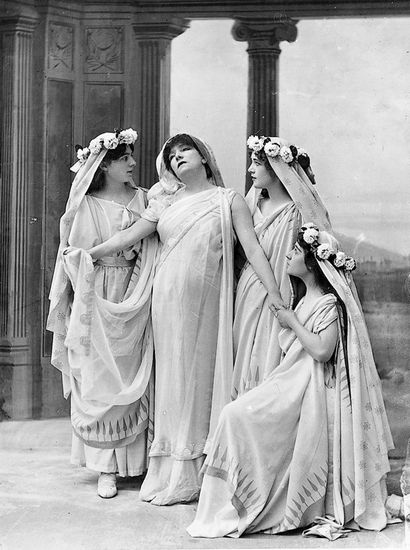
The French actress Sarah Bern­hardt is often remem­bered as the first inter­na­tion­al super­star. Her hyp­not­ic pres­ence and flam­boy­ant per­son­al­i­ty are leg­endary. “She could con­trive thrill after thrill,” wrote Lyt­ton Stra­chey of Bern­hardt’s act­ing abil­i­ty, “she could seize and tear the nerves of her audi­ence, she could touch, she could ter­ri­fy, to the top of her aston­ish­ing bent.” Bern­hardt died before the age of talk­ing movies, notes her biog­ra­ph­er Robert Got­tlieb, “yet she remains the most famous actress the world has ever known.”

How good was she? Lis­ten below, and you can begin to form your own opin­ion. The record­ing was made in Feb­ru­ary of 1910, when Bern­hardt and her troupe were tour­ing Amer­i­ca. To tap into the emerg­ing phono­graph­ic record mar­ket, Bern­hardt stopped by Thomas Edis­on’s lab­o­ra­to­ry in West Orange, New Jer­sey, to cut some wax cylin­ders. For one record­ing, she chose a scene from Jean Racine’s 1677 tragedy Phè­dre, which is based on Euripi­des’ Hip­poly­tus and Seneca’s Phae­dra. Bern­hardt plays the title role oppo­site an unknown actor in the high­ly dra­mat­ic Act II Scene V, in which Phè­dre declares her love for Hypoly­te, her step­son:

Unfor­tu­nate­ly, the video image moves in a dis­tract­ing way. So per­haps the best way to enjoy the audio is to for­get the image and read along with Bern­hardt. A full tran­script fol­lows the jump:

(more…)

A Theory of Justice, the Musical Imagines Philosopher John Rawls as a Time-Traveling Adventurer

John Rawls’ 1971 book A The­o­ry of Jus­tice—with its famous illus­tra­tion of “the veil of igno­rance”—is a rig­or­ous attempt to make egal­i­tar­i­an prin­ci­ples nor­ma­tive in polit­i­cal phi­los­o­phy. The work remains a high water­mark for lib­er­al­ism and a mean­ing­ful chal­lenge to right-lib­er­tar­i­ans, mean­ing that it’s gen­er­al­ly tak­en seri­ous­ly by crit­ics and admir­ers alike. Well, almost…. One cadre of admir­ers, the writ­ers and pro­duc­ers of A The­o­ry of Jus­tice, the Musi­cal (trail­er above), decid­ed to have a lit­tle fun with the very pub­lic­i­ty-shy Rawls (who died in 2002), imag­in­ing him on a time-trav­el­ing adven­ture where he meets with Pla­to, Locke, Rousseau, Mill and oth­ers to draw inspi­ra­tion for his mag­num opus. Along the way, Rawls must dodge the “evil designs” of his lib­er­tar­i­an antag­o­nist Robert Noz­ick and “his objec­tivist lover, Ayn Rand” (Rand and Noz­ick were, to my knowl­edge, nev­er so involved, but the idea is amus­ing).

The far­ci­cal pro­duc­tion promis­es “a musi­cal score that cov­ers every­thing from rap bat­tles to pow­er bal­lads.” I would imag­ine that the appeal of Rawls, The Musi­cal might be rather lim­it­ed to a spe­cial sub­set of peo­ple who get the book­ish ref­er­ences and love musi­cal the­ater. But maybe that group is larg­er than I think. Since the Jan­u­ary 30th pre­mier in Oxford this year, A The­o­ry of Jus­tice, the Musi­cal—praised by philoso­pher Nigel War­bur­ton as “bril­liant: hilar­i­ous wit­ty and pro­found”—received sev­er­al five star reviews and the ini­tial the­ater run sold out a week before open­ing. But of course, that was Oxford, not New York. The show’s pro­duc­ers do plan to take the show on the road—to Lon­don, Scot­land, and the U.S. (and they are active­ly fundrais­ing; a com­plete view­ing of an Oxford per­for­mance will cost you $9.99, and oth­er groups wish­ing to per­form the show must pur­chase a license).

The wide­spread appeal of Rawls is under­stand­able giv­en that he best artic­u­lates the idea of equal­i­ty as an inher­ent­ly eth­i­cal val­ue in polit­i­cal life. His is a posi­tion that revis­es so much clas­si­cal polit­i­cal the­o­ry and informs or infu­ri­ates so many cur­rent polit­i­cal com­bat­ants. While oppo­nents of dis­trib­u­tive jus­tice will no doubt find rea­sons to dis­agree with Rawls on prin­ci­ple, care­ful crit­i­cal thinkers will at least con­sid­er the argu­ments before mak­ing objec­tions. But if you don’t have time to read all five-hun­dred plus pages of Rawls’ mas­ter­work, you could cer­tain­ly do worse than watch Harvard’s Michael Sandel explain Rawls’ the­o­ries in his lec­ture above (fea­tur­ing some smart stu­dent crit­ics of Rawls). The lec­ture is eighth in a course called “Jus­tice: What’s the Right Thing To Do,” which was released by edX as a MOOC this past March.

Below you can find the sound­track for the Lon­don pro­duc­tion.

Relat­ed Con­tent:

Michael Sandel’s Famous Har­vard Course on Jus­tice Launch­es as a MOOC on Tues­day

Alain de Bot­ton Pro­pos­es a Kinder, Gen­tler Phi­los­o­phy of Suc­cess

Mike Wal­lace Inter­views Ayn Rand (1959)

Josh Jones is a writer and musi­cian based in Wash­ing­ton, DC. Fol­low him @jdmagness

« Go BackMore in this category... »
Quantcast