How to Build a Fictional World: Animated Video Explains What Makes Lord of the Rings & Other Fantasy Books Come Alive

Today, I was eaves­drop­ping on a young cou­ple in a cafe. The man asked the woman to rec­om­mend a book, some­thing he would­n’t be able to put down on a long, upcom­ing plane ride. The woman seemed stymied by this request. Exhaust­ed, even. (A stroller in which a fair­ly new­born baby slum­bered was parked next to them).

It must’ve been obvi­ous that my wheels were turn­ing for the woman turned to me, remark­ing, “He does­n’t like books.”

“I’m all about mag­a­zines,” the man chimed in.

Hmm. Per­haps Kather­ine Anne Porter’s Ship of Fools was­n’t such a good idea after all. What would this stranger like? With­out giv­ing it very much thought at all, I reached for The Spir­it Catch­es You And You Fall Down, Anne Fadi­man’s Nation­al Book Crit­ics Cir­cle Award-win­ning non-fic­tion account of a West­ern doc­tor’s tus­sle with the fam­i­ly of an epilep­tic Hmong child. It seems unlike­ly my impromp­tu ele­va­tor pitch con­vinced him to nip round the cor­ner to see if Green­light Book­store had a copy in stock. More prob­a­bly, I impressed him  as one of those New Age‑y matrons eager to pub­licly iden­ti­fy with what­ev­er trib­al cul­ture lays with­in reach.

(Lest you think me an insuf­fer­able busy­body, the man at the next table horned in on the con­ver­sa­tion too, rec­om­mend­ing a col­lec­tion of mod­ern-day Sher­lock Holmes sto­ries and a nov­el, which we all said sound­ed great. Because real­ly, what else were we going to say?

A read­er’s taste is so sub­jec­tive, is it any won­der I felt leery going into “How to Build a Fic­tion­al World,” an ani­mat­ed Ted-Ed talk by chil­dren’s book author and for­mer mid­dle school teacher, Kate Mess­ner? The titles she name-checks—The Lord of the Rings, The Matrix,  and the Har­ry Pot­ter series—are all wild­ly suc­cess­ful, and far—as in light yearsfrom of my cup of tea.

That’s not to say I’m opposed to fan­ta­sy. I adore Dun­geon, Lewis Trond­heim and Joann Sfar’s out­ra­geous­ly fun­ny, anthro­po­mor­phic graph­ic nov­el series. Ani­mal FarmA Clock­work Orange…all of these per­son­al favorites are easy to decon­struct using Mess­ner’s recipe for fic­tion­al world-build­ing. (Those whose tastes run sim­i­lar to mine may want to jump ahead to the 3:15 minute mark above.)

Kudos to ani­ma­tor Avi Ofer, for the wit with which he con­cep­tu­al­izes Mess­ner’s ideas. The way he choos­es to rep­re­sent the inhab­i­tants’ rela­tion­ships with the plants and ani­mals of their fic­tion­al world (4:13) is par­tic­u­lar­ly inven­tive. His con­tri­bu­tions alone are enough to make this must-see view­ing for any reluc­tant  — or stuck — cre­ative writer.

For those of you who enjoy fan­ta­sy and sci­ence fic­tion, how do your favorite titles cleave to Mess­ner’s guide­lines? Let us know in the com­ments below.

Relat­ed Con­tent:

Ani­mat­ed Video Explores the Invent­ed Lan­guages of Lord of the Rings, Game of Thrones & Star Trek

“The Tolkien Pro­fes­sor” Presents Three Free Cours­es on The Lord of the Rings

Free Audio: Down­load the Com­plete Chron­i­cles of Nar­nia by C.S. Lewis

Ayun Hal­l­i­day will be hon­or­ing fic­tion­al worlds with a trip to Urine­town this spring. Fol­low her @AyunHalliday

Read 12 Masterful Essays by Joan Didion for Free Online, Spanning Her Career From 1965 to 2013

Image by David Shankbone, via Wiki­me­dia Com­mons

In a clas­sic essay of Joan Didion’s, “Good­bye to All That,” the nov­el­ist and writer breaks into her narrative—not for the first or last time—to prod her read­er. She rhetor­i­cal­ly asks and answers: “…was any­one ever so young? I am here to tell you that some­one was.” The wry lit­tle moment is per­fect­ly indica­tive of Didion’s unspar­ing­ly iron­ic crit­i­cal voice. Did­ion is a con­sum­mate crit­ic, from Greek kritēs, “a judge.” But she is always fore­most a judge of her­self. An account of Didion’s eight years in New York City, where she wrote her first nov­el while work­ing for Vogue, “Good­bye to All That” fre­quent­ly shifts point of view as Did­ion exam­ines the truth of each state­ment, her prose mov­ing seam­less­ly from delib­er­a­tion to com­men­tary, anno­ta­tion, aside, and apho­rism, like the below:

I want to explain to you, and in the process per­haps to myself, why I no longer live in New York. It is often said that New York is a city for only the very rich and the very poor. It is less often said that New York is also, at least for those of us who came there from some­where else, a city only for the very young.

Any­one who has ever loved and left New York—or any life-alter­ing city—will know the pangs of res­ig­na­tion Did­ion cap­tures. These eco­nom­ic times and every oth­er pro­duce many such sto­ries. But Did­ion made some­thing entire­ly new of famil­iar sen­ti­ments. Although her essay has inspired a sub-genre, and a col­lec­tion of breakup let­ters to New York with the same title, the unsen­ti­men­tal pre­ci­sion and com­pact­ness of Didion’s prose is all her own.

The essay appears in 1967’s Slouch­ing Towards Beth­le­hem, a rep­re­sen­ta­tive text of the lit­er­ary non­fic­tion of the six­ties along­side the work of John McPhee, Ter­ry South­ern, Tom Wolfe, and Hunter S. Thomp­son. In Didion’s case, the empha­sis must be decid­ed­ly on the lit­er­ary—her essays are as skill­ful­ly and imag­i­na­tive­ly writ­ten as her fic­tion and in close con­ver­sa­tion with their autho­r­i­al fore­bears. “Good­bye to All That” takes its title from an ear­li­er mem­oir, poet and crit­ic Robert Graves’ 1929 account of leav­ing his home­town in Eng­land to fight in World War I. Didion’s appro­pri­a­tion of the title shows in part an iron­ic under­cut­ting of the mem­oir as a seri­ous piece of writ­ing.

And yet she is per­haps best known for her work in the genre. Pub­lished almost fifty years after Slouch­ing Towards Beth­le­hem, her 2005 mem­oir The Year of Mag­i­cal Think­ing is, in poet Robert Pinsky’s words, a “traveler’s faith­ful account” of the stun­ning­ly sud­den and crush­ing per­son­al calami­ties that claimed the lives of her hus­band and daugh­ter sep­a­rate­ly. “Though the mate­r­i­al is lit­er­al­ly ter­ri­ble,” Pin­sky writes, “the writ­ing is exhil­a­rat­ing and what unfolds resem­bles an adven­ture nar­ra­tive: a forced expe­di­tion into those ‘cliffs of fall’ iden­ti­fied by Hop­kins.” He refers to lines by the gift­ed Jesuit poet Ger­ard Man­ley Hop­kins that Did­ion quotes in the book: “O the mind, mind has moun­tains; cliffs of fall / Fright­ful, sheer, no-man-fath­omed. Hold them cheap / May who ne’er hung there.”

The near­ly unim­peach­ably author­i­ta­tive ethos of Didion’s voice con­vinces us that she can fear­less­ly tra­verse a wild inner land­scape most of us triv­i­al­ize, “hold cheap,” or can­not fath­om. And yet, in a 1978 Paris Review inter­view, Didion—with that tech­ni­cal sleight of hand that is her casu­al mastery—called her­self “a kind of appren­tice plumber of fic­tion, a Cluny Brown at the writer’s trade.” Here she invokes a kind of arche­type of lit­er­ary mod­esty (John Locke, for exam­ple, called him­self an “under­labour­er” of knowl­edge) while also fig­ur­ing her­self as the win­some hero­ine of a 1946 Ernst Lubitsch com­e­dy about a social climber plumber’s niece played by Jen­nifer Jones, a char­ac­ter who learns to thumb her nose at pow­er and priv­i­lege.

A twist of fate—interviewer Lin­da Kuehl’s death—meant that Did­ion wrote her own intro­duc­tion to the Paris Review inter­view, a very unusu­al occur­rence that allows her to assume the role of her own inter­preter, offer­ing iron­ic prefa­to­ry remarks on her self-under­stand­ing. After the intro­duc­tion, it’s dif­fi­cult not to read the inter­view as a self-inter­ro­ga­tion. Asked about her char­ac­ter­i­za­tion of writ­ing as a “hos­tile act” against read­ers, Did­ion says, “Obvi­ous­ly I lis­ten to a read­er, but the only read­er I hear is me. I am always writ­ing to myself. So very pos­si­bly I’m com­mit­ting an aggres­sive and hos­tile act toward myself.”

It’s a curi­ous state­ment. Didion’s cut­ting wit and fear­less vul­ner­a­bil­i­ty take in seem­ing­ly all—the expans­es of her inner world and polit­i­cal scan­dals and geopo­lit­i­cal intrigues of the out­er, which she has dis­sect­ed for the bet­ter part of half a cen­tu­ry. Below, we have assem­bled a selec­tion of Didion’s best essays online. We begin with one from Vogue:

“On Self Respect” (1961)

Didion’s 1979 essay col­lec­tion The White Album brought togeth­er some of her most tren­chant and search­ing essays about her immer­sion in the coun­ter­cul­ture, and the ide­o­log­i­cal fault lines of the late six­ties and sev­en­ties. The title essay begins with a gem­like sen­tence that became the title of a col­lec­tion of her first sev­en vol­umes of non­fic­tion: “We tell our­selves sto­ries in order to live.” Read two essays from that col­lec­tion below:

The Women’s Move­ment” (1972)

Holy Water” (1977)

Did­ion has main­tained a vig­or­ous pres­ence at the New York Review of Books since the late sev­en­ties, writ­ing pri­mar­i­ly on pol­i­tics. Below are a few of her best known pieces for them:

Insid­er Base­ball” (1988)

Eye on the Prize” (1992)

The Teach­ings of Speak­er Gin­grich” (1995)

Fixed Opin­ions, or the Hinge of His­to­ry” (2003)

Pol­i­tics in the New Nor­mal Amer­i­ca” (2004)

The Case of There­sa Schi­a­vo” (2005)

The Def­er­en­tial Spir­it” (2013)

Cal­i­for­nia Notes” (2016)

Did­ion con­tin­ues to write with as much style and sen­si­tiv­i­ty as she did in her first col­lec­tion, her voice refined by a life­time of expe­ri­ence in self-exam­i­na­tion and pierc­ing crit­i­cal appraisal. She got her start at Vogue in the late fifties, and in 2011, she pub­lished an auto­bi­o­graph­i­cal essay there that returns to the theme of “yearn­ing for a glam­orous, grown up life” that she explored in “Good­bye to All That.” In “Sable and Dark Glass­es,” Didion’s gaze is stead­ier, her focus this time not on the naïve young woman tem­pered and hard­ened by New York, but on her­self as a child “deter­mined to bypass child­hood” and emerge as a poised, self-con­fi­dent 24-year old sophisticate—the per­fect New York­er she nev­er became.

Relat­ed Con­tent:

Joan Did­ion Reads From New Mem­oir, Blue Nights, in Short Film Direct­ed by Grif­fin Dunne

30 Free Essays & Sto­ries by David Fos­ter Wal­lace on the Web

10 Free Sto­ries by George Saun­ders, Author of Tenth of Decem­ber, “The Best Book You’ll Read This Year”

Read 18 Short Sto­ries From Nobel Prize-Win­ning Writer Alice Munro Free Online

Josh Jones is a writer and musi­cian based in Durham, NC. Fol­low him at @jdmagness

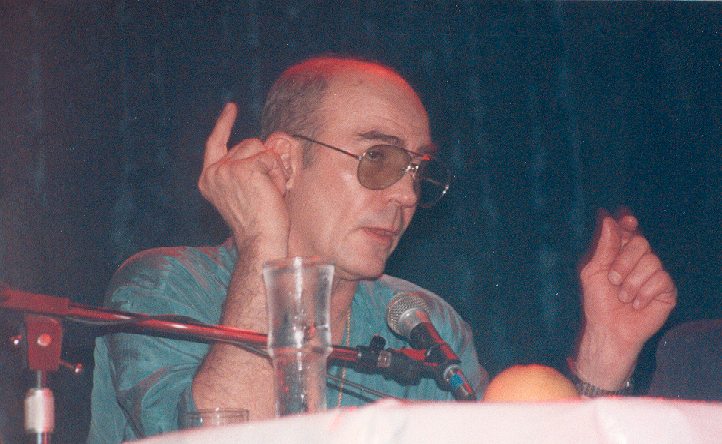
Read 9 Free Articles by Hunter S. Thompson That Span His Gonzo Journalist Career (1965–2005)

Image  via Wiki­me­dia Com­mons

Most read­ers know Hunter S. Thomp­son for his 1971 book Fear and Loathing in Las Vegas: A Sav­age Jour­ney to the Heart of the Amer­i­can Dream. But in over 45 years of writ­ing, this pro­lif­ic observ­er of the Amer­i­can scene wrote volu­mi­nous­ly, often hilar­i­ous­ly, and usu­al­ly with decep­tive­ly clear-eyed vit­ri­ol on sports, pol­i­tics, media, and oth­er vicious­ly addic­tive pur­suits. (“I hate to advo­cate drugs, alco­hol, vio­lence, or insan­i­ty to any­one,” he famous­ly said, “but they’ve always worked for me.”) His dis­tinc­tive style, often imi­tat­ed but nev­er repli­cat­ed, all but forced the coin­ing of the term “gonzo” jour­nal­ism. But what could define it? One clue comes in Fear and Loathing in Las Vegas itself, when Thomp­son reflects on his expe­ri­ence in the city, osten­si­bly as a reporter: “What was the sto­ry? Nobody had both­ered to say. So we would have to drum it up on our own. Free Enter­prise. The Amer­i­can Dream. Hor­a­tio Alger gone mad on drugs in Las Vegas. Do it now: pure Gonzo jour­nal­ism.”

You’ll find out more in the Paris Review’s inter­view with Thomp­son, in which he recounts once feel­ing that “jour­nal­ism was just a tick­et to ride out, that I was basi­cal­ly meant for high­er things. Nov­els.” Sit­ting down to begin his prop­er lit­er­ary career, Thomp­son took a quick job writ­ing up the Hel­l’s Angels, which let him get over “the idea that jour­nal­ism was a low­er call­ing. Jour­nal­ism is fun because it offers imme­di­ate work. You get hired and at least you can cov­er the f&cking City Hall. It’s excit­ing.” And then came the real epiphany, after he went to cov­er the Ken­tucky Der­by for Scan­lan’s: “Most depress­ing days of my life. I’d lie in my tub at the Roy­al­ton. I thought I had failed com­plete­ly as a jour­nal­ist. Final­ly, in des­per­a­tion and embar­rass­ment, I began to rip the pages out of my note­book and give them to a copy­boy to take to a fax machine down the street. When I left I was a bro­ken man, failed total­ly, and con­vinced I’d be exposed when the stuff came out.”

Indeed, the expo­sure came, but not in the way he expect­ed. Below, we’ve col­lect­ed ten of Thomp­son’s arti­cles freely avail­able online, from those ear­ly pieces on the Hel­l’s Angels and the Ken­tucky Der­by to oth­ers on the 1972 Pres­i­den­tial race, the Hon­olu­lu Marathon, Richard Nixon, and wee-hour con­ver­sa­tions with Bill Mur­ray. But don’t take these sub­jects too lit­er­al­ly; Thomp­son always had a way of find­ing some­thing even more inter­est­ing in exact­ly the oppo­site direc­tion from what­ev­er he’d ini­tial­ly meant to write about. And that, per­haps, reveals more about the gonzo method than any­thing else.

The Motor­cy­cle Gangs: Losers and Out­siders” (The Nation, 1965) The arti­cle that would become the basis for Thomp­son’s first book, Hel­l’s Angels: The Strange and Ter­ri­ble Saga of the Out­law Motor­cy­cle Gangs. “When you get in an argu­ment with a group of out­law motor­cy­clists, you can gen­er­al­ly count your chances of emerg­ing unmaimed by the num­ber of heavy-hand­ed allies you can muster in the time it takes to smash a beer bot­tle. In this league, sports­man­ship is for old lib­er­als and young fools.”

Fear and Loathing in Las Vegas (Rolling Stone, 1971) The Gonzo jour­nal­ism clas­sic first appeared as a two-part series in Rolling Stone mag­a­zine in Novem­ber 1971, com­plete with illus­tra­tions from Ralph Stead­man, before being pub­lished as a book in 1972.  Rolling Stone has post­ed the orig­i­nal ver­sion on its web site.

Fear and Loathing on the Cam­paign Trail in ’72″ (Rolling Stone, 1973) Excerpts from Thomp­son’s book of near­ly the same name, an exam­i­na­tion of Demo­c­ra­t­ic Par­ty can­di­date George McGov­ern’s unsuc­cess­ful bid for the Pres­i­den­cy that McGov­ern’s cam­paign man­ag­er Frank Mankiewicz called “the least fac­tu­al, most accu­rate account” in print. “My own the­o­ry, which sounds like mad­ness, is that McGov­ern would have been bet­ter off run­ning against Nixon with the same kind of neo-‘radical’ cam­paign he ran in the pri­maries. Not rad­i­cal in the left/right sense, but rad­i­cal in a sense that he was com­ing on with a new… a dif­fer­ent type of politi­cian… a per­son who actu­al­ly would grab the sys­tem by the ears and shake it.”

The Curse of Lono” (Play­boy, 1983) Thomp­son and Stead­man’s assign­ment from Run­ning mag­a­zine to cov­er the Hon­ololu marathon turns into a char­ac­ter­is­ti­cal­ly “ter­ri­ble mis­ad­ven­ture,” this one even involv­ing the old Hawai­ian gods. “It was not easy for me, either, to accept the fact that I was born 1700 years ago in an ocean-going canoe some­where off the Kona Coast of Hawaii, a prince of roy­al Poly­ne­sian blood, and lived my first life as King Lono, ruler of all the islands, god of excess, unde­feat­ed box­er. How’s that for roots?”

He Was a Crook” (Rolling Stone, 1994) Thomp­son’s obit­u­ary of, and per­son­al his­to­ry of his hatred for, Pres­i­dent Richard M. Nixon. “Some peo­ple will say that words like scum and rot­ten are wrong for Objec­tive Jour­nal­ism — which is true, but they miss the point. It was the built-in blind spots of the Objec­tive rules and dog­ma that allowed Nixon to slith­er into the White House in the first place.

Doomed Love at the Taco Stand” (Time, 2001) Thomp­son’s adven­tures in Cal­i­for­nia, to which he has returned for the pro­duc­tion of Ter­ry Gilliam’s film adap­ta­tion of Fear and Loathing in Las Vegas star­ring John­ny Depp. “I had to set­tle for half of Dep­p’s trail­er, along with his C4 Porsche and his wig, so I could look more like myself when I drove around Bev­er­ly Hills and stared at peo­ple when we rolled to a halt at stop­lights on Rodeo Dri­ve.”

Fear & Loathing in Amer­i­ca” (ESPN.com, 2001) In the imme­di­ate after­math of 9/11, Thomp­son looks out onto the grim and para­noid future he sees ahead. “This is going to be a very expen­sive war, and Vic­to­ry is not guar­an­teed — for any­one, and cer­tain­ly not for any­one as baf­fled as George W. Bush.”

“Pris­on­er of Den­ver” (Van­i­ty Fair, 2004) A chron­i­cle of Thomp­son’s (posthu­mous­ly suc­cess­ful) involve­ment in the case of Lisl Auman, a young woman he believed wrong­ful­ly impris­oned for the mur­der of a police offi­cer. “ ‘We’ is the most pow­er­ful word in pol­i­tics. Today it’s Lisl Auman, but tomor­row it could be you, me, us.”

Shot­gun Golf with Bill Mur­ray” (ESPN.com, 2005) Thomp­son’s final piece of writ­ing, in which he runs an idea for a new sport —com­bin­ing golf, Japan­ese mul­ti­sto­ry dri­ving ranges, and the dis­charg­ing of shot­guns — by the com­e­dy leg­end at 3:30 in the morn­ing. “It was Bill Mur­ray who taught me how to mor­ti­fy your oppo­nents in any sport­ing con­test, hon­est or oth­er­wise. He taught me my humil­i­at­ing PGA fade­away shot, which has earned me a lot of mon­ey… after that, I taught him how to swim, and then I intro­duced him to the shoot­ing arts, and now he wins every­thing he touch­es.”

Relat­ed Con­tent:

Hunter S. Thompson’s Har­row­ing, Chem­i­cal-Filled Dai­ly Rou­tine

Hunter S. Thomp­son Calls Tech Sup­port, Unleash­es a Tirade Full of Fear and Loathing (NSFW)

John­ny Depp Reads Let­ters from Hunter S. Thomp­son (NSFW)

Hunter S. Thomp­son Remem­bers Jim­my Carter’s Cap­ti­vat­ing Bob Dylan Speech (1974)

Col­in Mar­shall hosts and pro­duces Note­book on Cities and Cul­ture and writes essays on cities, Asia, film, lit­er­a­ture, and aes­thet­ics. He’s at work on a book about Los Ange­les, A Los Ange­les Primer. Fol­low him on Twit­ter at @colinmarshall or on his brand new Face­book page.

Toni Morrisson: Forget Writing About What You Know; Write About What You Don’t Know

On Decem­ber 12th, the New York Pub­lic Library host­ed a live pro­gram fea­tur­ing Pulitzer Prize-win­ning author Junot Díaz in con­ver­sa­tion with the writer who most deeply influ­enced his career, Toni Mor­ri­son, win­ner of the 1993 Nobel Prize in Lit­er­a­ture. The talk was orig­i­nal­ly streamed live on the web (includ­ing our site), and now you can watch a record­ed ver­sion below, plus some high­lights above. Intro­duc­tions by Paul Hold­en­gräber and friends begin at the 40:09 mark, and every­thing gets real­ly going at the 49:35 time­stamp in the video below. Despite some nerves, Díaz engages his now 82 year-old lit­er­ary idol in a con­ver­sa­tion that’s engag­ing, col­or­ful, some­times even amus­ing­ly off-col­or — like when he tells Mor­ri­son “you can out­write every motherf#cker on the plan­et sen­tence for sen­tence.” The inter­view touch­es on her for­ma­tive years as a writer and edi­tor, and then her years writ­ing her mas­ter­ful nov­els — Song of Solomon, Beloved and the rest. Com­men­tary on the craft of writ­ing is sprin­kled through­out. If you’d like to get Mor­rison’s writ­ing advice in a neat­ly-pack­aged for­mat, please see our pre­vi­ous posts: Toni Mor­ri­son Dis­pens­es Writ­ing Wis­dom in 1993 Paris Review Inter­view and Toni Mor­ri­son, Nora Ephron, and Dozens More Offer Advice in Free Cre­ative Writ­ing “Mas­ter Class”.

Relat­ed Con­tent:

Writ­ing Tips by Hen­ry Miller, Elmore Leonard, Mar­garet Atwood, Neil Gaiman & George Orwell

Ray Brad­bury Gives 12 Pieces of Writ­ing Advice to Young Authors (2001)

Sev­en Tips From F. Scott Fitzger­ald on How to Write Fic­tion

Alice Munro Talks About the Writing Life in Her Nobel Prize Interview

On Octo­ber 10th, Cana­di­an writer Alice Munro won the Nobel Prize in Lit­er­a­ture. And if you’re not famil­iar with her work, we sug­gest that you spend time read­ing the 18 Free Short Sto­ries we gath­ered in our cel­e­bra­to­ry post.

Tra­di­tion­al­ly, recip­i­ents of the Nobel Prize trav­el to Swe­den to accept the award in mid Decem­ber. But the 82-year-old writer, cit­ing poor health, decid­ed to stay home and forego mak­ing the cus­tom­ary accep­tance speech in Stock­holm. (See past speech­es by Hem­ing­way, Faulkn­er, Stein­beck, V.S. Naipaul and oth­ers here.) Fans of Munro weren’t left emp­ty-hand­ed, how­ev­er. From the com­fort of her daughter’s home in Vic­to­ria, British Colum­bia, Munro sat down for an infor­mal, 30-minute inter­view and talked about many things: how she first began writ­ing and telling sto­ries; how she gained (and lost) con­fi­dence as a writer; how she men­tal­ly maps out her sto­ries; how she has become a dif­fer­ent writer with age; how the writ­ing life for women has changed over the years; and much more. You can watch the com­plete Nobel inter­view above.

via Page-Turn­er

Relat­ed Con­tent:

On His 100th Birth­day, Hear Albert Camus Deliv­er His Nobel Prize Accep­tance Speech (1957)

7 Nobel Speech­es by 7 Great Writ­ers: Hem­ing­way, Faulkn­er, and More

Read 18 Short Sto­ries From Nobel Prize-Win­ning Writer Alice Munro Free Online

Where Do Great Ideas Come From? Neil Gaiman Explains

neil gaiman

Image via Flickr Com­mons

Every cre­ative writer gets asked the ques­tion at least once at a social event with non-writ­ers: “Where do you get your ideas?” To the asker, writ­ing is a dark art, full of mys­ter­ies only the ini­ti­at­ed under­stand. To the writer—as Neil Gaiman tells us in an essay on his web­site—the ques­tion miss­es the point and mis­judges the writer’s task. “Ideas aren’t the hard bit,” he says.

Cre­at­ing believ­able peo­ple who do more or less what you tell them to is much hard­er. And hard­est by far is the process of sim­ply sit­ting down and putting one word after anoth­er to con­struct what­ev­er it is you’re try­ing to build: mak­ing it inter­est­ing, mak­ing it new.

Some­times hard­est of all is the “sim­ply sit­ting down” and writ­ing when there’s noth­ing, no ideas. The work’s still got to get done, after all. Gaiman used to treat the ques­tion face­tious­ly, answer­ing with one of a few wag­gish and “not very fun­ny” pre­pared answers. But peo­ple kept ask­ing, includ­ing the sev­en-year-old class­mates of his daugh­ter, and he decid­ed to tell them the truth, “I make them up, out of my head.” It’s not the answer most want­ed to hear, but it’s the truth. As he inar­guably shows, ideas are like opin­ions: “Everyone’s got an idea for a book, a movie, a sto­ry, a TV series.” And they can come from any­where.

Gaiman, feel­ing that he owed his daughter’s class­mates a thought­ful, detailed answer, respond­ed with the below, which we’ve put into list form.

  • Ideas come from day­dream­ing. “The only dif­fer­ence between writ­ers and oth­er peo­ple,” says Gaiman, “is that we notice when we’re doing it.”
  • Ideas come from ask­ing your­self sim­ple ques­tions, like “What if…?” (“you woke up with wings?… your sis­ter turned into a mouse?.…), “If only…” (“a ghost would do my home­work”) and “I won­der….” (“what she does when she’s alone”), etc…. These ques­tions, in turn, gen­er­ate oth­er ques­tions.
  • Ideas are only start­ing points. You don’t have to fig­ure out the plot. Plots “gen­er­ate them­selves” from “what­ev­er the start­ing point is.”
  • Ideas can be peo­ple (“There’s a boy who wants to know about mag­ic”); places (“There’s a cas­tle at the end of time, which is the only place there is”); images (“A woman, sift­ing in a dark room filled with emp­ty faces.”)
  • Ideas can come from two things “that haven’t come togeth­er before.” (“What would hap­pen if a chair was bit­ten by a were­wolf?)

Grant­ed some of Gaiman’s exam­ples may be more intrigu­ing or fan­tas­tic than what you or I might pro­pose, but any­one can do these exer­cis­es. The idea, how­ev­er, is just the start­ing point. “All fic­tion,” he writes, “is a process of imag­in­ing.” So what comes next? “Well,” says Gaiman, “then you write.” Yes, it is that sim­ple, and that hard.

Tell us, read­ers, do you find any of Gaiman’s idea sources help­ful? Where do you get your ideas?

Relat­ed Con­tent:

Rod Ser­ling: Where Do Ideas Come From?

Neil Gaiman Gives Grad­u­ates 10 Essen­tial Tips for Work­ing in the Arts

Writ­ing Tips by Hen­ry Miller, Elmore Leonard, Mar­garet Atwood, Neil Gaiman & George Orwell

Read Neil Gaiman’s Free Short Sto­ries Online

Josh Jones is a writer and musi­cian based in Durham, NC. Fol­low him at @jdmagness

George Saunders’ Lectures on the Russian Greats Brought to Life in Student Sketches

Saunders1

Click for larg­er image

We’ve seen plen­ty of post-mod­ern decay in writ­ers before George Saun­ders—in Don DeLil­lo, J.G. Ballard—but nev­er has it been filled with such puck­ish warmth, such whim­si­cal detail, and such empa­thy, to use a word Saun­ders prizes. As a writer, Saun­ders draws read­ers in close to a very human world, albeit a frag­ment­ed, burned out, and frayed one, and it seems that he does so as a teacher as well. Since 1997, Saun­ders has taught cre­ative writ­ing at Syra­cuse Uni­ver­si­ty, where he received his M.A. in 1988, and where he remains, despite being award­ed a MacArthur “Genius” Fel­low­ship in 2006 and pub­lish­ing steadi­ly through­out the last decade and a half. To sit in a class with Saun­ders, accord­ing to his one­time stu­dent Rebec­ca Fishow, is to vis­it with a dar­ing prac­ti­tion­er of the short form, one whose “words seem a lot like the trans­fer of secrets through a chain-link of writ­ers.”

Saunders2

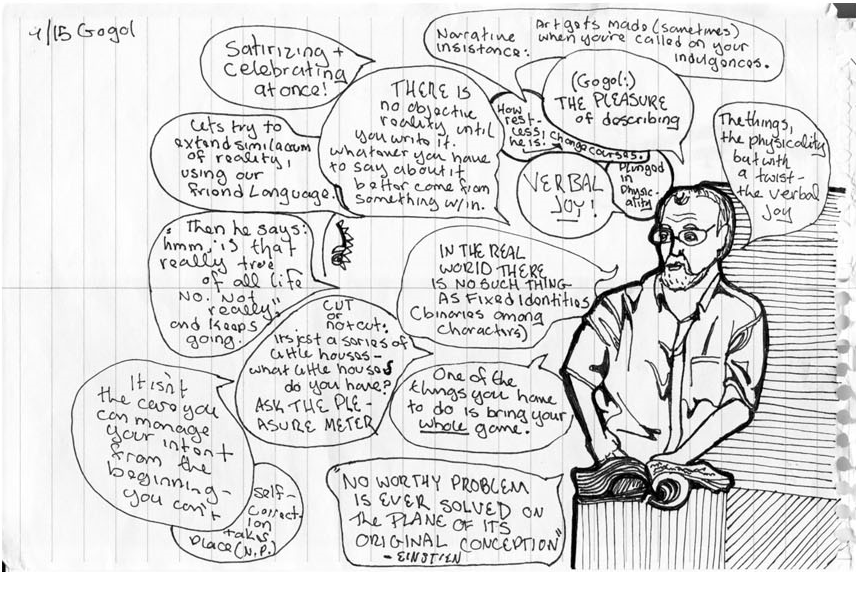
While attend­ing one of Saun­ders’ semes­ter-length writ­ing sem­i­nars, writer and artist Fishow com­piled the notes and sketch­es you see here (and sev­er­al more at The Believ­er’s Log­ger site). In each sketch, Saun­ders teach­es from one of his favorite clas­sic Russ­ian short sto­ry writ­ers. At the top, see him expound on Turgenev’s method, prof­fer­ing epipha­nies, keen obser­va­tions on craft, and writer­ly advice in word bubbles—“You are allowed to manip­u­late,” “Tec­ni­cian vs. Artist” [sic], “Instan­ta­neous micro-re-eval­u­a­tion (@end of story)”—while sur­round­ed by a fringy aura. Above, Fishow recon­structs Saun­ders’ take on Chekhov’s “Lady with the Pet Dog” around a por­trait of a pen­sive Saun­ders (look­ing a bit like Chekhov).

Saunders3

Fishow’s recon­struc­tions are obvi­ous­ly very par­tial, and it’s not clear if she took them down on the spot or scrib­bled from mem­o­ry (the mis­spellings make me think the for­mer). In the sketch above, Saun­ders’ expli­cates Gogol, with phras­es like “VERBAL JOY!” and an Ein­stein quote: “No wor­thy prob­lem is ever solved on the plane of its orig­i­nal con­cep­tion.” The lat­ter is an inter­est­ing moment of Saun­ders’ sci­en­tif­ic back­ground slip­ping into his ped­a­gogy. Before he was a MacAu­rthur win­ner and an enthu­si­as­tic teacher, Saun­ders worked as an envi­ron­men­tal engi­neer. Of his sci­ence back­ground, he has said:

…any claim I might make to orig­i­nal­i­ty in my fic­tion is real­ly just the result of this odd back­ground: basi­cal­ly, just me work­ing inef­fi­cient­ly, with flawed tools, in a mode I don’t have suf­fi­cient back­ground to real­ly under­stand. Like if you put a welder to design­ing dress­es.

As a teacher, at least in Fishow’s notes, Saun­ders cel­e­brates “work­ing inef­fi­cient­ly.” As she puts it: “His wis­dom con­firms that flaw and uncer­tain­ty and vari­ety and empa­thy (espe­cial­ly empa­thy) are pos­i­tive aspects of the writ­ing process.” Fishow’s por­traits go a long way toward con­vey­ing those qual­i­ties in Saun­ders as a pres­ence in the class­room.

Find more sketch­es at The Believ­er’s Log­ger site.

Also Read 10 Free Sto­ries by George Saun­ders Online.

Relat­ed Con­tent:

George Saun­ders Extols the Virtues of Kind­ness in 2013 Speech to Syra­cuse Uni­ver­si­ty Grads

Vladimir Nabokov (Chan­nelled by Christo­pher Plum­mer) Teach­es Kaf­ka at Cor­nell

James Joyce, With His Eye­sight Fail­ing, Draws a Sketch of Leopold Bloom (1926)

Josh Jones is a writer and musi­cian based in Durham, NC. Fol­low him at @jdmagness

Gay Talese Outlines His Famous 1966 Profile “Frank Sinatra Has a Cold” on a Shirt Board

shirt board 3

Click image once to enlarge, and yet again to enlarge fur­ther.

The assign­ment was impos­si­ble: a sub­ject that refused to be inter­viewed, research that took over three months, and expens­es that reached near­ly $5,000 (in mid 1960s mon­ey). The result: one of the great­est celebri­ty pro­files ever writ­ten.

Recent­ly hired by Esquire after spend­ing the first ten years of his career at The New York Times, Gay Talese’s first assign­ment from edi­tor Harold Hayes was to write a pro­file of the already icon­ic Frank Sina­tra.

Accord­ing to Esquire:

The leg­endary singer was approach­ing fifty, under the weath­er, out of sorts, and unwill­ing to be inter­viewed. So Talese remained in L.A., hop­ing Sina­tra might recov­er and recon­sid­er, and he began talk­ing to many of the peo­ple around Sina­tra — his friends, his asso­ciates, his fam­i­ly, his count­less hang­ers-on — and observ­ing the man him­self wher­ev­er he could.

In an inter­view last month with Nie­man Sto­ry­board, Talese explained that he didn’t want to write the sto­ry in the first place. “Life mag­a­zine just did a piece on Sina­tra,” he recalls. “What can you say about Sina­tra that hasn’t already been said?” How­ev­er, for a writer who has writ­ten many bril­liant pieces, the result­ing pro­file, “Frank Sina­tra Has a Cold,” is his most indeli­ble.

Above is Talese’s out­line for the pro­file. Instead of note­books, Talese used shirt boards to write down his obser­va­tions. As he told The Paris Review in 2009, “I cut the shirt board into four parts and I cut the cor­ners into round edges, so that they [could] fit in my pock­et. I also use full shirt boards when I’m writ­ing my out­lines.”

What is also vital to Talese’s process is his per­son­al obser­va­tion. If you read Talese’s out­line (click on the image above to enlarge), you will uncov­er more of what Talese thought and felt dur­ing that day than facts about Sina­tra. “What I’m doing as a research­ing writer is always mixed up with what I’m feel­ing while doing it,” Talese notes, “and I keep a record of this. I’m always part of the assign­ment.”

This style goes to the heart of what became known as New Jour­nal­ism, which, among oth­er things, estab­lished the right for a writer to use his or her imag­i­na­tion to make a scene come alive. While the style was adopt­ed by Talese, along with Tom Wolfe, Joan Did­ion, and oth­ers, it was first born out of neces­si­ty to com­plete the Sina­tra pro­file. “The cre­ativ­i­ty in jour­nal­ism is in what you do with what you have,” Talese says.

Relat­ed Con­tent:

Gay Talese: Drink­ing at New York Times Put Mad Men to Shame

The Ten Best Amer­i­can Essays Since 1950, Accord­ing to Robert Atwan

Watch Frank Sina­tra Play “Snarling Mad Dog Killer” in 1954 Noir Sud­den­ly

« Go BackMore in this category... »
Quantcast