Jack Kerouac’s On The Road Turned Into Google Driving Directions & Published as a Free eBook

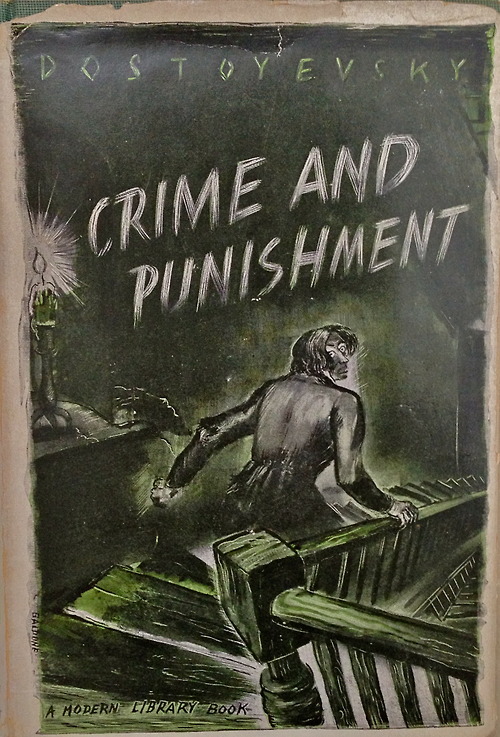
A cou­ple weeks ago, Col­in Mar­shall high­light­ed for you Jack Kerouac’s Hand-Drawn Map of the Hitch­hik­ing Trip Nar­rat­ed in On the Road. Now we have anoth­er Ker­oua­cian map for you — a map for our times. Gre­gor Weich­brodt, a Ger­man col­lege stu­dent, took all of the geo­graph­ic stops men­tioned in On the Road, plugged them into Google Maps, and end­ed up with a 45-page man­u­al of dri­ving direc­tions, divid­ed into chap­ters par­al­lel­ing those of Ker­ouac’s orig­i­nal book. You can read the man­u­al — On the Road for 17,527 Miles– as a free ebook. Just click the image above to view it online (or click here). Like­wise, you can pur­chase a print copy on Lulu and per­haps make it the basis for your own road trip. Won­der­ing how long such a trip might take? Google Maps indi­cates that Ker­ouac’s jour­ney cov­ered some 17,527 miles and the­o­ret­i­cal­ly took some 272 hours.

Note: You can find lec­tures (1 + 2) dis­cussing the impor­tance of On the Road in Yale’s course, The Amer­i­can Nov­el Since 1945. It appears in the Lit­er­a­ture sec­tion of our col­lec­tion, 1,700 Free Online Cours­es from Top Uni­ver­si­ties.

If you would like to sign up for Open Culture’s free email newslet­ter, please find it here. It’s a great way to see our new posts, all bun­dled in one email, each day.

If you would like to sup­port the mis­sion of Open Cul­ture, con­sid­er mak­ing a dona­tion to our site. It’s hard to rely 100% on ads, and your con­tri­bu­tions will help us con­tin­ue pro­vid­ing the best free cul­tur­al and edu­ca­tion­al mate­ri­als to learn­ers every­where. You can con­tribute through Pay­Pal, Patre­on, and Ven­mo (@openculture). Thanks!

via @SteveSilberman and PRI

Relat­ed Con­tent:

Jack Ker­ouac Lists 9 Essen­tials for Writ­ing Spon­ta­neous Prose

Pull My Daisy: 1959 Beat­nik Film Stars Jack Ker­ouac and Allen Gins­berg

Jack Ker­ouac Reads from On the Road (1959)

500 Free eBooks: Down­load Great Books for Free

by | Permalink | Make a Comment ( 6 ) |

Watch All of The Beatles’ Historic Appearances on The Ed Sullivan Show, 50 Years Ago

As you sure­ly know by now, The Bea­t­les invad­ed the U.S. by way of the Ed Sul­li­van Show fifty years ago yes­ter­day. What you may not know is that they appeared for three con­sec­u­tive Sun­day night broad­casts that year, begin­ning on Feb­ru­ary 9, 1964. That per­for­mance gar­nered a record 73 mil­lion view­ers and took place at the now his­toric Ed Sul­li­van The­ater. The sec­ond show on Feb­ru­ary 16  was broad­cast from Mia­mi Beach where the then-Cas­sius Clay and Son­ny Lis­ton were pro­mot­ing their famous bout on Feb. 25. The third broad­cast, Feb­ru­ary 23, showed a per­for­mance taped ear­li­er in the day of the orig­i­nal Feb. 9 appear­ance. Watch all three of those ’64 broad­casts above. (The band made a final live appear­ance on the show on August 14, 1965—watch “I Feel Fine” from that broad­cast below.)

It seemed like every­one want­ed a piece of The Beatles—the Amer­i­can press, the scream­ing hordes of teenage fans, even cer­tain British politi­cians—but the first Sul­li­van appear­ance was a gam­ble, arranged by their very savvy man­ag­er Bri­an Epstein to break the band in the States. Sul­li­van stood behind the band’s ini­tial head­lin­ing book­ing, despite his producer’s objec­tions, lat­er telling the New York Times, “I made up my mind that this was the same sort of mass hit hys­te­ria that had char­ac­ter­ized the Elvis Pres­ley days.”

Sul­li­van, the leg­end goes, first noticed the crazed response the band inspired (see above) when he wit­nessed “more than 1,500 young­sters lin[ing] the rooftop gar­dens of the Queen’s Build­ing and oth­ers con­gre­gat­ed on the ground” at Heathrow air­port after the group returned home from a trip to Stock­holm in Octo­ber, 1963. While the actu­al sto­ry of the first book­ing is a bit more com­pli­cat­ed, writes Bea­t­les’ his­to­ri­an Bruce Spiz­er, it still speaks to Sul­li­van’s impec­ca­ble instincts.

What was it like to be a view­er of that first broad­cast as a young fan? Above, Den­nis Mitchell, host of the “Break­fast with the Bea­t­les” radio show, remem­bers the moment. “Every­thing changed after that,” he says. Although the Sul­li­van broad­casts are mem­o­rable for all sorts of his­tor­i­cal rea­sons, “in the end, after it all,” says Mitchell, “it was the songs, it was the music.”

See­ing it on Ed Sul­li­van was over­whelm­ing, and the start of it all, but then we took it into our bed­rooms with the record play­ers and got deep­er into the music, because we knew that even though they’d done four or five songs on the Ed Sul­li­van show, there was more.

As the band evolved polit­i­cal­ly and styl­is­ti­cal­ly, says Mitchell, their fans “were all along for the ride. And they gen­uine­ly, it was almost like a mag­ic wand, changed things by chang­ing them­selves.” Could such a cul­tur­al moment hap­pen again? “No,” says Mitchell, “not at the lev­el that it did and not with the sig­nif­i­cance that it did.” In the fifty years since The Beatle’s arrival on U.S. shores, the world seems to have become both more frag­ment­ed and more close­ly drawn togeth­er, but we live in such a vast­ly dif­fer­ent media land­scape than the one that pro­duced the Ed Sul­li­van Show—and the last­ing fame of Elvis, The Supremes, and The Bea­t­les. After fifty years of post-Bea­t­les’ pop music, it’s impos­si­ble to imag­ine a tele­vi­sion per­for­mance hav­ing such a wide­spread impact that it almost sin­gle­hand­ed­ly trans­forms an entire gen­er­a­tion.

Relat­ed Con­tent:

The Bea­t­les’ Rooftop Con­cert: The Last Gig Filmed in Jan­u­ary 1969

Eric Clapton’s Iso­lat­ed Gui­tar Track From the Clas­sic Bea­t­les Song, ‘While My Gui­tar Gen­tly Weeps’ (1968)

The Kinks’ Ray Davies Reviews the Bea­t­les’ 1966 Album Revolver; Calls It “A Load of Rub­bish”

A Short Film on the Famous Cross­walk From the Bea­t­les’ Abbey Road Album Cov­er

Josh Jones is a writer and musi­cian based in Durham, NC. Fol­low him at @jdmagness

Comedian Reggie Watts Teaches Students Bad Science in 70s Sitcom-Style Show, Teach

Not since Gabe Kaplan’s Mr. Kot­ter has there been such a hip, big-haired, TV teacher to “help make you smart and lis­ten to your feel­ings, too.”

Does it real­ly mat­ter if come­di­an, musi­cian, and now web series star Reg­gie WattsTeach is deeply unclear on the sci­ence he’s impart­ing, if the kids in his class­room are learn­ing impor­tant life lessons? Why it’s uncool to bul­ly sin­gle-celled organ­isms, for instance. (“You might be mul­ti­cel­lu­lar but there’s no need to be cel­lulist.”)

As we all know, the best teach­ers awak­en their stu­dents’ curios­i­ty, send them bound­ing off in pur­suit of knowl­edge, rather than spoon-feed­ing them cor­rect answers.

That’s exact­ly what Mr. Watts did for—or pos­si­bly to—me when he talked about ‘tons: pro­tons, con­tons, decep­ti­cons, and tauntauns.  Had he said, “That last one refers to a species of imag­i­nary omniv­o­rous rep­tomam­mals from the 3rd high­est gross­ing fran­chise in film his­to­ry,” I would’ve spelled it “ton­tons” with­out a sec­ond thought. But because he delib­er­ate­ly left things a lit­tle vague, ask­ing, “How many of you have seen The Empire Strikes Back?” I was moti­vat­ed to do a lit­tle research. Star Wars was nev­er my bag…

It bog­gles the mind how much more I would’ve learned had the Inter­net exist­ed back when I was in high school. (Teach’s class­room is most def­i­nite­ly a blast from the past—not an iPad in sight and the over­head pro­jec­tor restored to its place of hon­or. The quick­ly uptilt­ed flask is, of course, time­less.)

The open­ing cred­its sug­gest that we should look for­ward to an edu­ca­tion in Lit­er­a­ture, Music, and His­to­ry in upcom­ing episodes.

via Boing­Bo­ing

Relat­ed Con­tent:

Musi­cal Come­di­an Reg­gie Watts Rein­vents Van Halen’s Clas­sic, “Pana­ma”

Free Com­ic Books Turns Kids Onto Physics: Start With the Adven­tures of Niko­la Tes­la

Ayun Hal­l­i­day’s graph­ic nov­el, Peanut, is a Young Adult Library Ser­vices Asso­ci­a­tion 2014 Quick for Reluc­tant Young Read­ers. Fol­low her @AyunHalliday

Groucho Marx and T.S. Eliot Become Unexpected Pen Pals, Exchanging Portraits & Compliments (1961)

grouchoeliot

Grou­cho Marx and T.S. Eliot: they’ve got to rank as one of the twen­ti­eth cen­tu­ry’s most sur­pris­ing pair of pen pals. More intrigu­ing­ly still, they first got in touch — as lumi­nar­ies seem to do — out of the spir­it of mutu­al admi­ra­tion. Marx took the praise beyond Eliot’s poet­ry to his looks: “Why you haven’t been offered the lead in some sexy movies I can only attribute to the basic stu­pid­i­ty of the cast­ing direc­tors.” This he wrote in the let­ter of June 19, 1961 above, after hav­ing received a por­trait of the poet, from the poet, in exchange for a por­trait of the come­di­an, from the come­di­an. This con­sti­tutes only part of what The Econ­o­mist calls “among the strangest and most delight­ful epis­tles ever cre­at­ed.” That same arti­cle quotes a dark­er obser­va­tion on Eliot from Antho­ny Julius’ T.S. Eliot, Anti-Semi­tism, and Lit­er­ary Form: “Anti-Semi­tism sup­plied part of the mate­r­i­al out of which he cre­at­ed poet­ry.”

There we have only one of the rea­sons to believe that the author of The Waste Land count­ed as no friend of the Jew­ish peo­ple. Yet at least in cor­re­spon­dence, between 1961 and 1964, he did befriend one par­tic­u­lar Jew­ish per­son. “Enter Grou­cho,” the Econ­o­mist arti­cle con­tin­ues, “whose wit was as unique­ly Jew­ish as it was uni­ver­sal­ly com­ic. Where Eliot was the famous defend­er of tra­di­tion, order and civilised taste, the crux of Grou­cho’s humour was flout­ing tra­di­tion, foment­ing chaos and out­rag­ing taste. ‘I have had a per­fect­ly won­der­ful evening,’ he once said to a host, ‘but this was­n’t it.’ ” The famous quip could well have come at the end of Marx and Eliot’s first, and last, meet­ing in per­son, a din­ner at the Eliot house. “There were awk­ward lulls in the con­ver­sa­tion,” accord­ing to Anna Knoebel at The Out­let. “Nei­ther man was inclined to dis­cuss his own work, while the oth­er was eager to praise it. They stopped writ­ing short­ly there­after.”

Relat­ed Con­tent:

Ray Brad­bury Gabs with Grou­cho Marx on You Bet Your Life (1955)

T.S. Eliot, as Faber & Faber Edi­tor, Rejects George Orwell’s “Trot­skyite” Nov­el Ani­mal Farm (1944)

T.S. Eliot Reads His Mod­ernist Mas­ter­pieces “The Waste Land” and “The Love Song of J. Alfred Prufrock”

Col­in Mar­shall hosts and pro­duces Note­book on Cities and Cul­ture and writes essays on cities, Asia, film, lit­er­a­ture, and aes­thet­ics. He’s at work on a book about Los Ange­les, A Los Ange­les Primer. Fol­low him on Twit­ter at @colinmarshall or on his brand new Face­book page.

The Reader: A Touching South African TV Commercial Celebrates Literacy and Scotch

In the world of adver­tis­ing, books and booze rarely go togeth­er, espe­cial­ly if you’re sell­ing beer in Amer­i­ca. But when it comes to scotch and whisky, you’ll find some excep­tions. Last year, Dewars chan­neled the ghost of Charles Bukows­ki to sell its scotch. And now Bells, a British Whisky mak­er, aired a com­mer­cial in South Africa show­ing an elder­ly man learn­ing to read — all so that, touch­ing­ly, he could read a book authored by his own son. You can watch a behind-the-scenes, mak­ing-of video here.

via Devour

Relat­ed Con­tent:

Dewars Chan­nels the Ghost of Charles Bukows­ki to Sell Scotch

Fellini’s Fan­tas­tic TV Com­mer­cials

Wim Wen­ders Cre­ates Ads to Sell Beer (Stel­la Artois), Pas­ta (Bar­il­la), and More Beer (Car­ling)

500 Free eBooks: Down­load Great Books for Free

by | Permalink | Make a Comment ( 5 ) |

Jimi Hendrix’s Final Interview Animated (1970)

We’ve pre­vi­ous­ly fea­tured Jimi Hendrix’s final inter­view, pre­served as an audio record­ing by NME’s Kei­th Altham, who sat down to talk with him on Sep­tem­ber 11, 1970, one week before Hendrix’s death. Now, we bring you mul­ti­me­dia org Blank on Blank’s ani­ma­tion of that interview—breezy, sur­re­al, fun­ny, and pro­found. As I wrote in our pre­vi­ous post, Hendrix’s “off­hand lyri­cism and frac­tal imag­i­na­tion” are on full dis­play here. It’s rare that a musi­cian is as inter­est­ing to hear speak­ing as play­ing, but Hen­drix was one of them. Take, for exam­ple, Hendrix’s response when Altham sug­gests that he invent­ed psy­che­del­ic music:

Jimi Hen­drix: [chuck­les] A mad sci­en­tist approach. The way I write things, I just write them with a clash between real­i­ty and fan­ta­sy most­ly. You have to use fan­ta­sy to show dif­fer­ent sides of real­i­ty; it’s how it can bend. As a word real­i­ty is noth­ing, but each individual’s own way of think­ing. Then the estab­lish­ment grabs a big piece of that.

Then there’s Hen­drix on destroy­ing gui­tars onstage:

Jimi Hen­drix: One time I said: maybe I should burn a gui­tar tonight. You know [laughs] smash a gui­tar or some­thing like that. And they said: yeah, yeah! I said: you real­ly think I should? They said: yeah, that’d be cool. I said: well, ok. So like I just worked up enough anger where I could do it, you know. But like I didn’t know it was anger until they told me that it was, like with destruc­tion and all that. But I believe every­body should have like a room where they can get rid of all their releas­es, where they can do their releas­es at. So my room is a stage. [laughs]

There are many more of these gems in the full inter­view that didn’t make the cut above, but the abridged Blank on Blank ver­sion appro­pri­ate­ly cap­tures the whim­sy and good humor of the late lament­ed genius.

Relat­ed Con­tent:

Jimi Hendrix’s Final Inter­view on Sep­tem­ber 11, 1970: Lis­ten to the Com­plete Audio

Watch Jimi Hendrix’s ‘Voodoo Chile’ Per­formed on a Gayageum, a Tra­di­tion­al Kore­an Instru­ment

Pre­vi­ous­ly Unre­leased Jimi Hen­drix Record­ing, “Some­where,” with Bud­dy Miles and Stephen Stills

Josh Jones is a writer and musi­cian based in Durham, NC. Fol­low him at @jdmagness

Haunting Unedited Footage of the Bombing of Nagasaki (1945)

Mak­ing the rounds on the web today is a silent film show­ing “the final prepa­ra­tion and load­ing of the ‘Fat Man’ bomb into ‘Bockscar,’ ” the plane that would drop a dev­as­tat­ing bomb on Nagasa­ki on August 9, 1945. The footage from the Los Alam­os Nation­al Lab­o­ra­to­ry is raw, except for the help­ful anno­ta­tions added by Alex Weller­stein, who runs Nuclear Secre­cy: The Restrict­ed Data Blog. Even­tu­al­ly, toward the 8 minute mark, the video shows “the Nagasa­ki explo­sion from the win­dow of an obser­va­tion plane.”  What you don’t see is the calami­tous out­come. To get a feel for the destruc­tion, you can see our pre­vi­ous post, Rare Col­or Footage of the Hiroshi­ma After­math. (Obvi­ous­ly Hiroshi­ma is the oth­er Japan­ese city that expe­ri­enced the ruinous effects of the nuclear bomb.) Also we have 360 Degree Images of Hiroshi­ma After the Bomb­ing

If you would like to sign up for Open Culture’s free email newslet­ter, please find it here. It’s a great way to see our new posts, all bun­dled in one email, each day.

If you would like to sup­port the mis­sion of Open Cul­ture, con­sid­er mak­ing a dona­tion to our site. It’s hard to rely 100% on ads, and your con­tri­bu­tions will help us con­tin­ue pro­vid­ing the best free cul­tur­al and edu­ca­tion­al mate­ri­als to learn­ers every­where. You can con­tribute through Pay­Pal, Patre­on, and Ven­mo (@openculture). Thanks!

via Metafil­ter

Relat­ed Con­tent:

53 Years of Nuclear Test­ing in 14 Min­utes: A Time Lapse Film by Japan­ese Artist Isao Hashimo­to

How a Clean, Tidy Home Can Help You Sur­vive the Atom­ic Bomb: A Cold War Film from 1954

Hiroshi­ma Atom­ic Bomb­ing Remem­bered with Google Earth

67 Free Online His­to­ry Cours­es

by | Permalink | Make a Comment ( 8 ) |

15,000 Colorful Images of Persian Manuscripts Now Online, Courtesy of the British Library

PersianMS1

When a coun­try is in the head­lines almost every day, it can be easy to for­get that today’s news isn’t the whole sto­ry. Iran’s mod­ern sto­ry fea­tures its long, bloody war with Iraq, con­test­ed pres­i­den­tial elec­tion results, and protests that became part of the Arab Spring.

But Iran is also known by its ancient name of Per­sia and is one of the world’s old­est civ­i­liza­tions.

In the 12th cen­tu­ry, all of Mesopotamia blos­somed. The Islam­ic Gold­en Age was a time of thriv­ing sci­ence, schol­ar­ship and art, includ­ing bright and vivid Per­sian miniatures—small paint­ings on paper cre­at­ed to be col­lect­ed into books.

Thou­sands of these minia­tures—known for their bright and pure coloring—are now includ­ed in a new dig­i­tal archive devel­oped by the British Library. The paint­ings, often accom­pa­nied by beau­ti­ful Per­sian texts, are metic­u­lous­ly pre­served, mak­ing avail­able del­i­cate trea­sures on par with, if not more beau­ti­ful than oth­er illu­mi­nat­ed man­u­scripts like the Book of Kells.

PersianMS2

Because the minia­tures were meant to be enjoyed in pri­vate, in books, artists could be freer with their sub­jects than with pub­lic wall paint­ings. Most minia­tures includ­ed human fig­ures, includ­ing depic­tions of the prophet Muhammed that showed his face, and “illu­mi­nat­ed” orna­men­tal bor­ders.

The joy of the archive, which includes works from the British Muse­um and India Office Library, is how close we can get to the work. Zoom in as close as you like to exam­ine the del­i­cate flow­ers and script (click the screen­shots to zoom into each paint­ing). With this tech­nol­o­gy, it’s pos­si­ble to see things that the naked eye would miss.

PersianMS3

A sep­a­rate archive hous­es rare Per­sian texts, includ­ing this pock­et ency­clo­pe­dia. The great­est ben­e­fi­cia­ries are schol­ars, who can pore over beau­ti­ful, frag­ile doc­u­ments and art­work from wher­ev­er they work, with­out dam­ag­ing the old mate­ri­als.

via The Paris Review

Relat­ed Con­tent:

Free: The Met­ro­pol­i­tan Muse­um of Art and the Guggen­heim Offer 474 Free Art Books Online

Down­load Over 250 Free Art Books From the Get­ty Muse­um

Medieval Cats Behav­ing Bad­ly: Kit­ties That Left Paw Prints … and Peed … on 15th Cen­tu­ry Man­u­scripts

Kate Rix writes about dig­i­tal media and edu­ca­tion. Vis­it her on Twit­ter.

Two Animations of Plato’s Allegory of the Cave: One Narrated by Orson Welles, Another Made with Clay

The ever-flick­er­ing lights, the ever-present screen, the stu­pe­fied spec­ta­tors immune to a larg­er real­i­ty and in need of sud­den enlightenment—Plato’s alle­go­ry of the cave from Book VII of The Repub­lic is a mar­ket­ing department’s dream: it sums up an entire brand in a stock-sim­ple para­ble that almost any­one can fol­low, one that lends itself to com­pelling­ly brief visu­al inter­pre­ta­tions like those above and below. In the top video, Orson Welles nar­rates while the cam­era pans over some col­or­ful­ly styl­ized illus­tra­tions of the fable by artist Dick Oden. This pre­serves the didac­tic tone of the text, but it is a lit­tle dry. In con­trast, the award-win­ning three-dimen­sion­al ren­der­ings of the pris­on­ers and their non­stop nick­elodeon in the Clay­ma­tion Cave Alle­go­ry below offers dra­mat­ic close-ups of the chained prisoner’s faces and the hyp­not­ic move­ment of fire­light over the cave’s rock walls.

Plato’s “brand” is a doc­trine of ide­al­ism that posits a realm of ide­al forms, of which every­thing we know by our sens­es is but an infe­ri­or copy. The iron­i­cal­ly poet­ic Socrates relates the sto­ry to illus­trate “the effect of edu­ca­tion and the lack of it on our nature.”

And yet it does much more than this—Plato illus­trates an epis­te­mol­o­gy that sup­ports notions of the soul and immor­tal­i­ty, and hence his ideas sur­vived in the­ol­o­gy long after they was sup­pos­ed­ly van­quished by ana­lyt­ic phi­los­o­phy.

Plato’s idea of rea­son as a per­fect, unchang­ing realm of which we’re only dim­ly aware is intu­itive­ly com­pelling. Most of us are at some time con­scious of how lim­it­ed our per­cep­tions tru­ly are. But just because the alle­go­ry of the cave is fair­ly easy to com­mu­ni­cate to phi­los­o­phy 101 stu­dents doesn’t mean it’s easy to adapt to the screen like the two exam­ples above. Mark Lin­sen­may­er of The Par­tial­ly Exam­ined Life points us toward these 20 YouTube takes on Plato’s cave, “many of them,” he writes, “fright­ful­ly ama­teur­ish and some of them pre­sent­ing a warped and/or incom­pre­hen­si­ble ver­sion of the sto­ry.” I am par­tic­u­lar­ly intrigued by the silent film ver­sion below. As always, your com­ments on the sound­ness of these var­i­ous inter­pre­ta­tions are most wel­come.

Cours­es on Pla­to can be found on our list of 100 Free Phi­los­o­phy Cours­es, a sub­set of our larg­er Free Online Course col­lec­tion.

Relat­ed Con­tent:

The Drink­ing Par­ty, 1965 Film Adapts Plato’s Sym­po­sium to Mod­ern Times

Phi­los­o­phy Bites: Pod­cast­ing Ideas From Pla­to to Sin­gu­lar­i­ty Since 2007

Famous Philoso­phers Imag­ined as Action Fig­ures: Plun­der­ous Pla­to, Dan­ger­ous Descartes & More

Josh Jones is a writer and musi­cian based in Durham, NC. Fol­low him at @jdmagness

Learn To Pick Locks, With The MIT Guide To Lock Picking (1991)

MIT_lockpicking2

When I was young, I decid­ed that I would learn how to pick locks. If count­less intre­pid TV heroes could dis­man­tle a pair of hand­cuffs with noth­ing but a hasti­ly swiped paper­clip, why could­n’t I? The process, it turns out, was quite easy: I prac­ticed on an old, lock­able diskette cab­i­net, and quick­ly fig­ured out how to crack the lock’s mech­a­nism using two paper­clip halves. This allowed me to pro­claim that I was an expert lock pick­er to my friends, and that, real­ly, the whole thing was an ele­men­tary pro­ce­dure.

Although, as the astute read­er would sur­mise, I knew next to noth­ing about lock pick­ing, I was right on one count: it’s easy. Or, at least, so notes the MIT Guide to Lock Pick­ing, writ­ten by the mys­te­ri­ous Ted The Tool. This primer was first pub­lished in 1987 and has been float­ing around var­i­ous web­sites for the past two decades. And it’s still con­sid­ered an essen­tial intro­duc­tion to the art of pick­ing locks. It begins by out­lin­ing lock ter­mi­nol­o­gy:

The key is insert­ed into the key­way of the plug. The pro­tru­sions on the side of the key­way are called wards. Wards restrict the set of keys that can be insert­ed into the plug. The plug is a cylin­der which can rotate when the prop­er key is ful­ly insert­ed. The non-rotat­ing part of the lock is called the hull. The first pin touched by the key is called pin one. The remain­ing pins are num­bered increas­ing­ly toward the rear of the lock. 

The prop­er key lifts each pin pair until the gap between the key pin and the dri­ver pin reach­es the sheer line. When all the pins are in this posi­tion, the plug can rotate and the lock can be opened. An incor­rect key will leave some of the pins pro­trud­ing between the hull and the plug, and these pins will pre­vent the plug from rotat­ing.

Over its 50 pages, the guide explains the flat­land and pin col­umn lock mod­els, and lays out the the­o­ry behind open­ing them. It also includes guide­lines on mak­ing lock pick­ing tools, legal infor­ma­tion, and numer­ous pieces of prac­ti­cal advice. Most use­ful? It con­tains numer­ous exer­cis­es, and stress­es the impor­tance of doing your lock pick­ing home­work:

“Any­one can learn how to open desk and fil­ing cab­i­net locks, but the abil­i­ty to open most locks in under thir­ty sec­onds is a skill that requires prac­tice.”

lia Blin­d­er­man is a Mon­tre­al-based cul­ture and sci­ence writer. Fol­low him at @iliablinderman.

Relat­ed Con­tent:

Learn How Richard Feyn­man Cracked the Safes with Atom­ic Secrets at Los Alam­os

MIT Teach­es You How to Speak Ital­ian & Cook Ital­ian Cui­sine All at Once (Free Online Course)

The Enig­ma Machine: How Alan Tur­ing Helped Break the Unbreak­able Nazi Code

14,000 Free Images from the French Revolution Now Available Online

droits de lhommeIt’s often said that the French Rev­o­lu­tion (1789–1799) cre­at­ed the “blue­print” for all rev­o­lu­tions to come. Unlike any event before it, the Rev­o­lu­tion drew its strength from ide­ol­o­gy — an ide­ol­o­gy that turned on the belief that France had cre­at­ed a rad­i­cal break with its monar­chi­cal past, and would now rad­i­cal­ly re-orga­nize itself along egal­i­tar­i­an and demo­c­ra­t­ic lines. To dri­ve this mes­sage home, the rev­o­lu­tion­ar­ies pro­duced thou­sands of pam­phlets and polit­i­cal works of art. What’s more, they cre­at­ed a new rev­o­lu­tion­ary cal­en­dar and a series of rev­o­lu­tion­ary fes­ti­vals that helped give cul­tur­al expres­sion to the idea that France had entered a new polit­i­cal age.

More than a cen­tu­ry lat­er, the Russ­ian rev­o­lu­tion­ar­ies would use the French blue­print and all cul­tur­al tools at their dis­pos­al to pro­mote its Marx­ist ideals. You’ve seen the posters. You’ve watched the films. Maybe you’ve read their texts. But per­haps you’re not as famil­iar with where rev­o­lu­tion­ary pro­pa­gan­da all began, in which case you’ll want to rum­mage through a new archive of 14,000 images from the French Rev­o­lu­tion, cre­at­ed by Stan­ford Uni­ver­si­ty and the Bib­lio­thèque nationale de France (BnF). The new archive con­tains visu­al mate­ri­als that will intrigue schol­ars as much as his­to­ry buffs.

Above you can see one image cel­e­brat­ing a found­ing doc­u­ment of the Rev­o­lu­tion — 1789’s Les droits de l’homme et du citoyen (The Rights of Man and Cit­i­zen).  Imme­di­ate­ly below, you can see a depic­tion of Lib­er­ty (a mod­ern ver­sion of a Greek god­dess) tri­umph­ing over past polit­i­cal abus­es. And, at the bot­tom, we have a vivid dis­play of the Rev­o­lu­tion’s choice instru­ment of cap­i­tal pun­ish­ment — the guil­lo­tine. Plus an image of an “aris­to­crat­ic hydre” in com­bat with the peo­ple.

liberty abuse

The images in the archive can be sort­ed by theme. If you find one you like, you can choose to down­load the image in a high-res­o­lu­tion for­mat, rang­ing from small to extra large. Schol­ars of the French Rev­o­lu­tion won’t want to miss anoth­er part of the new­ly-cre­at­ed archive. It con­tains the Archives par­lemen­taires, a series of his­tor­i­cal doc­u­ments that record the polit­i­cal events of the Rev­o­lu­tion. In the mid 1990s, I  spent long stretch­es of time read­ing those doc­u­ments in the great read­ing room of the old BN.

To explore more image archives, please see our recent post: Where to Find Free Art Images & Books from Great Muse­ums & Libraries.

frenchrevolutionarchive12

Note: Some lec­tures on the French Rev­o­lu­tion can be found in Yale’s course Euro­pean Civ­i­liza­tion, 1648–1945, which appears in our col­lec­tion, 1,700 Free Online Cours­es from Top Uni­ver­si­ties.

frenchrevolutionarchive4

via Hyper­al­ler­gic

Relat­ed Con­tent:

The British Library Puts 1,000,000 Images into the Pub­lic Domain, Mak­ing Them Free to Reuse & Remix

Read 700 Free eBooks Made Avail­able by the Uni­ver­si­ty of Cal­i­for­nia Press

The Rijksmu­se­um Puts 125,000 Dutch Mas­ter­pieces Online, and Lets You Remix Its Art

by | Permalink | Make a Comment ( 11 ) |


  • Great Lectures

  • Sign up for Newsletter

  • About Us

    Open Culture scours the web for the best educational media. We find the free courses and audio books you need, the language lessons & educational videos you want, and plenty of enlightenment in between.


    Advertise With Us

  • Archives

  • Search

  • Quantcast