Woody Allen Amuses Himself by Giving Untruthful Answers in Unaired 1971 TV Interview

Celebri­ties tire of giv­ing inter­views. I’ve learned this by spend­ing most of my career con­duct­ing inter­views myself, and thus des­per­ate­ly try­ing to mas­ter ask­ing the ques­tions that wake up a weary inter­vie­wee, get­ting them engaged enough to cast aside the boil­er­plate and speak like a con­vers­ing human being. But what about the celebri­ties them­selves? What can they do to spice up their expe­ri­ence? In 1971, the oft-inter­viewed Woody Allen sat down with Grana­da Tele­vi­sion and took a bold move to keep things inter­est­ing, appar­ent­ly chal­leng­ing him­self to reply to each ques­tion as untruth­ful­ly as pos­si­ble. Though the con­ver­sa­tion nev­er aired, Allen did man­age to keep up the rou­tine for quite some time, and you can watch near­ly forty min­utes of it in the clip above.

The inter­view­er asks Allen for a syn­op­sis of his new pic­ture. “It’s a dra­ma about human emo­tion in the Unit­ed States,” the direc­tor flat­ly replies. “It deals with the tragedy of divorce as it relates to the chil­dren and those who have to suf­fer con­tin­u­al­ly from the effects of an unhap­py home.” So it con­tains no com­e­dy what­so­ev­er, then? “No, I try and keep as much com­e­dy out of my films as pos­si­ble.” The film osten­si­bly under dis­cus­sion: Bananas. Asked ques­tion after broad, brief ques­tion, Allen lobs back ever dri­er and more implau­si­ble fab­ri­ca­tions. His ded­i­cat­ed fans, though, will notice that he does slip in a fac­tu­al state­ment. Asked if he watch­es his own films, he says no; and indeed, he famous­ly nev­er looks back at past work. The increas­ing­ly ner­vous-sound­ing inter­view­er (who may be in on the joke?) asks why. “Because I don’t have the patience to sit through them.”

h/t @lit_hum

Relat­ed con­tent:

Woody Allen Answers 12 Uncon­ven­tion­al Ques­tions He Has Nev­er Been Asked Before

Meetin’ WA: Jean-Luc Godard Meets Woody Allen in 26 Minute Film

Woody Allen Lives the “Deli­cious Life” in Ear­ly-80s Japan­ese Com­mer­cials

Woody Allen Box­es a Kan­ga­roo, 1966

Col­in Mar­shall hosts and pro­duces Note­book on Cities and Cul­ture and writes essays on lit­er­a­ture, film, cities, Asia, and aes­thet­ics. He’s at work on a book about Los Ange­les, A Los Ange­les Primer. Fol­low him on Twit­ter at @colinmarshall.

John Belushi and Dan Aykroyd Get Brian Wilson Out of Bed and Force Him to Go Surfing, 1976

There are cer­tain leg­ends sur­round­ing Bri­an Wil­son, the trou­bled genius behind the Beach Boys. One is that he hates going to the beach. He nev­er went surf­ing, even though he wrote clas­sic songs like “Surfer Girl,” “Surfin’ Safari,” and “Surfin’ USA.” Anoth­er is that he basi­cal­ly stayed in bed for two or three years in the ear­ly 1970s, weight­ed down by drugs and depres­sion.

In this clas­sic com­e­dy sketch from the sum­mer of 1976, John Belushi and Dan Aykroyd play a pair of Cal­i­for­nia High­way Patrol offi­cers who burst into the bed­room of Wilson’s Bel Air home and force the reclu­sive musi­cian to get up and go surf­ing. “Bri­an,” says Aykroyd, “we have a cita­tion here for you sir under Sec­tion 936A of the Cal­i­for­nia Catch a Wave Statute. Bri­an, you’re in vio­la­tion of Para­graph 12: fail­ing to surf, neglect­ing to use a state beach for surf­ing pur­pos­es, and oth­er­wise avoid­ing surf­boards, surf­ing and surf.”

The scene is from the NBC tele­vi­sion spe­cial It’s OK, which was pro­duced by Sat­ur­day Night Live cre­ator Lorne Michaels dur­ing the break between SNL’s first and sec­ond sea­sons. It was direct­ed by the show’s res­i­dent flm­mak­er Gary Weis. The one-hour spe­cial was orga­nized to cel­e­brate the Beach Boys’ 15th anniver­sary and to pro­mote their album, 15 Big Ones. Wil­son had just rejoined the group, and the spe­cial was part of the “Bri­an’s Back” pub­lic­i­ty cam­paign. The pro­gram, which is cur­rent­ly avail­able on Euro­pean-for­mat­ted DVD as The Beach Boys: Good Vibra­tions Tour,  includes an inter­view of Wil­son in bed, comedic scenes of band mem­bers doing off­beat things, and live footage from a July 3, 1976 Beach Boys con­cert at Ana­heim Sta­di­um. In the two inter­cut scenes above, Mike Love leads the Beach Boys onstage in a per­for­mance of “Surfin’ USA” as Wil­son is forced into the ocean in his bath robe. “Okay, Mr. Wil­son,” says Aykroyd. “Here’s your wave.”

via Dan­ger­ous Minds

Relat­ed Con­tent:

The Mak­ing of The Beach Boys’ Pet Sounds: A Video Break­down

Leonard Bern­stein Demys­ti­fies the Rock Rev­o­lu­tion for Curi­ous (if Square) Grown-Ups in 1967

John Belushi’s Impro­vised Screen Test for Sat­ur­day Night Live (1975)

The Mak­ing of The Blues Broth­ers: When Belushi and Aykroyd Went on a Mis­sion for Com­e­dy & Music

Listen to Iggy & The Stooges’ New Album Ready to Die — Online For a Limited Time

It’s prob­a­bly fair to say that Iggy Pop is the Kei­th Richards of punk. He’d prob­a­bly hate the com­par­i­son, but giv­en his super­hu­man sur­vival skills in an are­na that turns less­er mor­tals to mush, it seems apt. And now, at 66 years old, Pop and the remain­ing Stooges—James Williamson, Scott Asheton, and the great Mike Watt (replac­ing Ron Asheton)—have released a new album, their first since 2007’s The Weird­ness.

Unlike the Stones, The Stooges don’t rest on their lau­rels. Lis­ten to “Burn” above and tell me this isn’t as raw pow­er as Raw Pow­er. Pop’s voice has deep­ened con­sid­er­ably, his youth­ful machis­mo tem­pered into apoc­a­lyp­tic doom­say­ing. But he’s still got the cocked-hip grav­i­tas and full-frontal gri­mace that car­ried him through well over three decades of boom-bust-boom rock swag­ger. Wan­na hear more? Lucky for you, NPR streams the full album, Ready to Die, this week. Lis­ten to it below and be awed.

Relat­ed Con­tent: 

From The Stooges to Iggy Pop: 1986 Doc­u­men­tary Charts the Rise of Punk’s God­fa­ther

Cre­ative Uses of the Fax Machine: From Iggy Pop’s Bile to Stephen Hawking’s Snark

Josh Jones is a writer and musi­cian based in Wash­ing­ton, DC. Fol­low him @jdmagness

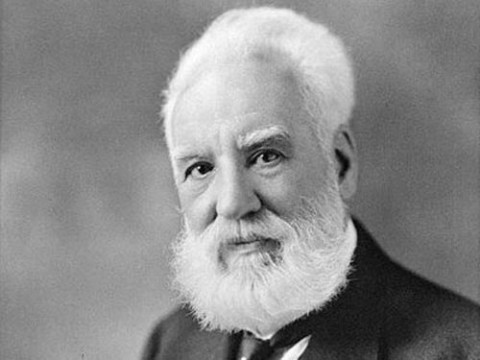
Hear the Voice of Alexander Graham Bell for the First Time in a Century

graham bell

In the past, we’ve brought you sound record­ings from the 19th cen­tu­ry — record­ings that recap­ture the long lost voic­es of fig­ures likes Walt Whit­man, Alfred Lord Ten­nyson, William Glad­stone, Tchaikovsky, and Thomas Edi­son. Now, thanks to the “dra­mat­ic appli­ca­tion of dig­i­tal tech­nol­o­gy,” the Smith­son­ian brings you (quite fit­ting­ly) the lost voice of the tele­phone’s inven­tor, Alexan­der Gra­ham Bell. Accord­ing to biog­ra­ph­er Char­lotte Gray, Bell record­ed his voice onto discs while con­duct­ing sound exper­i­ments between 1880 and 1886. Although the discs remained in the Smith­so­ni­an’s pos­ses­sion for decades, researchers lacked the tech­ni­cal abil­i­ty to play them back, and Bel­l’s voice went “mute” until Carl Haber, a sci­en­tist at the Lawrence Berke­ley Nation­al Lab­o­ra­to­ry, fig­ured out how to take high res­o­lu­tions scans of the discs and con­vert them into playable audio files. That’s what you can hear below. In the short record­ing dat­ed April 15, 1885, the inven­tor declares: “Hear my voice — Alexan­der Gra­ham Bell.”

H/T Mal­colm; audio via The Atlantic

Relat­ed Con­tent: 

Voic­es from the 19th Cen­tu­ry: Ten­nyson, Glad­stone, Whit­man & Tchaikovsky

Thomas Edi­son Recites “Mary Had a Lit­tle Lamb” in Ear­ly Voice Record­ing

Hear the Only Sur­viv­ing Record­ing of Woolf’s Voice

by | Permalink | Make a Comment ( 1 ) |

The History of Coffee and How It Transformed Our World

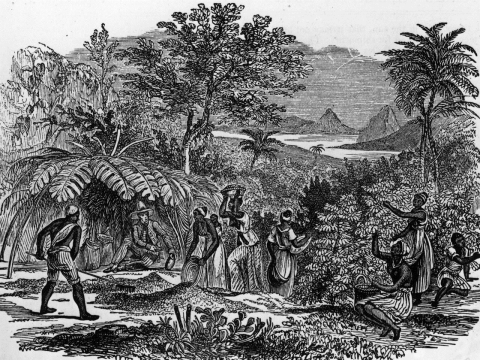
coffee plantation

Like so many dai­ly comestibles we com­plete­ly take for grant­ed—salt, sug­ar, and (far few­er of us) tobac­co—cof­fee has a long and often bru­tal his­to­ry. And like many of these sub­stances, it tends to be addic­tive. But cof­fee has also inspired a long­stand­ing social tra­di­tion that shows no signs of ever going out of fash­ion. It’s a drug that makes us thinky and chat­ty and socia­ble (I for one don’t speak a human lan­guage until I’ve had my first cup). It’s these con­tra­dic­tions of cof­fee history—its com­plic­i­ty in slave economies and the Enlight­en­ment pub­lic square—that Mark Pen­der­grast takes on in his new book Uncom­mon Grounds: The His­to­ry of Cof­fee and How It Trans­formed Our World. Pen­der­grast puts it this way:

One of the ironies about cof­fee is it makes peo­ple think. It sort of cre­ates egal­i­tar­i­an places — cof­fee­hous­es where peo­ple can come togeth­er — and so the French Rev­o­lu­tion and the Amer­i­can Rev­o­lu­tion were planned in cof­fee­hous­es. On the oth­er hand, that same cof­fee that was fuel­ing the French Rev­o­lu­tion was also being pro­duced by African slaves who had been tak­en to San­to Domin­go, which we now know as Haiti.

In the inter­view above with NPR’s “Morn­ing Edi­tion,” Pen­der­grast explains his inter­est in cof­fee his­to­ry as a way to look at the “rela­tion­ship between the have-nots and the haves.” His inves­ti­ga­tion is anoth­er for­ay into the hun­dreds of years of Euro­pean colo­nial his­to­ry that gave us both mas­sive glob­al inequal­i­ty and Star­bucks on every cor­ner. Lis­ten to the short inter­view, read Pendergrast’s book, and the next time you get thinky over cof­fee, you may just think a lot about how cof­fee shaped the world.

H/T Kim L.

Relat­ed Con­tent:

The Pod­cast His­to­ry of Our World Will Take You From Cre­ation Myths to (Even­tu­al­ly) the Present Day

The His­to­ry of the World in 46 Lec­tures From Colum­bia Uni­ver­si­ty

“The Vertue of the COFFEE Drink”: London’s First Cafe Cre­ates Ad for Cof­fee in the 1650s

Every­thing You Want­ed to Know About Cof­fee in Three Min­utes

Josh Jones is a writer and musi­cian based in Wash­ing­ton, DC. Fol­low him @jdmagness

David Lynch Explains How Meditation Enhances Our Creativity

David Lynch med­i­tates, and he med­i­tates hard. Begin­ning his prac­tice in earnest after it helped him solve a cre­ative prob­lem dur­ing the pro­duc­tion of his break­out 1977 film Eraser­head, he has con­tin­ued med­i­tat­ing assid­u­ous­ly ever since, going so far as to found the David Lynch Foun­da­tion for Con­scious­ness-Based Edu­ca­tion and Peace and pub­lish a pro-med­i­ta­tion book called Catch­ing the Big Fish.

It might seem non­sen­si­cal to hear an artist of the grotesque like Lynch speak rap­tur­ous­ly about voy­ag­ing into his own con­scious­ness, let alone in his frac­tured all-Amer­i­can, askew-Jim­my-Stew­art man­ner, but he does med­i­tate for a prac­ti­cal rea­son: it gives him ideas. Only by med­i­tat­ing, he says, can he dive down and catch the “big fish” he uses as ingre­di­ents in his inim­itable film, music, and visu­al art. You can hear more of his thoughts on med­i­ta­tion, con­scious­ness, and cre­ativ­i­ty in his nine-minute speech above.

If you’d like to hear more, the video just above offers a near­ly two-hour pre­sen­ta­tion at UC Berke­ley with Lynch as its star. You’ll also hear from out­spo­ken quan­tum physi­cist John Hagelin and Fred Travis, direc­tor of the Cen­ter for Brain, Con­scious­ness and Cog­ni­tion Mahar­ishi Uni­ver­si­ty of Man­age­ment. Some of what they say might make good sense to you: after all, we could all use a method to clear our minds so we can cre­ate what we need to cre­ate. Some of what they say might strike you as total non­sense. But if you feel tempt­ed to dis­miss all as too bizarre for seri­ous con­sid­er­a­tion, you might med­i­tate, as it were, on oth­er things Lynchi­an: back­wards-talk­ing dwarves, sev­ered ears on sub­ur­ban lawns, alien babies, women liv­ing in radi­a­tors, sit­com fam­i­lies in rab­bit suits. He’s cer­tain­ly pitched us weird­er con­cepts than med­i­ta­tion.

For some sec­u­lar intro­duc­tions to med­i­ta­tion, you may wish to try UCLA’s free guid­ed med­i­ta­tion ses­sions or check out the Med­i­ta­tion 101 ani­mat­ed beginner’s guide above. If you’re not too put off by the occa­sion­al Bud­dhist ref­er­ence, I would also high­ly rec­om­mend the Insight Med­i­ta­tion Center’s free six-part intro­duc­tion to mind­ful­ness med­i­ta­tion.

Relat­ed con­tent:

David Lynch Talks Med­i­ta­tion with Paul McCart­ney

Mihaly Czik­szent­mi­ha­lyi Explains Why the Source of Hap­pi­ness Lies in Cre­ativ­i­ty and Flow, Not Mon­ey

David Lynch’s Sur­re­al Com­mer­cials

Col­in Mar­shall hosts and pro­duces Note­book on Cities and Cul­ture and writes essays on lit­er­a­ture, film, cities, Asia, and aes­thet­ics. He’s at work on a book about Los Ange­les, A Los Ange­les Primer. Fol­low him on Twit­ter at @colinmarshall.

Mark Rothko is Toast … and More Edible Art from SFMOMA

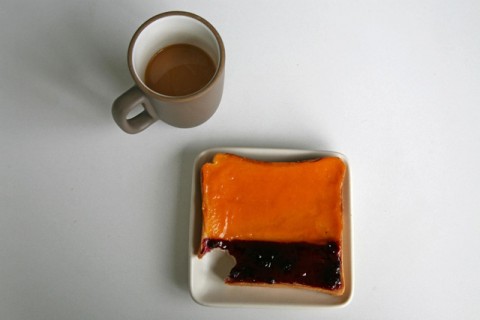
rothko_toast

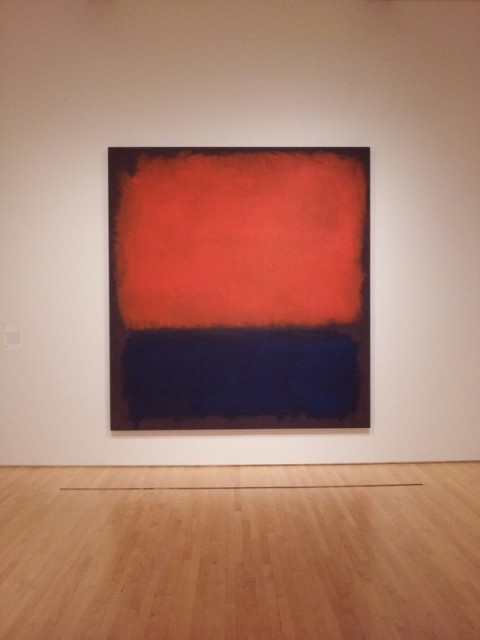
If you head to SFMO­MA’s café on Third Street in San Fran­cis­co, you can order up some Damien Hirst “Amy­lamine” lemon vel­vet cake, Don­ald Judd toma­to soup, and Mark Rothko Toast. The Rothko Toast comes paint­ed with apri­cot but­ter along the top, and wild blue­ber­ry jam along the bot­tom, cre­at­ing an edi­ble imi­ta­tion of Rothko’s paint­ing known as “No. 14, 1960.” The paint­ing (see below) hangs at SFMOMA, the West Coast’s first muse­um devot­ed to 20th cen­tu­ry art.

rothko 14

via Boing­Bo­ing & sfist

by | Permalink | Make a Comment ( 1 ) |

A Middle-Eastern Version of Radiohead’s 1997 Hit “Karma Police”

We’ve shown you Pak­istani musi­cians play­ing an amaz­ing ver­sion of Dave Brubeck’s Jazz Clas­sic, “Take Five”; also Jimi Hendrix’s ‘Voodoo Chile’ per­formed on a Gayageum (a tra­di­tion­al Kore­an instru­ment); and then the Talk­ing Heads’ “This Must Be the Place (Naive Melody)” played with  tra­di­tion­al Chi­nese instru­ments. There’s noth­ing bet­ter than these felic­i­tous meet­ings of east and west. So, today we present a Mid­dle-East­ern fla­vored ver­sion of Radio­head­’s 1997 hit “Kar­ma Police,” which orig­i­nal­ly appeared on the album OK Com­put­er. The video above fea­tures Tel Aviv-based singer Rotem She­fy on vocals, Leat Sab­bah on cel­lo, Yaniv Taich­man on the oud, and Ori Dekel on per­cus­sion. This video emerged from a Kick­starter cam­paign that was suc­cess­ful­ly fund­ed at the end of 2012.

If you would like to sup­port the mis­sion of Open Cul­ture, con­sid­er mak­ing a dona­tion to our site. It’s hard to rely 100% on ads, and your con­tri­bu­tions will help us con­tin­ue pro­vid­ing the best free cul­tur­al and edu­ca­tion­al mate­ri­als to learn­ers every­where. You can con­tribute through Pay­Pal, Patre­on, and Ven­mo (@openculture). Thanks!

Relat­ed Con­tent:

Radio­head-Approved, Fan-Made Film of the Band at Rose­land for 2011′s The King of Limbs Tour

Radiohead’s Thom Yorke Gives Teenage Girls Endear­ing Advice About Boys (And Much More)

by | Permalink | Make a Comment ( 12 ) |

Led Zeppelin Plays One of Its Earliest Concerts (Danish TV, 1969)

Here’s a great record of what Led Zep­pelin looked and sound­ed like in the first year of the band’s exis­tence. The date was March 17, 1969. The group’s debut album, Led Zep­pelin, had been out in Amer­i­ca for almost three months but would not be released in the UK for a cou­ple more weeks. Led Zep­pelin was on a tour of the UK and Scan­di­navia when they stopped by the TV-Byen stu­dios in Glad­saxe, Den­mark, a sub­urb of Copen­hagen, to play four songs from the new album:

  1. “Com­mu­ni­ca­tion Break­down”
  2. “Dazed and Con­fused”
  3. “Babe I’m Gonna Leave You”
  4. “How Many More Times”

Zep­pelin had only been togeth­er a lit­tle more than half a year when the TV show was record­ed (the band’s first gig, on Sep­tem­ber 7, 1968, also hap­pened to have been in Glad­saxe) but they sound tight. Some of the band’s trade­mark the­atrics are already in place, includ­ing Jim­my Page’s ethe­re­al vio­lin-bow gui­tar solo. Page is play­ing his clas­sic 1959 Fend­er Tele­cast­er, a gift from Jeff Beck that Page had paint­ed a drag­on on and used as his main gui­tar dur­ing his days with the Yard­birds. Only a month before this broad­cast, dur­ing Zep­pelin’s kick­off tour of Amer­i­ca, Joe Walsh had giv­en Page a Gib­son Les Paul. By the time Led Zep­pelin II was fin­ished, Page had switched to the Les Paul and basi­cal­ly retired the Tele­cast­er, though he played it on his famous 1971 solo in “Stair­way to Heav­en.”

Relat­ed Con­tent:

Jim­my Page, 13, Plays Gui­tar on BBC Tal­ent Show (1957)

‘Stair­way to Heav­en’: Watch a Mov­ing Trib­ute to Led Zep­pelin at The Kennedy Cen­ter

John Bonham’s Iso­lat­ed Drum Track For Led Zeppelin’s ‘Fool in the Rain’

Jim­my Page Tells the Sto­ry of Kash­mir

Inside Breaking Bad: Watch Conan O’Brien’s Extended Interview with the Show’s Cast and Creator

“The Mad Men col­lec­tion at Banana Repub­lic is okay,” joked a com­e­dy-writer friend of mine, “but the Break­ing Bad col­lec­tion at TJ Maxx is to die for.” A fan­tas­tic line, for sure — though I would argue that Banana Repub­lic’s Mad Men col­lec­tion is not, in fact, okay — and one that high­lights just how wide a spec­trum of sen­si­bil­i­ty and set­ting this new wave of crit­i­cal­ly acclaimed cable tele­vi­sion offers us. Over the past half-decade, these two dra­mas, Mad Men set in the ear­ly six­ties’ high-fly­ing adver­tis­ing indus­try and Break­ing Bad set on the con­tem­po­rary New Mex­i­can meth-cook­ing scene, have togeth­er drawn the lion’s share of this acclaim. What’s more, they’ve both done it on AMC, the chan­nel whose pre­vi­ous ser­vice con­sist­ed pri­mar­i­ly of Audrey Hep­burn movies, served to your great aunt. Sure, maybe you’d expect from them a peri­od series some­thing like Mad Men. But the grit­ti­er, more trou­bling Break­ing Bad? How did all involved pull it off?

In the hour-long video above, the astute inves­ti­ga­tor known as Conan O’Brien leads a pan­el dis­cus­sion about the show fea­tur­ing, among sev­er­al oth­ers, cre­ator Vince Gilli­gan and star Bryan Cranston. From his web series Seri­ous Jib­ber-Jab­ber, on which he’s held in-depth con­ver­sa­tions with the likes of his­to­ri­an Edmund Mor­ris and sta­tis­ti­cian Nate Sil­ver, we’ve learned that Conan can do long-form inter­views and get answers to the impor­tant ques­tions. Here we have the impor­tant ques­tion — not least, nat­u­ral­ly, to AMC itself — of how Break­ing Bad became, in the words of var­i­ous crit­ics, a “taut exer­cise in with­held dis­as­ter,” a “feel-good show about feel­ing real­ly bad,” a “superla­tive­ly fresh metaphor for a mid­dle-age cri­sis” and a “com­bi­na­tion of stag­ger­ing and trans­fix­ing weird­ness” that “ele­vates the artis­tic achieve­ments of the medi­um,” ulti­mate­ly becom­ing “one of tele­vi­sion’s finest dra­mat­ic accom­plish­ments.” If these words strike you as hyper­bol­ic, watch the com­pi­la­tion just above that pro­files the long-term trans­for­ma­tion of Bryan Cranston’s pro­tag­o­nist Wal­ter White. Then you’ll want to watch the series, which ends this sum­mer, and add some words of your own.

Col­in Mar­shall hosts and pro­duces Note­book on Cities and Cul­ture and writes essays on lit­er­a­ture, film, cities, Asia, and aes­thet­ics. He’s at work on a book about Los Ange­les, A Los Ange­les Primer. Fol­low him on Twit­ter at @colinmarshall.

The Physics of Mosh Pits at Heavy Metal Concerts (Explained by Cornell Grad Students)

Speak­ing at the Amer­i­can Phys­i­cal Soci­ety last month, Matthew Bier­baum, a Cor­nell grad stu­dent, pre­sent­ed a talk called “Col­lec­tive Motion at Heavy Met­al Con­certs,” where he made the case that physics is every­where, even in a mosh pit at a heavy met­al show. Along with three oth­er Cor­nell researchers, Bier­baum has ana­lyzed and mod­eled the col­lec­tive motions of mosh­ers in var­i­ous YouTube con­cert videos (like the one below) and dis­cov­ered that “dancers col­lide with each oth­er ran­dom­ly and at a dis­tri­b­u­tion of speeds that resem­bles par­ti­cles in a two-dimen­sion­al gas,” writes Lau­ren Wolfe in Chem­i­cal & Engi­neer­ing News.

To try and under­stand what’s hap­pen­ing in mosh pits, the researchers used a flock­ing-based sim­u­la­tion that helps “mod­el liv­ing beings as sim­ple par­ti­cles, reduc­ing com­plex behav­ioral dynam­ics to a few basic rules,” says Itai Cohen, the head of the research team. From this study, the Cor­nell team hopes to learn more about how seem­ing­ly chaot­ic crowds behave, and how smarter exit routes and evac­u­a­tion strate­gies can be designed.

You can learn more about their research by perus­ing the team’s pub­lished paper “Col­lec­tive Motion of Mosh­ers at Heavy Met­al Con­certs” or by watch­ing Bier­baum’s afore­men­tioned pre­sen­ta­tion in the grainy video below below.

If you would like to sup­port the mis­sion of Open Cul­ture, con­sid­er mak­ing a dona­tion to our site. It’s hard to rely 100% on ads, and your con­tri­bu­tions will help us con­tin­ue pro­vid­ing the best free cul­tur­al and edu­ca­tion­al mate­ri­als to learn­ers every­where. You can con­tribute through Pay­Pal, Patre­on, and Ven­mo (@openculture). Thanks!

Relat­ed Con­tent: 

The Physics of Cof­fee Rings Final­ly Explained

Physics from Hell: How Dante’s Infer­no Inspired Galileo’s Physics

Michio Kaku Explains the Physics Behind Absolute­ly Every­thing

The Physics of the Bike

Free Physics Cours­es Online


  • Great Lectures

  • About Us

    Open Culture scours the web for the best educational media. We find the free courses and audio books you need, the language lessons & educational videos you want, and plenty of enlightenment in between.


    Advertise With Us

  • Archives

  • Search

  • Quantcast