Mad Men brings us back to a bygone era, the early 60s, when alcohol flowed freely throughout the working day. (Watch this montage to get up to speed.) An act of historical revisionism, many might think. But, apparently not so. According to a piece in The New York Times, the show basically gets it right. Alcohol was as common in offices as office supplies. And then we have this: Gay Talese, the bestselling author and journalist, remembering the Times newsroom during the same era – a crew barely fit to publish the news that’s fit to print.
Discovery’s Final Launch Viewed from Airplane
A rather different angle on the Discovery’s final launch. The view from 35,000 feet.…
via BoingBoing
The Art of Making Movie Sounds
Right in time for the Oscars. Gary Hecker is what you’d call a “Foley artist,” someone who specializes in creating everyday sounds for movies – the sound of horses galloping, swords being unsheathed, dirt crunching beneath cowboy boots. In short, the big and small sounds you hear (and take for granted) whenever you see a movie. Timing. Creativity. They’re all part of this hidden art…
A quick PS: This Soundworks video collection takes you behind the scenes into the audio post-production of feature films, video game sound design, and original soundtrack scoring. Good spot by @sheerly.
If you would like to support the mission of Open Culture, consider making a donation to our site. It’s hard to rely 100% on ads, and your contributions will help us continue providing the best free cultural and educational materials to learners everywhere. You can contribute through PayPal, Patreon, and Venmo (@openculture). Thanks!
The Facebook Obsession
Are we obsessed with Facebook? It’s hard to argue with the numbers presented visually in this artistic little video by Alex Trimpe. One data point that struck me (if true): 48% of young Americans learn about the news, about what’s happening in the world, through Facebook. A big shift in the way information gets into people’s hands.
And that’s part of a trend we’re seeing here too. More and more, Open Culture fans are joining our Facebook page, letting our daily posts trickle into their Facebook News Feeds, then sharing the intelligent media with friends. You can join our Facebook Page here, or also follow us on Twitter where we tweet and re-tweet extra cultural goodies 24/7.
Thanks Ian for the heads up on the FB video…
Pete Eckert: Blind Photographer, Visual Artist
Pete Eckert is blind, totally blind. But his disability (if you can call it that) hasn’t stopped him from expressing himself visually. As Pete explains in the video above, he has always been a visual person. And photography has become more than a creative outlet for Pete. It’s a personal form of artistic expression, the way he sees the world through sound.
Eckert was named the Grand Prize recipient of Artists Wanted: Exposure in 2008, an international photography competition. You can learn more about Pete Eckert in this video and on his web page.
Eugene Buchko is a blogger and photographer living in Atlanta, GA. He maintains a photoblog, Erudite Expressions, and writes about what he reads on his reading blog.
Bruce Lee’s Lost Interview
Bruce Lee’s acting career began on television in 1966, when he landed a part in The Green Hornet. (Watch his amazing audition here). But it took another five years before he gave his first (and only) television interview. For 25 minutes in December 1971, the martial arts star sat down with Pierre Berton, a Canadian journalist, in Hong Kong. And their conversation covered a fair amount of ground – Lee’s success starring in Mandarin films .… despite only speaking Cantonese; his difficulty developing a career in a country still hostile toward China; and his work training other Hollywood stars in the martial arts. Berton probably never scored many points for his interviewing style. But Berton is not the point here. It’s all about Lee. via BrainPickings
Rauschenberg Erases De Kooning
In 1953, Willem De Kooning was one of the world’s most revered living painters, and Robert Rauschenberg was a talented rising star, just a year out of art school. In this clip, Rauschenberg tells of how, armed with nothing but chutzpah and a bottle of Jack Daniels, he knocked on De Kooning’s door and flat-out asked the master for an original drawing — so he could erase it. De Kooning not only acquiesced, but even chose a drawing he particularly liked. Though it was controversial at the time, Erased De Kooning is now considered a conceptual art classic. And its influence endures: Last year a student at Brown out-Rauschenberg’d Rauschenberg by erasing De Kooning’s wikipedia entry.
If you would like to support the mission of Open Culture, consider making a donation to our site. It’s hard to rely 100% on ads, and your contributions will help us continue providing the best free cultural and educational materials to learners everywhere. You can contribute through PayPal, Patreon, and Venmo (@openculture). Thanks!
Related Content:
MoMA Puts Pollock, Rothko & de Kooning on Your iPad
The MoMA Teaches You How to Paint Like Pollock, Rothko, de Kooning & Other Abstract Painters
How the CIA Secretly Funded Abstract Expressionism During the Cold War
Kasparov Talks Chess, Technology and a Little Life at Google
Garry Kasparov, still the highest-rated player in the history of chess, pulled through Google late last year and fielded questions from the Googlers. (Don’t miss Conan O’Brien’s hilarious riff on that term.) As you might expect, the questions often drifted back to Kasparov’s famous 1996–97 matches against IBM’s Deep Blue (a precursor to Watson) and more recent battles between humans and computers. The 65 minute Q&A includes a lot more good chess talk, but it also gets into the current state of Russian politics (Kasparov has opposed Vladimir Putin and ran for president in 2008), plus the chess master’s various theories about leadership and strategic thinking…
PS Be sure to read Kasparov’s thoughts on Watson written immediately after watching the much publicized Jeopardy! programs last week.
A Free Archive of 85,000 Classical Music Scores
Worth a quick mention: The New York Times ran a story yesterday profiling the International Music Score Library Project, a crowdsourced web site that indexes classical music scores (though not without raising some copyright concerns along the way). IMSL hosts 85,000 scores with several thousand new ones coming online every month. You can find Bach’s Brandenburg Concertos, Mozart’s Eine kleine Nachtmusik, Beethoven’s Symphony No. 5 – in short, the major ones along with the minor ones. And, in some cases, the archive includes audio recordings. Tchaikovsky’s Nutcracker offers an example. You can find a full list of free audio recordings (arranged by composer) here.
If you would like to support the mission of Open Culture, consider making a donation to our site. It’s hard to rely 100% on ads, and your contributions will help us continue providing the best free cultural and educational materials to learners everywhere. You can contribute through PayPal, Patreon, and Venmo (@openculture). Thanks!
Related Content:
A Big Bach Download — All Bach Organ Works for Free
How a Bach Canon Works. Brilliant
Stream 58 Hours of Free Classical Music Selected to Help You Study, Work, or Simply Relax
Teclópolis: Modernity in Stop Motion
I couldn’t say it much better than FestivalGenius did: This Argentine stop motion film (created by Can Can Club) recounts the “struggles of an anachronistic Super 8 camera to maintain relevancy in the face of dizzying and overwhelming effects of excessive consumption and waste on an increasingly plastic civilization.” In 12 minutes, everyday objects form increasingly complex, almost unimaginable landscapes. A wonder to see. Teclópolis was released in 2009.…
Free Interactive Comic Book: Poe’s “Pit and the Pendulum”
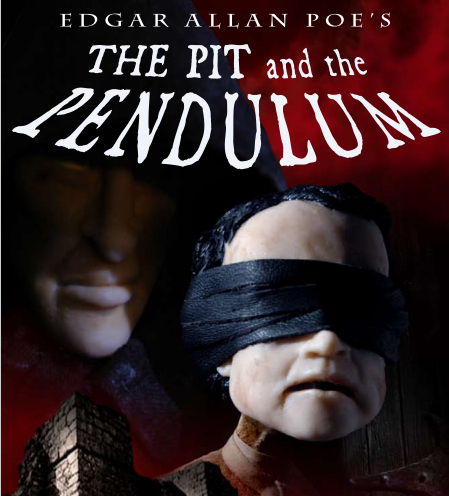
First came the stop motion film. Now comes the interactive digital comic book that gives you a modern take on Edgar Allan Poe’s classic horror story, “The Pit and the Pendulum.” (Find Poe’s original text here or listen in audio here.) The digital Pit and the Pendulum comic book is the brainchild of Marc Lougee and Susan Ma, who have layered informative links, QR codes and social media into their visual design, adding a new measure of interactivity to the traditional comic book experience. To get the most out of the experience, you will need to download a good PDF reader and QR code reader. Find those resources here. And, on a related note, don’t forget to watch another favorite of ours: the 1953 animated film version of Poe’s “The Tell-Tale Heart,” narrated by James Mason. A classic!
Support Us
We're hoping to rely on loyal readers, rather than erratic ads. Please click the Donate button and support Open Culture. You can use Paypal, Venmo, Patreon, even Crypto! We thank you!

Great Lectures
About Us

Open Culture scours the web for the best educational media. We find the free courses and audio books you need, the language lessons & educational videos you want, and plenty of enlightenment in between.
Advertise With Us
Archives
- October 2026
- September 2026
- August 2026
- July 2026
- June 2026
- May 2026
- April 2026
- March 2026
- February 2026
- January 2026
- December 2025
- November 2025
- October 2025
- September 2025
- August 2025
- July 2025
- June 2025
- May 2025
- April 2025
- March 2025
- February 2025
- January 2025
- December 2024
- November 2024
- October 2024
- September 2024
- August 2024
- July 2024
- June 2024
- May 2024
- April 2024
- March 2024
- February 2024
- January 2024
- December 2023
- November 2023
- October 2023
- September 2023
- August 2023
- July 2023
- June 2023
- May 2023
- April 2023
- March 2023
- February 2023
- January 2023
- December 2022
- November 2022
- October 2022
- September 2022
- August 2022
- July 2022
- June 2022
- May 2022
- April 2022
- March 2022
- February 2022
- January 2022
- December 2021
- November 2021
- October 2021
- September 2021
- August 2021
- July 2021
- June 2021
- May 2021
- April 2021
- March 2021
- February 2021
- January 2021
- December 2020
- November 2020
- October 2020
- September 2020
- August 2020
- July 2020
- June 2020
- May 2020
- April 2020
- March 2020
- February 2020
- January 2020
- December 2019
- November 2019
- October 2019
- September 2019
- August 2019
- July 2019
- June 2019
- May 2019
- April 2019
- March 2019
- February 2019
- January 2019
- December 2018
- November 2018
- October 2018
- September 2018
- August 2018
- July 2018
- June 2018
- May 2018
- April 2018
- March 2018
- February 2018
- January 2018
- December 2017
- November 2017
- October 2017
- September 2017
- August 2017
- July 2017
- June 2017
- May 2017
- April 2017
- March 2017
- February 2017
- January 2017
- December 2016
- November 2016
- October 2016
- September 2016
- August 2016
- July 2016
- June 2016
- May 2016
- April 2016
- March 2016
- February 2016
- January 2016
- December 2015
- November 2015
- October 2015
- September 2015
- August 2015
- July 2015
- June 2015
- May 2015
- April 2015
- March 2015
- February 2015
- January 2015
- December 2014
- November 2014
- October 2014
- September 2014
- August 2014
- July 2014
- June 2014
- May 2014
- April 2014
- March 2014
- February 2014
- January 2014
- December 2013
- November 2013
- October 2013
- September 2013
- August 2013
- July 2013
- June 2013
- May 2013
- April 2013
- March 2013
- February 2013
- January 2013
- December 2012
- November 2012
- October 2012
- September 2012
- August 2012
- July 2012
- June 2012
- May 2012
- April 2012
- March 2012
- February 2012
- January 2012
- December 2011
- November 2011
- October 2011
- September 2011
- August 2011
- July 2011
- June 2011
- May 2011
- April 2011
- March 2011
- February 2011
- January 2011
- December 2010
- November 2010
- October 2010
- September 2010
- August 2010
- July 2010
- June 2010
- May 2010
- April 2010
- March 2010
- February 2010
- January 2010
- December 2009
- November 2009
- October 2009
- September 2009
- August 2009
- July 2009
- June 2009
- May 2009
- April 2009
- March 2009
- February 2009
- January 2009
- December 2008
- November 2008
- October 2008
- September 2008
- August 2008
- July 2008
- June 2008
- May 2008
- April 2008
- March 2008
- February 2008
- January 2008
- December 2007
- November 2007
- October 2007
- September 2007
- August 2007
- July 2007
- June 2007
- May 2007
- April 2007
- March 2007
- February 2007
- January 2007
- December 2006
- November 2006
- October 2006
- September 2006

