Watch an Epic, 4‑Hour Video Essay on the Making & Mythology of David Lynch’s Twin Peaks

If you’re like me, every lit­tle bit of infor­ma­tion doled out for the upcom­ing third sea­son of Twin Peaks is like a series of clues found along a dark path through the Ghost­wood Nation­al For­est. We’ve seen brief views of some major char­ac­ters. We’ve heard Ange­lo Badala­men­ti con­firm he’s back to score the series. We picked up and speed read the Mark Frost-writ­ten Secret His­to­ry. We know that it will be 18 hours of pure David Lynch and Mark Frost, and that what­ev­er it may do, it won’t go all wonky and not-so-good like the ter­ri­ble trough in the mid­dle of Sea­son Two. And now we have a date for the pre­miere: May 21.

So it’s not time to brew cof­fee, or put a cher­ry pie in the oven, just yet. Instead, it’s time to bone up on the series itself and ask our­selves, is Twin Peaks a failed series that needs to be rec­ti­fied? Or if Lynch and Frost had nev­er agreed to revis­it their icon­ic work, would we still have a cohe­sive work?

Video essay­ist Joel Bocko says yes, and has made what is prob­a­bly the defin­i­tive and most thor­ough analy­sis of the series out there on the web.

I first stum­bled across Jour­ney Through Twin Peaks one night, and think­ing that it was only one short video essay I start­ed watch­ing. My mis­take: episode one was only the first in a 28-chap­ter series that totaled over four hours, arranged in four parts. And, yes, I sat and watched the whole damn thing.

Bocko is good, real good. This is not uncrit­i­cal fan wor­ship. This is a man, like many of us, who fell in love with the tran­scen­dent heights of the show and suf­fered through its mis­er­able lows, but, through that mis­ery, fig­ured out what made the show such a game-chang­er.

One impor­tant thing Bocko does is give Mark Frost his due. Usu­al­ly hid­den behind the art and the mythos of Lynch, Frost brought much to the show, from the detec­tive pro­ce­dur­al frame­work to themes of the occult and Theos­o­phy. Bocko shows how Lynch came out of the Twin Peaks expe­ri­ence with a com­plete­ly dif­fer­ent and much more com­plex idea of char­ac­ter. Before Peaks, Lynch’s work saw good and evil exist­ing not just on oppo­site sides of the spec­trum, but as dif­fer­ent char­ac­ters. (Think of Blue Vel­vet.) In the films he makes after­wards, dop­pel­gangers, fugue states, and self-nega­tion, along with the spir­i­tu­al con­fu­sion that come with it, are cen­tral to Lynch’s work.

But that’s just one of the many insights wait­ing for you in this reward­ing ana­lyt­i­cal work, which also takes in Fire Walk With Me and Mul­hol­land Dr. through to Inland Empire. Suf­fice it to say, it’s full of spoil­ers, so pro­ceed with cau­tion.

On the oth­er hand, if you don’t have time before the pre­miere, you can always watch the first sea­son in under a minute here.

via Wel­come to Twin Peaks

Relat­ed Con­tent:

Twin Peaks Tarot Cards Now Avail­able as 78-Card Deck

David Lynch’s Twin Peaks Title Sequence, Recre­at­ed in an Adorable Paper Ani­ma­tion

Hear the Music of David Lynch’s Twin Peaks Played by the Exper­i­men­tal Band, Xiu Xiu: A Free Stream of Their New Album

Ted Mills is a free­lance writer on the arts who cur­rent­ly hosts the artist inter­view-based FunkZone Pod­cast. You can also fol­low him on Twit­ter at @tedmills, read his oth­er arts writ­ing at tedmills.com and/or watch his films here.

Photographer Creates Stunning Realistic Portraits That Recreate Surreal Scenes from Hieronymus Bosch Paintings

All images cour­tesy of Lori Pond

It is not often not­ed that the sur­re­al­ist move­ment in the 1920s orig­i­nat­ed with poets like Paul Élu­ard and André Bre­ton, him­self a trained psy­chol­o­gist, who drew explic­it­ly from the work of Sig­mund Freud, “the pri­vate world of the mind,” as the Met­ro­pol­i­tan Muse­um of Art puts it. And yet we cer­tain­ly see the influ­ence of Freudi­an poet­ry in the work of Gior­gio de Chiri­co, Mar­cel Duchamp, Sal­vador Dalí, Joan Miró, and Man Ray. We also see it, inex­plic­a­bly, in the work of Hierony­mus Bosch, that 15th cen­tu­ry Dutch painter of bizarre works like The Gar­den of Earth­ly Delights, a trip­tych that becomes expo­nen­tial­ly more night­mar­ish as one scans across it from left to right. (Take a vir­tu­al tour of the paint­ing here), and from which pho­tog­ra­ph­er Lori Pond draws in the aston­ish­ing pho­tographs you see here.

How does such a far­away fig­ure as Bosch, whom we know so lit­tle about, seem to com­mu­ni­cate so close­ly with our epoch’s artis­tic move­ments? The Gar­den of Earth­ly Delights, writes Stephen Hold­en at the New York Times, “out­strips in bold­ness many of the extreme dig­i­tal fan­tasies in Hol­ly­wood hor­ror films.” Bosch’s incred­i­bly detailed paint­ings “feel star­tling­ly con­tem­po­rary.… Repro­duc­tions of his paint­ings have adorned rock album cov­ers, been par­o­died on The Simp­sons and print­ed on silk bodices designed by Alexan­der McQueen.” And he was, in fact, named “Trendi­est Apoc­a­lyp­tic Medieval Painter of 2014.”

We might well won­der what Bosch would have done with the same tech­nolo­gies as those who now pay him trib­ute. Per­haps some­thing very much like Pond has with her Bosch Redux series, a col­lec­tion of pho­tographs of very close-up details in sev­er­al of Bosch’s paint­ings, fea­tur­ing one or two char­ac­ters. To make these pho­tos, writes Alyssa Cop­pel­man at Adobe’s Cre­ate blog, Pond “bought props online, in antique stores, and at swap meets, and friends donat­ed her old Hal­loween cos­tumes.” She hired a pros­thet­ics design­er and her “taxi­dermy teacher.” For pho­tos like that above from the cen­tral pan­el of the trip­tych, Pond even hired a set builder to cre­ate a life-sized boat that could fit the two real-life mod­els.

Many of these effects might have been accom­plished by ear­ly twen­ti­eth cen­tu­ry sur­re­al­ists, and indeed, when these details from Bosch’s work are ampli­fied they resem­ble noth­ing so much as those psy­cho­an­a­lyt­ic mod­ernists. But Pond admits, “I ful­ly abide by the max­im, ‘A pho­to­graph isn’t a pho­to­graph until it goes through Pho­to­shop.’” She makes the usu­al adjust­ments, adds fil­ters and effects, then employs “tex­tures, back­grounds, and oth­er small details from the orig­i­nal paint­ings,” mak­ing Bosch a col­lab­o­ra­tor in these close-up remix­es, which come from The Last Judg­ment, The Temp­ta­tion of St. Antho­ny, and The Gar­den of Earth­ly Delights, of course—the paint­ing that first gave her the inspi­ra­tion when Pond saw it at the Pra­do in Madrid. You can see many more exam­ples of the series at Pond’s web­site, six­teen sur­re­al­ly apoc­a­lyp­tic visions in all.

via Dan­ger­ous Minds

Relat­ed Con­tent:

Take a Vir­tu­al Tour of Hierony­mus Bosch’s Bewil­der­ing Mas­ter­piece The Gar­den of Earth­ly Delights

New App Lets You Explore Hierony­mus Bosch’s “The Gar­den of Earth­ly Delights” in Vir­tu­al Real­i­ty

Lis­ten to a Record­ing of a Song Writ­ten on a Man’s Butt in a 15-Cen­tu­ry Hierony­mus Bosch Paint­ing

Hierony­mus Bosch’s Medieval Paint­ing, The Gar­den of Earth­ly Delights, Comes to Life in a Gigan­tic, Mod­ern Ani­ma­tion 

Josh Jones is a writer and musi­cian based in Durham, NC. Fol­low him at @jdmagness

The Women’s Suffrage March of 1913: The Parade That Overshadowed Another Presidential Inauguration a Century Ago

On Fri­day, a per­son who has insult­ed, demeaned, and threat­ened tens of mil­lions of the country’s cit­i­zens will take the oath of office for the pres­i­den­cy of the Unit­ed States. That’s an extra­or­di­nary thing, and the reac­tion will also be extraordinary—a Women’s March the fol­low­ing day in Wash­ing­ton, DC expect­ed to draw hun­dreds of thou­sands of every gen­der, race, creed, and ori­en­ta­tion. Sis­ter march­es and protests will take place in every major city on the East and West Coast and every­where in-between, as well as inter­na­tion­al­ly in cities like Lon­don, Syd­ney, Buenos Aires, Cal­gary, Barcelona, Dar es Salaam… the list goes on and on and on.

Why Women’s March­es if these events are all-inclu­sive? In addi­tion to respond­ing to the pub­lic dis­plays of con­tempt for women we’ve wit­nessed over and over in the past year, the events intend to reaf­firm the rights of all peo­ple. The orga­niz­ers suc­cinct­ly state that “women’s rights are human rights. We stand togeth­er, rec­og­niz­ing that defend­ing the most mar­gin­al­ized among us is defend­ing all of us.”

A Rawl­sian pro­gres­sive notion, and also a “Kingian” one, a descrip­tion the march applies to its non­vi­o­lent prin­ci­ples. What they don’t say is that there is also sig­nif­i­cant his­tor­i­cal prece­dent for the action. Over 100 years ago, anoth­er women’s march coin­cid­ed with a pres­i­den­tial swear­ing-in, this time of Woodrow Wil­son in March of 1913.

March­ing for the cause of suf­frage, women from around the coun­try and the world arrived in DC on March 3rd, the day before Wilson’s inau­gu­ra­tion. Many of those marchers had hiked 234 miles from New York in 17 days, bear­ing a let­ter to the Pres­i­dent-elect, writes Mash­able, “demand­ing that he make suf­frage a pri­or­i­ty of his admin­is­tra­tion and warn­ing that the women of the nation would be watch­ing ‘with an intense inter­est such as has nev­er before been focused upon the admin­is­tra­tion of any of your pre­de­ces­sors.’” Orga­nized by Alice Paul and Lucy Burns of the Nation­al Amer­i­can Woman Suf­frage Asso­ci­a­tion, the march promised, in their words, “the most con­spic­u­ous and impor­tant demon­stra­tion that has ever been attempt­ed by suf­frag­ists in this coun­try.”

The parade was filled with pageantry. “Clad in a white cape astride a white horse,” writes the Library of Con­gress, “lawyer Inez Mil­hol­land led the great woman suf­frage parade down Penn­syl­va­nia Avenue in the nation’s cap­i­tal. Behind her stretched a long line with nine bands, four mount­ed brigades, three her­alds, about twen­ty-four floats, and more than 5,000 marchers.”

As you can see in the images here from the LoC—including the draw­ing of the parade route above by Lit­tle Nemo car­toon­ist Win­sor McK­ay—the parade drew a huge glob­al coali­tion. It also drew ridicule, harass­ment, and vio­lence from groups in DC for the fol­low­ing day’s fes­tiv­i­ties. As the LoC writes:

[A]ll went well for the first few blocks. Soon, how­ev­er, the crowds, most­ly men in town for the fol­low­ing day’s inau­gu­ra­tion of Woodrow Wil­son, surged into the street mak­ing it almost impos­si­ble for the marchers to pass. Occa­sion­al­ly only a sin­gle file could move for­ward. Women were jeered, tripped, grabbed, shoved, and many heard “inde­cent epi­thets” and “barn­yard con­ver­sa­tion.” Instead of pro­tect­ing the parade, the police “seemed to enjoy all the rib­ald jokes and laugh­ter and in part par­tic­i­pat­ed in them.” One police­man explained that they should stay at home where they belonged.

Many marchers were injured; “two ambu­lances ‘came and went con­stant­ly for six hours, always imped­ed and at times actu­al­ly opposed, so that doc­tor and dri­ver lit­er­al­ly had to fight their way to give suc­cor.’” The event includ­ed sev­er­al promi­nent fig­ures, includ­ing Helen Keller, “who was unnerved by the expe­ri­ence.” Also present was Jean­nette Rankin, who, writes Mash­able, “would become the first woman elect­ed to the House of Rep­re­sen­ta­tives four years lat­er.” Nel­ly Bly marched, as did jour­nal­ist and anti-lynch­ing activist Ida B. Wells, “who marched with the Illi­nois del­e­ga­tion despite the com­plaints of some seg­re­ga­tion­ist marchers.”

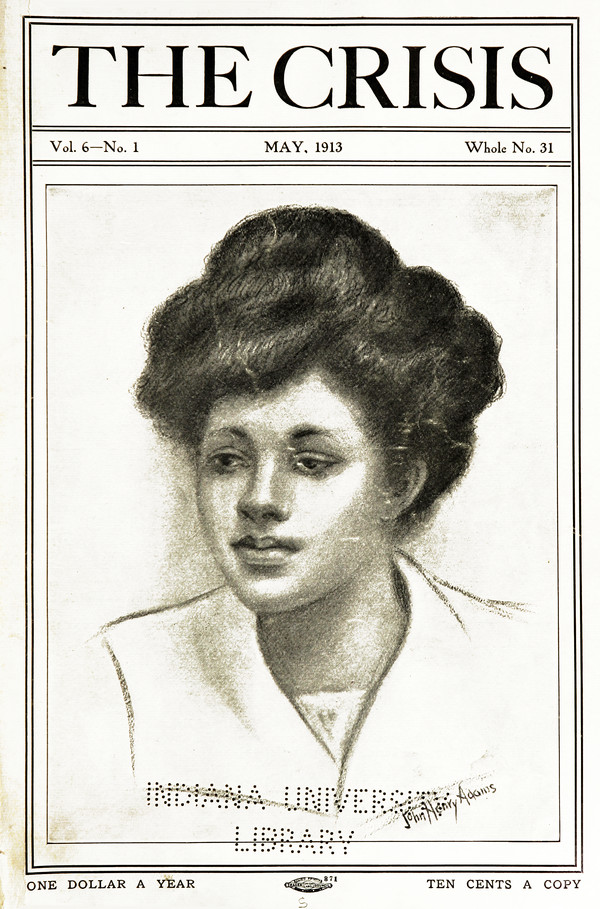
In fact, though the selec­tive images sug­gest oth­er­wise, the march was more inclu­sive than the suf­frag­ist move­ment is gen­er­al­ly giv­en cred­it for. Over the objec­tions of most­ly South­ern del­e­gates, many black women joined the ranks. After “telegrams and protests poured in” protest­ing seg­re­ga­tion, mem­bers of the Nation­al Asso­ci­a­tion of Col­ored Women “marched accord­ing to their State and occu­pa­tion with­out let or hin­drance,” not­ed the NAACP jour­nal Cri­sis. And yet, when the wom­en’s vote was final­ly achieved in 1920, that gen­er­al cat­e­go­ry still did not include black women. The misog­y­ny on dis­play that day was vicious, but still per­haps not as endem­ic as the country’s racism, which exist­ed in large degree with­in suf­frag­ist groups as well.

Once the press broad­cast news of the marchers’ mis­treat­ment, there was a mas­sive pub­lic out­cry that helped rein­vig­o­rate the suf­frage move­ment. Sev­er­al oth­er artists than McK­ay found inspi­ra­tion in the march; Cleve­land Plain Deal­er car­toon­ist James Don­a­hey, for exam­ple, “sub­sti­tut­ed women for men in a car­toon based on the famous paint­ing ‘Wash­ing­ton Cross­ing the Delaware,’” writes the Library of Con­gress. Anoth­er car­toon­ist, George Fol­som, doc­u­ment­ed the stages of the hike from New York, with cap­tions addressed to male read­ers. The strip above says, “they are mak­ing his­to­ry mates—be sure you save it for your descen­dants.” Anoth­er strip reads “Brave women all, none braver mates. Put this away and look at it when they win.”

At the Library of Congress’s Amer­i­can Women site, you’ll find a wealth of resources for research­ing the his­to­ry and impact of the 1913 Suf­frage Parade. To find out more about the hun­dreds of con­tem­po­rary Women’s Marches—open to peo­ple of every “race, eth­nic­i­ty, reli­gion, immi­gra­tion sta­tus, sex­u­al iden­ti­ty, gen­der expres­sion, eco­nom­ic sta­tus, age or dis­abil­i­ty”—see the web­site here or read this Rolling Stone inter­view with orga­niz­er Lin­da Sar­sour.


Relat­ed Con­tent:

Odd Vin­tage Post­cards Doc­u­ment the Pro­pa­gan­da Against Women’s Rights 100 Years Ago

Down­load Images From Rad Amer­i­can Women A‑Z: A New Pic­ture Book on the His­to­ry of Fem­i­nism

The First Fem­i­nist Film, Ger­maine Dulac’s The Smil­ing Madame Beudet (1922)

Josh Jones is a writer and musi­cian based in Durham, NC. Fol­low him at @jdmagness

An Animated Introduction to Theodor Adorno & His Critique of Modern Capitalism

The Ger­man philoso­pher and soci­ol­o­gist Theodor Adorno had much to say about what was wrong with soci­ety, and even now, near­ly fifty years after his death, his adher­ents would argue that his diag­noses have lost none of their rel­e­vance. But what, exact­ly, did he think ailed us? This ani­mat­ed intro­duc­tion from Alain de Bot­ton’s School of Life on the “the beguil­ing and calm­ly furi­ous work” of the author of books like Dialec­tic of Enlight­en­ment, Min­i­ma MoraliaNeg­a­tive Dialec­tics, and The Author­i­tar­i­an Per­son­al­i­ty offers a brief primer on the crit­i­cal the­o­ry that con­sti­tut­ed Adorno’s entire life’s work.

Well, almost his entire life’s work: “Until his twen­ties, Adorno planned for a career as a com­pos­er, but even­tu­al­ly focused on phi­los­o­phy.” He then became an exile from his home­land in 1934, even­tu­al­ly land­ing in Los Ange­les, where he found him­self “both fas­ci­nat­ed and repelled by Cal­i­forn­ian con­sumer cul­ture, and thought with unusu­al depth about sun­tans and dri­ve-ins.”

This even­tu­al­ly brought him to define “three sig­nif­i­cant ways in which cap­i­tal­ism cor­rupts and degrades us,” the first being that “leisure time becomes tox­ic” (due in large part to the “omnipresent and deeply malev­o­lent enter­tain­ment machine which he called the Cul­ture Indus­try”), the sec­ond that “cap­i­tal­ism does­n’t sell us the things we real­ly need,” and the third that “pro­to-fas­cists are every­where.”

Even if you don’t buy all the dan­gers Adorno ascribes to cap­i­tal­ism itself, his core obser­va­tion still holds up: “Psy­chol­o­gy comes ahead of pol­i­tics. Long before some­one is racist, homo­pho­bic, or author­i­tar­i­an, they are, Adorno skill­ful­ly sug­gest­ed, like­ly to be suf­fer­ing from psy­cho­log­i­cal frail­ties and imma­tu­ri­ties, which is the task of a good soci­ety to get bet­ter at spot­ting and respond­ing to.” In order to address this, “we should learn to under­stand the psy­chol­o­gy of every­day insan­i­ty from the ear­li­est moments.” What would Adorno, who “rec­og­nized that the pri­ma­ry obsta­cles to social progress are cul­tur­al and psy­cho­log­i­cal rather than nar­row­ly polit­i­cal or eco­nom­ic,” make of our 21st-cen­tu­ry social media age? Maybe it would sur­prise him — and maybe it would­n’t sur­prise him at all.

On a relat­ed note, you might want to read Alex Ross’ piece in The New York­er, “The Frank­furt School Knew Trump Was Com­ing.”

Relat­ed Con­tent:

Theodor Adorno’s Rad­i­cal Cri­tique of Joan Baez and the Music of the Viet­nam War Protest Move­ment

Theodor Adorno’s Crit­i­cal The­o­ry Text Min­i­ma Moralia Sung as Hard­core Punk Songs

Hear Theodor Adorno’s Avant-Garde Musi­cal Com­po­si­tions

Theodor Adorno’s Phi­los­o­phy of Punc­tu­a­tion

Based in Seoul, Col­in Mar­shall writes and broad­casts on cities and cul­ture. He’s at work on a book about Los Ange­les, A Los Ange­les Primer, the video series The City in Cin­e­ma, the crowd­fund­ed jour­nal­ism project Where Is the City of the Future?, and the Los Ange­les Review of Books’ Korea Blog. Fol­low him on Twit­ter at @colinmarshall or on Face­book.

Watch Priceless 17-Century Stradivarius and Amati Violins Get Taken for a Test Drive by Professional Violinists

Mate­ri­als like car­bon fiber and Lucite have been mak­ing their way into clas­si­cal stringed instru­ment design for many years, and we’ve recent­ly seen the 3‑D print­ed elec­tric vio­lin come into being. It’s an impres­sive-sound­ing instru­ment, one must admit. But trained clas­si­cal vio­lin­ists, luthiers, music his­to­ri­ans, and col­lec­tors all agree: the vio­lin has nev­er real­ly been improved upon since around the turn of the 18th cen­tu­ry, when two its finest makers—the Amati and Stradi­vari families—were at their peak. A few stud­ies have tried to poke holes in the argu­ment that such vio­lins are supe­ri­or in sound to mod­ern makes. There are many rea­sons to view these claims with skep­ti­cism.

By the time the most expert Ital­ian luthiers began mak­ing vio­lins, the instru­ment had already more or less assumed its final shape, after the long evo­lu­tion of its f‑holes into the per­fect son­ic con­duit. How­ev­er, Amati and Stradi­vari not only refined the violin’s curves, edges, and neck design, they also intro­duced new chem­i­cal process­es meant to pro­tect the wood from worms and insects.

One bio­chem­istry pro­fes­sor dis­cov­ered that these chem­i­cals “had the unin­tend­ed result of pro­duc­ing the unique sounds that have been almost impos­si­ble to dupli­cate in the past 400 years.”

Know­ing they had hit upon a win­ning for­mu­la, the top mak­ers passed their tech­niques down for sev­er­al gen­er­a­tions, mak­ing hun­dreds of vio­lins and oth­er instru­ments. A great many of these instru­ments sur­vive, though a mar­ket for fakes thrives along­side them. The instru­ments you see in the videos here are the real thing, four of the world’s old­est and most price­less vio­lins, all of them resid­ing at The Met­ro­pol­i­tan Muse­um of Art. These date from the late 1600s to ear­ly 1700s, and were all made in Cre­mona, the North­ern Ital­ian home of the great mas­ters. At the top of the post, you can see Sean Avram Car­pen­ter play Bach’s Sonata No. 1 in G minor on a 1669 vio­lin made by Nicolò Amati.

The next three videos are of vio­lins made by Anto­nio Stradi­vari, per­haps once an appren­tice of Amati. Each instru­ment has its own nick­name: “The Gould” dates from 1693 and is, writes the Met, “the only [Stradi­vari] in exis­tence that has been restored to its orig­i­nal Baroque form.” We can see Car­pen­ter play Bach’s Sonata in C major on this instru­ment fur­ther up. Both “The Gould” and the Amati vio­lin were made before mod­i­fi­ca­tions to the angle of the neck cre­at­ed “a loud­er, more bril­liant tone.” Above you can hear “The Francesca,” from 1694. Car­pen­ter plays from “Liebesleid” by Fritz Kreisler with the pianist Gabriela Mar­tinez. See if you can tell the dif­fer­ence in tone between this instru­ment and the first two, less mod­ern designs.

The last vio­lin fea­tured here, “The Anto­nius,” made by Stradi­vari in 1717, gets a demon­stra­tion in front of a live audi­ence by Eric Gross­man, who plays the cha­conne from Bach’s Par­ti­ta No. 2 in D minor. This instru­ment comes from what is called Stradivari’s “Gold­en Peri­od,” the years between 1700 and 1720. Some of the most high­ly val­ued of Stradi­varii in pri­vate hands date from around this time. And some of these instru­ments have his­to­ries that may jus­ti­fy their stag­ger­ing price tags. The Moli­tor Stradi­var­ius, for exam­ple, was sup­pos­ed­ly owned by Napoleon. But no mat­ter the pre­vi­ous own­er or num­ber of mil­lions paid, every vio­lin cre­at­ed by one of these mak­ers car­ries with it tremen­dous pres­tige. Is it deserved? Hear­ing them might make you a believ­er. Joseph Nagy­vary, the Texas A&M pro­fes­sor emer­i­tus who is dis­cov­er­ing their secrets, tells us, “the great vio­lin mas­ters were mak­ing vio­lins with more human­like voic­es than any oth­ers of the time.” Or any since, most experts would agree.

Relat­ed Con­tent:

What Does a $45 Mil­lion Vio­la Sound Like? Vio­list David Aaron Car­pen­ter Gives You a Pre­view

What Makes the Stradi­var­ius Spe­cial? It Was Designed to Sound Like a Female Sopra­no Voice, With Notes Sound­ing Like Vow­els, Says Researcher

The Art and Sci­ence of Vio­lin Mak­ing

Why Vio­lins Have F‑Holes: The Sci­ence & His­to­ry of a Remark­able Renais­sance Design

Behold the “3Dvarius,” the World’s First 3‑D Print­ed Vio­lin

Josh Jones is a writer and musi­cian based in Durham, NC. Fol­low him at @jdmagness

Watch The Danish Poet, the Oscar-Winning Animated Film Narrated by Ingmar Bergman’s Muse Liv Ullmann


“Liv, you are my Stradi­var­ius,” Ing­mar Bergman once told his muse, Liv Ull­mann, the actress who starred in 12 of the direc­tor’s films, includ­ing Per­sona (1966), The Pas­sion of Anna (1969), Cries and Whis­pers (1972) and Autumn Sonata (1978).

Ull­mann and Bergman’s cin­e­mat­ic lega­cies are inex­tri­ca­bly linked. When you think of one, you think of the oth­er. And yet Ull­mann had an act­ing career before and after Bergman. Above, you can watch The Dan­ish Poet, nar­rat­ed by Ull­mann her­self. Win­ner of the 2007 Oscar for Best Ani­mat­ed Short Film, The Dan­ish Poet fol­lows “Kasper, a poet whose cre­ative well has run dry, on a hol­i­day to Nor­way to meet the famous writer, Sigrid Und­set. As Kasper’s quest for inspi­ra­tion unfolds, it appears that a spell of bad weath­er, an angry dog, slip­pery barn planks, a care­less post­man, hun­gry goats and oth­er seem­ing­ly unre­lat­ed fac­tors might play impor­tant roles in the big scheme of things after all.”

If you would like to sup­port the mis­sion of Open Cul­ture, con­sid­er mak­ing a dona­tion to our site. It’s hard to rely 100% on ads, and your con­tri­bu­tions will help us con­tin­ue pro­vid­ing the best free cul­tur­al and edu­ca­tion­al mate­ri­als to learn­ers every­where. You can con­tribute through Pay­Pal, Patre­on, and Ven­mo (@openculture). Thanks!

Relat­ed Con­tent:

Watch the Sur­re­al­ist Glass Har­mon­i­ca, the Only Ani­mat­ed Film Ever Banned by Sovi­et Cen­sors, (1968)

Ing­mar Bergman Names the 11 Films He Liked Above All Oth­ers (1994)

The Mir­rors of Ing­mar Bergman, Nar­rat­ed with the Poet­ry of Sylvia Plath

by | Permalink | Make a Comment ( 2 ) |

David Lynch Explains How Meditation Boosts Our Creativity (Plus Free Resources to Help You Start Meditating)

David Lynch med­i­tates, and he med­i­tates hard. Begin­ning his prac­tice in earnest after it helped him solve a cre­ative prob­lem dur­ing the pro­duc­tion of his break­out 1977 film Eraser­head, he has con­tin­ued med­i­tat­ing assid­u­ous­ly ever since, going so far as to found the David Lynch Foun­da­tion for Con­scious­ness-Based Edu­ca­tion and Peace and pub­lish a pro-med­i­ta­tion book called Catch­ing the Big Fish.

It might seem non­sen­si­cal to hear an artist of the grotesque like Lynch speak rap­tur­ous­ly about voy­ag­ing into his own con­scious­ness, let alone in his frac­tured all-Amer­i­can, askew-Jim­my-Stew­art man­ner, but he does med­i­tate for a prac­ti­cal rea­son: it gives him ideas.

Only by med­i­tat­ing, he says, can he dive down and catch the “big fish” he uses as ingre­di­ents in his inim­itable film, music, and visu­al art. You can hear more of his thoughts on med­i­ta­tion, con­scious­ness, and cre­ativ­i­ty in his nine-minute speech above.

If you’d like to hear more, the video just above offers a near­ly two-hour pre­sen­ta­tion at UC Berke­ley with Lynch as its star. You’ll also hear from out­spo­ken quan­tum physi­cist John Hagelin and Fred Travis, direc­tor of the Cen­ter for Brain, Con­scious­ness and Cog­ni­tion Mahar­ishi Uni­ver­si­ty of Man­age­ment. Some of what they say might make good sense to you: after all, we could all use a method to clear our minds so we can cre­ate what we need to cre­ate. Some of what they say might strike you as total non­sense. But if you feel tempt­ed to dis­miss all as too bizarre for seri­ous con­sid­er­a­tion, you might med­i­tate, as it were, on oth­er things Lynchi­an: back­wards-talk­ing dwarves, sev­ered ears on sub­ur­ban lawns, alien babies, women liv­ing in radi­a­tors, sit­com fam­i­lies in rab­bit suits. He’s cer­tain­ly pitched us weird­er con­cepts than med­i­ta­tion.

For some sec­u­lar intro­duc­tions to med­i­ta­tion, you may wish to try out some of these resources.

UCLA’s Free Guid­ed Med­i­ta­tion Ses­sions

Insight Med­i­ta­tion Center’s Free 6‑Part Intro to Mind­ful­ness Med­i­ta­tion

Stream 18 Hours of Free Guid­ed Med­i­ta­tions

Med­i­ta­tion 101: A Short, Ani­mat­ed Beginner’s Guide

Philoso­pher Sam Har­ris Leads You Through a 26-Minute Guid­ed Med­i­ta­tion

Moby Lets You Down­load 4 Hours of Ambi­ent Music to Help You Sleep, Med­i­tate, Do Yoga & Not Pan­ic

This post orig­i­nal­ly appeared on our site in April, 2013.

Relat­ed con­tent:

David Lynch Talks Med­i­ta­tion with Paul McCart­ney

Dai­ly Med­i­ta­tion Boosts & Revi­tal­izes the Brain and Reduces Stress, Har­vard Study Finds

Allen Gins­berg Teach­es You How to Med­i­tate with a Rock Song Fea­tur­ing Bob Dylan on Bass


Col­in Mar­shall hosts and pro­duces Note­book on Cities and Cul­ture and writes essays on lit­er­a­ture, film, cities, Asia, and aes­thet­ics. He’s at work on a book about Los Ange­les, A Los Ange­les Primer. Fol­low him on Twit­ter at @colinmarshall.

Bauhaus Artist László Moholy-Nagy Designs an Avant-Garde Map to Help People Get Over the Fear of Flying (1936)

Though he’s hard­ly a house­hold name like Kandin­sky or Klee, Hun­gar­i­an painter and pho­tog­ra­ph­er Lás­zló Moholy-Nagy was just as influ­en­tial as those mem­bers of Wal­ter Gropius’ Bauhaus dur­ing the 1920s. As a teacher and one of the collective’s “lead­ing fig­ures,” Fiona Mac­Carthy argues, he may have indeed been, “the most inven­tive and engag­ing of all the Bauhaus artists.” Where all of the school’s mem­bers embraced, and some­times cri­tiqued, emerg­ing tech­nolo­gies, mate­ri­als, and modes of pro­duc­tion, per­haps none did so with such con­vic­tion as Moholy-Nagy.

“Every­one is equal before the machine,” he once wrote, “I can use it; so can you. It can crush me; the same can hap­pen to you.” His cool “grasp of new tech­nolo­gies,” writes Mac­Carthy, “was prophet­ic.… Entranced by the mech­a­nized pro­duc­tion of art­works,” he ridiculed “the artists’ tra­di­tion­al stance as indi­vid­ual cre­ator.” Many mod­ern artists shunned adver­tis­ing work, but in Moholy-Nagy’s case, the tran­si­tion seems per­fect­ly nat­ur­al and con­sis­tent with his the­o­ry. He also need­ed the mon­ey. Hav­ing fled the Nazis and set­tled in Lon­don in 1935, the artist found him­self, notes Hyper­al­ler­gic, “look­ing to pick up some work to sup­port his dis­placed life.”

He found it in 1936 through the UK’s Impe­r­i­al Air­ways, who com­mis­sioned him to apply “his con­struc­tivist style” to a map (view it in a larg­er for­mat here) intend­ed to reas­sure ner­vous poten­tial cus­tomers of the safe­ty of air trav­el, a still new and fright­en­ing prospect for most trav­el­ers. He did so in a way that “makes air trav­el seem as approach­able as step­ping on the sub­way,” with his offi­cious­ly col­or-cod­ed “Map of Empire & Euro­pean Air Routes.” The map, accord­ing to Rum­sey, “draws on the pio­neer­ing infor­ma­tion design work of Har­ry Beck and his Lon­don sub­way maps,” made in 1933 and “orig­i­nal­ly con­sid­ered too rad­i­cal.”

In addi­tion to this busi­nesslike pre­sen­ta­tion of order­ly and pre­dictable flight pat­terns, Moholy-Nagy cre­at­ed a brochure for the British air­line (see the cov­er above and more pages here). Incor­po­rat­ing the so-called “Speed­bird sym­bol,” these designs, writes Paul Jarvis, made “the point that Impe­r­i­al spanned the empire and in time would span the world.” Not every­one was impressed. British tran­sit exec­u­tive Frank Pick, who presided over the visu­al iden­ti­ty of the Lon­don Under­ground, called Mohagy-Nagy “a gen­tle­man with a mod­ernistic ten­den­cy… of a sur­re­al­is­tic type, and I am not at all clear why we should fall for this.” His com­ments under­score MacCarthy’s argu­ment that the Hun­gar­i­an artist’s rep­u­ta­tion suf­fered in Eng­land because of nation­al­ist hos­til­i­ties.

Mohagy-Nagy’s art “is inter­na­tion­al,” said Pick, “or at least con­ti­nen­tal. Let us leave the con­ti­nent to pur­sue their own tricks.” The state­ment now seems a bit uncan­ny, though of course Pick could have had noth­ing like Brex­it in mind. As far as Impe­r­i­al Air­lines was con­cerned, Mohagy-Nagy’s “con­ti­nen­tal” avant-gardism was exact­ly what the com­pa­ny need­ed to entice wary, yet adven­tur­ous pas­sen­gers. You can down­load free high res­o­lu­tion scans of the map, or buy a print, at the David Rum­sey Map Col­lec­tion (an orig­i­nal vin­tage poster will cost you between four and six thou­sand dol­lars). And see some of Mohagy-Nagy’s less com­mer­cial work at this down­load­able col­lec­tion of Bauhaus books and jour­nals.

Relat­ed Con­tent:

Down­load Orig­i­nal Bauhaus Books & Jour­nals for Free: Gropius, Klee, Kandin­sky, Moholy-Nagy & More

Andy Warhol and Sal­vador Dalí in Clas­sic 1968 Bran­iff Com­mer­cials: ‘When You Got It, Flaunt It!’

Design­er Mas­si­mo Vignel­li Revis­its and Defends His Icon­ic 1972 New York City Sub­way Map

“The Won­der­ground Map of Lon­don Town,” the Icon­ic 1914 Map That Saved the World’s First Sub­way Sys­tem

Josh Jones is a writer and musi­cian based in Durham, NC. Fol­low him at @jdmagness

The Scores That Electronic Music Pioneer Wendy Carlos Composed for Stanley Kubrick’s A Clockwork Orange and The Shining

Back in Sep­tem­ber, we fea­tured Every Frame a Paint­ing’s video essay on how bland and uno­rig­i­nal so much film music has become. As the essay makes clear—and as the Coen broth­ers and Carter Bur­well revealed in a recent round­table—part of the prob­lem is the ubiq­ui­ty of “temp music”—the music direc­tors and edi­tors use as tem­po­rary scores in rough cuts. Some kind of iner­tia has trapped Hol­ly­wood com­posers into copy­ing clas­si­cal works, and each oth­er, in ways that often verge on pla­gia­rism.

In con­trast to this ten­den­cy, some direc­tors sim­ply find that their temp music is so com­pelling that they are com­pelled to keep it. In per­haps the best exam­ple of this, Stan­ley Kubrick tossed out Alex North’s score for the final cut of 2001: A Space Odyssey and kept the music of Richard Strauss and Johann Strauss, of Ligeti, Khacha­turi­an, and oth­ers. North famous­ly didn’t find out until the film’s pre­miere. Com­par­ing North’s mild score with, for exam­ple, Thus Spake Zarathus­tra, we can hard­ly fault the director’s choice, but he could have com­mu­ni­cat­ed it bet­ter.

This episode might have deterred anoth­er Kubrick com­pos­er, Wendy Car­los, who end­ed up pro­vid­ing music for two of his best-known lat­er films. Fans of both Kubrick and Car­los will be grate­ful that it didn’t, though the expe­ri­ence became a frus­trat­ing one for Car­los, who often found her music nudged out as well. Nonethe­less, her con­tri­bu­tions to A Clock­work Orange and The Shin­ing are indis­pens­able in cre­at­ing the dread and hor­ror that car­ry through these cin­e­mat­ic mas­ter­pieces. As you can hear in the open­ing title music for both films, at the top and below, Car­los’ synth scores set up the near-unbear­able ten­sions in Kubrick­’s worlds.

In fact, Car­los came to promi­nence by doing what many a film com­pos­er does, inter­pret­ing the work of clas­si­cal com­posers. But her rework­ings of Beethoven, Bach, and Mozart are unique, made on ear­ly Moog syn­the­siz­ers, which she had a hand in design­ing while a stu­dent at Colum­bia University’s Elec­tron­ic Music Cen­ter in the six­ties. Her album Switched on Bach, released the same year as 2001, won the com­pos­er three Gram­my Awards, put Baroque music on the pop charts, gar­nered the high­est praise from no less a key­board author­i­ty than Glenn Gould, and “made elec­tron­ic music main­stream.”

The album also put Car­los on Kubrick’s radar and he hired her and pro­duc­er Rachel Elkind to com­pose the score for 1972’s A Clock­work Orange. Much of the music Car­los wrote or inter­pret­ed for the film wound up being cut, but what remained—the haunt­ing arrange­ment of Hen­ry Pur­cell in the film’s open­ing title, for example—has become insep­a­ra­ble from the clas­si­cal and futur­is­tic ele­ments com­min­gled in Kubrick’s adap­ta­tion of Antho­ny Burgess. Car­los’ com­plete orig­i­nal score has since been released as a CD, which you can pur­chase. The first track, “Timesteps,” as the album’s lin­er notes inform us, was both the only orig­i­nal com­po­si­tion that made it into the film and the first record­ing Car­los sent to Kubrick.

As Car­los her­self writes on her web­site, she found the abridge­ment of her music “frus­trat­ing… as these were among the best things we’d done for the project.” Eight years lat­er, dur­ing her work on The Shin­ing, she would almost suf­fer the same fate as Alex North when she and Elkind wrote a com­plete score for the film and Kubrick—writes site The Over­look Hotel—“end­ed up using only two of their com­plete tracks, ‘The Shin­ing’ (Main Title), and ‘Rocky Moun­tains.’” As with 2001, the per­fec­tion­is­tic direc­tor instead decid­ed on sev­er­al clas­si­cal compositions—from Ligeti, Pen­derec­ki, Bar­tok and oth­ers.

And who can fault his choice? As The Cin­emol­o­gists observe, his use of music has end­ed up inform­ing hor­ror film scores ever since, as Bernard Hermann’s Psy­cho score had twen­ty years ear­li­er. But Car­los was soured on the rela­tion­ship and vowed nev­er again to work with Kubrick on anoth­er project. Yet again, we can be grate­ful for the col­lab­o­ra­tion. Her music for the title sequence (with Elkind’s dis­tort­ed voice)—so weird­ly, dis­so­nant­ly ominous—provides the per­fect accom­pa­ni­ment to one of the most com­plex open­ing sequences in film his­to­ry.

In this case also, we can hear what Car­los intend­ed, with the release of two vol­umes of Car­los’ “lost scores” that include her Shin­ing com­po­si­tions along with those from A Clock­work Orange and Tron. You can pur­chase those com­pi­la­tions here and here and read lin­er notes here and here. Car­los has worked hard to safe­guard her pri­va­cy, and you’ll find lit­tle of her music online. Yet her strange­ly com­pelling sound­tracks are well worth track­ing down in any form you can find them.

Relat­ed Con­tent:

The Clas­si­cal Music in Stan­ley Kubrick’s Films: Lis­ten to a Free, 4 Hour Playlist

Watch “The Cor­ri­dor,” a Trib­ute to the Music Video Stan­ley Kubrick Planned to Make Near the End of His Life

Watch a Shot-by-Shot Remake of Kubrick’s The Shin­ing, a 48-Minute Music Video Accom­pa­ny­ing the New Album by Aesop Rock

Josh Jones is a writer and musi­cian based in Durham, NC. Fol­low him at @jdmagness

The Grateful Dead Pays Tribute to Edgar Allan Poe’s “The Raven” in a 1982 Concert: Hear “Raven Space”

Over the years, we’ve fea­tured numer­ous read­ings of Edgar Allan Poe’s famous nar­ra­tive poem, “The Raven” (1845). Nar­ra­tions by Christo­pher Walken, Vin­cent Price, Christo­pher LeeNeil Gaiman, Stan Lee and John Astin (think The Addams Fam­i­ly)–they’ve all got­ten some air­time here on Open Cul­ture. Now you can add The Grate­ful Dead to the list. Kind of.

In April 19, 1982, the Dead played their final show of an East Coast tour in Bal­ti­more, the town where Poe lived and even­tu­al­ly died (under mys­te­ri­ous cir­cum­stances, I might add). About 15 songs into their set, the band wheeled two giants tanks of nitrous oxide onstage and launched into their long improvs “Drums” and “Space.” In what’s since been dubbed “Raven Space” (lis­ten above), an eerie sound­scape unfolds. Then bassist Phil Lesh, says grim­ly “Quoth the Raven ‘Nev­er­more,’ ” let­ting you know what idea they’re riff­ing on. No com­plete nar­ra­tion of “The Raven” fol­lows. The homage to Poe is more con­cep­tu­al than lit­er­al, just as you might expect from the Dead.

You can lis­ten to the Dead­’s com­plete Bal­ti­more show here.

If you would like to sup­port the mis­sion of Open Cul­ture, con­sid­er mak­ing a dona­tion to our site. It’s hard to rely 100% on ads, and your con­tri­bu­tions will help us con­tin­ue pro­vid­ing the best free cul­tur­al and edu­ca­tion­al mate­ri­als to learn­ers every­where. You can con­tribute through Pay­Pal, Patre­on, and Ven­mo (@openculture). Thanks!

Relat­ed Con­tent:

Edgar Allan Poe’s “The Raven,” Read by Christo­pher Walken, Vin­cent Price & Christo­pher Lee

Neil Gaiman Reads Edgar Allan Poe’s “The Raven”: One Mas­ter of Dra­mat­ic Sto­ry­telling Reads Anoth­er

The Great Stan Lee Reads Edgar Allan Poe’s “The Raven”

Learn Digital Photography with Harvard University’s Free Online Course

Since the tak­ing of the very first pho­to­graph in 1826, pho­tog­ra­phy has devel­oped, as it were, in ways hard­ly imag­in­able to its first few gen­er­a­tions of prac­ti­tion­ers. The most thor­ough trans­for­ma­tion so far has, of course, come in the form of the dig­i­tal rev­o­lu­tion (and espe­cial­ly its lat­est fruit, the cam­era phone), which has in many real ways deliv­ered on its promise of mak­ing “every­one a pho­tog­ra­ph­er.” But the abil­i­ty to take a pic­ture is one thing, and the abil­i­ty to take a pic­ture worth look­ing at — let alone look­ing at more than once — quite anoth­er.

For­tu­nate­ly, high tech­nol­o­gy has democ­ra­tized not only the means of pro­duc­tion, but also the means of learn­ing with online cours­es like this free one on dig­i­tal pho­tog­ra­phy sourced from no less an insti­tu­tion than Har­vard Uni­ver­si­ty.

Its mate­ri­als come from Dan Armen­dariz’s Har­vard course DGMD E‑10: Expos­ing Dig­i­tal Pho­tog­ra­phy, and its twelve mod­ules “will take an aver­age stu­dent about 10 to 15 hours to com­plete, and they teach a wide range of top­ics in dig­i­tal pho­tog­ra­phy, includ­ing expo­sure set­tings, read­ing his­tograms, learn­ing about light, how sen­sors and lens­es work, and how to post-process pho­tos.” You can watch the lec­tures above, or find them on YouTube and iTunesand find relat­ed mate­ri­als on this course web­site.

Even a basic under­stand­ing of all those top­ics will put you far ahead of the aver­age social-media snap­per, but as with any pur­suit, gain­ing some knowl­edge cre­ates the desire for more. You thus might also con­sid­er tak­ing the dig­i­tal pho­tog­ra­phy course from Stan­ford pro­fes­sor and Google researcher Marc Lev­oy we fea­tured last year. (Also see this free mas­sive open online course, See­ing Through Pho­tographs. It’s from the MoMA, and it starts again on Jan­u­ary 23.) It would take a life­time to mas­ter all the gear and attain all the know-how out there, even if pho­tog­ra­phy stopped chang­ing today, but don’t let that intim­i­date you. Just bear in mind the wise words of Hunter S. Thomp­son: “Any man who can see what he wants to get on film will usu­al­ly find some way to get it; and a man who thinks his equip­ment is going to see for him is not going to get much of any­thing.”

Har­vard’s free dig­i­tal pho­tog­ra­phy course will be added to our col­lec­tion, 1,700 Free Online Cours­es from Top Uni­ver­si­ties.

If you would like to sup­port the mis­sion of Open Cul­ture, con­sid­er mak­ing a dona­tion to our site. It’s hard to rely 100% on ads, and your con­tri­bu­tions will help us con­tin­ue pro­vid­ing the best free cul­tur­al and edu­ca­tion­al mate­ri­als to learn­ers every­where. You can con­tribute through Pay­Pal, Patre­on, and Ven­mo (@openculture). Thanks!

Relat­ed Con­tent:

Annie Lei­bovitz Teach­es Pho­tog­ra­phy in Her First Online Course

An Intro­duc­tion to Dig­i­tal Pho­tog­ra­phy: Take a Free Course from Stan­ford Prof/Google Researcher Marc Lev­oy

Muse­um of Mod­ern Art (MoMA) Launch­es Free Course on Look­ing at Pho­tographs as Art

The His­to­ry of Pho­tog­ra­phy in Five Ani­mat­ed Min­utes: From Cam­era Obscu­ra to Cam­era Phone

How to Take Pho­tographs Like Ansel Adams: The Mas­ter Explains The Art of “Visu­al­iza­tion”

Hen­ri Carti­er-Bres­son and the Deci­sive Moment

Alfred Stieglitz: The Elo­quent Eye, a Reveal­ing Look at “The Father of Mod­ern Pho­tog­ra­phy”

Hunter S. Thompson’s Advice for Aspir­ing Pho­tog­ra­phers: Skip the Fan­cy Equip­ment & Just Shoot

ALISON — A Trove of 750 Free Online Job Train­ing Cours­es

Based in Seoul, Col­in Mar­shall writes and broad­casts on cities and cul­ture. He’s at work on a book about Los Ange­les, A Los Ange­les Primer, the video series The City in Cin­e­ma, the crowd­fund­ed jour­nal­ism project Where Is the City of the Future?, and the Los Ange­les Review of Books’ Korea Blog. Fol­low him on Twit­ter at @colinmarshall or on Face­book.


  • Great Lectures

  • About Us

    Open Culture scours the web for the best educational media. We find the free courses and audio books you need, the language lessons & educational videos you want, and plenty of enlightenment in between.


    Advertise With Us

  • Archives

  • Search

  • Quantcast