10,000 Solutions

Ari­zona State Uni­ver­si­ty has launched a new con­test called 10,000 Solu­tions open to any­one over 18, any­where in the world, and it offers a $10,000 prize. Entries can take on one of the eight great­est chal­lenges fac­ing the world, like sus­tain­abil­i­ty and the future of edu­ca­tion. What makes the con­test unusu­al is that par­tic­i­pants are encour­aged to col­lab­o­rate and build on one another’s solu­tions. ASU wants to cre­ate an open solu­tions bank that oth­ers can use to gen­er­ate new ideas, and some stu­dents at ASU have already met up in per­son to talk over things they shared on the site. The school is pro­mot­ing 10,000 Solu­tions as an exper­i­ment in col­lab­o­ra­tive inven­tion and the Nation­al Sci­ence Foun­da­tion is fund­ing a team of ASU researchers to study the con­test and see how ideas are shared and devel­oped.

The con­test is off to a strong start, get­ting some high-pro­file entries like this one from Dan Ariely.

While many of the solu­tions share ques­tions or ideas at the brain­storm­ing stage, some groups are using the plat­form to pro­mote work­ing pro­to­types. This group of ASU stu­dent engi­neers is work­ing on a low-cost smart­board tech­nol­o­gy based on the Wii that could be set up any­where you can run a pro­jec­tor.

ASU hopes 10,000 Solu­tions will bring some fresh ener­gy to prob­lems that often seem over­whelm­ing. If you have a minute to spare and a bright idea for mak­ing the world a bet­ter place, why not share it?

Ed Finn is an occa­sion­al con­trib­u­tor to Open Cul­ture. He recent­ly start­ed work­ing at Ari­zona State Uni­ver­si­ty in Uni­ver­si­ty Ini­tia­tives, an office focused on devel­op­ing new projects and think­ing big about the future of pub­lic uni­ver­si­ty edu­ca­tion. 10,000 Solu­tions is a project his team is help­ing to launch this year.

by | Permalink | Make a Comment ( 4 ) |

‘Catch-22,’ Joseph Heller’s Darkly Hilarious Indictment of War, is 50

This month marks the 50th anniver­sary of Catch-22, Joseph Heller’s exu­ber­ant­ly sur­re­al com­e­dy about the insan­i­ty of war. The nov­el grew out of Heller’s expe­ri­ences as an Air Force bom­bardier in Europe dur­ing World War II. Sur­pris­ing­ly, the author’s own atti­tude toward the war bore lit­tle resem­blance to the views of his immor­tal pro­tag­o­nist, John Yos­sar­i­an.

“I have no com­plaints about my ser­vice at all,” Heller told Allan Gregg of Cana­di­an pub­lic broad­cast­ing in an inter­view (see above) record­ed not long before the author’s death in 1999. “If any­thing, it was ben­e­fi­cial to me in a num­ber of ways.”  Catch-22, he says, was a response to what tran­spired dur­ing the nov­el­’s 15-year ges­ta­tion: the cold war, the McCarthy hear­ings–the hypocrisy, the bul­ly­ing that was going on in Amer­i­ca.”

As E.L. Doc­torow told a reporter the day after Heller’s death, “When ‘Catch-22’ came out, peo­ple were say­ing, ‘Well, World War II was­n’t like this.’ But when we got tan­gled up in Viet­nam, it became a sort of text for the con­scious­ness of that time.” The nov­el went on to sell more than 10 mil­lion copies, and its title, as The New York Times wrote in Heller’s obit­u­ary, “became a uni­ver­sal metaphor not only for the insan­i­ty of war but also for the mad­ness of life itself.”

In the sto­ry, Yos­sar­i­an strives to get him­self ground­ed from future mis­sions, only to come up against the genius of bureau­crat­ic log­ic:

There was only one catch and that was Catch-22, which spec­i­fied that a con­cern for one’s safe­ty in the face of dan­gers that were real and imme­di­ate was the process of a ratio­nal mind. Orr was crazy and could be ground­ed. All he had to do was ask; and as soon as he did, he would no longer be crazy and would have to fly more mis­sions. Orr would be crazy to fly more mis­sions and sane if he did­n’t, but if he were sane he had to fly them. If he flew them he was crazy and did­n’t have to; but if he did­n’t want to he was sane and had to. Yos­sar­i­an was moved very deeply by the absolute sim­plic­i­ty of this clause of Catch-22 and let out a respect­ful whis­tle.

Heller went on to write six more nov­els, three plays, two mem­oirs and a col­lec­tion of short sto­ries, but none were as suc­cess­ful as his debut nov­el. In lat­er years when Heller was asked why he had­n’t writ­ten anoth­er book like Catch-22, his stock response was: “Who has?”

For more on Heller and his achieve­ment, you can lis­ten to an inter­est­ing NPR inter­view with Christo­pher Buck­ley, a friend of Heller who wrote the intro­duc­tion to the 50th Anniver­sary Edi­tion of Catch-22. And for a quick reminder of the nov­el­’s sen­si­bil­i­ty, watch this excerpt from Mike Nichols’ 1970 film adap­ta­tion star­ring Alan Arkin as Yos­sar­i­an:

Relat­ed Con­tent:

20 Pop­u­lar High School Books Avail­able as Free eBooks & Audio Books

Royal Society Opens Online Archive; Puts 60,000 Papers Online


Mag­gie Koerth-Bak­er of Boing­Bo­ing writes:

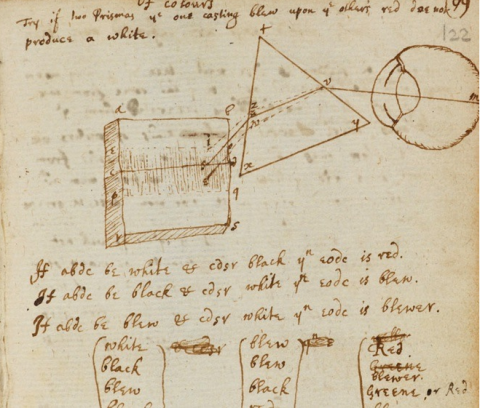
60,000 peer-reviewed papers, includ­ing the first peer-reviewed sci­en­tif­ic research jour­nal in the world, are now avail­able free online. The Roy­al Soci­ety has opened its his­tor­i­cal archives to the pub­lic. Among the cool stuff you’ll find here: Issac New­ton’s first pub­lished research paper and Ben Franklin’s write-up about that famous kite exper­i­ment. Good luck get­ting any­thing accom­plished today. Or ever again. —

New­ton’s tele­scope appears in the image above…

Relat­ed Con­tent:

William Faulkn­er Audio Archive Goes Online

Penn Sound: Fan­tas­tic Audio Archive of Mod­ern & Con­tem­po­rary Poets

Dis­cov­er The Math Guy Radio Archive

Leonard Cohen Gives a Great Speech on How His Love Affair with Music First Began (2011)

Sev­er­al weeks back, we fea­tured Ladies and Gen­tle­men… Mr. Leonard Cohen, the 1965 film that doc­u­ment­ed the life and times of the young poet who had­n’t yet start­ed his leg­endary song­writ­ing career. Now comes a lit­tle post­script. Speak­ing last Fri­day at the Prince of Asturias Awards, Mr. Cohen recalls the defin­ing lit­tle moment when he shift­ed towards music and song­writ­ing. He calls it the moment that explains “How I Got My Song,” and it’s all bound up with Spain and tragedy. The 11-minute talk is filled with humil­i­ty and grat­i­tude in equal parts. You can find a tran­script here. H/T Metafil­ter

Relat­ed Con­tent:

Leonard Cohen Reads “The Future” (Not Safe for Work)

Leonard Cohen: I’m Your Man. Watch the Film

Learn Span­ish with our Col­lec­tion of Free Lan­guage Lessons

Norah Jones Sings Bob Dylan’s “Forever Young” in Honor of Steve Jobs (Plus Coldplay’s Performance)

Apple has post­ed on its web site the cel­e­bra­tion of Steve Jobs’ life that it held last Wednes­day. And, at least for me, one of the more poignant moments comes when Norah Jones takes the stage (around the 23 minute mark) and sings a mov­ing ver­sion of Bob Dylan’s For­ev­er Young (29 minute mark).

Jobs always had a spe­cial affec­tion for Dylan’s song­writ­ing. Accord­ing to Wal­ter Isaac­son’s new biog­ra­phy, Jobs and Steve Woz­ni­ak bond­ed over Dylan’s music as young men. “The two of us would go tramp­ing through San Jose and Berke­ley and ask about Dylan bootlegs and col­lect them,” Woz­ni­ak recalled. “We’d buy brochures of Dylan lyrics and stay up late inter­pret­ing them. Dylan’s words struck chords of cre­ative think­ing.”

Lat­er, when Jobs cre­at­ed the famous “Think Dif­fer­ent” ad, he made sure that Dylan was among the 17 rebels fea­tured in it. (Watch the nev­er-aired com­mer­cial nar­rat­ed by Jobs him­self here.) Apple also helped under­write the pro­duc­tion of Mar­tin Scors­ese’s Bob Dylan doc­u­men­tary, No Direc­tion Home. And, even down to his last days, Jobs’ per­son­al iPod was packed with icon­ic music from the 60s — the Bea­t­les, the Stones and, of course, Bob Dylan too. Enjoy, and for good mea­sure, we’re adding a song from Cold­play’s per­for­mance, which comes lat­er in the cel­e­bra­tion.

Oth­er songs played include Vida la VidaFix You and Every Teardrop Is A Water­fall.

by | Permalink | Make a Comment ( 4 ) |

Listen to the New Tom Waits Album, ‘Bad As Me,’ Free for a Limited Time

This week Tom Waits released his first stu­dio album in sev­en years, and it does­n’t dis­ap­point. Bad As Me, writes Will Her­mes in a four-star Rolling Stone review, may be Waits’ most broad­ly emo­tion­al album to date: “Cer­tain­ly it’s his most sharply focused record since the game-chang­ing tag team Sword­fishtrom­bones and Rain Dogs decades ago.” You can judge for your­self: For a lim­it­ed time, Nation­al Pub­lic Radio is offer­ing a sneak pre­view of the com­plete album.

Bad As Me is more acces­si­ble than many of Waits’ albums. As his long-time ses­sion gui­tarist Marc Ribot told The New York Times, “On this record it was less, ‘O.K. let’s be super rig­or­ous and cre­ate music com­plete­ly with­out prece­dent,’ and more just ‘Let’s rock the house.’ ” The title track is a good exam­ple. It’s a rol­lick­ing blues stomp, with Waits chan­nel­ing the ghost of Screamin’ Jay Hawkins as he shouts:

You’re the head on the spear
You’re the nail on the cross
You’re the fly in my beer
You’re the key that got lost
You’re the let­ter from Jesus on the bath­room wall
You’re moth­er supe­ri­or in only a bra
You’re the same kind of bad as me

On a more seri­ous note, Waits sings of Amer­i­ca’s infan­tile pol­i­tics, its mil­i­tary and eco­nom­ic quag­mires, and the gen­er­al break­down of dis­course in the melan­choly “Talk­ing At The Same Time”:

A tiny boy sat and he played in the sand
He made a sword from a stick
And a gun from his hand
Well we bailed out the mil­lion­aires
They’ve got the fruit
We’ve got the rind
And every­body’s talk­ing at the same time

Waits is joined by a stel­lar group of back­ing musi­cians, includ­ing Kei­th Richards on gui­tar and vocals, David Hidal­go on gui­tar, and Flea on bass. Bad As Me comes in two ver­sions: the stan­dard edi­tion, with 13 songs, and the deluxe edi­tion, with 16. You can hear all 13 tracks from the stan­dard edi­tion on the NPR web­site, and fol­low along with the lyrics on TomWaits.com.

Alfred Hitchcock Presents Ghost Stories for Young People (1962)

hitchcock photo

Image by Fred Palum­bo, via Wiki­me­dia Com­mons

Close the doors. Shut the blinds. Turn out the lights. Make that room dark. Get ready for Alfred Hitch­cock Presents Ghost Sto­ries for Young Peo­ple. Orig­i­nal­ly record­ed in 1962, the album fea­tures 11 ghost sto­ries intro­duced by Hitch­cock him­self and then read by actor John Allen. If you were a kid dur­ing the ear­ly 60s, this may bring back some very good mem­o­ries. The record­ing is avail­able on YouTube and Spo­ti­fy, embed­ded below. (Down­load Spo­ti­fy’s soft­ware for free here.)

Here’s a playlist of the tracks:

  • The Haunt­ed And The Haunters (The Pirate’s Curse)
  • The Magi­cian (’til Death Do Us Part)
  • John­ny Takes A Dare (The More The Mer­ri­er)
  • The Open Win­dow (Spe­cial Adap­ta­tion)
  • The Help­ful Hitch­hik­er
  • Jim­my Takes Van­ish­ing Lessons


h/t @BrainPicker

Relat­ed Con­tent:

21 Free Hitch­cock Movies Online

Alfred Hitchcock’s Sev­en-Minute Edit­ing Mas­ter Class

François Truffaut’s Big Inter­view with Alfred Hitch­cock (Free Audio)

Alfred Hitchcock’s Rules for Watch­ing Psy­cho (1960)

1,000 Free Audio Books: Down­load Great Books for Free

by | Permalink | Make a Comment ( 5 ) |

Pete Seeger: To Hear Your Banjo Play (1946)

This past week­end, Pete Seeger marched through the streets of Man­hat­tan with the Occu­py Wall Street move­ment. He was a sprite­ly 92. It was the lat­est in a life­time of polit­i­cal engage­ment by Seeger, dat­ing all the way back to his youth­ful sup­port of the Span­ish Civ­il War. Today we bring you a film of Seeger when he was only 27 years old: To Hear Your Ban­jo Play. Released in 1946, To Hear Your Ban­jo Play is an engag­ing 16-minute intro­duc­tion to Amer­i­can folk music, writ­ten and nar­rat­ed by Alan Lomax and fea­tur­ing rare per­for­mances by Woody Guthrie, Bald­win Hawes, Son­ny Ter­ry, Brownee McGhee, Texas Glad­den and Mar­got May­o’s Amer­i­can Square Dance Group. To Hear Your Ban­jo Play is includ­ed in our col­lec­tion, 4,000+ Free Movies Online: Great Clas­sics, Indies, Noir, West­erns, Doc­u­men­taries & More.

If you would like to sign up for Open Culture’s free email newslet­ter, please find it here. It’s a great way to see our new posts, all bun­dled in one email, each day.

If you would like to sup­port the mis­sion of Open Cul­ture, con­sid­er mak­ing a dona­tion to our site. It’s hard to rely 100% on ads, and your con­tri­bu­tions will help us con­tin­ue pro­vid­ing the best free cul­tur­al and edu­ca­tion­al mate­ri­als to learn­ers every­where. You can con­tribute through Pay­Pal, Patre­on, and Ven­mo (@openculture). Thanks!

Relat­ed Con­tent:

Leg­endary Folk­lorist Alan Lomax’s ‘The Land Where the Blues Began’

Pete Seeger Teach­es You How to Play Gui­tar for Free in The Folksinger’s Gui­tar Guide (1955

The Pow­er­ful Mes­sages That Woody Guthrie & Pete Seeger Inscribed on Their Gui­tar & Ban­jo: “This Machine Kills Fas­cists” and “This Machine Sur­rounds Hate and Forces it to Sur­ren­der”

Free: Download Copy of New Steve Jobs Biography

Just a few short weeks after the death of Steve Jobs comes a 627 page biog­ra­phy by Wal­ter Isaac­son, the for­mer Man­ag­ing Edi­tor of TIME and CEO of CNN. Isaac­son first dis­cussed writ­ing the book with Jobs sev­en years ago and has since inter­viewed the Apple CEO more than 40 times. Now, appear­ing on 60 Min­utes, he talks pub­licly about the new book sim­ply called Steve Jobs. It hit book­shelves yes­ter­day and already stands atop the Ama­zon Best­seller list.

The 29 minute inter­view (Part 1 here, Part 2 here) gives you a feel for the book that’s will­ing to tell the good, the bad and the some­times ugly of Jobs’ life. If you’re look­ing to get your hands on the biog­ra­phy, give this some thought: If you sign up for a 14-day free tri­al with Audible.com, you can down­load pret­ty much any audio book in Audible’s cat­a­logue for free. And that cat­a­logue now includes Isaac­son’s unabridged biog­ra­phy. Once the tri­al is over, you can con­tin­ue your Audi­ble sub­scrip­tion (as I did), or can­cel it, and still keep the free book. The choice is yours.

Note: CBS did­n’t allow the 60 Min­utes inter­view to appear on exter­nal sites like ours. Hence you will need to watch the inter­view on YouTube itself. We pro­vide the links above.

by | Permalink | Make a Comment ( 11 ) |

The Decline of Civilization’s Right Brain: Animated

The mind, they say, is a house divid­ed: The right hemi­sphere of the brain is pre­dom­i­nant­ly intu­itive; the left, pre­dom­i­nant­ly ratio­nal.

In his recent book, The Mas­ter and His Emis­sary: The Divid­ed Brain and the Mak­ing of the West­ern World, the British psy­chi­a­trist and writer Iain McGilchrist looks at the evo­lu­tion of West­ern Civ­i­liza­tion through a neu­ropsy­cho­log­i­cal prism. In McGilchrist’s view our left hemi­sphere has, over the past four cen­turies, pro­gres­sive­ly pushed aside our right hemi­sphere. “My belief,” McGilchrist told The Morn­ing News last year, “is that it has now tak­en over our self-under­stand­ing, for a vari­ety of rea­sons, and is lead­ing us all down the road to ruin.”

McGilchrist is quick to point out that the old left-brain, right-brain clichés of the 1960s and 1970s were great­ly over­sim­pli­fied. Recent research has shown that both sides of the brain are deeply involved in func­tions such as rea­son and emo­tion. But the dichoto­my is still use­ful, McGilchrist says, and should not be aban­doned.

“The right hemi­sphere gives sus­tained, broad, open, vig­i­lant alert­ness, where­as the left hemi­sphere gives nar­row, sharply focused atten­tion to detail,” McGilchrist says in a new RSA Ani­mate fea­ture (see above). “Peo­ple who lose their right hemi­spheres have a patho­log­i­cal nar­row­ing of the win­dow of atten­tion.”  McGilchrist sees this nar­row­ing process occur­ring at the soci­etal lev­el. The left brain, he argues, con­ceives of the world as a set of decon­tex­tu­al­ized, sta­t­ic, mate­r­i­al, abstract things, where­as the right brain holis­ti­cal­ly embraces a world of evolv­ing, spir­i­tu­al, empath­ic, con­crete beings.

Both hemi­spheres are nec­es­sary, McGilchrist says in the Morn­ing News inter­view, “but one is more fun­da­men­tal­ly impor­tant than the oth­er, and sees more than the oth­er, even though there are some things that it must not get involved with, if it is to main­tain its broad­er, more complete–in essence more truthful–vision. This is the right hemi­sphere, which, as I demon­strate from the neu­ropsy­cho­log­i­cal lit­er­a­ture, lit­er­al­ly sees more, and grounds the under­stand­ing of the left hemisphere–an under­stand­ing which must ulti­mate­ly be re-inte­gret­ed with the right hemi­sphere, if it is not to lead to error. The left hemi­sphere is extra­or­di­nar­i­ly valu­able as an inter­me­di­ate, but not as a final author­i­ty.”

McGilchrist is not with­out his crit­ics. The British philoso­pher A.C. Grayling writes in the Lit­er­ary Review, “Unfor­tu­nate­ly, if one accepts the log­ic of his argu­ment that our West­ern civil­i­sa­tion has declined from a right-hemi­sphere to a left-hemi­sphere dis­pen­sa­tion, we do not have to imag­ine what the for­mer would be like, because his­to­ry itself tells us: in it most of us would be super­sti­tious and igno­rant peas­ants work­ing a strip farm that we would nev­er leave from cra­dle to grave, under the thumb of slight­ly more left-hemi­spher­ic bul­lies in the form of the local baron and priest.”

After The Mas­ter and His Emis­sary was pub­lished, McGilchrist dis­cov­ered a quo­ta­tion attrib­uted to Albert Ein­stein that he felt neat­ly sup­port­ed his the­sis. He uses this quote at the end of his RSA talk: “The intu­itive mind is a sacred gift and the ratio­nal mind is a faith­ful ser­vant. We have cre­at­ed a soci­ety that hon­ors the ser­vant and has for­got­ten the gift.” But did Ein­stein actu­al­ly say that? The Inter­net is awash with dubi­ous Ein­stein quo­ta­tions, and we were unable to locate the orig­i­nal source of this one. If any read­er can ver­i­fy its authen­tic­i­ty (by cit­ing the orig­i­nal text, speech or con­ver­sa­tion) please leave a note in our com­ments sec­tion. Mean­while, you can watch McGilchrist’s entire half-hour RSA lec­ture here.

via Brain Pick­ings

Tim Burton: A Look Inside His Visual Imagination

Tim Bur­ton is a house­hold name with his creepy cre­ations and vivid sym­bol­ic imagery in film and art. Born in Bur­bank, Cal­i­for­nia in 1958, Bur­ton stud­ied at the Cal­i­for­nia Insti­tute of the Arts and worked as an ani­ma­tor for Dis­ney. After a time, he left to pur­sue an inde­pen­dent career, becom­ing famous for a wide vari­ety of films such as The Night­mare Before Christ­masBat­manBig Fish, and most recent­ly, Alice in Won­der­land.

The video above fea­tures Bur­ton dis­cussing the cul­ti­va­tion of his sig­na­ture style and the source of his unique images. The clip was shot in con­nec­tion with an exhib­it of Bur­ton’s work at the Muse­um of Mod­ern Art, held in New York City in 2009–2010. The exhib­it has since moved to LACMA in Los Ange­les, and it traces the devel­op­ment of Bur­ton’s work from child­hood sketch­es to his mature work as a film­mak­er, bring­ing togeth­er hun­dreds of draw­ings, paint­ings, pho­tographs, mov­ing image works, con­cept art, sto­ry­boards, pup­pets, maque­ttes, cos­tumes, and cin­e­mat­ic ephemera from his films. The show con­tin­ues out­side the muse­um with a top­i­ary inspired by Edward Scis­sorhands and a ren­di­tion of Bal­loon Boy, a fig­ure com­bin­ing char­ac­ters from Bur­ton’s 1997 book The Melan­choly Death of Oys­ter Boy and Oth­er Sto­ries. You can catch the exhib­it at LACMA until Octo­ber 31st — a fit­ting end date, to be sure.

Hark­ing back to an ear­li­er post, here is a sam­ple of Bur­ton’s ear­ly film­mak­ing, cre­at­ed not long before he set out on his own. Nar­rat­ed by Vin­cent Price, the short film, Vin­cent, effec­tive­ly brings togeth­er two great tal­ents of the hor­ror genre … and will put any­one in the spir­it of Hal­loween if you’re not already there.


  • Great Lectures

  • Sign up for Newsletter

  • About Us

    Open Culture scours the web for the best educational media. We find the free courses and audio books you need, the language lessons & educational videos you want, and plenty of enlightenment in between.


    Advertise With Us

  • Archives

  • Search

  • Quantcast