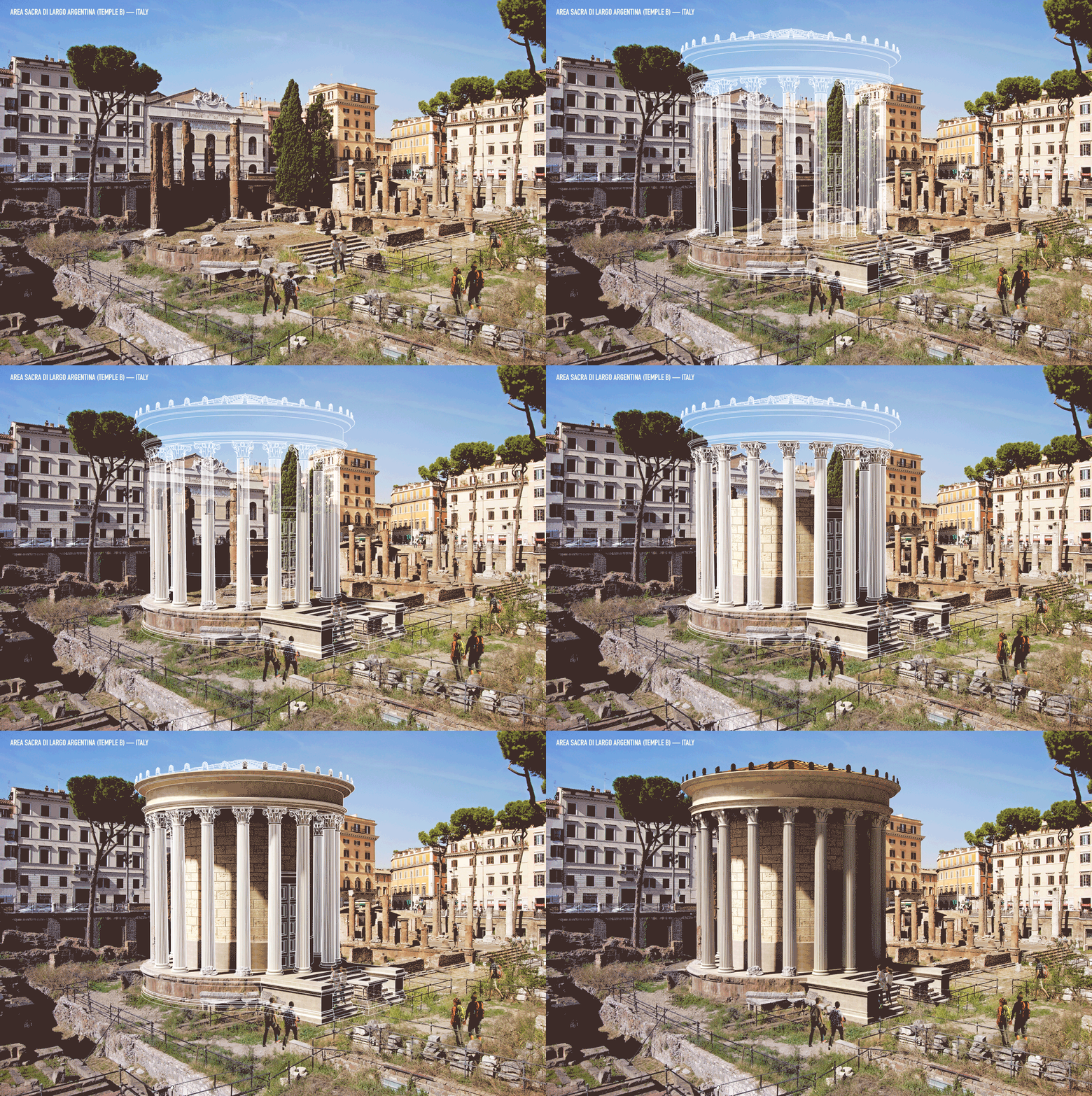
The “seven wonders of the world”: all of us have all heard the phrase so many times, but can we name the specific wonders to which it refers? Though the list took its final form in the Renaissance, it originates all the way back with the ancient Greeks who wanted a sense of the most majestic man-made landmarks that lay within their territory. These were eventually narrowed down to the Great Pyramid of Giza, the Hanging Gardens of Babylon (whether they really existed or not), the Temple of Artemis at Ephesus, the Statue of Zeus at Olympia, the Mausoleum at Halicarnassus, the Colossus of Rhodes, and the Lighthouse of Alexandria.
The GIFS, which trace the lines of the original structures over the ruins and then fill them in photorealistic detail, are the work of husband-wife team Maja Wrońska and Przemek Sobiecki.
“Despite their ‘ruinous’ condition, these structures have influenced many of history’s great architects, and continue to be an inspiration today,” writes Designboom’s Rob Reuland. “These sites have been depleted by time and by conquest, parts are reused, others just fall away with neglect. Seeing them restored is a bit like hopping in the Delorean and cranking the flux capacitor, and reversing their slow decay.” And as a commenter adds below, “the next thing would be this in combination with AR-glasses while visiting the site” — the ongoing collaboration, in other words, of the wonders of the ancient world and the wonders of the modern one. See all seven of the animated GIFs here.
Based in Seoul, Colin Marshall writes and broadcasts on cities and culture. His projects include the book The Stateless City: a Walk through 21st-Century Los Angeles and the video series The City in Cinema. Follow him on Twitter at @colinmarshall or on Facebook.
Last night I had dinner at a local restaurant that happened to have a playlist on of great songs from my high school years. As one after another came on I thought, “wow, I forgot how good these songs are.” But after a while I realized I couldn’t really separate the songs themselves from my memories of listening to them back in the old days. Nostalgia, as we know, plays a significant role in how we respond to recorded music. But as to the question of what makes a song great to begin with, what separates it from thousands of other songs released around the same time… this is much more difficult for many people to answer.
We might pull out one or two musical elements—“this beat is amazing” or “those heavy guitars are awesome” or “her voice is just so powerful”—before falling back on subjective criteria about how the song makes us feel and what we think of when we hear it. Most people can’t identify with precision how and why certain songs sound like they do because developing such an ear takes years of training. It’s a skill learned by studying theory, recording, and musical technique, and by listening critically to lots and lots of music. Ask a musician, producer, or engineer what makes a song great and you might get a seminar on its mixing, arrangement, chord progressions, and use of studio effects.
That’s what we get in the YouTube series What Makes This Song Great?, created by musician and producer Rick Beato. Here, as Metafilter writes, he “breaks down the musical structure and production techniques in popular songs. Working from the stems [pre-mixed groupings of drums, guitars, vocals, keys, etc] of each song, he discusses everything from Sting’s Lydian mode bassline, to the use of Neumann mics to capture the intensity of Chris Cornell’s vocals; from sidechain compression in an Ariana Grande song, to the use of a flat 6th to introduce a melancholy air into the vocal melody of a Tool song.”
Now, everyone’s entitled to their tastes, and you might find yourself looking over his choices and thinking of some of them, “this song’s not great!” And, well, fair enough. But give it a chance anyway. Because you can gain new levels of appreciation even for music you don’t subjectively enjoy, just by learning how that music was constructed. When I first began to learn about the skill and effort that goes into writing, recording, mixing, and mastering studio-quality music, the experience was quite humbling, and I found myself listening to songs I didn’t love, exactly, but could very much appreciate from a technical point of view.
I also found my tastes expanding, even to include some pop music I had dismissed as meaningless fluff. Because I could hear interesting uses of reverb, or stereo panning, or delay, or chord voicings. In short, with careful, informed, listening, you can learn to appreciate the architecture of recorded music, rather than just the choice of exterior paint colors or obvious decorative elements. And songs don’t always need to land emotionally to still tickle your interest. Does that mean that I’m now a fan of Blink 182’s “All the Small Things” (top)? Well, no. But instead of rolling my eyes when it comes on, I can hear the small things (see what I did?) Beato points out and think, okay, that is actually kinda cool.
The little hook in the intro, that one muted chord in the opening progression, a sus4 chord thrown in for a dissonant instant. Maybe it also helps that, with the vocals stripped out, this could be another three-chord punk song and not that song, but, hey, it’s a learning process. Many of the other songs in the series might be more universally acknowledged as “great” for their musicianship and songcraft. But that doesn’t mean we can’t glean something from all of Beato’s videos. Getting expert perspectives like his can expand our appreciation for any kind of music, and the best producers and musicians tend to have the most eclectic tastes.
Further up, see Beato’s videos on The Police’s “Every Little Thing She Does is Magic,” Steely Dan’s “Kid Charlemagne,” Rage Against the Machine’s “Killing in the Name Of,” and, just above, Tom Petty’s “I Won’t Back Down.” And check out all of the videos on his channel here.
We’ve all seen that famous New Yorker cover satirizing a New Yorker’s distorted, self-centered view of the world: Manhattan occupies a good half of the image, relegating the rest of America (and indeed the world) to the status of outer-outer boroughs. What Saul Steinberg did with a drawing in 1976, pioneering Roman geographer Pomponius Mela had done, in a much less comedic but much more accurate way, with text nineteen centuries before. Writing from his perspective under the reign of the Emperor Gaius, Claudius, or both, Mela created nothing less than a worldview, which tells us now how the ancient Romans conceived of the world around them, its characteristics and its relationship to the territory of the mightiest empire going.
“Pomponius Mela is a puzzle, and so is his one known work, The Chorography,” writes Frank E. Romer in Pomponius Mela’s Description of the World. In that series of three books, which seems not to have contained any maps itself, Mela divides the Earth into two rough “hemispheres” and five zones, two of them cold, one of them hot, and two in between.
Pulling together what in his day constituted a wealth of geographical knowledge from a variety of previous sources, he painted a word-picture of the world more accurate, on the whole, than any written down before. Scholars since have also praised Mela’s clear, accessible prose style — clear and accessible, in any case, for a first-century text composed in Latin.
Various maps, including the 1898 reproduction pictured at the top of the post (see it in a larger format here), have attempted to visualize Mela’s worldview and make it legible at a glance. You can see more versions at Cartographic-images.net, and theDavid Rumsey Map Collection shows the world according to Mela placed alongside the world according to Ptolemy and the world according to Dionysius Periegetes. Though Mela showed greater insight into the integration of the various parts of the world known to the ancient Romans than did his predecessors, he also, of course, had his blind spots and rough areas, including the assumption that human beings could only live in the two most temperate of the climatic zones he defined. Even so, the maps derived from his work provide an informative glimpse of how, exactly, Romans saw their place in the world — or rather how, exactly, they saw their place in the center of it.
Based in Seoul, Colin Marshall writes and broadcasts on cities and culture. His projects include the book The Stateless City: a Walk through 21st-Century Los Angeles and the video series The City in Cinema. Follow him on Twitter at @colinmarshall or on Facebook.
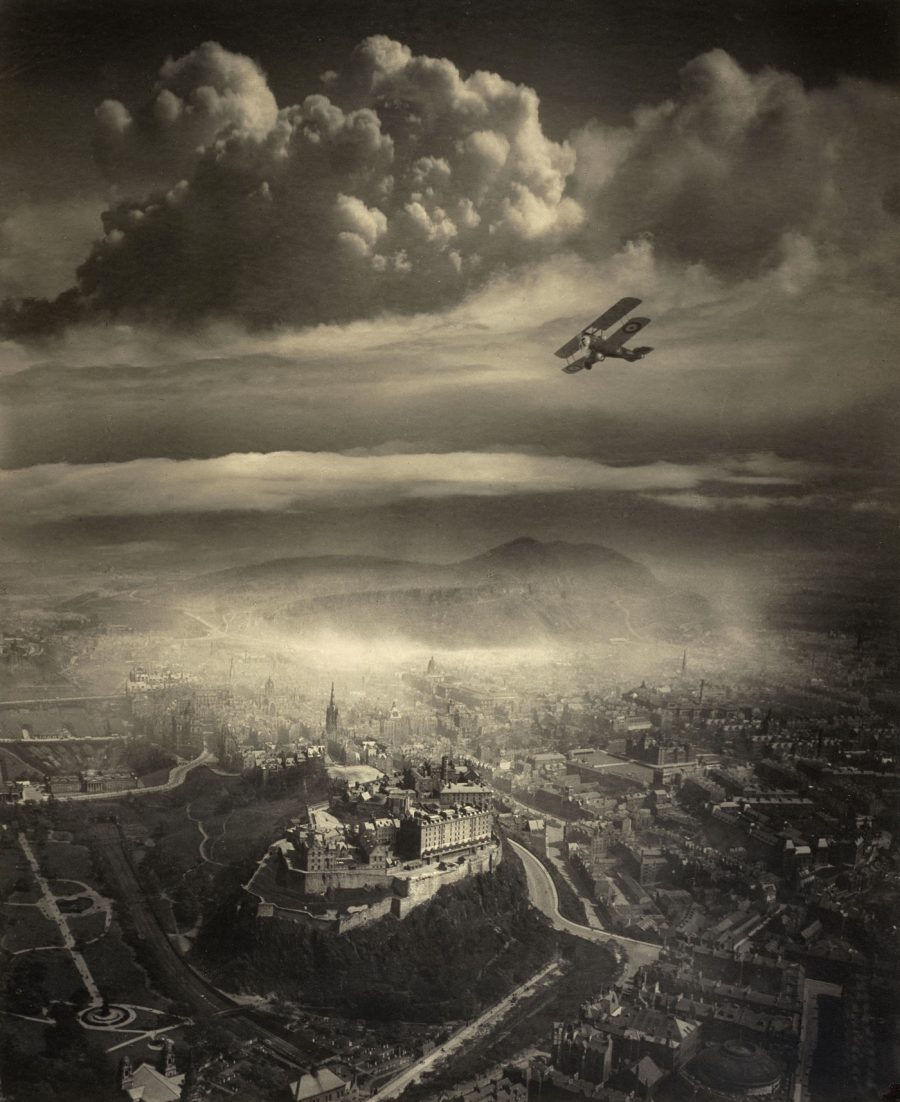
The British photographer Alfred Buckham (1879–1956) came of age during the early history of flight and served, starting in 1917, as a reconnaissance photographer for the Royal Naval Air Service. Apparently a better photographer than pilot, Buckham “crashed nine times before he was discharged from the Royal Naval Air Service as a hundred per cent disabled,” writes the National Galleries Scotland website. (At the age of 39, he damaged his voice box and had to breathe out of a tracheotomy tube for the rest of his life.) But, nonetheless, his passion for aerial photography continued unabated.
In 1920, Buckham captured this rather splendid aerial photo of Edinburgh, the capital of Scotland. It’s his chef d’oeuvre. About the photograph, the National Galleries writes:
Buckham’s aerial view of Edinburgh has become one of the most popular photographs in our collection. The view is taken from the west, with the castle in the foreground and the buildings of the Old Town along the Royal Mile gradually fading into a bank of mist with the rocky silhouette of Arthur’s Seat just visible in the distance. Buckham was always keen to capture strong contrasts of light and dark, often combining the skies and landscapes from separate photographs to achieve a theatrical effect. As he does here, he sometimes collaged or hand-painted the form of a tiny aircraft to enhance the vertiginous effect. Yet accuracy remained a concern; Buckham later professed a particular fondness for his view of Edinburgh, ‘because it presents, so nearly, the effect that I saw’.
I wish a had a better answer to the question “where were you when David Bowie died?” than, “sitting at my desk, staring dumbly at the computer screen.” While the ideal place to read every instant online tribute and RIP, it was hardly a memorable location to get the news that one of our era’s most brilliant creative lights had gone out, leaving in his wake millions of broken-hearted fans and a discography unequaled in modern music.
But, like millions of other Bowie lovers at their computers, I could meditate on his music videos—from the painfully ill-conceived to the harrowing and profound; contemplate his film work; and call up with a mouse click my favorite songs. It’s beyond cliché to point out Bowie’s exuberant embrace of change, but it bears repeating that his embrace of technology was a key component in the evolution of his many personae.
Bowie was as adaptable to the age of YouTube as he was to the analog days of glam. Several lesser albums notwithstanding, the major Bowie upgrades inspired adoration from new generations of fans in every decade of his career since the 70s. Always “willing to take risks and do something different,” writes Nicholas Pell at L.A. Weekly, “what he was not willing to do is become an oldies act.”
Pell also advances an “unpopular opinion” sure to irritate many a Bowie fan. Bowie, he argues, “wasn’t an innovator,” but “an early adopter of what the real vanguard artists were doing.” Skipping the strange, unsuccessful late 60s recordings and “standard, psychedelic-tinged folk” cribbed largely from Donovan, Pell begins by noting that Ziggy Stardust and Aladdin Sane were basically variations on T. Rex’s Marc Bolan, “a pretty specific form of inspiration, not exactly imitation.”
The Thin White Duke period was a take on Roxy Music’s Bryan Ferry, and Bowie recorded his most lauded work—the Berlin Trilogy—with Roxy Music’s keyboardist, Brian Eno, without whose sound and vision those albums could hardly have been made. In the nineties, he pulled from Nine Inch Nails and drum and bass; in his swan song Black Star, from Kendrick Lamar.
But so what? In each incarnation, “influence, not imitation” is the least one can say about what he did with others’ styles. The proper word, perhaps, is transmutation—Bowie turned glam rock into mesmerizing musical theater, combining Bolan’s flamboyant swagger with mime, dada, modern dance, and sci-fi absurdity.
He took Bryan Ferry’s art rock, smooth, romantic moves, and suits and turned them into dark, Teutonic, brooding soundscapes and haunting Cold War anthems like the utterly perfect “Heroes.” Into the frenetic clatter of drum and bass he injected paranoia, alienation, and unsettling narratives of personal fragmentation. If these aren’t innovations, I don’t know what the word means. Every artist copies; Bowie was at his best when he stole from the best.
The more forgettable albums show him in uncertain phases, lacking the right muses and collaborators to make him shine. But his catalog is enormous and still full of surprises, even in records critics pan or mostly ignore. In the 19-hour playlist above, you can follow it all from start to finish, “from glam to folk, dance to rock and roll,” as Stereogum’s Aaron Lariviere sums it up in his exhaustive ranking of Bowie albums from worst to best, “heavy metal, musical theater, art-rock, soul, electronica, industrial, ambient, all of it.”
Lean back in your desk chair, click play and “relive it all—album by album… turn by left-turn,” influence by influence. Bowie was a collector of sounds new and old who never let himself become a museum piece.
Magic is real—hear me out. No, you can’t solve life’s problems with a wand and made-up Latin. But there are academic departments of magic, only they go by different names now. A few hundred years ago the difference between chemistry and alchemy was nil. Witchcraft involved as much botany as spellwork. A lot of fun bits of magic got weeded out when gentlemen in powdered wigs purged weird sisters and gnostic heretics from the field. Did the old spells work? Maybe, maybe not. Science has become pretty reliable, I guess. Standardized classification systems and measurements are okay, but yawn… don’t we long for some witching and wizarding? A well-placed hex might work wonders.
Say no more, we’ve got you covered: you, yes you, can learn charms and potions, demonology and other assorted dark arts. How? For a onetime fee of absolutely nothing, you can enter magical books from the Early Modern Period.
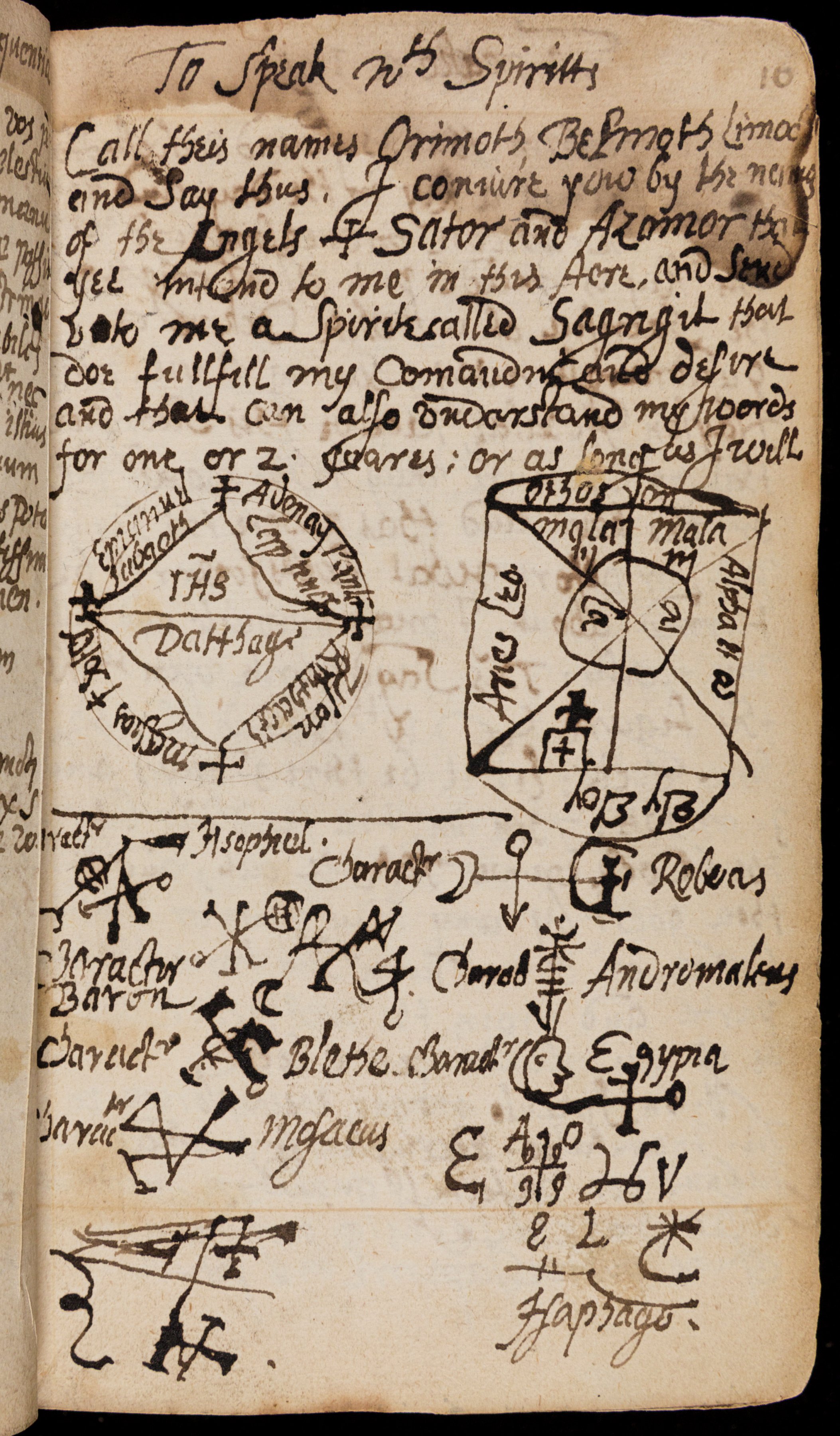
The library’s Transcribing Faith initiative gives users a chance to connect with texts like The Book of Magical Charms(above), by transcribing and/or translating the contents therein. Like software engineer Joseph Peterson—founder of the Esoteric Archives, which contains a large collection of John Dee’s work—you can volunteer to help the Newberry’s project “Religious Change, 1450–1700.” The Newberry aims to educate the general public on a period of immense upheaval. “The Reformation and the Scientific Revolution are very big, capital letter concepts,” project coordinator Christopher Fletcher tells Smithsonian.com, “we lose sight of the fact that these were real events that happened to real people.”
By aiming to return these texts to “real people” on the internet, the Newberry hopes to demystify, so to speak, key moments in European history. “You don’t need a Ph.D. to transcribe,” Fletcher points out. Atlas Obscura describes the process as “much like updating a Wikipedia page,” only “anyone can start transcribing and translating and they don’t need to sign up to do so.” Check out some transcriptions of The Book of Magical Charms—written by various anonymous authors in the seventeenth century—here. The book, writes the Newberry, describes “everything from speaking with spirits to cheating at dice to curing a toothache.”
Need to call up a spirit for some dirty work? Just follow the instructions below:
Call their names Orimoth, Belmoth Limoc and Say thus. I conjure you by the neims of the Angels + Sator and Azamor that yee intend to me in this Aore, and Send unto me a Spirite called Sagrigid that doe fullfill my comandng and desire and that can also undarstand my words for one or 2 yuares; or as long as I will.
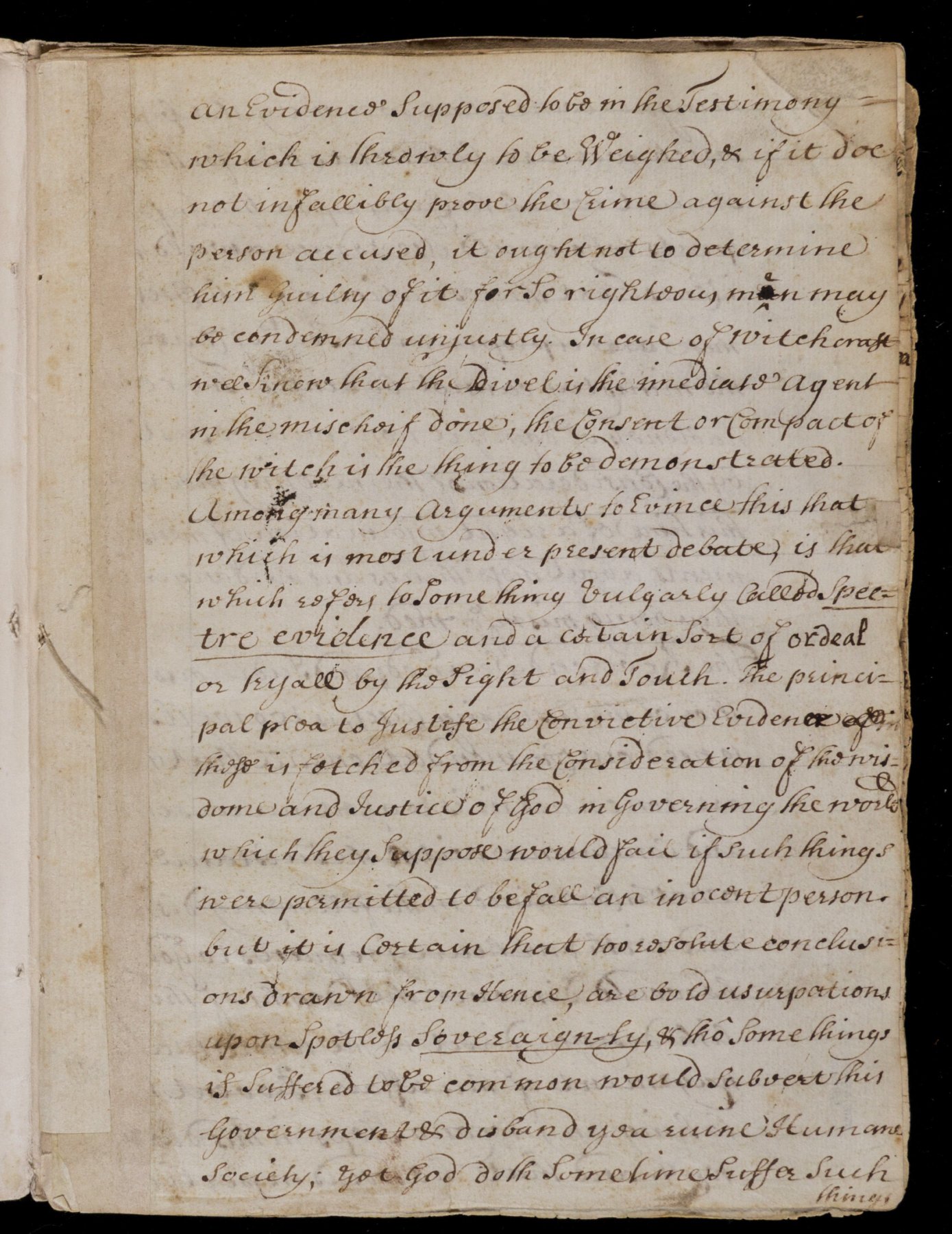
Seems simple enough, but of course this business did not sit well with some powerful people, including one Increase Mather, father of Cotton, president of Harvard, best known from his work on the Salem Witch Trials. Increase defended the prosecutions in a manuscript titled Cases of Conscience Concerning Evil Spirits, a page from which you can see further up. The text reads, in part:
an Evidence Supposed to be in the Testimony which is throwly to be Weighed, & if it doe not infallibly prove the Crime against the person accused, it ought not to determine him Guilty of it for So righteous may be condemned unjustly.
Mather did not consider these to be show trials or “witchhunts” but rather the fair and judicious application of due process, for whatever that’s worth. Elsewhere in the text he famously wrote, “It were better that Ten Suspected Witches should escape, than that one Innocent Person should be Condemned.” Cold comfort to those condemned as guilty for likely practicing some mix of religion and early science.
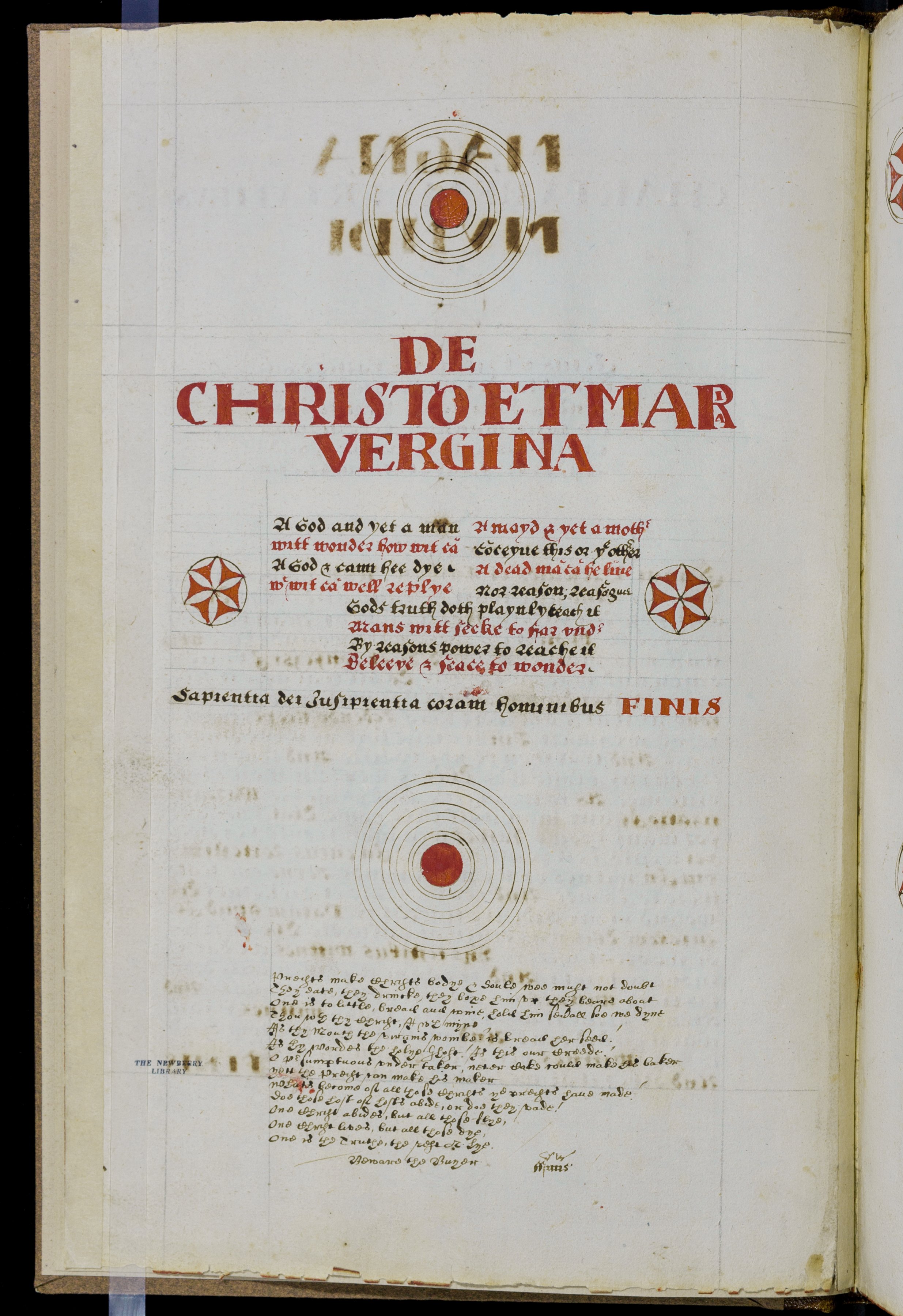
These texts are written in English and concern themselves with magical and spiritual matters expressly. Other manuscripts in the project’s archive roam more broadly across topics and languages, and “shed light on the entwined practices of religion and reading.” One “commonplace book,” for example (above), from sometime between 1590 and 1620, contains sermons by John Donne as well as “religious, political, and practical texts, including a Middle English lyric,” all carefully written out by an English scribe named Henry Feilde in order to practice his calligraphy.
Another such text, largely in Latin, “may have been started as early as the 16th century, but continued to be used and added to well into the 19th century. Its compilers expressed interest in a wide range of topics, from religious and moral questions to the liberal arts to strange events.” Books like these “reflected the reading habits of early modern people, who tended not to read books from beginning to end, but instead to dip in and out of them,” extracting bits and bobs of wisdom, quotations, recipes, prayers, and even the odd spell or two.
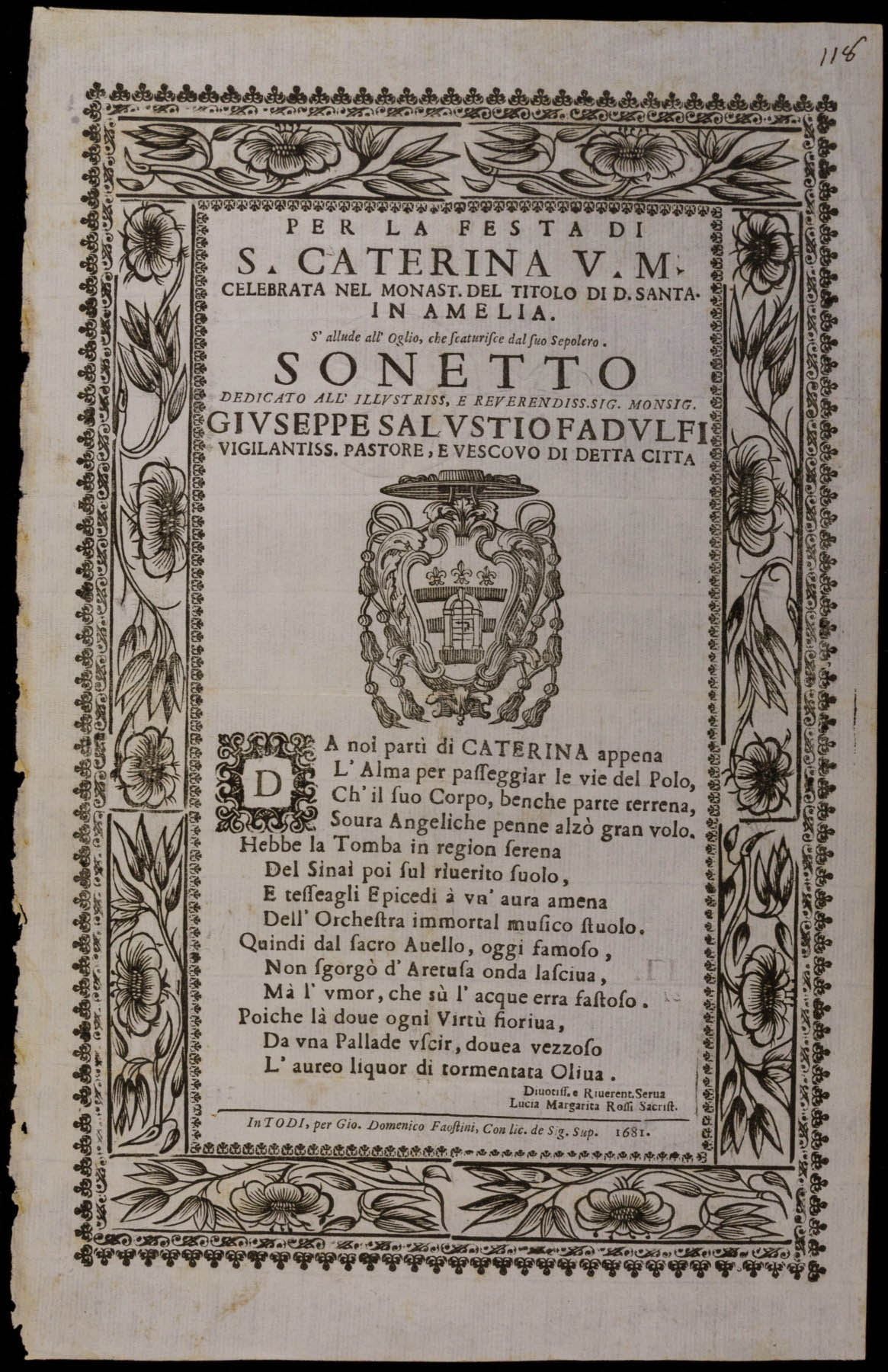
The final work in need of transcription/translation is also the only printed text, or texts, rather, a collection of Italian religious broadsides, advertising “public celebrations and commemorations of Catholic feast days and other religious occasions.” Hardly summoning spirits, though some may beg to differ. If you’re so inclined to take part in opening the secrets of these rare books for lay readers everywhere, visit Transcribing Faith here and get to work.
Here in the 21st century, now that we’ve determined the ideal form of human society and implemented it stably all across the world — and of course, you’re already laughing. Well over 5,000 years into the history of civilization, we somehow find ourselves less sure of the answers to some of the most basic questions about how to organize ourselves. It couldn’t hurt, then, to take six or so minutes to reflect on some of history’s most enduring ideas about how we should live together, the subject of this quartet of animated videos from BBC Radio 4 and The Open University’s History of Ideas series.
The first two segments illustrate the ideas of two ancient thinkers whose names still come up often today: Confucius from China and Plato from Greece. “The heart of Confucian philosophy is that you understand your place in the universe,” says narrator Aidan Turner, best known as Kíli the dwarf in The Hobbit films.
“Ideally, it is within the family that individuals learn how to live well and become good members of the wider community.” A series of respect-intensive, obligation-driven, family-like hierarchical relationships structure everything in the Confucian conception of society, quite unlike the one proposed by Plato and explained just above. The author of the Republic, who like Confucius didn’t endorse democracy as we think of it today, thought that voters “don’t realize that ruling is a skill, just like navigation.
Plato envisioned at the helm of the ship of state “specially trained philosophers: philosopher-kings or philosopher-queens chosen because they were incorruptible and had a deeper knowledge of reality than other people, an idea that only a philosopher could have come up with.” But what would a different kind of philosopher — an Enlightenment philosopher such as John Locke, for instance — come up with? Locke, who lived in 17th-century England, proposed a concept called toleration, especially in the religious sense: “He pointed out that those who forced others to recant their beliefs by threatening them with red pokers and thumbscrews could hardly be said to be acting out of Christian charity.” And even if the majority succeeds in forcing a member of the minority to change their beliefs, how would they know that individual’s beliefs have actually changed?
To the invisible deities of any and all faiths, the Scottish economist-philosopher Adam Smith much preferred what he metaphorically termed the “invisible hand,” the mechanism by which “individuals making self-interested decisions can collectively and unwittingly engineer an effective economic system that is in the public interest.” Though his and all these previous ideas for the organization of society work perfectly in theory, they work rather less perfectly in practice. Real societies throughout history have muddled through using these and other conceptions of the ideal state in varying combinations, just as our real societies continue to do today. But that doesn’t mean we all can’t muddle a little better together into the future by attaining a clearer understanding of the political philosophers of the past.
Based in Seoul, Colin Marshall writes and broadcasts on cities and culture. His projects include the book The Stateless City: a Walk through 21st-Century Los Angeles and the video series The City in Cinema. Follow him on Twitter at @colinmarshall or on Facebook.
The pronouncements of French theorist Jean Baudrillard could sound a bit silly in the early 1990s, when the internet was still in its infancy, a slow, clunky technology whose promises far exceeded what it could deliver. We hoped for the cyberpunk spaces of William Gibson, and got the beep-boop tedium of dial-up. Even so, in his 1991 essay “Simulacra and Science Fiction,” Baudrillard contended that the real and the imaginary were no longer distinguishable, and that the collapse of the distance between them meant that “there is no more fiction.” Or, conversely, he suggested, that there is no more reality.
What seemed a far-fetched claim about the totality of “cybernetics and hyperreality” in the age of AOL and Netscape now sounds far more plausible. After all, it will soon be possible, if it is not so already, to convincingly simulate events that never occurred, and to make millions of people believe they had, not only through fake tweets, “fake news,” and age-old propaganda, but through sophisticated manipulation of video and audio, through augmented reality and the onset of “reality apathy,” a psychological fatigue that overwhelms our abilities to distinguish true and false when everything appears as a cartoonish parody of itself.
Technologist Aviv Ovadya has tried since 2016 to warn anyone who would listen that such a collapse of reality was fast upon us—an “Infocalypse,” he calls it. If this is so, according to Baudrillard, “both traditional SF and theory are destined to the same fate: flux and imprecision are putting an end to them as specific genres.” In an apocalyptic prediction, he declaimed, “fiction will never again be a mirror held to the future, but rather a desperate rehallucinating of the past.” The “collective marketplace” of globalization and the Borgesian condition in which “the map covers all the territory” have left “no room any more for the imaginary.” Companies set up shop expressly to simulate and falsify reality. Pained irony, pastiche, and cheap nostalgia are all that remain.
It’s a bleak scenario, but perhaps he was right after all, though it may not yet be time to despair—to give up on reality or the role of imagination. After all, sci-fi writers like Gibson, Philip K. Dick, and J.G. Ballard grasped long before most of us the condition Baudrillard described. The subject proved for them and many other late-20th century sci-fi authors a rich vein for fiction. And perhaps, rather than a great disruption—to use the language of a start-up culture intent on breaking things—there remains some continuity with the naïve confidence of past paradigms, just as Newtonian physics still holds true, only in a far more limited way than once believed.
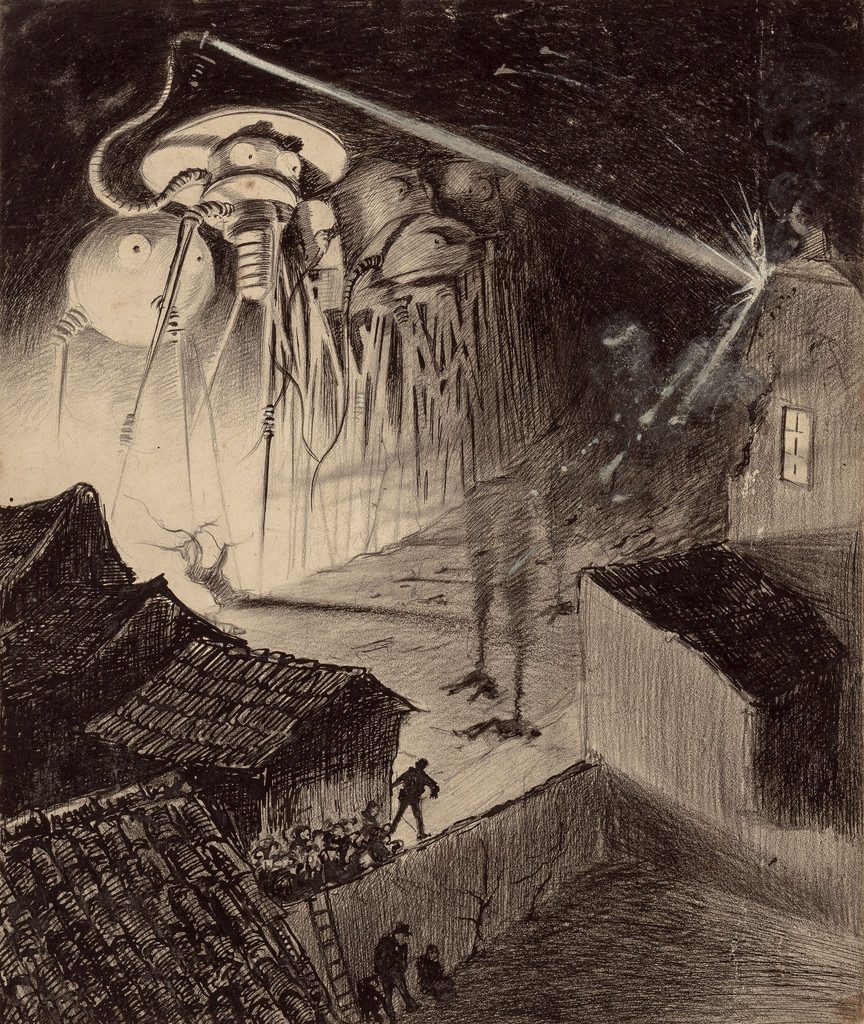
Isaac Asimov’s short essay “The Relativity of Wrong” is instructive on this last point. Maybe the theory of “hyperreality” is right, in some fashion, but also incomplete: a future remains for the most visionary creative minds to discover, as it did for Asimov’s “psychohistorian” Hari Seldon in The Foundation Trilogy. You can hear a BBC dramatization of that groundbreaking fifties masterwork in the 47-hour science fiction playlist above, along with readings of classic stories—like Orson Welles’ infamous radio broadcast of H.G. Wells’ War of the Worlds (and an audiobook of the same read by English actor Maxwell Caulfield). From Jules Verne to H.P. Lovecraft to George Orwell; from the mid-fifties time travel fiction of Andre Norton to the 21st-century time-travel fiction of Ruth Boswell….
We’ve even got a late entry from theatrical prog rock mastermind Rick Wakeman, who followed up his musical adaptation of Journey to the Centre of the Earthwith a sequel he penned himself, recorded in 1974, and released in 1999, called Return to the Centre of the Earth, with narration by Patrick Stewart and guest appearances by Ozzy Osbourne, Bonnie Tyler, and the Moody Blues’ Justin Hayward. Does revisiting sci-fi, “weird fiction,” and operatic concept albums of the past constitute a “desperate rehallucinating” of a bygone “lost object,” as Baudrillard believed? Or does it provide the raw material for today’s psychohistorians? I suppose it remains to be seen; the future—and the future of science fiction—may be wide open.
Asking whether there will ever be another Steve Jobs seems to me like asking whether there’ll ever be another Muhammad Ali. While there may be little comparison between their respective domains, both unique individuals mastered their chosen pursuits, fought like hell to keep their titles, and “thought different” than everyone around them. Also Jobs, like Ali, didn’t hesitate to speak his mind, as in the clip above, in which he declares Microsoft’s Windows “the worst development environment that’s ever been invented.” It ain’t politic, but it’s maybe… kinda true? I don’t know…
My opinions on the matter aren’t worth much—I wouldn’t know the backend of an operating system from the backend of a tractor-trailer. But Jobs didn’t attain tech guru status just for the sleekness and simplicity of Apple’s designs, but for his keen insights into the refinement of consumer computing technology and his ability to convey them with the unpretentious directness of a black turtleneck and dad jeans. The clips here are of a young-ish Jobs teaching at MIT circa 1992, when he was 37 and running his company NeXT, founded in 1985 after he was originally forced out of Apple.
He stayed plenty busy during his Apple interregnum, helping to launch a little computer graphics division that would become Pixar and developing the technology and designs that revolutionized Apple when it bought NeXT in 1997—and when Jobs retook his empire through proprietary ruthlessness.
Here, five years away from that fateful event, we see him explaining his philosophy of innovation to students who may or may not have foreseen the breakthroughs to come. Just above, he describes how “you can use the concept of technology of windows opening, and then eventually closing,” referring not, this time, to Bill Gates’ hated OS.
Rather, Jobs talks of a situation in which “enough technology, usually from fairly diverse places, comes together, and makes something that’s a quantum leap forward possible.” One of Jobs’ many leaps forward in consumer technology might reasonably be summed up in one word: portability, as in, the ability to carry an entire library of music or a cell phone/music player/personal computer in your pocket. Just above, he discusses “the enemy of portability,” namely such market demands as processing speed, storage space, and high-speed networking. And in the clip below, he talks about a subject near and dear to every tech executive’s heart—poaching talent from competitors such as, well, Microsoft.
The uniform of turtleneck tucked into jeans, the deliberate pacing back and forth, the expressive hand gestures and genuine comfort and confidence in front of a crowd: all of the mannerisms we remember from those hotly anticipated launch events are there in a shaggier form.
Through the various applications of his technological acumen, Jobs remained always himself. The “next Steve Jobs,” or rather those aspiring to his level of relevance should take note—he did it by insisting on doing it his way.
If you’ve ever had to name your ten favorite of anything, you know how much trickier such a list is to compose than it sounds. Not because you don’t know of ten books, movies, albums, or what have you, of course, but because you don’t know if the favorites that come to mind today would also come to mind tomorrow. Stephen King, a man apparently often asked for top-however-many lists (see the related posts below for more examples), acknowledges this truth in his approach to the task, as when he drew up this top-ten-favorite-books list for Goodreads:
“Any list like this is slightly ridiculous,” King admits. “On another day, ten different titles might come to mind, like The Exorcist, or All the Pretty Horses in place of Blood Meridian. On another day I’d be sure to include Light in Augustor Scott Smith’s superb A Simple Plan. The Sea, the Sea, by Iris Murdoch. But what the hell, I stand by these. Although Anthony Powell’s novels should probably be here, especially the sublimely titled Casanova’s Chinese Restaurant and Books Do Furnish a Room. And Paul Scott’s Raj Quartet. And at least six novels by Patricia Highsmith. What about Patrick O’Brian? See how hard this is to let go?”
Thus King, as prolific in his appreciation of novels as he is in his writing of novels, expands his number of selections from ten to at least 28. You can actually compare this list to one he made on another day by having a look at another “all-time favorite book list” of his we featured a few years ago. The common titles between them include Lord of the Flies, Blood Meridian, and 1984. (Light in August and the Raj Quartet also made it onto the list proper.) We might draw from King’s lists the lesson that we shouldn’t sweat tasks like this too much: the important thing isn’t to nail down an unchanging personal canon, but to spread the love across the aesthetic and intellectual spectrum (how many of us would think to name the likes of Roth, Tolkien, Orwell, and Porter all in one place?) and, even more important than that, to simply keep reading.
Based in Seoul, Colin Marshall writes and broadcasts on cities and culture. His projects include the book The Stateless City: a Walk through 21st-Century Los Angeles and the video series The City in Cinema. Follow him on Twitter at @colinmarshall or on Facebook.
On a recent trip to Portland, I found myself at the city’s flagship Pearl District Dr. Martens’ store and was instantly transported back to much younger days when I scrimped and saved to buy my first pair of “Docs” at the local DC punk boutique. Big and clunky, the boots and shoes have been associated with outsider and alternative culture for decades (and, sadly, through no fault of their own, with neo-Nazis, as a recent Portland controversy reminded). The brand has since applied its “AirWair” sole to styles much less evocative of leather-clad punks, but the originals–the eight-eye “1460” boot and three-eye “1461” shoe–will forever retain their iconic status, in the classic colors of black and “oxblood” red.
“Originally a modest work-boot that was even sold as a gardening shoe,” as the company’s history tells it, the nearly indestructible footwear first achieved cult status in working-class British subcultures in the early days of “glam, punk, Two Tone, and early goth.”
The flamboyance of the Dr. Martens’ clientele gave it license to experiment with unorthodox styles, like shiny patent leather in eye-popping colors, an animal print series and, most recently, an artist series, featuring 1460s and 1461s covered in leather reproductions of paintings by artists like Hieronymus Bosch, Giannicola Di Paolo, and William Hogarth (unfortunately all sold out on their website).
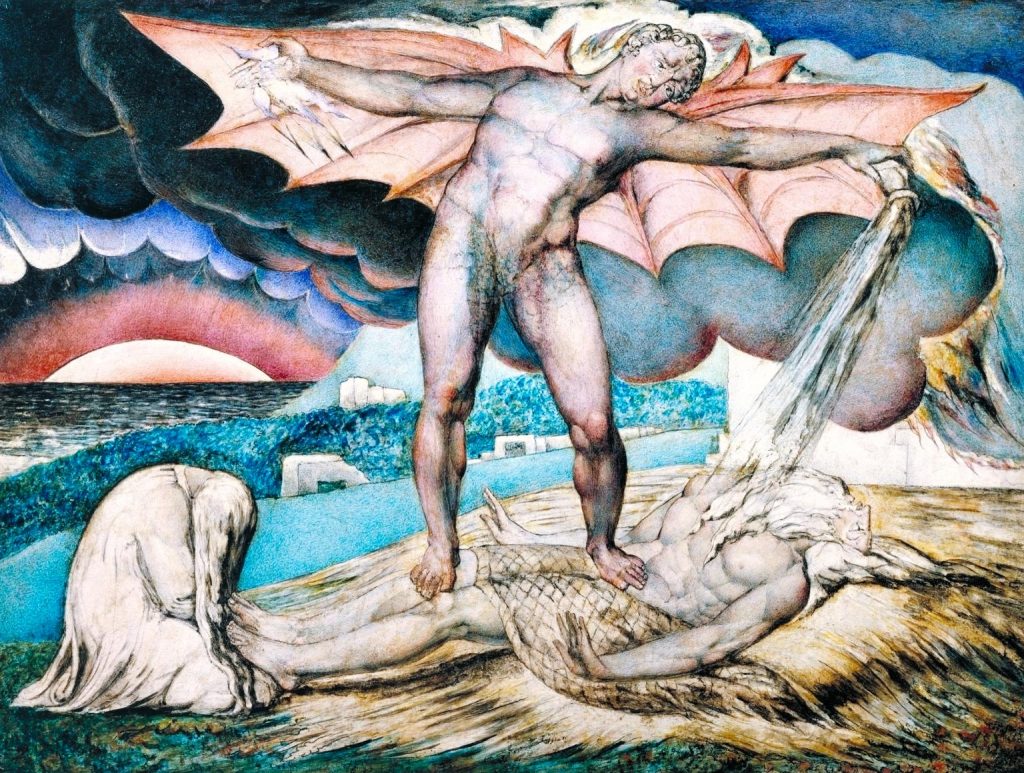
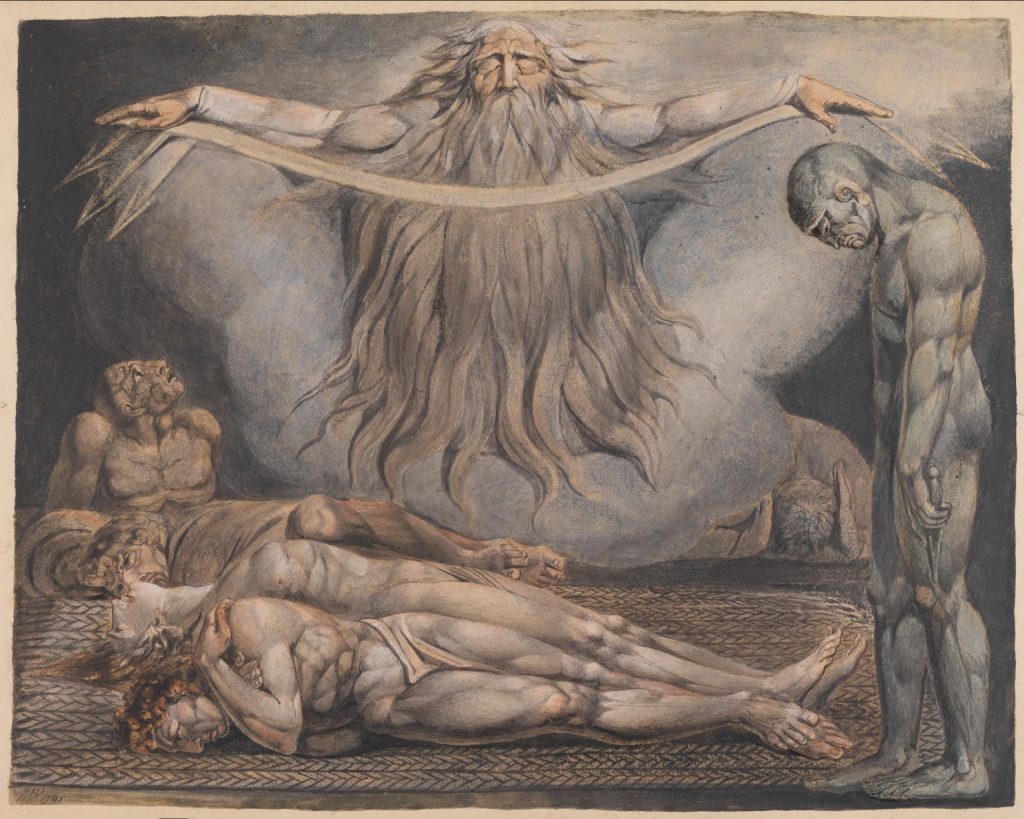
One of the recent additions to this pantheon seems like a perfect fit: the William Blake Docs, offering your “choice of gnostic kicks for a night out,” as Dangerous Minds quips. A partnership with Tate Britain, the boot version is wrapped in Blake’s Satan Smiting Job with Sore Boils(c. 1826) and the shoe displays The House of Death(c. 1795). See both paintings below.
Like another new addition to the artist series—with artwork from J.M.W. Turner—the Blake Dr. Martens draw on the work of a violently original English artist with solidly working-class roots. Unlike his contemporary Turner, Blake spent most of his days in obscurity, creating a DIY visual and poetic mythology rich enough to counter the religious and philosophical hegemony of the day, which was a totally punk rock thing to do in the 18th century.
“I must create a system, or be enslaved by another man’s,” Blake wrote. Does the stamping of his iconoclastic artwork on a culturally iconic, commercially successful boot (and shoe, and leather satchel, and T‑shirt) mean that he’s been absorbed into exactly the kind of system he spent his life opposing? Isn’t that just punk’s eternal dilemma.…
See a short film from Tate Britain celebrating their collaboration with Dr. Martens at the shoemaker’s website and see much more William Blake in the Related Content links below.
If you want to snag your own William Blake Dr. Martens, you can find the 3‑Eye Oxfords and 1460 Boot on Amazon.
We're hoping to rely on loyal readers, rather than erratic ads. Please click the Donate button and support Open Culture. You can use Paypal, Venmo, Patreon, even Crypto! We thank you!
Open Culture scours the web for the best educational media. We find the free courses and audio books you need, the language lessons & educational videos you want, and plenty of enlightenment in between.