Ridley Scott’s Cinematic TV Commercials: An 80-Minute Compilation Spanning 1968–2023

“In the future, e‑mail will make the writ­ten word a thing of the past,” declares the nar­ra­tion of a 1999 tele­vi­sion com­mer­cial for Orange, the French tele­com giant. “In the future, we won’t have to trav­el; we’ll meet on video. In the future, we won’t need to play in the wind and rain; com­put­er games will pro­vide all the fun we need. And in the future, man won’t need woman, and woman won’t need man.” Not in our future, the voice has­tens to add, speak­ing for Orange’s cor­po­rate vision: a bit of irony to those of us watch­ing here in 2025, who could be for­giv­en for think­ing that the pre­dic­tions lead­ing up to it just about sum up the progress of the twen­ty-first cen­tu­ry so far. Nor will it sur­prise us to learn that the spot was direct­ed by Rid­ley Scott, that cin­e­mat­ic painter of dystopi­an sheen.

Bleak futures con­sti­tute just one part of Scot­t’s adver­tis­ing port­fo­lio. Watch above through the fea­ture-length com­pi­la­tion of his com­mer­cials (assem­bled by the YouTube chan­nel Shot, Drawn & Cut), and you’ll see dens of Croe­san wealth, deep-sea expe­di­tions, the trench­es of the Great War, the wastes of the Aus­tralian out­back, acts of Cold War espi­onage, a dance at a neon-lined nine­teen-fifties din­er, and the arrival of space aliens in small-town Amer­i­ca — who turn out just to be stop­ping by for a Pep­si.

Not that Scott is a brand loy­al­ist: that he did a good deal of work for Amer­i­ca’s sec­ond-biggest soda brand, some of them not just Mia­mi Vice-themed but star­ring Don John­son him­self, did­n’t stop him from also direct­ing a Coca-Cola spot fea­tur­ing Max Head­room. The decade was, of course, the nine­teen eight­ies, at the begin­ning of which Scott made his most endur­ing mark as a visu­al styl­ist with Blade Run­ner.

A series of spots for Bar­clays bank (whose indict­ments of com­put­er­ized ser­vice now seem pre­scient about our fast-approach­ing AI-“assisted” real­i­ty) hew so close­ly to the Blade Run­ner aes­thet­ic that they might as well have been part of the same pro­duc­tion. But of Scot­t’s dystopi­an adver­tise­ments, none are more cel­e­brat­ed than the Super Bowl spec­ta­cle for the Apple Mac­in­tosh in which a ham­mer-throw­er smash­es a Nine­teen Eighty-Four-style dic­ta­tor-on-video. The com­pi­la­tion also includes a less wide­ly remem­bered com­mer­cial for the Mac­in­tosh’s tech­ni­cal­ly inno­v­a­tive but com­mer­cial­ly failed pre­de­ces­sor, the Apple Lisa. So asso­ci­at­ed did Scott become with cut­ting-edge tech­nol­o­gy that it’s easy to for­get that he rose up through the adver­tis­ing world of his native Britain by mak­ing big impacts, over and over, for down­right quaint brands: Hov­is bread, McDougal­l’s pas­try mix, Find­us frozen fish pies.

It may seem a con­tra­dic­tion that Scott, long prac­ti­cal­ly syn­ony­mous with the large-scale Hol­ly­wood genre block­buster, would have start­ed out by craft­ing such nos­tal­gia-suf­fused minia­tures. And it would take an inat­ten­tive view­er indeed not to note that the man who over­saw the defin­i­tive cin­e­mat­ic vision of a men­ac­ing Asia-inflect­ed urban dystopia would go on to make com­mer­cials for the Sony Mini­Disc and the Nis­san 300ZX. It all makes more sense if you take Scot­t’s artis­tic inter­ests as hav­ing less to do with cul­ture and more to do with bureau­cra­cy, archi­tec­ture, machin­ery, and oth­er such sys­tems in which human­i­ty is con­tained: so nat­ur­al a fit for the realm of adver­tis­ing that it’s almost a sur­prise he’s made fea­tures at all. And indeed, he con­tin­ues to do ad work, bring­ing movie-like grandeur to mul­ti-minute pro­mo­tions for brands like Hen­nessy and Turk­ish Air­lines — each one intro­duced as “a Rid­ley Scott film.”

Relat­ed con­tent:

Rid­ley Scott Demys­ti­fies the Art of Sto­ry­board­ing (and How to Jump­start Your Cre­ative Project)

See Rid­ley Scott’s 1973 Bread Com­mer­cial — Vot­ed England’s Favorite Adver­tise­ment of All Time

Watch Rid­ley Scott’s Con­tro­ver­sial Nis­san Sports Car Ad That Aired Only Once, Dur­ing the Super Bowl (1990)

Rid­ley Scott on the Mak­ing of Apple’s Icon­ic “1984” Com­mer­cial, Aired on Super Bowl Sun­day in 1984

Watch The Jour­ney, the New Rid­ley Scott Short Film Teased Dur­ing the Super Bowl

Rid­ley Scott Walks You Through His Favorite Scene from Blade Run­ner

Based in Seoul, Col­in Marshall writes and broad­casts on cities, lan­guage, and cul­ture. His projects include the Sub­stack newslet­ter Books on Cities and the book The State­less City: a Walk through 21st-Cen­tu­ry Los Ange­les. Fol­low him on the social net­work for­mer­ly known as Twit­ter at @colinmarshall.

How Led Zeppelin, Pink Floyd & Jethro Tull Financed the Making Monty Python and the Holy Grail

Mon­ty Python and the Holy Grail isn’t a big-bud­get spec­ta­cle, and nobody knew that bet­ter than the Pythons them­selves. Neces­si­ty being the moth­er of inven­tion, they turned the pro­jec­t’s finan­cial con­straints into one of its many sources of humor, fash­ion­ing mem­o­rable gags out of every­thing from coconut shells sub­sti­tut­ing for hors­es to the sud­den shut­down of film­ing that ends the “sto­ry.” But, as explained in the Canned His­to­ry video above, putting togeth­er even the mod­est sum with which they had to work was hard­ly a straight­for­ward endeav­or. Turned down by stu­dios, the Pythons sought out the only financiers like­ly to pos­sess both suf­fi­cient wealth and suf­fi­cient belief in an absur­dist TV com­e­dy troupe mak­ing their first prop­er film: rock stars.

This was the mid-nine­teen-sev­en­ties, recall, when a group with a few hit albums could find them­selves mak­ing, quite lit­er­al­ly, more mon­ey than they knew what to do with. Such was the case with Pink Floyd, for exam­ple, after releas­ing The Dark Side of the Moon in 1973.

Mon­ty Python, for their part, had put out not only three sea­sons of their BBC series Mon­ty Python’s Fly­ing Cir­cus, but also a vari­ety of pur­chasable goods like books and LPs. The lat­ter made them the music-indus­try con­nec­tions that they could use to enlist the likes of not just the Floyd, but also Led Zep­pelin, Jethro Tull, as well as record labels like Island, Charis­ma, and Chrysalis. As Eric Idle tweet­ed much lat­er, Zep­pelin con­tributed £31,500, Pink Floy­d’s com­pa­ny £21,000, and Jethro Tul­l’s Ian Ander­son £6,300: £627,000 in more recent val­ue, or near­ly $850,000 in U.S. dol­lars.

Alto­geth­er, Mon­ty Python and the Holy Grail’s bud­get came to £282,035 in 1974 pounds: by no means a king’s ran­som, but just enough to put togeth­er a com­ic take on Arthuri­an leg­end. No more con­ven­tion­al investors than the Pythons were con­ven­tion­al film­mak­ers, the rock stars and oth­er music-indus­try fig­ures involved made no vis­its to the set, nor offered any “notes” on the work in progress. One sus­pects that they were hap­py just to sup­port a Mon­ty Python project, and even more so to receive the tax break offered for films pro­duced in the U.K. In the event, of course, they all made their mon­ey back many times over, with a cut of the Broad­way musi­cal adap­ta­tion Spa­malot to boot. The film’s imme­di­ate and out­sized suc­cess can’t have been far from the mind of George Har­ri­son — that great ene­my of the tax­man — when Idle called him up a few years lat­er, ask­ing for the mon­ey to make Life of Bri­an.

Relat­ed Con­tent:

Stream Online Mon­ty Python and the Holy Grail Free on Its 50th Anniver­sary

Based in Seoul, Col­in Marshall writes and broad­casts on cities, lan­guage, and cul­ture. His projects include the Sub­stack newslet­ter Books on Cities and the book The State­less City: a Walk through 21st-Cen­tu­ry Los Ange­les. Fol­low him on the social net­work for­mer­ly known as Twit­ter at @colinmarshall.

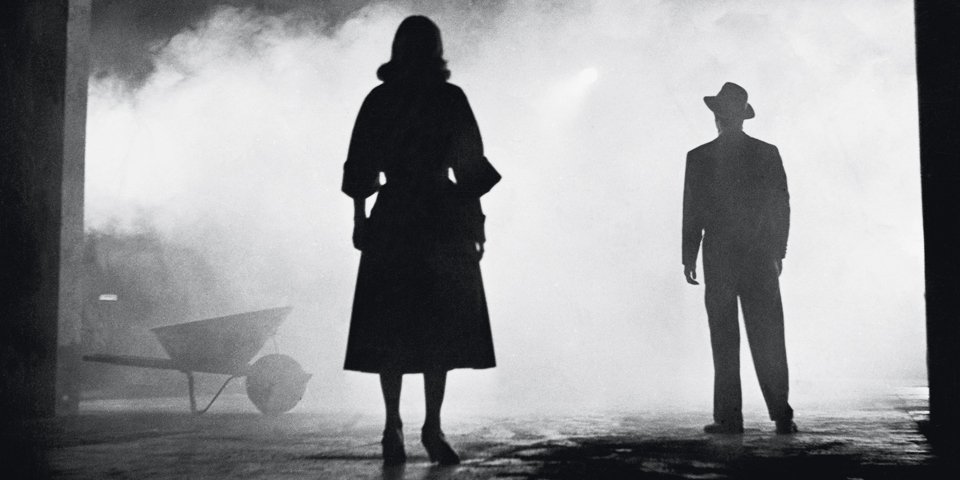
60 Free Film Noir Movies You Can Watch Online, Including Classics by John Huston, Orson Welles & Fritz Lang

Dur­ing the 1940s and 50s, Hol­ly­wood entered a “noir” peri­od, pro­duc­ing riv­et­ing films based on hard-boiled fic­tion. These films were set in dark loca­tions and shot in a black & white aes­thet­ic that fit like a glove. Hard­ened men wore fedo­ras and for­ev­er smoked cig­a­rettes. Women played the femme fatale role bril­liant­ly. Love was the surest way to death. All of these ele­ments fig­ured into what Roger Ebert calls “the most Amer­i­can film genre” in his short Guide to Film Noir.

If you head over to this list of Noir Films, you can find 60 films from the noir genre, includ­ing some clas­sics by John Hus­ton, Orson Welles, Fritz Lang and Ida Lupino. The list also fea­tures some cin­e­mat­ic leg­ends like Humphrey Bog­a­rt, Peter Lorre, Bar­bara Stan­wyck, Edward G. Robin­son, and even Frank Sina­tra. Hope the col­lec­tion helps you put some noir enter­tain­ment into 2025!

If you would like to sign up for Open Culture’s free email newslet­ter, please find it here. It’s a great way to see our new posts, all bun­dled in one email, each day.

If you would like to sup­port the mis­sion of Open Cul­ture, con­sid­er mak­ing a dona­tion to our site. It’s hard to rely 100% on ads, and your con­tri­bu­tions will help us con­tin­ue pro­vid­ing the best free cul­tur­al and edu­ca­tion­al mate­ri­als to learn­ers every­where. You can con­tribute through Pay­Pal, Patre­on, and Ven­mo (@openculture). Thanks!

Relat­ed Con­tent 

The 5 Essen­tial Rules of Film Noir

The Essen­tial Ele­ments of Film Noir Explained in One Grand Info­graph­ic

Roger Ebert Lists the 10 Essen­tial Char­ac­ter­is­tics of Noir Films

by | Permalink | Make a Comment ( 6 ) |

Watch Pablo Picasso’s Creative Process Unfold in Real-Time: Rare Footage Shows Him Creating Drawings of Faces, Bulls & Chickens

Pablo Picas­so was born not long before the inven­tion of the motion pic­ture. With a dif­fer­ent set of incli­na­tions, he might have become one of the most dar­ing pio­neers of that medi­um. Instead, as we know, he mas­tered and then prac­ti­cal­ly rein­vent­ed the much old­er art form of paint­ing. That said, cin­e­ma did seem to have been fas­ci­nat­ed by both Picas­so’s work and the man him­self. He made a cameo appear­ance in Jean Cocteau’s Tes­ta­ment of Orpheus in 1960, a few years after play­ing the title role in Hen­ri-Georges Clouzot’s doc­u­men­tary Le Mys­tère Picas­so. The short clip from the lat­ter above shows how Picas­so could cre­ate an expres­sive face with just a few strokes of a pen.

By the time he made Le Mys­tère Picas­so, Clouzot was already well estab­lished as a direc­tor of ele­vat­ed genre films, hav­ing just made Le salaire de la peur or (The Wages of Fear) and Les dia­boliques (or Dia­bolique), which would turn out to be one of his defin­ing works.

To film­go­ers fol­low­ing his career, it may have come as a sur­prise to see him fol­low those up with a doc­u­men­tary about a painter: a genius, yes, but one whose work had already seemed famil­iar. But Clouzot took as his task not telling the sto­ry of Les Demoi­selles d’Av­i­gnon or Three Musi­cians or Guer­ni­ca, but cap­tur­ing Picas­so (whom he’d known since his teenage years) in the act of cre­at­ing new works of art — works nev­er to be seen except on film.

That was the idea, in any case; though most of the 20 paint­ings and draw­ings cre­at­ed just for Le Mys­tère Picas­so were destroyed, some weren’t. One such sur­vivor, a chick­en-turned-dev­il­ish-vis­age that emerges in one of the film’s more tense sequences (an inter­sec­tion of Clouzot and Picas­so’s artis­tic instincts), was actu­al­ly restored a few years ago for inclu­sion in the Roy­al Acad­e­my of Arts’ exhi­bi­tion Picas­so and Paper. He could also work on glass, as evi­denced by the clip just above from Vis­it to Picas­so, a 1949 doc­u­men­tary short by the Bel­gian film­mak­er Paul Hae­saerts. In it he paints — in less than 30 sec­onds, with the cam­era run­ning just on the oth­er side of the pane — an evoca­tive image of a bull, demon­strat­ing that, no mat­ter how ful­ly he was embraced by the Fran­coph­o­ne world, a Spaniard he remained.

Relat­ed Con­tent:

Thou­sands of Pablo Picasso’s Works Now Avail­able in a New Dig­i­tal Archive

What Makes Picasso’s Guer­ni­ca a Great Paint­ing?: Explore the Anti-Fas­cist Mur­al That Became a World­wide Anti-War Sym­bol

Pablo Picasso’s Mas­ter­ful Child­hood Paint­ings: Pre­co­cious Works Paint­ed Between the Ages of 8 and 15

14 Self-Por­traits by Pablo Picas­so Show the Evo­lu­tion of His Style: See Self-Por­traits Mov­ing from Ages 15 to 90

Pablo Picas­so Pos­es as Pop­eye (1957)

Based in Seoul, Col­in Marshall writes and broad­casts on cities, lan­guage, and cul­ture. His projects include the Sub­stack newslet­ter Books on Cities and the book The State­less City: a Walk through 21st-Cen­tu­ry Los Ange­les. Fol­low him on the social net­work for­mer­ly known as Twit­ter at @colinmarshall.

How Steven Soderbergh Directs a Scene & Makes It Great

Steven Soder­bergh was one of the ear­li­est film­mak­ers to break out in what’s now called the “Indiewood” move­ment of the nine­teen-nineties. He was ear­ly enough, in fact, to have done so in the eight­ies, with the Palme d’Or-win­ning Sex, Lies, and Video­tape. His sub­se­quent films have been many and var­ied, even more so than those of his Indiewood peers Spike Lee, Robert Rodriguez, and Quentin Taran­ti­no. Some, like Schizopo­lis, Bub­ble, The Girl­friend Expe­ri­ence, and Let Them All Talk, have been more “indie”; oth­ers, like, Out of Sight, Erin Brock­ovich, and the Ocean’s and Mag­ic Mike series, have been more “Hol­ly­wood.” But wher­ev­er on the one-for-them-and-one-for-me spec­trum he’s worked, nev­er has he com­pro­mised on his craft.

To illu­mi­nate this ded­i­ca­tion, Evan Puschak, known on YouTube as the Nerd­writer, breaks down a scene from Soder­bergh’s lat­est pic­ture in the video above. Black Bag, which came out this past March, is a mid-bud­get thriller, a form that has proven fruit­ful for the direc­tor in recent decades.

It’s proven cre­ative­ly fruit­ful, at any rate, if not always finan­cial­ly; already, Soder­bergh him­self has pub­licly expressed his dis­ap­point­ment with the movie’s box-office per­for­mance. But if audi­ences have over­looked Black Bag, they haven’t done so due to its shod­dy work. In even one minor, tran­si­tion­al scene under two min­utes long, Puschak explains, we can iden­ti­fy numer­ous direc­to­r­i­al choic­es that make every­thing work effec­tive­ly.

Exam­in­ing each of the scene’s eleven shots (a bless­ed­ly patient edit­ing rhythm, by today’s stan­dards), Puschak points out Soder­bergh’s cuts, fram­ings, cam­era place­ments, move­ments, and focal lengths, explain­ing the rel­e­vance of each to the sto­ry play­ing out. This isn’t just a fan­boy’s auteurism: Soder­bergh always oper­ates his own cam­era and edits his own footage, cred­it­ing the jobs to pseu­do­nyms. That this prac­tice leaves his movies with a deep autho­r­i­al stamp, what­ev­er their sub­ject mat­ter or tar­get audi­ence, is obvi­ous; what’s less clear is how he’s man­aged to keep it up while mak­ing a fea­ture every year, on aver­age, since Sex, Lies, and Video­tape. If, after all this, you’re some­how not sold on watch­ing Black Bag, just wait for Soder­bergh’s next movie — which that most “effi­cient and cre­ative cin­e­mat­ic prob­lem solver” already fin­ished shoot­ing three months ago.

Relat­ed Con­tent:

Steven Soder­bergh Cre­ates Silent, Black & White Recut of Raiders of the Lost Ark to Explain the Art of “Stag­ing”

Why the Tav­ern Scene in Quentin Tarantino’s Inglou­ri­ous Bas­ter­ds Is a Mas­ter Class in Film­mak­ing

Two Ways To Shoot The Same Scene: A Com­par­i­son of The Shop Around the Cor­ner (1940) and You’ve Got Mail (1998) Shows How Film­mak­ing Changed Over the Decades

The Scene That Reveals the Beau­ty of Clas­sic Hol­ly­wood Cin­e­ma

Anato­my of a Scene: 100+ Film­mak­ers Like Wes Ander­son, Tim Bur­ton & Rid­ley Scott Break Down a Scene from Each of Their Films

Based in Seoul, Col­in Marshall writes and broad­casts on cities, lan­guage, and cul­ture. His projects include the Sub­stack newslet­ter Books on Cities and the book The State­less City: a Walk through 21st-Cen­tu­ry Los Ange­les. Fol­low him on the social net­work for­mer­ly known as Twit­ter at @colinmarshall.

How Charlie Chaplin, Buster Keaton & Harold Lloyd Pulled Off Their Spectacular Stunts During Silent Film’s Golden Age

It can be tempt­ing to view the box office’s dom­i­na­tion by visu­al-effects-laden Hol­ly­wood spec­ta­cle as a recent phe­nom­e­non. And indeed, there have been peri­ods dur­ing which that was­n’t the case: the “New Hol­ly­wood” that began in the late nine­teen six­ties, for instance, when the old stu­dio sys­tem hand­ed the reins to inven­tive young guns like Peter Bog­danovich, Fran­cis Ford Cop­po­la, and Mar­tin Scors­ese. But lest we for­get, that move­ment met its end in the face of com­pe­ti­tion from late-1970s block­busters like Jaws and Star Wars, a new kind of block­buster that sig­naled a return to the sim­ple thrills of silent cin­e­ma.

Even a cen­tu­ry ago, many movie­go­ers expect­ed two expe­ri­ences above all: to be wowed, and to be made to laugh. No won­der that era saw visu­al come­di­ans like Harold Lloyd, Buster Keaton, and Char­lie Chap­lin become not just the most famous actors in the world, but some of the most famous human beings in the world.

Stay­ing on top required not just seri­ous per­for­ma­tive skill, but also equal­ly seri­ous tech­ni­cal inge­nu­ity, as explained in the new Lost in Time video above. It breaks down just how Lloyd, Keaton, and Chap­lin pulled off some of their career-defin­ing stunts on film, putting the actu­al clips along­side CGI recon­struc­tions of the sets as they would have looked dur­ing shoot­ing.

When Lloyd hangs from the arms of a clock high above down­town Los Ange­les in Safe­ty Last! (1923), he’s real­ly hang­ing high above down­town Los Ange­les — albeit on a set con­struct­ed atop a build­ing, shot from a care­ful­ly cho­sen angle. When the entire façade of a house falls around Keaton in Steam­boat Bill, Jr. (1928), leav­ing him stand­ing unharmed in a win­dow frame, the façade actu­al­ly fell around him — in a pre­cise­ly chore­o­graphed man­ner, but with only a cou­ple of inch­es of clear­ance on each side. When a blind­fold­ed Chap­lin skates per­ilous­ly close to a mul­ti­sto­ry drop in Mod­ern Times (1936), he’s per­fect­ly safe, the edge of the floor being noth­ing more than a mat­te paint­ing: one of those ana­log tech­nolo­gies of movie mag­ic whose obso­les­cence is still bemoaned by clas­sic-film enthu­si­asts, from whom CGI, no mat­ter how expen­sive, nev­er quite thrills or amus­es in the same way.

Relat­ed con­tent:

The Art of Cre­at­ing Spe­cial Effects in Silent Movies: Inge­nu­ity Before the Age of CGI

Watch the Only Time Char­lie Chap­lin & Buster Keaton Per­formed Togeth­er On-Screen (1952)

Safe­ty Last!, the 1923 Movie Fea­tur­ing the Most Icon­ic Scene from Silent Film Era, Just Went Into the Pub­lic Domain

30 Buster Keaton Films: “The Great­est of All Com­ic Actors,” “One of the Great­est Film­mak­ers of All Time”

How Char­lie Chap­lin Used Ground­break­ing Visu­al Effects to Shoot the Death-Defy­ing Roller Skate Scene in Mod­ern Times (1936)

Char­lie Chap­lin Does Cocaine and Saves the Day in Mod­ern Times (1936)

Based in Seoul, Col­in Marshall writes and broad­casts on cities, lan­guage, and cul­ture. His projects include the Sub­stack newslet­ter Books on Cities and the book The State­less City: a Walk through 21st-Cen­tu­ry Los Ange­les. Fol­low him on the social net­work for­mer­ly known as Twit­ter at @colinmarshall.

Stream Online Monty Python and the Holy Grail Free on Its 50th Anniversary

This year, YouTube cel­e­brat­ed its twen­ti­eth anniver­sary, prompt­ing younger users to won­der what life could have been like before it. The fifti­eth anniver­sary of Mon­ty Python and the Holy Grail, which pre­miered in April of 1975, has inspired sim­i­lar reflec­tion among com­e­dy enthu­si­asts. It can be dif­fi­cult, at this point, to imag­ine one­self back in a cul­ture not yet dis­rupt­ed by Mon­ty Python’s rig­or­ous­ly absurd log­ic, scat­ter­shot satire, and delib­er­ate break­ing of nar­ra­tive and social con­ven­tion — a cul­ture, indeed, where that sort of thing could be feared too dan­ger­ous for tele­vi­sion and film.

It was their BBC sketch series Mon­ty Python’s Fly­ing Cir­cus that intro­duced this comedic sen­si­bil­i­ty first to Britain, and then to the world. Between that show’s third and fourth sea­sons, the Pythons — Gra­ham Chap­man, John Cleese, Eric Idle, Ter­ry Jones, Michael Palin, and Ter­ry Gilliam — took on the side project of cre­at­ing their own cin­e­mat­ic re-inter­pre­ta­tion of Arthuri­an leg­end.

With a mod­est bud­get fur­nished by Led Zep­pelin, Pink Floyd, Jethro Tul­l’s Ian Ander­son, and oth­er investors con­nect­ed to the music world, they plunged them­selves into a grimy, unglam­orous vision of the Mid­dle Ages, punc­tu­at­ed by inex­plic­a­ble anachro­nism and sat­u­rat­ed with an icon­o­clas­tic dis­re­gard for received wis­dom and trumped-up glo­ry.

There the Pythons told a sto­ry that, while per­haps lack­ing in nar­ra­tive struc­ture — to say noth­ing of his­tor­i­cal real­ism — more than com­pen­sates in sheer com­ic momen­tum. By all accounts, it holds up half a cen­tu­ry on, even for those view­ers who’ve already seen it so many times as to have invol­un­tar­i­ly com­mit­ted every joke to mem­o­ry. In cel­e­bra­tion of its anniver­sary, the film has become avail­able to stream free (albeit not in all regions of the world) on the offi­cial YouTube Movies & TV chan­nel, where the lat­est gen­er­a­tions of Mon­ty Python fans first dis­cov­ered their work. Even if lines like “I fart in your gen­er­al direc­tion” no longer raise any trans­gres­sive fris­son, there’s still lit­tle on that plat­for­m’s uni­verse of con­tent to match Mon­ty Python and the Holy Grail’s mul­ti­lay­ered silli­ness, whose place in the annals of com­e­dy leg­end has long since been assured.

Relat­ed con­tent:

Ter­ry Gilliam’s Lost Ani­ma­tions from Mon­ty Python and the Holy Grail Are Now Online

Mon­ty Python’s Eric Idle Breaks Down His Most Icon­ic Char­ac­ters

Mon­ty Python and the Holy Grail Cen­sor­ship Let­ter: We Want to Retain “Fart in Your Gen­er­al Direc­tion”

Mon­ty Python and the Holy Grail Re-Imag­ined as an Epic, Main­stream Hol­ly­wood Film

Mon­ty Python’s Best Phi­los­o­phy Sketch­es

Based in Seoul, Col­in Marshall writes and broad­casts on cities, lan­guage, and cul­ture. His projects include the Sub­stack newslet­ter Books on Cities and the book The State­less City: a Walk through 21st-Cen­tu­ry Los Ange­les. Fol­low him on the social net­work for­mer­ly known as Twit­ter at @colinmarshall.

Education for Death: The Making of the Nazi–Walt Disney’s 1943 Film Shows How Fascists Are Made

Dur­ing World War II, Walt Dis­ney entered into a con­tract with the US gov­ern­ment to devel­op 32 ani­mat­ed shorts. Near­ly bank­rupt­ed by Fan­ta­sia (1940), Dis­ney need­ed to refill its cof­fers, and mak­ing Amer­i­can pro­pa­gan­da films did­n’t seem like a bad way to do it. On numer­ous occa­sions, Don­ald Duck was called upon to deliv­er moral mes­sages to domes­tic audi­ences (see The Spir­it of ’43 and Der Fuehrer’s Face). But that was­n’t the case with Edu­ca­tion for Death: The Mak­ing of the Nazi, a film shown in U.S. movie the­aters in 1943.

Based on a book writ­ten by Gre­gor Ziemer, this ani­mat­ed short used a dif­fer­ent line­up of char­ac­ters to show how the Nazi par­ty turned inno­cent youth into Hitler’s cor­rupt­ed chil­dren. Unlike oth­er top­ics addressed in Dis­ney war films (e.g. tax­es and the draft), this theme—the cul­ti­va­tion of young minds—hit awful­ly close to home. And it’s per­haps why it’s one of Dis­ney’s bet­ter wartime films.

Spiegel Online has more on Dis­ney’s WW II pro­pa­gan­da films here, and you can find some of these films in the Relat­eds below. Also find links to oth­er WWII pro­pa­gan­da films by Dr. Seuss, Mel Blanc, Alfred Hitch­cock, Frank Capra and more.

If you would like to sign up for Open Culture’s free email newslet­ter, please find it here. It’s a great way to see our new posts, all bun­dled in one email, each day.

If you would like to sup­port the mis­sion of Open Cul­ture, con­sid­er mak­ing a dona­tion to our site. It’s hard to rely 100% on ads, and your con­tri­bu­tions will help us con­tin­ue pro­vid­ing the best free cul­tur­al and edu­ca­tion­al mate­ri­als to learn­ers every­where. You can con­tribute through Pay­Pal, Patre­on, and Ven­mo (@openculture). Thanks!

Relat­ed Con­tent:

Pri­vate Sna­fu: The World War II Pro­pa­gan­da Car­toons Cre­at­ed by Dr. Seuss, Frank Capra & Mel Blanc

Dr. Seuss’ World War II Pro­pa­gan­da Films: Your Job in Ger­many (1945) and Our Job in Japan (1946)

When Sal­vador Dalí Cre­at­ed a Chill­ing Anti-Vene­re­al Dis­ease Poster Dur­ing World War II

Don­ald Duck Wants You to Pay Your Tax­es (1943)

Neu­ro­science and Pro­pa­gan­da Come Togeth­er in Disney’s World War II Film, Rea­son and Emo­tion

“Evil Mick­ey Mouse” Invades Japan in a 1934 Japan­ese Ani­me Pro­pa­gan­da Film

Mem­o­ry of the Camps (1985): The Holo­caust Doc­u­men­tary that Trau­ma­tized Alfred Hitch­cock, and Remained Unseen for 40 Years

« Go BackMore in this category... »
Quantcast