The Google Book Downloader

A quick heads up: Life­hack­er is high­light­ing today some new soft­ware (Win­dows only) that will let you down­load free access/public domain texts from Google Book Search and then turn them into neat PDF files. To get tips on how to use the soft­ware cre­at­ed by a third par­ty, not Google, head on over to Life­hack­er. I haven’t per­son­al­ly used the Down­loader, main­ly because I work on a Mac. If you try it out, let us know how the soft­ware works for you.

The End of Wall Street?: Michael Lewis

Here we are. One year after the fall of Lehman Broth­ers. And here we have Michael Lewis, the author of Liar’s Pok­er, talk­ing about his next book — The Big Short: Inside the Dooms­day Machine (2010) — that looks at those peo­ple who actu­al­ly under­stood that Wall Street was going to blow up. Most of the bank­ing com­mu­ni­ty did­n’t see it com­ing. (Hap­py anniver­sary Dick Fuld.) But a hand­ful saw the writ­ing on the wall and took the big short bet. You can get Lewis’ com­plete talk here.

Uranium Wars: A Free Audio Chapter

Just a quick fyi: Audible.com is giv­ing away a free chap­ter (in audio) from a new book, Ura­ni­um Wars: The Sci­en­tif­ic Rival­ry that Cre­at­ed the Nuclear Age (pre­view it on Ama­zon here). Writ­ten by Amir Aczel, a skilled pop­u­lar sci­ence writer, the book takes a close look at the sci­en­tists who dis­cov­ered the destruc­tive poten­tial of ura­ni­um and launched the begin­ning of the nuclear age. Since the book has been get­ting good reviews, I thought that I’d flag this free give­away. Also, as men­tioned here before, Audi­ble runs a reg­u­lar pro­mo­tion that will let you down­load a free audio­book of your choice (for exam­ple, Ura­ni­um Wars) if you start a 14 day free tri­al. Once the tri­al is over, you can con­tin­ue your Audi­ble sub­scrip­tion, or can­cel it, and still keep the free book. The choice is yours. You can ini­ti­ate that process here.

by | Permalink | Make a Comment ( 1 ) |

Philosophy Still Matters

Har­vard phi­los­o­phy pro­fes­sor Michael Sandel appeared on the Today Show this morn­ing, and got four min­utes to make the case for phi­los­o­phy. If you’re not famil­iar with him, Sandel is a very pop­u­lar Har­vard pro­fes­sor. Some 15,000 stu­dents have tak­en his cours­es over 30 years, and to get a feel for his teach­ing, you can watch his 30-minute lec­ture online. It’s called Jus­tice: A Jour­ney into Moral Rea­son­ing, and it’s one of the very few open lec­tures that Har­vard has put online. (A dis­ap­point­ment, I must say.) The lec­ture also oth­er­wise appears in our col­lec­tion of Free Uni­ver­si­ty Cours­es. Final­ly, I’d also encour­age you to lis­ten to the series of lec­tures that Sandel pre­sent­ed through the BBC. We fea­tured them here before, and we’re glad that Tamas, one of our read­ers, has remind­ed us of them.

by | Permalink | Make a Comment ( 3 ) |

Something for Mary

RIP

by | Permalink | Make a Comment ( 1 ) |

Universities Launch “Futurity” to Bring Science to the Web

A lit­tle break­ing news… 35 lead­ing uni­ver­si­ties have launched a new web site, Futurity.org, with a sim­ple goal — edu­cat­ing the pub­lic about new sci­en­tif­ic break­throughs. In the old days, uni­ver­si­ties depend­ed on the tra­di­tion­al press to spread the word about new sci­en­tif­ic advances. Now, with jour­nal­ism in cri­sis and news­pa­pers fold­ing, the schools can no longer bank on that. And so we get Futu­ri­ty, which is essen­tial­ly a non­prof­it wire ser­vice that will dis­trib­ute news through major news sup­pli­ers on the web (Yahoo News & Google News) and also through social media chan­nels (Twit­ter, Face­book and MySpace). On the list of par­tic­i­pat­ing uni­ver­si­ties, you will find UC Berke­ley, Stan­ford, Johns Hop­kins, Carnegie Mel­lon, The Uni­ver­si­ty of Chica­go, Duke, Prince­ton, Yale and many oth­ers. You can get a full list here, and read more about the ven­ture here.

Thanks Denise for the tip on this one. Have some­thing you want to share with your fel­low read­ers? Send your tips to ma**@*********re.com
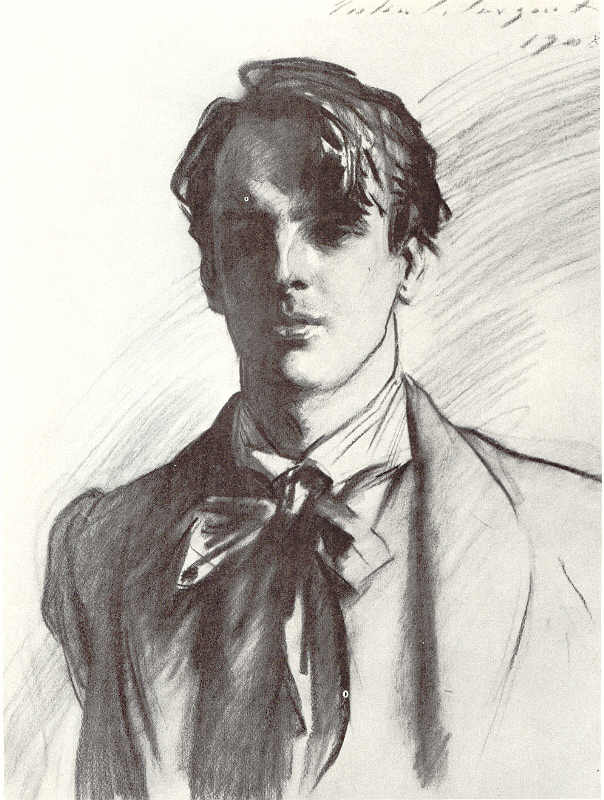
The Life and Works of William Butler Yeats

William_Butler_Yeats_by_John_Singer_Sargent_1908

Por­trait of William But­ler Yeats by John Singer Sar­gent, via Wiki­me­dia Com­mons

It’s a hap­py trend. Increas­ing­ly, we’re see­ing muse­ums launch­ing dynam­ic online exhi­bi­tions to accom­pa­ny their exhi­bi­tions on the ground. In the past, we high­light­ed the Tate Mod­ern’s panoram­ic tour of Mark Rothko’s work. And now we point you to The Life and Work of William But­ler Yeats, an online exhi­bi­tion cre­at­ed by The Nation­al Library of Ire­land. When you enter the tour, you can scan through 200 arti­facts & man­u­scripts and “attend” three in-depth tuto­ri­als explor­ing the evo­lu­tion of three major poems (‘Sail­ing to Byzan­tium’, ‘Leda and the Swan’ and ‘Nine­teen Hun­dred and Nine­teen’). You can also lis­ten to Yeats, one of Ire­land’s tow­er­ing poets, recit­ing his famous poem ‘The Lake Isle of Inn­is­free.’ To lis­ten, click “Areas” on the bot­tom nav­i­ga­tion, then click “Verse and Vision” on the cen­ter menu, and then the audio will begin to play. You can read the text of the poem here. Final­ly, you’ll find more Yeats poems in our Free Audio Book col­lec­tion.

by | Permalink | Make a Comment ( 2 ) |

Watch Birds Sitting on Electrical Wires Become Sheet Music & Make a Melody

What’s the sto­ry behind this video? Here it is, straight from the pro­duc­er, Jar­bas Agnel­li from Brazil: “Read­ing a news­pa­per, I saw a pic­ture of birds on the elec­tric wires. I cut out the pho­to and decid­ed to make a song, using the exact loca­tion of the birds as notes (no Pho­to­shop edit). I knew it was­n’t the most orig­i­nal idea in the uni­verse. I was just curi­ous to hear what melody the birds were cre­at­ing.” You can get more details here.

If you would like to sign up for Open Culture’s free email newslet­ter, please find it here. It’s a great way to see our new posts, all bun­dled in one email, each day.

If you would like to sup­port the mis­sion of Open Cul­ture, con­sid­er mak­ing a dona­tion to our site. It’s hard to rely 100% on ads, and your con­tri­bu­tions will help us con­tin­ue pro­vid­ing the best free cul­tur­al and edu­ca­tion­al mate­ri­als to learn­ers every­where. You can con­tribute through Pay­Pal, Patre­on, and Ven­mo (@openculture). Thanks!

by | Permalink | Make a Comment ( 2 ) |

« Go BackMore in this category... »
Quantcast

