The Math Guy Radio Archive

Image by Richard Ress­man, via Wiki­me­dia Com­mons

Start­ing back in 1995, Kei­th Devlin, a Stan­ford math pro­fes­sor and pop­u­lar sci­ence writer, began mak­ing appear­ance’s on NPR’s Week­end Edi­tion Sat­ur­day, where he demys­ti­fies math ques­tions, both large and small, that have a bear­ing on our every­day lives. Years lat­er “The Math Guy,” as he’s oth­er­wise called, has built up a com­plete sound archive of his radio appear­ances, which fea­tures 78 episodes record­ed between 1995 and 2001. Here are a few fine exam­ples:

  • June 4, 2011 Any Way You Stack It, $14.3 Tril­lion Is A Mind-Ben­der. How can we com­pre­hend the size of the cur­rent US nation­al debt?
  • Octo­ber 23, 2010. Check­ing The Math Behind The Green­house Effect.
  • June 5, 2010. Run­ning the Num­bers for the World Cup.
  • July 4, 2009. Top 10 Rea­sons Why the BMI is Bogus.
  • April 4, 2009. Anoth­er Father of the Hydro­gen Bomb. The 100th anniver­sary of the birth of the math­e­mati­cian Stanis­law Ulam.
  • Feb­ru­ary 28, 2009. What do we need alge­bra for?
  • Decem­ber 27, 2008. ‘Hard Day’s Night’: A Math­e­mat­i­cal Mys­tery Tour. Math­e­mat­i­cal analy­sis of the open­ing chord and oth­er Bea­t­les music.

Again, you can access the com­plete archive here.

H/T @Stanford

Relat­ed Con­tent:

The Map of Math­e­mat­ics: An Ani­mat­ed Video Shows How All the Dif­fer­ent Fields in Math Fit Togeth­er

Vin­tage MIT Cal­cu­lus Lessons

Futur­ist Arthur C. Clarke on Mandelbrot’s Frac­tals


by | Permalink | Make a Comment ( 1 ) |

Fellini + Abrams = Super 8½

J.J. Abrams Super 8 meets Fed­eri­co Fellini’s mas­ter­piece 8 ½. The new gets lay­ered over the old, and it all adds up to Super 8 ½. Fun­ny enough, it kind of works.

by | Permalink | Make a Comment ( 1 ) |

Ken Kesey’s First LSD Trip Animated

Back in 1959, Ken Kesey, then a grad stu­dent in Stan­ford’s cre­ative writ­ing pro­gram, start­ed par­tic­i­pat­ing in gov­ern­ment-spon­sored med­ical research that test­ed a range of hal­lu­cino­gens — LSD, psilo­cy­bin, mesca­line, and the rest. As part of the research project, Kesey spoke into a tapere­corder and recount­ed the ins-and-outs of his hal­lu­ci­na­tions. These tapes were even­tu­al­ly stored away, and Kesey went on to write One Flew Over the Cuck­oo’s Nest, a book that now sits on TIME’s list of the 100 Best Eng­lish-Lan­guage Nov­els since 1923.

A half cen­tu­ry lat­er (and ten years after Kesey’s own death), the LSD tapes live again. This week, the film­mak­er Alex Gib­ney will release Mag­ic Trip, a new doc­u­men­tary that revis­its Kesey’s fabled road trip across Amer­i­ca with the Mer­ry Pranksters and their psy­che­del­ic “Fur­ther” bus. (Tom Wolfe, you might recall, famous­ly cov­ered this trip with The Elec­tric Kool-Aid Acid Test, pub­lished in 1968.) Tak­en from the new film, the sequence above mix­es the redis­cov­ered tapes with some art­ful ani­ma­tion, and it cap­tures the whole mood of Kesey’s first trip …

If you would like to sign up for Open Culture’s free email newslet­ter, please find it here. It’s a great way to see our new posts, all bun­dled in one email, each day.

If you would like to sup­port the mis­sion of Open Cul­ture, con­sid­er mak­ing a dona­tion to our site. It’s hard to rely 100% on ads, and your con­tri­bu­tions will help us con­tin­ue pro­vid­ing the best free cul­tur­al and edu­ca­tion­al mate­ri­als to learn­ers every­where. You can con­tribute through Pay­Pal, Patre­on, and Ven­mo (@openculture). Thanks!

Relat­ed Con­tent:

Beyond Tim­o­thy Leary: 2002 Film Revis­its His­to­ry of LSD

Tim­o­thy Leary’s Wild Ride and the Fol­som Prison Inter­view

via Wired

by | Permalink | Make a Comment ( 10 ) |

Watch John Huston’s Beat the Devil

In hon­or of what would have been John Hus­ton’s 105th birth­day, we’re fea­tur­ing Beat the Dev­il, the 1953 clas­sic direct­ed by Hus­ton and co-writ­ten by Tru­man Capote. Star­ring Humphrey Bog­a­rt, Jen­nifer Jones, Gina Lol­lo­b­rigi­da and Peter Lorre (quite a cast!), the film is a dra­mat­ic com­e­dy that spoofs the noir genre and par­tic­u­lar­ly Hus­ton’s own leg­endary film, The Mal­tese Fal­con. You can find Beat the Dev­il per­ma­nent­ly list­ed in our col­lec­tion of Free Movies Online, as well as in our Free Film Noir col­lec­tion.

by | Permalink | Make a Comment ( 2 ) |

Mariachi Band Serenades Beluga Whale at Mystic Aquarium

Last month, the Mari­achi band, “Los Trovadores de Amer­i­ca,” played at a wed­ding held at the Mys­tic Aquar­i­um in Ston­ing­ton, Con­necti­cut. Before wrap­ping up, the guys were good enough to ser­e­nade one of the bel­u­ga whales. And, you know, the sea crea­ture seemed to appre­ci­ate it. Enjoy the week­end … H/T @sheerly

by | Permalink | Make a Comment ( 1 ) |

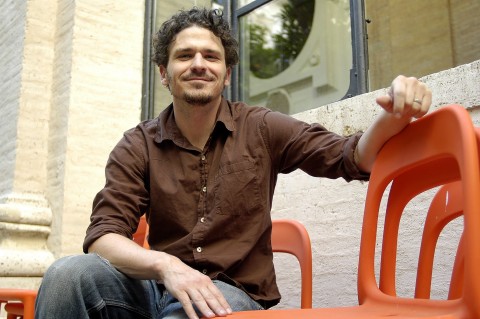
Dave Eggers: The Teacher Who Encouraged Me to Write


Thou­sands of pub­lic school teach­ers won’t be return­ing to the class­room this fall, thanks to bud­get cuts nation­wide. And that means more than a few Jay Criche’s won’t get the chance to tap the hid­den tal­ents of young stu­dents. Jay Criche, in case you’re won­der­ing, taught Eng­lish at Lake For­est High School and count­ed Dave Eggers (A Heart­break­ing Work of Stag­ger­ing Genius and What Is the What) as one of his stu­dents. Criche passed away recent­ly, and, writ­ing in Salon, Eggers remem­bers his teacher’s deep influ­ence:

He was kind to me, but I had no sense that he took par­tic­u­lar notice of me. There were oth­er, smarter kids in the class, and soon I fell back into my usu­al posi­tion — of think­ing I was just a lit­tle over aver­age in most things. But near the end of the semes­ter, we read “Mac­beth.” Believe me, this is not an easy play to con­nect to the lives of sub­ur­ban high school­ers, but some­how he made the play seem elec­tric, dan­ger­ous, rel­e­vant. After pro­cras­ti­nat­ing till the night before it was due, I wrote a paper about the play — the first paper I typed on a type­writer — and turned it in the next day.

I got a good grade on it, and below the grade Mr. Criche wrote, “Sure hope you become a writer.” That was it. Just those six words, writ­ten in his sig­na­ture hand­writ­ing — a bit shaky, but with a very steady base­line. It was the first time he or any­one had indi­cat­ed in any way that writ­ing was a career option for me. We’d nev­er had any writ­ers in our fam­i­ly line, and we did­n’t know any writ­ers per­son­al­ly, even dis­tant­ly, so writ­ing for a liv­ing did­n’t seem some­thing avail­able to me. But then, just like that, it was as if he’d ripped off the ceil­ing and shown me the sky.

Over the next 10 years, I thought often about Mr. Criche’s six words. When­ev­er I felt dis­cour­aged, and this was often, it was those six words that came back to me and gave me strength. When a few instruc­tors in col­lege gen­tly and not-so-gen­tly tried to tell me I had no tal­ent, I held Mr. Criche’s words before me like a shield. I did­n’t care what any­one else thought. Mr. Criche, head of the whole damned Eng­lish depart­ment at Lake For­est High, said I could be a writer. So I put my head down and trudged for­ward.

You can read Egger’s remem­brance in full here.

by | Permalink | Make a Comment ( 3 ) |

The Last Surviving Witness of the Lincoln Assassination Appears on a Game Show (1956)

Let’s rewind the video­tape to 1956, to Samuel James Sey­mour’s appear­ance on the CBS tele­vi­sion show, “I’ve Got a Secret.” At 96 years of age, Sey­mour was the last sur­viv­ing per­son present at Ford’s The­ater the night Abra­ham Lin­coln was assas­si­nat­ed by John Wilkes Booth (April 14, 1865).

Only five years old at the time, Mr. Sey­mour trav­eled with his father to Wash­ing­ton D.C. on a busi­ness trip, where they attend­ed a per­for­mance of Our Amer­i­can Cousin. The young­ster caught a quick glimpse of the pres­i­dent, the play began, and the rest … as they say … is his­to­ry.

A quick foot­note: Samuel Sey­mour died two months after his TV appear­ance. His longevi­ty had some­thing to do, I’d think, with declin­ing those Win­stons over the years.

Find cours­es on the Civ­il War in our list of Free His­to­ry Cours­es, a sub­set of our col­lec­tion, 1,700 Free Online Cours­es from Top Uni­ver­si­ties.

If you would like to sign up for Open Culture’s free email newslet­ter, please find it here. It’s a great way to see our new posts, all bun­dled in one email, each day.

If you would like to sup­port the mis­sion of Open Cul­ture, con­sid­er mak­ing a dona­tion to our site. It’s hard to rely 100% on ads, and your con­tri­bu­tions will help us con­tin­ue pro­vid­ing the best free cul­tur­al and edu­ca­tion­al mate­ri­als to learn­ers every­where. You can con­tribute through Pay­Pal, Patre­on, and Ven­mo (@openculture). Thanks!

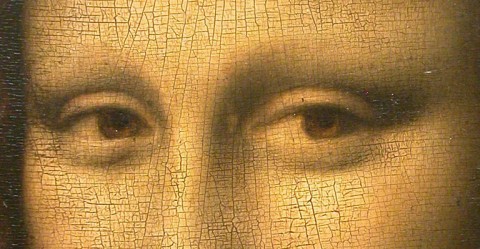
The Adoration of the Mona Lisa Begins with Theft

Every year, five mil­lion vis­i­tors stream into the Lou­vre in Paris, mak­ing it the most vis­it­ed muse­um in the world. And, more than any oth­er paint­ing, vis­i­tors head to see Leonar­do da Vin­ci’s Mona Lisa, paint­ed cir­ca 1503 — 1519.

It’s tempt­ing to attribute the pop­u­lar­i­ty of the Mona Lisa to the endur­ing genius of da Vin­ci. But, as NPR’s All Things Con­sid­ered recounts, there was a time when the paint­ing hard­ly attract­ed pub­lic atten­tion, and what turned the paint­ing into an object of pub­lic ado­ra­tion was some­thing baser than genius itself: brazen theft. Click here and NPR will tell you the sto­ry of the great Mona Lisa heist that went down on August 21, 1911, almost 100 years ago…

Relat­ed Con­tent:

A Vir­tu­al Tour of the Sis­tine Chapel

Google “Art Project” Brings Great Paint­ings & Muse­ums to You

MoMA Puts Pol­lock, Rothko & de Koon­ing on Your iPad

by | Permalink | Make a Comment ( 4 ) |

« Go BackMore in this category... »
Quantcast