Download David Hockney’s Playful Drawings for the iPhone and iPad

Last year, the Roy­al Ontario Muse­um (ROM) in Toron­to staged an exhib­it of David Hock­ney’s play­ful draw­ings pro­duced with/for the iPhone and iPad. Hock­ney became an ear­ly adopter of Apple’s pop­u­lar devices and start­ed cre­at­ing fin­ger-drawn images (using the Brush­es app) in 2008. Ini­tial­ly, the Eng­lish painter only shared his dig­i­tal draw­ings with a small cir­cle of friends. Then he decid­ed to make them avail­able to the larg­er world, pre­sent­ing them first in Paris in 2010, and then lat­er in Toron­to. Here, Hock­ney explains the basic think­ing behind his Fresh Flow­ers exhi­bi­tions.

Through­out the Cana­di­an exhi­bi­tion, the ROM invit­ed the pub­lic to down­load a series of free images by Hock­ney. They’re all still online, and we’ve gath­ered them below. What will you do with them? Put them on your iPhone or iPad, of course. (Find instruc­tions here and here.) Or what­ev­er oth­er device you please.

via coudal.com


by | Permalink | Make a Comment ( 4 ) |

When Respected Authors, from Goethe to Henry Miller, Try Their Hand at Painting

Fresh­ly post­ed on pub­lish­er Melville House’s blog, you’ll find exam­ples of visu­al art by tex­tu­al artists; draw­ings and paint­ings, in oth­er words, drawn and paint­ed by peo­ple who have gone down in his­to­ry for their way with sen­tences. This could eas­i­ly turn into a les­son about not quit­ting one’s day job. But, as you can see from the work above, Maria Nys Hux­ley at Sies­ta, Melville House blog­ger Kevin Mur­phy has­n’t put togeth­er a study in the incom­pe­tence of the dilet­tante. You’ve sure­ly already guessed the lit­er­ary con­nec­tion: the paint­ing came from the hand of Brave New World author Aldous Hux­ley, who put his wife Maria Nys to can­vas in 1920, when both were still in their twen­ties.

The post fea­tures more paint­ings from the late eigh­teenth cen­tu­ry to the mid-twen­ti­eth by Johann Wolf­gang von Goethe, Vic­tor Hugo, Mar­cel Proust, Her­mann Hesse, e.e. cum­mings, Zel­da Fitzger­ald, Jack Ker­ouac, Flan­nery O’Con­nor, and Hen­ry Miller. Each one reflects  some­thing famil­iar about the painter’s main line of work: Goethe’s, bucol­ic rever­ie; Proust’s, the sketch­i­ness of fad­ing mem­o­ry enriched by a scat­ter­ing of bold details; Hes­se’s, a stare of unbro­ken inten­si­ty. One par­tic­u­lar out­lier, with its sim­ple pen-and-ink com­po­si­tion as well as its overt humor, express­es the lit­er­ary per­son­al­i­ty of its cre­ator more strong­ly than all the oth­ers put togeth­er:

Can you guess the author — er, artist?

Find the full col­lec­tion here.

via @KirstinButler

Relat­ed con­tent:

Pho­tos of Famous Writ­ers (and Rock­ers) with their Dogs

The Writ­ing Rooms of Famous Writ­ers

Famous Authors Read Oth­er Famous Authors

Col­in Mar­shall hosts and pro­duces Note­book on Cities and Cul­ture. Fol­low him on Twit­ter at @colinmarshall.

William F. Buckley Meets (Possibly Drunk) Jack Kerouac, Tries to Make Sense of Hippies, 1968

The first mod­ern use of the word hip­pie can be traced back to 1965, when Michael Fal­lon, a San Fran­cis­co jour­nal­ist, used the word to refer to the bohemi­an lifestyle emerg­ing in the city’s Haight-Ash­bury dis­trict. (Appar­ent­ly, Fal­lon took the word hip­ster used by Nor­man Mail­er and then short­ened it into hip­pie.) By 1967, the mass media could­n’t stop talk­ing about hip­pies. It was the Sum­mer of Love in San Fran­cis­co, the defin­ing moment of the coun­ter­cul­ture, and the rest of the coun­try was scratch­ing its col­lec­tive head, try­ing to make sense of it all. Who bet­ter to do it than William F. Buck­ley, the emerg­ing voice of con­ser­v­a­tive Amer­i­ca?

In this clas­sic 1968 episode of Fir­ing Line, Buck­ley tries to demys­ti­fy the hip­pie move­ment with the help of three guests: Lewis Yablon­sky, a pro­fes­sor of soci­ol­o­gy and crim­i­nol­o­gy at Cal State-North­ridge; Ed Sanders, the activist poet who helped form The Fugs; and then Jack Ker­ouac, author of the Beat clas­sic, On the Road. In many ways, Ker­ouac inspired the hip­pie move­ment. And he, him­self, acknowl­edges the rela­tion­ship between the Beats and the hip­pies. But, in watch­ing this clip, one thing becomes clear: in style and sub­stance, he and the hip­pies were also worlds apart.…

Don’t miss Yale’s lec­ture on Ker­ouac and On the Road here.

via Bib­liok­lept

Relat­ed Con­tent:

Jack Ker­ouac Reads from On the Road (1959)

Ken Kesey’s First LSD Trip Ani­mat­ed

William F. Buck­ley Flogged Him­self to Get Through Atlas Shrugged

by | Permalink | Make a Comment ( 10 ) |

Neil deGrasse Tyson Delivers the Greatest Science Sermon Ever

Just when you think you’ve had enough Neil deGrasse Tyson, anoth­er not-to-miss video comes along. This one comes from the 2006 Beyond Belief Con­fer­ence, and it fea­tures the astro­physi­cist giv­ing what’s been called the “great­est sci­ence ser­mon ever.” As a young­ster, Tyson stepped into the Hay­den Plan­e­tar­i­um (the insti­tu­tion he now runs) and he felt an unshak­able call­ing to study the uni­verse. It was­n’t unlike the feel­ing some­one under­goes when they’re reli­gious­ly born again. And ever since, Tyson has expe­ri­enced rev­e­la­tion after rev­e­la­tion, epiphany after epiphany, when study­ing the uni­verse, and espe­cial­ly when­ev­er he’s remind­ed that, chem­i­cal­ly speak­ing, we are in the uni­verse, and the uni­verse is in us. We’re all made of the same star­dust. How can that not leave us with an incred­i­bly spir­i­tu­al feel­ing?

Relat­ed Con­tent:

Neil deGrasse Tyson Lists 8 (Free) Books Every Intel­li­gent Per­son Should Read

Stephen Col­bert Talks Sci­ence with Astro­physi­cist Neil deGrasse Tyson

Neil deGrasse Tyson & Richard Dawkins Pon­der the Big Enchi­la­da Ques­tions of Sci­ence

by | Permalink | Make a Comment ( 9 ) |

Breaking News: Socrates Tried Again in Athens and Acquitted!


Note: the action starts at about the two minute mark, and the video is accom­pa­nied by an Eng­lish trans­la­tion.

The tri­al and exe­cu­tion of Socrates at Athens in 399 B.C.E. has come down to us as the arche­type of intel­lec­tu­al mar­tyr­dom. But the facts of the case, as fil­tered through the writ­ings of Socrates’ stu­dents Xenophon and Pla­to, are sketchy.  â€śWhy,” asks Dou­glas Lin­der on the Famous Tri­als Web site, “in a soci­ety enjoy­ing more free­dom and democ­ra­cy than any the world had ever seen, would a sev­en­ty-year-old philoso­pher be put to death for what he was teach­ing?”

Last Fri­day the Onas­sis Cul­tur­al Cen­tre in Athens gave Socrates a new tri­al, assem­bling a pan­el of dis­tin­guished jurists from Europe and Amer­i­ca to reopen the case. As the Onas­sis Cen­tre’s Web site explains, the event was “not a re-enact­ment but a mod­ern per­spec­tive based on cur­rent legal frame­work sup­ple­ment­ed with ancient Greek ele­ments and com­i­cal the­atrics.” This time the ver­dict was different–but just bare­ly. The vote by the jury was a 5–5 tie, which meant Socrates was acquit­ted. The audi­ence’s vote was more deci­sive: 5 to con­vict, 584 to acquit. Of course, it was a lit­tle late for Socrates.

You can down­load The Apol­o­gy of Socrates from our col­lec­tion of Free Audio Books and Free eBooks.
The Ideas of Noam Chomsky: An Introduction to His Theories on Language & Knowledge (1977)

We’ve fea­tured the lin­guist and polemi­cist Noam Chom­sky here before, and not two weeks ago we post­ed about philoso­pher-broad­cast­er Bryan Magee. The Ideas of Noam Chom­sky brings the two men togeth­er for a chat about lin­guis­tics, the phi­los­o­phy of lan­guage, human cog­ni­tive pro­gram­ming, and the phi­los­o­phy of sci­ence. Though Magee intro­duces Chom­sky, a high­ly non­tra­di­tion­al intel­lec­tu­al to his adher­ents and detrac­tors alike, as “some­thing of a jok­er in the pack, as far as phi­los­o­phy is con­cerned,” he inter­views him with all the atten­tive­ness and respect he brings to dis­cus­sions with pure­ly philo­soph­i­cal lumi­nar­ies. Clear­ly, Magee wants to know more about Chom­sky’s the­o­ries of lan­guage, and espe­cial­ly about their impli­ca­tions for what he calls the dom­i­nant philo­soph­i­cal prob­lem: “that of the rela­tion­ship between lan­guage and the world.”

Rarely ques­tioned along these lines in the media, Chom­sky responds thought­ful­ly and in detail. This ulti­mate­ly leads to a con­ver­sa­tion about the divide between where mean­ing­ful sci­en­tif­ic the­o­ries can devel­op, and where our cog­ni­tive lim­i­ta­tions might pre­vent them from devel­op­ing. You’ll notice that none of this has to do with pol­i­tics, and polit­i­cal guid­ance is what most of Chom­sky’s fans have expect­ed from him over the decades. While even Chom­sky him­self has admit­ted to see­ing no con­nec­tion between his aca­d­e­m­ic and activist careers, Magee pur­sues a line of inquiry late in the broad­cast meant to tie them togeth­er. Magee asks astute ques­tions and Chom­sky pro­vides hon­est answers, but find­ing a com­mon root between ideas like deep gram­mar and anar­chist social­ism per­haps remains an intel­lec­tu­al stunt best not tried at home.

If you would like to sign up for Open Culture’s free email newslet­ter, please find it here. It’s a great way to see our new posts, all bun­dled in one email, each day.

If you would like to sup­port the mis­sion of Open Cul­ture, con­sid­er mak­ing a dona­tion to our site. It’s hard to rely 100% on ads, and your con­tri­bu­tions will help us con­tin­ue pro­vid­ing the best free cul­tur­al and edu­ca­tion­al mate­ri­als to learn­ers every­where. You can con­tribute through Pay­Pal, Patre­on, and Ven­mo (@openculture). Thanks!

Relat­ed con­tent:

Noam Chom­sky & Michel Fou­cault Debate Human Nature & Pow­er (1971)

Bryan Magee’s In-Depth, Uncut TV Con­ver­sa­tions With Famous Philoso­phers (1978–87)

Ali G and Noam Chom­sky Talk Lin­guis­tics

Col­in Mar­shall hosts and pro­duces Note­book on Cities and Cul­ture. Fol­low him on Twit­ter at @colinmarshall.

The Open Goldberg Variations: J.S. Bach’s Masterpiece Free to Download

First pub­lished in 1741, J.S. Bach’s Gold­berg Vari­a­tions is often con­sid­ered the most ambi­tious com­po­si­tion ever writ­ten for harp­si­chord. As this con­ver­sa­tion at NPR notes, the piece begins “with an ini­tial melody, the Aria, fol­lowed by 30 short but bril­liant vari­a­tions built on eight notes that Bach appears to have bor­rowed from Han­del.” It’s an impres­sive exam­ple of musi­cal one-upman­ship — so impres­sive that the demand­ing piece still cap­tures our often divid­ed atten­tion today.

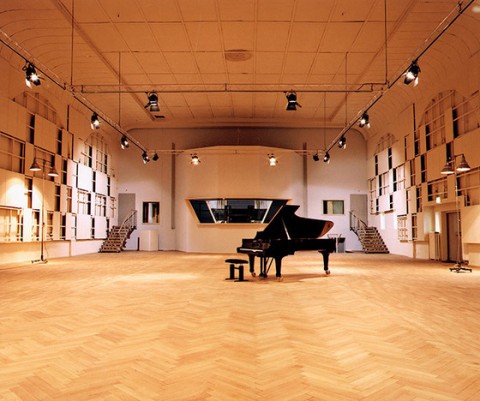
Now, with no fur­ther delay, let me direct your atten­tion to The Open Gold­berg Vari­a­tions, the first Kick­starter-fund­ed, open source record­ing of Bach’s mas­ter­piece, avail­able entire­ly for free. If you click here, you can down­load and share the new­ly-released record­ing by Kimiko Ishiza­ka, per­formed on a Bösendor­fer 290 Impe­r­i­al piano in Berlin. You can do pret­ty much what­ev­er you want with the record­ing because it’s released under a Cre­ative Com­mons Zero license, which auto­mat­i­cal­ly puts things in the pub­lic domain.

You can also stream the Open Gold­berg Vari­a­tions below, and don’t miss this very relat­ed item: How to Down­load the Com­plete Organ Works of J.S. Bach for Free. And then this bonus: Glenn Gould’s Per­for­mance of the Gold­berg Vari­a­tion’s online.

by | Permalink | Make a Comment ( 8 ) |

Measuring the Universe: How Astronomers Learned to Measure Celestial Distances Explained with Animation

Have you ever won­dered how astronomers fig­ure out the mind-bog­gling dis­tances between the Earth and var­i­ous astro­nom­i­cal objects? In this infor­ma­tive ani­mat­ed video from the Roy­al Obser­va­to­ry at Green­wich, we learn the fun­da­men­tals of the Cos­mic Dis­tance Lad­der, the suc­ces­sion of meth­ods used to deter­mine those dis­tances.

The video was made for “Mea­sur­ing the Uni­verse: from the tran­sit of Venus to the edge of the cos­mos,” an exhib­it that will be on dis­play at the obser­va­to­ry through Sep­tem­ber 2. The exhib­it is timed to coin­cide with this year’s rare tran­sit of Venus, which will be vis­i­ble from Earth on June 5 and 6 and won’t hap­pen again until 2117. The tran­sit of Venus played a key role in the his­to­ry of astrom­e­try. In 1663 the Scot­tish math­e­mati­cian and astronomer James Gre­go­ry pro­posed a method of tim­ing the move­ment of Venus across the Sun from two wide­ly sep­a­rat­ed points on the Earth and using the dif­fer­en­tial to cal­cu­late the sun’s mean equa­to­r­i­al par­al­lax and, by tri­an­gu­la­tion, the Sun’s dis­tance from the Earth.

Know­ing the dis­tance from the Earth to the Sun, we can then fig­ure out the dis­tances of some stars using the same method of trigono­met­ric par­al­lax. But as astronomer Olivia John­son explains in the video, that tech­nique can only be used to mea­sure the clos­est stars. For dis­tances greater than 500 light years, oth­er meth­ods are required. When the objects in ques­tion have a known luminosity–in oth­er words, when they are “stan­dard can­dles”–the inverse square law of light can be used to cal­cu­late dis­tances. Those mea­sure­ments, along with Hub­ble’s Law and the Doppler Effect, enable even fur­ther cal­cu­la­tions extend­ing to the edge of the known cos­mos.

“What’s most incred­i­ble to me,” says John­son, “is how all these mea­sure­ments build on each oth­er. It’s only by know­ing the scale of our Solar System–the dis­tance between the Earth and Sun–that we’re able to mea­sure dis­tances to near­by stars using par­al­lax. If we can learn how far it is to some near­by stan­dard can­dles using par­al­lax, we can then use com­par­isons between stan­dard can­dles to mea­sure the dis­tances to far­ther stars and galax­ies. Final­ly, by study­ing the motions of galax­ies with stan­dard can­dles, we learn we can use red­shift to mea­sure dis­tances through­out our expand­ing Uni­verse.”

via Devour

Relat­ed Con­tent:

The Hig­gs Boson, AKA the God Par­ti­cle, Explained with Ani­ma­tion

« Go BackMore in this category... »
Quantcast

