Ridley Scott Demystifies the Art of Storyboarding (and How to Jumpstart Your Creative Project)

Some film­mak­ers put sto­ry­boards, those com­ic book-look­ing shot plans you some­times glimpse in mak­ing-of doc­u­men­taries, at the cen­ter of their cre­ative process. Ter­ry Gilliam, he of Brazil and 12 Mon­keys, has described sto­ry­boards as the one thing he can safe­ly “lock onto” dur­ing the com­pli­cat­ed, ever-shift­ing shoot­ing process. Oth­er film­mak­ers, such as the hearti­ly impro­vi­sa­tion­al Wern­er Her­zog, have dis­missed sto­ry­boards as the tool of “cow­ards,” of “those who lack imag­i­na­tion,” of “those who are bureau­crat­ic and noth­ing else on the set.” Hav­ing spent sev­en for­ma­tive years in art school, Alien and Blade Run­ner direc­tor Rid­ley Scott devel­ops his films by think­ing as much through the frame­work of visu­al art as through that of cin­e­ma. In the video above, a laid-back Scott, cig­ar in hand, dis­cuss­es how sto­ry­boards, sketch­es, and oth­er pieces of hand-drawn imagery help him make movies.

Telling how he’s found loca­tions, envi­sioned scenes with­in them, and used draw­ings to build those scenes, Scott offers an insight into the look and feel of his own work and use­ful advice to fel­low cre­ators, whether or not they work in a visu­al medi­um. His inspi­ra­tion begins with an activ­i­ty as sim­ple — but nonethe­less a source of “great enjoy­ment” — as look­ing at indus­tri­al land­scapes out the win­dow of a car. Some­times he even begins thumb­nail sketch­es then and there, in tran­sit. Not only does his draft­ing back­ground enable him to do that, but it leads to clos­er work­ing rela­tion­ships with his pro­fes­sion­al sto­ry­board artists. Con­fer­ring with them men­tal­ly pre­pares him to “hit the floor” and shoot the scene. He reveals that, whether you’re direct­ing a $120 mil­lion motion pic­ture, paint­ing a paint­ing, or even writ­ing a blog post, you face the same chal­lenge: “Get rid of the white can­vas. Get some­thing right across the can­vas. Oth­er­wise you’re always look­ing at that area of white, which is like a blank sheet.” He notes that his meth­ods have led to some call­ing his films “overde­signed and over-thought out,” but admits that, at this point, “I’ll prob­a­bly just stay with the plan.”

via @webacion

Relat­ed Con­tent:

The Mak­ing of Blade Run­ner

Rid­ley Scott Read­ies a Pre­quel to Alien; Guy Pearce Gives Its “TED Talk”

Col­in Mar­shall hosts and pro­duces Note­book on Cities and Cul­ture. Fol­low him on Twit­ter at @colinmarshall.

Sigmund Freud’s Home Movies: A Rare Glimpse of His Private Life

Not long ago we post­ed the only known record­ing of Sig­mund Freud’s voice. Today we present rare home movies of the founder of mod­ern psy­chol­o­gy, cap­tured dur­ing the last decade of his life.

The scenes are nar­rat­ed by Freud’s youngest daugh­ter Anna, who allowed the footage to be shown only with­in the psy­cho­an­a­lyt­ic com­mu­ni­ty before her death in 1982. The first scenes in the clip above were filmed in 1932 at Freud’s sum­mer home in Pöt­zleins­dorf, a sub­urb of Vien­na. He is shown vis­it­ing with his old friend Emanuel Löwy, an archae­ol­o­gist, and pet­ting his dog Jofi. The next sequence was shot between 1934 and 1937 at Freud’s lat­er sum­mer home in Grinz­ing, now a dis­trict of Vien­na. It shows Freud relax­ing with a book while his wife Martha and her sis­ter, Min­na Bernays, do their sewing. The movies were made by Freud’s friend and patient Mark Brunswick, hus­band of the psy­cho­an­a­lyst Ruth Mack Brunswick, a close asso­ciate of Freud’s.

You can watch the com­plete 24-minute film from which these scenes were tak­en on YouTube. And you can view or down­load a series of anno­tat­ed clips at the Freud Muse­um Web site.

If you would like to sign up for Open Culture’s free email newslet­ter, please find it here. It’s a great way to see our new posts, all bun­dled in one email, each day.

If you would like to sup­port the mis­sion of Open Cul­ture, con­sid­er mak­ing a dona­tion to our site. It’s hard to rely 100% on ads, and your con­tri­bu­tions will help us con­tin­ue pro­vid­ing the best free cul­tur­al and edu­ca­tion­al mate­ri­als to learn­ers every­where. You can con­tribute through Pay­Pal, Patre­on, and Ven­mo (@openculture). Thanks!

Charles Bukowski: Depression and Three Days in Bed Can Restore Your Creative Juices (NSFW)


Pico Iyer once called Charles Bukows­ki the “lau­re­ate of Amer­i­can lowlife,” and that’s because he wrote poems for and about ordi­nary Amer­i­cans — peo­ple who expe­ri­enced pover­ty, the tedi­um and grind of work, and some­times frayed rela­tion­ships, bouts of alco­holism, drug addic­tion and the rest. Bukows­ki could write so elo­quent­ly about this because he came from this world. He grew up in a poor immi­grant house­hold with an abu­sive father, took to the bot­tle at an ear­ly age, worked at a Los Ange­les post office for a decade plus, and had a long and tumul­tuous rela­tion­ship with Jane Cooney Bak­er, a wid­ow eleven years his senior, who drank to excess and died at 51, leav­ing Bukows­ki bro­ken.

And then there’s the depres­sion. Bukows­ki expe­ri­enced that too. But he knew how to chan­nel it, how to turn days of dark­ness into sources of per­son­al and cre­ative renew­al. He explains it in some char­ac­ter­is­ti­cal­ly NSFW detail above.

To gain a more in-depth under­stand­ing of depres­sion and its bio­log­i­cal basis, we’d rec­om­mend watch­ing this lec­ture by Stan­ford’s Robert Sapolksy.

Here’s a tran­script of what Bukows­ki has to say:

I have peri­ods where, you know, when I feel a lit­tle weak or depressed. Fuck it! The Wheaties aren’t going down right. I just go to bed for three days and four nights, pull down all the shades and just go to bed. Get up. Shit. Piss. Drink a beer down and go back to bed. I come out of that com­plete­ly re-enlight­ened for 2 or 3 months. I get pow­er from that.

I think someday…they’ll say this psy­chot­ic guy knew some­thing that…you know in days ahead and med­i­cine, and how they fig­ure these things out. Every­body should go to bed now and then, when they’re down low and give it up for three or four days. Then they’ll come back good for a while.

But we’re so obsessed with, we have to get up and do it and go back to sleep. In fact there’s a woman I’m liv­ing with now, get’s around 12:30, 1pm, I say: “I’m sleepy. I want to go to sleep.” She says: “What? You want to go to sleep, it’s only 1pm!” We’re not even drink­ing, you know. Hell, there’s noth­ing else to do but sleep.

Peo­ple are nailed to the process­es. Up. Down. Do some­thing. Get up, do some­thing, go to sleep. Get up. They can’t get out of that cir­cle. You’ll see, some­day they’ll say: “Bukows­ki knew.” Lay down for 3 or 4 days till you get your juices back, then get up, look around and do it. But who the hell can do it cause you need a dol­lar. That’s all. That’s a long speech, isn’t it? But it means some­thing.

via Bib­liok­lept

If you would like to sign up for Open Culture’s free email newslet­ter, please find it here. It’s a great way to see our new posts, all bun­dled in one email, each day.

If you would like to sup­port the mis­sion of Open Cul­ture, con­sid­er mak­ing a dona­tion to our site. It’s hard to rely 100% on ads, and your con­tri­bu­tions will help us con­tin­ue pro­vid­ing the best free cul­tur­al and edu­ca­tion­al mate­ri­als to learn­ers every­where. You can con­tribute through Pay­Pal, Patre­on, and Ven­mo (@openculture). Thanks!

Relat­ed Bukows­ki:

Tom Waits Reads Charles Bukows­ki

The Last Faxed Poem of Charles Bukows­ki

Charles Bukows­ki Reads His Poem “The Secret of My Endurance”

by | Permalink | Make a Comment ( 7 ) |

Manuel Lima Visualizes Knowledge in Our Interconnected World in a Brand New RSA Animated Video

Through­out 2010 and 2011, the Roy­al Soci­ety of the Arts (RSA) devel­oped a series of catchy videos that fea­ture the words of thought lead­ers accom­pa­nied by the fast-mov­ing ani­ma­tion of Andrew Park. Along the way, we have high­light­ed RSA talks by Stephen PinkerSlavoj ZizekBar­bara Ehren­re­ichDaniel PinkSir Ken Robin­son, and Rena­ta Sale­cl. Now, after a fair­ly long hia­tus, the series returns — this time with Manuel Lima (senior UX design lead at Microsoft Bing) explain­ing how net­works helps us map and cre­ate knowl­edge in our mod­ern world. You can watch the full  unan­i­mat­ed) lec­ture here.

Want to share intel­li­gent media with fam­i­ly and friends? Join us on Face­book and Twit­ter.

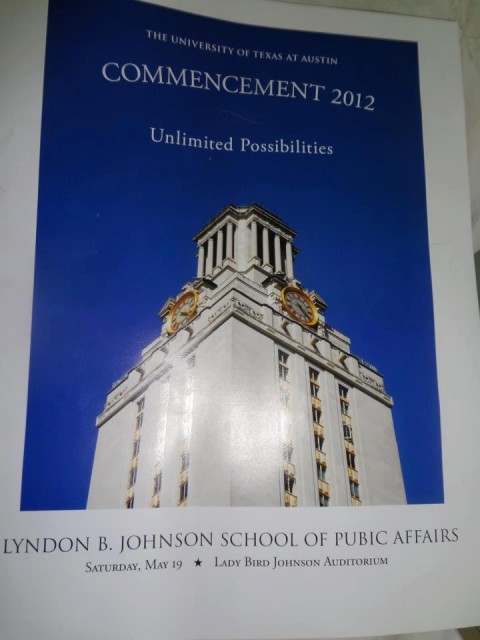
A Most Unfortunate Commencement Typo at UT Austin

We’ll let you spot the typo to end all typos. Need­less to say, the school has issued its mea cul­pa on Twit­ter and start­ed print­ing new com­mence­ment brochures. Now they’ll wait with bat­ed breath to see if their goof becomes fod­der for The Dai­ly Show. We all make mis­takes and then we move on. via Jim Romanesko

Give us a fol­low on Face­book and Twit­ter, and you can share intel­li­gent media (and the occa­sion­al joke) with fam­i­ly and friends.

by | Permalink | Make a Comment ( 16 ) |

Neil Gaiman Gives Graduates 10 Essential Tips for Working in the Arts

Neil Gaiman, con­sid­ered one of the top ten liv­ing post-mod­ern writ­ers, nev­er went to col­lege. He nei­ther start­ed nor fin­ished his advanced stud­ies, but rather put him­self into the world and start­ed writ­ing. And write he did. He’s now the New York Times best­selling author of the nov­els Nev­er­where, Star­dust, and Amer­i­can Gods, among oth­ers, and he’s also the win­ner of the 2009 New­bery Medal and 2010 Carnegie Medal in Lit­er­a­ture. (We have gath­ered free ver­sions of Gaiman’s writ­ing in audio & text here.) This week­end, Gaiman spoke at The Uni­ver­si­ty of the Arts in Philadel­phia and told the grad­u­at­ing class all the things he wish he knew at their age. The talk runs 19 min­utes. The dis­tilled ver­sion appears below.

  1. Embrace the fact that you’re young. Accept that you don’t know what you’re doing. And don’t lis­ten to any­one who says there are rules and lim­its.
  2. If you know your call­ing, go there. Stay on track. Keep mov­ing towards it, even if the process takes time and requires sac­ri­fice.
  3. Learn to accept fail­ure. Know that things will go wrong. Then, when things go right, you’ll prob­a­bly feel like a fraud. It’s nor­mal.
  4. Make mis­takes, glo­ri­ous and fan­tas­tic ones. It means that you’re out there doing and try­ing things.
  5. When life gets hard, as it inevitably will, make good art. Just make good art.
  6. Make your own art, mean­ing the art that reflects your indi­vid­u­al­i­ty and per­son­al vision.
  7. Now a prac­ti­cal tip. You get free­lance work if your work is good, if you’re easy to get along with, and if you’re on dead­line. Actu­al­ly you don’t need all three. Just two.
  8. Enjoy the ride, don’t fret the whole way. Stephen King gave that piece of advice to Neil years ago.
  9. Be wise and accom­plish things in your career. If you have prob­lems get­ting start­ed, pre­tend you’re some­one who is wise, who can get things done. It will help you along.
  10. Leave the world more inter­est­ing than it was before.

via Metafil­ter

by | Permalink | Make a Comment ( 3 ) |

Last Night’s Solar Eclipse in a 60-Second, 700-Picture Timelapse Video

If you missed the big solar eclipse and its strange shad­ows last night, not to wor­ry. Cory Poole, a sci­ence teacher in Red­ding, Cal­i­for­nia, has you cov­ered. Above, you’ll find his video that brings togeth­er 700 images (view them indi­vid­u­al­ly in high res here) into a 60 sec­ond time-lapse film. The images were viewed/taken through a Coro­n­a­do Solar Max 60 Dou­ble Stacked Hydro­gen Alpha Solar Tele­scope. The music was com­posed in Abel­ton Live. Find cours­es on Astron­o­my in our col­lec­tion of Free Online Cours­es. via Giz­mo­do

Want to share intel­li­gent media with fam­i­ly and friends? Join us on Face­book and Twit­ter.

by | Permalink | Make a Comment ( 2 ) |

Mussolini Sends to America a Happy Message, Full of Friendly Feelings, in English (1927)

Strange as it sounds, Ben­i­to Mus­soli­ni played a his­toric role in the intro­duc­tion of talk­ing motion pic­tures.

Through­out the ear­ly 1920s, var­i­ous sound tech­nolo­gies for cin­e­ma were test­ed and exhib­it­ed pub­licly. By 1927 two rival com­pa­nies were on the home stretch in the race to intro­duce a viable syn­chro­nized sound sys­tem for wide­spread com­mer­cial use in the­aters. Warn­er Bros. had invest­ed heav­i­ly in a record­ing-on-disc method trade-named “Vita­phone,” and would unveil the first fea­ture film with record­ed dia­logue sequences, The Jazz Singer, on Octo­ber  6, 1927. Mean­while the Fox Film Cor­po­ra­tion was devel­op­ing a sound-on-film tech­nol­o­gy, called “Movi­etone,” that would lat­er become the indus­try stan­dard.  With Movi­etone the audio was record­ed as a vari­able-den­si­ty opti­cal track on the film, along­side the visu­al image, instead of on a sep­a­rate gramo­phone record.

To beat Warn­er Bros. to the punch, Fox pre­miered its Movi­etone fea­ture Sun­rise, by the Ger­man expres­sion­ist film­mak­er F.W. Mur­nau, at Times Square in New York on Sep­tem­ber 23, 1927, two weeks ahead of The Jazz Singer. Mur­nau’s film had syn­chro­nized music and sound effects, but no dia­logue. The heav­i­ly pub­li­cized event includ­ed the screen­ing of a pair of Movi­etone news­reels: one of the Vat­i­can choir, the oth­er of Mus­soli­ni. “See and Hear ‘The Man of the Hour’ His Excel­len­cy Ben­i­to Mus­soli­ni, Pre­mier of Italy,” said a Fox adver­tise­ment. “He speaks to you and lives before your eyes on the Movi­etone!” The ground-break­ing news­reel was a pub­lic­i­ty coup for both the movie com­pa­ny and the dic­ta­tor. Film his­to­ri­an Don­ald Crafton pro­vides some back­ground in his book The Talkies: Amer­i­can Cin­e­ma’s Tran­si­tion to Sound, 1926–1931:

On 20 April 1927, Charles Pet­ti­john, gen­er­al coun­sel for the Hays Office and head of the Film Boards of Trade, was meet­ing with Ben­i­to Mus­soli­ni. He sug­gest­ed that the dic­ta­tor sit for a film­ing, and Mus­soli­ni, a long­time film buff, read­i­ly agreed. Il Duce liked the result so much that he ‘is hav­ing a talk­ing film pre­pared that will show his dai­ly activ­i­ties.’ Mus­soli­ni report­ed­ly said, ‘Let me speak through [the news­reel] in twen­ty cities in Italy once a week and I need no oth­er pow­er.’ This film would enable him to appear in pub­lic with no threat of assas­si­na­tion.

The orig­i­nal ver­sion of the “Mus­soli­ni Movi­etone” includ­ed footage of Fas­cist reg­i­ments drilling, and a grand intro­duc­tion of the dic­ta­tor by the Amer­i­can ambas­sador to Italy, Hen­ry P. Fletch­er. “I am very glad,” Mus­soli­ni says in the news­reel, “to be able to express my friend­ly feel­ings towards the Amer­i­can nation, friend­ship with which Italy looks at the mil­lions of cit­i­zens, who from Alas­ka to Flori­da, from the Pacif­ic to the Atlantic, live in the Unit­ed States, which lay deeply root­ed in our hearts.” Four­teen years lat­er Italy and the Unit­ed States were at war, and less than four years after that, on April 28, 1945, Mus­soli­ni was killed by his own peo­ple. They made a news­reel about that, too.

If you would like to sign up for Open Culture’s free email newslet­ter, please find it here. It’s a great way to see our new posts, all bun­dled in one email, each day.

If you would like to sup­port the mis­sion of Open Cul­ture, con­sid­er mak­ing a dona­tion to our site. It’s hard to rely 100% on ads, and your con­tri­bu­tions will help us con­tin­ue pro­vid­ing the best free cul­tur­al and edu­ca­tion­al mate­ri­als to learn­ers every­where. You can con­tribute through Pay­Pal, Patre­on, and Ven­mo (@openculture). Thanks!

« Go BackMore in this category... »
Quantcast