Climb Three of the World’s Highest Peaks on Google Street View

Google Peak

What’s sur­pris­ing about Ever­est Base Camp is the col­or. It’s a flinty, gray place lit­tered with shards of Himalayan sand­stone and shale. Here and there appears a vivid green pool of alpine water. And then there’s the red, blue and green prayer flags hung by Himalayans to blow bless­ings in the wind.

Google Street View’s lat­est project, the World’s High­est Peaks, takes us to Ever­est and two oth­er moun­tains includ­ed in the Sev­en Summits—the high­est moun­tains on each of the sev­en con­ti­nents.

Teams of moun­taineers tot­ed dig­i­tal cam­eras on treks to the top of each moun­tain and inte­grat­ed their images into Google maps so we can trek along with them from the com­fort of our lap­tops, iPhones or Android devices. Like Google Street View’s Ocean gallery, the moun­tain images bring us to places we may nev­er see with our own eyes.

It’s easy to imag­ine the dry, cold cli­mate at Camp Col­era, where hik­ers wait for the weath­er to per­mit a climb of Aconagua, the high­est moun­tain in the Andes. The views of Tan­za­nia from Arrow Glac­i­er are breath­tak­ing. Hik­ers camp here before mak­ing the treach­er­ous ascent to Uhu­ru—the “rooftop of Africa” and the sum­mit of Mt. Kil­i­man­jaro.

One of the things Google does real­ly well is cre­ate gal­leries of images that are the kind we might take our­selves, not fil­tered-lens pro­fes­sion­al shots that belong on cal­en­dars. We see moun­taineers rest­ing and hang­ing out at the frosty Casa de Piedra, on the way up to Aconagua, hik­ers pic­nick­ing at Lemosho Glades as they switch from jeep to foot on the climb up Kil­i­man­jaro, and the weird, aban­doned diesel bar­rels that serve as shel­ter for folks climb­ing Mount Elbrus in Rus­sia.

As usu­al, Google lets us in on the process of col­lect­ing all these images with a fun blog writ­ten by the pho­tog­ra­phers.

Relat­ed Con­tent:  

Reef View: Google Gives Us Stun­ning Under­wa­ter Shots of Great Coral Reefs

Google Presents an Inter­ac­tive Visu­al­iza­tion of 100,000 Stars

Google Street View Takes You on a Panoram­ic Tour of the Grand Canyon

Kate Rix writes about dig­i­tal media and edu­ca­tion. Read more of her work at .
100 Metropolitan Museum Curators Talk About 100 Works of Art That Changed How They See the World

Which best describes your muse­um-going expe­ri­ence? Inspi­ra­tion and spir­i­tu­al refresh­ment? Or a soul crush­ing attempt to fight your way past the hoards there for the lat­est block­buster exhib­it, with a too-heavy bag and a whin­ing, foot sore com­pan­ion in tow?

Would­n’t it be won­der­ful to lose your­self in con­tem­pla­tion of a sin­gle work? What about that giant one at the top of the Met­ro­pol­i­tan Muse­um of Art’s Grand Stair­case? For every vis­i­tor who paus­es to take it in, anoth­er thou­sand stream by with hard­ly a glance.

The above com­men­tary by cura­tor of Ital­ian paint­ings, Xavier Salomon, may well turn Gio­van­ni Bat­tista Tiepolo’s The Tri­umph of Mar­ius into one of the Met’s hottest attrac­tions. It’s often dif­fi­cult for the aver­age muse­um-goer to under­stand what the deal is in one of these dense­ly pop­u­lat­ed, 19th cen­tu­ry oils. Salomon sup­plies the need­ed his­tor­i­cal context—general Gaius Mar­ius parad­ing cap­tive Numid­i­an king Jugurtha through the streets upon his tri­umphal return to Rome.

Things get even more inter­est­ing when he trans­lates the Latin inscrip­tion at the top of the can­vas: “The Roman peo­ple behold Jugurtha laden with chains.” In oth­er words, you can for­go the hero wor­ship of the title and con­cen­trate on the bad guy. This, Salomon spec­u­lates, is what the artist had in mind when swathing Jugurtha in that eye-catch­ing red cape. Jugurtha may be the los­er, but his refusal to be hum­bled before the crowd is win­some.

As is 82nd and 5th, an online series that aims to cel­e­brate 100 trans­for­ma­tive works of art from the muse­um’s col­lec­tion before year’s end. In addi­tion to Salomon’s com­pelling thoughts on The Tri­umph of Mar­ius, some plea­sures thus far include Melanie Hol­comb, Asso­ciate Cura­tor of Medieval Art and The Clois­ters, geek­ing out over illus­trat­ed man­u­script pages and fash­ion and cos­tume cura­tor Andrew Bolton recall­ing his first encounter with one of design­er Alexan­der McQueen’s most extreme gar­ments. Each video is sup­ple­ment­ed with a tab for fur­ther explo­ration. You can also find the talks col­lect­ed on YouTube.

Bril­liant­ly con­ceived and exe­cut­ed, these com­men­taries pro­vide vir­tu­al muse­um-goers with a high­ly per­son­al tour, and can only but enrich the expe­ri­ence of any­one lucky enough to vis­it in the flesh.

Relat­ed Con­tent:


Down­load Hun­dreds of Free Art Cat­a­logs from The Met­ro­pol­i­tan Muse­um of Art

Google Art Project Expands, Bring­ing 30,000 Works of Art from 151 Muse­ums to the Web

Free: The Guggen­heim Puts 65 Mod­ern Art Books Online

Ayun Hal­l­i­day  has her fin­gers crossed for some com­men­tary on the Met’s hunky Stand­ing Hanu­man.

Thelonious Monk, Legendary Jazz Pianist, Revealed in 1968 Cinéma Vérité Film

Thelo­nious Monk’s per­son­al­i­ty was as quirky and orig­i­nal as his piano play­ing. An elu­sive, insu­lar fig­ure, Monk was nev­er­the­less per­suad­ed in late 1967 to allow a cam­era crew to fol­low him around over an extend­ed peri­od of time for a West Ger­man tele­vi­sion doc­u­men­tary. The film, Monk (shown above in its entire­ty), is a fas­ci­nat­ing up-close look at one of the giants of Jazz.

The 55-minute movie was shot by the Amer­i­can film­mak­ers Michael and Chris­t­ian Black­wood for the net­works NDR (North Ger­man Broad­cast­ing) and WDR (West Ger­man Broad­cast­ing). The Black­wood broth­ers had unprece­dent­ed access to Monk over a six-month peri­od in late 1967 and ear­ly 1968, as he and his quar­tet per­formed and record­ed in New York, Atlanta and Europe. The quar­tet includes Char­lie Rouse on tenor sax­o­phone, Lar­ry Gales on bass and Ben Riley on drums. Although there are a few brief pas­sages of untrans­lat­ed Ger­man nar­ra­tion, the film is basi­cal­ly a ciné­ma vérité piece on Monk (who speaks Eng­lish) and his remark­able music.

The Black­wood broth­ers’ footage, which Stephen Hold­en of The New York Times called “some of the most valu­able jazz sequences ever shot,” lat­er became the nucle­us of a longer 1988 doc­u­men­tary pro­duced by Clint East­wood. You can watch that film and learn more about it in our 2011 post, “Thelo­nious Monk: Straight No Chas­er.”

Relat­ed con­tent:

Thelo­nious Monk in His Prime: Copen­hagen, 1966

Advice From the Mas­ter: Thelo­nious Monk Scrib­bles a List of Tips for Play­ing a Gig

10 Great Per­for­mances From 10 Leg­endary Jazz Artists: Djan­go, Miles, Monk, Coltrane & More

How Pi Was Nearly Changed to 3.2 … and Copyrighted!

The sto­ry above—from our old friend James Grime of Num­ber­phile and Cam­bridge Uni­ver­si­ty—has all the mak­ings of weirdo Amer­i­cana: bad ama­teur sci­ence, com­mer­cial ven­tures based upon the same, and a state leg­is­la­ture eager to embrace it all. In 1897, an ama­teur math­e­mati­cian named Edwin Good­win believed he’d solved an ancient prob­lem ruled insol­u­ble fif­teen years ear­li­er. He thought that he had squared the cir­cle and could rea­son­ably copy­right Pi as 3.2. Yes, that’s right, after his “dis­cov­ery,” Good­win, a native of Indi­ana, decid­ed to copy­right his proof so that any­one using it out­side of the state would have to pay him roy­al­ties.

But kind­ly, in a ges­ture of nativist good­will (or polit­i­cal oppor­tunism), Good­win decid­ed he would let his home state of Indi­ana use his proof for free for edu­ca­tion­al pur­pos­es. In fact, he said as much when he intro­duced a bill to the Indi­ana House of Rep­re­sen­ta­tives to rule his proof cor­rect and grant him sole pro­pri­etor­ship. And, as some­times hap­pens in sto­ries like this, the bill passed, unan­i­mous­ly, and the leg­is­la­tors were impressed. But one man wasn’t. By sheer chance, a pro­fes­sor of math­e­mat­ics hap­pened to be in atten­dance. While he declined to meet math­e­mat­ics hero Edwin Good­win, he did take it upon him­self to warn the Indi­ana Sen­ate of what was com­ing its way. Luck­i­ly for the state’s school­child­ren, the Sen­ate threw the bill out, but not before a half-hour spent  mock­ing its silli­ness.

But is the idea of squar­ing a cir­cle ridicu­lous? Dr. Grime cites one Indi­an math­e­mati­cian who pro­posed a some­what fea­si­ble solu­tion. And what exact­ly does it mean to “square a cir­cle”? If you don’t know (and I don’t), you’ll have to wait till next time on Num­ber­phile, when Grime and his team promise to explain it to us rubes.

Relat­ed Con­tent:

The Math in Good Will Hunt­ing is Easy: How Do You Like Them Apples?

The Enig­ma Machine: How Alan Tur­ing Helped Break the Unbreak­able Nazi Code

Incred­i­ble Men­tal Math Gym­nas­tics on “Count­down”

Josh Jones is a writer, edi­tor, and musi­cian based in Wash­ing­ton, DC. Fol­low him @jdmagness

Blade Runner: The Pillar of Sci-Fi Cinema that Siskel, Ebert, and Studio Execs Originally Hated

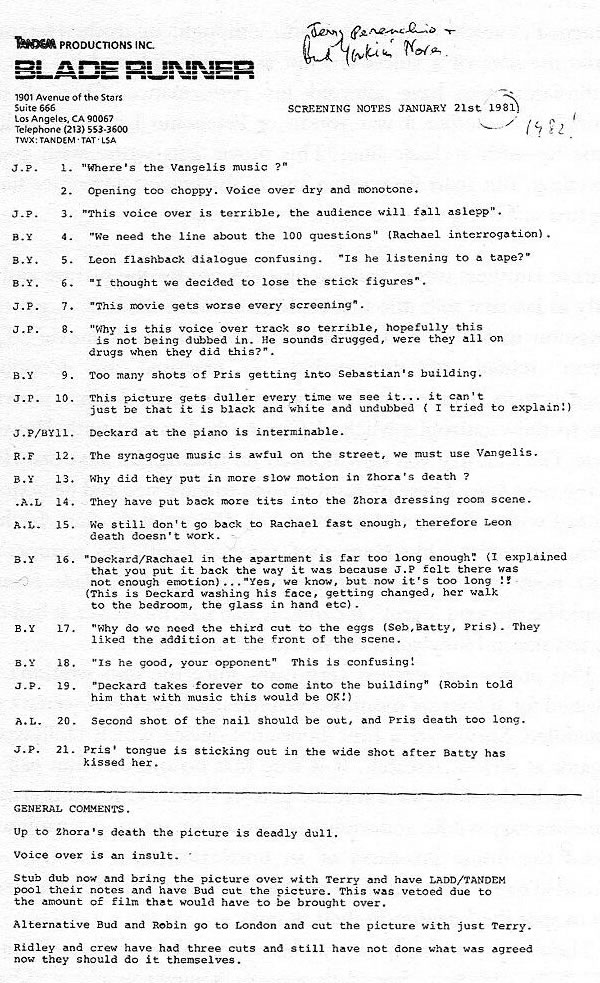
blade-runner-executive-notes

Grow­ing up, I did­n’t think about all the indi­vid­ual qual­i­ties that make a great movie. I just thought of Blade Run­ner. What­ev­er Rid­ley Scot­t’s 1982 adap­ta­tion of Philip K. Dick­’s Do Androids Dream of Elec­tric Sheep had, it made for high cin­e­mat­ic qual­i­ty indeed. As naive as it sounds, it does­n’t fall much short of mod­ern crit­i­cal and tar­get-audi­ence con­sen­sus. Visu­al­ly, intel­lec­tu­al­ly, and tech­ni­cal­ly, Blade Run­ner has endured the decades almost effort­less­ly; how many oth­er tales of humans real and arti­fi­cial in a dystopi­an future mega­lopo­lis can you say the same about, at least with a straight face? Yet back in the ear­ly eight­ies, you would have had to call the pic­ture, which opened to a week­end of only $6.15 mil­lion in tick­et sales against its $28 mil­lion bud­get, a flop. Nor could crit­ics come up with much praise: “A waste of time,” said Gene Siskel of Siskel & Ebert. (“I have nev­er quite embraced Blade Run­ner,” Ebert wrote 25 years lat­er, “but now it is time to cave in and admit it to the canon.”)

Have a look at the sheet of screen­ing notes above (or click here to view a larg­er image), and you’ll find that even the stu­dio exec­u­tives did­n’t like the movie. Some Blade Run­ner fans blame the poor ini­tial recep­tion on the cut that 1982’s crit­ics and audi­ences saw, which dif­fers con­sid­er­ably from the ver­sion so many of us revere today. They cite in par­tic­u­lar a series of dead­en­ing­ly explana­to­ry voice-overs per­formed after the fact by star Har­ri­son Ford, which sounds like a clas­sic demand by philis­tine “suits” in charge until you read the notes from one exec­u­tive referred to as J.P.: “Voice over dry and monot­o­ne,” “This voice over is ter­ri­ble,” “Why is this voice over track so ter­ri­ble.” And under “gen­er­al com­ments”: “Voice over is an insult.” But with the offend­ing track­’s removal, the replace­ment of cer­tain shots, tweaks in the plot, and the sim­ple full­ness of time, Blade Run­ner has gone from one of the least respect­ed sci­ence fic­tion films to one of the most. Yet part of me won­ders if some of those high­er-ups in the screen­ing ever made peace with it. A cer­tain A.L., for instance, makes the four­teenth point, and adamant­ly: “They have to put more tits into the Zho­ra dress­ing room scene.”

via Neatora­ma

Relat­ed Con­tent:

The Mak­ing of Blade Run­ner

Blade Run­ner is a Waste of Time: Siskel & Ebert in 1982

The Blade Run­ner Sketch­book: The Orig­i­nal Art of Syd Mead and Rid­ley Scott Online

Blade Run­ner: The Final, Final Cut of the Cult Clas­sic

Col­in Mar­shall hosts and pro­duces Note­book on Cities and Cul­ture and writes essays on lit­er­a­ture, film, cities, Asia, and aes­thet­ics. He’s at work on a book about Los Ange­lesA Los Ange­les Primer. Fol­low him on Twit­ter at @colinmarshall.

What Should Have Entered the Public Domain in 2013?: Philip K. Dick, James Bond, Billie Holiday, Etc

What entered the pub­lic domain in the US in 2013? It’s not a long answer, because the answer is .… noth­ing.

Now here’s a ques­tion that yields a longer answer. What books would have entered the pub­lic domain if we were still oper­at­ing under rea­son­able, pre-1978 copy­right laws? Here’s a lit­tle list that comes from Duke Uni­ver­si­ty’s Cen­ter for the Study of the Pub­lic Domain:

  • Win­ston Churchill, A His­to­ry of the Eng­lish-Speak­ing Peo­ples
  • Philip K. Dick, Minor­i­ty Report
  • Ian Flem­ing, Dia­monds are For­ev­er (a James Bond nov­el)
  • Fred Gib­son, Old Yeller
  • Bil­lie Hol­i­day, Lady Sings the Blues
  • Alan Lern­er, My Fair Lady
  • Eugene O’Neill, Long Day’s Jour­ney into Night
  • John Osborne, Look Back in Anger
  • Dodie Smith, 101 Dal­ma­tians

You can also add films to the list, like:

  • Hitch­cock­’s The Man Who Knew Too Much
  • The Searchers (direct­ed by John Ford and star­ring John Wayne)
  • The Ten Com­mand­ments (1956 ver­sion by Cecil B. DeMille, who also direct­ed a sim­i­lar film in 1923)
  • Around the World in 80 Days
  • Godzil­la, King of the Mon­sters!
  • The Best Things in Life are Free

And we should­n’t fail to men­tion that we could have had the first issue of MAD mag­a­zine, with Alfred E. Neu­man grac­ing the cov­er.

In the mean­time, if you’re won­der­ing what will hit the pub­lic domain in 2014, the answer is “noth­ing.” And you can keep repeat­ing that answer until 2019! That’s the next time some­thing new will enter Amer­i­ca’s cre­ative com­mons. Yet one more rea­son Con­gress’ approval rat­ing deserves to sit at 15%.

Relat­ed Con­tent:

Lawrence Lessig’s Last Speech on Free Cul­ture. Watch it Online.

Sup­port The Pub­lic Domain Review

Cre­ative Com­mons Announces “School of Open” with Cours­es to Focus on Dig­i­tal Open­ness


by | Permalink | Make a Comment ( 1 ) |

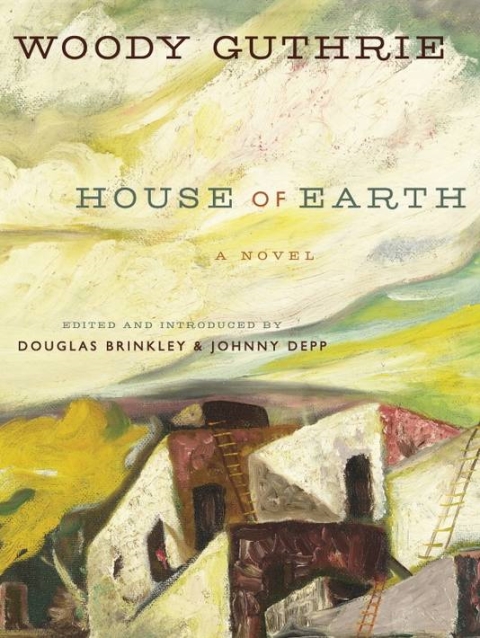
House of Earth: Hear Woody Guthrie’s Lost Novel, Published by Johnny Depp, as an Audio Book

House of earth

Woody Guthrie may have writ­ten as many as 3,000 folk songs, but he did­n’t lim­it him­self there. He also man­aged to write a nov­el called House of Earth, which only last month saw the light of day. To whom do we owe the plea­sure of read­ing this pre­vi­ous­ly unknown adden­dum to the pro­lif­ic singer-song­writer’s career? Why, to his­to­ri­an Dou­glas Brink­ley, actor John­ny Depp, and Guthrie’s daugh­ter Nora. Research­ing a forth­com­ing biog­ra­phy of Bob Dylan, Brink­ley spot­ted a men­tion of House of Earth some­where deep in the files of famous folk-music recordist Alan Lomax. He traced the man­u­script to the Uni­ver­si­ty of Tul­sa library, which had it in stor­age. Depp had recent­ly start­ed his own pub­lish­ing imprint, Infini­tum Nihil, and Brink­ley passed along this promis­ing piece of mate­r­i­al. (The two had known each oth­er for years, hav­ing ini­tial­ly met through that great lit­er­ary con­nec­tor, Dr. Hunter S. Thomp­son.)

With House of Earth, Guthrie wrote a Dust Bowl nov­el, but one very much in tune with his own sen­si­bil­i­ties. Unlike John Stein­beck­’s The Grapes of Wrath, Guthrie’s sto­ry fol­lows not the farm fam­i­lies who fled west, but those who remained on the Texas plains. “Pitched some­where between rur­al real­ism and pro­le­tar­i­an protest,” write Brink­ley and Depp in a New York Times Book Review essay, “some­what sta­t­ic in terms of nar­ra­tive dri­ve, ‘House of Earth’ nonethe­less offers a sear­ing por­trait of the Pan­han­dle and its mar­gin­al­ized Great Depres­sion res­i­dents. Guthrie suc­cess­ful­ly mix­es Steinbeck’s nar­ra­tive verve with D. H. Lawrence’s open­ness to erot­ic explo­ration.” As of this week, you can read and also now hear the book, as read by Will Pat­ton, in an audio ver­sion released by Audible.com. (Find info on how to get it for free below.) At the top of this post, you’ll find a short clip of Pat­ton deliv­er­ing the singer’s prose. Though Guthrie will remain best known for his polit­i­cal­ly-charged songs, his nov­el, which launch­es broad­sides against big finance, big lum­ber, and big agri­cul­ture, should car­ry charge enough for any of his enthu­si­asts.

Note: Do you want to down­load House of Earth from Audi­ble for free? Here’s one way to do it. Just head over to Audible.com and reg­is­ter for a 30-day free tri­al. You can down­load any audio book for free. Then, when the tri­al is over, you can con­tin­ue your Audi­ble sub­scrip­tion, or can­cel it, and still keep the audio book. The choice is yours. And, in full dis­clo­sure, let me tell you that we have a nice arrange­ment with Audi­ble. When­ev­er some­one signs up for a free tri­al, it helps sup­port Open Cul­ture. That’s cool. But frankly, we work with them because I per­son­al­ly use the ser­vice noth­ing short of reli­gious­ly. 

Relat­ed Con­tent:

Woody Guthrie at 100: Cel­e­brate His Amaz­ing Life with a BBC Film

Woody Guthrie’s Fan Let­ter To John Cage and Alan Hov­haness (1947)

375 Free eBooks: Down­load to Kin­dle, iPad/iPhone & Nook

Col­in Mar­shall hosts and pro­duces Note­book on Cities and Cul­ture and writes essays on lit­er­a­ture, film, cities, Asia, and aes­thet­ics. He’s at work on a book about Los Ange­lesA Los Ange­les Primer. Fol­low him on Twit­ter at @colinmarshall.

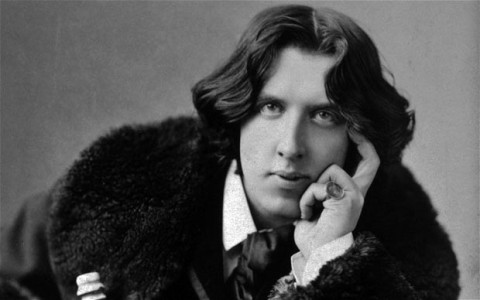
Oscar Wilde Offers Practical Advice on the Writing Life in a Newly-Discovered Letter from 1890

Oscar-Wilde_LetterAccord­ing to The Tele­graph, experts rum­mag­ing through a dusty box recent­ly uncov­ered a let­ter penned by Oscar Wilde in 1890 (or there­abouts). Addressed to a “Mr. Mor­gan,” the let­ter runs 13 pages, and it offers what amounts to prac­ti­cal advice for an aspir­ing writer. Details on the let­ter’s con­tents remain scarce, although we will prob­a­bly know more when the doc­u­ment gets auc­tioned off in two weeks time. But, so far, we know that Wilde offered Mr. Mor­gan two points to con­sid­er:

“Make some sac­ri­fice for your art, and you will be repaid, but ask of art to sac­ri­fice her­self for you and a bit­ter dis­ap­point­ment may come to you,”

“The best work in lit­er­a­ture is always done by those who do not depend on it for their dai­ly bread and the high­est form of lit­er­a­ture, Poet­ry, brings no wealth to the singer.”

It’s essen­tial­ly the nine­teenth cen­tu­ry ver­sion of what Charles Bukows­ki lat­er said in much more sim­ple terms: “if you’re doing it for mon­ey or fame, don’t do it.”

Relat­ed Con­tent:

So You Want to Be a Writer?: Charles Bukows­ki Explains the Dos & Don’ts

William Faulkn­er Explains Why Writ­ing is Best Left to Scoundrels … Prefer­ably Liv­ing in Broth­els (1956)

Writ­ing Tips by Hen­ry Miller, Elmore Leonard, Mar­garet Atwood, Neil Gaiman & George Orwell

by | Permalink | Make a Comment ( 3 ) |

« Go BackMore in this category... »
Quantcast