8‑Year-Old Anne Frank Plays in a Sandbox on a Summer Day, 1937

anne frank kid shotBefore Anne Frank was forced into hid­ing dur­ing World War II, there was a time when she, her fam­i­ly and friends could do nor­mal things that many peo­ple take for grant­ed. Like play in a sand­box on a warm sum­mer day. In the shot above, Anne is 2nd from the left. More pho­tos of Frank can be viewed at AnneFrank.org. And here you can watch the only known video show­ing the world’s most famous mem­oir writer.

H/T @Mia­Far­row

Relat­ed Con­tent:

Anne Frank: The Only Exist­ing Video Now Online

Anne Frank’s Diary: From Reject Pile to Best­seller

Google Brings His­to­ry to Life with 42 New Online Exhi­bi­tions

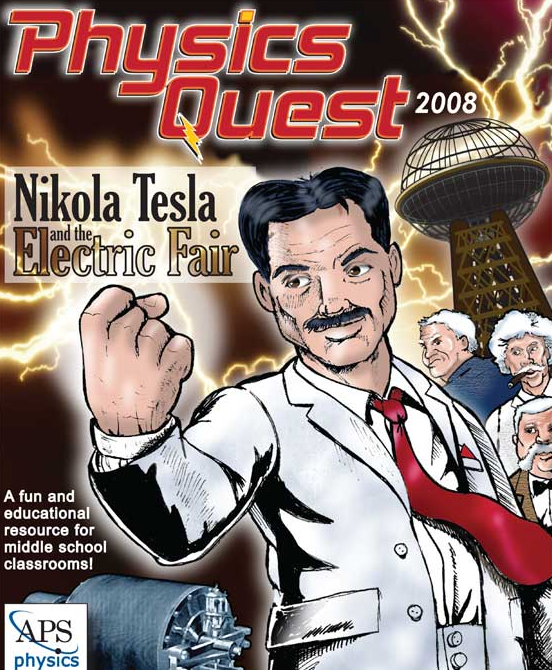
Free Comic Books Turns Kids Onto Physics: Start With the Adventures of Nikola Tesla

physics cartoon for kids

Physic­s­Cen­tral, a web site run by The Amer­i­can Phys­i­cal Soci­ety (an orga­ni­za­tion rep­re­sent­ing 48,000 physi­cists), has cre­at­ed a series of com­ic books designed to get kids excit­ed about physics. If you click here, you can enjoy Niko­la Tes­la and the Elec­tric Fair for free online. The 2008 com­ic book pits Thomas Edi­son against Tes­la, the unsung hero of elec­tric­i­ty and mag­net­ism. Also on the Physics Cen­tral web site, you can enjoy four free comics from the Spec­tra series, which presents the adven­tures of a mid­dle school super­hero, who pos­sess­es all of the great pow­ers of a laser beam.

We’ll be sure to add these comics to our col­lec­tion of Free K‑12 Edu­ca­tion­al Resources.

via Boing­Bo­ing

Relat­ed Con­tent:

Thomas Edi­son and Niko­la Tes­la Face Off in “Epic Rap Bat­tles of His­to­ry”

A Brief, Ani­mat­ed Intro­duc­tion to Thomas Edi­son (and Niko­la Tes­la)

MIT & Khan Acad­e­my Team Up to Devel­op Sci­ence Videos for Kids. Includes The Physics of Uni­cy­cling

Free Physics Cours­es

425 Free eBooks: Down­load to Kin­dle, iPad/iPhone & Nook

by | Permalink | Make a Comment ( 9 ) |

John Updike’s Advice to Young Writers: ‘Reserve an Hour a Day’

John Updike once said of his task as a writer, “My only duty was to describe real­i­ty as it had come to me — to give the mun­dane its beau­ti­ful due.” In book after book, he did just that.

With a sharp eye and a search­ing intel­lect, Updike recon­sti­tut­ed the details of every­day life into flu­id, lyri­cal prose. “He turned a sen­tence bet­ter than any­one else,” said Ian McE­wan in reac­tion to Updike’s untime­ly death in 2009. Philip Roth added: “John Updike is our time’s great­est man of let­ters, as bril­liant a lit­er­ary crit­ic and essay­ist as he was a nov­el­ist and short sto­ry writer. He is and always will be no less a nation­al trea­sure than his 19th-cen­tu­ry pre­cur­sor, Nathaniel Hawthorne. His death con­sti­tutes a loss to our lit­er­a­ture that is immea­sur­able.”

In June of 2004, Updike sat for an inter­view with the Acad­e­my of Achieve­ment, a Wash­ing­ton-based non-prof­it group ded­i­cat­ed to inspir­ing young peo­ple to suc­ceed. In a wide-rang­ing con­ver­sa­tion, Updike is asked whether he has any advice for writ­ers just start­ing out. “You hes­i­tate to give advice to young writ­ers,” Updike says, “because there’s a lim­it to what you can say. It’s not exact­ly like being a musi­cian, or even an artist, where there’s a set num­ber of skills that have to be mas­tered.” Nev­er­the­less, he goes on to make sev­er­al sug­ges­tions:

To the young writ­ers, I would mere­ly say, “Try to devel­op actu­al work habits, and even though you have a busy life, try to reserve an hour, say — or more — a day to write.” Some very good things have been writ­ten on an hour a day. Hen­ry Green, one of my pets, was an indus­tri­al­ist actu­al­ly. He was run­ning a com­pa­ny, and he would come home and write for just an hour in an arm­chair, and won­der­ful books were cre­at­ed in this way. So, take it seri­ous­ly, you know, just set a quo­ta. Try to think of com­mu­ni­cat­ing with some ide­al read­er some­where. Try to think of get­ting into print. Don’t be con­tent just to call your­self a writer and then bitch about the crass pub­lish­ing world that won’t run your stuff. We’re still a cap­i­tal­ist coun­try, and writ­ing to some degree is a cap­i­tal­ist enter­prise, when it’s not a total sin to try to make a liv­ing and court an audi­ence. “Read what excites you,” would be advice, and even if you don’t imi­tate it you will learn from it. All those mys­tery nov­els I read I think did give me some les­son about keep­ing a plot taut, try­ing to move for­ward or make the read­er feel that kind of ten­sion is being achieved, a string is being pulled tight. Oth­er than that, don’t try to get rich on the oth­er hand. If you want to get rich, you should go into invest­ment bank­ing or being a cer­tain kind of a lawyer. But, on the oth­er hand, I would like to think that in a coun­try this large — and a lan­guage even larg­er — that there ought to be a liv­ing in it for some­body who cares, and wants to enter­tain and instruct a reader.

To read the full inter­view with John Updike, which includes more video high­lights, vis­it the Acad­e­my of Achieve­ment Web site.

via Dan­ger­ous Minds

Relat­ed Con­tent:

Toni Mor­ri­son, Nora Ephron, and Dozens More Offer Advice in Free Cre­ative Writ­ing “Mas­ter Class”

Writ­ing Tips by Hen­ry Miller, Elmore Leonard, Mar­garet Atwood, Neil Gaiman & George Orwell

Ernest Hem­ing­way Cre­ates a Read­ing List for a Young Writer, 1934

Ray Brad­bury Gives 12 Pieces of Writ­ing Advice to Young Authors (2001)

Alan Turing, Brilliant Mathematician and Code Breaker, Will Be Finally Pardoned by British Government

turing pardon“Alan Tur­ing, the Enig­ma code­break­er who took his own life after being con­vict­ed of gross inde­cen­cy under anti-homo­sex­u­al­i­ty leg­is­la­tion, is to be giv­en a posthu­mous par­don,” writes The Guardian today. One of the great math­e­mati­cians of the last cen­tu­ry, Tur­ing laid the foun­da­tions for com­put­er sci­ence and played a key role in break­ing the Nazi Enig­ma code dur­ing World War II. Despite his con­tri­bu­tions to defend­ing Britain, Tur­ing was pros­e­cut­ed in 1952 for engag­ing in homo­sex­u­al acts under an 1885 law that led to the con­vic­tions of 49,000 gay men, includ­ing Oscar Wilde. It’s a sad tale that gets recount­ed by anoth­er com­put­er pio­neer Jaron Lanier here:

For years, sup­port­ers have called upon the British gov­ern­ment to issue a posthu­mous par­don. And while British Prime Min­is­ter Gor­don Brown apol­o­gized in 2010 for “the appalling way [Tur­ing] was treat­ed,” mem­bers of the House of Lords resist­ed issu­ing an actu­al par­don as recent­ly as last year. But, accord­ing to The Guardian, leg­is­la­tors are pre­pared to pass a new bill as ear­ly as this Octo­ber. As many of our read­ers will be quick to point out, the con­cept  of a par­don is a bit strange, see­ing that Tur­ing did noth­ing wrong. But the will­ing­ness of the gov­ern­ment to effec­tive­ly nul­li­fy the con­vic­tion and reject an archa­ic law is a wel­comed piece of news.

via @phi­los­o­phy­bites

Relat­ed Con­tent:

Watch the 1996 Film, Break­ing the Code, Star­ring Derek Jaco­bi

The Enig­ma Machine: How Alan Tur­ing Helped Break the Unbreak­able Nazi Code

by | Permalink | Make a Comment ( 6 ) |

Musical Comedian Reggie Watts Reinvents Van Halen’s Classic, “Panama”

Jump back, what’s that sound? Oh, it’s just Reg­gie Watts cov­er­ing Van Halen’s 1984 cock rock anthem, Pana­ma, in a crazy-ass golf sweater. Car­ry on.

On the invi­ta­tion of The Onion’s AV Club, the musi­cal come­di­an pro­cured an ear­ly demo from the band, and used it as the inspi­ra­tion for this per­for­mance, an unrec­og­niz­able fugue of live looped vocals.

Um, it’s still about a car, right?

The unlike­ly pair­ing came about as part of the AV Club’s Under­cov­er series, a delight­ful par­lor game where­in each act to play in the tiny round office at Onion HQ gets to pick a tune from a dwin­dling annu­al list of 25. The last act to vis­it gets stuck with the cut nobody else want­ed. (Reg­gie arrived close to the mid­dle of this clam­bake, and was ranked a respectable 5th by read­ers who went on to award self-pro­claimed sick­est band in met­al his­to­ry GWAR top hon­ors for their twist on Kansas’ clas­sic “Car­ry On Way­ward Son.”)

For com­par­ison’s sake, here’s Pana­ma in its orig­i­nal form:

Relat­ed Con­tent:

OK Go Cov­ers The Mup­pet Show Theme Song (Stream New Album Online)

Watch Jimi Hendrix’s ‘Voodoo Chile’ Per­formed on a Gayageum, a Tra­di­tion­al Kore­an Instru­ment

The 15 Worst Cov­ers of Bea­t­les Songs: William Shat­ner, Bill Cos­by, Tiny Tim, Sean Con­nery & Your Excel­lent Picks

Ayun Hal­l­i­day came of age sur­round­ed by Van Halen con­cert t‑shirts. Fol­low her @AyunHalliday

Star Wars Gets Dubbed into Navajo: a Fun Way to Preserve and Teach a Fading Language

On July 10, Indi­an Coun­try Today announced the first film ever dubbed in the Nava­jo (or Dine’) lan­guage, with the head­line “Jedis and Indi­ans!” Yes, it’s a 35-year-old movie that’s been dig­i­tal­ly enhanced and tak­en on new mean­ing (some would say cheap­ened) in the light of the three “pre­quels,” but it’s a film that will nev­er lose its cul­tur­al cachet as a touch­stone for sev­er­al gen­er­a­tions of movie lovers. I’m talk­ing of course, about the first Star Wars (or Episode IV: A New Hope). Despite the fact that the film has been dubbed into hun­dreds of lan­guages for bil­lions of non-Eng­lish speak­ers, this event is entire­ly different—the view­ers of the Nava­jo Star Wars are all native Eng­lish speak­ers who have under­stood and loved the orig­i­nal per­fect­ly well.

Rather than intro­duc­ing the film to a new audi­ence, the point of this exer­cise is to bring a very pop­u­lar, famil­iar piece of media to an audi­ence eager to con­nect with their fad­ing tra­di­tion­al lan­guage. Manueli­to Wheel­er, direc­tor of the Nava­jo Nation Muse­um in Ari­zona, con­ceived of the project to pre­serve the lan­guage for gen­er­a­tions, includ­ing his own, who are los­ing touch with Dine’. In the short video above, watch Wheel­er and the voice actors and trans­la­tors dis­cuss the project’s suc­cess in inspir­ing young peo­ple to speak more Nava­jo. Wheel­er told NPR’s All Things Con­sid­ered, “Lan­guage is at the core of a cul­ture. And I felt we need­ed a more con­tem­po­rary way to reach not just young peo­ple but the pop­u­la­tion in gen­er­al.” He also said that he is not flu­ent and that “there are thou­sands and thou­sands of us out there that are in that same sit­u­a­tion.”

So what bet­ter way to intro­duce those thou­sands to the fine com­plex­i­ties of Nava­jo than with a movie almost every­one knows all the dia­logue to? The trans­la­tion was not with­out its chal­lenges. The team of five trans­la­tors had to find ways to con­vey con­cepts unfa­mil­iar to the lan­guage, such as “robot,” which was trans­lat­ed to the equiv­a­lent of “a machine that thinks for itself.” The new­ly-dubbed film’s pre­mier at a Win­dow Rock, Ari­zona rodeo sta­di­um thrilled the small crowd of 200 peo­ple. As Indi­an Coun­try Today reports, the crowd “erupt­ed in cheers and screams when they heard famil­iar char­ac­ters like C‑3PO and Darth Vad­er deliv­er­ing clas­sic dia­logue in their beloved Dine’ lan­guage.” And as Wheel­er puts it above, “peo­ple were very engaged with­out feel­ing like they were in a les­son.” As any­one who’s stud­ied languages—their own or others—knows, pop cul­ture near­ly always trumps lec­tures and work­books.

Speak­ing of learn­ing lan­guages, don’t miss our handy col­lec­tion: Learn 46 Lan­guages Online for Free: Span­ish, Eng­lish, Chi­nese & More. And if any­one knows of free online Dine’ lessons, let us know and we’ll hap­pi­ly add them to the list.

Relat­ed Con­tent:

Pho­tog­ra­ph­er Revis­its Aban­doned Movie Sets for Star Wars and Oth­er Clas­sic Films in North Africa

Star Wars Uncut: The Epic Fan Film

Star Wars as Silent Film

Josh Jones is a writer and musi­cian based in Wash­ing­ton, DC. Fol­low him at @jdmagness

Watch 25 Alfred Hitchcock Trailers, Exciting Films in Their Own Right

“Mur­der!” exclaims the first word in the trail­er above. “Mys­tery!!” the next con­tin­ues. “Treach­ery!!! Romance!!!!” Before these claims can rack up a fifth excla­ma­tion point, we learn the plight of the pro­tag­o­nist — “hound­ed by spies,” “hunt­ed by police,” and “dou­ble-crossed by the woman he loves.” The film? Alfred Hitch­cock­’s The 39 Steps, (watch free online here) his 1935 British thriller star­ring Robert Donat and Madeleine Car­roll. The film has tak­en so many crit­i­cal lau­rels since its release that the way this trail­er bal­ly­hoos it like a pot­boil­er comes as a shock. “It STARTS with a MURDER,” “and ENDS in a THRILL” — not to men­tion a cer­tain cin­e­mat­ic craft in between.

If you sim­ply let the video run, it will treat you to 24 more trail­ers in a row for var­i­ous Hitch­cock fea­tures, from 1940’s For­eign Cor­re­spon­dent, “the thrill spec­ta­cle of the year,” to 1946’s Noto­ri­ous, “dar­ing­ly direct­ed by that mas­ter of sus­pense,” to 1976’s Fam­i­ly Plot, by which point breath­less onscreen text had gone out of style, replaced by sil­ly gags.  These come cour­tesy of archive.org, which main­tains an Alfred Hitch­cock Trail­er Col­lec­tion. Their rep­e­ti­tious promis­es of thrills, sus­pense, mys­tery, and intrigue of all stripes reminds us that, for all his pure film­mak­ing skill, Hitch­cock also act­ed simul­ta­ne­ous­ly as his own best sales­man: or rather, his pic­tures, pre­sent­ed in these tan­ta­liz­ing con­densed forms, sell them­selves. Can we assume that, like every­thing else about a Hitch­cock movie, this did­n’t hap­pen by chance?

If you would like to sign up for Open Culture’s free email newslet­ter, please find it here. It’s a great way to see our new posts, all bun­dled in one email, each day.

If you would like to sup­port the mis­sion of Open Cul­ture, con­sid­er mak­ing a dona­tion to our site. It’s hard to rely 100% on ads, and your con­tri­bu­tions will help us con­tin­ue pro­vid­ing the best free cul­tur­al and edu­ca­tion­al mate­ri­als to learn­ers every­where. You can con­tribute through Pay­Pal, Patre­on, and Ven­mo (@openculture). Thanks!

Relat­ed Con­tent:

Alfred Hitchcock’s Rules for Watch­ing Psy­cho (1960)

Hitchcock’s Sev­en-Minute Edit­ing Mas­ter Class

37 Hitch­cock Cameos over 50 Years: All in One Video

Col­in Mar­shall hosts and pro­duces Note­book on Cities and Cul­ture and writes essays on lit­er­a­ture, film, cities, Asia, and aes­thet­ics. He’s at work on a book about Los Ange­lesA Los Ange­les Primer. Fol­low him on Twit­ter at @colinmarshall.

Building The Eiffel Tower: Three Google Exhibitions Revisit the Birth of the Great Parisian Monument

eiffeltower

One of the most stun­ning views a trav­el­er can have in Paris is to round a cor­ner and see the mas­sive four-legged base of the Eif­fel Tow­er. One of the beau­ti­ful things about Eiffel’s tow­er is that it is so colos­sal and yet so airy and del­i­cate.

The view from the top is also amaz­ing (though truth be told the views from Notre Dame and Sacré-Coeur may be bet­ter because they include the Eif­fel Tow­er too)—so much so that Google pho­tog­ra­phers hoist­ed their panoram­ic Street View cam­era into the tow­er and record­ed breath­tak­ing views from the three main lev­els.

The day Google showed up was a typ­i­cal­ly over­cast Paris day. The sky is even a lit­tle threat­en­ing. After so much gaz­ing out at the city, you might want to dip into a café for un petit café crème.

But keep your lap­top with you. The Street View exhib­it is one of three that Google now offers about the tow­er. Google’s Cul­tur­al Insti­tute col­lab­o­rat­ed with the Eif­fel Tow­er Oper­at­ing Com­pa­ny to cre­ate three addi­tion­al exhibits: The Birth of the Eif­fel Tow­er, the tower’s con­struc­tion, and anoth­er about its inau­gu­ra­tion and ear­ly vis­i­tors.

One of the coolest pieces of archival mate­r­i­al is a record­ing of tow­er engi­neer Gus­tave Eiffel’s voice made by Thomas Edi­son, who was a big fan of the tow­er.

Built to dis­play France’s engi­neer­ing prowess at the cen­te­nary of the French Rev­o­lu­tion, the tower’s con­struc­tion is amaz­ing to con­tem­plate. Four men were need­ed to install one riv­et: one to heat it up, anoth­er to hold it in place, a third to shape the head and a fourth to beat it with a sledge­ham­mer. A total of 2,500,000 riv­ets were used to hold the tow­er togeth­er.

For a much old­er view of the ride up the tower’s ele­va­tor, check out this film by the Lumière broth­ers, made the year the tow­er opened in 1898.

Relat­ed Con­tent:

Climb Three of the World’s High­est Peaks on Google Street View

Google Street View Takes You on a Panoram­ic Tour of the Grand Canyon

Google Street View Opens Up a Look at Shackleton’s Antarc­tic

Kate Rix writes about dig­i­tal media and edu­ca­tion. Fol­low her on Twit­ter @mskaterix. Learn more about her work by vis­it­ing .

« Go BackMore in this category... »
Quantcast