The Mirroring Mind: An Espresso-Fueled Interpretation of Douglas Hofstadter’s Groundbreaking Ideas

Today, Jason Sil­va serves up anoth­er philo­soph­i­cal espres­so shot with The Mir­ror­ing Mind, a two-minute video inspired by the ideas explored in Dou­glas Hof­s­tadter’s influ­en­tial book, Gödel, Esch­er, Bach: An Eter­nal Gold­en BraidThe film — which you may need to watch twice, ide­al­ly after you’ve had your own stiff cup of cof­fee  — offers Sil­va’s “inter­pre­ta­tion of Strange Loops of Self Ref­er­ence, recur­sion, and the emer­gence of con­scious­ness and self-aware­ness.” Once you’ve got a han­dle on things, you can watch Sil­va’s pre­vi­ous films on The Immer­sive Pow­er of Cin­e­ma, The Bio­log­i­cal Advan­tage of Being Awestruck, and The Gospel of Rad­i­cal Open­ness.

Fol­low us on Face­bookTwit­ter and now Google Plus and share intel­li­gent media with your friends! They’ll thank you for it.

by | Permalink | Make a Comment ( 1 ) |

The “Amen Break”: The Most Famous 6‑Second Drum Loop & How It Spawned a Sampling Revolution

So much of what enters the pop­u­lar lex­i­con depends upon small hap­py acci­dents: chance encoun­ters, mis­read­ings, gaffes, extem­po­ra­ne­ous bursts of inspi­ra­tion. Artists attuned to the strange in the mun­dane pick up on odd moments of beau­ty and weird­ness and rede­ploy them in new works. And in the dawn of the dig­i­tal age, that rede­ploy­ment accel­er­ates to such a degree that one such moment can spawn whole move­ments in months.

This is sort of what hap­pened with the so-called “Amen Break,” per­haps the most sam­pled six sec­onds of music in dig­i­tal his­to­ry. As the brief 2004 video above—from artist and writer Nate Har­ri­son—explains, the Amen break “has been used as the rhyth­mic back­drop in every­thing from late 80s gang­ster rap to cor­po­rate America’s recy­cling hip-hop forms to sell things like Jeeps and blue jeans to sub­ur­ban Amer­i­ca.”

The Amen Break orig­i­nat­ed in hum­ble cir­cum­stances, as the drum break on a B‑side record­ing from DC-based soul group the Win­stons. Hav­ing run out of mate­r­i­al, the Win­stons decid­ed to record an instru­men­tal of gospel stan­dard “Amen, Broth­er” on the obverse of their now-most­ly-for­got­ten, but once Gram­my-win­ning 1969 R&B hit “Col­or Him Father.” It’s pos­si­ble you’ll rec­og­nize the tune of “Amen, Broth­er” (above), but I guar­an­tee you’ll know the “Amen Break” (below, in three speeds), per­formed by Win­stons’ drum­mer G.C. Cole­man. It’s every­where.

Long before the Amen Break’s crude use in adver­tis­ing, it was a key­stone in such diverse cul­tur­al moments as black nation­al­ist group Pub­lic Enemy’s “Bring the Noise”—from their fero­cious 1988 ground­break­er It Takes a Nation of Mil­lions to Hold Us Backto N.W.A.’s “Straight Out­ta Comp­ton,” to the theme song of Matt Groening’s Futu­ra­ma. And as this Econ­o­mist arti­cle explains, the Amen break also under­lay the 90s British rave-cul­ture phe­nom­e­na known as jun­gle and drum & bass. (BBC radio even pro­duced an hour-long seg­ment on the Amen Break, inter­view­ing pio­neers and main­stays of the rave scene). The re-use of the Amen Break began in the 1980s with the sam­pler, which gave DJs and bed­room pro­duc­ers the abil­i­ty to cre­ate new sound­scapes from old records, usu­al­ly as back­ing tracks for rap­pers (such as New York pro­duc­er Mantronix’s “King of the Beats”).

As the Amen Break became more pop­u­lar, and hip hop DJs more orga­nized and in-demand, it worked its way onto the first offi­cial release of a com­pi­la­tion specif­i­cal­ly for rap DJs called Ulti­mate Breaks and Beats, a series that col­lect­ed clas­sic rhythm tracks of rock, funk, and pop songs stripped of their vocals. And as its use evolved in a British con­text, says Nate Har­ri­son in his his­to­ry at the top, “Amen tracks” reached lev­els of “high­brow pos­tur­ing” in which the speed and lack of syn­co­pa­tion lead to undance­able “absur­di­ties.” No doubt jun­gle purists would sneer at Harrison’s con­tention, but take a lis­ten to the track he ref­er­ences, UK artist Squarepusher’s 1997 “Vic Acid” (below) and decide for your­self. (Oth­er Amen jun­gle tracks, like Shy FX’s “Orig­i­nal Nut­tah” crash along at even more jack­ham­mer speeds).

How­ev­er, while the Amen Break was clipped and re-sequenced into greater lev­els of abstrac­tion by IDM exper­i­men­tal­ists like Square­push­er, one par­tic­u­lar­ly fas­ci­nat­ing effect of its meme-ifi­ca­tion is its pas­sage from orig­i­nal live drum break, to ubiq­ui­tous sam­ple, then back to a part played again by live drum­mers, such as YouTube “Hi-Hat Mas­ter” Ydna Murd below.

It may be the case that almost every drum­mer who came of age in the late eight­ies and nineties plays some ver­sion of the Amen Break. But just what con­sti­tutes the end­less appeal of this snip­pet of sound, and how did the loop­ing of a few bars of drum­ming help lay the foun­da­tion for sev­er­al new gen­res of music in the late 2oth cen­tu­ry? The author of The Econ­o­mist piece on the Amen break spec­u­lates it’s drum­mer G.C. Coleman’s indi­vid­ual style as well as cer­tain qual­i­ties of the record­ing:

Amen also has cer­tain son­ic qual­i­ties that set it aside from its rivals. Rather than keep­ing time with a hi-hat, Cole­man uses the loose sound of the ride cym­bal, fill­ing out the aur­al space. And the record­ing has a “crunch” to it, says Tom Skin­ner, a Lon­don-based ses­sion drum­mer: “That qual­i­ty is appeal­ing to beat­mak­ers.” The pitched tone of the snare drum is par­tic­u­lar­ly dis­tinc­tive; as any junglist will tell you, a snare can be as evoca­tive as a smell.

Author Michael S. Schnei­der, how­ev­er, has a more rar­i­fied answer: he spec­u­lates that the Amen break has the prop­er­ties of the geo­met­ric gold­en mean, that ancient Greek pro­por­tion that sup­pos­ed­ly describes the shape of truth and beau­ty.

Is this like­ly? Was Win­stons’ drum­mer Cole­man chan­nel­ing Apol­lon­ian ratios from the col­lec­tive uncon­scious, or was he just doing his thing, play­ing his heart out? If Cole­man him­self had some insight into why the Amen Break explod­ed, we will nev­er know; he died in 1996. And for all of the cre­ative recy­cling of the Amen Break, nei­ther Cole­man nor Win­stons’ band­leader Richard L. Spencer ever received a dime in roy­al­ties, a fact that has left Spencer—who calls the use of the break plagiarism—somewhat bit­ter. But British music jour­nal­ist Simon Reynolds puts it this way: “It’s a bit like the man who goes to the sperm bank and unknow­ing­ly sires hun­dreds of chil­dren.” Hun­dreds of chil­dren, he might have added, beloved by mil­lions of music fans across the globe.

a big h/t goes to @kirstinbutler

Relat­ed Con­tent:

All Hail the Beat: How the 1980 Roland TR-808 Drum Machine Changed Pop Music

The His­to­ry of Music Told in Sev­en Rapid­ly Illus­trat­ed Min­utes

Josh Jones is a writer, edi­tor, and musi­cian based in Wash­ing­ton, DC. Fol­low him @jdmagness

John Steinbeck Reads Two Short Stories, “The Snake” and “Johnny Bear” in 1953

steinbeck

Image via Wiki­me­dia Com­mons

In an arti­cle orig­i­nal­ly pub­lished in book collector’s jour­nal Firsts Mag­a­zine, book­seller James M. Dour­gar­i­an includes a set of records called “The Colum­bia Lit­er­ary Series” (1953) as an essen­tial part of the “completist’s Stein­beck col­lec­tion.” Dour­gar­i­an describes the set, val­ued at $1,500 in 2007 thus:

The Colum­bia Lit­er­ary Series is a great item, a set of 12 12-inch records with a vari­ety of authors read­ing selec­tions from their works. It was issued in an edu­ca­tion­al edi­tion with a dou­ble slid­ing case, and a deluxe edi­tion housed in a black leather attaché case with snaps. Both issues includ­ed a book­let about the mak­ing of the series, which was edit­ed by God­dard Lieber­son. The Stein­beck record has the author him­self read­ing two of his most famous short sto­ries, “The Snake” and “John­ny Bear.” Oth­er authors in the series are William Saroy­an, the three Sitwells, John Col­lier, Edna Fer­ber, Tru­man Capote, W. Som­er­set Maugh­am, Christo­pher Ish­er­wood, Kather­ine Anne Porter and Aldous Hux­ley.

You can hear Steinbeck’s A‑side con­tri­bu­tion to this illus­tri­ous series below, where he reads “The Snake,” a sto­ry he says “isn’t a sto­ry at all. It’s just some­thing that hap­pened.” Also in his brief intro­duc­tion, the author describes his favorite piece of fan mail ever, from a small-town librar­i­an who wrote that “The Snake” was “the worst sto­ry she had ever read any­where. She was quite upset at its bad­ness.”

On the B‑side, above, Stein­beck reads “John­ny Bear,” a sto­ry about “a mon­ster,” who “real­ly lived in cen­tral Cal­i­for­nia.”

The sto­ries are now added to our col­lec­tion, 1,000 Free Audio Books: Down­load Great Books for Free.

Look­ing for free, pro­fes­sion­al­ly-read audio books from Audible.com? Here’s a great, no-strings-attached deal. If you start a 30 day free tri­al with Audible.com, you can down­load two free audio books of your choice. Get more details on the offer here.

Relat­ed Con­tent:

“Noth­ing Good Gets Away”: John Stein­beck Offers Love Advice in a Let­ter to His Son (1958)

John Steinbeck’s Six Tips for the Aspir­ing Writer and His Nobel Prize Speech

Rare 1959 Audio: Flan­nery O’Connor Reads ‘A Good Man is Hard to Find’

Josh Jones is a writer, edi­tor, and musi­cian based in Wash­ing­ton, DC. Fol­low him @jdmagness

Eric Clapton in the 60s: Film Revisits the Young Guitarist When He Took the Rock World by Storm

In recent decades, Eric Clap­ton has set­tled into a kind of com­mer­cial­ly com­fort­able respectabil­i­ty. His songs, like “Tears From Heav­en” and “My Father’s Eyes,” are easy on the ears but hard to get enthused about. So it might be dif­fi­cult for those of younger gen­er­a­tions to under­stand how Clap­ton’s gui­tar play­ing once inspired fanat­ics to spray-paint “Clap­ton is God” across walls all over Lon­don.

This two-hour doc­u­men­tary takes us back to those excit­ing times: to when Clap­ton joined the Yard­birds at the age of 18, only to leave a year and a half lat­er because he was unhap­py with the band’s com­mer­cial­ism; to his leg­endary blos­som­ing as an elec­tric blues gui­tar vir­tu­oso with John May­all & the Blues­break­ers; to his emer­gence as a super­star with Cream and his brief exper­i­ment with Blind Faith. The film explores the ear­ly devel­op­ment of Clap­ton’s play­ing through inter­views with fel­low musi­cians May­all, Chris Dre­ja, Ben Palmer, Neil Innes and oth­ers, along with Cream pro­du­cr Bill Halver­son and a group of vet­er­an music jour­nal­ists.

Eric Clapton–The 1960’s Review is not the film to watch for extend­ed musi­cal per­for­mances by Clap­ton, but it’s a great way to learn more about what made him, if not God, cer­tain­ly one of the great­est blues and rock gui­tarists of all time.

Relat­ed con­tent:

A Young Eric Clap­ton Demon­strates the Ele­ments of his Gui­tar Sound

Eric Clap­ton Tries Out Gui­tars at Home and Talks About the Bea­t­les, Cream, and His Musi­cal Roots

Eric Clap­ton and Steve Win­wood Join Forces at the His­toric Blind Faith Con­cert in Hyde Park, 1969

Watch Powers of Ten and Let Designers Charles & Ray Eames Take You on a Brilliant Tour of the Universe

All our child­hood homes con­tained books we could­n’t quite explain. I remem­ber feel­ing par­tic­u­lar­ly mys­ti­fied, though not dis­pleas­ing­ly so, by a slim vol­ume called Cos­mic View, orig­i­nal­ly pub­lished in 1957. The book seemed to me unimag­in­ably old, strik­ing­ly lav­ish, and faint­ly alien, like a visu­al time cap­sule from a for­got­ten era in a par­al­lel real­i­ty.

The out­landish name of the author, Kees Boeke—surely not a name at all—only strength­ened these imag­i­na­tive impres­sions. Every few months, I would flip through and won­der at Cos­mic View’s full-page images. A girl with a cat? Plan­e­tary orbits? The galaxy itself? A bug? A cell?

I sup­pose I could have read a bit of the text and under­stood the con­text for all of this, but I pre­ferred at the time to leave the strange lit­tle vol­ume’s rhyme or rea­son obscure. Today I under­stand Boeke’s aim: to view our uni­verse at every pos­si­ble scale, cos­mic and oth­er­wise, zoom­ing all the way in and then all the way out from our every­day per­spec­tive.

The 1977 short film Pow­ers of Ten would do the same, but in motion. Tak­ing Cos­mic View as a start­ing point, Charles and Ray Eames’ icon­ic lit­tle film (first above) starts with a fixed point in Chica­go, then moves out into the uni­verse by fac­tors of ten. And, before too long, you find your­self 100 mil­lion light years away. It’s eight min­utes of bril­liant work. But they did­n’t come eas­i­ly. Almost a decade before releas­ing Pow­ers of Ten, the Eames pro­duced a less wide­ly seen pro­to­type. 1968’s A Rough Sketch for a Pro­posed Film Deal­ing with the Pow­ers of Ten and the Rel­a­tive Size of Things in the Uni­verse reveals some of the think­ing and process the Amer­i­can design­ers under­took to envi­sion a cin­e­mat­ic Cos­mic View. They ulti­mate­ly suc­ceed­ed, hav­ing fleshed out this basic but still impres­sive con­cept over the fol­low­ing decade. In 1982, the project would come full cir­cle by return­ing to print with Pow­ers of Ten: A Book About the Rel­a­tive Size of Things in the Uni­verse and the Effect of Adding Anoth­er Zero.

Relat­ed Con­tent:

Pow­ers of Ten: 1977 Short Film by Design­ers Ray & Charles Eames Gives Bril­liant Tour of Uni­verse

Charles and Ray Eames’ Pow­ers of Ten: The Clas­sic Film Re-Imag­ined By 40 Artists

Mag­ni­fy­ing the Uni­verse: Move From Atoms to Galax­ies in HD

Col­in Mar­shall hosts and pro­duces Note­book on Cities and Cul­ture and writes essays on lit­er­a­ture, film, cities, Asia, and aes­thet­ics. He’s at work on a book about Los Ange­les, A Los Ange­les Primer. Fol­low him on Twit­ter at @colinmarshall.

A Look Inside Marilyn Monroe’s Personal Library

marilyn's library

When Mar­i­lyn Mon­roe died in August, 1962, she left behind a lot of bro­ken hearts and some good books. Once mar­ried to play­wright Arthur Miller, Mon­roe stocked about 400 books on her shelves, many of which were lat­er cat­a­logued and auc­tioned off by Christie’s in New York City. A quick scan of the titles in the auc­tion cat­a­logue reveals one thing: The image Mon­roe pro­ject­ed in her pri­vate life hard­ly squared with the “dumb blonde” char­ac­ter that made her famous. Over at Library­Thing, you can sort through 262 books in Mon­roe’s col­lec­tion, which includ­ed no short­age of great lit­er­ary works — every­thing from Invis­i­ble Man by Ralph Elli­son, to Ulysses by James Joyce, to Crime And Pun­ish­ment by Fyo­dor Dos­to­evsky and The Plays Of Anton Chekhov. Woody Guthrie’s Bound For Glo­ry, a work that inspired Bob Dylan and oth­er trou­ba­dours, shared shelf space with The Roots Of Amer­i­can Com­mu­nism by Theodore Drap­er, still con­sid­ered the defin­i­tive his­to­ry of the Amer­i­can Com­mu­nist Par­ty. But along­side the heady texts of Freud, Proust and Bertrand Rus­sell, there were the more quo­tid­i­an texts that may … or may not .… reveal some­thing about Mon­roe’s per­son­al life: Pet Tur­tles by Julien Bron­son, Sex­u­al Impo­tence In The Male by Leonard Paul Wer­shub and, of course (like every­one else), Baby & Child Care by Dr. Ben­jamin Spock.

Relat­ed Con­tent:

Mar­i­lyn Mon­roe Reads Joyce’s Ulysses at the Play­ground (1955)

The Har­vard Clas­sics: A Free, Dig­i­tal Col­lec­tion

Mar­i­lyn Mon­roe Explains Rel­a­tiv­i­ty to Albert Ein­stein (in a Nico­las Roeg Movie)

Neil deGrasse Tyson Lists 8 (Free) Books Every Intel­li­gent Per­son Should Read

Find Clas­sics on Our Lists of Free Audio Books and Free eBooks.

by | Permalink | Make a Comment ( 2 ) |

FOUND: A New Collection of Rare Photos from the National Geographic Archives

NGS Picture ID:114038

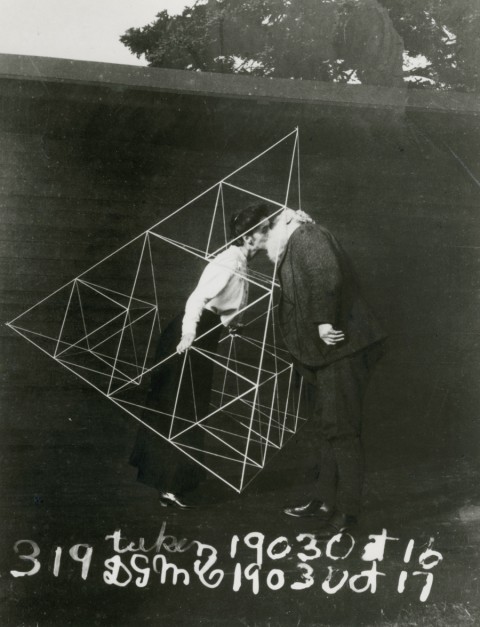
Ladies and gen­tle­men, we present FOUND, a new site that fea­tures a curat­ed col­lec­tion of pho­tog­ra­phy from the Nation­al Geo­graph­ic archives. Launched as part of Nat­Geo’s 125th anniver­sary cel­e­bra­tion (hope­ful­ly we’re around in anoth­er 119 years too!), FOUND show­cas­es “pho­tographs that reveal cul­tures and moments of the past.” Many of these rare pho­tos have nev­er been pub­lished. We picked an imme­di­ate favorite from the col­lec­tion: Alexan­der Gra­ham Bell and his wife Mabel kiss­ing with­in a tetra­he­dral kite, one of his many inven­tions, in Octo­ber 1903. You can start perus­ing the pho­to archive here.

via Kot­tke

Fol­low us on Face­bookTwit­ter and Google Plus and we’ll make it easy to share intel­li­gent media with your friends! 

Nina Simone Sings Her Breakthrough Song, ‘I Loves You Porgy,’ in 1962

Here’s an aching­ly beau­ti­ful 1962 per­for­mance by Nina Simone of the song that start­ed her career: “I Loves You Por­gy,” from the 1935 George Gersh­win opera Por­gy and Bess. The per­for­mance begins with Simone’s own plain­tive ver­sion of the calls of the Straw­ber­ry Woman and the Crab Man from Act II:

They’re so soft and fine
And they’re just off the vine
Straw­ber­ries

I’m talkin’ about the food I sell
I’m talkin’ about my dev­il crabs
Dev­il crabs

She then tran­si­tions into “I Loves You Por­gy,” with lyrics by Ira Gersh­win. The song was writ­ten as a duet, but was lat­er per­formed solo by a num­ber of artists, includ­ing Bil­lie Hol­i­day. Simone record­ed it in Decem­ber of 1957, when she was 24 years old. It was released the fol­low­ing year on her debut album Lit­tle Girl Blue. At the time, she was still hop­ing for a career as a clas­si­cal pianist. “I Loves You Por­gy” was a big suc­cess for the young Simone–the only top 40 hit she would ever have– and it helped chart the course of her career as a blues and jazz musi­cian with strong clas­si­cal influ­ences.

Relat­ed con­tent:

Nina Simone Sings of Social Injus­tice in a 1965 Dutch TV Broad­cast

Ella Fitzger­ald Sings ‘Sum­mer­time’ by George Gersh­win, Berlin 1968

« Go BackMore in this category... »
Quantcast