Explore the Massive Stanley Kubrick Exhibit, at the Los Angeles County Museum of Art Until June 30

No Amer­i­can film­mak­er com­mands such over­whelm­ing crit­i­cal respect and pop­u­lar acclaim as Stan­ley Kubrick. A hero to art house film stu­dents and every­day lovers of sci-fi, hor­ror, and war movies, Kubrick’s metic­u­lous crafts­man­ship and vision­ary reimag­in­ing of genre films are leg­endary, and his genius is cur­rent­ly on dis­play at the Los Ange­les Coun­ty Muse­um of Art. Or at least it is until the end of the month.

The trav­el­ing Kubrick exhib­it, housed at LACMA since Novem­ber, will move on June 30, so if you’re in the area, don’t delay. The Kubrick exhib­it cov­ers his work as a pho­tog­ra­ph­er for Look mag­a­zine in the 1940s through his film­mak­ing achieve­ments from the 50s to the 90s. LACMA fur­ther describes the col­lec­tion on its site:

His films are rep­re­sent­ed through a selec­tion of anno­tat­ed scripts, pro­duc­tion pho­tog­ra­phy, lens­es and cam­eras, set mod­els, cos­tumes, and props. In addi­tion, the exhi­bi­tion explores Napoleon and The Aryan Papers, two projects that Kubrick nev­er com­plet­ed, as well as the tech­no­log­i­cal advances devel­oped and uti­lized by Kubrick and his team.

If you can’t make it to L.A., a YouTube user has cre­at­ed the won­der­ful three-part video tour of the exhib­it above, set to clas­sic Kubrick-ian film scores. Also, be sure to flip through the 100 pho­tos of the exhib­it—includ­ing shots of famous props, Kubrick’s cam­eras, lens­es, and scripts, and his director’s chair—at Jamie & Adam Test­ed.

Note: In con­junc­tion with the exhi­bi­tion, LACMA has cre­at­ed a free app for iPhone, iPad and Android. It “fea­tures pho­tographs, script notes, an inter­ac­tive time­line of Kubrick­’s career, and orig­i­nal inter­views with Stan Dou­glas, Elvis Mitchell, Chris Nolan, Ter­ry Semel, David Slade and Dou­glas Trum­bull about the direc­tor’s life and lega­cy. Excerpts from a rare 1965 inter­view with Kubrick, cour­tesy of Jere­my Bern­stein, are also includ­ed.”

Relat­ed Con­tent:

Rare 1960s Audio: Stan­ley Kubrick’s Big Inter­view with The New York­er

Stan­ley Kubrick’s Jazz Pho­tog­ra­phy and The Film He Almost Made About Jazz Under Nazi Rule

Room 237: New Doc­u­men­tary Explores Stan­ley Kubrick’s The Shin­ing and Those It Obsess­es

Josh Jones is a writer and musi­cian based in Wash­ing­ton, DC. Fol­low him at @jdmagness

Free Interactive e‑Books from NASA Reveal History, Discoveries of the Hubble & Webb Telescopes

OrionNebula

Ear­li­er this month NASA announced that the Hub­ble Space Tele­scope found evi­dence of a plan­et form­ing 7.5 bil­lion miles from its star. This aston­ish­ing dis­cov­ery chal­lenges all of our cur­rent the­o­ries about how plan­ets devel­op.

A few days lat­er, Hub­ble cap­tured images of two galax­ies merg­ing.

Hub­ble has been in orbit since 1990, col­lect­ing images with one of the largest and most ver­sa­tile tele­scopes designed for deep space. No sin­gle tool has done as much to advance astro­nom­i­cal pub­lic rela­tions in recent years.

Hubble’s devel­op­ment, launch and dis­cov­er­ies are the sub­ject of a new, free inter­ac­tive e‑book (best viewed on the iPad) that brings to life Hubble’s dis­tin­guished ser­vice as our eye on the uni­verse.

NasaIntroductionSlide

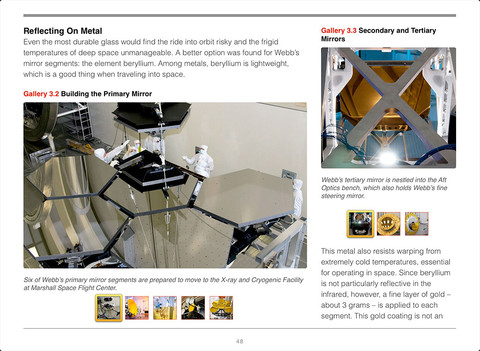
For almost as long as Hub­ble has been in space, NASA has been work­ing on the next gen­er­a­tion space tele­scope. The James Webb Space Tele­scope will fea­ture a mir­ror three times the size of Hubble’s. Once launched, the tele­scope will trav­el far beyond our Moon. NASA’s free e‑book about the Webb Tele­scope reveals the prepa­ra­tion going on to get the new tool ready for take-off.
NasaSlide3

Its large mir­ror and dis­tant view­ing posi­tion are expect­ed to give Webb’s images high­er res­o­lu­tion and sen­si­tiv­i­ty, allow­ing sci­en­tists to study the birth and evo­lu­tion of galax­ies as well as the for­ma­tion of stars and plan­ets.

The e‑books are writ­ten at a high school lev­el and can be viewed on an iPad using a free iBooks app. If you don’t have an iPad, no need to wor­ry. A non-inter­ac­tive ver­sion of the Hub­ble eBooks is also avail­able, as is one about the Webb Tele­scope.

You will find these books in our col­lec­tions, 800 Free eBooks for iPad, Kin­dle & Oth­er Devices and 200 Free Kids Edu­ca­tion­al Resources: Video Lessons, Apps, Books, Web­sites & More

Relat­ed Con­tent:

Live: Watch NASA’s Cov­er­age of Aster­oid As It Buzzes By Earth

NASA Sends Image of the Mona Lisa to the Moon and Back

Leonard Nimoy Nar­rates Short Film About NASA’s Dawn: A Voy­age to the Ori­gins of the Solar Sys­tem

Kate Rix writes about dig­i­tal media and edu­ca­tion. Vis­it her web­site and fol­low her on Twit­ter @mskaterix.

Amazing Aerial Photographs of Great American Cities Circa 1906

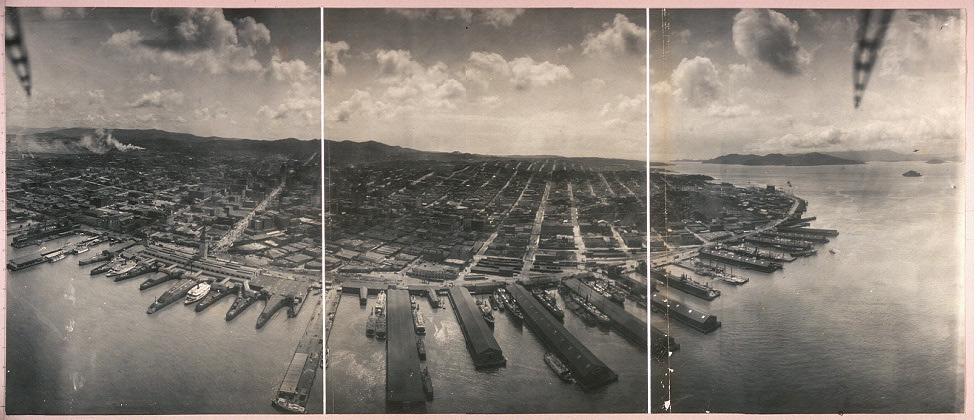
sf 1906

Click images to enlarge

In the late 19th cen­tu­ry, an enter­pris­ing pho­tog­ra­ph­er named George R. Lawrence devel­oped a keen inter­est in aer­i­al pho­tog­ra­phy. He first began tak­ing pic­tures with the help of high lad­ders, tow­ers, and air­borne bal­loons. Lat­er he switched to using unmanned kites, which did the trick. Deploy­ing 17 Conyne kites strung togeth­er by piano wire, Lawrence hoist­ed a hulk­ing, 50 pound cam­era some 400 to 2,000 feet above the ground and then began cap­tur­ing views of Amer­i­can cities. Most of these urban cen­ters were grow­ing at a steady clip. But, in his most famous pho­to­graph, Lawrence cap­tured San Fran­cis­co reel­ing after the dev­as­ta­tion of the 1906 earth­quake. (Click the image above to see the lev­eled city in a larg­er for­mat.)

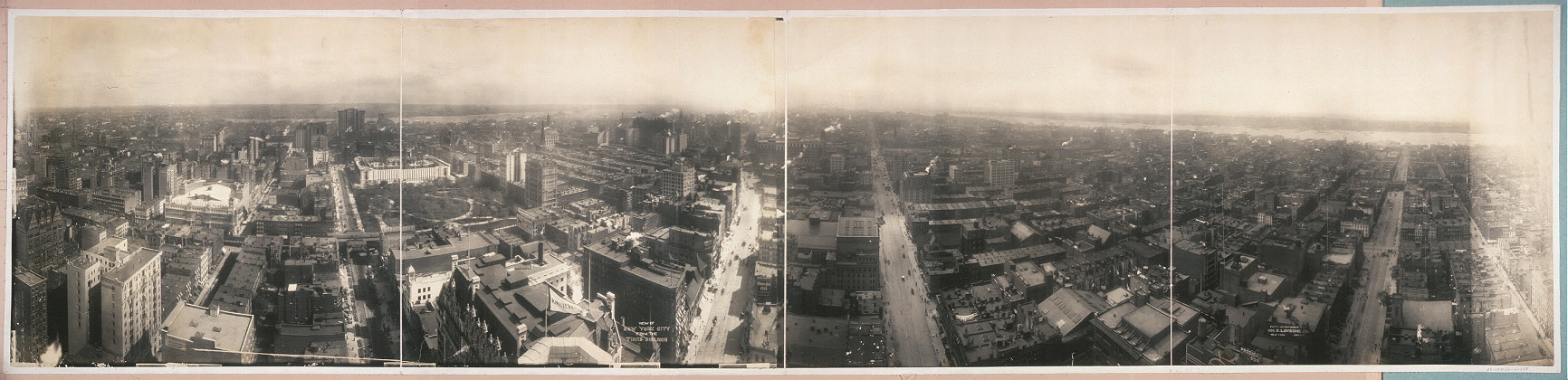
New York Lawrence

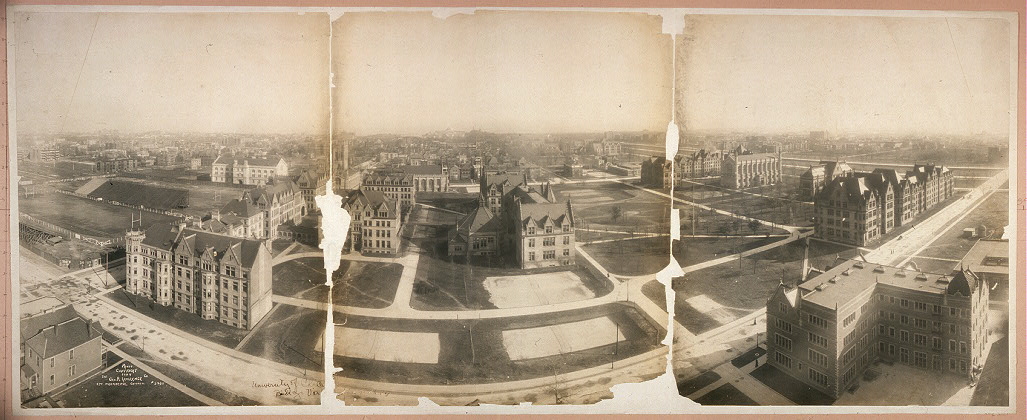
A col­lec­tion of Lawrence’s panoram­ic pho­tographs can be viewed over at the Library of Con­gress web site. The col­lec­tion includes bird’s-eye views of Man­hat­tan (above) and a more sleepy Brook­lyn, not to men­tion some great Mid­west­ern cities and towns. Below you can see a vin­tage shot of The Uni­ver­si­ty of Chica­go cam­pus cir­ca 1904. Or here Evanston’s North­west­ern cam­pus in 1907. And let’s not for­get this 1908 pho­to of Madi­son, WI, where I spent my most for­ma­tive years some eight decades lat­er.…

u chicago aerial

via @MatthiasRascher and Dai­ly Mail

Relat­ed Con­tent:

The 1906 San Fran­cis­co Earth­quake: Before and After

Berlin Street Scenes Beau­ti­ful­ly Caught on Film (1900–1914)

1927 Lon­don Shown in Mov­ing Col­or

Watch Monty Python’s “Summarize Proust Competition” on the 100th Anniversary of Swann’s Way

Mar­cel Proust’s Swan­n’s Way, the first vol­ume of In Search of Lost Time, appeared in 1913. This year, exact­ly a cen­tu­ry lat­er, Proust enthu­si­asts, both indi­vid­u­al­ly and insti­tu­tion­al­ly, have found all man­ner of ways to cel­e­brate. The Mor­gan Library and Muse­um, for instance, put on an exhi­bi­tion of “a fas­ci­nat­ing selec­tion of the author’s note­books, pre­lim­i­nary drafts, gal­ley-proofs, and oth­er doc­u­ments from the col­lec­tion of the Bib­lio­thèque nationale de France” — lit­er­ar­i­ly seri­ous stuff. For a Proust cen­ten­ni­al expe­ri­ence equal­ly lit­er­ary but far less seri­ous, why not watch the Mon­ty Python sketch above depict­ing the “All-Eng­land Sum­ma­rize Proust Com­pe­ti­tion”?

The sit­u­a­tion presents the chal­lenge you’d expect: con­tes­tants must relate, in fif­teen sec­onds, the entire­ty of Proust’s sev­en-vol­ume mas­ter­work, “once in a swim­suit, and once in evening dress.” The attempt of one hap­less par­tic­i­pant, por­trayed by Gra­ham Chap­man, runs as fol­lows: “Proust’s nov­el osten­si­bly tells of the irrev­o­ca­bil­i­ty of time lost, the for­fei­ture of inno­cence through expe­ri­ence, the rein­stall­ment of extra-tem­po­ral val­ues of time regained. Ulti­mate­ly, the nov­el is both opti­mistic and set with­in the con­text of a humane reli­gious expe­ri­ence, re-stat­ing as it does the con­cept of atem­po­ral­i­ty. In the first vol­ume, Swann, the fam­i­ly friend, vis­its…” But ah, too long. Watch the whole thing and find out if Michael Pal­in’s char­ac­ter fares any bet­ter at sum­ma­riz­ing the unsum­ma­riz­able, and, this hap­pen­ing in Mon­ty Python’s real­i­ty, how quick­ly it will all cease to mat­ter any­way.

Works by Proust can be found in our col­lec­tion of Free eBooks.

Relat­ed Con­tent:

New Ani­mat­ed Film Tells the Life Sto­ry of Mon­ty Python’s Gra­ham Chap­man

John Cleese’s Eulo­gy for Gra­ham Chap­man: ‘Good Rid­dance, the Free-Load­ing Bas­tard, I Hope He Fries’

Mon­ty Python’s Best Phi­los­o­phy Sketch­es

Mon­ty Python Chan­nel Launch­es on Youtube

Col­in Mar­shall hosts and pro­duces Note­book on Cities and Cul­ture and writes essays on lit­er­a­ture, film, cities, Asia, and aes­thet­ics. He’s at work on a book about Los Ange­lesA Los Ange­les Primer. Fol­low him on Twit­ter at @colinmarshall.

The Musical Mind of Albert Einstein: Great Physicist, Amateur Violinist and Devotee of Mozart

einst_fid

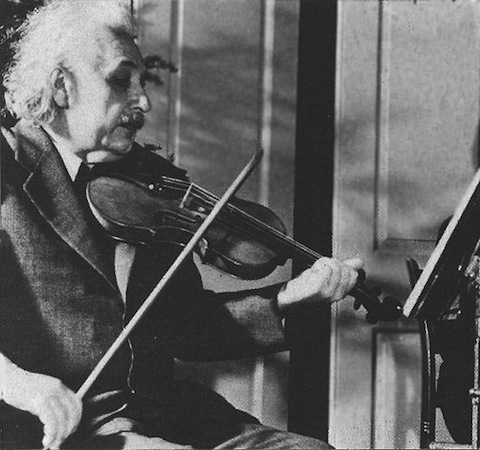
At the height of Albert Einstein’s pop­u­lar­i­ty, the pub­lic knew him not only as the world’s fore­most the­o­ret­i­cal physi­cist, but also as an enthu­si­as­tic some­time vio­lin­ist. As a pub­li­ca­tion for the 2005 “World Year of Physics” puts it: “to the press of his time… Ein­stein was two parts renowned sci­en­tist, one jig­ger paci­fist and Zion­ist fundrais­er, and a dash ama­teur musi­cian.” While this descrip­tion may get at the pub­lic per­cep­tion of his com­po­si­tion, Ein­stein him­self seems to have favored the musi­cian over all of his oth­er “parts.” “Life with­out play­ing music is incon­ceiv­able for me,” he once said, “I live my day­dreams in music. I see my life in terms of music… I get most joy in life out of music.”

The famous sci­en­tist nev­er trav­elled with­out his beloved vio­lin, “Lina.” His affair with music began with vio­lin lessons in Munich at the age of 5. How­ev­er, his ear­ly expe­ri­ences with the instru­ment seem at best per­func­to­ry and, at worst, antag­o­nis­tic (one anec­dote has him throw­ing a chair at his teacher, who left the house in tears).

He did not tru­ly fall in love until dis­cov­er­ing Mozart at age 13. A high school friend report­ed to biog­ra­ph­er Carl Seel­ing that at this time, when the young Einstein’s “vio­lin began to sing, the walls of the room seemed to recede—for the first time, Mozart in all his puri­ty appeared before me, bathed in Hel­lenic beau­ty with its pure lines, rogu­ish­ly play­ful, might­i­ly sub­lime.”

This gush­ing rec­ol­lec­tion must inevitably prompt the ques­tion, raised in every account of Ein­stein and music—was he real­ly any good? Since he played most­ly for his own enjoy­ment, the answer seems irrel­e­vant; yet, as par­ti­cle physi­cist Bri­an Fos­ter says in the video above, Ein­stein was “com­pe­tent.” In his Berlin years, he played with renowned musi­cians like Aus­tri­an vio­lin­ist Fritz Kreisler and pianist Artur Schn­abel (as well as with founder of quan­tum the­o­ry, Max Planck). His sci­en­tif­ic noto­ri­ety gar­nered invi­ta­tions to per­form at ben­e­fit con­certs. One crit­ic remarked, “Ein­stein plays excel­lent­ly. How­ev­er… there are many vio­lin­ists who are just as good.” Anoth­er con­cert-goer quipped, “I sup­pose now Fritz Kreisler is going to start giv­ing physics lec­tures.” Accounts of his abil­i­ties do dif­fer.

Bri­an Foster’s inter­est in Ein­stein the musi­cian tran­scends the man’s vir­tu­os­i­ty, or lack there­of. Since 2005—the 100th anniver­sary of Einstein’s “mir­a­cle year,” dur­ing which he pub­lished his most influ­en­tial papers—Foster has teamed up with British vio­lin­ist Jack Liebeck and oth­er clas­si­cal musi­cians to present lec­tures and con­certs on the role of music in Einstein’s life and work. Einstein’s devo­tion to Mozart may be of par­tic­u­lar inter­est to his­to­ri­ans of sci­ence. Fos­ter describes Einstein’s tastes as “con­ser­v­a­tive”; he found Beethoven too “cre­ative,” but Mozart, on the oth­er hand, revealed to him a uni­ver­sal har­mo­ny he believed exist­ed in the uni­verse. As anoth­er author puts it:

Ein­stein rel­ished Mozart, not­ing to a friend that it was as if the great Wolf­gang Amadeus did not “cre­ate” his beau­ti­ful­ly clear music at all, but sim­ply dis­cov­ered it already made. This per­spec­tive par­al­lels, remark­ably, Einstein’s views on the ulti­mate sim­plic­i­ty of nature and its expla­na­tion and state­ment via essen­tial­ly sim­ple math­e­mat­i­cal expres­sions.

While the inter­pre­ta­tion of Ein­stein as a “real­ist” has its detrac­tors, his insis­tence on the beau­ty and sim­plic­i­ty of sci­en­tif­ic the­o­ries is not in dis­pute. Fos­ter points out above that part of Einstein’s lega­cy is his push for beau­ty, uni­fi­ca­tion, and har­mo­ny in our phys­i­cal under­stand­ing of real­i­ty, a push that Fos­ter cred­its to the scientist’s musi­cal mind.

Relat­ed Con­tent:

Lis­ten as Albert Ein­stein Reads ‘The Com­mon Lan­guage of Sci­ence’ (1941)

James Joyce Plays the Gui­tar, 1915

Albert Ein­stein on Indi­vid­ual Lib­er­ty, With­out Which There Would Be ‘No Shake­speare, No Goethe, No New­ton’

Albert Ein­stein Express­es His Admi­ra­tion for Mahat­ma Gand­hi, in Let­ter and Audio

Josh Jones is a writer and musi­cian based in Wash­ing­ton, DC. Fol­low him at @jdmagness

Serge Gainsbourg & Brigitte Bardot Perform Outlaw-Inspired Love Song, ‘Bonnie and Clyde’ (1968)

In 1967, two icons of French pop­u­lar cul­ture went out on a date. It did­n’t go well. The usu­al­ly cool Serge Gains­bourg was so intim­i­dat­ed by Brigitte Bar­dot’s beau­ty that his noto­ri­ous charm failed him. Believ­ing he had blown his chance, Gains­bourg was sur­prised when Bar­dot tele­phoned and said he could make amends by writ­ing her “the most beau­ti­ful love song you can imag­ine.”

Gains­bourg respond­ed by writ­ing two songs. One was called “Bon­nie and Clyde.” It was inspired by that year’s hit film of the same name by Arthur Penn, star­ring Faye Dun­away and War­ren Beat­ty as the noto­ri­ous 1930s out­laws Bon­nie Park­er and Clyde Bar­row.

Gains­bourg com­posed the song around a French trans­la­tion of a poem Park­er wrote a few weeks before she and Bar­row were gunned down by law­men. (See footage from the scene of their death here.) It begins:

You’ve read the sto­ry of Jesse James
of how he lived and died.
If you’re still in need;
of some­thing to read,
here’s the sto­ry of Bon­nie and Clyde.

Now Bon­nie and Clyde are the Bar­row gang
I’m sure you all have read.
how they rob and steal;
and those who squeal,
are usu­al­ly found dying or dead.

There’s lots of untruths to these write-ups;
they’re not as ruth­less as that.
their nature is raw;
they hate all the law,
the stool pigeons, spot­ters and rats.

They call them cold-blood­ed killers
they say they are heart­less and mean.
But I say this with pride
that I once knew Clyde,
when he was hon­est and upright and clean.

But the law fooled around;
kept tak­ing him down,
and lock­ing him up in a cell.
Till he said to me;
“I’ll nev­er be free,
so I’ll meet a few of them in hell.”

The scene above, with Gains­bourg and Bar­dot per­form­ing the song, was broad­cast on The Brigitte Bar­dot Show in ear­ly 1968. The song was released lat­er that year on two albums: Ini­tials B.B. and Bon­nie and Clyde. The romance between Gains­bourg and Bar­dot was short. She returned to her sec­ond hus­band and he met actress Jane Birkin, with whom he record­ed the sec­ond song he wrote for Bar­dot: “Je t’aime…mois non plus,” which means “I Love You…Me Nei­ther.”

Two Childhood Drawings from Poet E.E. Cummings Show the Young Artist’s Playful Seriousness

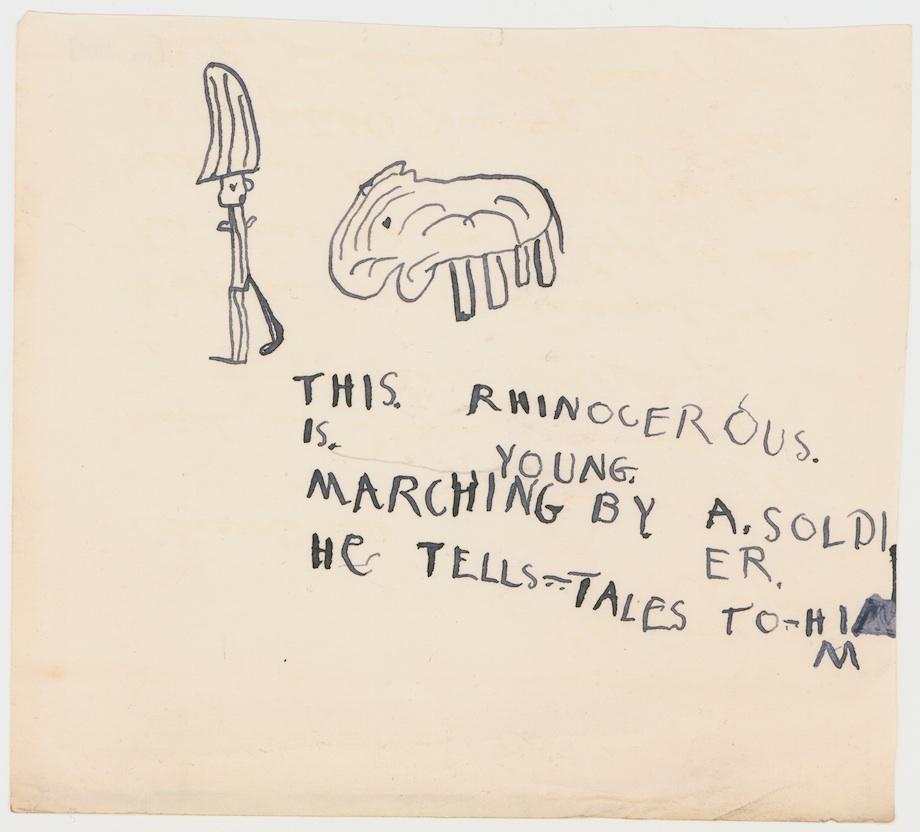
CummingsRhinoSoldier

Click images for larg­er ver­sions

Rebec­ca Onion over at Slate’s his­to­ry blog “The Vault” has brought to our atten­tion two delight­ful finds from the Mass­a­chu­setts His­tor­i­cal Soci­ety: child­hood draw­ings by poet and painter E.E. Cum­mings, made when he was 6 and 7 years old. Dat­ing from 1900–1902, the sketch­es, writes Onion, “reflect Cum­mings’ immer­sion in the pop­u­lar cul­ture of the time: cir­cus­es, Wild West shows, and adven­ture fic­tion.” These two draw­ings are fas­ci­nat­ing por­traits of the young Cum­mings’ mind at work. What a young mind he had.

Cum­mings began writ­ing poet­ry at age 8, and wrote a poem a day until he was 22. His mature work, which he began pub­lish­ing after his release from an intern­ment camp in Nor­mandy dur­ing WWI (where he was held for sus­pect­ed trea­son), shows the same kind of child­like play­ful­ness and dis­ci­pline. And while the draw­ing at the top is the work of a young boy strug­gling with the con­ven­tions of the writ­ten word, its odd­ly-spaced and punc­tu­at­ed text—the lex­i­cal and syn­tac­ti­cal ambi­gu­i­ties cre­at­ed by the layout—could cer­tain­ly have come from the pen of the adult poet. Cum­mings’ ideas about his poet­ry were delib­er­ate­ly idio­syn­crat­ic and force­ful­ly indi­vid­ual. As he would write, “may I be I is the only prayer—not may I be great or good or beau­ti­ful or wise or strong.” Or, as he expressed in a sim­i­lar sen­ti­ment in his 1926 col­lec­tion, is 5, per­haps in response to some crit­i­cal oppro­bri­um:

mr youse needn’t be so spry

con­cernin ques­tions arty

each has his tastes but as for i

i likes a cer­tain par­ty

CummingsWestShow
In the draw­ing above, the young Edward Estlin Cum­mings imag­ines him­self as a Buf­fa­lo Bill-like char­ac­ter. Onion points us toward the adult Cum­mings’ dark­ly iron­ic poem “[Buf­fa­lo Bill ‘s],” as a com­pan­ion to the boy Cum­mings’ star­ry-eyed self-fash­ion­ing and “hero wor­ship.” While on a super­fi­cial read­ing, Cum­mings’ work can some­times seem mad­den­ing­ly child­ish and sil­ly, poems like “[Buf­fa­lo Bill ‘s]” show him pluck­ing apart naïve illu­sions about hero­ism and spec­ta­cle as in so many of his oth­er poems he skew­ers the pre­ten­sions of urban sophis­ti­cates and tastemak­ers, pro­mot­ing a Roman­tic, unin­hib­it­ed idea of the self unfet­tered by social, and typo­graph­i­cal, con­ven­tions.

Cum­mings would be very appre­cia­tive of the work the Mass­a­chu­setts His­tor­i­cal Soci­ety has done in cat­a­logu­ing his fam­i­ly papers; he had a deep respect for history—above all for per­son­al his­to­ry. In the first of his so-called “non­lec­tures,” deliv­ered at Har­vard in 1952, he refers to his “auto­bi­o­graph­i­cal prob­lem” in a pas­sage that con­jures the dystopi­an visions of Hux­ley and Orwell:

There’d be no prob­lem, of course, if I sub­scribed to the hyper­sci­en­tif­ic doc­trine that hered­i­ty is noth­ing because every­thing is envi­ron­ment; or if (hav­ing swal­lowed this super­sleep­ing­pill) I envis­aged the future of socalled mankind as a per­ma­nent past­less­ness, pre­na­tal­ly envelop­ing semi­iden­ti­cal super­sub­morons in per­pet­u­al nonun­hap­pi­ness. Right­ly or wrong­ly, how­ev­er, I pre­fer spir­i­tu­al insom­nia to psy­chic sui­cide.

Per­haps Cum­mings could thank “spir­i­tu­al insom­nia” for his seri­ous word­play and bound­less curiosity—two child­hood traits he nev­er let go of.

Relat­ed Con­tent:

The Art of Sylvia Plath: Revis­it Her Sketch­es, Self-Por­traits, Draw­ings & Illus­trat­ed Let­ters

Dylan Thomas Sketch­es a Car­i­ca­ture of a Drunk­en Dylan Thomas

William S. Bur­roughs Shows You How to Make “Shot­gun Art”

Josh Jones is a writer and musi­cian based in Wash­ing­ton, DC. Fol­low him at @jdmagness

Japanese Movie Posters of 10 David Lynch Films

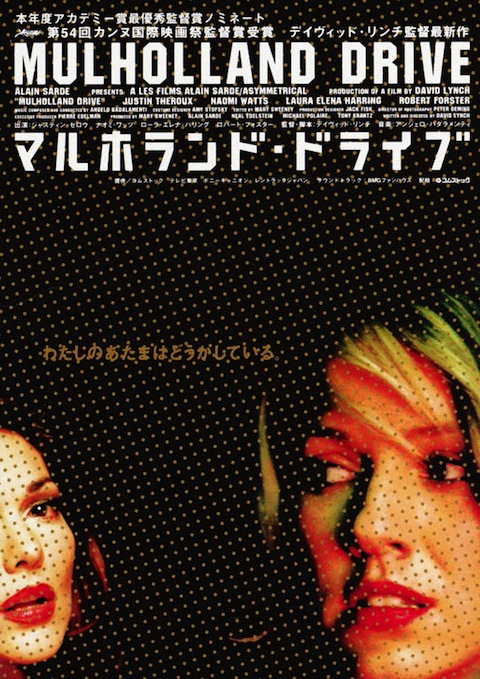
mulhollanddrive

If a Japan­ese cinephile likes Amer­i­can movies, they prob­a­bly love David Lynch. I don’t mean to present this as an iron­clad rule, but it cer­tain­ly holds true among my friends. Just as many Amer­i­cans find some­thing inter­est­ing­ly askew in the fruits of mod­ern Japan­ese cul­ture, pre­sum­ably Lynch’s Japan­ese fans expe­ri­ence his brand of off-kil­ter Amer­i­cana — some­times far off-kil­ter Amer­i­cana — just as rich­ly. Observers not par­tic­u­lar­ly famil­iar with David Lynch have dis­missed him as “weird,” just as those not par­tic­u­lar­ly famil­iar with Japan have dis­missed it as “weird.” But those of us famil­iar with both the film­mak­er and the coun­try know that they sim­ply oper­ate on dif­fer­ent, and fas­ci­nat­ing, sets of sen­si­bil­i­ties.

LostHighway

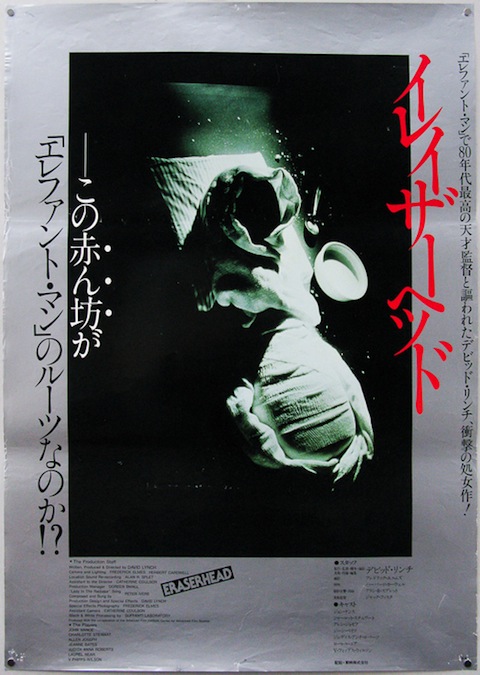
You can see these worlds col­lide in Bib­liok­lep­t’s post on Japan­ese posters adver­tis­ing David Lynch films. At the top of the post, we have the omi­nous­ly intrigu­ing one-sheet for Mul­hol­land Dri­ve (or, ren­dered here in katakana script, “Maruho­ran­do Doraibu”), Lynch’s crit­i­cal­ly acclaimed 2001 pic­ture that, con­cep­tu­al­ly, began as a tele­vi­sion series to fol­low up Twin Peaks. “Watashi no ata­ma wa dou­ka shiteiru,” reads the text between the faces of stars Lau­ra Har­ring and Nao­mi Watts, which I trans­late to “Some­thing is the mat­ter with my head” — a viable tagline, come to think of it, for most of Lynch’s works. Just above you’ll find the poster for a per­son­al Lynch favorite, Lost High­way (“Rosu­to Haiuei”), clear­ly also pitched across the Pacif­ic as the direc­tor’s mid-nineties come­back. And the chill­ing near­ly abstract image below rep­re­sents the chill­ing, abstract movie that start­ed it all, 1977’s Eraser­head — or, Ireiza­a­hed­do:

Eraserhead

Relat­ed Con­tent:

Eraser­head Sto­ries: David Lynch on the Mak­ing of His Famous­ly Night­mar­ish Movie

David Lynch’s Sur­re­al Com­mer­cials

David Lynch in Four Move­ments: A Video Trib­ute

Col­in Mar­shall hosts and pro­duces Note­book on Cities and Cul­ture and writes essays on lit­er­a­ture, film, cities, Asia, and aes­thet­ics. He’s at work on a book about Los Ange­lesA Los Ange­les Primer. Fol­low him on Twit­ter at @colinmarshall.

« Go BackMore in this category... »
Quantcast