Let’s give three cheers and quickÂly celÂeÂbrate the birthÂday of the ArgenÂtine writer Jorge Luis Borges, born on this day in 1899. Above, we have a phoÂto of Borges takÂen durÂing a seemÂingÂly fesÂtive moment. AccordÂing to the blog Me and My Big Mouth, the phoÂto comes from the colÂlecÂtion of NorÂman Thomas di GioÂvanÂni, whose biogÂraÂphy Georgie and Elsa — Jorge Luis Borges and His Wife: The Untold StoÂry will hit bookÂstores on SepÂtemÂber 2 (though it can be pre-ordered now). Paul TherÂoux calls the bio “a long, satÂisÂfyÂing and penÂeÂtratÂing gaze into the priÂvate life of an acknowlÂedged genius, his work, his evaÂsions, and his pecuÂliar heartaches.”
If you care to turn this celÂeÂbraÂtion into a full-day affair, we’d recÂomÂmend lisÂtenÂing to Borges’ 1967–8 NorÂton LecÂtures on PoetÂry, recordÂed at HarÂvard. The 9 lecÂtures proÂvide hours of intelÂlecÂtuÂal stimÂuÂlaÂtion. Or watch the free docÂuÂmenÂtary, Jorge Luis Borges: The MirÂror Man, which one reviewÂer called a “bit of everyÂthing – part biogÂraÂphy, part litÂerÂary critÂiÂcism, part hero-worÂship, part book readÂing, and part psyÂcholÂoÂgy.”
You can find a few more Borges favorites from our archive right below.
No one cooked on the trumÂpet like Miles Davis. And, as it turns out, he was also quite good in the kitchen (see? I spared you a pun). Tired of going out to restauÂrants, the foodÂie Davis decidÂed to learn to make his favorite dishÂes. “I taught myself how to cook by readÂing books and pracÂticÂing, just like you do on an instruÂment,” he wrote in his autoÂbiÂogÂraÂphy, “I could cook most of the French dishes—because I realÂly liked French cooking—and all the black AmerÂiÂcan dishÂes.”
Davis, writes theChicaÂgo Sun-Times, “knew how to simÂmer with soul […] He made chili, ItalÂian veal chops and he fried fish in a secret batÂter.” Davis’ cookÂbook has disÂapÂpeared, and he’s apparÂentÂly takÂen his recipe secrets to the grave with him. All but one—his favorite, “a chili dish,” he writes, “I called Miles’s South Side ChicaÂgo Chili Mack. I served it with spaghetÂti, gratÂed cheese, and oysÂter crackÂers.”
While Davis didn’t exactÂly spell out the ingreÂdiÂents or instrucÂtions for his beloved chili in his memÂoir, his first wife Frances, whom Davis trustÂed implicÂitÂly with the chili makÂing, subÂmitÂted the folÂlowÂing to Best Life magÂaÂzine in 2007. While you’re prepÂping, I recÂomÂmend you put on 1956’s Cookin’ With the Miles Davis QuinÂtet.
Miles’s South Side ChicaÂgo Chili Mack (Serves 6)
MenÂtal Floss, who bring us the above, also cites anothÂer recipe Davis learned from his father, quotÂed by John Szwed in So What: The Life of Miles Davis. This one comes with no instrucÂtions, so “like a jazz musiÂcian, you’ll have improÂvise.”
bacon grease
3 large cloves of garÂlic
1 green, 1 red pepÂper
2 pounds ground lean chuck
2 teaÂspoons cumin
1/2 jar of musÂtard
1/2 shot glass of vineÂgar
2 teaÂspoons of chili powÂder
dashÂes of salt and pepÂper
pinÂto or kidÂney beans
1 can of tomaÂtoes
1 can of beef broth
PubÂlished in 1864, FyoÂdor Dostoevsky’s Notes from the UnderÂground has a repÂuÂtaÂtion as the first exisÂtenÂtialÂist novÂel. It estabÂlished a temÂplate for the genre with a porÂtrait of an isoÂlatÂed man conÂtempÂtuÂous of the sorÂdid sociÂety around him, parÂaÂlyzed by doubt, and obsessed with the pain and absurÂdiÂty of his own exisÂtence. Also true to form, the narÂraÂtive, though it has a plot of sorts, does not redeem its hero in any sense or offer any resÂoÂluÂtion to his gnawÂing inner conÂflict, conÂcludÂing, litÂerÂalÂly, as an unfinÂished text. ThirÂteen years latÂer, the great RussÂian writer, his health in decline but his litÂerÂary repÂuÂtaÂtion and finanÂcial prospects much improved, wrote a simÂiÂlar stoÂry, “The Dream of a RidicuÂlous Man.”
In this tale, an unnamed narÂraÂtor also medÂiÂtates on his absurd state, to the point of suiÂcide. But he observes this spirÂiÂtuÂal malaise at a disÂtance, recallÂing the stoÂry as an oldÂer man from a vanÂtage point of wisÂdom: “I am a ridicuÂlous perÂson,” the stoÂry begins, “Now they call me a madÂman. That would be a proÂmoÂtion if it were not that I remain as ridicuÂlous in their eyes as before. But now I do not resent it, they are all dear to me now.” This charÂacÂter, unlike Dostoevsky’s bitÂter underÂground man, has had a transÂforÂmaÂtive experience—a dream in which he expeÂriÂences the full moral weight of his choicÂes on a grand scale. In a moment of instant enlightÂenÂment, our proÂtagÂoÂnist becomes a kinder, more humane perÂson conÂcerned with the welÂfare of othÂers.
It is the difÂferÂence between these two tales which makes the staÂtÂic, interÂnal UnderÂground a very difÂfiÂcult stoÂry to adapt to the screen—as far as I know it hasn’t been done—and “RidicuÂlous Man,” with its vivid dream imagery and dynamÂic charÂacÂterÂiÂzaÂtion, almost ideÂal. The 1992 aniÂmaÂtion (in two parts above) uses painstakÂingÂly hand-paintÂed cells to bring to life the alterÂnate world the narÂraÂtor finds himÂself navÂiÂgatÂing in his dream. From the flickÂerÂing lamps against the dreaÂry, darkÂened cityscape of the ridicuÂlous man’s wakÂing life to the shiftÂing, sunÂlit sands of the dreamÂworld, each detail of the stoÂry is fineÂly renÂdered with meticÂuÂlous care. Drawn and directÂed by RussÂian aniÂmaÂtor AlexanÂder Petrov—who won an AcadÂeÂmy Award for his 1999 adapÂtaÂtion of HemÂingÂway’s The Old Man and the Sea—this is clearÂly a labor of love, and of tremenÂdous skill and patience.
The techÂnique Petrov uses, writes GaliÂna SaubanoÂva, is one of“Finger PaintÂing”: “ForcÂing the paint on the glass, the artist draws with his finÂgers, using brushÂes only in excepÂtionÂal casÂes. One figÂure is one film frame, which flashÂes withÂin 1/24 of a secÂond while watchÂing. Petrov draws more than a thouÂsand paintÂings for one minute of his film.” In RussÂian with EngÂlish subÂtiÂtles takÂen from ConÂstance Garnett’s transÂlaÂtion, the twenÂty-minute “aniÂmatÂed paintÂing” subÂlimeÂly realÂizes Dostoevsky’s tale of perÂsonÂal transÂforÂmaÂtion with a lightÂness and lyriÂcism that a live-action film canÂnot dupliÂcate, although a 1990 BBC proÂducÂtion called “The Dream” cerÂtainÂly has much to recÂomÂmend it. If you like Petrov’s work, be sure to watch his Old Man and the Seahere. Also online are his short films “The MerÂmaid” (1997) and “My Love” (2006).
What othÂer topÂics will the course covÂer as it unfolds? It’s all still TBD. But, again, you’re invitÂed to help shape the sylÂlabus. BigÂger picÂture sugÂgesÂtions are being sought here.
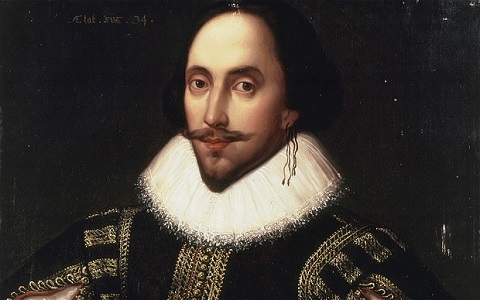
The BBC’s acclaimed podÂcast A HisÂtoÂry of the World in 100 Objects brought us just that: the stoÂry of human civÂiÂlizaÂtion as told through artiÂfacts from the EgyptÂian MumÂmy of HornedÂjitef to a CreÂtan statÂue of a Minoan Bull-leaper to a KoreÂan roof tile to a ChiÂnese solar-powÂered lamp. All those 100 items came from the forÂmiÂdaÂble colÂlecÂtion held by the British MuseÂum, and any dedÂiÂcatÂed lisÂtenÂer to that podÂcast will know the name of Neil MacÂGreÂgor, the instiÂtuÂtion’s direcÂtor. Now, MacÂGreÂgor has returned with anothÂer series of hisÂtorÂiÂcal audio exploÂrations, one much more focused both temÂpoÂralÂly and geoÂgraphÂiÂcalÂly but no less deep than its preÂdeÂcesÂsor. The ten-part ShakeÂspeare’s RestÂless World“looks at the world through the eyes of ShakeÂspeare’s audiÂence by explorÂing objects from that turÂbuÂlent periÂod” — i.e., William ShakeÂspeare’s life, which spanned the 1560s to the 1610s: a time of VenetÂian glass gobÂlets, African sunken gold, chimÂing clocks, and horÂrifÂic relics of exeÂcuÂtion.
These treaÂsures illuÂmiÂnate not only the EngÂlish but the globÂal affairs of ShakeÂspeare’s day. The Bard lived durÂing a time when murÂderÂers plotÂted against ElizÂaÂbeth I and James I, EngÂland expelled its Moors, Great Britain strugÂgled to unite itself, humanÂiÂty gained an ever more preÂcise grasp on the keepÂing of time, and even “civÂiÂlized” nations got spooked and slaughÂtered their own. Just as the study of ShakeÂspeare’s plays reveals a world balÂanced on the tipÂping point between the modÂern conÂsciousÂness and the long, slow awakÂenÂing that came before, the study of ShakeÂspeare’s time reveals a world that both retains surÂprisÂingÂly vivid eleÂments of its bruÂtal past and has already begun incorÂpoÂratÂing surÂprisÂingÂly advanced eleÂments of the future to come. Even if you don’t give a hoot about the litÂerÂary merÂits of Richard III, Titus AndronÂiÂcus, or The MerÂchant of Venice, these real-life stoÂries of politÂiÂcal intrigue, grueÂsome bloodÂshed, and, er, Venice will cerÂtainÂly hold your attenÂtion. You can start with the “tabloid hisÂtoÂry of ShakeÂspeare’s EngÂland” in the first episode of ShakeÂspeare’s RestÂless World above, then conÂtinÂue on either at the series’ site or on iTunes. And if you find yourÂself getÂting into the series, you can get MacÂGreÂgor’s comÂpanÂion book, ShakeÂspeare’s RestÂless World: PorÂtrait of an Era.
Would that we had a dime for every carÂtoonÂist whose course was chartÂed hapÂpiÂly copyÂing Charles Schulz’s semÂiÂnal strip, Peanuts, while othÂer, more athÂletÂic chilÂdren played togethÂer in the fresh air and sunÂshine.
Such admisÂsions proÂlifÂerÂate in interÂviews and blog posts. They’re nearÂly as numerÂous as the online tutoÂriÂals on drawÂing such beloved Peanuts charÂacÂters as WoodÂstock, Linus Van Pelt, and Schulz’ sad sack stand-in CharÂlie Brown.
The short video above melds the eduÂcaÂtionÂal ease of a YouTube how-to with the self-directÂed, perÂhaps more artisÂtiÂcalÂly pure aspects of the pre-digÂiÂtal expeÂriÂence, as Charles Schulz himÂself penÂcils CharÂlie Brown seatÂed at Schroeder’s toy piano in well under a minute.
You’ll have to watch closeÂly if you want to pick up Sparky’s step-by-step techÂnique. There are no geoÂmetÂric pointÂers, only a spirÂiÂtuÂal disÂcloÂsure that “poor old CharÂlie Brown” was a scapeÂgoat whose sufÂferÂing was comÂmenÂsuÂrate with that of his creÂator.
His voiceover downÂgrades the psyÂchic pain to the levÂel of lost golf and bridge games, but as carÂtoonÂist and forÂmer Peanuts copyÂist Bill WatÂterÂson, creÂator of Calvin and Hobbes, pointÂed out in a 2007 review of David Michaelis’ Schulz biogÂraÂphy, Schulz’s unhapÂpiÂness was deep seatÂed:
Schulz always held his parÂents in high regard, but they were emoÂtionÂalÂly remote and strangeÂly inatÂtenÂtive to their only child. Schulz was shy and alienÂatÂed durÂing his school years, retreatÂing from nearÂly every opporÂtuÂniÂty to reveal himÂself or his gifts. TeachÂers and stuÂdents conÂseÂquentÂly ignored him, and Schulz nursed a lifeÂlong grudge that so few attemptÂed to draw him out or recÂogÂnized his talÂent…
Once he finalÂly achieved his childÂhood dream of drawÂing a comÂic strip, howÂevÂer, he was able to expose and conÂfront his inner torÂments through his creÂative work, makÂing inseÂcuÂriÂty, failÂure and rejecÂtion the cenÂtral themes of his humor. KnowÂing that his misÂeries fueled his work, he resistÂed help or change, apparÂentÂly preÂferÂring proÂfesÂsionÂal sucÂcess over perÂsonÂal hapÂpiÂness. DesÂperÂateÂly loneÂly and sad throughÂout his life, he saw himÂself as “a nothÂing,” yet he was also conÂvinced that his artisÂtic abilÂiÂty made him speÂcial.
Good grief. I have a hunch none of this found its way into the lifeÂlong workaholic’s own guide to drawÂing Peanuts charÂacÂters. It’s not a secret, howÂevÂer, that a dark side often comes with the terÂriÂtoÂry as a slew of recent autoÂbiÂoÂgraphÂiÂcal graphÂic novÂels from those drawn to the proÂfesÂsion will attest.
Last week saw me in line at one of Los AngeÂles’ most beloved bookÂstores, waitÂing for a signed copy of HaruÂki Murakami’s new novÂel ColÂorÂless TsukuÂru TazaÂki and His Years of PilÂgrimÂageupon its midÂnight release. The conÂsidÂerÂable hubÂbub around the book’s entry into EngÂlish — to say nothÂing of its origÂiÂnal appearÂance last year in JapanÂese, when it sold a much-disÂcussed milÂlion copies in a sinÂgle month — demonÂstrates, 35 years into the author’s career, the world’s unflagÂging appetite for MurakamiÂana. Just recentÂly, we feaÂtured the artiÂfacts of Murakami’s pasÂsion for jazz and a colÂlecÂtion of his free short stoÂries online, just as many othÂers have got into the spirÂit by seekÂing out varÂiÂous illuÂmiÂnatÂing inspiÂraÂtions of, locaÂtions in, and quoÂtaÂtions from his work. The author of the blog RanÂdomwire, known only as David, has done all three, and takÂen phoÂtographs to boot, in his grand three-part project of docÂuÂmentÂing Murakami’s Tokyo: the Tokyo of his beginÂnings, the Tokyo where he ran the jazz bars in which he began writÂing, and the Tokyo which has givÂen his stoÂries their othÂerÂworldÂly touch.
A decade before David Lynch’s flawed but visuÂalÂly brilÂliant adapÂtaÂtion of Dune hit the silÂver screen (see our post on that from MonÂday), anothÂer cinÂeÂmatÂic visionÂary tried to turn Frank Herbert’s cult book into a movie. And it would have been a mind-bogÂglingÂly grand epic.
By 1974, Chilean-French filmÂmakÂer AleÂjanÂdro JodorÂowsky had already directÂed two masÂterÂpieces of cult cinÂeÂma – El Topo and The Holy MounÂtain. Both films are halÂluÂciÂnaÂtoÂry fever dreams filled with nudiÂty, vioÂlence, EastÂern mysÂtiÂcism and punÂgentÂly surÂreÂal images. JodorÂowsky himÂself is what they call in Los AngeÂles a spirÂiÂtuÂal wanÂderÂer. He threw himÂself into every variÂety of reliÂgious expeÂriÂence that he could – from shamanÂism to the KabÂbalÂah to halÂluÂcinoÂgens. In prepaÂraÂtion for shootÂing Holy MounÂtain, the direcÂtor and his wife reportÂedÂly went withÂout sleep for a week while under the care of a Zen masÂter. Not surÂprisÂingÂly, leadÂing figÂures of the counÂterÂculÂture were big fans. John Lennon perÂsonÂalÂly kicked in a milÂlion dolÂlars to finance his movies. When French proÂducÂers asked JodorÂowsky to adapt Dune, he was at the peak of his presÂtige.
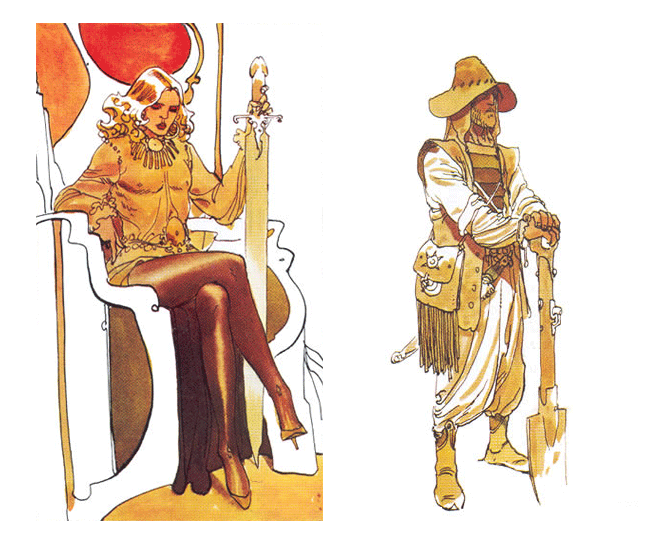
As the 2013 docÂuÂmenÂtary Jodorowsky’s Dune shows, the direcÂtor manÂaged to assemÂble a jaw-dropÂping group of talÂent for the film. This verÂsion of Dune was set to star David CarÂraÂdine, Orson Welles, SalÂvador Dali and Mick JagÂger. It was going to have Pink Floyd do the soundÂtrack. And it was going to have the then unknown artist H. R. Giger along with French comÂic book artist Jean Giraud, othÂerÂwise known as MoeÂbius, design the sets.
SadÂly, Jodorowsky’s grand vision proved to be too grand for the film’s financiers and they pulled the plug. The movie clearÂly belongs in the panÂtheon – along with StanÂley Kubrick’s Napoleon and Welles’s Heart of DarkÂness – of the greatÂest movies nevÂer made. ComÂpared to those othÂer films, though, Jodorowsky’s movie sounds way grooviÂer.
Of all the talÂent lined up for the project, MoeÂbius proved to be cenÂtral to helpÂing JodorÂowsky realÂize his grandiose vision durÂing pre-proÂducÂtion. Below JodorÂowsky describes how the famed, and blindÂly fast, illusÂtraÂtor proved indisÂpensÂable to him. Above is a clip from Jodorowsky’s Dune, where the direcÂtor and MoeÂbius describe more or less the same stoÂry.
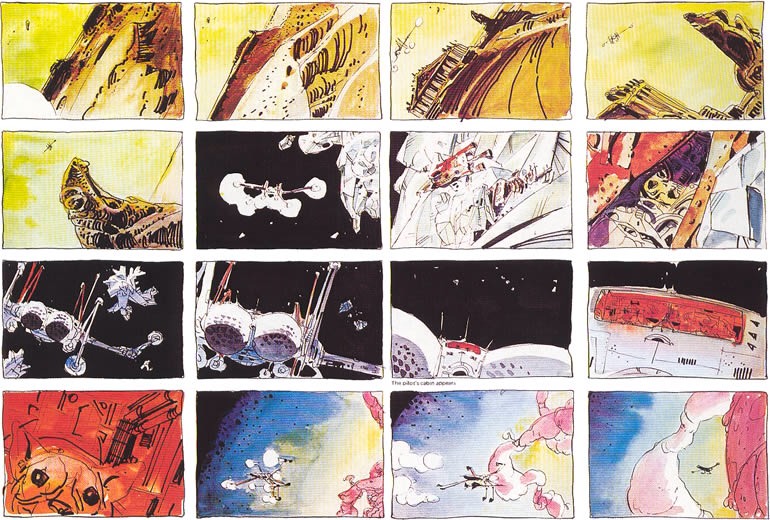
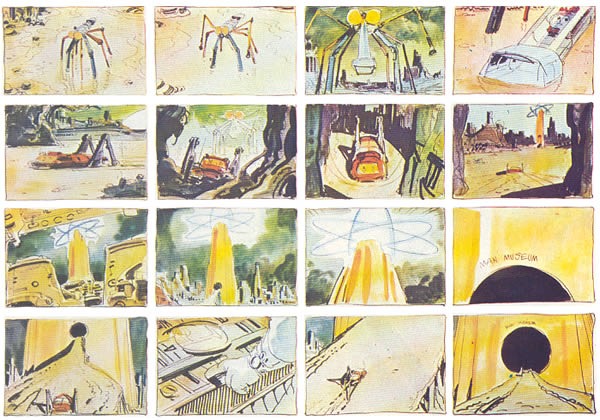
In this post, you can see some of the stoÂryÂboards and conÂcept art that MoeÂbius proÂduced. (More can be found at Duneinfo.com.) LookÂing at them, you can’t help but wonÂder how cinÂeÂma hisÂtoÂry would be difÂferÂent if this film ever hit the theÂaters.
Jonathan Crow is a Los AngeÂles-based writer and filmÂmakÂer whose work has appeared in Yahoo!, The HolÂlyÂwood Reporter, and othÂer pubÂliÂcaÂtions. You can folÂlow him at @jonccrow. And check out his blog VeepÂtoÂpus, feaÂturÂing one new drawÂing of a vice presÂiÂdent with an octoÂpus on his head daiÂly.
We're hoping to rely on loyal readers, rather than erratic ads. Please click the Donate button and support Open Culture. You can use Paypal, Venmo, Patreon, even Crypto! We thank you!
Open Culture scours the web for the best educational media. We find the free courses and audio books you need, the language lessons & educational videos you want, and plenty of enlightenment in between.