27 More “Essential Films for the Student of Philosophy,” As Suggested By Open Culture Readers

A post of ours last week on philo­soph­i­cal films piqued the inter­est of many a film-lov­ing, philo­soph­i­cal­ly-inclined read­er, and raised an impor­tant and per­haps unan­swer­able ques­tion: just what is a “philo­soph­i­cal film”? Does such a crea­ture even exist? Read­er Albert Hoff­man sug­gest­ed that “a real­ly great movie always is a philo­soph­i­cal movie, always opens the path to impor­tant philo­soph­i­cal ques­tions.” I find that state­ment hard to dis­pute, but then find myself also agree­ing with anoth­er read­er, Assy­outi, who writes “all bad films can be resources for philo­soph­i­cal dis­cus­sion.” Why not? What a philo­soph­i­cal film is depends, per­haps, on the def­i­n­i­tion of words like “philo­soph­i­cal,” “film,” and “is.”

In any case, the orig­i­nal­ly ref­er­enced list of 44 “essen­tial movies for the stu­dent of phi­los­o­phy,” com­piled in 2010 by Matt Whit­lock for Mubi, laid out some fair­ly spe­cif­ic cri­te­ria, name­ly that such films “(seem to be) incar­na­tions of clas­sic philo­soph­i­cal thought exper­i­ments or movies that have a major philo­soph­i­cal prob­lem as a main theme.” Yet, in addi­tion to films that fea­ture philoso­phers as char­ac­ters or par­tic­i­pants, this seems to me broad enough to cov­er an enor­mous range of movies—from Hitchock’s Ver­ti­go, a favorite of “pervert’s guide” the­o­rist Slavoj Žižek (above), and near­ly every film crit­ic every­where, to (speak­ing of bad films) Bill and Ted’s Excel­lent Adven­ture.

As I men­tioned in the pre­vi­ous post, the four years since Whitlock’s list have pro­duced a num­ber of movies that deserve inclu­sion, sev­er­al of which were high­light­ed in the com­ments. Addi­tion­al­ly, read­ers men­tioned sev­er­al over­looked films that cer­tain­ly meet the bar. And if we are to loosen up our definitions—and why not—the list expands even fur­ther. In that spir­it of inclu­sion, we offer an adden­dum to Whitlock’s 44, below, with the ever-nec­es­sary dis­claimer that this new list does not in any way exhaust the sub­ject. We do hope, how­ev­er, to spark fur­ther dis­cus­sion and, more impor­tant­ly, intro­duce inter­est­ing, thinky movies for read­ers to dis­cov­er. So, with­out fur­ther pre­am­ble, here are 27 more “essen­tial movies for the stu­dent of phi­los­o­phy,” in no par­tic­u­lar order, as sug­gest­ed by our always astute Open Cul­ture read­ers:

  1. Mind­walk (1990)
  2. Rosen­crantz & Guilden­stern Are Dead (1990)
  3. My Din­ner With Andre (1981)
  4. Step­pen­wolf (1974)
  5. Wings of Desire (1987)
  6. Cocteau’s Orphic Tril­o­gy—Blood of a Poet (1930), Orphee (1950), Tes­ta­ment of Orpheus (1959) [yes, this is three films, but we’ll count them as one for the pur­pos­es of this list]
  7. Pos­si­ble Worlds (2000)
  8. The Man Who Fell to Earth (1976)
  9. The Holy Moun­tain (1973)
  10. THX 1138 (1970)
  11. 99 Francs (2007)
  12. Un Chien Andalou (1929)
  13. Enter the Void (2009)
  14. Stalk­er (1979) — fea­tured ear­li­er today on OC
  15. Viva La Muerte (1971)
  16. I Stand Alone (1998)
  17. Iris (2001)
  18. World on a Wire (1973)
  19. Locke (2013)
  20. The Wid­ow of Saint-Pierre (2000)
  21. The Tri­al (1962)
  22. Life of Bri­an (1979)
  23. Being There (1979)
  24. Bladerun­ner (1982)
  25. Out­landish: Strange For­eign Bod­ies (2009)
  26. Is the Man Who Is Tall Hap­py? (2013) — see the trail­er above.
  27. Thir­teen Con­ver­sa­tions About One Thing (2001)

As you sure­ly know, the list that pleas­es every­one has yet to be invent­ed, so if you don’t find your sug­ges­tions on this one, please don’t take offense. The exer­cise has been more than worth the price of the tick­et for me—I’ve added quite a few titles to my nev­erend­ing list of films I absolute­ly must see before that whole buck­et thing. No doubt even the hippest among you has found a sur­prise or two here to add to yours. And if you’re dying to add num­ber 28, 29, 30, etc. then, please, let us know in the com­ments below. Or, if you want even more sug­ges­tions, check out the titles that were men­tioned on our Face­book page.

Relat­ed Con­tent:

44 Essen­tial Movies for the Stu­dent of Phi­los­o­phy

Watch The Idea, the First Ani­mat­ed Film to Deal with Big, Philo­soph­i­cal Ideas (1932)

Daniel Den­nett and Cor­nel West Decode the Phi­los­o­phy of The Matrix in 2004 Film

Two Ani­ma­tions of Plato’s Alle­go­ry of the Cave: One Nar­rat­ed by Orson Welles, Anoth­er Made with Clay

The Drink­ing Par­ty, 1965 Film Adapts Plato’s Sym­po­sium to Mod­ern Times

Josh Jones is a writer and musi­cian based in Durham, NC. Fol­low him at @jdmagness

Hear/Download Kurt Cobain’s Unearthed, Experimental Mixtape, “Montage Of Heck” (1986)

Dan­ger­ous Minds has helped unearth Kurt Cobain’s “Mon­tage Of Heck” — a 1986 exper­i­men­tal col­lage of sounds that Cobain culled from his “wide-rang­ing col­lec­tion of LPs, manip­u­lat­ed record­ings of the radio, … Nir­vana demos,” and oth­er audio sources. Made with a four-track cas­sette recorder, the 36-minute record­ing fea­tures sounds ripped from record­ings by Simon & Gar­funkel, The Bea­t­les, Cher, James Brown, John Den­ver, The Par­tridge Fam­i­ly, George Michael and Queen. But if you think you’re going to hear an upbeat sam­pling of pop songs when you click play, you’ve got anoth­er thing com­ing.

Over at Vimeo, you can actu­al­ly down­load the audio track, and there you will find one com­ment that puts the mix­tape into some per­spec­tive. Owl Berg writes, “It’s no sur­prise that Kurt col­lab­o­rat­ed with William Bur­roughs on The “Priest” They Called Him. They were so obvi­ous­ly on the same wave­length. Here we have evi­dence of Kurt apply­ing the cut-up tech­nique which comes straight from Bur­roughs’ writ­ing and tape exper­i­ments, with results that are equal­ly fun­ny and fright­en­ing and mind-blow­ing and essen­tial to scrub­bing our minds clean of our pre­con­cep­tions about sound.” You can revis­it Bur­roughs’ and Cobain’s 1992 col­lab­o­ra­tion by vis­it­ing this post in our archive.

via Dan­ger­ous Minds

Relat­ed Con­tent:

The “Priest” They Called Him: A Dark Col­lab­o­ra­tion Between Kurt Cobain & William S. Bur­roughs

William S. Bur­roughs “Sings” R.E.M. and The Doors, Backed by the Orig­i­nal Bands

Pat­ti Smith’s Cov­er of Nirvana’s “Smells Like Teen Spir­it” Strips the Song Down to its Heart

William S. Bur­roughs on the Art of Cut-up Writ­ing

William S. Burrough’s Avant-Garde Movie ‘The Cut Ups’ (1966)

by | Permalink | Make a Comment ( 1 ) |

28 Important Philosophers List the Books That Influenced Them Most During Their College Days

Philosophy-Library-940x725

The web site Demasi­a­do Aire recent­ly asked “some of the world’s most impor­tant philoso­phers which three books influ­enced them the most while under­grad­u­ate stu­dents.” And, from what we can tell, they got a good response. 28 influ­en­tial philoso­phers duti­ful­ly jot­ted their lists, and, for at least the past day, Demasi­a­do Aire has been offline, seem­ing­ly over­whelmed by traf­fic. Thanks to the Inter­net Archive’s Way­back Machine, we can recov­er these lists and pro­vide you with a few high­lights. We have added links to the texts cit­ed by the philoso­phers. The free texts have an aster­isk (*) next to them.

Charles Tay­lor (McGill Uni­ver­si­ty):

Phénoménolo­gie de la Per­cep­tion, Mau­rice Mer­leau-Pon­ty

The Broth­ers Kara­ma­zov*, Fyo­dor Dos­to­evsky

Jalons pour une théolo­gie du Laï­cat, Yves Con­gar

Daniel Den­nett (Tufts Uni­ver­si­ty):

“That’s easy:

Word and Object, Quine.

The con­cept of mind*, Gilbert Ryle

Philo­soph­i­cal Inves­ti­ga­tions, Lud­wig Wittgen­stein

“I got to study with Quine and Ryle, but Wittgen­stein had died before I encoun­tered his work”.

Alexan­der Nehamas (Prince­ton Uni­ver­si­ty):

Apol­o­gy of Socrates*, Pla­to

Nico­machean Ethics*, Aris­to­tle

Ethics*, Spin­oza

“Also, I should point out that Nietzsche’s On the Geneal­o­gy of Moral­i­ty* had a huge effect on me when I was a grad­u­ate stu­dent and had a for­ma­tive influ­ence on my philo­soph­i­cal devel­op­ment”.

David Chalmers (Aus­tralian Nation­al Uni­ver­si­ty):

“I was an under­grad­u­ate stu­dent in math­e­mat­ics rather than phi­los­o­phy, but the answer is”:

Gödel, Esch­er Bach, Dou­glas Hof­s­tadter

The Mind’s I, Dou­glas Hof­s­tadter & Daniel Den­nett

Rea­sons and Per­sons, Derek Parfit

You can view lists by oth­er philoso­phers, includ­ing Alain de Bot­ton, Wendy Brown, Peter Mil­li­can, and more here. The image above comes via by MjYj.

If you would like to sign up for Open Culture’s free email newslet­ter, please find it here. It’s a great way to see our new posts, all bun­dled in one email, each day.

If you would like to sup­port the mis­sion of Open Cul­ture, con­sid­er mak­ing a dona­tion to our site. It’s hard to rely 100% on ads, and your con­tri­bu­tions will help us con­tin­ue pro­vid­ing the best free cul­tur­al and edu­ca­tion­al mate­ri­als to learn­ers every­where. You can con­tribute through Pay­Pal, Patre­on, and Ven­mo (@openculture). Thanks!

Relat­ed Con­tent:

44 Essen­tial Movies for the Stu­dent of Phi­los­o­phy

Down­load 100 Free Phi­los­o­phy Cours­es and Start Liv­ing the Exam­ined Life

Philoso­pher Por­traits: Famous Philoso­phers Paint­ed in the Style of Influ­en­tial Artists

Free Online Phi­los­o­phy Cours­es

by | Permalink | Make a Comment ( 9 ) |

Kandinsky, Klee & Other Bauhaus Artists Designed Ingenious Costumes Like You’ve Never Seen Before

bauhaus-costumes-2

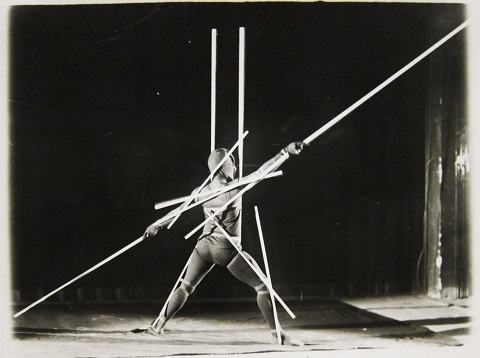
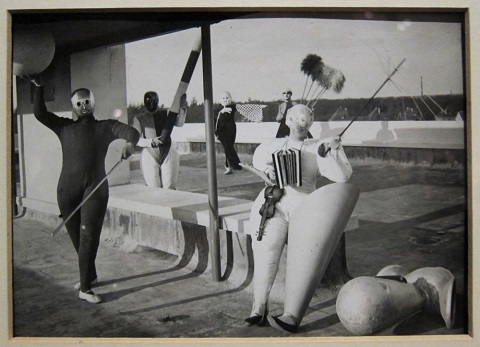
Artists of the Bauhaus school—includ­ing founder Wal­ter Gropius, Paul Klee, Wass­i­ly Kandin­sky, Piet Mon­dri­an and others—broke rad­i­cal­ly with famil­iar tra­di­tion and made min­i­mal­ist, abstract, and some­times shock­ing state­ments with their work. We know this his­to­ry, but you prob­a­bly haven’t seen these cul­tur­al fig­ures phys­i­cal­ly embody their aes­thet­ic prin­ci­ples as they do in the pho­tographs here, from cos­tume par­ties the Bauhaus school held through­out the twen­ties.

As Rachel Doyle at Curbed writes, “if you thought Bauhaus folk were good at design­ing cof­fee tables, just have a look at their costumes—as bewitch­ing and sculp­tur­al as any oth­er stu­dent project, but with an amaz­ing flam­boy­ance not oft ascribed to the move­ment.”

bauhaus-costumes-4

The whim­si­cal cos­tume parties—to which, wrote Hun­gar­i­an archi­tect Farkas Mol­nár, artists devot­ed “the great­est expen­di­tures of energy”—represented fur­ther attempts to tran­scend “medieval con­di­tions” and inte­grate “today’s sci­en­tif­ic and tech­no­log­i­cal advances… into gen­er­al cul­ture.” So wrote Mol­nár in a 1925 essay, “Life at the Bauhaus,” where he describes the play­ful­ly seri­ous con­di­tions at the school. These par­ties, he asserts, were supe­ri­or to “fan­cy-dress balls” orga­nized by artists in oth­er cities in that “our cos­tumes are tru­ly orig­i­nal. Every­one pre­pares his or her own. Nev­er a one that has been seen before. Inhu­man, or humanoid, but always new.” Every­one par­tic­i­pat­ed, it seems, from the newest stu­dent to, as Mol­nár calls them, “the big­wigs”:

Kandin­sky prefers to appear decked out as an anten­na, Itten as an amor­phous mon­ster, Feininger as two right tri­an­gles, Moholy-Nagy as a seg­ment tran­spierced by a cross, Gropius as Le Cor­busier, Muche as an apos­tle of Maz­daz­nan, Klee as the song of the blue tree. A rather grotesque menagerie…

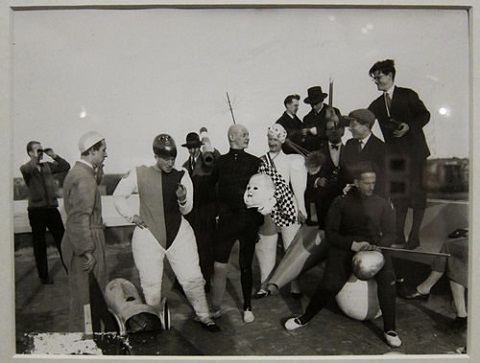
Might that be Kandin­sky in the pho­to­graph at the top? Just who is this lumi­nous fig­ure? Why did Gropius dress up as Le Cor­busier, and what, exact­ly, does “the song of the blue tree” look like? We can iden­ti­fy at least one of these artists—the bald man in black at the cen­ter of the pho­to­graph below is Oskar Schlem­mer, painter, sculp­tor, design­er, and chore­o­g­ra­ph­er. Schlem­mer gave Bauhaus cos­tume design its most for­mal con­text with the Tri­adic Bal­let, a pro­duc­tion, writes Dan­ger­ous Minds, that “com­bined his work in both sculp­ture and the­ater to cre­ate the inter­na­tion­al­ly acclaimed extrav­a­gan­za which toured from 1922 to 1929.”

bauhaus-costumes-3

The ballet’s “18 cos­tumes,” writes Curbed, “were designed by match­ing geo­met­ric forms with anal­o­gous parts of the human body: a cylin­der for the neck, a cir­cle for the heads…. These elab­o­rate cos­tumes [see pho­to of per­form­ers below]… total­ly upped the ante at the Bauhaus school’s reg­u­lar cos­tume balls.” Schlem­mer “made no secret of the fact that he con­sid­ered the styl­ized, arti­fi­cial move­ments of mar­i­onettes to be aes­thet­i­cal­ly supe­ri­or to the nat­u­ral­is­tic move­ments of real humans.” His bal­let, Dan­ger­ous Minds remarks, may be “the least ‘human’ dance per­for­mance ever con­ceived.”

bauhaus-costumes-1

It may come as no sur­prise then that the Tri­adic Bal­let influ­enced some of the hyper-styl­ized alien cos­tum­ing of David Bowie’s Zig­gy Star­dust tour. Per­haps even more than the pho­tographs of rev­el­ers from the cos­tume par­ties, the Tri­adic Bal­let, which has been peri­od­i­cal­ly revived since its 1922 debut, pre­serves the fas­ci­nat­ing inno­va­tions Bauhaus artists envi­sioned for the human form. Just below, watch a 1970 film pro­duc­tion recre­at­ing many of the orig­i­nal designs, and see more pho­tographs of Bauhaus cos­tumes at The Char­nel-House.

via Curbed

Relat­ed Con­tent:

The Home­made Hand Pup­pets of Bauhaus Artist Paul Klee

Time Trav­el Back to 1926 and Watch Wass­i­ly Kandin­sky Cre­ate an Abstract Com­po­si­tion

Bauhaus, Mod­ernism & Oth­er Design Move­ments Explained by New Ani­mat­ed Video Series

Josh Jones is a writer and musi­cian based in Durham, NC. Fol­low him at @jdmagness

Watch Harry Shearer’s Faithful Recreation of Nixon’s Resignation

Antho­ny Hop­kins.

Frank Lan­gel­la.

And now, come­di­an Har­ry Shear­er.

What role do these gift­ed per­form­ers have in com­mon?

Lear?

Nope. Nixon.

Lan­gel­la and Sir Antho­ny res­ur­rect­ed the 37th pres­i­dent with­in the frame­work of care­ful­ly craft­ed screen­plays. Shearer’s approach is just as actor­ly, but his mate­r­i­al isn’t exact­ly script­ed. Instead, he and Nixon schol­ar Stan­ley Kut­ler pieced it togeth­er from unof­fi­cial ban­ter on the 3,700 hours of audio­tape Nixon secret­ly record­ed while in office, sup­ple­ment­ing with notes by those who were there.

The result is Nixon’s The One, a fly-on-the-wall web series in which vir­tu­oso impro­vis­er Shear­er sticks scrupu­lous­ly to the script, recre­at­ing every pause and awk­ward chuck­le. Com­pare Shearer’s lead up to Nixon’s tele­vised res­ig­na­tion above, to the real thing, below.

It’s uncom­fort­able, uncan­ny, dis­so­cia­tive, and strange­ly human.

The only false note is Shearer’s glar­ing­ly obvi­ous pros­thet­ic nose, though giv­en the pro­fes­sion­al, peri­od-accu­rate set, this may have been a delib­er­ate choice. Despite his insis­tence on authen­tic­i­ty, a biopic is clear­ly not what cre­ator Shear­er had in mind.

He’s been in train­ing for this project for close to half a cen­tu­ry, long before the idea itself was hatched. His first turn as Nixon came as a young, make-up free mem­ber of the L.A. com­e­dy group, the Cred­i­bil­i­ty Gap.

The next was on Sun­day Best, a 1991 mid-sea­son replace­ment on NBC. “I did a sketch I don’t think ever aired,” he told the Wall Street Jour­nal, “Nixon as a guest on an infomer­cial demon­strat­ing a mag­i­cal teeth-whiten­ing prepa­ra­tion.”

Le Show, Shearer’s extreme­ly fun­ny radio show, pro­vid­ed a forum for yet anoth­er ridicu­lous exer­cise at Tricky Dick’s expense.

The one-time polit­i­cal sci­ence major has elect­ed to play it straight with this ver­ba­tim, long form labor of love, in order let the weird, unin­ten­tion­al com­e­dy of Richard Nixon shine through. Find all the videos in the Nixon’s the One series here.

Relat­ed Con­tent:

Richard Nixon’s Tips For Get­ting Pan­das to Have Sex, Caught on New­ly-Revealed Audio Tape (1972)

The Moon Dis­as­ter That Wasn’t: Nixon’s Speech In Case Apol­lo 11 Failed to Return

Nixon and Kissinger: Best of Allies and Rivals

Ayun Hal­l­i­day is an author, home­school­er, and Chief Pri­ma­tol­o­gist of the East Vil­lage Inky zine. She embar­rassed her par­ents on a child­hood tour of the Nixon White House unchar­ac­ter­is­ti­cal­ly bois­ter­ous demands to see Tricky Dick and a queasy stom­ach that  healed itself in time for a vis­it to a Lafayette Square hot dog ven­dor. Fol­low her @AyunHalliday

Lenny Bruce: Hear the Performances That Got Him Arrested (NSFW)


Lenny Bruce: what come­di­an today — or coun­ter­cul­tur­al pub­lic speak­er of any kind — does­n’t name him as an influ­ence? But his­to­ry has remem­bered the cut­ting-edge fun­ny­man of the 1940s, 50s, and 60s as not just an influ­en­tial fig­ure, but some­thing of a mar­tyr to that quin­tes­sen­tial­ly Amer­i­can cause of free speech. One need only read the sto­ry of Bruce’s many legal trou­bles, a suc­cinct ver­sion of which you can find at The Tri­als of Lenny Bruce Home­page, to under­stand that the author­i­ties of the mid-20th cen­tu­ry inter­pret­ed that cause quite dif­fer­ent­ly than we do now. Doug Lin­der, the author of that piece, describes Bruce’s fall from the peak of his career — a 1959 appear­ance on nation­al tele­vi­sion (intro­duced by Steve Allen as “the most shock­ing come­di­an of our time, a young man who is sky­rock­et­ing to fame”), a packed house at Carnegie Hall two years lat­er — to his ear­ly death, five years on, after the rav­ages of bank­rupt­cy, drugs, and court­rooms.

What hap­pened to this promis­ing comedic lumi­nary? All too many come­di­ans flame out due to addic­tion and finan­cial issues, but Bruce had the con­sid­er­able bur­den of run­ning afoul, again and again, of “obscen­i­ty” laws: at a San Fran­cis­co jazz club, at West Hol­ly­wood’s famous Trou­ba­dour, at Los Ange­les’ Uni­corn, in Chica­go, and so on. Bruce may have thought him­self safe in the com­par­a­tive­ly un-Puri­tan set­ting of Green­wich Vil­lage, but even there, on the fate­ful night of March 31, 1964, a CIA agent sat in the audi­ence of one of his per­for­mances and dili­gent­ly col­lect­ed evi­dence against him. An arrest, ardu­ous, high-pro­file tri­al, and con­vic­tion fol­lowed. Though New York’s high­est court would reverse this con­vic­tion in 1970, the dam­age had long since been done, and Bruce him­self had died four years ear­li­er.

You can hear the dar­ing mate­r­i­al that con­demned Bruce above, from the out-of-print album What I Was Arrest­ed For: The Per­for­mances that Got Lenny Bruce Bust­ed. (His rou­tine “To Is a Prepo­si­tion; Come Is a Verb,” which espe­cial­ly ticked off the inves­ti­ga­tors, appears just above.) Fifty years after the tri­al, would any of this “obscene, inde­cent, immoral, and impure dra­ma, play, exhi­bi­tion, or enter­tain­ment,” as the law says, “tend to the cor­rup­tion of the morals of youth and oth­ers”? As All Music Guide’s Sean Car­ruthers writes of the album, which first came out in 1969 and again in 1975, “It’s amaz­ing what just a few years can accom­plish in terms of chang­ing social val­ues — by the time this was re-released, there was­n’t real­ly a whole lot here that would get peo­ple too upset.” And so, in per­haps the most telling tes­ta­ment to the ulti­mate vic­to­ry of Lenny Bruce, that 20th-cen­tu­ry Socrates, the world has become safe for any one of us to pub­licly utter words like — well, bet­ter to hear them straight from the sage of obscen­i­ty’s mouth, right?

Relat­ed Con­tent:

Thank You, Mask Man: Lenny Bruce’s Lone Ranger Com­e­dy Rou­tine Becomes a NSFW Ani­mat­ed Film (1968)

Lenny Bruce Riffs and Rants on Injus­tice and Hypocrisy in One of His Final Per­for­mances (NSFW)

George Car­lin Per­forms His “Sev­en Dirty Words” Rou­tine: His­toric and Com­plete­ly NSFW

“Tele­vi­sion Taboos”: 1949 Pho­to Spread Sat­i­rizes the Moral Codes of Ear­ly Tele­vi­sion

Col­in Mar­shall hosts and pro­duces Note­book on Cities and Cul­ture and writes essays on cities, lan­guage, Asia, and men’s style. He’s at work on a book about Los Ange­les, A Los Ange­les Primer. Fol­low him on Twit­ter at @colinmarshall or on Face­book.

Celebrate The Day of the Dead with The Classic Skeleton Art of José Guadalupe Posada

Posada Calavera Catrina

In Mex­i­co on Novem­ber 2, mor­tal­i­ty is approached with music and laugh­ter.

“On the Day of the Dead, when the spir­its come back to us,” explains the Dr. Vig­il char­ac­ter in the 1984 film of Mal­colm Lowry’s Under the Vol­cano, “the road from heav­en must be made easy, and not slip­pery with tears.”

The souls of the dead are wel­comed back with offer­ings of food and drink. Skulls and frol­ick­ing skele­tons, often dressed in full cos­tume, are depict­ed on alters, food and else­where — a play­ful reminder that all of us, despite our van­i­ties, will one day turn to dust.

The ori­gins of the Day of the Dead and its basic motifs can be traced back 3000 years, to the Aztecs, but the satir­i­cal skele­tons of its present-day iconog­ra­phy bear the strong influ­ence of one man who died 101 years ago: the print­mak­er and draughts­man José Guadalupe Posa­da.

Posa­da was an obscure news­pa­per illus­tra­tor when he set­tled in Mex­i­co City in 1888 and began work­ing for a com­pa­ny that pub­lished graph­ic fly­ers designed to bring the news of the day to a large­ly illit­er­ate pub­lic. Posada’s engrav­ings soon caught on.

“Long drawn to the sen­sa­tion­al,” writes Jesse Cordes Sel­bin at the Hen­ry Ran­som Cen­ter, “Posada’s inter­est cen­tered on such fan­tas­tic and unsa­vory aspects of life as mur­ders, rob­beries, bull­fights, polit­i­cal scan­dals, and illic­it love affairs. While his polit­i­cal work alter­nate­ly sat­i­rized Pres­i­dent Por­firio Díaz and laud­ed the pop­ulist rev­o­lu­tion­ary lead­ers Emil­iano Zap­a­ta and Fran­cis­co Madero, for the most part his prints suc­cess­ful­ly struck the fine line between hard-hit­ting and light-heart­ed, res­onat­ing wide­ly through­out Mex­i­co.”

Calavera-Huertista--C.1910

Despite their hum­ble pur­pose, Posada’s engrav­ings were a major influ­ence on the devel­op­ment of 20th cen­tu­ry Mex­i­can art. Octavio Paz described his tech­nique as “a min­i­mum of lines and a max­i­mum of expres­sion.” In his intro­duc­tion to Mex­i­co: Splen­dors of Thir­ty Cen­turies, Paz writes, “By birthright Posa­da belongs to a man­ner that has left its stamp on the twen­ti­eth cen­tu­ry: Expres­sion­ism. Unlike the major­i­ty of Expres­sion­ist artists, how­ev­er, Posa­da nev­er took him­self too seri­ous­ly.”

Oth­ers, how­ev­er, did. The mural­ists who flour­ished in post-rev­o­lu­tion­ary Mex­i­co revered Posa­da. Diego Rivera and José Clemente Oroz­co, in par­tic­u­lar, praised him as an inspi­ra­tional fig­ure. In his auto­bi­og­ra­phy, Oroz­co writes:

Posa­da used to work in full view, behind the shop win­dows, and on my way to school and back, four times a day, I would stop and spend a few enchant­ed min­utes in watch­ing him, and some­times I even ven­tured to enter the shop and snatch up a bit of the met­al shav­ings that fell from the min­i­mum-coat­ed met­al plate as the mas­ter’s graver passed over it. This was the push that first set my imag­i­na­tion in motion and impelled me to cov­er paper with my ear­li­est lit­tle fig­ures; this was my awak­en­ing to the exis­tence of the art of paint­ing.

The most influ­en­tial of Posada’s works were his Calav­eras, mean­ing “skulls,” or, by exten­sion, “skele­tons.” Per­haps the most famous work from the series is Calav­era Cat­ri­na (above), a zinc etch­ing com­plet­ed in about 1910. It depicts a woman of the social class known as the Catrins (from a Span­ish word mean­ing “over-ele­gant”), a group who denied their Maya her­itage and thought of them­selves only as Euro­pean.

In 1947 Diego Rivera paid homage to Posa­da by plac­ing him at the cen­ter of his panoram­ic Dream of a Sun­day After­noon in the Alame­da Cen­tral with a full-length ver­sion of the Calav­era Cat­ri­na on his arm, while Rivera him­self, depict­ed as a young boy, stands on the oth­er side hold­ing her bony hand. For more of Posada’s Calav­eras, scroll down.

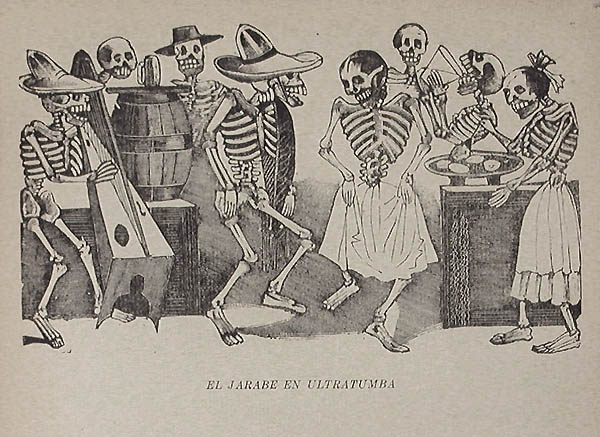
The Folk Dance Beyond the Grave:

Posada Folk Dance Beyond Grave

Anoth­er zinc etch­ing from around 1910, El Jarabe en ultra­tum­ba (“The Folk Dance Beyond the Grave”) depicts a mer­ry group of skele­tons eat­ing, drink­ing, mak­ing music and danc­ing the tra­di­tion­al jarabe. The repro­duc­tion is from the posthu­mous 1930 mono­graph Las Obras de José Guadalupe Posa­da, Grabador Mex­i­cano.

Calav­era from Oax­a­ca:

Posada Calavera Oaxaquena

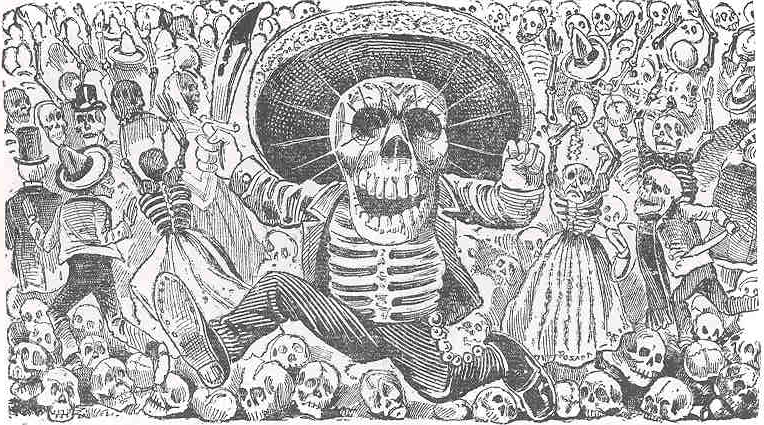
Calav­era Oax­aque­ña (“Calav­era from Oax­a­ca”) was first pub­lished on a broad­side in 1910. It shows a proud-look­ing skele­ton dressed as a char­ro, run­ning past a crowd of skele­tons with a blood-stained knife in his hand.

Calav­era of Don Quixote:

Posada Calavera Don Quixote

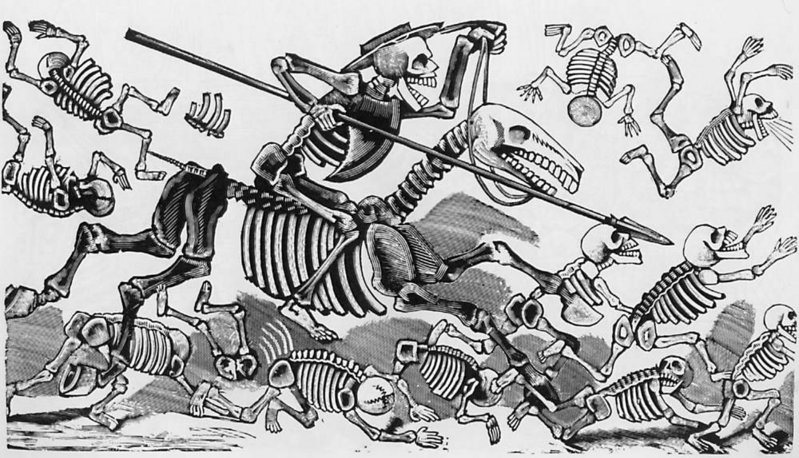
In this etch­ing made some­time between 1910 and Posada’s death in 1913, Don Quixote rides into bat­tle wear­ing an upside-down bar­ber’s basin he imag­ines to be the leg­endary hel­met of Mam­bri­no, a sol­id-gold rel­ic said to make its wear­er invul­ner­a­ble. He van­quish­es every foe. “This is the calav­era of Don Quixote,” says the cap­tion on the orig­i­nal broad­side pub­li­ca­tion, “the first-class one, the match­less one, the gigan­tic one.”

Click on the images above to view them in a larg­er for­mat. You can view more prints by Posa­da at MoMA and The Pub­lic Domain Review.

Relat­ed Con­tent:

Charles & Ray Eames’ Short Film on the Mex­i­can Day of the Dead (1957)

Fri­da Kahlo and Diego Rivera Vis­it Leon Trot­sky in Mex­i­co, 1938

Speak­ing in Whis­tles: The Whis­tled Lan­guage of Oax­a­ca, Mex­i­co

Walter Benjamin’s Radio Plays for Kids (1929–1932)

benjamin writing tips

Image by Wal­ter Ben­jamin Archiv, via Wiki­me­dia Com­mons

Many nov­el­ists and poets—from Oscar Wilde to Neil Gaiman—have excelled at reach­ing adults as well as kids, but it’s incred­i­bly rare to find an aca­d­e­m­ic who can do so. Two of the few excep­tions that come to mind are the ever pop­u­lar C.S. Lewis and J.R.R. Tolkien, both well-respect­ed Oxford schol­ars and more-than-able children’s authors. We can add to that short list a rather unex­pect­ed name—that of Wal­ter Ben­jamin: apoc­a­lyp­tic Marx­ist the­o­rist and lit­er­ary crit­ic, stu­dent of mys­ti­cal Judaism and Kab­bal­ah, men­tor and friend to Han­nah Arendt, Theodor Adorno, Bertolt Brecht, and Her­man Hesse, and children’s radio host. Dur­ing the years 1927 and 1933, while work­ing on his mon­u­men­tal, and unfin­ished, Arcades Project and teach­ing at the Uni­ver­si­ty of Hei­del­berg, Ben­jamin also main­tained a live­ly pres­ence as a broad­cast­er, where “he found him­self,” Crit­i­cal The­o­ry tells us, “writ­ing on a vari­ety of top­ics for… all ages, includ­ing chil­dren and ado­les­cents.”

Benjamin’s youth and adult pro­gram­ming has been col­lect­ed by Ver­so press in a new book enti­tled Radio Ben­jamin, which “brings togeth­er some of his most acces­si­ble” think­ing. “Fas­ci­nat­ed by the impact of new tech­nol­o­gy on cul­ture,” writes Ver­so, Ben­jamin “wrote and pre­sent­ed some­thing in the region of eighty broad­casts using the new medi­um of radio.” Between 1929 and 1932, he deliv­ered around 30 broad­casts he called “Enlight­en­ment for Chil­dren” (Aufk­lärung für Kinder), many of which you can hear read in the orig­i­nal Ger­man by Har­ald Wies­ner at Ubuweb (Ger­man speak­ers, lis­ten to an episode above). These, Ubuweb informs us, focused on “intro­duc­ing the youth to var­i­ous, some of them clas­si­cal, nat­ur­al cat­a­stro­phes, for instance the Lis­bon earth­quake of the 1750’s that so shook the opti­mism of Voltaire and the cen­tu­ry.”

Anoth­er of Benjamin’s sub­jects was “var­i­ous episodes of law­less­ness, fraud and deceit, much of it recent.” Dur­ing one such broad­cast, “The Boot­leg­gers,” Ben­jamin won­ders aloud rhetor­i­cal­ly, “should chil­dren even hear these kinds of sto­ries? Sto­ries of swindlers and mis­cre­ants who break the law try­ing to make a pile of dough, and often suc­ceed?” He admits, “It’s a legit­i­mate ques­tion.” He then goes on to elu­ci­date “the laws and grand inten­tions that cre­ate the back­drop for the sto­ries in which alco­hol smug­glers are heroes” and tells, in fas­ci­nat­ing detail, a few “lit­tle tales” of said heroes.

Ben­jamin, writes Crit­i­cal The­o­ry, played the role of “a Ger­man Ira Glass for teens,” with a kind of pop soci­ol­o­gy that also taught lessons about lan­guage, phi­los­o­phy, and class prej­u­dice. In anoth­er episode, “Berlin Dialect,” he “cel­e­brates ‘Berlin­ish,” a crude dialect of the work­ing class that was ditched as Berlin­ers sought to become more ‘refined.’” “Berlin­ish is a lan­guage that comes from work,” he explained, “It devel­oped not from writ­ers or schol­ars, but rather from the lock­er room and the card table, on the bus and at the pawn shop, at sport­ing are­nas and in fac­to­ries.”

The type­scripts of Benjamin’s radio plays for chil­dren were seized by the Gestapo after his sui­cide in 1940 and “only escaped destruc­tion by bureau­crat­ic error.” They were only pub­lished in Ger­man in 1985. The high the­o­rist him­self appar­ent­ly looked down upon this work but, Ver­so writes, these “plays, read­ings, book reviews, and fic­tion reveal Ben­jamin in a cre­ative, rather than crit­i­cal, mode… chan­nel­ing his sophis­ti­cat­ed think­ing to a wide audi­ence.” As such, these radio broad­casts may—as Jef­frey Mehlman argues in Wal­ter Ben­jamin for Chil­dren—help us bet­ter under­stand “one of this century’s most sug­ges­tive and per­plex­ing crit­ics.”

via Crit­i­cal The­o­ry

Relat­ed Con­tent:

Wal­ter Benjamin’s Mys­ti­cal Thought Pre­sent­ed by Two Exper­i­men­tal Films

Free Audio: Down­load the Com­plete Chron­i­cles of Nar­nia by C.S. Lewis

Por­traits of Vir­ginia Woolf, James Joyce, Wal­ter Ben­jamin & Oth­er Lit­er­ary Leg­ends by Gisèle Fre­und

Hear Theodor Adorno’s Avant-Garde Musi­cal Com­po­si­tions

Josh Jones is a writer and musi­cian based in Durham, NC. Fol­low him at @jdmagness

« Go BackMore in this category... »
Quantcast