Woody Allen Tells a Classic Joke About Hemingway, Fitzgerald & Gertrude Stein in 1965: A Precursor to Midnight in Paris

The char­ac­ter we know as “Woody Allen,” the per­sona we see in his films, the stam­mer­ing neu­rot­ic weighed down by exis­ten­tial angst and a des­per­ate horni­ness laced with intel­lec­tu­al­i­ty, was cre­at­ed not in his movies, but in his stand-up, record­ings of which have been in and out of cir­cu­la­tion since 1964. (They’re now avail­able here.)

The direc­tor is report­ed­ly even more embar­rassed of these record­ings than his films–and any­one who has seen his sit-down with crit­ic Mark Cousins can attest, he can’t even stand to watch his films–but maybe that’s about the per­for­mance itself, and not the mate­r­i­al.

I say that because in the clip above, a rou­tine that Allen loved enough that he often used it to end his sets in the 60s, we can see the nascent idea for his Oscar-win­ning 2011 film Mid­night in Paris.

Riff­ing on The Lost Gen­er­a­tion, he imag­ines him­self back in time, carous­ing with Hem­ing­way, Gertrude Stein, Picas­so, F. Scott and Zel­da Fitzger­ald, and famed Span­ish bull­fight­er Manolete. It’s a one-two-three-and punch­line joke we won’t ruin, but it’s inter­est­ing that con­scious­ly or sub­con­scious­ly, this idea returned some five decades lat­er to be fleshed out into one of Allen’s best late-peri­od films. Was he always think­ing of this rou­tine as a some­day film? In inter­views from the time of the film’s release, he nev­er men­tions the stand-up bit.

Cre­at­ing art is often like com­post­ing, and one nev­er knows what might float to the top after years of influ­ences and absorp­tion. Lis­ten­ing to his stand-up, one can find the joke that he recy­cled for Annie Hall (“I was thrown out of NYU my fresh­man year, I cheat­ed on my meta­physics final in col­lege, I looked with­in the soul of the boy sit­ting next to me.”).

There’s also this rou­tine about a scary sub­way ride:

The scene was lat­er recre­at­ed in Bananas with a young Sylvester Stal­lone.

Allen’s pre-film career, when he was writ­ing for tele­vi­sion and his own stand-up, when his goals were to “write for Bob Hope and host the Oscars” makes for fas­ci­nat­ing read­ing, and we’ll leave you with this his­to­ry from WMFU. Nerdist has more thoughts on the rela­tion­ship between The Lost Gen­er­a­tion joke and Mid­night in Paris here.

Relat­ed Con­tent:

Woody Allen Lists the Great­est Films of All Time: Includes Clas­sics by Bergman, Truf­faut & Felli­ni

Woody Allen’s Type­writer, Scis­sors and Sta­pler: The Great Film­mak­er Shows Us How He Writes

Watch an Exu­ber­ant, Young Woody Allen Do Live Stand Up on British TV (1965)

Ted Mills is a free­lance writer on the arts who cur­rent­ly hosts the FunkZone Pod­cast. You can also fol­low him on Twit­ter at @tedmills, read his oth­er arts writ­ing at tedmills.com and/or watch his films here.

Hayao Miyazaki’s Masterpieces Spirited Away and Princess Mononoke Imagined as 8‑Bit Video Games

As an unapolo­getic mem­ber of the “Mil­len­ni­al” gen­er­a­tion, allow me to tell you how to win over a great many of us at a stroke: just appeal to our long-instilled affin­i­ty for Japan­ese ani­ma­tion and clas­sic video games. Raised, like many of my peers born in the late 1970s and ear­ly 1980s, on a steady diet of those art forms — not that every­one knew to acknowl­edge them as art forms back then — I respond instinc­tive­ly to either of them, and as for their inter­sec­tion, well, how could I resist?

I cer­tain­ly can’t resist the ster­ling exam­ple of ani­me-meets-ret­rogam­ing in action just above: an 8‑Bit Cin­e­ma dou­ble-fea­ture, offer­ing David and Hen­ry Dut­ton’s pix­e­lat­ed ren­di­tions of huge­ly respect­ed Japan­ese ani­ma­tion mas­ter Hayao Miyaza­k­i’s films Spir­it­ed Away and Princess Mononoke. In just under eight min­utes, the video tells both sto­ries — the for­mer of a young girl trans­port­ed into not just the spir­it realm but into employ­ment at one of its bath­hous­es; the lat­ter of the unend­ing strug­gle between humans and for­est gods in 15th-cen­tu­ry Japan — as tra­di­tion­al side-scrolling, plat­form-jump­ing video games.

Clear­ly labors of love by true clas­sic gamers, these trans­for­ma­tions get not just the graph­ics (which actu­al­ly look bet­ter than real games of the era, in keep­ing with Miyaza­k­i’s artistry) but the sound, music, and even game­play con­ven­tions just right. I’d love to play real ver­sions of these games, espe­cial­ly since, apart from an unloved adap­ta­tion of Nau­si­caä of the Val­ley of the Wind, Miyaza­k­i’s movies haven’t plunged into the video-game realm.

And if you respond bet­ter to the aes­thet­ic of clas­sic gam­ing than to that of Japan­ese ani­ma­tion, do have a look at 8‑Bit Cin­e­ma’s oth­er work, much of which you can sam­ple in their show reel with clips from their ver­sions of pic­tures like The Shin­ingKill Bill, and The Life Aquat­ic with Steve Zis­sou. I remem­ber many child­hood con­ver­sa­tions about how video games would even­tu­al­ly look just like our favorite movies, ani­mat­ed or oth­er­wise; lit­tle did we know that, one day, our favorite movies would also look just like video games.

Relat­ed Con­tent:

Hayao Miyazaki’s Uni­verse Recre­at­ed in a Won­der­ful CGI Trib­ute

French Stu­dent Sets Inter­net on Fire with Ani­ma­tion Inspired by Moe­bius, Syd Mead & Hayao Miyaza­ki

The Simp­sons Pay Won­der­ful Trib­ute to the Ani­me of Hayao Miyaza­ki

The Delight­ful TV Ads Direct­ed by Hayao Miyaza­ki & Oth­er Stu­dio Ghi­b­li Ani­ma­tors (1992–2015)

The Phi­los­o­phy of Friedrich Niet­zsche Explained with 8‑Bit Video Games

8‑Bit Phi­los­o­phy: Pla­to, Sartre, Der­ri­da & Oth­er Thinkers Explained With Vin­tage Video Games

The Big Lebows­ki Reimag­ined as a Clas­sic 8‑Bit Video Game

The Great Gats­by and Wait­ing for Godot: The Video Game Edi­tions

Col­in Mar­shall writes on cities, lan­guage, Asia, and men’s style. He’s at work on a book about Los Ange­les, A Los Ange­les Primer, and the video series The City in Cin­e­ma. Fol­low him on Twit­ter at @colinmarshall or on Face­book.

Back to Bed: A New Video Game Inspired by the Surreal Artwork of Escher, Dali & Magritte

If you’ve ever looked at a mind­bend­ing, impos­si­ble piece of archi­tec­ture designed by M.C. Esch­er and thought, well, I would love to play that, then you just might love Back to Bed, a video game for Win­dows, Mac, Google Play and Playsta­tion.

Sim­i­lar to last year’s aes­thet­i­cal­ly beau­ti­ful archi­tec­ture puz­zle game Mon­u­ment Val­ley, play­ers make their way through 30 lev­els of increas­ing­ly dif­fi­cult land­scapes. You play a dog-like com­pan­ion that tries to stop his sleep-walk­ing own­er Bob from falling off into space by plac­ing objects in his path. But, as with these games, you must use log­ic to access some of the objects and think­ing sev­er­al moves ahead stretch­es the brain.

back to bed

The giant, green apples recall Rene Magritte, melt­ed watch­es are out of Dalí, and the voice that says “The stairs are not what they seem”? We have anoth­er Lynch fan in Bed­time Time Dig­i­tal Games’ crew. And the whole nar­colep­sy theme has a bit of the ol’ Cali­gari going for it.

The small com­pa­ny con­sists of for­mer stu­dents who cre­at­ed the game “in a freez­ing old ware­house on the har­bor in Aal­borg, Den­mark,” accord­ing to their bio. They forged ahead with the game after a Kick­starter cam­paign and what sounds like many years lat­er, they won the stu­dent show­case at San Francisco’s Inde­pen­dent Games Fes­ti­val. That attract­ed investors and with actu­al fund­ing, they’ve rewrit­ten the game to make it real­ly shine on HDTVs.

Despite the sus­pense­ful game­play, there’s much that’s relax­ing in the worlds of Back to Bed, from its chil­dren book graph­ic design—everything looks airbrushed—to its hyp­not­ic, hyp­n­a­gog­ic sound, includ­ing a very Bri­an Eno-esque ambi­ent sound­track.

“Back to Bed, the game says out loud in a drone, half-awake voice when you fin­ish a lev­el. But this addic­tive game might just keep you up lat­er than usu­al.

via Vice’s Cre­ator’s Project

Relat­ed Con­tent:

Meta­mor­phose: 1999 Doc­u­men­tary Reveals the Life and Work of Artist M.C. Esch­er

Play the Twin Peaks Video Game: Retro Fun for David Lynch Fans

The Inter­net Arcade Lets You Play 900 Vin­tage Video Games in Your Web Brows­er (Free)

Ted Mills is a free­lance writer on the arts who cur­rent­ly hosts the FunkZone Pod­cast. You can also fol­low him on Twit­ter at @tedmills, read his oth­er arts writ­ing at tedmills.com and/or watch his films here.
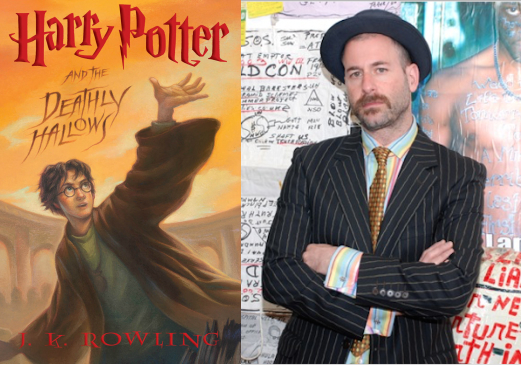
30 Minutes of Harry Potter Sung in an Avant-Garde Fashion by UbuWeb’s Kenneth Goldsmith

potter ubu

Last month, we fea­tured poet, pro­fes­sor, and WFMU radio host Ken­neth Gold­smith singing the the­o­ry of Theodor Adorno, Sig­mund Freud, and Lud­wig Wittgen­stein — heavy read­ing, to be sure, but there­in lay the appeal. How dif­fer­ent­ly do we approach these for­mi­da­ble the­o­ret­i­cal texts, Gold­smith’s project implic­it­ly asks, if we receive them not just aural­ly rather than tex­tu­al­ly, but also in a light — not to say goofy — musi­cal arrange­ment? But if it should drain you to think about ques­tions like that, even as you absorb the thought of the likes of Adorno, Freud, and Wittgen­stein, might we sug­gest Ken­neth Gold­smith singing Har­ry Pot­ter?

Per­haps the best-known mod­ern exem­plar of “light read­ing” we have, J.K. Rowl­ing’s Har­ry Pot­ter books present them­selves as ripe for adap­ta­tion, most notably in the form of those eight big-bud­get films released between 2001 and 2011. On the oth­er end of the spec­trum, with evi­dent­ly no bud­get at all, comes Gold­smith’s 30-minute adap­ta­tion, which you can hear just above, or along with his var­i­ous oth­er sung texts at Pennsound. Here he sings, with ever-shift­ing musi­cal accom­pa­ni­ment and through some oth­er­world­ly voice pro­cess­ing, what sounds like the final nov­el in the Har­ry Pot­ter series, Har­ry Pot­ter and the Death­ly Hal­lows.

“She tells a good sto­ry” — thus has every adult Har­ry Pot­ter-read­er I know explained the appeal of Rowl­ing’s chil­dren’s nov­els even out­side of the chil­dren’s demo­graph­ic, espe­cial­ly as they await­ed Death­ly Hal­lows’ release in 2007. Hav­ing nev­er dipped into the well myself, I could­n’t say for sure, but to my mind, if she tells a good enough sto­ry, that sto­ry will sur­vive no mat­ter the form into which you trans­pose it. The Pot­ter faith­ful hold a vari­ety of opin­ions about the degree of jus­tice each movie does to their favorite nov­els, and even about the voice that reads them aloud in audio­book form, but what on Earth will they think of Gold­smith’s idio­syn­crat­ic ren­di­tion?

Update: Ken­neth shot us an email a few min­utes ago and filled out the back­sto­ry on this record­ing. Turns out the sto­ry is even more col­or­ful than we first thought. He writes: “I was a DJ on WFMU from 1995–2010. In 2007, J.K. Rowl­ing released the sev­enth and final Har­ry Pot­ter and the Death­ly Hal­lows. Pri­or to the book’s release the day I went on the air at WFMU, some­one had leaked a copy to the inter­net, enrag­ing Scholas­tic Books, who threat­ened any­body dis­trib­ut­ing it with a heavy law­suit. I print­ed out and sang in my hor­ri­ble voice the very last chap­ter of the book on the air, there­by spoil­ing the finale of the series for any­one lis­ten­ing. Dur­ing my show, the sta­tion received an angry call from Scholas­tic Books. It appears that their whole office was lis­ten­ing to WFMU that after­noon. Noth­ing ever came of it.”

Relat­ed Con­tent:

Down­load Two Har­ry Pot­ter Audio Books for Free (and Get the Rest of the Series for Cheap)

The The­o­ry of Wal­ter Ben­jamin, Lud­wig Wittgen­stein & Sig­mund Freud Sung by Ken­neth Gold­smith

Read Online J.K. Rowling’s New Har­ry Pot­ter Sto­ry: The First Glimpse of Har­ry as an Adult

How J.K. Rowl­ing Plot­ted Har­ry Pot­ter with a Hand-Drawn Spread­sheet

Take Free Online Cours­es at Hog­warts: Charms, Potions, Defense Against the Dark Arts & More

The Quan­tum Physics of Har­ry Pot­ter, Bro­ken Down By a Physi­cist and a Magi­cian

Cel­e­brate Har­ry Potter’s Birth­day with Song. Daniel Rad­cliffe Sings Tom Lehrer’s Tune, The Ele­ments.

Har­ry Pot­ter Pre­quel Now Online

Col­in Mar­shall writes on cities, lan­guage, Asia, and men’s style. He’s at work on a book about Los Ange­les, A Los Ange­les Primer, and the video series The City in Cin­e­ma. Fol­low him on Twit­ter at @colinmarshall or on Face­book.

Bernie Sanders Sings “This Land is Your Land” on the Endearingly Bad Spoken Word Album, We Shall Overcome


Sooo…. Let’s talk Bernie Sanders. No, I don’t want to talk about Bernie vs. Hillary, or vs. an increas­ing­ly wor­ri­some grand­stand­ing dem­a­gogue whose name I need not men­tion. I don’t want to talk Bernie vs. a younger civ­il rights activist groundswell… No!

Let’s talk about Bernie Sanders the record­ing artist.

Yeah, that’s right, Bernie made a record in 1987, a spo­ken-word album of clas­sic hip­py folk songs like “This Land is Your Land,” “Where Have All the Flow­ers Gone,” and—fittingly giv­en his roots as a civ­il rights campaigner—“We Shall Over­come,” also the title of the album. Sanders, a pas­sion­ate demo­c­ra­t­ic social­ist and stal­wart advo­cate for eco­nom­ic jus­tice, was also so pas­sion­ate about this music that he want­ed to add his voice to the choir. “Appar­ent­ly,” writes Dan Joseph at MRCTV, “every­one in Sanders’ inner cir­cle thought the record­ing was a pret­ty good idea. That was until they real­ized that Sanders had no musi­cal tal­ent, what­so­ev­er.”

This is no exag­ger­a­tion. Gawk­er quotes Todd Lock­wood, a Burling­ton musi­cian who helped pro­duce the record: “As tal­ent­ed of a guy as he is, he has absolute­ly not one musi­cal bone in his body, and that became painful­ly obvi­ous from the get-go.” Hell, it nev­er stopped William Shat­ner, and Shat­ner is the go-to com­par­i­son for the Sanders’ awk­ward “singing.” (It’s “pos­i­tive­ly Shat­neresque,” writes Dan­ger­ous Minds.) Hear for your­self above in the Sander-iza­tion of Woody Guthrie’s “This Land is Your Land.”

Bernie earnest­ly reads the lyrics in his native Brook­lyn accent over a back­ing track that sounds like an out­take from the frus­trat­ing­ly great/terrible Leonard Cohen/Phil Spec­tor col­lab­o­ra­tion Death of a Ladies Man. The con­trast between the over­pro­duced music and Sanders’ heart­felt and com­plete­ly unmu­si­cal deliv­ery is pret­ty weird, to say the least. Hear sev­er­al more sam­ples above, from Todd Lockwood’s Sound­cloud. And if for some rea­son you want to lis­ten to the whole album, and pay for the plea­sure, buy Sanders’ We Shall Over­come at Ama­zon.

Relat­ed Con­tent:

Allen Ginsberg’s Hand­writ­ten Poem For Bernie Sanders, “Burling­ton Snow” (1986)

Neil Young’s New Album, The Mon­san­to Years, Now Stream­ing Free Online (For a Lim­it­ed Time)

Josh Jones is a writer and musi­cian based in Durham, NC. Fol­low him at @jdmagness

Haruki Murakami Publishes His Answers to 3,700 Questions from Fans in a New Japanese eBook

agony uncle

A quick fol­low up: Back in Jan­u­ary, Col­in Mar­shall took you inside Haru­ki Murakami’s unex­pect­ed stint as an agony uncle, writ­ing an online advice col­umn called Mr. Murakami’s Place. Accord­ing to his pub­lish­er, read­ers sent the Japan­ese nov­el­ist 37,465 ques­tions (see a few in trans­la­tion here), and he penned respons­es to 3,716 of them — answer­ing ques­tions like: “30 is right around the cor­ner for me, but there isn’t a sin­gle thing that I feel like I’ve accom­plished.… What should I do with myself?” Or, “My wife quite fre­quent­ly belch­es right near the back of my head when she pass­es behind me… Is there some­thing I can do to stop my wife’s belch­ing?”

Luck­i­ly, at least for Japan­ese read­ers, Muraka­mi has now pub­lished his respons­es (all of them) as an ebook in Japan. And it’s been climb­ing Japan’s Kin­dle best­seller list. Cur­rent­ly, there are no plans to release Mr. Murakami’s Place — The Com­plete Edi­tion – in Eng­lish. The task of trans­lat­ing what amounts to an 8‑volume set of books would be for­mi­da­ble. And yet some­how — like most things Muraka­mi has writ­ten — I sus­pect the col­lec­tion will even­tu­al­ly see the light of day in Eng­lish-speak­ing mar­kets.

Thanks to @justinmegahan and @hyloupa for help­ing us track down this book.

via The Guardian

Relat­ed Con­tent:

Haru­ki Murakami’s Advice Col­umn (“Mr. Murakami’s Place”) Is Now Online: Read Eng­lish Trans­la­tions

Haru­ki Muraka­mi Lists the Three Essen­tial Qual­i­ties For All Seri­ous Nov­el­ists (And Run­ners)

A Pho­to­graph­ic Tour of Haru­ki Murakami’s Tokyo, Where Dream, Mem­o­ry, and Real­i­ty Meet

Haru­ki Murakami’s Pas­sion for Jazz: Dis­cov­er the Novelist’s Jazz Playlist, Jazz Essay & Jazz Bar

by | Permalink | Make a Comment ( 1 ) |

The Films of Quentin Tarantino: Watch Video Essays on Pulp Fiction, Reservoir Dogs, Kill Bill & More

In the ten years between Reser­voir Dogs (1992) and Kill Bill (2003), Quentin Taran­ti­no was all some film fans could talk about, and who many up-and-com­ing direc­tors idol­ized and copied. But it would take anoth­er ten years for his films to be intel­li­gent­ly dis­cussed, and it’s a sign of these times that the best essays are not in print but in video for­mat.

Matt Zoller Seitz and his col­leagues over at Indiewire’s Press Play blog led the charge with a series of 10 ‑12 minute video essays (col­lec­tive­ly called “On the Q.T.”) that explore indi­vid­ual Taran­ti­no films and his approach to film­mak­ing.

The video above is part two of the series and probes what it means to be cool in Pulp Fic­tion, how char­ac­ters cre­ate their own mytholo­gies and what hap­pens when real­i­ty con­fronts them.

If that video makes you look at Pulp Fic­tion in a deep­er way, then you’ll enjoy the first in the series, on Reser­voir Dogs. Seitz claims the film is both a col­lage of film quotes and ref­er­ences, from City on Fire to The Killing, but there’s a human heart beat­ing beneath all of it. And that’s a les­son lost on all the imi­ta­tors that came in Tarantino’s ‘90s wake, he says.

You might also want to check out this two part essay (Part 1Part 2) on Jack­ie Brown – this one craft­ed by Press Play’s Odie Henderson–which exam­ines what Taran­ti­no took from Elmore Leonard in his only adap­ta­tion to date, and what is pure QT. (Hint: It’s the cast­ing of Pam Gri­er).

The final video in the series looks at the Female Arche­type vs. the God­dess in Kill Bill. Cre­at­ed by Nel­son Car­va­jal, who uses cap­tions instead of nar­ra­tion, it’s the weak­est in the series, being long on clips and short on ideas.

But with The Hate­ful Eight on the hori­zon, the entire series will get you ready for inter­pret­ing the lat­est in his oeu­vre.

Relat­ed con­tent:

Quentin Taran­ti­no Lists His 20 Favorite Spaghet­ti West­erns, Start­ing with The Good, the Bad, the Ugly

Quentin Taran­ti­no Super­cuts Explore the Director’s Styl­ized Use of Sound, Close Ups & Cars in His Films

My Best Friend’s Birth­day, Quentin Tarantino’s 1987 Debut Film

Ted Mills is a free­lance writer on the arts who cur­rent­ly hosts the FunkZone Pod­cast. You can also fol­low him on Twit­ter at @tedmills, read his oth­er arts writ­ing at tedmills.com and/or watch his films here.

The Groundbreaking Silhouette Animations of Lotte Reiniger: Cinderella, Hansel and Gretel, and More

You can’t talk about the ori­gin of the mod­ern ani­mat­ed film with­out talk­ing about the work of Lotte Reiniger (1899–1981), the Ger­man cre­ator of some 40 ani­mat­ed films between the 1910s and the 70s. And you can hard­ly talk about Reiniger’s work with­out talk­ing about the enchant­i­ng art of shad­ow pup­petry, which we most­ly asso­ciate with tra­di­tion­al cul­tures like that of Indone­sia, but which also inspired her ear­ly 20th-cen­tu­ry inno­va­tions in ani­ma­tion.

This may sound quite obscure, espe­cial­ly when put up against the Dis­ney and Pixar extrav­a­gan­zas in the­aters today, but all these forms of enter­tain­ment draw, in a sense, from a com­mon well: the fairy tale.

The cre­ators of today’s mega-bud­get ani­mat­ed films know full well the endur­ing val­ue of fairy tales, and so con­tin­ue to adapt their basic sto­ry mate­r­i­al, lay­er­ing on both the lat­est visu­al effects and smirk­ing gags with up-to-the-minute ref­er­ences in order to keep the obvi­ous enter­tain­ment val­ue high. But Indone­sian shad­ow pup­pet the­ater has been doing the same thing for cen­turies and cen­turies, con­vert­ing ancient folk­tales into an evening’s (albeit often a long evening’s) musi­cal enter­tain­ment for audi­ences of era after new era. And Reiniger, in her day, revived the old­est Euro­pean sto­ries with tech­nol­o­gy once as strik­ing and cin­e­mat­i­cal­ly cut­ting-edge as today’s most advanced CGI.

You can watch Reiniger’s 1922 adap­ta­tion of Cin­derel­la at the top of the post. “Nobody else has defined a form of ani­ma­tion as author­i­ta­tive­ly as she did,” writes Dan North of Spec­tac­u­lar Attrac­tions, “and the open­ing sec­tion, where scis­sors make the first cuts into the main char­ac­ter, con­jur­ing her out of sim­ple raw mate­ri­als, dis­plays the means by which the sto­ry is fab­ri­cat­ed and marks it out as a prod­uct of her labour.” Below that, we have a lat­er work, 1955’s Hansel and Gre­tel, an exam­ple of her fur­ther devel­oped tech­nique, and just above you’ll find that same year’s Däumelinchen, also known as Thum­be­li­na.

To get a clear­er sense of exact­ly what went into these shorts (or into 1926’s The Adven­tures of Prince Achmed, her only fea­ture-length film, and first ful­ly ani­mat­ed fea­ture in the his­to­ry of cin­e­ma), watch the sev­en­teen-minute doc­u­men­tary “The Art of Lotte Reiniger” just above. “No one else has tak­en a spe­cif­ic ani­ma­tion tech­nique and made it so utter­ly her own,” writes the British Film Insti­tute’s Philip Kemp, “to date she has no rivals, and for all prac­ti­cal pur­pos­es the his­to­ry of sil­hou­ette ani­ma­tion begins and ends with Reiniger” — but the way she breathed life into her mate­r­i­al lives on.

You can find Reiniger’s films added to our list of Free Ani­mat­ed Films, a sub­set of our col­lec­tion, 4,000+ Free Movies Online: Great Clas­sics, Indies, Noir, West­erns, Doc­u­men­taries & More.

Relat­ed Con­tent:

John Tur­tur­ro Reads Ita­lo Calvino’s Ani­mat­ed Fairy Tale, “The False Grand­moth­er”

Watch Ani­ma­tions of Oscar Wilde’s Children’s Sto­ries “The Hap­py Prince” and “The Self­ish Giant”

Col­in Mar­shall writes on cities, lan­guage, Asia, and men’s style. He’s at work on a book about Los Ange­les, A Los Ange­les Primer, and the video series The City in Cin­e­ma. Fol­low him on Twit­ter at @colinmarshall or on Face­book.

« Go BackMore in this category... »
Quantcast

