Hear Alec Guinness (The Legend Behind Obi-Wan Kenobi) Read T.S. Eliot’s Four Quartets & The Waste Land

Those who only know T.S. Eliot from such ear­ly poems as “The Love Song of J. Alfred Prufrock” and The Waste Land may be sur­prised to encounter what many crit­ics con­sid­er his great­est work, the Four Quar­tets. The Eliot of the ear­li­er, bet­ter-known poems alter­nates between mock­ing dis­sec­tion and trag­ic lamen­ta­tion for the sup­posed cul­tur­al decay of the West; in The Waste Land espe­cial­ly, Eliot draws upon his con­sid­er­able eru­di­tion to col­lapse cen­turies of poet­ic and reli­gious text into shards of mod­ernist inge­nu­ity and sharp frag­ments of despair­ing irony. The Four Quar­tetson the oth­er hand—first pub­lished in 1943, though writ­ten sep­a­rate­ly over a peri­od of six years—-attempts to uni­fy tra­di­tions, in ways both more earnest and more oblique than read­ers of Eliot had seen before.

The cen­tral theme tying togeth­er the four poems—“Burnt Nor­ton,” “East Cok­er,” “The Dry Sal­vages,” and “Lit­tle Gidding”—is time: as eter­ni­ty, as empti­ness, as a waste­land of words and ges­tures with­out mean­ing or pur­pose. “If all time is eter­nal­ly present / All time is unre­deemable,” the poet argues in “Burnt Nor­ton,” and he goes on to illus­trate ideas drawn from St. Augus­tine, the Chris­t­ian mys­tics, and the Upan­ishads. Although, as George Orwell wrote in a review, the poems “appear on the sur­face to be about… cer­tain local­i­ties in Eng­land and Amer­i­ca with which Mr. Eliot has ances­tral con­nex­ions,” they also serve as a philo­soph­i­cal apolo­gia for his deep­en­ing Anglo-Catholi­cism. Orwell, how­ev­er, doubt­ed Eliot’s reli­gious sin­cer­i­ty; “there is faith” in the poems, he wrote, “but not much hope, and cer­tain­ly no enthu­si­asm.”

Yet much of the appeal of the Four Quar­tets to those of a mys­ti­cal bent comes from the poems’ enact­ing of a med­i­ta­tive faith, how­ev­er ten­u­ous, held amidst tumults of mean­ing­less activ­i­ty and a chill­ing sense of cul­tur­al ener­va­tion. (One preg­nant phrase from “Burnt Nor­ton” inspired the title of a book on Zen and Chris­t­ian mys­ti­cism.) Eliot’s con­ser­vatism may pre­vent him from imag­in­ing any sort of world­ly human progress, but gen­er­a­tions of read­ers have seen in the Four Quar­tets the pro­found­est med­i­ta­tion on a spir­i­tu­al jour­ney, and it is per­haps in those late poems, writ­ten in the poet’s mid­dle age, that Eliot comes clos­est to his per­son­al lit­er­ary hero, Dante, who entered the dark wood in the Can­to I of The Infer­no while “halfway along life’s path.”

In a pre­vi­ous post on the Four Quar­tets, we fea­tured Eliot him­self read­ing the poems, and Mike Springer offered some help­ful con­text on their set­tings. Above, we have the rare treat of a read­ing by Sir Alec Guin­ness. Record­ed in 1971—six years before Guin­ness donned Obi-Wan Kenobi’s robes—we hear in his read­ing the grav­i­tas that made his Star Wars Jedi guru seem so wise and weary (though appar­ent­ly he did not rel­ish that role). As an added bonus, below, hear an audio pro­duc­tion of The Waste Land with clips of read­ings by Guin­ness, Ted Hugh­es, Fiona Shaw, Eliot him­self, and more.

It’s inter­est­ing to hear these audio ren­di­tions of the late and ear­ly poems side-by-side: Four Quar­tets held togeth­er by the sin­gu­lar sooth­ing voice of Guin­ness, The Waste Land split apart into the mul­ti­ple voic­es of its var­i­ous char­ac­ters. (Eliot orig­i­nal­ly titled the poem “He Do the Police in Dif­fer­ent Voic­es.”) Click here to hear Eliot him­self read The Waste Land, his high mod­ernist mas­ter­work of despair and epic ennui.

Relat­ed Con­tent:

T.S. Eliot Reads His Mod­ernist Mas­ter­pieces “The Waste Land” and “The Love Song of J. Alfred Prufrock”

Read the Entire Com­ic Book Adap­ta­tion of T.S. Eliot’s “The Love Song of J. Alfred Prufrock”

Lis­ten to T.S. Eliot Recite His Late Mas­ter­piece, the Four Quar­tets

Josh Jones is a writer and musi­cian based in Durham, NC. Fol­low him at @jdmagness

See The Empire Strikes Back as a Silent Film — Precisely How George Lucas Imagined the Star Wars Films

The rush to rank the lat­est Star Wars movie The Force Awak­ens against its pre­de­ces­sors has got the series’  legions of fans look­ing back with even more scruti­ny than usu­al at those six chap­ters of this appar­ent­ly nev­er-end­ing cin­e­mat­ic space opera. While Star Wars fans have been known to argue amongst them­selves, quite a few of them do agree on cer­tain broad­er points of assess­ment: about as many of them call 1980’s The Empire Strikes Back as the best of the bunch as call 1999’s The Phan­tom Men­ace the worst. (The worst Star Wars movie, the worst movie, the worst thing — take your pick.)

Much time and ener­gy has gone into the dis­cus­sion of what makes The Phan­tom Men­ace so bad, but what makes The Empire Strikes Back so good? We can get some insight into the mat­ter from the video above, which con­verts the much-ref­er­enced, oft-par­o­died duel between Luke Sky­walk­er and Darth Vad­er, com­plete with the big reveal of parent­age and ensu­ing wail, into a scratchy, twitchy, title card-punc­tu­at­ed, piano-scored (but still faith­ful to John Williams’ com­po­si­tion) arti­fact from some­time around 1920. I’ve heard it said that the best songs, how­ev­er heav­i­ly pro­duced in their best-known ren­di­tion, work just as well by their very nature when played on noth­ing but a gui­tar or piano. The Empire Strikes Back, by the same token, works as a silent film.

This all, if you believe Star Wars cre­ator George Lucas, comes down to music. “Star Wars films are basi­cal­ly silent movies,” he says in the inter­view clip just above. “The music has a very large role in car­ry­ing the sto­ry, more than it would in a nor­mal movie. In most movies, the sto­ry is car­ried by the dia­logue — in Star Wars films, the music car­ries the sto­ry.” Every install­ment in the series, from the most beloved to the most exe­crat­ed, has to hop from world to world quick­ly while advanc­ing the sto­ry, and Lucas sees the music as the “con­nec­tive tis­sue” that makes it work: “With­out that music there to smooth it out and take you from point A to point B in an ele­gant way, it becomes very jerky and con­fused, and the sto­ry does­n’t work very well — the film does­n’t work very well.” Does the the­o­ry hold for the also Williams-scored The Force Awak­ens? Let the debate begin.

Relat­ed Con­tent:

16 Great Star Wars Fan Films, Doc­u­men­taries & Video Essays to Get You Ready for Star Wars: The Force Awak­ens

Hard­ware Wars: The Moth­er of All Star Wars Fan Films (and the Most Prof­itable Short Film Ever Made)

Fans Recon­struct Authen­tic Ver­sion of Star Wars, As It Was Shown in The­aters in 1977

Star Wars Uncut: The Epic Fan Film

The Empire Strikes Back Uncut: A New Fan-Made, Shot-for-Shot Remake of the 1980 Sci-Fi Clas­sic

The Exis­ten­tial Star Wars: Sartre Meets Darth Vad­er

Watch a New Star Wars Ani­ma­tion, Drawn in a Clas­sic 80s Japan­ese Ani­me Style

Based in Seoul, Col­in Mar­shall writes and broad­casts on cities and cul­ture. He’s at work on a book about Los Ange­les, A Los Ange­les Primer, the video series The City in Cin­e­ma, the crowd­fund­ed jour­nal­ism project Where Is the City of the Future?, and the Los Ange­les Review of Books’ Korea Blog. Fol­low him on Twit­ter at @colinmarshall or on Face­book.

Bill Gates, Book Critic, Names His Top 5 Books of 2015

When you think Bill Gates, you think Microsoft co-founder and big-time phil­an­thropist. Now you can add to the list, book crit­ic. This week­end, The New York Times pro­filed Bill Gates’ pen­chant for review­ing books on his blog, Gates Notes, and how (much like Oprah) when Gates gives a book a thumbs up, it moves copies. Many copies.

Above, you can watch a Gates-nar­rat­ed video high­light­ing his five favorite books of 2015. It includes: 1.) Thing Explain­er: Com­pli­cat­ed Stuff in Sim­ple Words by Ran­dall Munroe, which “explains var­i­ous subjects—from how smart­phones work to what the U.S. Con­sti­tu­tion says—using only the 1,000 most com­mon words in the Eng­lish lan­guage and blue­print-style dia­grams”; 2) Mind­set: The New Psy­chol­o­gy of Suc­cess by Car­ol S. Dweck, a best­selling book that uses “clever research stud­ies and engag­ing writ­ing” to illu­mi­nate “how our beliefs about our capa­bil­i­ties exert tremen­dous influ­ence on how we learn and which paths we take in life”; and 3) Sus­tain­able Mate­ri­als With Both Eyes Open, a book writ­ten by Cam­bridge researchers that explores the ques­tion, “How much can we reduce car­bon emis­sions that come from mak­ing and using stuff?”. Oth­er books on Gates’ short list includes David Brooks’ The Road to Char­ac­ter and Being Nixon: A Man Divid­ed, by Evan Thomas.

You can find a num­ber of Gates’ book reviews in the Books sec­tion of his site.

Fol­low Open Cul­ture on Face­book and Twit­ter and share intel­li­gent media with your friends. Or bet­ter yet, sign up for our dai­ly email and get a dai­ly dose of Open Cul­ture in your inbox. And if you want to make sure that our posts def­i­nite­ly appear in your Face­book news­feed, just fol­low these sim­ple steps.

Relat­ed Con­tent:

Six Books (and One Blog) Bill Gates Wants You to Read This Sum­mer

Take Big His­to­ry: A Free Short Course on 13.8 Bil­lion Years of His­to­ry, Fund­ed by Bill Gates

View Bill Gates’ Mobile Library: The Books & Cours­es That Help Him Change The World

The Science of Willpower: 15 Tips for Making Your New Year’s Resolutions Last from Dr. Kelly McGonigal

At the stroke of mid­night on Jan­u­ary 1, mil­lions of New Year’s res­o­lu­tions went into effect, with the most com­mon ones being lose weight, get fit, quit drink­ing and smok­ing, save mon­ey, and learn some­thing new (we can help you there). Unfor­tu­nate­ly, 33% of these res­o­lu­tions will be aban­doned by Jan­u­ary’s end. And more than 80% will even­tu­al­ly fall by the way­side. Mak­ing res­o­lu­tions stick is tricky busi­ness. But it’s pos­si­ble, and Stan­ford psy­chol­o­gist Kel­ly McGo­ni­gal has a few sci­en­tif­i­cal­ly-proven sug­ges­tions for you.

For years, McGo­ni­gal has taught a very pop­u­lar course called The Sci­ence of Willpow­er in Stan­ford’s Con­tin­u­ing Stud­ies pro­gram, where she intro­duces stu­dents to the idea that willpow­er is not an innate trait. (You can sign up for an online ver­sion of her course which starts on Jan­u­ary 25. Get details here.) Rather it’s a “com­plex mind-body response that can be com­pro­mised by stress, sleep depri­va­tion and nutri­tion and that can be strength­ened through cer­tain prac­tices.” For those of you who don’t live in the San Fran­cis­co Bay Area, you can also find McGo­ni­gal’s ideas pre­sent­ed in a recent book, The Willpow­er Instinct: How Self-Control Works, Why It Mat­ters, and What You Can Do to Get More of It. Below, we have high­light­ed 15 of Dr. McGo­ni­gal’s strate­gies for increas­ing your willpow­er reserves and mak­ing your New Year’s res­o­lu­tions endure.

  1. Will pow­er is like a mus­cle. The more you work on devel­op­ing it, the more you can incor­po­rate it into your life. It helps, McGo­ni­gal says in this pod­cast, to start with small feats of willpow­er before try­ing to tack­le more dif­fi­cult feats. Ide­al­ly, find the small­est change that’s con­sis­tent with your larg­er goal, and start there.
  2. Choose a goal or res­o­lu­tion that you real­ly want, not a goal that some­one else desires for you, or a goal that you think you should want. Choose a pos­i­tive goal that tru­ly comes from with­in and that con­tributes to some­thing impor­tant in life.
  3. Willpow­er is con­ta­gious. Find a willpow­er role mod­el — some­one who has accom­plished what you want to do. Also try to sur­round your­self with fam­i­ly mem­bers, friends or groups who can sup­port you. Change is often not made alone.
  4. Know that peo­ple have more willpow­er when they wake up, and then willpow­er steadi­ly declines through­out the day as peo­ple fatigue. So try to accom­plish what you need to — for exam­ple, exer­cise — ear­li­er in the day. Then watch out for the evenings, when bad habits can return.
  5. Under­stand that stress and willpow­er are incom­pat­i­ble. Any time we’re under stress it’s hard­er to find our willpow­er. Accord­ing to McGo­ni­gal, “the fight-or-flight response floods the body with ener­gy to act instinc­tive­ly and steals it from the areas of the brain need­ed for wise deci­sion-mak­ing. Stress also encour­ages you to focus on imme­di­ate, short-term goals and out­comes, but self-con­trol requires keep­ing the big pic­ture in mind.” The upshot? “Learn­ing how to bet­ter man­age your stress is one of the most impor­tant things you can do to improve your willpow­er.” When you get stressed out, go for a walk. Even a five minute walk out­side can reduce your stress lev­els, boost your mood, and help you replen­ish your willpow­er reserves.
  6. Sleep depri­va­tion (less than six hours a night) makes it so that the pre­frontal cor­tex los­es con­trol over the regions of the brain that cre­ate crav­ings. Sci­ence shows that get­ting just one more hour of sleep each night (eight hours is ide­al) helps recov­er­ing drug addicts avoid a relapse. So it can cer­tain­ly help you resist a dough­nut or a cig­a­rette.
  7. Also remem­ber that nutri­tion plays a key role. “Eat­ing a more plant-based, less-processed diet makes ener­gy more avail­able to the brain and can improve every aspect of willpow­er from over­com­ing pro­cras­ti­na­tion to stick­ing to a New Year’s res­o­lu­tion,” McGo­ni­gal says.
  8. Don’t think it will be dif­fer­ent tomor­row. McGo­ni­gal notes that we have a ten­den­cy to think that we will have more willpow­er, ener­gy, time, and moti­va­tion tomor­row. The prob­lem is that “if we think we have the oppor­tu­ni­ty to make a dif­fer­ent choice tomor­row, we almost always ‘give in’ to temp­ta­tion or habit today.”
  9. Acknowl­edge and under­stand your crav­ings rather than deny­ing them. That will take you fur­ther in the end. The video above has more on that.
  10. Imag­ine the things that could get in the way of achiev­ing your goal. Under­stand the ten­den­cies you have that could lead you to break your res­o­lu­tion. Don’t be over­ly opti­mistic and assume the road will be easy.
  11. Know your lim­its, and plan for them. Says McGo­ni­gal, “Peo­ple who think they have the most self-con­trol are the most like­ly to fail at their res­o­lu­tions; they put them­selves in tempt­ing sit­u­a­tions, don’t get help, give up at set­backs. You need to know how you fail; how you are tempt­ed; how you pro­cras­ti­nate.”
  12. Pay atten­tion to small choic­es that add up. “One study found that the aver­age per­son thinks they make 14 food choic­es a day; they actu­al­ly make over 200. When you aren’t aware that you’re mak­ing a choice, you’ll almost always default to habit/temptation.” It’s impor­tant to fig­ure out when you have oppor­tu­ni­ties to make a choice con­sis­tent with your goals.
  13. Be spe­cif­ic but flex­i­ble. It’s good to know your goal and how you’ll get there. But, she cau­tions, “you should leave room to revise these steps if they turn out to be unsus­tain­able or don’t lead to the ben­e­fits you expect­ed.”
  14. Give your­self small, healthy rewards along the way. Research shows that the mind responds well to it. (If you’re try­ing to quite smok­ing, the reward should­n’t be a cig­a­rette, by the way.)
  15. Final­ly, if you expe­ri­ence a set­back, don’t be hard on your­self. Although it seems counter-intu­itive, stud­ies show that peo­ple who expe­ri­ence shame/guilt are much more like­ly to break their res­o­lu­tions than ones who cut them­selves some slack. In a nut­shell, you should “Give up guilt.”

To put all of these tips into a big­ger frame­work, you can get a copy of Kel­ly McGo­ni­gal’s book, The Willpow­er Instinct: How Self-Con­trol Works, Why It Mat­ters, and What You Can Do to Get More of ItOr you can get The WillPow­er Instinct, as a free audio book, if you care to try out Audible.com’s free tri­al pro­gram.

If you live in the SF Bay Area, you can take Kel­ly’s The Sci­ence of Willpow­er course that begins on Jan­u­ary 25. Any­one can enroll.

Final­ly you might also want to peruse How to Think Like a Psy­chol­o­gist (iTunes Video), a free online course led by Kel­ly McGo­ni­gal. It appears in our col­lec­tion, 1,700 Free Online Cours­es from Top Uni­ver­si­ties.

Note: This post orig­i­nal­ly appeared on our site in Jan­u­ary 2014.

Relat­ed Con­tent:

The Pow­er of Empa­thy: A Quick Ani­mat­ed Les­son That Can Make You a Bet­ter Per­son

Carl Gus­tav Jung Explains His Ground­break­ing The­o­ries About Psy­chol­o­gy in Rare Inter­view (1957)

Jacques Lacan’s Con­fronta­tion with a Young Rebel: Clas­sic Moment, 1972

New Ani­ma­tion Explains Sher­ry Turkle’s The­o­ries on Why Social Media Makes Us Lone­ly

Free Online Psy­chol­o­gy Cours­es (Part of our list of 800 Free Online Cours­es)

Mark Twain Knocks New Year’s Resolutions: They’re a “Harmless Annual Institution, Of No Particular Use to Anybody”

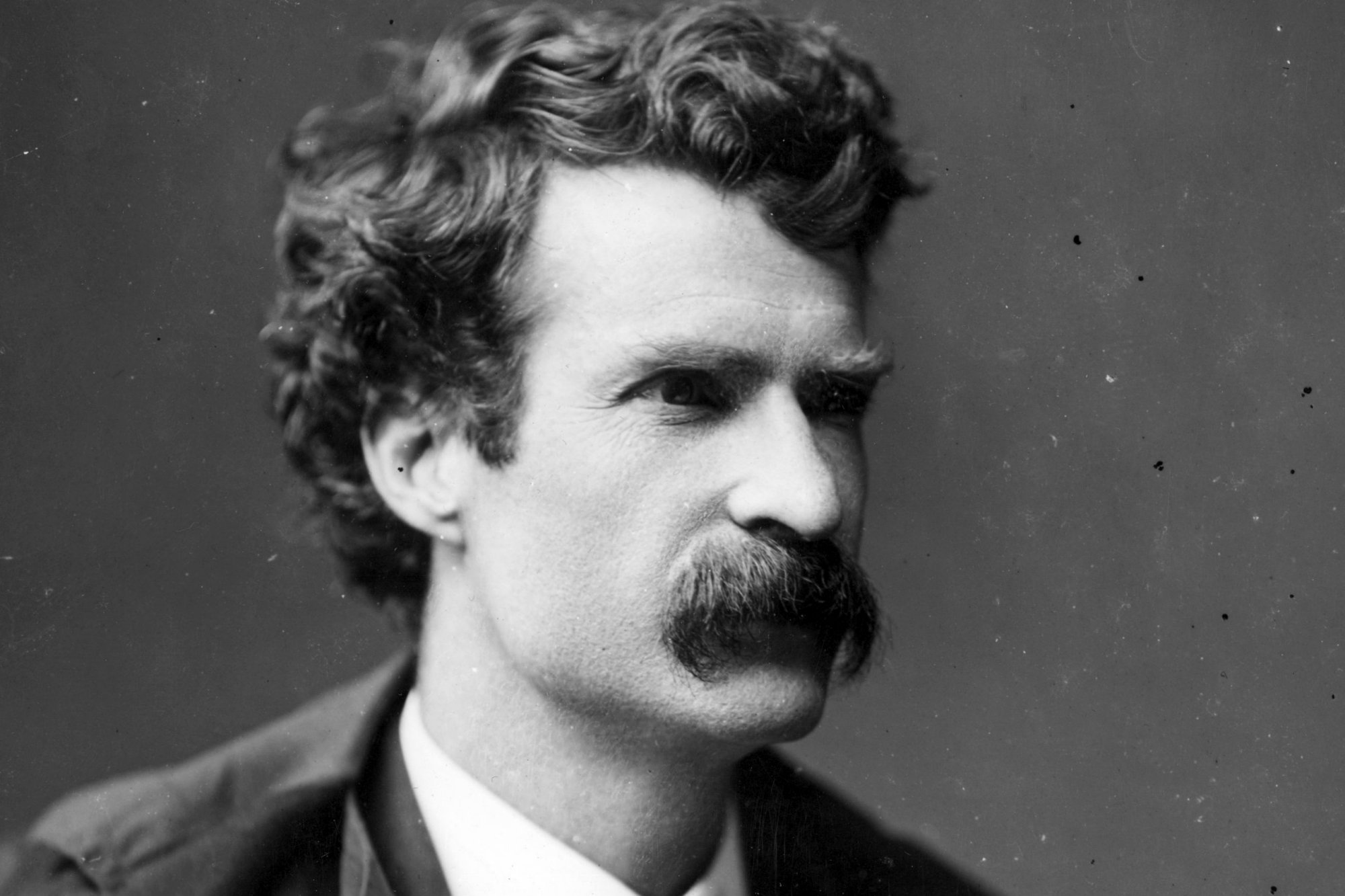
Twain

Now that anoth­er New Year’s Day has come around, we must once again ask our­selves: do we believe in New Year’s res­o­lu­tions, or don’t we? As with most insti­tu­tions, Mark Twain, that most quot­ed of all Amer­i­can humorists, both believed and did­n’t believe in them. Or maybe we could say that his lack of belief tran­scend­ed run-of-the-mill cyn­i­cism to become a kind of devout faith in human fol­ly itself.

Here we have a few words on the sub­ject from the man him­self, first pub­lished in the Jan­u­ary 1, 1863 edi­tion of the Ter­ri­to­r­i­al Enter­prise, the Vir­ginia City, Neva­da news­pa­per where the young Twain worked for a time:

Now is the accept­ed time to make your reg­u­lar annu­al good res­o­lu­tions. Next week you can begin paving hell with them as usu­al. Yes­ter­day, every­body smoked his last cig­ar, took his last drink, and swore his last oath. To-day, we are a pious and exem­plary com­mu­ni­ty. Thir­ty days from now, we shall have cast our ref­or­ma­tion to the winds and gone to cut­ting our ancient short com­ings con­sid­er­ably short­er than ever. We shall also reflect pleas­ant­ly upon how we did the same old thing last year about this time. How­ev­er, go in, com­mu­ni­ty. New Year’s is a harm­less annu­al insti­tu­tion, of no par­tic­u­lar use to any­body save as a scape­goat for promis­cu­ous drunks, and friend­ly calls, and hum­bug res­o­lu­tions, and we wish you to enjoy it with a loose­ness suit­ed to the great­ness of the occa­sion.

Twain made a career of skew­er­ing the count­less pieties of Amer­i­can life, and the cul­ture’s per­haps overzeal­ous spir­it of self-improve­ment pro­vid­ed him a vast and nev­er ful­ly deflat­able tar­get. His assess­ment feels as true today, and makes us laugh just as much today, as it must have 153 years ago. So keep enjoy­ing the friend­li­ness, fes­tiv­i­ty, and human com­e­dy of the New Year’s hol­i­day as Twain would have. If you do make a res­o­lu­tion, keep it to a man­age­able lev­el of moral­i­ty. And don’t for­get to revis­it the oth­er per­spec­tives on New Year’s we’ve pre­vi­ous­ly fea­tured from such oth­er cul­tur­al lumi­nar­ies as Neil Gaiman, Bob Dylan, Woody Guthrie, and Mar­i­lyn Mon­roe.

Relat­ed Con­tent:

The Sci­ence of Willpow­er: 15 Tips for Mak­ing Your New Year’s Res­o­lu­tions Last from Dr. Kel­ly McGo­ni­gal

A New Year’s Wish from Neil Gaiman

The Top 10 New Year’s Res­o­lu­tions Read by Bob Dylan

Woody Guthrie’s Doo­dle-Filled List of 33 New Year’s Res­o­lu­tions From 1943 in Life, Music| Jan­u­ary 1st, 2014

Mar­i­lyn Monroe’s Go-Get­ter List of New Year’s Res­o­lu­tions (1955)

Based in Seoul, Col­in Mar­shall writes and broad­casts on cities and cul­ture. He’s at work on a book about Los Ange­les, A Los Ange­les Primer, the video series The City in Cin­e­ma, the crowd­fund­ed jour­nal­ism project Where Is the City of the Future?, and the Los Ange­les Review of Books’ Korea Blog. Fol­low him on Twit­ter at @colinmarshall or on Face­book.

Patti Smith Creates a Detailed Packing List for Going on Tour: Haruki Murakami Books, Loquat Tea & More

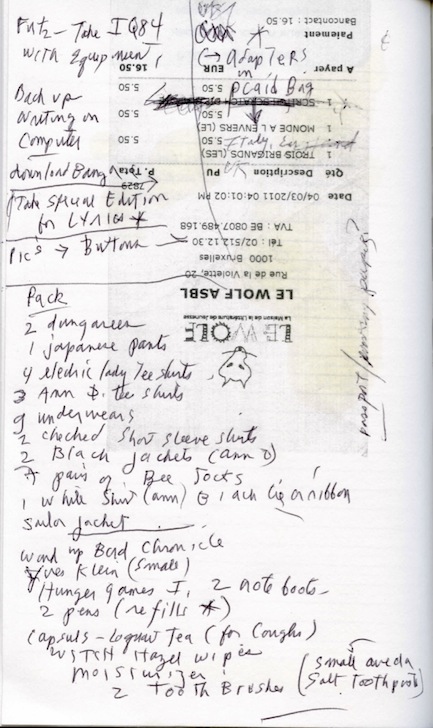
Patti Smith Packing List

Pack­ing lists are not inher­ent­ly punk rock.

But the hand­writ­ten pack­ing list God­moth­er of Punk Pat­ti Smith scrawled upside down on a pho­to­copied receipt from a children’s book­store on the eve of a 40-date Euro­pean tour comes close. One can kind of imag­ine her stuff­ing her adap­tors, her Japan­ese pants, and her “9 under­wears” into a shop­ping bag or a dirty day pack, using it as a pil­low in the back of the van…

Behold the real­i­ty, below.

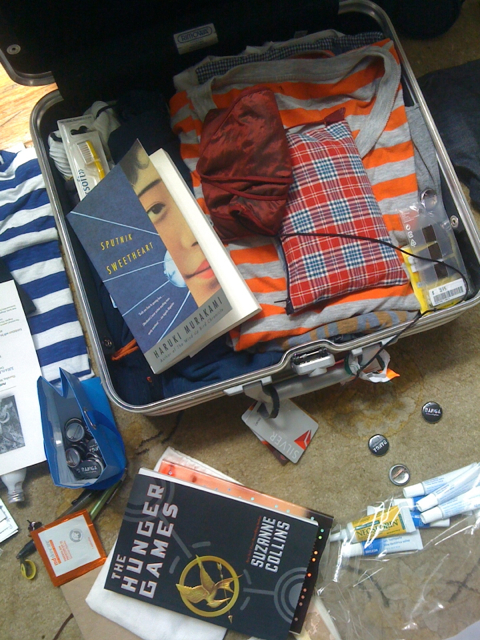
Patti Smith Suitcase

Smith’s hard shell case is kit­ted out with prac­ticed pre­ci­sion, its con­tents pared to the lean­est of  lux­u­ry-brand neces­si­ties to keep her hap­py and healthy on the road.

It’s not often you find a devo­tee of Ann Demeule­meester black jack­ets and $8 tooth­paste who’s will­ing to night­ly wring their socks and undies over a hotel room sink, but accord­ing to her Ban­ga tour diary, Smith is.

Oth­er essen­tials in Smith’s tour bag include loquat tea for her throat and plen­ty of read­ing mate­r­i­al. In addi­tion to the Hunger Games, she elect­ed to take along some old favorites from author Haru­ki Muraka­mi:

I decide this will be essen­tial­ly a Haru­ki Muraka­mi tour. So I will take sev­er­al of his books includ­ing the three vol­ume IQ84 to reread. He is a good writer to reread as he sets your mind to day­dream­ing while you are read­ing him. thus i always miss stuff.

Read­ers, use the com­ments sec­tion to let us know what indis­pens­able items you would pack when embark­ing on a 40-city tour with Pat­ti Smith.

via That Eric Alper

Relat­ed Con­tent:

Pat­ti Smith’s List of Favorite Books: From Rim­baud to Susan Son­tag

Pat­ti Smith Reviews Haru­ki Murakami’s New Nov­el, Col­or­less Tsuku­ru Taza­ki and His Years of Pil­grim­age

Pat­ti Smith Doc­u­men­tary Dream of Life Beau­ti­ful­ly Cap­tures the Author’s Life and Long Career (2008)

Ayun Hal­l­i­day is an author, illus­tra­tor, and Chief Pri­ma­tol­o­gist of the East Vil­lage Inky zine. Her play, Fawn­book, opens in New York City lat­er this fall. Fol­low her @AyunHalliday

« Go Back
Quantcast