Discovering Electronic Music: 1983 Documentary Offers a Fun & Educational Introduction to Electronic Music

The late six­ties and sev­en­ties pro­duced an explo­sion of elec­tron­ic music that arrived on the scene as an almost entire­ly new art form. So much so that when com­pos­er Wendy Car­los released an album of Bach com­po­si­tions played on the Moog syn­the­siz­er, it was as though she had invent­ed anoth­er genre of music, rather than played baroque pieces on a new instru­ment. We had fore­moth­ers like Delia Der­byshire, exper­i­men­tal bands like Sil­ver Apples and Sui­cide, inno­va­tors like Bri­an Eno and David Bowie and Kraftwerk, dis­co pio­neers like Gior­gio Moroder and Don­na Sum­mer… the list of elec­tron­ic musi­cians at work cre­at­ing the genre before the 1980s could go on and on.

You won’t learn any of that from the 1983 doc­u­men­tary above, Dis­cov­er­ing Elec­tron­ic Music, which is not at all to damn the short film; on the con­trary, what this pre­sen­ta­tion offers us is some­thing entire­ly dif­fer­ent from the usu­al sur­vey course in great men and women of com­mer­cial music. With an under­stat­ed, ped­a­gog­i­cal tone, Dis­cov­er­ing Elec­tron­ic Music gen­tly leads its view­ers through a thought­ful intro­duc­tion to elec­tron­ic music itself—what it con­sists of, how it dif­fers from acoustic music, what kind of equip­ment pro­duces it, and how that equip­ment works.

There are many musi­cians fea­tured here, but none of them stars. They demon­strate, with com­pe­ten­cy and pro­fes­sion­al­ism, the ways var­i­ous elec­tron­ic instru­ments and (now seem­ing­ly pre­his­toric) com­put­er sys­tems work. We do hear lots of clas­si­cal music played on syn­the­siz­ers, though not by the enig­mat­ic and reclu­sive Wendy Car­los. And we hear mod­ern com­po­si­tions as well, though few you’re like­ly to rec­og­nize, from “Jean-Claude Ris­set, Dou­glas Leedy, F.R. Moore, Stephan Soomil, Rory Kaplan, Ger­al Strang and more for­got­ten genius­es of ear­ly elec­tron­ic music,” writes Elec­tron­ic Beats.

Ear­ly in the film, its pre­sen­ter talks about the specif­i­cal­ly mod­ern appeal of elec­tron­ic music: com­posers can work direct­ly with sound like a sculp­tor or painter, rather than com­pos­ing on paper and wait­ing to hear that writ­ten music per­formed by musi­cians. Much of Dis­cov­er­ing Elec­tron­ic Music shows us com­posers and musi­cians doing just that, with the thor­ough­ly mat­ter-of-fact man­ner of the most com­pelling­ly dry pub­lic tele­vi­sion doc­u­men­taries and with the strange­ly sooth­ing qual­i­ty com­mon to both Mr. Rogers’ Neigh­bor­hood and Bob Ross’s paint­ing lessons. Like the sound of the ana­log syn­the­siz­ers and antique com­put­er sequencers it fea­tures, the doc­u­men­tary has an eerie beau­ty all its own.

Find more doc­u­men­taries in our col­lec­tion, 4,000+ Free Movies Online: Great Clas­sics, Indies, Noir, West­erns, Doc­u­men­taries & More.

via Elec­tron­ic Beats

Relat­ed Con­tent:

How the Moog Syn­the­siz­er Changed the Sound of Music

The His­to­ry of Elec­tron­ic Music in 476 Tracks (1937–2001)

Two Doc­u­men­taries Intro­duce Delia Der­byshire, the Pio­neer in Elec­tron­ic Music

Josh Jones is a writer and musi­cian based in Durham, NC. Fol­low him at @jdmagness

Julia Child Marathon: 201 Episodes of “The French Chef” Streaming Free (for a Limited Time)

julia child

Had to give you a quick heads up on this:

Twitch.tv is launch­ing a new Food Chan­nel. And it’s get­ting things going with a marathon stream­ing of all 201 episodes of Julia Child’s now leg­endary TV series “The French Chef.”

Today, Twitch Cre­ative is cel­e­brat­ing the joy of cook­ing with the launch of a brand new chan­nel ded­i­cat­ed to all things food! Twitch.tv/Food will show­case cook­ing con­tent 24/7 on Twitch Cre­ative, and we’re kick­ing things off with an almighty marathon of all 201 episodes of Julia Child’s clas­sic PBS cook­ing show, The French Chef.

If you click here, you can jump into the marathon view­ing here. Twitch has more info on the marathon here.

If you would like to sup­port the mis­sion of Open Cul­ture, con­sid­er mak­ing a dona­tion to our site. It’s hard to rely 100% on ads, and your con­tri­bu­tions will help us con­tin­ue pro­vid­ing the best free cul­tur­al and edu­ca­tion­al mate­ri­als to learn­ers every­where. You can con­tribute through Pay­Pal, Patre­on, and Ven­mo (@openculture). Thanks!

via Metafil­ter

Watch 30 Films from the 1970s by Computer Animation Pioneer Lillian F. Schwartz

In the 1970s and 80s, a cer­tain vivid, com­plex, and slight­ly fright­en­ing com­put­er-graph­ics aes­thet­ic rose in the zeit­geist. Though it has long passed into the realm of the retro, it remains imprint­ed on our minds, and we owe much of its look and feel to an artist named Lil­lian F. Schwartz. Trained in the art of Japan­ese cal­lig­ra­phy as a way of recov­er­ing from polio and lat­er brought into the high tech­no­log­i­cal fer­ment of late-1960s Bell Labs, Schwartz found her­self well-placed to define what human­i­ty would think of when they thought of the imagery gen­er­at­ed by these promis­ing new machines called com­put­ers.

Schwartz start­ed cre­at­ing a series of abstract films in the ear­ly 1970s, using not just com­put­ers but com­put­ers in com­bi­na­tion with lasers, pho­tographs, oil paints, and the full range of tra­di­tion­al film pho­tog­ra­phy and edit­ing gear.

You can watch 30 of her films on her web site, and at the top of this post you’ll find 1972’s Muta­tions. Schwartz’s site quotes the New York Times’ A.H. Weil­er as describ­ing its “chang­ing dots, ecto­plas­mic shapes and elec­tron­ic music” as “an eye-catch­ing view of the poten­tials of the new tech­niques.”


Video-art fans will know the Paik video-syn­the­siz­er, or at least they’ll know Paik: Nam June Paik, that is, the Kore­an video artist who did plen­ty of artis­tic-tech­no­log­i­cal pio­neer­ing of his own. Both he and Schwartz gave a great deal of thought to — and put a great deal of prac­tice into — push­ing the bound­aries of tech­nolo­gies whose con­ven­tion­al uses the rest of us had­n’t quite learned yet. You can see Schwartz doing exact­ly that in The Artist and the Com­put­er, the 1976 short doc­u­men­tary on her work, orig­i­nal­ly pro­duced for AT&T, just above.

You can read more about Schwartz, back at Bell Labs and today, in the arti­cle “Art at the Edge of Tomor­row” by Jer Thorp. “I find it’s still an awe­some expe­ri­ence to use a machine that — one can’t even fath­om the speed,” she says in The Artist and the Com­put­er as we watch her pass­ing rows and rows of hulk­ing main­frames with their racks of obscure periph­er­als and spin­ning reels of tape. “When you speak of nanosec­onds, you can’t even grasp how fast these machines can work.” They work much faster now, of course, and we’ve grown used to it, even jad­ed about it — but Schwartz’s films cap­ture our imag­i­na­tions, in their inven­tive and eerie way, more than ever.

You can watch 30 of Schwartz’s pio­neer­ing films here.

via Mono­skop

Relat­ed Con­tent:

Debussy’s Clair de lune: The Clas­si­cal Music Visu­al­iza­tion with 21 Mil­lion Views

The Ground­break­ing Sil­hou­ette Ani­ma­tions of Lotte Reiniger: Cin­derel­la, Hansel and Gre­tel, and More

Based in Seoul, Col­in Mar­shall writes and broad­casts on cities, lan­guage, and style. He’s at work on a book about Los Ange­les, A Los Ange­les Primer, the video series The City in Cin­e­ma, the crowd­fund­ed jour­nal­ism project Where Is the City of the Future?, and the Los Ange­les Review of Books’ Korea Blog. Fol­low him on Twit­ter at @colinmarshall or on Face­book.

Hear John Malkovich Read Plato’s “Allegory of the Cave,” Set to Music Mixed by Ric Ocasek, Yoko Ono & Sean Lennon, OMD & More

So, imag­ine that you’re John Malkovich. I know, you’ve seen this movie before, but hear me out: you’re one of the most ven­er­at­ed actors of your gen­er­a­tion. You are enter­ing your sixth decade and could prob­a­bly coast into your gold­en years on acco­lades and pres­tige parts. But do you rest on your lau­rels? Or do you become a mod­el and col­lab­o­ra­tor with pho­tog­ra­ph­er San­dro Miller, appear in an Eminem video… read Plato’s “Alle­go­ry of the Cave” over an ambi­ent piece of music called “Cryo­ge­nia X,” then have the results remixed by Yoko Ono and Sean Lennon, Ric Ocasek, new wave icons Orches­tral Maneu­vers in the Dark, and oth­er musi­cal leg­ends?

The answer is all of the above. You’re John Malkovich. You can do what­ev­er you want. “When I have an idea for some­thing,” says Malkovich, “I expect my col­lab­o­ra­tors to col­lab­o­rate on that idea and if some­one else has an idea, then I’ll cer­tain­ly col­lab­o­rate with them.” It’s that kind of dis­ci­plined, yet genial flex­i­bil­i­ty that made Malkovich per­fect for the role of him­self in Spike Jonze’s sur­re­al com­e­dy. Now the last of the projects in that extracur­ric­u­lar list above brings more sur­re­al­i­ty into Malkovich’s reper­toire, in the form of a dou­ble LP’s‑worth of dream­like recita­tions of Pla­to’s clas­si­cal myth, called Like a Pup­pet Show, released on Black Fri­day of last year.

With orig­i­nal music com­posed by Eric Alexan­drakis, the album came out on vinyl as a 2 LP pic­ture disk fea­tur­ing pho­tos from Malkovich and Miller’s pho­to project “Malkovich, Malkovich, Malkovich.” The col­lab­o­ra­tion recalls oth­er lit­er­ary musi­cal projects, such as Kurt Cobain and William S. Bur­roughs’ “The Priest They Called Him” (and Bur­roughs’ ear­li­er work with Throb­bing Gris­tle),  as well as a recent joint project on Walt Whitman’s Leaves of Grass, with Iggy Pop and elec­tron­ic com­pos­er Alva Noto. But there’s also a dis­ori­ent­ing strange­ness here those oth­er exper­i­ments lack.

Ono and Lennon’s ver­sion “Cry­olife 7:14,” the sec­ond track above, is, odd­ly, the most con­ven­tion­al of the three dig­i­tal uploads we get to hear for free. Malkovich reads a por­tion of the text straight through, over word­less moans from Yoko and psy­che­del­ic lounge music from Lennon. In OMD and Ric Ocasek’s ren­di­tions, how­ev­er, Malkovich’s voice gets cut-up into a series of dis­joint­ed sam­ples. Rather than tell a story—that ancient 2,500-year-old sto­ry from Plato’s Repub­lic about igno­rance and awakening—these pieces sug­gest painful pos­es, emo­tion­al shocks, repet­i­tive con­di­tions, and weird onto­log­i­cal angles. What does it all mean for Malkovich?

It’s hard to say. He’s more steeped in process than inter­pre­ta­tion. “Music,” says Malkovich, “cre­ates its own kind of dream state.” If there’s any polit­i­cal sub­text, you’ll have to sup­ply it your­self. Malkovich—who game­ly dressed as Che Gue­vara in one of his San­dro Miller recre­ations of famous pho­tographs—has also been described as “so Right-wing you have to won­der if he’s kid­ding.” We know, of course, how Yoko feels about things. It’s part of what makes the col­lab­o­ra­tion so fresh and compelling—it doesn’t feel like one of those “of course these peo­ple got togeth­er” projects that, while sat­is­fy­ing, can suf­fer the fate of the super­group: too many cooks.

Here, each collaborator—the 2,000-years-dead philoso­pher, the cel­e­brat­ed actor and pho­tog­ra­ph­er, and the leg­endary musicians—comes from such a dif­fer­ent realm of expe­ri­ence and tal­ent that their meet­ing seems more like a moun­tain­top con­fer­ence of wiz­ards than a celebri­ty jam ses­sion. If you like what you hear (and see), Malkovich, Alexan­drakis, and Miller promise more. They’ve found­ed a record label, Cryo­ge­nia, and plant to release more musical/photographic projects in the near future.

Relat­ed Con­tent:

Hear John Malkovich Read From Break­fast of Cham­pi­ons, Then Hear Kurt Von­negut Do the Same

Plato’s Cave Alle­go­ry Ani­mat­ed Mon­ty Python-Style

Two Ani­ma­tions of Plato’s Alle­go­ry of the Cave: One Nar­rat­ed by Orson Welles, Anoth­er Made with Clay

Orson Welles Nar­rates Plato’s Cave Alle­go­ry, Kafka’s Para­ble, and Free­dom Riv­er

Josh Jones is a writer and musi­cian based in Durham, NC. Fol­low him at @jdmagness

Watch David Bowie Star in His First Film Role, a Short Horror Flick Called The Image (1967)

Rock stars who became respect­ed actors… the pool is a small one, per­haps out­num­bered by the many musi­cians who have made less suc­cess­ful attempts at movie star­dom. But with­out a doubt, the for­mer cat­e­go­ry includes David Bowie. In his var­i­ous musi­cal guis­es, Bowie the cracked actor put to use the skills he honed for decades on movie after movie. Not every film is worth watch­ing, but near­ly every per­for­mance con­tains seeds of great­ness.

What you may not know is that Bowie the actor and Bowie the musi­cian grew up togeth­er. He had always been both, tak­ing his first film role in a short hor­ror flick, The Image, back in 1967, the same year he released his first, self-titled album. You can be for­giv­en for nev­er hear­ing about either. Nei­ther one made much of an impres­sion (and Bowie more or less dis­avowed the album). But the movie did have the rare dis­tinc­tion at the time of receiv­ing an X rat­ing. “I think it was the first short that got an X‑certificate,” says writer and direc­tor Michael Arm­strong, “for its vio­lence, which in itself was extra­or­di­nary.”

Tame by today’s stan­dards, the movie fea­tures 20-year-old Bowie as a paint­ing come to life. He got the part not because Armstrong—a fan of his first album—considered him “per­fect for the role. It was real­ly to give him a job.” Arm­strong described his star to The Wall Street Jour­nal as “very pret­ty” and “flir­ta­tious” and remem­bers Bowie’s impres­sive Elvis imper­son­ation. Bowie seems to have found the whole thing very fun­ny. On set, there were “a lot of issues with corpsing—bursting into laugh­ter dur­ing a take,” writes Metro.co.uk. When the film appeared in the­aters, view­ers expect­ed to see porn—not only because of its X‑rating but also because, writes Rolling Stone, it “briefly screened between two porn films at a Lon­don the­ater.” (The film’s star saw the movie by him­self in a the­ater filled with lone men in rain­coats.) Bowie, says Arm­strong, “thought it was hilar­i­ous.”

The Image has only recent­ly appeared online thanks to the WSJ, who received per­mis­sion from the David Bowie Archive to show it. You can watch the almost 14-minute film up top. (You can see a Youtube ver­sion below it.) Like Bowie’s first album, it may not her­ald the birth of a new star—his abil­i­ties as an actor may not have been ful­ly evi­dent until his first fea­ture-length star­ring part in The Man Who Fell to Earth. But as with music, so with act­ing: Bowie nev­er stopped work­ing at the craft, and the films that fell flat seemed only to inspire him to work hard­er and cre­ate even more ambi­tious char­ac­ters.

The Image will be added to our col­lec­tion, 4,000+ Free Movies Online: Great Clas­sics, Indies, Noir, West­erns, Doc­u­men­taries & More.

via The Wall Street Jour­nal/Metro

Relat­ed Con­tent:

A 17-Year-Old David Bowie Defends “Long-Haired Men” in His First TV Inter­view (1964)

Hear Demo Record­ings of David Bowie’s “Zig­gy Star­dust,” “Space Odd­i­ty” & “Changes”

How “Space Odd­i­ty” Launched David Bowie to Star­dom: Watch the Orig­i­nal Music Video From 1969

Josh Jones is a writer and musi­cian based in Durham, NC. Fol­low him at @jdmagness

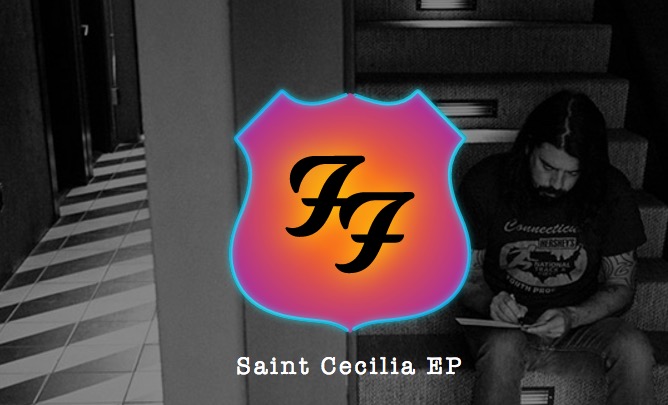
Download the Foo Fighters’ EP Saint Cecilia Free: MP3, FLAC, WAV, iTunes & Other Formats

saint cecilia

This one slipped by me some­how. So let me flag it, in case it slipped by you too. Late last year, The Foo Fight­ers released online a free EP called Saint Cecil­ia, part­ly as a way to thank their fans for their stead­fast sup­port, and part­ly to help raise mon­ey for the vic­tims of the hor­rif­ic attacks in ParisRecord­ed over the course of 11 days at the Hotel Saint Cecil­ia in Austin, Texas–a hotel named after the patron saint of musicians–the EP just became avail­able in vinyl. Spin mag­a­zine calls Saint Cecil­ia the “Foo Fight­ers’ best record in years.” You can down­load it in MP3, Flac, WAV, and iTunes for­mats here.

If you would like to sup­port the mis­sion of Open Cul­ture, con­sid­er mak­ing a dona­tion to our site. It’s hard to rely 100% on ads, and your con­tri­bu­tions will help us con­tin­ue pro­vid­ing the best free cul­tur­al and edu­ca­tion­al mate­ri­als to learn­ers every­where. You can con­tribute through Pay­Pal, Patre­on, and Ven­mo (@openculture). Thanks!

Relat­ed Con­tent:

Dave Grohl Shows How He Plays the Gui­tar As If It Were a Drum Kit

Hear Dave Grohl’s First Foo Fight­ers Demo Record­ings, As Kurt Cobain Did in 1992

1,000 Musi­cians Per­form Foo Fight­ers’ “Learn to Fly” in Uni­son in Italy; Dave Grohl Responds in Ital­ian

Lis­ten to The John Bon­ham Sto­ry, a Radio Show Host­ed by Dave Grohl


Hear the Musical Evolution of Frank Zappa in 401 Songs

zappa evolution

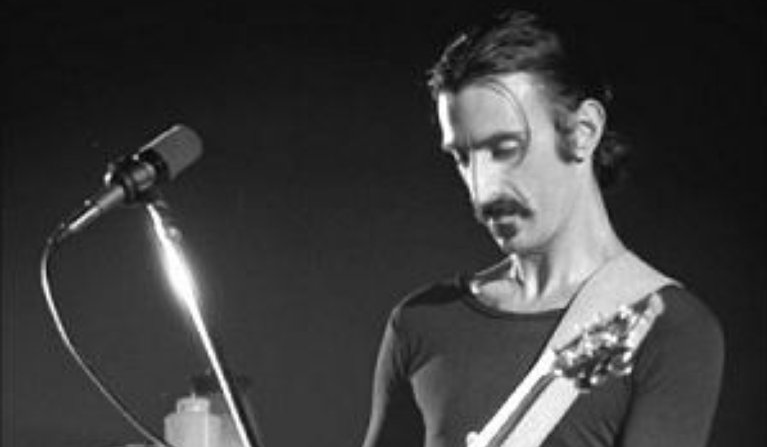
Image by Helge Øverås, via Wiki­me­dia Com­mons

“In spite of your insis­tence that you are not into Frank Zap­pa, avid fan Roger Von Lee believes that you would change your mind if you heard the right album. ‘You’re prej­u­diced, because the only Zap­pa you know is “Val­ley Girl” and “Don’t Eat The Yel­low Snow,“ ’ Von Lee says. ‘Seri­ous­ly, you need to check out Hot Rats or Absolute­ly Free. Zap­pa and the Moth­ers were at their peak, and Zap­pa’s jazz-rock fusion exper­i­ments pre­date Bitch­es Brew. That’ll total­ly con­vince you that Zap­pa’s the shit.’ ” Or so reports a brief dis­patch from The Onion, “Frank Zap­pa Fan Thinks You Just Haven’t Heard The Right Album,” which, like all their best work, res­onat­ed strong­ly with a cer­tain seg­ment of read­ers every­where.

Like any artist who cre­ates their own genre, Frank Zap­pa built up both a deeply loy­al fan fol­low­ing and almost as deep a resis­tance among those who nev­er found a way in. Or giv­en Zap­pa’s pro­lifi­ca­cy, which result­ed in more than six­ty albums record­ed with his band The Moth­ers of Inven­tion and oth­er­wise, maybe we should say he cre­at­ed sev­er­al of his own gen­res. And while this vast­ness and vari­ety makes Zap­pa’s body of work that much rich­er and more reward­ing to true believ­ers, it also makes it even more intim­i­dat­ing to the neo­phyte. If you want a sin­gle expe­ri­ence that will give you a strong sense of just what makes Zap­pa’s musi­cal jour­ney so weird and won­der­ful — and what keeps fans com­ing back more than a quar­ter-cen­tu­ry after the man’s death — have a lis­ten to this Spo­ti­fy playlist, Frank Zap­pa’s Musi­cal Evo­lu­tion (and if you don’t have Spo­ti­fy, you can down­load and reg­is­ter free):

The playlist first appeared as a guest post on Spo­ti­fy Clas­si­cal, whose feats of musi­cal cura­tion we’ve fea­tured before. “I assem­bled this playlist of 401 Zap­pa tracks that, for me, rep­re­sent his best and most acces­si­ble musi­cal com­po­si­tions,” writes cre­ator Kris Herb­st, adding a bit about his own musi­cal jour­ney: “I became a Zap­pa fan in 1969, at the age of 13, when I was turned on to the We’re Only In It For The Mon­ey album by my Boy Scout troop­mas­ter. Two years lat­er, I went to my first Zap­pa con­cert, when the band includ­ed Flo and Eddie and Ian Under­wood. Lis­ten­ing to Zap­pa helped open my mind to explor­ing a wide range of music, espe­cial­ly jazz.”

Feel free, as you lis­ten to these 401 songs, to browse all the Zap­pa-relat­ed mate­r­i­al we’ve pre­vi­ous­ly fea­tured linked below. And if you want to get a lit­tle more con­text, read the A.V. Club’s Frank Zap­pa primer, in which John Sem­ley writes that, “like most of the things that attract and nur­ture the atten­tion of pop-cul­ture obses­sives, Frank Zappa’s music is excep­tion­al­ly reward­ing. Zap­pa con­ceived of every­thing he did as part of a grand artis­tic mis­sion,” a “com­pre­hen­sive, total­iz­ing con­cept of art that ranged between albums, con­cert films, and even inter­views. Musi­cal phras­es, ideas, and even char­ac­ters reap­pear across albums, pro­vid­ing the­o­ret­i­cal and atti­tu­di­nal con­nec­tive tis­sue.”

And if that does­n’t intrigue you, well, just flip back to The Onion: “Von Lee added that if those two don’t get under your skin, he can rec­om­mend anoth­er 15 to 20 albums that will for sure.”

Relat­ed Con­tent:

Who the F*@% is Frank Zap­pa?: Kick­start the Mak­ing of the Defin­i­tive Frank Zap­pa Doc­u­men­tary

Stream 82 Hours of Frank Zap­pa Music: Free Playlists of Songs He Com­posed & Per­formed

Frank Zap­pa Debates Cen­sor­ship on CNN’s Cross­fire (1986)

Frank Zappa’s Exper­i­men­tal Adver­tise­ments For Luden’s Cough Drops, Rem­ing­ton Razors & Port­land Gen­er­al Elec­tric

The Night Frank Zap­pa Jammed With Pink Floyd … and Cap­tain Beef­heart Too (Bel­gium, 1969)

The Night John Lennon & Yoko Ono Jammed with Frank Zap­pa at the Fill­more East (1971)

When Frank Zap­pa & Miles Davis Played a Drug Deal­er and a Pimp on Mia­mi Vice


Based in Seoul, Col­in Mar­shall writes and broad­casts on cities, lan­guage, and style. He’s at work on a book about Los Ange­les, A Los Ange­les Primer, the video series The City in Cin­e­ma, the crowd­fund­ed jour­nal­ism project Where Is the City of the Future?, and the Los Ange­les Review of Books’ Korea Blog. Fol­low him on Twit­ter at @colinmarshall or on Face­book.

See the First “Drum Machine,” the Rhythmicon from 1931, and the Modern Drum Machines That Followed Decades Later

When I think of ear­ly drum machines, I think of the Roland TR-808, the machine that changed pop music in 1980. I also think of its sib­ling, the Boss DR-55, rivals like the E‑Mu Dru­mu­la­tor, and pre­de­ces­sors from the 60s and 70s like the Mae­stro Rhythm King. I do not think of the Rhyth­mi­con, nor did I know it had exist­ed until very recent­ly. I doubt many peo­ple have ever heard of it, yet it can prob­a­bly claim the title of the first drum machine—or at least first rhythm machine—ever built.

The machine came into being in 1931 when Amer­i­can com­pos­er Hen­ry Cow­ell—in search of a means of trans­lat­ing his increas­ing­ly com­pli­cat­ed rhyth­mic pieces—contracted Leon Theremin, inven­tor of the musi­cal device that bears his name. Theremin came up with the Rhyth­mi­con, “a quirky, clunky, key­board-based machine that was able to play com­plex polyrhythms in pre­cise loops,” writes Peter Hol­slin at the Red Bull Music Acad­e­my Dai­ly.

Although only three mod­els of the machine were ever produced—one now lost—and Cow­ell only wrote a cou­ple of pieces for the machine before los­ing inter­est, it remains, as musi­col­o­gist Mar­garet Schedel has point­ed out, “a con­cep­tu­al leap” in instru­ment design and a direct ances­tor of today’s rhythm and sequenc­ing tech­nol­o­gy. The Rhyth­mi­con was the first for­ay into what Schedel calls “inter­ac­tiv­i­ty,” mean­ing, Hol­slin writes that “you sim­ply press a key to acti­vate a sequence—much like you can do today with the arpeg­gia­tor of a key­board….” The Rhyth­mi­con used pho­to­elec­tric tech­nol­o­gy:

The keys were each con­nect­ed to a light that turned on when you pressed them. The lights then shined through a sequence of holes punched into two discs that rotat­ed via a motor. On the oth­er side of the discs was a pho­to­elec­tric sen­sor that, when acti­vat­ed by the pat­terns of light, sent the Rhythmicon’s unique sig­nals to a tube amp and thus to a speak­er and out to daz­zled audi­ences.

Audi­ences may have been impressed by the oper­a­tion, but they were con­sid­er­ably less daz­zled by the sound of the thing. One review­er in 1932 described its range of tones as “a cross between a grunt and a snort” up to “an Indi­an war whoop.” As the video above shows, the third ver­sion of the machine—built by Theremin in the 60s from junk parts—“sounds like it’s mak­ing geese calls.”

Oth­er, lat­er rhythm machines were designed specif­i­cal­ly to recre­ate live drums, rather than sim­ply make rhyth­mic sounds. One notable entry in the his­to­ry of drum machines is the Cham­ber­lin Rhyth­mate, a tape loop drum machine designed in 1949 by Har­ry Chamberlin’s key­board com­pa­ny. Meant to accom­pa­ny an organ play­er, the device con­sist­ed of 14 tape loop record­ings of real acoustic jazz drum kits, along with per­cus­sion instru­ments like claves, cas­tanets, and bon­gos. If you’re famil­iar with the work­ings of anoth­er ear­ly elec­tron­ic instrument—one that caught on in pop music thanks to the Bea­t­les—you’ll rec­og­nize the mech­a­nism here as near­ly iden­ti­cal to that of the Mel­lotron. Cham­ber­lin invent­ed that strange, lat­er elec­tron­ic instru­ment using the same tech­nol­o­gy as he had for the Rhyth­mate.

After the Rhyth­mate came the Wurl­itzer Side­man, designed for the same purpose—to give organ­ists a rhythm sec­tion. Cre­at­ed ten years lat­er in 1959, the Side­man is known as the first mass-pro­duced drum machine. (The Rhyth­mate sold at most 100 mod­els in the six­ties.) Its tech­nol­o­gy recalls that of the Rhythmicon—it uses a series of vac­u­um tubes that pro­duce a “sequenced” sound as a rotat­ing met­al disc makes con­tact with them. And as you can hear in the demo above, the Side­man hard­ly seems to be an improve­ment on Chamberlain’s tape loop machine; though its con­trols have much more vari­a­tion, the machine’s oper­a­tion is also much nois­i­er, in an almost indus­tri­al way. We’ve like­ly all seen vari­a­tions on this design in old organs from the 60s and 70s, which began to come stan­dard with some form of elec­tro-mechan­i­cal drum machine built in.

It would take near­ly a decade after the Side­man for the devel­op­ment of drum machines that musi­cians deemed wor­thy of using as fea­tured instru­ments. One such, the Vox Per­cus­sion King from 1966, became inte­gral to one of the defin­ing moments in elec­tron­ic pop, Kraftwerk’s “Auto­bahn” (above) from 1974. By the ear­ly eight­ies, the flood­gates of drum machine tech­nol­o­gy had opened, and dozens of com­mer­cial mod­els burst onto the scene. But despite all its short­com­ings, that very first rhythm machine, the home­ly Rhyth­mi­con, set mod­ern music on the road to “inter­ac­tiv­i­ty,” as Schedel writes, extend­ing “performer’s musi­cal capac­i­ties” and “antic­i­pat­ing the inter­ac­tive com­put­er music move­ment by sev­er­al decades.” Yet anoth­er rea­son to remem­ber the genius of Leon Theremin.

Relat­ed Con­tent:

All Hail the Beat: How the 1980 Roland TR-808 Drum Machine Changed Pop Music

Rick Wake­man Tells the Sto­ry of the Mel­lotron, the Odd­ball Pro­to-Syn­the­siz­er Pio­neered by the Bea­t­les

Meet the “Tel­har­mo­ni­um,” the First Syn­the­siz­er (and Pre­de­ces­sor to Muzak), Invent­ed in 1897

Sovi­et Inven­tor Léon Theremin Shows Off the Theremin, the Ear­ly Elec­tron­ic Instru­ment That Could Be Played With­out Being Touched (1954)

Josh Jones is a writer and musi­cian based in Durham, NC. Fol­low him at @jdmagness


« Go BackMore in this category... »
Quantcast