See the First “Drum Machine,” the Rhythmicon from 1931, and the Modern Drum Machines That Followed Decades Later

When I think of ear­ly drum machines, I think of the Roland TR-808, the machine that changed pop music in 1980. I also think of its sib­ling, the Boss DR-55, rivals like the E‑Mu Dru­mu­la­tor, and pre­de­ces­sors from the 60s and 70s like the Mae­stro Rhythm King. I do not think of the Rhyth­mi­con, nor did I know it had exist­ed until very recent­ly. I doubt many peo­ple have ever heard of it, yet it can prob­a­bly claim the title of the first drum machine—or at least first rhythm machine—ever built.

The machine came into being in 1931 when Amer­i­can com­pos­er Hen­ry Cow­ell—in search of a means of trans­lat­ing his increas­ing­ly com­pli­cat­ed rhyth­mic pieces—contracted Leon Theremin, inven­tor of the musi­cal device that bears his name. Theremin came up with the Rhyth­mi­con, “a quirky, clunky, key­board-based machine that was able to play com­plex polyrhythms in pre­cise loops,” writes Peter Hol­slin at the Red Bull Music Acad­e­my Dai­ly.

Although only three mod­els of the machine were ever produced—one now lost—and Cow­ell only wrote a cou­ple of pieces for the machine before los­ing inter­est, it remains, as musi­col­o­gist Mar­garet Schedel has point­ed out, “a con­cep­tu­al leap” in instru­ment design and a direct ances­tor of today’s rhythm and sequenc­ing tech­nol­o­gy. The Rhyth­mi­con was the first for­ay into what Schedel calls “inter­ac­tiv­i­ty,” mean­ing, Hol­slin writes that “you sim­ply press a key to acti­vate a sequence—much like you can do today with the arpeg­gia­tor of a key­board….” The Rhyth­mi­con used pho­to­elec­tric tech­nol­o­gy:

The keys were each con­nect­ed to a light that turned on when you pressed them. The lights then shined through a sequence of holes punched into two discs that rotat­ed via a motor. On the oth­er side of the discs was a pho­to­elec­tric sen­sor that, when acti­vat­ed by the pat­terns of light, sent the Rhythmicon’s unique sig­nals to a tube amp and thus to a speak­er and out to daz­zled audi­ences.

Audi­ences may have been impressed by the oper­a­tion, but they were con­sid­er­ably less daz­zled by the sound of the thing. One review­er in 1932 described its range of tones as “a cross between a grunt and a snort” up to “an Indi­an war whoop.” As the video above shows, the third ver­sion of the machine—built by Theremin in the 60s from junk parts—“sounds like it’s mak­ing geese calls.”

Oth­er, lat­er rhythm machines were designed specif­i­cal­ly to recre­ate live drums, rather than sim­ply make rhyth­mic sounds. One notable entry in the his­to­ry of drum machines is the Cham­ber­lin Rhyth­mate, a tape loop drum machine designed in 1949 by Har­ry Chamberlin’s key­board com­pa­ny. Meant to accom­pa­ny an organ play­er, the device con­sist­ed of 14 tape loop record­ings of real acoustic jazz drum kits, along with per­cus­sion instru­ments like claves, cas­tanets, and bon­gos. If you’re famil­iar with the work­ings of anoth­er ear­ly elec­tron­ic instrument—one that caught on in pop music thanks to the Bea­t­les—you’ll rec­og­nize the mech­a­nism here as near­ly iden­ti­cal to that of the Mel­lotron. Cham­ber­lin invent­ed that strange, lat­er elec­tron­ic instru­ment using the same tech­nol­o­gy as he had for the Rhyth­mate.

After the Rhyth­mate came the Wurl­itzer Side­man, designed for the same purpose—to give organ­ists a rhythm sec­tion. Cre­at­ed ten years lat­er in 1959, the Side­man is known as the first mass-pro­duced drum machine. (The Rhyth­mate sold at most 100 mod­els in the six­ties.) Its tech­nol­o­gy recalls that of the Rhythmicon—it uses a series of vac­u­um tubes that pro­duce a “sequenced” sound as a rotat­ing met­al disc makes con­tact with them. And as you can hear in the demo above, the Side­man hard­ly seems to be an improve­ment on Chamberlain’s tape loop machine; though its con­trols have much more vari­a­tion, the machine’s oper­a­tion is also much nois­i­er, in an almost indus­tri­al way. We’ve like­ly all seen vari­a­tions on this design in old organs from the 60s and 70s, which began to come stan­dard with some form of elec­tro-mechan­i­cal drum machine built in.

It would take near­ly a decade after the Side­man for the devel­op­ment of drum machines that musi­cians deemed wor­thy of using as fea­tured instru­ments. One such, the Vox Per­cus­sion King from 1966, became inte­gral to one of the defin­ing moments in elec­tron­ic pop, Kraftwerk’s “Auto­bahn” (above) from 1974. By the ear­ly eight­ies, the flood­gates of drum machine tech­nol­o­gy had opened, and dozens of com­mer­cial mod­els burst onto the scene. But despite all its short­com­ings, that very first rhythm machine, the home­ly Rhyth­mi­con, set mod­ern music on the road to “inter­ac­tiv­i­ty,” as Schedel writes, extend­ing “performer’s musi­cal capac­i­ties” and “antic­i­pat­ing the inter­ac­tive com­put­er music move­ment by sev­er­al decades.” Yet anoth­er rea­son to remem­ber the genius of Leon Theremin.

Relat­ed Con­tent:

All Hail the Beat: How the 1980 Roland TR-808 Drum Machine Changed Pop Music

Rick Wake­man Tells the Sto­ry of the Mel­lotron, the Odd­ball Pro­to-Syn­the­siz­er Pio­neered by the Bea­t­les

Meet the “Tel­har­mo­ni­um,” the First Syn­the­siz­er (and Pre­de­ces­sor to Muzak), Invent­ed in 1897

Sovi­et Inven­tor Léon Theremin Shows Off the Theremin, the Ear­ly Elec­tron­ic Instru­ment That Could Be Played With­out Being Touched (1954)

Josh Jones is a writer and musi­cian based in Durham, NC. Fol­low him at @jdmagness


Some Joy for Your Ears: New Orleans Brass Band Plays Life-Affirming Cover of Marvin Gaye’s “Sexual Healing”

As the title sug­gests and the lyrics con­firm, Mar­vin Gaye’s 1982 R&B hit “Sex­u­al Heal­ing” had but one thing on its mind.

The Hot 8 Brass Band, above, brings an added dimen­sion to this—forgive me—seminal song, trans­form­ing it into some­thing joy­ous and life affirm­ing.

They deserve it. In their 20-year career, the band has weath­ered a stag­ger­ing array of hard­ships. Sev­er­al mem­bers have died unex­pect­ed­ly and way too soon, includ­ing 17-year-old trum­pet play­er, Jacob John­son, exe­cut­ed dur­ing a home inva­sion, and a 22-year-old trom­bon­ist, Joseph Williams, who was shot by the New Orleans police offi­cers who stopped him en route to play a church funer­al. Anoth­er band mem­ber lost both of his legs in a hor­rif­ic acci­dent. The group was dis­placed by Hur­ri­cane Kat­ri­na, which dam­aged their homes, killed one member’s grand­moth­er and brought a halt to pay­ing gigs.

Brass has heal­ing pow­ers too, to a degree that became appar­ent when the band returned to New Orleans, play­ing free, spur-of-the-moment shows for Kat­ri­na evac­uees still stew­ing in shel­ters around the city. The media took note, set­ting off a chain reac­tion that led to an appear­ance in Spike Lee’s doc­u­men­tary, When The Lev­ees Broke. Their UK record label, Tru Thoughts, signed them on the strength of their “Sex­u­al Heal­ing” cov­er.

As Ben­nie Pete, Hot 8’s band leader and tuba play­er, told Esquire:

When real­i­ty strikes like that you can’t real­ly do noth­in’ but be stronger. We got stronger from it. We leaned on each oth­er. The music has been there to help us. You have to rise to the occa­sion. And then you keep answer­ing ques­tions, being inter­viewed about it. You got­ta keep reliv­ing it. But on the oth­er side, you under­stand that peo­ple who aren’t from New Orleans wan­na know what we’re going through, they’re con­cerned. So it’s our duty, part of our job to be able to suck it up and deal with it, and spread it to the world. It hurts you on the inside to keep on reliv­ing these sit­u­a­tions but you owe it to your mates, to get their life sto­ries out there as far as you can.

I expe­ri­enced some queasi­ness mid­way through the video, when the band leaves their sparse­ly pop­u­lat­ed out­door rehearsal area for a more pub­lic thor­ough­fare. I saw plen­ty of enthu­si­asm among the gath­ered crowd, but no black faces out­side of the band’s.

Uh…

A lit­tle research reveals that the video was shot not in New Orleans (where I have nev­er been), but while the band’s 20th Anniver­sary tour paused in Brighton (Eng­land) where Tru Thoughts is based.

Not want­i­ng to be guilty I checked the cen­sus records. In 2011, Brighton was 94.3% white, with the Black and Black British com­mu­ni­ty con­sti­tut­ing just 0.8% of the non-white pop­u­la­tion. And while geo­graph­i­cal­ly, it’s not exact­ly the oppo­site end of the earth from New Orleans, it is far enough that Pete can claim the video as a metaphor for how far the band has come:

It is a great moment cap­tured, and it also shows as a band we are deter­mined to live out our dreams and for­tu­nate enough to be able to share them with the world; a lot of brass bands, and oth­er musi­cians for that mat­ter, for some rea­son or anoth­er do not get the oppor­tu­ni­ty to do so.… And the ulti­mate to top it off is to be trav­el­ling inter­na­tion­al­ly while doing it, you know, being a few black kids from a lit­tle town down south in New Orleans, to go from prac­tis­ing our music in a local park to trav­el­ling abroad play­ing sold out shows is a beau­ti­ful thing to say the least.

To round off the anniver­sary cel­e­bra­tion, Tru Thoughts recent­ly released an album of “Sex­u­al Heal­ing” Hot 8 remix­es. It’s a love­ly idea, this trib­ute, but for me, Hot 8’s posi­tion is secure. So for that mat­ter Gaye’s (whose orig­i­nal video is below).

Spo­ti­fy users can lis­ten to the “Sex­u­al Heal­ing Remix­es” for free here.

Relat­ed Con­tent:

Mar­vin Gaye’s Clas­sic Vocals on ‘I Heard it Through the Grapevine’: The A Cap­pel­la Ver­sion

Guns N’ Ros­es “Sweet Child O’ Mine” Retooled as 1920s New Orleans Jazz

Miles Davis Cov­ers Michael Jackson’s “Human Nature” (1983)

Ayun Hal­l­i­day is an author, illus­tra­tor, and Chief Pri­ma­tol­o­gist of the East Vil­lage Inky zine.  Fol­low her @AyunHalliday

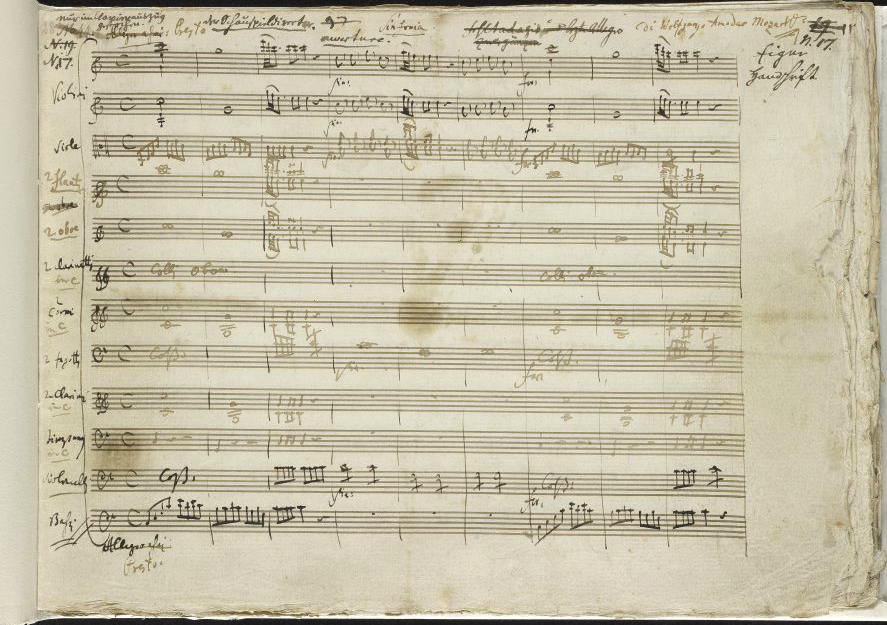
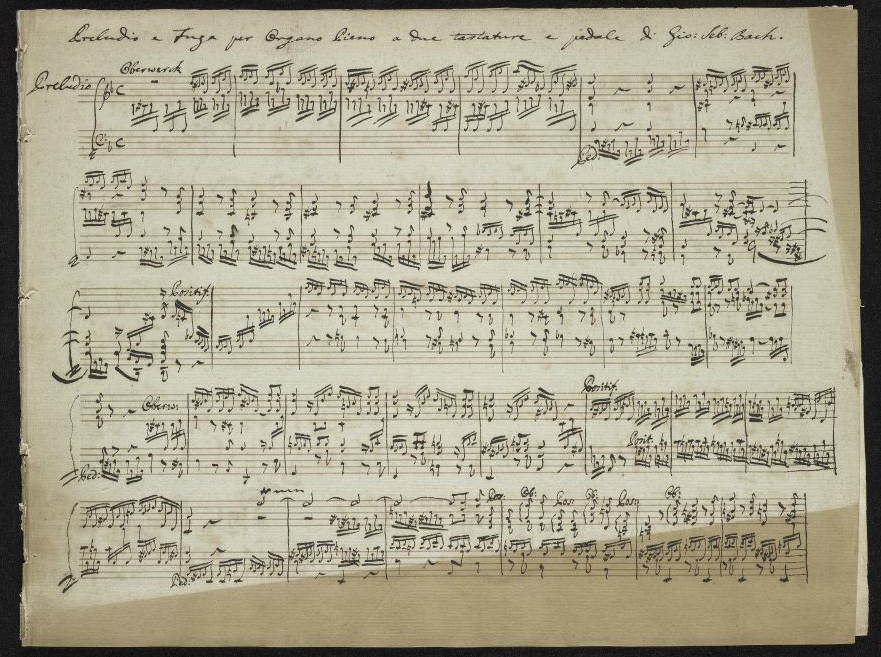
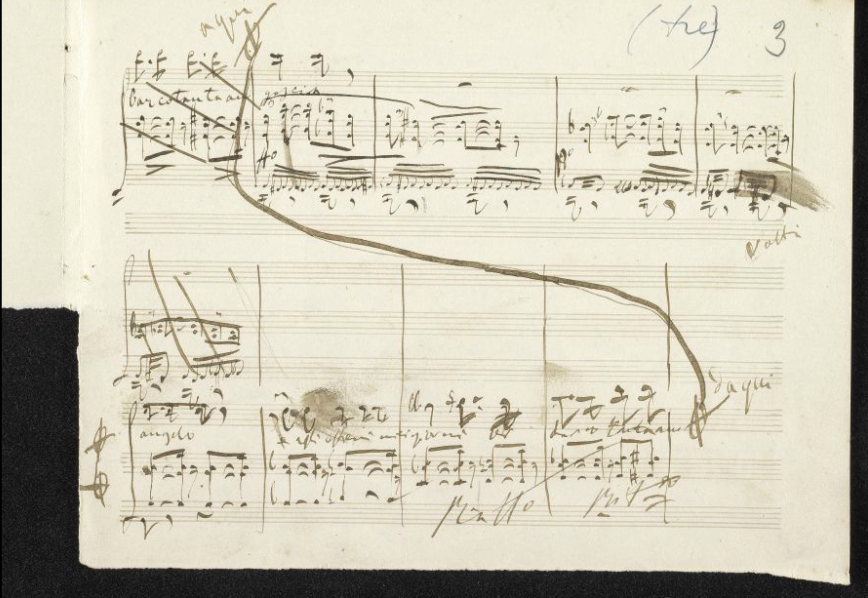
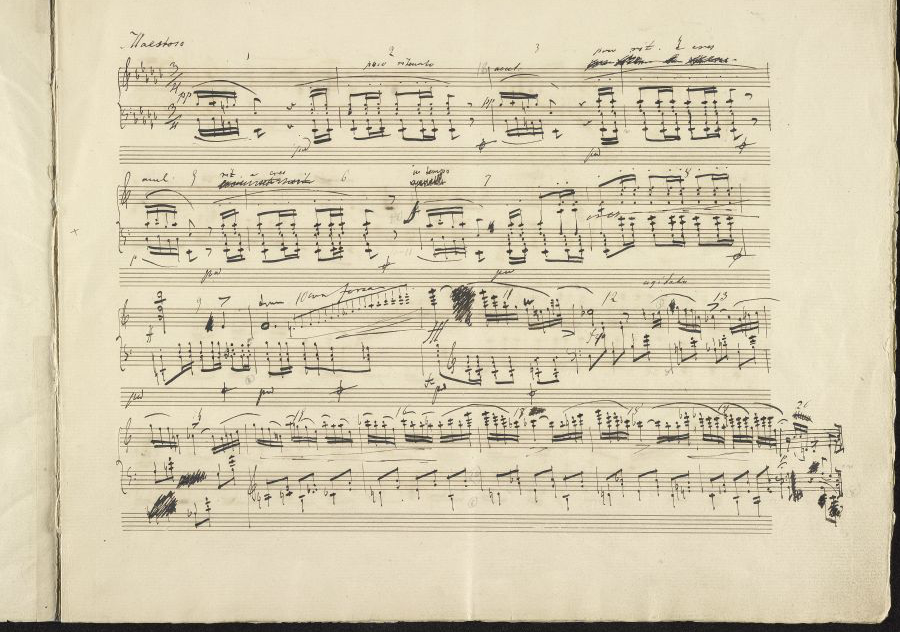
Free: Download 500+ Rare Music Manuscripts by Mozart, Bach, Chopin & Other Composers from the Morgan Library

mozart 1

When my son first start­ed play­ing the piano, I lost sev­er­al evenings chas­ing the holy grail of free online sheet music. Sad­ly, most of what we were inter­est­ed in down­load­ing wasn’t real­ly free… just the first page.

It’s hard to ratio­nal­ize drop­ping five bucks on one song, when the New York Pub­lic Library for the Per­form­ing Arts is a short sub­way ride away. The prob­lem is, I’m not much of a musi­cian, and while there are scores and scores of scores upon their shelves, I rarely under­stood what it was I was check­ing out. Often I’d come home with the sought after piece, only to real­ize that I’d inad­ver­tent­ly checked out a vocal selec­tion, or the chord-rich equiv­a­lent of a cock­tail pianist’s fake book.

With the Mor­gan Library’s Music Man­u­scripts Online project, there’s no guar­an­tee my son or I will be able to play it, but I do know exact­ly what I’m get­ting.

The hand­writ­ten man­u­script of Mozart’s com­ic singspiel, Der Schaus­pieldirek­tor,  above, for instance, auto­graphed by the com­pos­er him­self. 84 pages worth, not count­ing cov­ers and end­pa­pers, all free for the down­load­ing!

Put that on your iPad, Mr. Salieri!

The col­lec­tion cur­rent­ly offers dig­i­tized ver­sions of upwards of 500 musi­cal man­u­scripts, with more to come as the review­ing process con­tin­ues.

It’s search­able by com­pos­er, and big names abound.

bach 2

Per­haps you’d like to warm up the Wurl­tiz­er with Bach’s Toc­ca­ta and Fugue for Organ, BWV 538, in D minor

puccini

Or let all your opera singing, bal­let danc­ing friends know you’re avail­able to accom­pa­ny them with Puccini’s auto­graphed man­u­script for Le Vil­li

chopin

Or cir­cum­nav­i­gate the scrib­bled out boo boos, while attempt­ing Chopin’s Polon­ais­es, Piano, Op. 26. Chopin’s John Han­cock is the reward.

The hits just keep com­ing: Beethoven, Brahms, Debussy, Fau­ré, Haydn, Liszt, Mahler, Massenet, Mendelssohn, Schu­bert, Schu­mann…

Mendelssohn

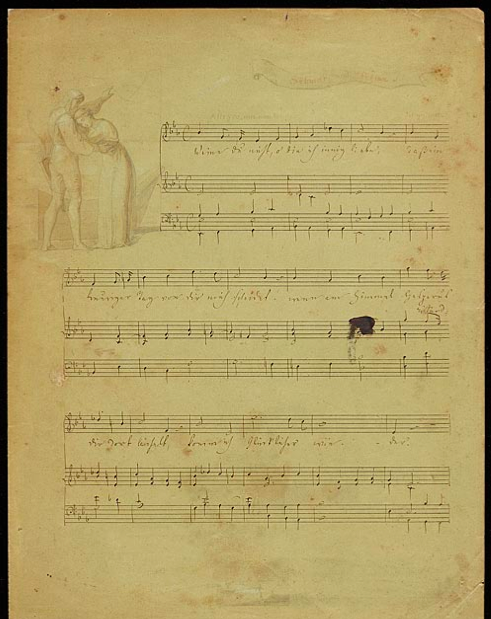
Not sur­pris­ing­ly, female com­posers are gross­ly under­rep­re­sent­ed, but there are a few gems, such as Mendelssohn’s sis­ter Fan­ny Hensel’s auto­graphed man­u­script of the song Sel­mar und Sel­ma, dec­o­rat­ed with a pret­ty pen­cil and wash draw­ing by her hus­band

The Mor­gan has plans to add essays about the man­u­scripts by lead­ing schol­ars. In the mean­time, pick a piece and start prac­tic­ing.

Relat­ed Con­tent:

The World Con­cert Hall: Lis­ten To The Best Live Clas­si­cal Music Con­certs for Free

85,000 Clas­si­cal Music Scores (and Free MP3s) on the Web

All of Bach for Free! New Site Will Put Per­for­mances of 1080 Bach Com­po­si­tions Online

Ayun Hal­l­i­day is an author, illus­tra­tor, and Chief Pri­ma­tol­o­gist of the East Vil­lage Inky zine. Fol­low her @AyunHalliday

Who’s Out There?: Orson Welles Narrates a Documentary Asking Whether There’s Extraterrestrial Life in the Universe (1975)

Does intel­li­gent life exist else­where in the uni­verse? The ques­tion has cap­ti­vat­ed humankind for cen­turies upon cen­turies; long before the X‑Files pop­u­lar­ized the dec­la­ra­tion, we’ve want­ed to believe. But this curios­i­ty-dri­ven desire goes hand-in-hand with mor­tal fear: what if intel­li­gent life does exist else­where in the uni­verse, and it decides to come to Earth and exter­mi­nate us? Turn-of-the-cen­tu­ry sci-fi mas­ter H.G. Wells tapped into that emo­tion­al cur­rent with The War of the Worlds; forty years lat­er, Orson Welles tapped it deep­er still with his adap­ta­tion of Wells’ nov­el, “a cer­tain noto­ri­ous radio broad­cast which some of you may remem­ber.”

That’s how Welles puts it from the nar­ra­tor’s seat of Who’s Out There?, a half-hour tele­vi­sion doc­u­men­tary orig­i­nal­ly broad­cast in 1971. “It starts off strong with its Doc­tor Who-esque cred­its sequence,” writes io9’s Katharine Tren­da­cos­ta. “Then Welles talks about becom­ing friends with H.G. Wells after his infa­mous War of the Worlds radio play. Then they inter­view peo­ple who had been scared by the broad­cast. It gets bare­ly more nor­mal as it goes on. Once Carl Sagan showed up, my head explod­ed.”

I lis­tened to Welles’ War of the Worlds over and over again on tape as a kid, but by that time it had already passed into the realm of his­tor­i­cal arti­fact. When Who’s Out There? debuted, how­ev­er, that infa­mous Hal­loween broad­cast had aired less than 35 years before (Who’s Out There? itself, by com­par­i­son, aired 45 years ago), so the fright it caused remained in liv­ing mem­o­ry. Even more recent­ly, David Bowie had cap­i­tal­ized artis­ti­cal­ly on a new wave of out­er-space fas­ci­na­tion with “Space Odd­i­ty” in 1969 and, more direct­ly, “Life on Mars?” two years lat­er.

“Life on Mars?” acts as more or less the ani­mat­ing ques­tion of this doc­u­men­tary, which both exam­ines the then-cur­rent evi­dence for such a phe­nom­e­non, on the Red Plan­et or else­where, and pon­ders why we so often assume that vis­i­tors from out­er space will come with malev­o­lent inten­tions. (Welles won­ders aloud if it has to do with our hav­ing named Mars after the Roman god of war, and I sup­pose he has a point.) Still, our curios­i­ty has­n’t gone away, as evi­denced by Exo­Mars, the joint mis­sion of the Euro­pean Space Agency and the Russ­ian Fed­er­al Space Agency which today launch­es probes out to search for, yes, life on mars. If who­ev­er’s out there won’t come to us, well then, we’ll just have to go to them.

Find more doc­u­men­taries in our col­lec­tion, 4,000+ Free Movies Online: Great Clas­sics, Indies, Noir, West­erns, Doc­u­men­taries & More.

via io9

Relat­ed Con­tent:

Orson Welles Meets H.G. Wells in 1940: The Leg­ends Dis­cuss War of the Worlds, Cit­i­zen Kane, and WWII

Leonard Nimoy Nar­rates Short Film About NASA’s Dawn: A Voy­age to the Ori­gins of the Solar Sys­tem

The Great Leonard Nimoy Reads H.G. Wells’ Sem­i­nal Sci-Fi Nov­el The War of the Worlds

Carl Jung’s Fas­ci­nat­ing 1957 Let­ter on UFOs

Free NASA eBook The­o­rizes How We Will Com­mu­ni­cate with Aliens

Future Shock: Orson Welles Nar­rates a 1972 Film About the Per­ils of Tech­no­log­i­cal Change

Based in Seoul, Col­in Mar­shall writes and broad­casts on cities, lan­guage, and style. He’s at work on a book about Los Ange­les, A Los Ange­les Primer, the video series The City in Cin­e­ma, the crowd­fund­ed jour­nal­ism project Where Is the City of the Future?, and the Los Ange­les Review of Books’ Korea Blog. Fol­low him on Twit­ter at @colinmarshall or on Face­book.

“The only thing necessary for the triumph of evil is for good men to do nothing,” a Quote Falsely Attributed to Edmund Burke

edmund burke

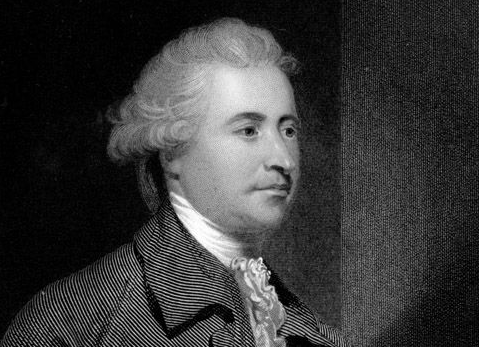
“The only thing nec­es­sary for the tri­umph of evil is for good men to do noth­ing.” It’s a quote rou­tine­ly attrib­uted to Edmund Burke. But it turns out false­ly so. Appar­ent­ly, he nev­er uttered these words. At best, the essence of the quote can be traced back to the util­i­tar­i­an philoso­pher John Stu­art Mill, who deliv­ered an 1867 inau­gur­al address at the Uni­ver­si­ty of St. Andrews and stat­ed: “Let not any one paci­fy his con­science by the delu­sion that he can do no harm if he takes no part, and forms no opin­ion. Bad men need noth­ing more to com­pass their ends, than that good men should look on and do noth­ing. He is not a good man who, with­out a protest, allows wrong to be com­mit­ted in his name, and with the means which he helps to sup­ply, because he will not trou­ble him­self to use his mind on the sub­ject.”

If you came to this page look­ing for Burke to help sup­port ideas of social upheaval, we’d sug­gest watch­ing the video below, or bet­ter yet read­ing Reflec­tions on the Rev­o­lu­tion in France, a fun­da­men­tal text in the canon of con­ser­v­a­tive lit­er­a­ture where Burke cau­tioned against abrupt or vio­lent social change.

If you would like to sign up for Open Culture’s free email newslet­ter, please find it here. It’s a great way to see our new posts, all bun­dled in one email, each day.

If you would like to sup­port the mis­sion of Open Cul­ture, con­sid­er mak­ing a dona­tion to our site. It’s hard to rely 100% on ads, and your con­tri­bu­tions will help us con­tin­ue pro­vid­ing the best free cul­tur­al and edu­ca­tion­al mate­ri­als to learn­ers every­where. You can con­tribute through Pay­Pal, Patre­on, and Ven­mo (@openculture). Thanks!

Relat­ed Con­tent:

1,700 Free Online Cours­es from Top Uni­ver­si­ties

A His­to­ry of Ideas: Ani­mat­ed Videos Explain The­o­ries of Simone de Beau­voir, Edmund Burke & Oth­er Philoso­phers

What Books Did Wun­derkind Philoso­pher J.S. Mill Read Between Ages 3 and 7?: Plato’s Apol­o­gy (in Ancient Greek), Cer­vantes’ Don Quixote & Much More

Jere­my Bentham’s Mum­mi­fied Body Is Still on Display–Much Like Oth­er Aging British Rock Stars

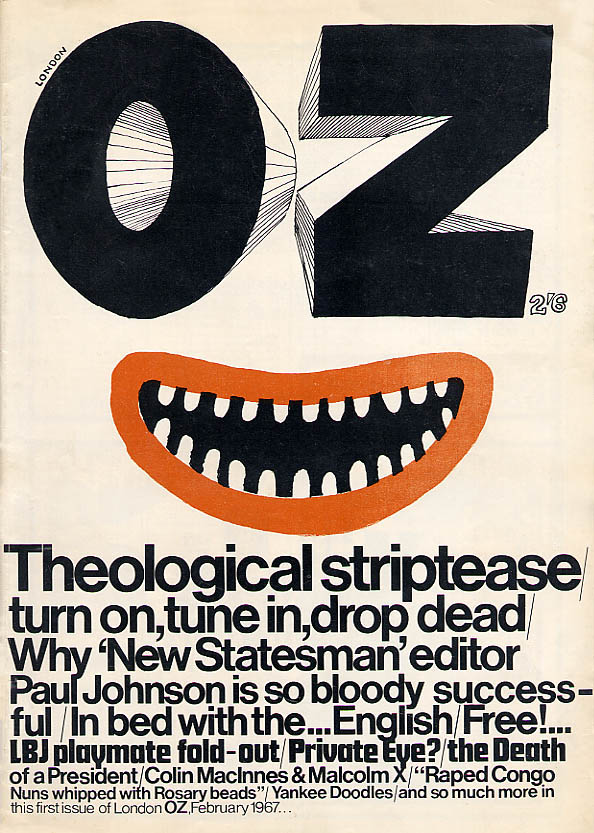
Download the Complete Archive of Oz, “the Most Controversial Magazine of the 60s,” Featuring R. Crumb, Germaine Greer & More

OZ4

“If you remem­ber the six­ties,” goes the famous and var­i­ous­ly attrib­uted quo­ta­tion, “you weren’t real­ly there.” And, psy­cho­log­i­cal after-effects of first-hand expo­sure to that era aside, increas­ing­ly many of us weren’t born any­where near in time to take part.

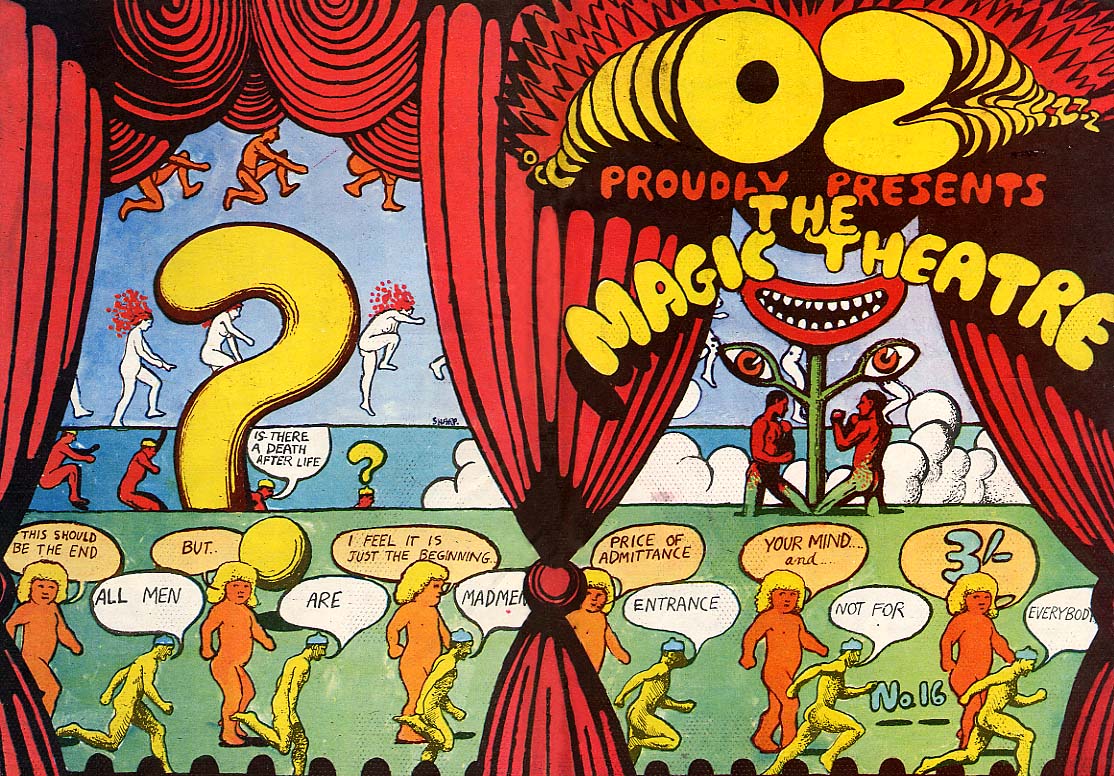
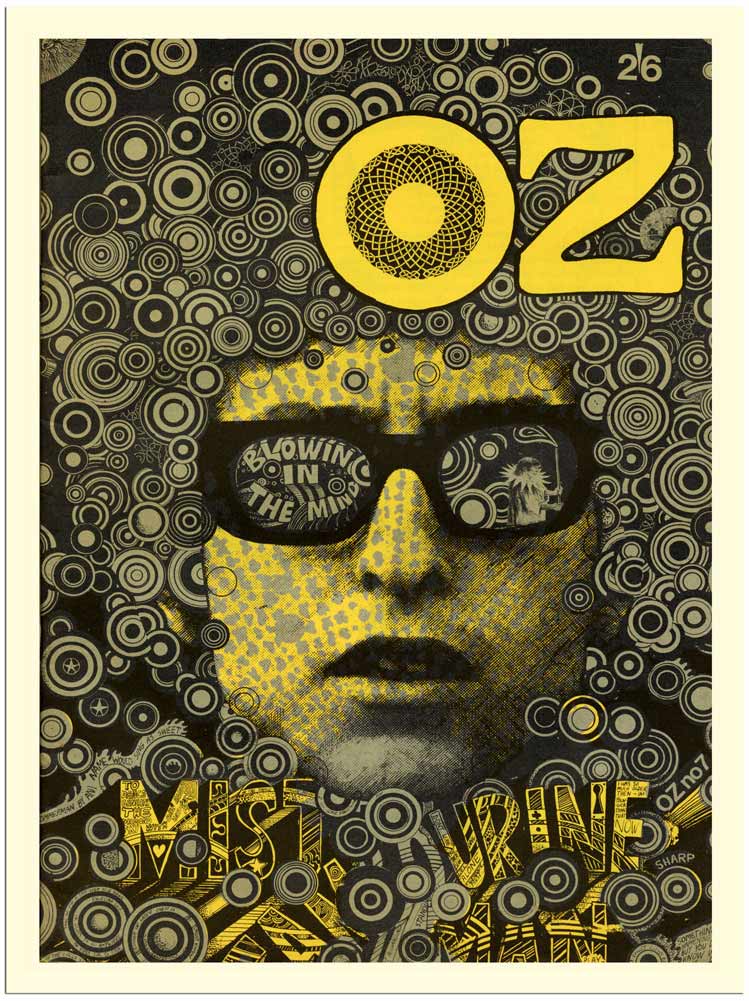
Those of us from the wrong place or the wrong time have had to draw what under­stand­ing of the six­ties we could from that much-mythol­o­gized peri­od’s music and movies, as well as the cloudy reflec­tions of those who lived through it (or claimed to). But now we can get a much more direct sense through the com­plete dig­i­tal archives of Oz, some­times called the most con­tro­ver­sial mag­a­zine of the six­ties.

oz dylan

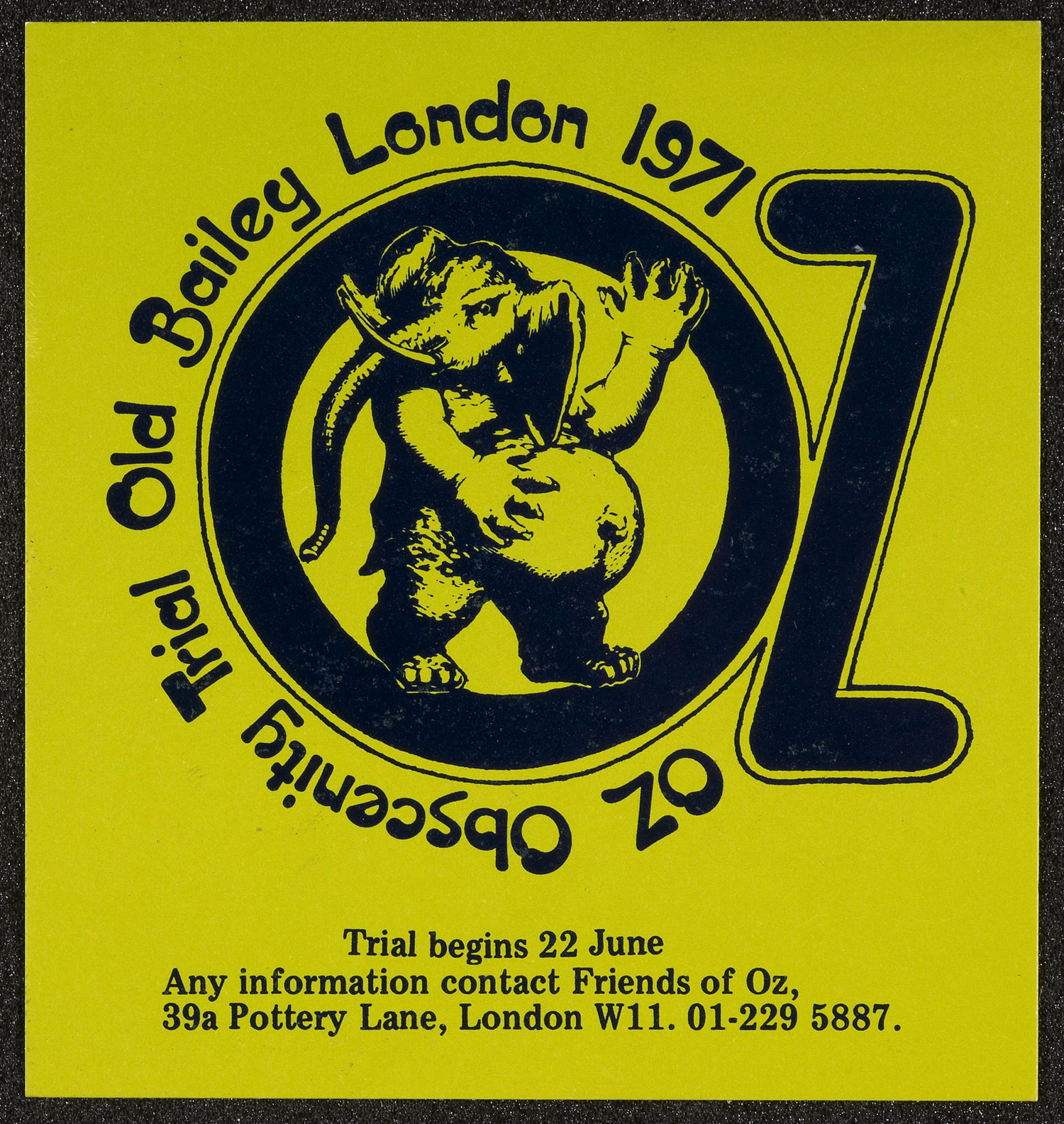
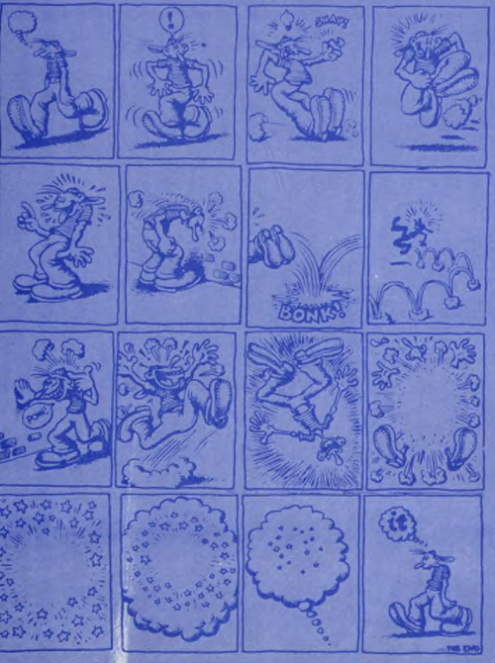
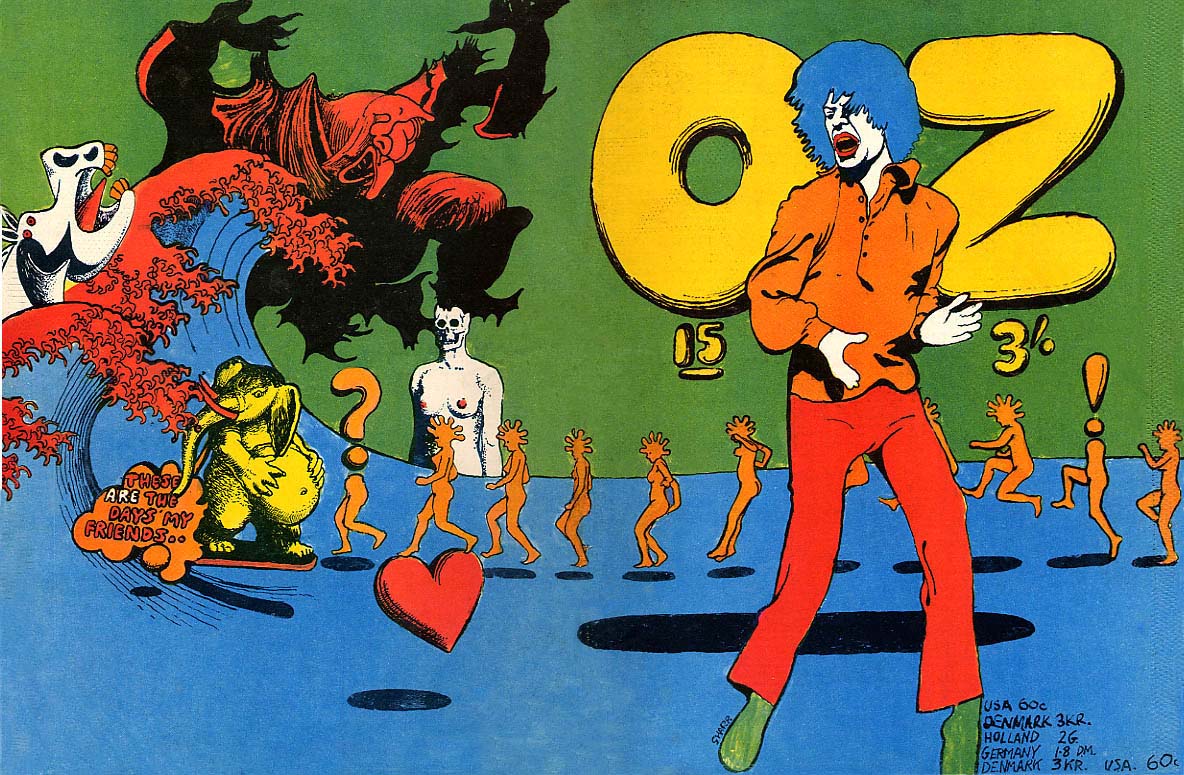
In The Guardian, Chi­tra Ramaswamy describes the Lon­don mag­a­zine as “the icon – and the enfant ter­ri­ble – of the under­ground press. Pro­duced in a base­ment flat off Not­ting Hill Gate, Oz was soon renowned for psy­che­del­ic cov­ers by pop artist Mar­tin Sharp, car­toons by Robert Crumb, rad­i­cal fem­i­nist man­i­festos by Ger­maine Greer, and any­thing else that would send the estab­lish­ment apoplec­tic. By August 1971, it had been the sub­ject of the longest obscen­i­ty tri­al in British his­to­ry. It doesn’t get more 60s than that.” Even its print run, which began in 1967 and end­ed in 1973, per­fect­ly brack­ets the peri­od peo­ple real­ly talk about when they talk about the six­ties.

OZ2

The online archive has gone up at the web site of the Uni­ver­si­ty of Wol­lon­gong, who two years ago put up a sim­i­lar dig­i­tal col­lec­tion of all the issues of Oz’s epony­mous satir­i­cal pre­de­ces­sor pro­duced in Syd­ney. “Please be advised,” notes the front page, “this col­lec­tion has been made avail­able due to its his­tor­i­cal and research impor­tance. It con­tains explic­it lan­guage and images that reflect atti­tudes of the era in which the mate­r­i­al was orig­i­nal­ly pub­lished, and that some view­ers may find con­fronting.” And while Oz today would­n’t like­ly get into the kind of deep and high-pro­file legal trou­ble it did back then — in addi­tion to the famous 1971 tri­al for the Lon­don ver­sion, the Syd­ney one got hit with two obscen­i­ty charges dur­ing the pre­vi­ous decade — the sheer trans­gres­sive zeal on dis­play all over the mag­a­zine’s pages in its hey­day still impress­es.

OZ3

“Fifty years lat­er, it’s impor­tant as a cap­sule of the times, but also as a work of art,” says Michael Organ, a library man­ag­er at the uni­ver­si­ty, in the Guardian arti­cle. “Oz is a record of the cul­tur­al rev­o­lu­tion. Many of the issues it raised, such as the envi­ron­ment, sex­u­al­i­ty and drug use, are no longer con­tentious. In fact, they have now become main­stream.”

Oz Crumb Cartoon

All this goes for the delib­er­ate­ly provoca­tive edi­to­r­i­al con­tent — the stuff some view­ers may find “con­fronting” — as well as the inci­den­tal con­tent: ads for nov­els by Hen­ry Miller and Jean Genet, “dates com­put­er matched to your per­son­al­i­ty and tastes,” a machine promis­ing “a hot line to infinity/journey through the incred­i­ble land­scapes of your mind/kaleidoscopic mov­ing chang­ing image on which your mind projects its own changing/stun your­self & aston­ish friends,” and the “liq­uid lux­u­ry” of the Aquar­ius Water Bed. It does not, indeed, get more six­ties than that. Enter the Oz archive here.

oz15cov

Relat­ed Con­tent:

Tonite Let’s All Make Love in Lon­don (1968): An Insider’s View of 60s Lon­don Coun­ter­cul­ture

R. Crumb Describes How He Dropped LSD in the 60s & Instant­ly Dis­cov­ered His Artis­tic Style

The Con­fes­sions of Robert Crumb: A Por­trait Script­ed by the Under­ground Comics Leg­end Him­self (1987)

62 Psy­che­del­ic Clas­sics: A Free Playlist Cre­at­ed by Sean Lennon

Based in Seoul, Col­in Mar­shall writes and broad­casts on cities, lan­guage, and style. He’s at work on a book about Los Ange­les, A Los Ange­les Primer, the video series The City in Cin­e­ma, the crowd­fund­ed jour­nal­ism project Where Is the City of the Future?, and the Los Ange­les Review of Books’ Korea Blog. Fol­low him on Twit­ter at @colinmarshall or on Face­book.

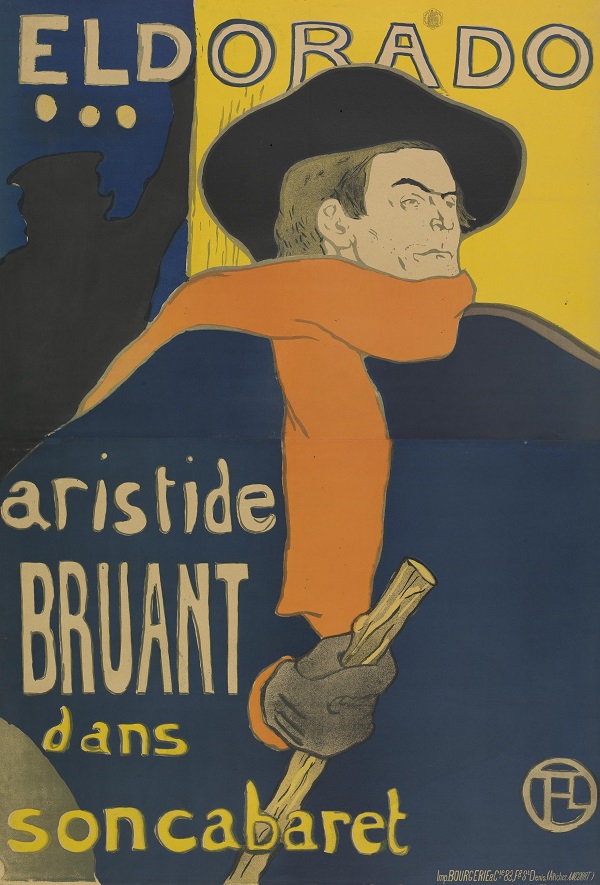
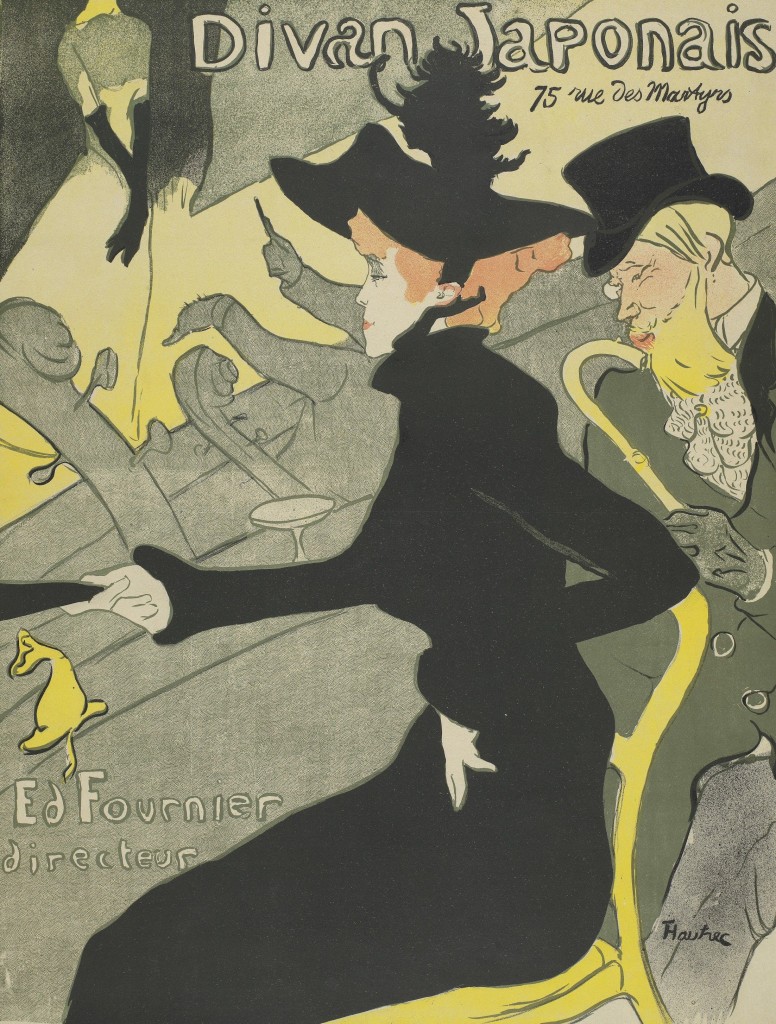
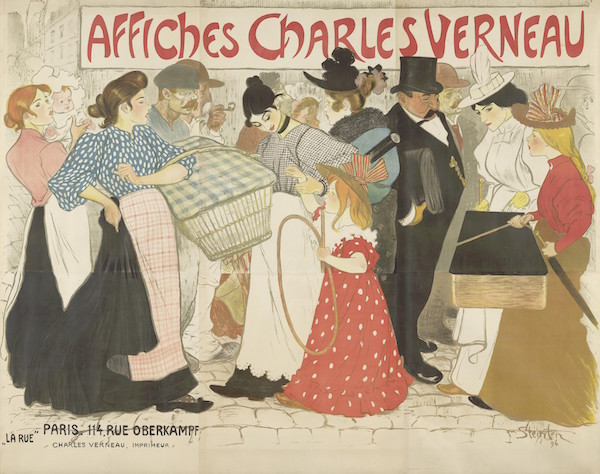
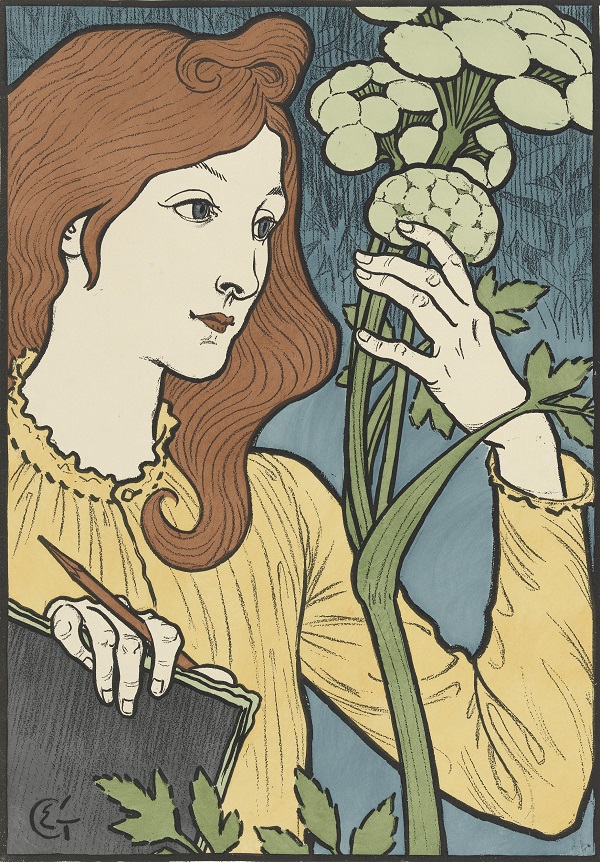
Download 1800 Fin de Siècle French Posters & Prints: Iconic Works by Toulouse-Lautrec & Many More

Eldorado

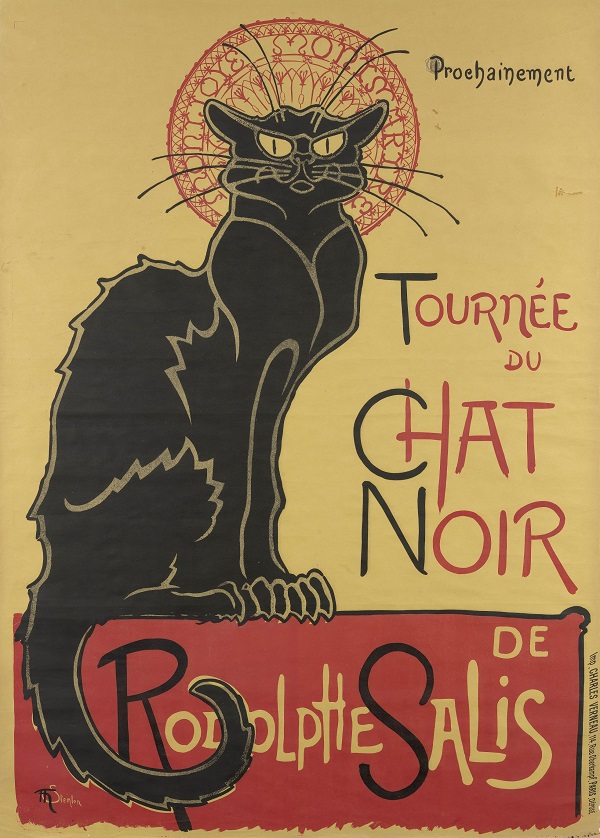
Théophile Stein­len’s poster for Le Chat Noir, Leonet­to Cap­piel­lo’s adver­tise­ment for Café Mar­tin, Hen­ri de Toulouse-Lautrec’s por­traits of the cabaret singer Aris­tide Bru­ant — through these and oth­er much-repro­duced and often-seen images, we’ve all gained some famil­iar­i­ty, how­ev­er uncon­scious, with the art of the fin de siè­cle French print.

But even so, most of us have seen only a small frac­tion of all the strik­ing works of art a late-nine­teenth-cen­tu­ry Parisian would have encoun­tered on the streetscape every day. Until they invent a time machine to drop us straight into the cul­tur­al vibran­cy of that time and place, we’ve got the next best thing in the form of the Van Gogh Muse­um’s online French print col­lec­tion.

“In France, until the mid-nine­teenth cen­tu­ry, the art of print­mak­ing had been used pri­mar­i­ly to repro­duce exist­ing works of art in print, such as paint­ings and sculp­tures, so that they could be avail­able for a broad pub­lic,” says the muse­um’s announce­ment of the online col­lec­tion, which opened in Feb­ru­ary.

french poster3

But in the sec­ond half of the nine­teenth cen­tu­ry, “as artists began to exper­i­ment with the medi­um as a fer­tile mode of cre­ative expres­sion, each print came to be con­sid­ered a work of art in its own right.” In the aes­thet­i­cal­ly explo­sive years between 1890 to 1905, “a new gen­er­a­tion of artists took up the art of print­mak­ing as a mod­ern medi­um,” dri­ven by a “fas­ci­na­tion for mod­ern life, includ­ing the scin­til­lat­ing Paris nightlife, Japan­ese wood­block prints, and the inti­mate domes­tic lifestyle of the well-to-do bour­geois.”

Affiches Charles Verneau

The online col­lec­tion offers not just high-res­o­lu­tion images of near­ly 1800 prints, posters, and books from this move­ment, but infor­ma­tion that “reveals and elab­o­rates on innu­mer­able artis­tic and his­tor­i­cal con­nec­tions using inter­ac­tive tags and hyper­links,” shed­ding light on the “tight­ly knit com­mu­ni­ty” of the Parisian print world, whose “each indi­vid­ual print is con­nect­ed with count­less oth­er prints in many dif­fer­ent ways,” from shared influ­ences to sub­jects to artis­tic tech­niques to types of paper — and even to clients, who quick­ly real­ized the com­mer­cial val­ue of all the eye-catch­ing qual­i­ties pio­neered in this rev­o­lu­tion in repro­ducible visu­al art.

Chat Noir

You can browse the col­lec­tion in a vari­ety of ways with its index: by artists like SteinlenToulouse-Lautrec, or Paul Gau­guin; by tech­nique like wood­cut, aquatint, or pho­togravure; by theme like beau­tynightlife, or cap­i­tal­ism; and even by object type, from books to play­bills to all those still-eye-catch­ing adver­tise­ments. To Fran­cophiles, Paris has long stood as a place where even the busi­ness­men care about art. Pre­sum­ably the cof­fee com­pa­nies, eater­ies, bars, music halls, and pub­lish­ers who com­mis­sioned so many of these posters had at least a cer­tain regard for it, but if only they knew what a good bar­gain they were get­ting in pur­chas­ing the atten­tion of con­sumers for about 120 years and count­ing. Enter the com­plete online col­lec­tion of prints here, or click here to see some high­lights.

Salon des Cent

Relat­ed Con­tent:

Down­load 2,000 Mag­nif­i­cent Turn-of-the-Cen­tu­ry Art Posters, Cour­tesy of the New York Pub­lic Library

René Magritte’s Ear­ly Art Deco Adver­tis­ing Posters, 1924–1927

Adver­tise­ments from Japan’s Gold­en Age of Art Deco

Beau­ti­ful, Col­or Pho­tographs of Paris Tak­en 100 Years Ago—at the Begin­ning of World War I & the End of La Belle Époque

Based in Seoul, Col­in Mar­shall writes and broad­casts on cities, lan­guage, and style. He’s at work on a book about Los Ange­les, A Los Ange­les Primer, the video series The City in Cin­e­ma, the crowd­fund­ed jour­nal­ism project Where Is the City of the Future?, and the Los Ange­les Review of Books’ Korea Blog. Fol­low him on Twit­ter at @colinmarshall or on Face­book.

Who the F*@% is Frank Zappa?: Kickstart the Making of the Definitive Frank Zappa Documentary

You may know Alex Win­ter best for his role as Bill S. Pre­ston, Esq. in the 1989 film Bill & Ted’s Excel­lent Adven­ture. But nowa­days, many years lat­er, he’s mak­ing films. And if we can help out, he’ll soon be mak­ing the defin­i­tive doc­u­men­tary of Frank Zap­pa’s life.

On Kick­starter this week, Win­ter announced:

Frank Zap­pa is one of the strangest, most amaz­ing and influ­en­tial fig­ures of our era, but his defin­i­tive sto­ry has nev­er been told.

Now, for the first time, the Zap­pas have giv­en us com­plete, unre­strict­ed access to the con­tents of Frank’s pri­vate vault, and their full bless­ing and sup­port, to tell his sto­ry.

But before we can fin­ish telling his sto­ry, we have to cat­a­log, save, dig­i­tize, and pre­serve a vast archive of unre­leased audio, video, images, doc­u­ments and more.

Togeth­er we can save Frank’s vault.

And when we do, we’ll have every­thing we need to answer the ques­tion:

Who the F*@% is Frank Zap­pa?

Just a few days into the Kick­starter cam­paign, Win­ter has already raised rough­ly half ($231,000) of the total amount ($500,000) need­ed to move for­ward with the project.

Through con­tri­bu­tions large or small, you can help with the oth­er half, and make sure that the defin­i­tive Zap­pa doc­u­men­tary sees the light of day. Con­tribute here.

Relat­ed Con­tent:

Stream 82 Hours of Frank Zap­pa Music: Free Playlists of Songs He Com­posed & Per­formed

Frank Zap­pa Debates Cen­sor­ship on CNN’s Cross­fire (1986)

A Young Frank Zap­pa Turns the Bicy­cle into a Musi­cal Instru­ment on The Steve Allen Show (1963)

by | Permalink | Make a Comment ( 1 ) |

« Go BackMore in this category... »
Quantcast