Watch 222 Great Films in the Public Domain: Alfred Hitchcock, Fritz Lang, Buster Keaton & More

Want to learn about film his­to­ry? You can take a class on the sub­ject, where you’ll like­ly need a copy of Kristin Thomp­son and David Bor­d­well’s stan­dard text Film His­to­ry: An Intro­duc­tion, and pos­si­bly the com­pan­ion book, Film Art: An Intro­duc­tion. These are phe­nom­e­nal resources writ­ten by two top-notch schol­ars who have spent their lives watch­ing and ana­lyz­ing films, and should you have the time and mon­ey to study their com­pre­hen­sive intro­duc­tions, by all means do so. But of course, there’s no sub­sti­tute for actu­al­ly watch­ing the hun­dreds of films they ref­er­ence, from the ear­ly days of the medi­um through its many re-visions and inno­va­tions in the 20th cen­tu­ry.

But why, ask Thomp­son and Bor­d­well, “should any­body care about old movies?” The obvi­ous answer is that they “offer intense artis­tic expe­ri­ences or pen­e­trat­ing visions of human life in oth­er times and places.” Anoth­er key schol­ar­ly the­sis these the­o­rists advance is that in study­ing nar­ra­tive film his­to­ry, we see the devel­op­ment of film (and lat­er, by exten­sion, tele­vi­sion, video games, and oth­er visu­al media) as an inter­na­tion­al visu­al language—one near­ly every­one on the plan­et learns to read from a very young age.

In films like The Great Train Rob­bery (1903) and the tech­ni­cal­ly ground­break­ing, if nar­ra­tive­ly deplorable, Birth of a Nation (1915), we see the cre­ation and refine­ment of cross-cut­ting as an essen­tial cin­e­mat­ic tech­nique used in every visu­al sto­ry­telling medi­um. In Georges Méliès’ bril­liant fan­tasies A Trip to the Moon (1902) and The Impos­si­ble Voy­age (1904), we see the joy­ful ori­gins of the spe­cial effects film. In Sergei Eisenstein’s Bat­tle­ship Potemkin (1925), we see mon­tage the­o­ry brought to life onscreen. And in the many films of Alfred Hitch­cock, we see the inge­nious cam­era and edit­ing moves that define hor­ror and sus­pense.

All of these films, and many hun­dreds more, are in the pub­lic domain and free to view online as many times as you like, whether you do so as part of a for­mal course of study or sim­ply for sheer enjoy­ment. Nathan Heigert at MUBI has com­piled a list of 222 “Pub­lic Domain Greats” that rep­re­sents a wide spec­trum of film his­to­ry, “from the silents of Grif­fith, Keaton and Chap­lin, to neglect­ed noirs and the low-bud­get bliss of Roger Cor­man, plus near­ly all of Hitchcock’s British films—all free for down­load or stream­ing (though, nat­u­ral­ly, not in Cri­te­ri­on qual­i­ty)” from the Inter­net Archive. Heigert’s item­ized list offers a tremen­dous range and breadth, and con­tains a great many of the essen­tial films ref­er­enced in most film his­to­ry texts.

Most of the films on Heigert’s list can also be found in Open Culture’s col­lec­tion, 4,000+ Free Movies Online: Great Clas­sics, Indies, Noir, West­erns, Doc­u­men­taries & More. That includes 16 films above that we’ve pre­vi­ous­ly fea­tured with help­ful con­text on our site. So start watch­ing!

Note: You can find a list with links to all 222 films on Archive.org here.

Relat­ed Con­tent:

The His­to­ry of Stop-Motion Films: 39 Films, Span­ning 116 Years, Revis­it­ed in a 3‑Minute Video

Hol­ly­wood, Epic Doc­u­men­tary Chron­i­cles the Ear­ly His­to­ry of Cin­e­ma

A Trip to the Moon (and Five Oth­er Free Films) by Georges Méliès, the Father of Spe­cial Effects

The 5 Essen­tial Rules of Film Noir

Thomas Edi­son & His Trusty Kine­to­scope Cre­ate the First Movie Filmed In The US (c. 1889)

Free: British Pathé Puts Over 85,000 His­tor­i­cal Films on YouTube

Josh Jones is a writer and musi­cian based in Durham, NC. Fol­low him at @jdmagness

Watch Bacteria Become Resistant to Antibiotics in a Matter of Days: A Quick, Stop-Motion Film

The video above should ter­ri­fy you a lit­tle. Record­ed at Har­vard Med­ical School (HMS), the time-motion film lets you see “bac­te­ria [Escherichia coli] devel­op resis­tance to increas­ing­ly high­er dos­es of antibi­otics in a mat­ter of days.” And it amounts, says Har­vard, to “the first large-scale glimpse of the maneu­vers of bac­te­ria as they encounter increas­ing­ly high­er dos­es of antibi­otics and adapt to survive—and thrive—in them.” You can learn more about the exper­i­ment itself, and the video tech­niques used to make the stop motion, over at HMS. The exper­i­ment is also described in the Sep­tem­ber 9 issue of Sci­ence. 

If you would like to sign up for Open Culture’s free email newslet­ter, please find it here. It’s a great way to see our new posts, all bun­dled in one email, each day.

If you would like to sup­port the mis­sion of Open Cul­ture, con­sid­er mak­ing a dona­tion to our site. It’s hard to rely 100% on ads, and your con­tri­bu­tions will help us con­tin­ue pro­vid­ing the best free cul­tur­al and edu­ca­tion­al mate­ri­als to learn­ers every­where. You can con­tribute through Pay­Pal, Patre­on, and Ven­mo (@openculture). Thanks!

Relat­ed Con­tent

An Artis­tic Por­trait of Stephen Fry Made From His Own Bac­te­ria

Carl Sagan Explains Evo­lu­tion in an Eight-Minute Ani­ma­tion

Har­vard Thinks Big 4 Offers TED-Style Talks on Stats, Milk, and Traf­fic-Direct­ing Mimes

Free Online Biol­o­gy Cours­es

by | Permalink | Make a Comment ( 1 ) |

400 Ways to Make a Sandwich: A 1909 Cookbook Full of Creative Recipes

Good news for any­one look­ing to escape the tired old sar­dine sand­wich rut — The Up-To-Date Sand­wich Book: 400 Ways to Make a Sand­wich, above, boasts no few­er than ten vari­a­tions, plus a hand­ful of canapés.

The omega-3-rich fish­es may be swim­ming their way back onto trendy 21st-cen­tu­ry lunch menus, but back in 1909, when The Up-To-Date Sand­wich Book was pub­lished, con­vinc­ing din­ers to order them wasn’t such an uphill bat­tle.

Oth­er pop­u­lar ingre­di­ents of the peri­od include tongue, Eng­lish wal­nuts, flow­ers, and of course, cheese, with nary an avo­ca­do in sight.

Author Eva Greene Fuller had a clear pref­er­ence for spread­able con­sis­ten­cies, an insis­tence on “per­fect bread in suit­able con­di­tion” and an eye for detail, evi­dent in such sug­gest­ed gar­nish­es as smi­lax and maid­en­hair fern.

Nat­u­ral­ly, there are some mis­fires amid the 400, at least as far as mod­ern palates and sen­si­bil­i­ties are con­cerned.

The Mex­i­can Sand­wich calls for a spoon­ful of baked beans mixed with cat­sup and but­ter, served atop a large square crack­er.

The Ori­en­tal Sand­wich fea­tures a spread made of cream cheese, maple syrup, and sliced maraschi­no cher­ries.  

The Dys­pep­tic Sand­wich is the only one to use gluten-free bread… sprin­kled with brown bread crumbs. 

The Pop­corn Sand­wich sounds quite tasty except for the tit­u­lar ingre­di­ent, which is passed through a meat chop­per and com­bined with sar­dines, pri­or to being spread with Parme­san and slid under the broil­er.

As for peanut but­ter, it’s a mix-your-own affair, using chopped peanuts and the cook’s choice of may­on­naise, sweet­ened whipped cream, sher­ry or port wine.

And chil­dren are sure to approve of the School Sand­wich, a sim­ple con­coc­tion of but­tered white bread and brown sug­ar.

Below is a taste to get you start­ed, though all 400 recipes can be browsed above. The ini­ti­at­ed may also be inter­est­ed in the ety­mol­o­gy of the word “sand­wich” on the Pub­lic Domain Review, who brought this cook­book to our atten­tion, 

Can­ni­bal Sand­wich

Chop raw beef and onions very fine, sea­son with salt and pep­per and spread on light­ly but­tered brown bread.

Bum­mers Cus­tard Sand­wich

Take a cake of Roque­fort cheese and divide in thirds; moist­en one third with brandy, anoth­er third with olive oil and the oth­er third with Worces­ter­shire sauce. mix all togeth­er and place between split water bis­cuits toast­ed. Good for a stag lunch. 

Aspic Jel­ly Sand­wich

Soak one box (two ounces) of gelatin in one cup of chick­en liquor until soft­ened; add three cup­fuls of chick­en stock sea­soned with a lit­tle pars­ley, cel­ery, three cloves, a blade of mace and a dash of salt and pep­per. Strain into a dish and add a lit­tle shred­ded breast of chick­en; set in a cold place to hard­en; when cold, slice in fan­cy shaped and place on slight­ly but­ter whole wheat bread. Gar­nish with a stick of cel­ery.  

Vio­let Sand­wich

Cov­er the but­ter with vio­lets over night; slice white bread thin and spread with the but­ter. Put slices togeth­er and cov­er with the petals of the vio­lets.

via Pub­lic Domain Review

Relat­ed Con­tent:

An Archive of 3,000 Vin­tage Cook­books Lets You Trav­el Back Through Culi­nary Time

Food­ie Alert: New York Pub­lic Library Presents an Archive of 17,000 Restau­rant Menus (1851–2008)

The New York Times Makes 17,000 Tasty Recipes Avail­able Online: Japan­ese, Ital­ian, Thai & Much More

Ayun Hal­l­i­day is an author, illus­tra­tor, the­ater mak­er and Chief Pri­ma­tol­o­gist of the East Vil­lage Inky zine.  She will serv­ing as both emcee and ref­er­ee in this weekend’s Brook­lyn Book Fes­ti­val Illus­tra­tor Smack­down. Fol­low her @AyunHalliday.

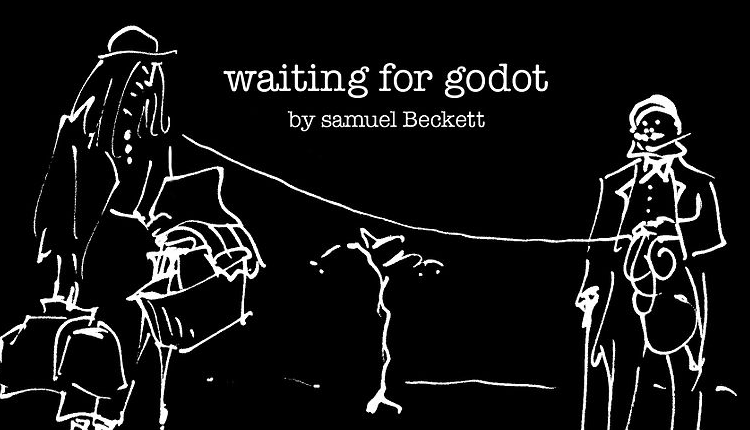
Hear Waiting for Godot, the Acclaimed 1956 Production Starring The Wizard of Oz’s Bert Lahr

godot-reading

Image by Fewskul­chor, via Wiki­me­dia Com­mons

You may not know the name Bert Lahr, but you know his most beloved role: the Cow­ard­ly Lion in The Wiz­ard of Oz. And while you may not have an inti­mate famil­iar­i­ty with Wait­ing for Godot, either Samuel Beck­et­t’s script or any of the count­less sub­tle vari­a­tions in its pro­duc­tions on stage, you cer­tain­ly know that it has chal­lenged many an actor look­ing to shore up his avant-garde cre­den­tials. Lahr turns out to have stood at the van­guard of this phe­nom­e­non in Amer­i­ca: sev­en­teen years after his suc­cess in Oz but well before word of Godot had spread far beyond Europe, he played Estragon at Miami’s Coconut Grove Play­house. It billed this piece of min­i­mal­ist exis­ten­tial­ism as “the laugh sen­sa­tion of two con­ti­nents” — a bit of absur­di­ty itself some­how actu­al­ly wor­thy of Beck­ett.

“The play was not so much a laugh riot as a rev­o­lu­tion in the­atri­cal sto­ry­telling; inevitably, it was met with mil­i­tant incom­pre­hen­sion,” writes Lahr’s sonNew York­er dra­ma crit­ic John Lahr. “On open­ing night, half the audi­ence walked out after the first act; the next day, there was a line at the box office—to return tick­ets.” He remem­bers his father’s strug­gle with the next, “the curi­ous con­tra­dic­tion between his colos­sal inse­cu­ri­ty about the mean­ing of the words that he strug­gled to learn and his adamant con­vic­tion of the emo­tion­al truth of the com­e­dy con­tained in those per­plex­ing words.” He also remem­bers what came after that dis­as­trous Mia­mi pre­miere: “the thrill of the re-staged Broad­way pro­duc­tion lat­er that year, and Dad’s pro­found sat­is­fac­tion at his suc­cès d’estime in New York.”

You can hear a record­ing of this tri­umphant ver­sion of the Lahr-star­ring Godot, with tele­vi­sion star E.G. Mar­shall as Vladimir and famed Vien­nese the­ater direc­tor Her­bert Berghof at the helm) on Spo­ti­fy. If you don’t have Spo­ti­fy’s free soft­ware, you can down­load it here, or you can lis­ten to the play at the Inter­net Archive. (It’s also stream­able above.) “The 1956 pro­duc­tion of Godot was Mr. Lahr’s show all the way,” writes Ter­ry Tea­chout, lis­ten­ing again to the record­ing, “and to hear it now is to bog­gle at his seem­ing­ly infi­nite com­ic resource­ful­ness. He whines, he whim­pers, he chor­tles, he grunts, giv­ing each line pre­cise­ly the right fla­vor. Yet nev­er for a moment does his clown­ing con­ceal the play’s under­ly­ing pathos, and when­ev­er he opens his mouth, it’s always Beck­ett, not Bert Lahr, that you hear.”

This record­ing will be added to our col­lec­tion, 1,000 Free Audio Books: Down­load Great Books for Free.

Relat­ed Con­tent:

Samuel Beck­ett Directs His Absur­dist Play Wait­ing for Godot (1985)

Comics Inspired by Wait­ing For Godot, Fea­tur­ing Tintin, Roz Chast, and Beav­is & Butthead

Mon­ster­piece The­ater Presents Wait­ing for Elmo, Calls BS on Samuel Beck­ett

The Great Gats­by and Wait­ing for Godot: The Video Game Edi­tions

Based in Seoul, Col­in Mar­shall writes and broad­casts on cities and cul­ture. He’s at work on a book about Los Ange­les, A Los Ange­les Primer, the video series The City in Cin­e­ma, the crowd­fund­ed jour­nal­ism project Where Is the City of the Future?, and the Los Ange­les Review of Books’ Korea Blog. Fol­low him on Twit­ter at @colinmarshall or on Face­book.

The Essence of Linear Algebra Explained with Animations

Fyi: Grant Sander­son has a knack for math and cod­ing. So he cre­at­ed a tool that has helped him explain “the essence of lin­ear alge­bra” in a “visu­al­ly-dri­ven man­ner.” And he post­ed the result, a series of 13 videos, to YouTube. You can watch the col­lec­tion, called “The Essence of Lin­ear Alge­bra,” above. Top­ics cov­ered include: Vec­tors, what even are they?Matrix mul­ti­pli­ca­tion as com­po­si­tionDot prod­ucts and dual­i­ty; and more.

You can also find com­plete uni­ver­si­ty cours­es on Lin­ear Alge­bra in our col­lec­tion of Free Online Math course, a sub­set of our col­lec­tion, 1,700 Free Online Cours­es from Top Uni­ver­si­ties.

If you would like to sign up for Open Culture’s free email newslet­ter, please find it here. It’s a great way to see our new posts, all bun­dled in one email, each day.

If you would like to sup­port the mis­sion of Open Cul­ture, con­sid­er mak­ing a dona­tion to our site. It’s hard to rely 100% on ads, and your con­tri­bu­tions will help us con­tin­ue pro­vid­ing the best free cul­tur­al and edu­ca­tion­al mate­ri­als to learn­ers every­where. You can con­tribute through Pay­Pal, Patre­on, and Ven­mo (@openculture). Thanks!

via Metafil­ter

by | Permalink | Make a Comment ( 2 ) |

Watch Akira Kurosawa & Francis Ford Coppola in Japanese Whiskey Ads from 1979: The Inspiration for Lost in Translation

Fran­cis Ford Cop­po­la wasn’t the first or last West­ern celebri­ty to hawk booze in a Japan­ese com­mer­cial, but if you’re look­ing for the seed that sprout­ed into the fun­ni­est scene in his daugh­ter Sophi­a’s Lost in Trans­la­tion, here are the series of five ads in all their glo­ry, in which the direc­tor shares a glass with one of his idols, Aki­ra Kuro­sawa.

The year is 1979, and Cop­po­la is deep in post-pro­duc­tion for Apoc­a­lypse Now. While he is strug­gling with reels and reels from a trou­bled pro­duc­tion, Aki­ra Kuro­sawa, despite his stature in the world of cin­e­ma, is strug­gling with finances. His two films of the 1970s, Dodeskaden and Der­su Uza­la, had been flops, despite some crit­i­cal acclaim. At some point he had been so despon­dent won­der­ing if he’d ever direct again, he had attempt­ed sui­cide and was a heavy drinker.

But George Lucas and Cop­po­la, learn­ing of the direc­tor’s sad con­di­tion, con­vinced 20th Cen­tu­ry Fox to put up the mon­ey for Kage­musha: The Shad­ow War­rior, Kurosawa’s return to the samu­rai films of his clas­sic peri­od. At the same time, Cop­po­la agreed to be in a com­mer­cial for Sun­to­ry Whiskey along­side Kurosawa–who had shot some ads for them in 1976–just to get the direc­tor some more mon­ey. (Kurosawa’s fee was $30,000. And Cop­po­la didn’t drink.)

For Sun­to­ry, the old­est dis­till­ing com­pa­ny in Japan, this meet­ing of East and West was a metaphor for their desire to break into the West­ern whiskey mar­ket. Using Amer­i­can celebri­ties like Sam­my Davis Jr. estab­lished authen­tic­i­ty in the mind of the Japan­ese con­sumer, but this was a new lev­el of pres­tige.

The series of ads above also show glimpses of Kuro­sawa in the midst of film­ing Kage­musha, shoot­ing epic bat­tles fea­tur­ing samu­rai on horse­back. The voice over is unsur­pris­ing­ly (for this sophis­ti­cat­ed mar­ket) pre­ten­tious:

“The world’s gaze is fixed on these two men right now as on nobody else. There’s no stronger friend­ship than that between these two men.” (The impact of that trans­la­tion, you could say, is lost.)

Unlike Bill Murray’s char­ac­ter in Sophia Cop­po­la’s film, Fran­cis Ford Cop­po­la real­ly didn’t have to do much except show up, but no doubt the expe­ri­ence was re-told many times to his daugh­ter over the years. And after the come­back of Kage­musha, Kuro­sawa went on to direct one of his best films, the King Lear-inspired Ran.

We’ll raise a glass to that.

Relat­ed Con­tent:

The Best Japan­ese Com­mer­cial Ever? James Brown Sells Miso Soup

David Lynch Directs a Mini-Sea­son of Twin Peaks in the Form of Japan­ese Cof­fee Com­mer­cials

David Bowie Sells Ice Cream, Sake, Coke & Water: Watch His TV Com­mer­cials from the 1960s Through 2013

Ted Mills is a free­lance writer on the arts who cur­rent­ly hosts the artist inter­view-based FunkZone Pod­cast. You can also fol­low him on Twit­ter at @tedmills, read his oth­er arts writ­ing at tedmills.com and/or watch his films here.

“The Wonderground Map of London Town,” the Iconic 1914 Map That Saved the World’s First Subway System

underground-1913-map

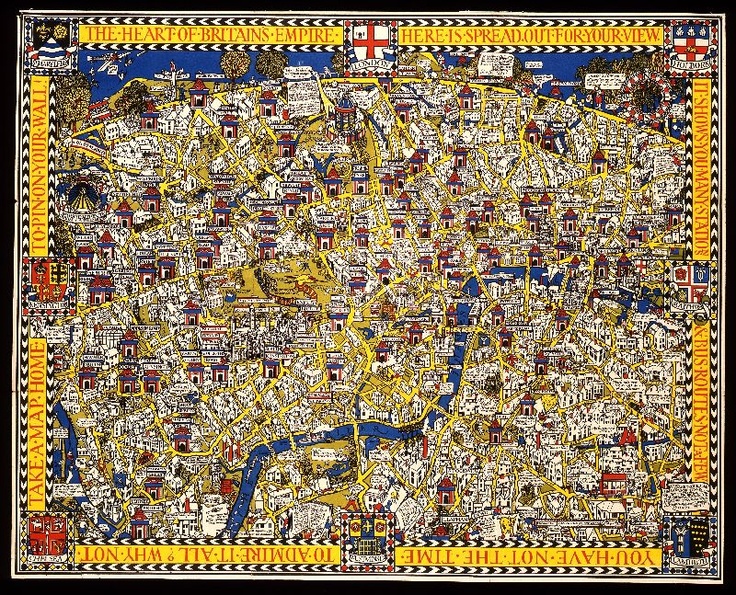
Most major world cities now boast far-reach­ing and con­ve­nient sub­way sys­tems, but Lon­don will always have the orig­i­nal from which all the rest descend. It will also, arguably, always have, in the Tube, by far the most icon­ic. The Met­ro­pol­i­tan Rail­way, the first under­ground train line to open in Lon­don and thus the first in the world, entered ser­vice in 1863. Oth­er lines fol­lowed, run by sev­er­al dif­fer­ent com­pa­nies, until, says Make Big Plans, all the oper­a­tors “agreed on a joint mar­ket­ing strat­e­gy in 1908 that fea­tured the now famil­iar logo with a red disk and the word ‘Under­ground.’ ”

wonderground5

But by 1913, writes the BBC’s Emma Jane Kir­by, “pas­sen­gers are moan­ing about unpunc­tu­al­i­ty, about over­crowd­ing, about con­fu­sion and dirt. The Tube, crammed on work­days (some 400,000 peo­ple now work in the heart of the city) is vir­tu­al­ly emp­ty at week­ends and hol­i­days and the com­pa­ny is fast los­ing mon­ey and pub­lic sup­port. What we need, thinks [Lon­don Under­ground com­mer­cial direc­tor Frank] Pick, is stronger brand­ing.” In addi­tion to the immor­tal logo, he want­ed “some eye-catch­ing posters, dis­tinct from gen­er­al adver­tise­ment bills, that will make Lon­don­ers of all social class­es proud to jour­ney around their city and vis­it its attrac­tions.”

wonderground

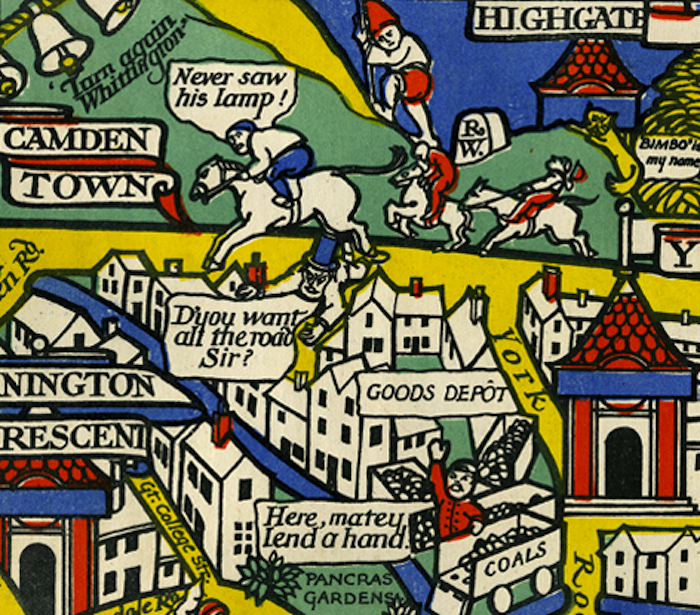
But a tran­sit sys­tem, even the for­mi­da­ble Lon­don Under­ground, is only as good as its maps. Eric Gill, the Arts and Crafts move­ment lumi­nary who helped design the Tube’s type­face, asked his archi­tect-car­tog­ra­ph­er-graph­ic design­er broth­er Mac­Don­ald to come up with an eye-catch­ing one. In the result, writes the Anti­quar­i­an Book­sellers’ Asso­ci­a­tion of Amer­i­ca’s Elis­a­beth Bur­don, “all the attrac­tions and ameni­ties of Lon­don are laid before the view­er in a man­ner which is both visu­al­ly excit­ing and yet with­in a com­pre­hen­si­ble struc­ture; the city is pre­sent­ed in the man­ner of a medieval walled town, the curved hori­zon recall­ing the medieval world map’s enclos­ing cir­cle, all bound­ed by a dec­o­ra­tive bor­der in which coats of arms evoke a sense of sta­bil­i­ty and tra­di­tion.”

wonderground-detail-2

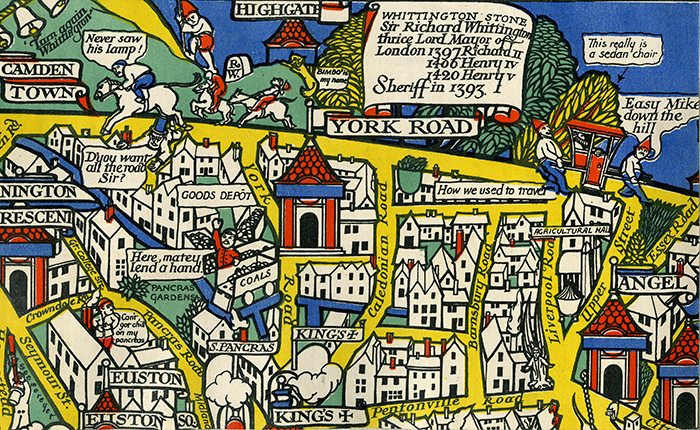
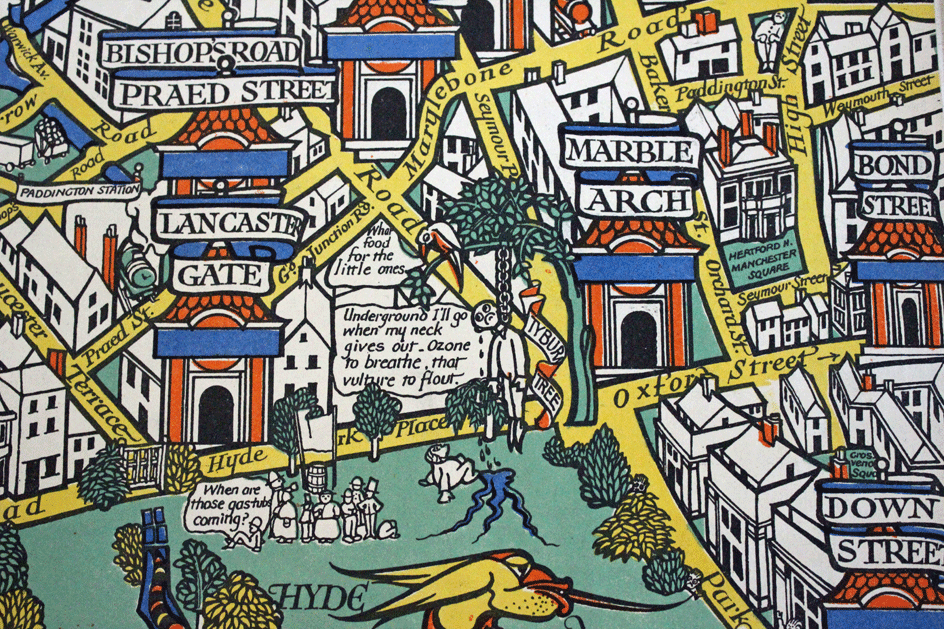
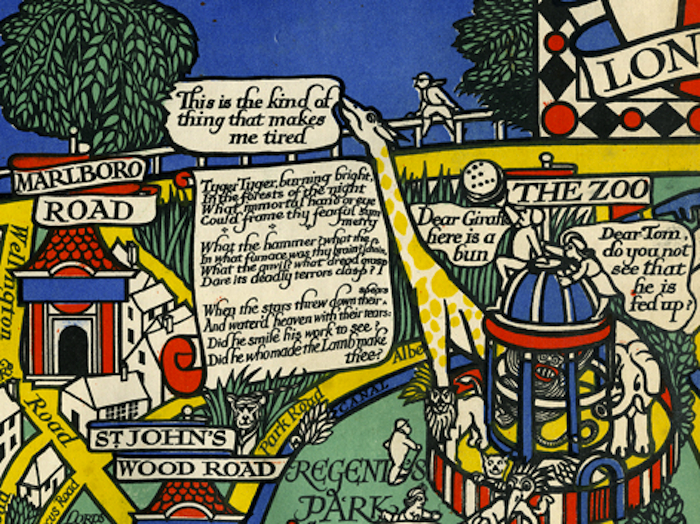
Apart from its degree of his­tor­i­cal astute­ness and car­to­graph­i­cal sound­ness, Gill’s “Won­der­ground Map,” as Lon­don­ers came to call it, con­tained enough humor that some of the pas­sen­gers who con­sult­ed it missed their trains due to sheer amuse­ment. Kir­by points out that, “on the Har­row Road, a farm work­er till­ing the soil cries ‘Har­row­ing work, this!’ an excla­ma­tion which is coun­tered by the query ‘What is work, is it a herb?’ deliv­ered by an effete gen­tle­man near­by.” A sign placed at the map’s east­ern edge points the way to “Vic­to­ria Park, Wanstead Flats, Har­wich, Rus­sia and oth­er vil­lages,” while “at Regen­t’s Park Zoo a pre­his­toric-look­ing bird eats a child through the bars of its cage as the child laments, ‘and I promised moth­er I’d be home for tea by five!’ ”

wondergound-detail-1

The Won­der­ground Map attained such pop­u­lar­i­ty that it became the first Lon­don Under­ground poster sold com­mer­cial­ly for homes and offices, and remains on sale more than a cen­tu­ry lat­er. You can view the whole thing online, and in zoomable detail, here; if you’d like a print­able ver­sion, you can find one here. The his­to­ry of Lon­don now cred­its it as hav­ing effec­tive­ly “saved” the Tube, whose rep­u­ta­tion for dys­func­tion and dis­com­fort had reached a crit­i­cal point. New­er sub­way sys­tems else­where may have since made great tech­no­log­i­cal leaps beyond the Lon­don Under­ground (as my ex-Lon­don­er friends here in Seoul don’t hes­i­tate to remind me), but we can safe­ly say that none will ever inspire quite so beloved a work of car­tog­ra­phy.

An alter­na­tive ver­sion of the map can be viewed and down­loaded at the David Rum­sey Map Col­lec­tion.

Relat­ed Con­tent:

A Won­der­ful Archive of His­toric Tran­sit Maps: Expres­sive Art Meets Pre­cise Graph­ic Design

Lon­don Mashed Up: Footage of the City from 1924 Lay­ered Onto Footage from 2013

1927 Lon­don Shown in Mov­ing Col­or

2,000 Years of London’s His­tor­i­cal Devel­op­ment, Ani­mat­ed in 7 Min­utes

Prize-Win­ning Ani­ma­tion Lets You Fly Through 17th Cen­tu­ry Lon­don

The Curi­ous Sto­ry of London’s First Cof­fee­hous­es (1650–1675)

The Birth of London’s 1950s Bohemi­an Cof­fee Bars Doc­u­ment­ed in a Vin­tage 1959 News­reel

Based in Seoul, Col­in Mar­shall writes and broad­casts on cities and cul­ture. He’s at work on a book about Los Ange­les, A Los Ange­les Primer, the video series The City in Cin­e­ma, the crowd­fund­ed jour­nal­ism project Where Is the City of the Future?, and the Los Ange­les Review of Books’ Korea Blog. Fol­low him on Twit­ter at @colinmarshall or on Face­book.

Carl Sagan & the Dalai Lama Meet in 1991 and Discuss When Science Can Answer Big Questions Better Than Religion

sagan-dalai-lama

Images via Wiki­me­dia Com­mons

In a 1997 essay in Nat­ur­al His­to­ry, Stephen Jay Gould (in)famously called the realms of reli­gion and sci­ence “Nonover­lap­ping Mag­is­te­ria”—a phrase that acknowl­edges both endeav­ors as equal­ly pow­er­ful and impor­tant to human life. His the­o­ry entails “respect­ful dis­course” and “con­stant input from both mag­is­te­ria toward the com­mon goal of wis­dom.” Many par­ti­sans then and now have found the idea hope­less­ly naïve or mis­guid­ed, and Gould did describe a rather specif­i­cal­ly enlight­ened exam­ple of the posi­tion: a per­son seek­ing “a more spir­i­tu­al view of nature” who also acknowl­edges “the fac­tu­al­i­ty of evo­lu­tion and oth­er phe­nom­e­na.” An edu­cat­ed skep­tic, with mys­ti­cal and poet­ic sen­si­bil­i­ties.

The major­i­ty of reli­gious believ­ers do not fit this descrip­tion. But some do. So too did Carl Sagan, to whom Gould ded­i­cat­ed his essay in a post­script. Sagan “shared my con­cern for fruit­ful coop­er­a­tion between the dif­fer­ent but vital realms of sci­ence and reli­gion.” How­ev­er, like Gould, Sagan gave the sci­en­tif­ic method the over­ride, and stren­u­ous­ly advo­cat­ed that we all do like­wise or become eas­i­ly duped by char­la­tans or by our own flawed per­cep­tions. Sagan acknowl­edged the cos­mos as a great mystery—one he want­ed to under­stand, not wor­ship. And he spoke of the nat­ur­al world with the kind of lyri­cal awe and rev­er­ence often reserved for the super­nat­ur­al.

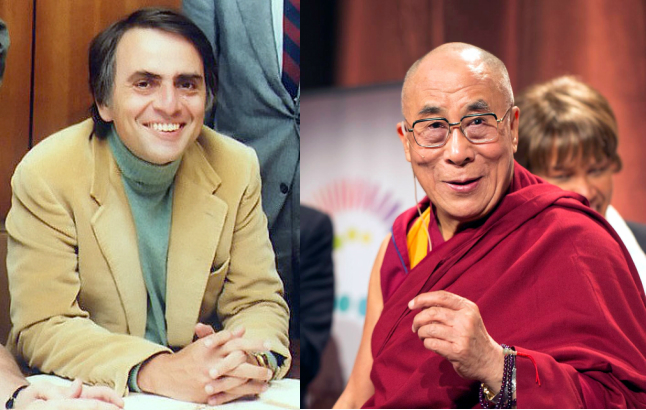
Sagan, in fact, orga­nized and attend­ed the meet­ing at the Vat­i­can that occa­sioned Gould’s essay. He also found him­self, in the ear­ly 1990s, con­nect­ing deeply with anoth­er world reli­gious leader, the Dalai Lama. The exiled Tibetan Bud­dhist and the astro­physi­cist first met in Itha­ca in 1991, sit­ting down for the dis­cus­sion record­ed in the video above. Unfor­tu­nate­ly, the pro­duc­tion qual­i­ty ren­ders this record­ing near­ly unwatch­able. Their con­ver­sion is audi­ble but they both dis­ap­pear into a pix­e­lat­ed blue blur. That said, the con­ver­sa­tion mer­its preser­va­tion in any form (you can also read a tran­script of their talk here).

Sagan puts to the Dalai Lama the ques­tion he asked every major reli­gious leader he met with: “What hap­pens if the doc­trine of a religion—Buddhism let’s say—is con­tra­dict­ed by some find­ing, some discovery—in sci­ence, let’s say—what does a believ­er in Bud­dhism do in that case?” The answer below came very much as a sur­prise to Sagan, who lat­er said the Dalai Lama “replied as no tra­di­tion­al­ist or fun­da­men­tal­ist reli­gious lead­ers do.”

DL: ‘For Bud­dhists that is not a prob­lem. The Bud­dha him­self made clear that the impor­tant thing is your own inves­ti­ga­tion. You should know the real­i­ty, no mat­ter what the scrip­ture says. In case you find a contradiction—opposite of the scrip­tures’ explanation—you should rely on that find­ing, rather than scrip­ture.’

CS: ‘So, that is very much like sci­ence?’

DL: ‘Yes, that’s right. So I think that the basic Bud­dhist con­cept is that at the begin­ning it is worth­while or bet­ter to remain skep­ti­cal. Then car­ry out exper­i­ments through exter­nal means as well as inter­nal means. If through inves­ti­ga­tion things become clear and con­vinc­ing, then it is time to accept or believe. If, through sci­ence, there is proof that after death there is no con­ti­nu­ity of human mind, of life, then—theoretically speaking—Buddhists will have to accept that.’

Of course, many Bud­dhists may not find this sur­pris­ing at all. The prin­ci­ples the Dalai Lama out­lines are clear­ly out­lined in the Kala­ma Sut­ta, a sup­posed dis­course of the Bud­dha in which he issues a “Char­ter of Free Inquiry” as one inter­pre­ta­tion has it. It is indeed a unique fea­ture in world reli­gions, though the Dalai Lama did add—“mischievously,” said Sagan—that “it will be hard to dis­prove rein­car­na­tion!” In such areas where a propo­si­tion can­not be fal­si­fied, reli­gion and sci­ence may agree to disagree—civilly or otherwise—or change the sub­ject. In the course of their acquain­tance, Sagan and the Dalai Lama dis­agreed on very lit­tle.

When it comes to Bud­dhism, the Dalai Lama points out that the con­ver­sa­tion between sci­ence and reli­gion is hard­ly one-sided: “Some sci­en­tists also show a gen­uine and keen inter­est in Bud­dhist expla­na­tions…. One thing is quite clear: As far as men­tal sci­ences are con­cerned, Bud­dhism is very high­ly advanced.” The inter­est researchers and neu­ro­sci­en­tists have shown in Bud­dhist psy­chol­o­gy and med­i­ta­tive ther­a­py has only increased in the past twen­ty-five years, such that entire depart­ments devot­ed to mind­ful­ness med­i­ta­tion have sprung up at ven­er­a­ble uni­ver­si­ties and respect­ed med­ical schools.

And since Sagan’s death in 1996, the Dalai Lama has con­tin­ued to reflect on the con­ver­gences between sci­en­tif­ic dis­cov­ery and Bud­dhism in his books and talks. And Sagan’s wid­ow Ann Druyan has car­ried on Sagan’s lega­cy, shar­ing the awe and won­der of sci­ence with a pop­u­lar audi­ence through film, print, and tele­vi­sion. In 2007, Druyan appeared at Cor­nell to talk about the affini­ties between Sagan and the Dalai Lama dur­ing their first and sub­se­quent meet­ings. You can see her talk in full here.

Relat­ed Con­tent:

Carl Sagan Presents His “Baloney Detec­tion Kit”: 8 Tools for Skep­ti­cal Think­ing

Carl Sagan Issues a Chill­ing Warn­ing to Amer­i­ca in His Final Inter­view (1996)

The Dalai Lama on the Neu­ro­science of Com­pas­sion

Josh Jones is a writer and musi­cian based in Durham, NC. Fol­low him at @jdmagness

« Go BackMore in this category... »
Quantcast