A Joan Miró-Inspired Animation of Federico García Lorca’s Poem, “Romance Sonámbulo”

What tod­dler is trans­fixed by a poem of trag­i­cal­ly thwart­ed desire?

Thou­sands of them, thanks to “The Sleep­walk­er,” ani­ma­tor Theodore Ushev’s cre­ative inter­pre­ta­tion of Fed­eri­co Gar­cía Lor­ca’s poem, “Romance Sonám­bu­lo.”

Ushev starts by scrap­ping the words, in favor of a pure­ly visu­al lan­guage that draws heav­i­ly on the work of Lorca’s con­tem­po­rary, sur­re­al­ist painter Joan Miró.

Would Lor­ca have approved?

Pos­si­bly. He had great admi­ra­tion for Miró, whose paint­ings he declared “the purest of all images” in a pub­lic lec­ture on mod­ern art at Grenada’s Athenaeum:

They come from dream, from the cen­ter of the soul, there where love is made flesh and incred­i­ble breezes of dis­tant sounds blow.

Ani­ma­tor Ushev is anoth­er who’s put a lot of stock in dreams:

I want­ed to cre­ate a joy­ful film, that makes the pub­lic hap­py – inex­plic­a­bly hap­py. The sur­re­al­ist move­ment was a play, a game itself. I often start my mas­ter­class­es with the quo­ta­tion, “The life is a dream (and every­thing is a game).” It is a mod­i­fied ver­sion of the roman­tic belief of anoth­er Span­ish writer – Pedro Calderón de la Bar­ca. This lit­tle film can be seen as such – an alle­go­ry over the joy and mys­tery of life.

His take may con­fuse those who’ve been debat­ing the orig­i­nal poem’s far-from-joy­ful mean­ing.

There are rec­og­niz­able forms … Lorca’s “gyp­sy girl,” for instance.

What’s going on?

Ask a tod­dler what’s he or she sees.

A wound­ed con­tra­band run­ner drag­ging him­self back to his for­bid­den lady love?

A grief-strick­en Juli­et throw­ing her­self in a cis­tern?

More like­ly, danc­ing, and lots of it, thanks to the irre­sistible score — Bul­gar­i­an musi­cian Kot­tarashky’s “Opa Hey.”

(Ushev made a con­scious deci­sion to expand the gyp­sy theme beyond Lorca’s native Andalucía to the Balkan region.)

“Romance Sonám­bu­lo”

Green, how I want you green.

Green wind. Green branch­es.

The ship out on the sea

and the horse on the moun­tain. 

With the shade around her waist 

she dreams on her bal­cony, 

green flesh, her hair green, 

with eyes of cold sil­ver. 

Green, how I want you green. 

Under the gyp­sy moon, 

all things are watch­ing her 

and she can­not see them.

Green, how I want you green. 

Big hoar­frost stars 

come with the fish of shad­ow 

that opens the road of dawn. 

The fig tree rubs its wind 

with the sand­pa­per of its branch­es, 

and the for­est, cun­ning cat, 

bris­tles its brit­tle fibers. 

But who will come? And from where? 

She is still on her bal­cony 

green flesh, her hair green, 

dream­ing in the bit­ter sea.

—My friend, I want to trade 

my horse for her house, 

my sad­dle for her mir­ror, 

my knife for her blan­ket. 

My friend, I come bleed­ing 

from the gates of Cabra.

—If it were pos­si­ble, my boy, 

I’d help you fix that trade. 

But now I am not I, 

nor is my house now my house.

—My friend, I want to die

decent­ly in my bed. 

Of iron, if that’s pos­si­ble, 

with blan­kets of fine cham­bray. 

Don’t you see the wound I have 

from my chest up to my throat?

—Your white shirt has grown 

thirsty dark brown ros­es. 

Your blood oozes and flees a

round the cor­ners of your sash. 

But now I am not I, 

nor is my house now my house.

—Let me climb up, at least, 

up to the high bal­conies; 

Let me climb up! Let me, 

up to the green bal­conies. 

Rail­ings of the moon 

through which the water rum­bles.

Now the two friends climb up, 

up to the high bal­conies.

Leav­ing a trail of blood. 

Leav­ing a trail of teardrops. 

Tin bell vines

were trem­bling on the roofs.

A thou­sand crys­tal tam­bourines 

struck at the dawn light.

Green, how I want you green, 

green wind, green branch­es. 

The two friends climbed up. 

The stiff wind left 

in their mouths, a strange taste 

of bile, of mint, and of basil 

My friend, where is she—tell me—

where is your bit­ter girl?

How many times she wait­ed for you! 

How many times would she wait for you, 

cool face, black hair, 

on this green bal­cony! 

Over the mouth of the cis­tern

the gyp­sy girl was swing­ing, 

green flesh, her hair green, 

with eyes of cold sil­ver. 

An ici­cle of moon

holds her up above the water. 

The night became inti­mate 

like a lit­tle plaza.

Drunk­en “Guardias Civiles”

were pound­ing on the door. 

Green, how I want you green. 

Green wind. Green branch­es. 

The ship out on the sea. 

And the horse on the moun­tain.

Read “Romance Sonám­bu­lo” in the orig­i­nal Span­ish here

Read an inter­view with ani­ma­tor Ushev here.

Relat­ed Con­tent:

Pat­ti Smith Reads Fed­eri­co Gar­cia Lorca’s “Lit­tle Vien­nese Waltz” in New York City

Hear Jorge Luis Borges Read 30 of His Poems (in the Orig­i­nal Span­ish)

Watch Ani­ma­tions of Two Ita­lo Calvi­no Sto­ries: “The False Grand­moth­er” and “The Dis­tance from the Moon”

Ayun Hal­l­i­day is an author, illus­tra­tor, the­ater mak­er and Chief Pri­ma­tol­o­gist of the East Vil­lage Inky zine.  Her play Zam­boni Godot is open­ing in New York City in March 2017. Fol­low her @AyunHalliday.

Stream David Bowie’s New EP No Plan and Hear His Final Four Recordings

Today marks what would have been David Bowie’s 70th birth­day. And you can com­mem­o­rate that bit­ter­sweet occa­sion by stream­ing his brand new EP called No Plan. It fea­tures four tracks–the last four songs Bowie ever record­ed.

Lis­ten­ers might be famil­iar with the first track, “Lazarus.” But not so much with the remain­ing three–“No Plan,” “Killing a Lit­tle Time” and “When I Met You.” You can stream the EP for free on Spo­ti­fy below. (If you need their soft­ware, down­load a copy here.) You can also pur­chase copies of No Plan on Ama­zon and iTunes. Watch the video for “No Plan” above.

If you would like to sign up for Open Culture’s free email newslet­ter, please find it here. It’s a great way to see our new posts, all bun­dled in one email, each day.

If you would like to sup­port the mis­sion of Open Cul­ture, con­sid­er mak­ing a dona­tion to our site. It’s hard to rely 100% on ads, and your con­tri­bu­tions will help us con­tin­ue pro­vid­ing the best free cul­tur­al and edu­ca­tion­al mate­ri­als to learn­ers every­where. You can con­tribute through Pay­Pal, Patre­on, and Ven­mo (@openculture). Thanks!

Relat­ed Con­tent:

Pro­duc­er Tony Vis­con­ti Breaks Down the Mak­ing of David Bowie’s Clas­sic “Heroes,” Track by Track

David Bowie’s Top 100 Books

David Bowie Lists His 25 Favorite LPs in His Record Col­lec­tion: Stream Most of Them Free Online

Inside the Creepy, “Abandoned” Wizard of Oz Theme Park: Scenes of Beautiful Decay

The roman­tic allure of the ghost­ly, aban­doned theme park is dif­fi­cult to resist. Case in point: The Land of Oz, above, a not-entire­ly-defunct attrac­tion nes­tled atop North Carolina’s Beech Moun­tain.

Deb­bie Reynolds, accom­pa­nied by her 13-year-old daugh­ter, Car­rie Fish­er, cut the rib­bon on the park’s open­ing day in 1970.

Its road was far from smooth, even before urban explor­ers began filch­ing its 44,000 cus­tom-glazed yel­low bricks, even­tu­al­ly forc­ing man­age­ment to repave with paint­ed stand issue mod­els.

One of its two founders died of can­cer six months before open­ing, and lat­er a fire destroyed the Emer­ald City and a col­lec­tion of mem­o­ra­bil­ia from the 1939 MGM film.

Crip­pled by the gas cri­sis and insur­mount­able com­pe­ti­tion from Dis­ney World and its ilk, the Land of Oz closed in 1980, thus spar­ing it the indig­ni­ties of Yelp reviews and dis­cern­ing child vis­i­tors whose expec­ta­tions have been formed by CGI.

Its shut­ter­ing attract­ed anoth­er kind of tourist: the cam­era-tot­ing, fence hop­ping con­nois­seurs of what is now known as “ruin porn.”

An iso­lat­ed, aban­doned theme park based on the Wiz­ard of Oz? Could there be a holi­er grail?

Only trou­ble is…the Land of Oz didn’t stay shut­tered. Local real estate devel­op­ers cleaned it up a bit, lur­ing overnight vis­i­tors with rentals of Dorothy’s house. They start­ed a tra­di­tion of reopen­ing the whole park for one week­end every Octo­ber, and demand was such that June is now Land of Oz Fam­i­ly Fun Month. The Inter­na­tion­al Wiz­ard of Oz Club held its annu­al con­ven­tion there in 2011. How aban­doned can it be?

And yet, unof­fi­cial vis­i­tors, sneak­ing onto the grounds off-sea­son, insist that it is. I get it. The quest of adven­ture, the desire for beau­ti­ful decay, the brag­ging rights… After pho­tograph­ing the invari­ably leaf strewn Yel­low Brick Road, they turn their lens­es to the lumpy-faced trees of the Enchant­ed For­est.

Yes, they’re creepy, but it’s less from “aban­don­ment” than a low-bud­get approx­i­ma­tion by the hands of artists less expert than those of the orig­i­nal.

It’s safe to pre­sume that any leaves and weeds lit­ter­ing the premis­es are mere­ly evi­dence of chang­ing sea­sons, rather than total neglect.

What I want to know is, where’s the sex, drugs & rock’n’roll evi­dence of local teens’ off-sea­son blowouts—no spray paint­ed f‑bombs? No dead sol­diers? Secu­ri­ty must be pret­ty tight.

If creepy’s what the per­pet­u­a­tors of the aban­don­ment myth crave, they could con­tent them­selves with the ama­teur footage above, shot by a vis­it­ing dad in 1970.

Those cos­tumes! The scare­crow and the tin man in par­tic­u­lar… Buz­zfeed would love ’em, but it’s hard to imag­ine a mil­len­ni­al tot going for that mess. Their Hal­loween cos­tumes were 1000 times more accu­rate.

(In inter­views, the one gen­er­a­tion who can remem­ber the Land of Oz in its prime is a loy­al bunch, recall­ing only their long ago sense of won­der and excite­ment. Ah, life before Beta­max…)

The doc­u­men­tary video below should set­tle the aban­don­ment myth once and for all. It opens not in Kansas, but New York City, as a car­load of young per­form­ers heads off for their annu­al gig at the Land of Oz. They’re con­ver­sant in jazz hands and cer­tain Friends of Dorothy tropes, sure­ly more so than the local play­ers who orig­i­nal­ly staffed the park. Clear­ly, these ringers were hired to turn in cred­i­ble imper­son­ations of the char­ac­ters immor­tal­ized by Ray Bol­ger, Burt Lahr, and Judy Gar­land. Pre­sum­ably, their updat­ed cos­tumes also passed muster with Autumn at Oz’s savvy child atten­dees.

Still crav­ing that ruin porn? Busi­ness Insid­er pub­lished Seph Law­less’ pho­tos of “the crum­bling park” here.

If you’d pre­fer to rub­ber­neck at a tru­ly aban­doned theme park, check out the Carpetbagger’s video tour of Cave City, Kentucky’s Fun­town Moun­tain. (Though be fore­warned. It was sold at auc­tion in April 2016 and plans are afoot to reengi­neer it as as “an epic play­ground of won­der, imag­i­na­tion, and dreams.”)

Relat­ed Con­tent:

Watch Dis­ma­land — The Offi­cial Unof­fi­cial Film, A Cin­e­mat­ic Jour­ney Through Banksy’s Apoc­a­lyp­tic Theme Park

Dis­ney­land 1957: A Lit­tle Stroll Down Mem­o­ry Lane

Juras­sic Park Tells You Every­thing You Need to Know About the Dan­gers of Glob­al Cap­i­tal­ism

Ayun Hal­l­i­day is an author, illus­tra­tor, the­ater mak­er and Chief Pri­ma­tol­o­gist of the East Vil­lage Inky zine.  Her play Zam­boni Godot is open­ing in New York City in March 2017. Fol­low her @AyunHalliday.

Trainwreck: The Teach to One Math Experiment in Mountain View, CA Is a Cautionary Tale About the Perils of Digital Math Education

640px-trainwreckacw

Image via Wiki­me­dia Com­mons

I live in Sil­i­con Val­ley, which oper­ates on the assump­tion that there’s no prob­lem that tech­nol­o­gy can’t solve. It suf­fus­es our cul­ture here, and some­times we pay the price for this tech­no­crat­ic utopi­anism. Case in point: Right now, I’m send­ing my kid to a pub­lic school in Moun­tain View, CA–the home of Google–where the admin­is­tra­tors have upend­ed the entire sixth grade math pro­gram. Last August, they abol­ished the tra­di­tion­al math program–you know, where stu­dents get to sit in a class­room and learn from a trained and qual­i­fied math teacher. And instead the admin­is­tra­tors asked stu­dents to learn math main­ly from a com­put­er pro­gram called Teach to One. Run by a ven­ture called New Class­roomsTeach to One promis­es to let each stu­dent engage in “per­son­al­ized learn­ing,” where a com­put­er pro­gram gauges each stu­den­t’s knowl­edge of math, then con­tin­u­al­ly cus­tomizes the math edu­ca­tion that stu­dents receive. It all sounds like a great con­cept. Bill Gates has sup­pos­ed­ly called it the “Future of Math Edu­ca­tion.” But the rub is this: Teach to One does­n’t seem ready for the present. And our kids are pay­ing the price.

A new arti­cle fea­tured in our local paper, The Moun­tain View Voice, out­lines well the prob­lems that stu­dents and par­ents have expe­ri­enced with the Teach to One pro­gram. I would encour­age any par­ent or edu­ca­tor inter­est­ed in the pit­falls of these “inno­v­a­tive” math pro­grams to give the arti­cle a good look. (Update: The Moun­tain View Voice has done a series of excel­lent arti­cles on the Teach to One exper­i­ment in Moun­tain View and all that went wrong. They’re all list­ed below.)

If you read the arti­cle, here’s what you will learn. The Moun­tain View school dis­trict appar­ent­ly bud­get­ed $521,000 to imple­ment and oper­ate this new-fan­gled math pro­gram in two local schools (Gra­ham and Crit­ten­den Mid­dle Schools). Had they ade­quate­ly beta test­ed the pro­gram before­hand, the school dis­trict might have dis­cov­ered that Teach to One teach­es math–we have observed–in a dis­joint­ed, non-lin­ear and often errat­ic fash­ion that leaves many stu­dents baf­fled and dis­en­chant­ed with math. The pro­gram con­tains errors in the math it teach­es. Par­ents end up hav­ing to teach kids math at home and make up for the pro­gram’s defi­cien­cies. And all the while, the math teach­ers get essen­tial­ly rel­e­gat­ed to “man­ag­ing the [Teach to One] pro­gram rather than to pro­vid­ing direct instruc­tion” them­selves.

By Octo­ber, many par­ents start­ed to reg­is­ter indi­vid­ual com­plaints with the school dis­trict. By Decem­ber, 180 par­ents signed a let­ter metic­u­lous­ly out­lin­ing the many prob­lems they found with the Teach to One pro­gram. (You can read that let­ter here.) When the school lat­er con­duct­ed a sur­vey on Teach to One (review it here), 61% of the par­ents “said they do not believe the pro­gram match­es the needs of their chil­dren,” and test scores show that this crop of sixth graders has mas­tered math con­cepts less well than last year’s. (Note: there was a big decrease in the num­ber of kids who say they love math, and con­verse­ly a 413% increase in the num­ber of kids who say they hate math.) Giv­en the mediocre eval­u­a­tion, the par­ents have asked for one sim­ple thing–the option to let their kids learn math in a tra­di­tion­al set­ting for the remain­der of the year, until it can be demon­strat­ed that Teach to One can deliv­er bet­ter results. (Teach to One would ide­al­ly con­tin­ue as a small­er pilot, where the kinks would get worked out.) So far the school dis­trict, head­ed by Ayindé Rudolph, has con­tin­ued to cham­pi­on the Teach to One pro­gram in fine­ly-spun bureau­crat­ic let­ters that effec­tive­ly dis­re­gard parental con­cerns and actu­al data points. But the schools have now agreed to let stu­dents spend 5o% of their time learn­ing math with Teach to One, and the oth­er 50% learn­ing math from a qual­i­fied teacher. Why the imprac­ti­cal half mea­sure? I can only spec­u­late.

I post­ed this so that inter­est­ed par­ents and edu­ca­tors, wher­ev­er you live, can be pru­dent and thought­ful when it comes to adopt­ing com­put­er-dri­ven math pro­grams. Per­haps you can learn some­thing from our cau­tion­ary tale. Do your research, run a con­trolled pilot, and make sure the prod­uct is actu­al­ly a good fit for your school. Again, I would encour­age you to read the fine arti­cle in The Moun­tain View Voice, the par­ents’ let­ter out­lin­ing the observed defi­cien­cies in the Teach to One pro­gram, and the eye-open­ing sur­vey results on Teach to One.

Update: It was announced on Jan­u­ary 12 that the Moun­tain View will dis­con­tin­ue the Teach to One math pilot effec­tive imme­di­ate­ly.  Patron­iz­ing­ly, New Class­rooms has attrib­uted the scrap­ping of the pilot to a com­mu­ni­ca­tion prob­lem. “There was a sub­set of par­ents of high­er-achiev­ing stu­dents who didn’t ful­ly under­stand how Teach to One oper­at­ed and how much it ben­e­fit­ed their chil­dren,” Joel Rose is quot­ed as say­ing in The Wall Street Jour­nal. Once again, I’d refer you back to the actu­al data col­lect­ed by our schools. It speaks for itself.

Great Arti­cles by The Moun­tain View Voice: Moun­tain View’s local paper has done some excel­lent report­ing on this fias­co. I would encour­age you to read them all.

This sto­ry has also received cov­er­age from The Wall Street Jour­nal and Edsurge

Update 2019: It sounds like anoth­er Teach-to-One pilot in Eliz­a­beth, NJ has its own issues. Read here and here.

by | Permalink | Make a Comment ( 6 ) |

Famed Art Critic Robert Hughes Hosts the Premiere of 20/20, Where Tabloid TV News Began (1978)

A few years ago we fea­tured The Shock of the New, respect­ed crit­ic Robert Hugh­es’ eight-part doc­u­men­tary series on mod­ern art, which since its first broad­cast in 1980 has stood as a sig­nal achieve­ment in intel­li­gent tele­vi­sion. But Hugh­es also had a hand in the devel­op­ment of, shall we say, unin­tel­li­gent tele­vi­sion, hav­ing two years ear­li­er co-host­ed the pre­mier of ABC’s still-run­ning news­magazine show 20/20. His new­ly (and posthu­mous­ly) pub­lished vol­ume of essays and auto­bi­o­graph­i­cal writ­ings The Spec­ta­cle of Skill devotes an entire chap­ter to the sto­ry of this tele­vi­su­al event, much bal­ly­hooed in pro­mos like the one just above.

“I was hired in some fit of aber­ra­tion,” Hugh­es wrote in a 1995 New York Review of Books piece that would become the chap­ter’s basis. “My fel­low anchor was the now, alas, late Harold Hayes, who had been a bril­liant edi­tor of Esquire but, like me, proved to have lit­tle tal­ent for sit­ting in front of a TV cam­era with make­up all over his face and recit­ing lines that had been writ­ten for him by oth­er peo­ple.” Their pro­duc­er made it clear that “nei­ther Hayes nor I was to have any say in what we would say,” that “the sto­ries had to have an ‘inter­est­ing’ angle; mere news val­ue would not do,” and that “the audi­ence out there could be assumed to have the atten­tion span of cad­dis flies.”

View­ers who tuned in to the very first 20/20 on the evening of June 6th, 1978 were treat­ed to cul­tur­al announce­ments such as that of Sat­ur­day Night Fever’s posi­tion at the top of the record charts; an inter­view with Flip Wil­son offer­ing “a long stretch of pushy bathos” about the come­di­an’s fam­i­ly trou­bles; jokes about Pet Rocks; a young Ger­al­do Rivera, “fired up with sym­pa­thy,” expos­ing the use of live rab­bits to train rac­ing grey­hounds (the unmoved Hugh­es remem­bers his child­hood in Aus­tralia, where “the rab­bit is just an agri­cul­tur­al pest, a lit­tle high­er on the lad­der of exis­tence than a cane toad or a cock­roach”); a vocab­u­lary-build­ing “absur­di­ty” after each com­mer­cial break; and, bizarrely, a clay-ani­ma­tion Jim­my Carter singing “Geor­gia on My Mind.”

“All across Amer­i­ca the next morn­ing there was a col­lec­tive exha­la­tion of rage from TV crit­ics about the triv­i­al­iza­tion of news,” recalls Hugh­es. “In addi­tion to being point­less, the new ABC news mag­a­zine is dizzy­ing­ly absurd,” wrote the New York Times’ John J. O’Con­nor. The Wash­ing­ton Post’s Tom Shales likened it to “being trapped for an hour at the super­mar­ket check­out counter and hav­ing to read the front pages of blab­by tabloids over and over again,” though he did praise its “slight­ly more respectable” exam­i­na­tion of the then- and cur­rent Cal­i­for­nia gov­er­nor Jer­ry Brown’s bid for the White House. Carl Sagan, who in 1980 would make his own mon­u­men­tal con­tri­bu­tion to intel­li­gent tele­vi­sion with Cos­mos, also showed up as a promis­ing pres­ence on the cor­re­spon­dent ros­ter.

Any­one watch­ing today will, at least, appre­ci­ate the rel­a­tive brevi­ty and infre­quen­cy of the adver­tise­ments. They, along with much else seen and every­thing derid­ed in 20/20’s pre­miere, would grow enor­mous­ly more both­er­some as the decades wore on, a fact that ulti­mate­ly made Hugh­es real­ize that he had, “how­ev­er briefly and inept­ly, been part of the avant-garde of net­work tele­vi­sion. The first issue of 20/20 was unques­tion­ably one of the worst turkeys ever seen on an Amer­i­can net­work, and yet it was curi­ous­ly prophet­ic, and crit­ics like Tom Shales who saw in it an omen of the future of the TV news-mag­a­zine pro­gram were not wrong.”

Soon all of Amer­i­ca, and much of the rest of the world, would find itself set­tling for the cal­iber of view­ing mate­r­i­al set by the first 20/20, with “its sen­ti­men­tal­i­ty, its far­ci­cal chum­mi­ness, its dis­mal fix­a­tion on celebri­ty, its kitschy mock human­ism, its voyeurism, and above all its belief that real­i­ty must always take the back­seat to enter­tain­ment.” Hugh­es, in the NYRB essay and in the new book, sums up this regret­table de-evo­lu­tion with the words of Ovid. Video melio­ra proboque: dete­ri­o­ra sequor: “I see bet­ter things and approve them: I go for the worse.”

Relat­ed Con­tent:

Art Crit­ic Robert Hugh­es Demys­ti­fies Mod­ern Art in The Shock of the New

Remem­ber­ing Robert Hugh­es, the Art Crit­ic Who Took No Pris­on­ers

1978 News Report on the Rocky Hor­ror Craze Cap­tures a Teenage Michael Stipe in Drag

How ABC Tele­vi­sion Intro­duced Rap Music to Amer­i­ca in 1981: It’s Painful­ly Awk­ward

Based in Seoul, Col­in Mar­shall writes and broad­casts on cities and cul­ture. He’s at work on a book about Los Ange­les, A Los Ange­les Primer, the video series The City in Cin­e­ma, the crowd­fund­ed jour­nal­ism project Where Is the City of the Future?, and the Los Ange­les Review of Books’ Korea Blog. Fol­low him on Twit­ter at @colinmarshall or on Face­book.

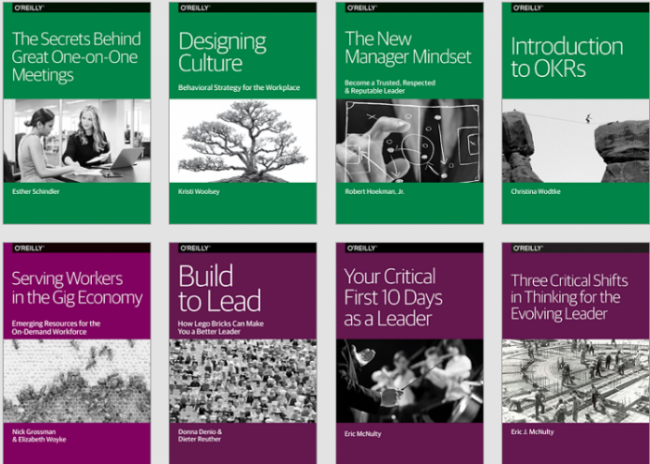
Download 243 Free eBooks on Design, Data, Software, Web Development & Business from O’Reilly Media

Last week we high­light­ed for you 20 Free eBooks on Design from O’Reilly Media. Lit­tle did we know that we were just scratch­ing the sur­face of the free ebooks O’Reil­ly Media has to offer.

If you head over to this page, you can access 243 free ebooks cov­er­ing a range of dif­fer­ent top­ics. Below, we’ve divid­ed the books into sec­tions (and pro­vid­ed links to them), indi­cat­ed the num­ber of books in each sec­tion, and list­ed a few attractive/representative titles.

You can down­load the books in PDF for­mat. An email address–but no cred­it card–is required. Again the com­plete list is here.

If you would like to sign up for Open Culture’s free email newslet­ter, please find it here. It’s a great way to see our new posts, all bun­dled in one email, each day.

If you would like to sup­port the mis­sion of Open Cul­ture, con­sid­er mak­ing a dona­tion to our site. It’s hard to rely 100% on ads, and your con­tri­bu­tions will help us con­tin­ue pro­vid­ing the best free cul­tur­al and edu­ca­tion­al mate­ri­als to learn­ers every­where. You can con­tribute through Pay­Pal, Patre­on, and Ven­mo (@openculture). Thanks!

Relat­ed Con­tent:

Down­load 20 Free eBooks on Design from O’Reilly Media

Read 700 Free eBooks Made Avail­able by the Uni­ver­si­ty of Cal­i­for­nia Press

A New Free eBook Every Month from the Uni­ver­si­ty of Chica­go Press

800 Free eBooks for iPad, Kin­dle & Oth­er Devices

by | Permalink | Make a Comment ( 3 ) |

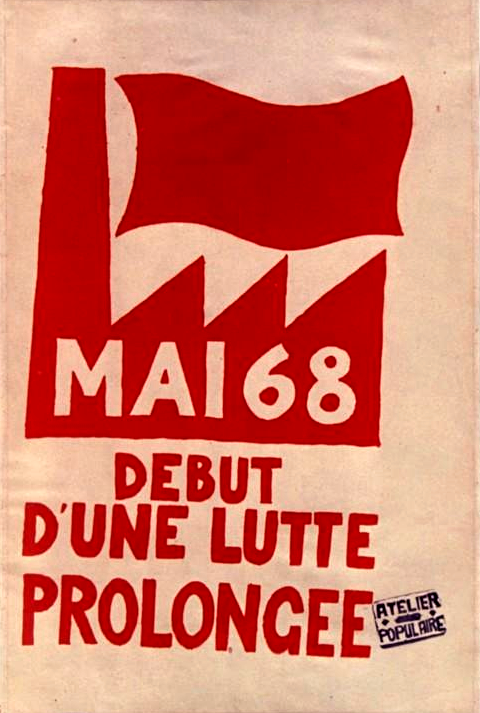
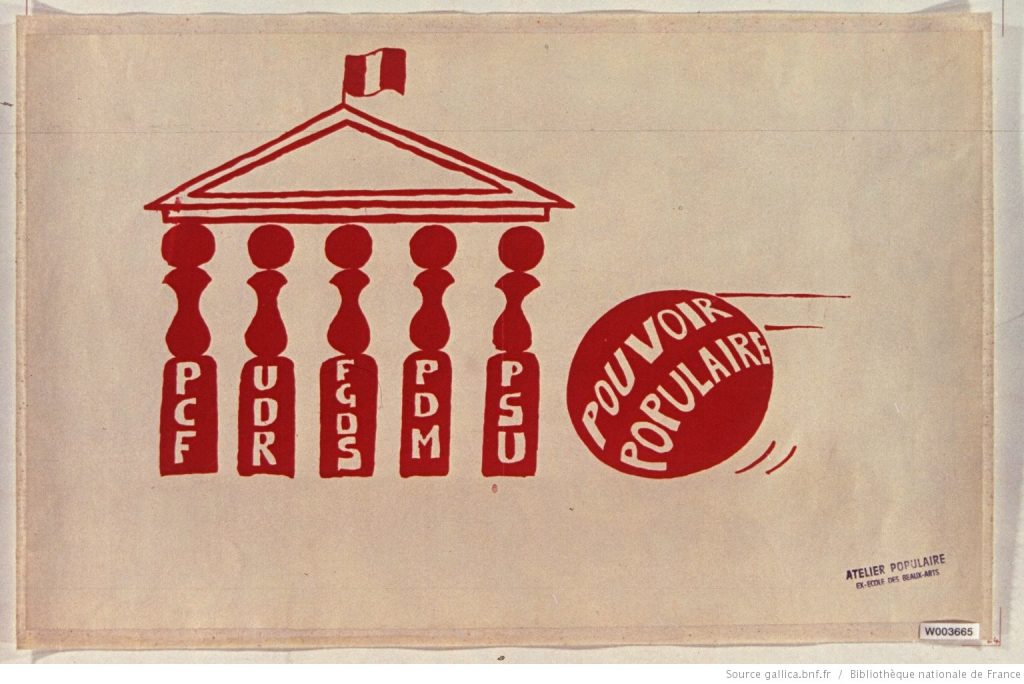
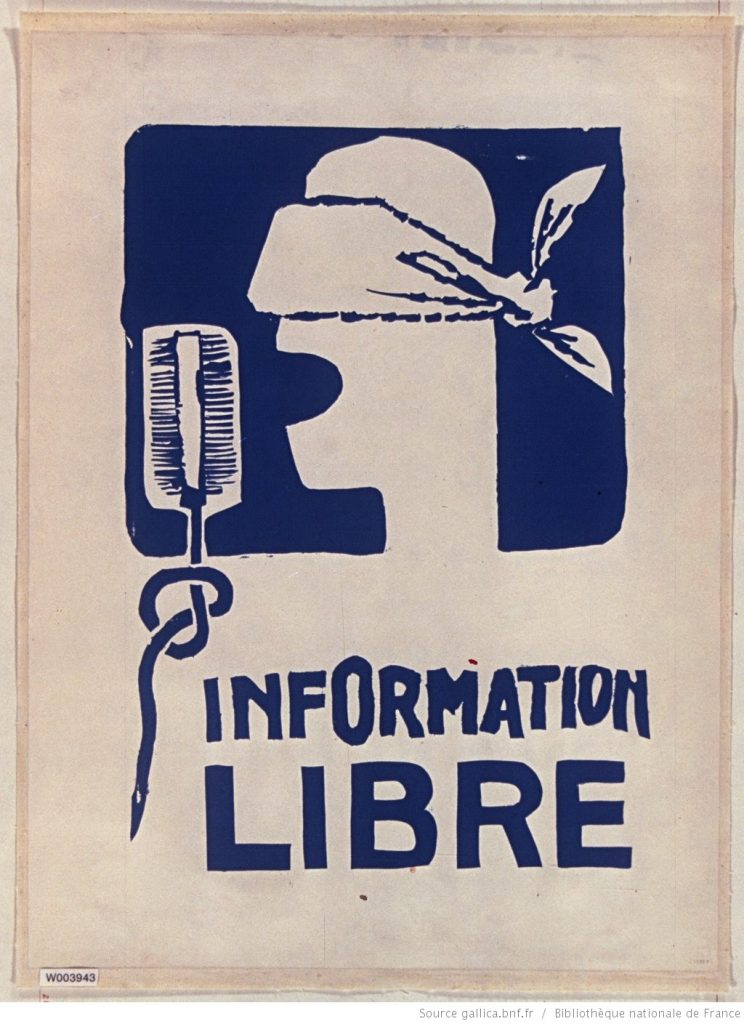
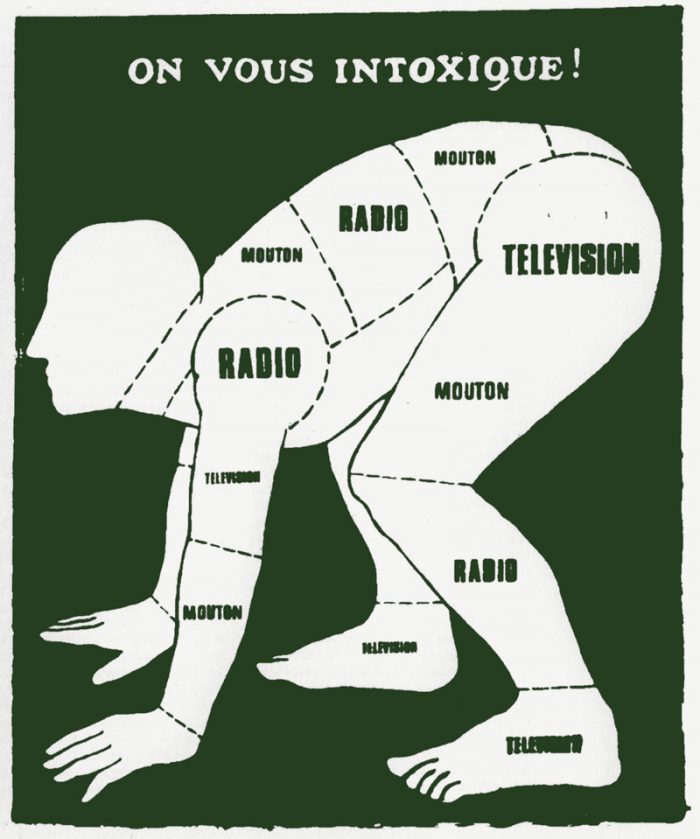
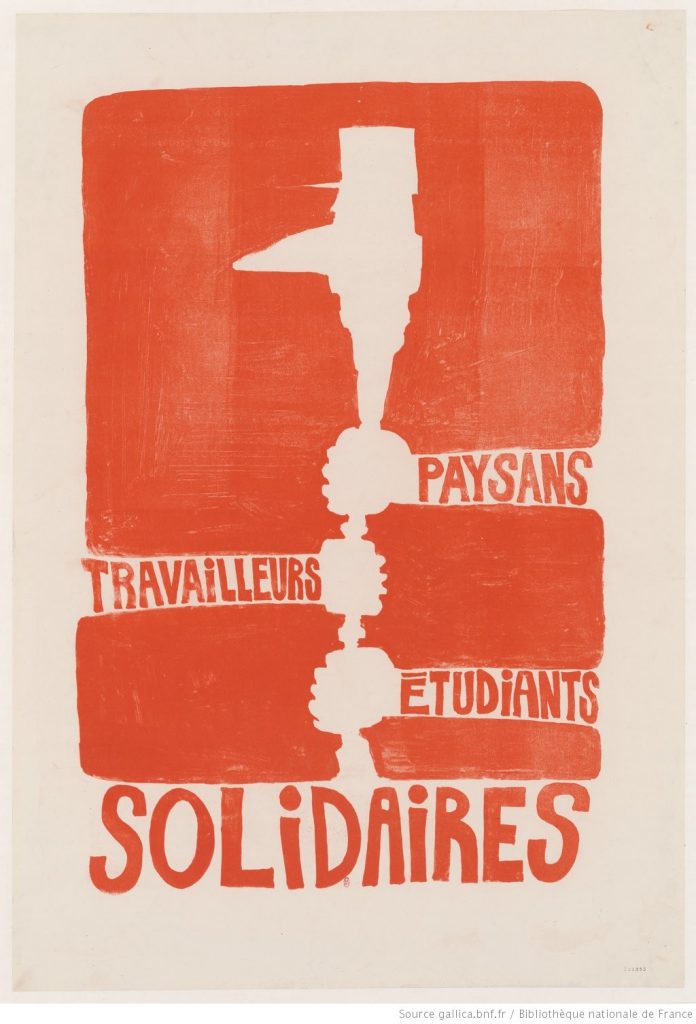
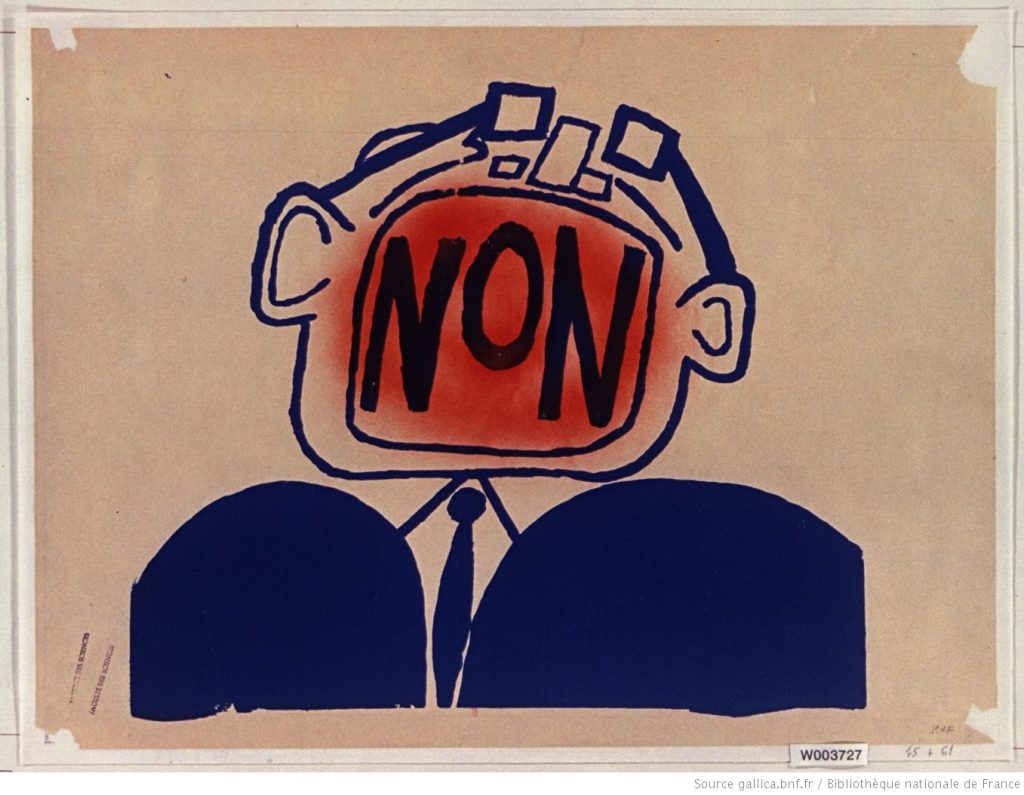
A Gallery of Visually Arresting Posters from the May 1968 Paris Uprising

In 1968, both Robert F. Kennedy and Mar­tin Luther King, Jr. were assas­si­nat­ed, and U.S. cities erupt­ed in riots; anti-war demon­stra­tors chant­ed “the whole world is watch­ing” as police beat and tear-gassed them in Chica­go out­side the Demo­c­ra­t­ic con­ven­tion. George Wal­lace led a pop­u­lar polit­i­cal move­ment of Klan sym­pa­thiz­ers and White Cit­i­zens Coun­cils in a vicious back­lash against the gains of the Civ­il Rights move­ment; and the venge­ful, para­noid Richard Nixon was elect­ed pres­i­dent and began to inten­si­fy the war in Viet­nam and pur­sue his pro­gram of harass­ment and impris­on­ment of black Amer­i­cans and anti-war activists through Hoover’s FBI (and lat­er the bogus “war on drugs”).

Good times, and giv­en sev­er­al per­ti­nent sim­i­lar­i­ties to our cur­rent moment, it seems like a year to revis­it if we want to see recent exam­ples of orga­nized, deter­mined resis­tance by a very belea­guered Left. We might look to the Black Pan­thers, the Yip­pies, or Stu­dents for a Demo­c­ra­t­ic Soci­ety, to name a few promi­nent and occa­sion­al­ly affil­i­at­ed groups. But we can also revis­it a near-rev­o­lu­tion across the ocean, when French stu­dents and work­ers took to the Paris streets and almost pro­voked a civ­il war against the gov­ern­ment of author­i­tar­i­an pres­i­dent Charles de Gaulle. The events often referred to sim­ply as Mai 68 have haunt­ed French con­ser­v­a­tives ever since, such that pres­i­dent Nico­las Sarkozy forty years lat­er claimed their mem­o­ry “must be liq­ui­dat­ed.”

May 1968, wrote Steven Erlanger on the 40th anniver­sary, was “a holy moment of lib­er­a­tion for many, when youth coa­lesced, the work­ers lis­tened and the semi-roy­al French gov­ern­ment of de Gaulle took fright.” As loose coali­tions in the U.S. pushed back against their gov­ern­ment on mul­ti­ple fronts, the Paris upris­ing (“rev­o­lu­tion” or “riot,” depend­ing on who writes the his­to­ry) brought togeth­er sev­er­al groups in com­mon pur­pose who would have oth­er­wise nev­er have bro­ken bread: “a crazy array of left­ist groups,” stu­dents, and ordi­nary work­ing peo­ple, writes Peter Ste­in­fels, includ­ing “revi­sion­ist social­ists, Trot­sky­ists, Maoists, anar­chists, sur­re­al­ists and Marx­ists. They were anti­com­mu­nist as much as ant­i­cap­i­tal­ist. Some appeared anti-indus­tri­al, anti-insti­tu­tion­al, even anti-ratio­nal.”

“Be real­is­tic: Demand the impos­si­ble!” was one of the May move­men­t’s slo­gans. A great many more slo­gans and icons appeared on “extreme­ly fine exam­ples of polem­i­cal poster art” like those you see here. These come to us via Dan­ger­ous Minds, who explain:

The Ate­lier Pop­u­laire, run by Marx­ist artists and art stu­dents, occu­pied the École des Beaux-Arts and ded­i­cat­ed its efforts to pro­duc­ing thou­sands of silk-screened posters using bold, icon­ic imagery and slo­gans as well as explic­it­ly collective/anonymous author­ship. Most of the posters were print­ed on newssheet using a sin­gle col­or with basic icons such as the fac­to­ry to rep­re­sent labor and a fist to stand for resis­tance.

The Paris upris­ings began with uni­ver­si­ty stu­dents, protest­ing same-sex dorms and demand­ing edu­ca­tion­al reform, “the release of arrest­ed stu­dents and the reopen­ing of the Nan­terre cam­pus of the Uni­ver­si­ty of Paris,” notes the Glob­al Non­vi­o­lent Action Data­base. But in the fol­low­ing weeks the “protests esca­lat­ed and gained more pop­u­lar sup­port, because of con­tin­u­ing police bru­tal­i­ty.” Among the accu­mu­lat­ing demo­c­ra­t­ic demands and labor protests, writes Ste­in­fels, was “one great fear… that con­tem­po­rary cap­i­tal­ism was capa­ble of absorb­ing any and all crit­i­cal ideas or move­ments and bend­ing them to its own advan­tage. Hence, the need for provoca­tive shock tac­tics.”

This fear was dra­ma­tized by Sit­u­a­tion­ists, who—like Yip­pies in the States—gen­er­al­ly pre­ferred absur­dist street the­ater to earnest polit­i­cal action. And it pro­vid­ed the the­sis of one of the most rad­i­cal texts to come out of the tumul­tuous times, Guy Debord’s The Soci­ety of the Spec­ta­cle. In a his­tor­i­cal irony that would have Debord “spin­ning in his grave,” the Sit­u­a­tion­ist the­o­rist has him­self been co-opt­ed, rec­og­nized as a “nation­al trea­sure” by the French gov­ern­ment, writes Andrew Gal­lix, and yet, “no one—not even his sworn ide­o­log­i­cal enemies—can deny Debord’s impor­tance.”

The same could be said for Michel Fou­cault, who found the events of May ’68 trans­for­ma­tion­al. Fou­cault pro­nounced him­self “tremen­dous­ly impressed” with stu­dents will­ing to be beat­en and jailed, and his “turn to polit­i­cal mil­i­tan­cy with­in a post-1968 hori­zon was the chief cat­a­lyst for halt­ing and then redi­rect­ing his the­o­ret­i­cal work,” argues pro­fes­sor of phi­los­o­phy Bernard Gen­dron, even­tu­al­ly “lead­ing to the pub­li­ca­tion of Dis­ci­pline and Pun­ish,” his ground­break­ing “geneal­o­gy” of impris­on­ment and sur­veil­lance.

Many more promi­nent the­o­rists and intel­lec­tu­als took part and found inspi­ra­tion in the move­ment, includ­ing André Glucks­mann, who recalled May 1968 as “a moment, either sub­lime or detest­ed, that we want to com­mem­o­rate or bury.… a ‘cadav­er,’ from which every­one wants to rob a piece.” His com­ments sum up the gen­er­al cyn­i­cism and ambiva­lence of many on the French left when it comes to May ’68: “The hope was to change the world,” he says, “but it was inevitably incom­plete, and the insti­tu­tions of the state are untouched.” Both stu­dent and labor groups still man­aged to push through sev­er­al sig­nif­i­cant reforms and win many gov­ern­ment con­ces­sions before police and de Gaulle sup­port­ers rose up in the thou­sands and quelled the upris­ing (fur­ther evi­dence, Anne-Elis­a­beth Moutet argued this month, that “author­i­tar­i­an­ism is the norm in France”).

The icon­ic posters here rep­re­sent what Ste­in­fels calls the movement’s “utopi­an impulse,” one how­ev­er that “did not aim at human per­fectibil­i­ty but only at imag­in­ing that life could real­ly be dif­fer­ent and a whole lot bet­ter.” These images were col­lect­ed in 2008 for a Lon­don exhi­bi­tion titled “May 68: street Posters from the Paris Rebel­lion,” and they’ve been pub­lished in book form in Beau­ty is in the Street: A Visu­al Record of the May ’68 Paris Upris­ing. (You can also find and down­load many posters in the dig­i­tal col­lec­tion host­ed by the Bib­lio­theque nationale de France.) 

Per­haps the co-option Debord pre­dict­ed was as inevitable as he feared. But like many rad­i­cal U.S. move­ments in the six­ties, the coor­di­nat­ed mobi­liza­tion of huge num­bers of peo­ple from every stra­ta of French soci­ety dur­ing those exhil­a­rat­ing and dan­ger­ous few weeks opened a win­dow on the pos­si­ble. Despite its short-lived nature, May 1968 irrev­o­ca­bly altered French civ­il soci­ety and intel­lec­tu­al cul­ture. As Jean-Paul Sartre said of the move­ment, “What’s impor­tant is that the action took place, when every­body believed it to be unthink­able. If it took place this time, it can hap­pen again.”

via Dan­ger­ous Minds/Messy N Chic

Relat­ed Con­tent:

Strik­ing Posters From Occu­py Wall Street: Down­load Them for Free

Theodor Adorno’s Rad­i­cal Cri­tique of Joan Baez and the Music of the Viet­nam War Protest Move­ment

Bed Peace Revis­its John Lennon & Yoko Ono’s Famous Anti-Viet­nam Protests

Josh Jones is a writer and musi­cian based in Durham, NC. Fol­low him at @jdmagness

Watch Orson Welles’ First Ever Film, Directed at Age 19

“It’s noth­ing at all. Absolute­ly noth­ing. It was a joke. I want­ed to make a par­o­dy of Jean Cocteau’s first film. That’s all. We shot it in two hours, for fun, one Sun­day after­noon. It has no sort of mean­ing.”–Orson Welles

The Hearts of Age may have indeed been a lark when it was shot in 1934, but giv­en that one of the two teenagers went on to direct Cit­i­zen Kane sev­en years lat­er, no doubt it’s worth a sec­ond look.

Like all things Welles, his 19-year-old life was much more fan­tas­tic than most high school grads. Though he and school chum William Vance shot the film at their alma mater, the Todd School in Wood­stock, Illi­nois, Welles had grad­u­at­ed three years ear­li­er. Accord­ing to Sens­es of Cin­e­ma, Welles

had spurned a schol­ar­ship to Har­vard Uni­ver­si­ty, vis­it­ed Ire­land on a sketch­ing tour only to talk his way into per­form­ing for the Dublin Gate The­atre, writ­ten detec­tive sto­ries for pulp mag­a­zines, and trav­elled through Lon­don, Paris, the Ivory Coast, Moroc­co and Seville, where he spent an after­noon as a pro­fes­sion­al bull­fight­er. After return­ing to Amer­i­ca in 1933, intro­duc­tions to Thorn­ton Wilder and Alexan­der Wol­cott led to a posi­tion in Kather­ine Cornell’s tour­ing reper­to­ry com­pa­ny. Welles toured with the Cor­nell com­pa­ny from Novem­ber 1933 to June 1934, appear­ing in three plays and mak­ing his New York debut as Tybalt in Romeo and Juli­et.

Back in Wood­stock to spon­sor a the­ater fes­ti­val at the school, Welles and Vance bor­rowed a cam­era from their old prin­ci­pal and shot this eight minute short.

William Vance, Welles’ friend and co-direc­tor, kept the only copy until he donat­ed it to the Green­wich Pub­lic Library, where film his­to­ri­an and writer Joseph McBride dis­cov­ered it in 1969. McBride then wrote about it in Film Quar­ter­ly and the secret juve­nil­ia of Welles was out of the clos­et. (“Why did Joe have to dis­cov­er that film?” Welles was quot­ed as telling his cam­era­man).

Nev­er entered into copy­right, it’s a pub­lic domain film and so has been avail­able on var­i­ous plat­forms for years. (I saw it in the ‘90s as part of a “before they were famous” short film fes­ti­val with stu­dent work by Lynch, Scors­ese, and Spiel­berg).

The short indeed looks like a par­o­dy of sur­re­al­ist film, a bit like Jean Cocteau’s Blood of a Poet as Welles intend­ed, but with a bit of René Clair’s Entr’Acte and some good ol’ Eisen­stein­ian mon­tage thrown in.

Welles appears in heavy stage make­up as a rich, old­er man in a top hat and cane, look­ing not too far from the elder­ly Charles Fos­ter Kane. His then girl­friend and future first wife Vir­ginia Nichol­son plays an old hag who rides for­lorn­ly back and forth on a bell. There’s a clown in black­face played by Paul Edger­ton, an Indi­an in a blan­ket (co-direc­tor William Vance in a cameo) and a Key­stone cop, which some web­sites say is also Nichol­son. But Charles “Black­ie” O’Neal is also cred­it­ed as a per­former with­out a role and he indeed may be the actor play­ing the Key­stone Cop. (O’Neal, by the way, would lat­er be father to Ryan O’Neal.)

Although he dis­missed the film, Welles’ pre­oc­cu­pa­tions with death are here, right at the begin­ning of his career, with sui­cides, coffins, skulls, and grave­stones fea­tur­ing promi­nent­ly. And though it’s no mas­ter­piece and hon­est­ly a bit of a mess, it shows a direc­tor inter­est­ed in exper­i­ment­ing with film, with humor, and the won­ders of make­up.

Relat­ed Con­tent:

Stream 61 Hours of Orson Welles’ Clas­sic 1930s Radio Plays: War of the Worlds, Heart of Dark­ness & More

Is It Always Right to Be Right?: Orson Welles Nar­rates a 1970 Oscar-Win­ning Ani­ma­tion That Still Res­onates Today

Young Orson Welles Directs “Voodoo Mac­beth,” the First Shake­speare Pro­duc­tion With An All-Black Cast: Footage from 1936

Ted Mills is a free­lance writer on the arts who cur­rent­ly hosts the artist inter­view-based FunkZone Pod­cast. You can also fol­low him on Twit­ter at @tedmills, read his oth­er arts writ­ing at tedmills.com and/or watch his films here.

« Go BackMore in this category... »
Quantcast