How Museum Gift Shops Shape the Way We Look at Art

The 2010 doc­u­men­tary Exit Through the Gift Shop seemed to crit­ics both too con­trived to be real­i­ty and too bizarre to be a hoax: Frenchman-in‑L.A. Thier­ry Guet­ta obses­sive­ly films graf­fi­ti artists and begins pur­su­ing Banksy, who takes over the project and makes a film about Guet­ta, who, at Banksy’s sug­ges­tion, takes up street art, becomes an overnight sen­sa­tion and — to the some­what hor­ri­fied aston­ish­ment of Banksy — sells a mil­lion dol­lars worth of his work at his first show as “Mr. Brain­wash.”

Worth, in the art world, is a rel­a­tive term, as Roger Ebert point­ed out. So what if Guet­ta was doing mediocre riffs on Warhol, among oth­ers? “Sure­ly Warhol’s mes­sage was that Their­ry Guet­ta has an absolute right to call his work art, and sell it for as much as he can.” If he can get away with it, more pow­er to him, but sure­ly there’s a high­er author­i­ty that real­ly deter­mines what we think of as art? Some hon­est body of schol­ars with rig­or­ous stan­dards and gen­er­ous tastes? Sure­ly there’s some­thing more than sales to deter­mine the val­ue of art?

Or maybe, the Vox video above sug­gests, it real­ly is the epony­mous gift shop, whose care­ful­ly curat­ed tchotchkes and sou­venirs include such col­lec­tions as “an ear-shaped eras­er,” writes Micaela Mari­ni Hig­gs, “a $495 Ver­sace t‑shirt… and of course, the clas­sics: post­cards, mugs, and mag­nets.” And that’s not to men­tion all those won­der­ful books…. Muse­um gift shops have con­vinced us that if it sells, it’s art. “Basi­cal­ly, stores are like the ulti­mate cheat sheet — the more you see a piece of art ref­er­enced, the more impor­tant it prob­a­bly is.”

Some vis­i­tors even choose to enter through the gift shop, which may, after all, be no stranger than walk­ing through an exhi­bi­tion the wrong way. Pro­fes­sor of Anthro­pol­o­gy Sharon Mac­don­ald describes the retail area of a muse­um as a show’s final exhib­it. Vis­i­tors may feel a lack if they can’t con­spic­u­ous­ly con­sume what they have seen. The more they do so, the more they act as adver­tise­ments for the art on their tote bags. This is by design, of course.

Muse­um gift shops not only see them­selves as rev­enue sources — some pro­vid­ing up to a quar­ter of an institution’s funds — but also as art edu­ca­tors. Store buy­ers col­lab­o­rate with cura­tors, who want to give poten­tial vis­i­tors a sense of their exhi­bi­tions’ main ideas. There is no sin­is­ter plot at work, only the rein­forc­ing, through com­merce, of the museum’s pre-exist­ing cri­te­ria for what qual­i­fies as impor­tant art. But you might see a prob­lem — it’s all a bit cir­cu­lar, isn’t it? — and thanks to the “mere-expo­sure effect,” the cir­cle rip­ples out­ward through repeat­ed view­ings.

It’s a phe­nom­e­non not unlike hear­ing the same song over and over on the radio and grow­ing to like it through sheer famil­iar­i­ty. Do we “appre­ci­ate” art by con­sum­ing its like­ness­es on key­chains and mousepa­ds? Maybe we’re also par­tic­i­pat­ing in a rit­u­al of com­mer­cial con­sent to the val­ue of cer­tain works over oth­ers, most­ly unaware of how over­priced gift shop swag meme-ifies art and ampli­fies cul­tur­al val­ues we could think about more crit­i­cal­ly.

Relat­ed Con­tent: 

Sal­vador Dalí’s Tarot Cards, Cook­book & Wine Guide Re-Issued as Beau­ti­ful Art Books

Behind the Banksy Stunt: An In-Depth Break­down of the Artist’s Self-Shred­ding Paint­ing

Down­load 584 Free Art Books from The Met­ro­pol­i­tan Muse­um of Art

Hierony­mus Bosch Fig­urines: Col­lect Sur­re­al Char­ac­ters from Bosch’s Paint­ings & Put Them on Your Book­shelf

Josh Jones is a writer and musi­cian based in Durham, NC. Fol­low him at @jdmagness

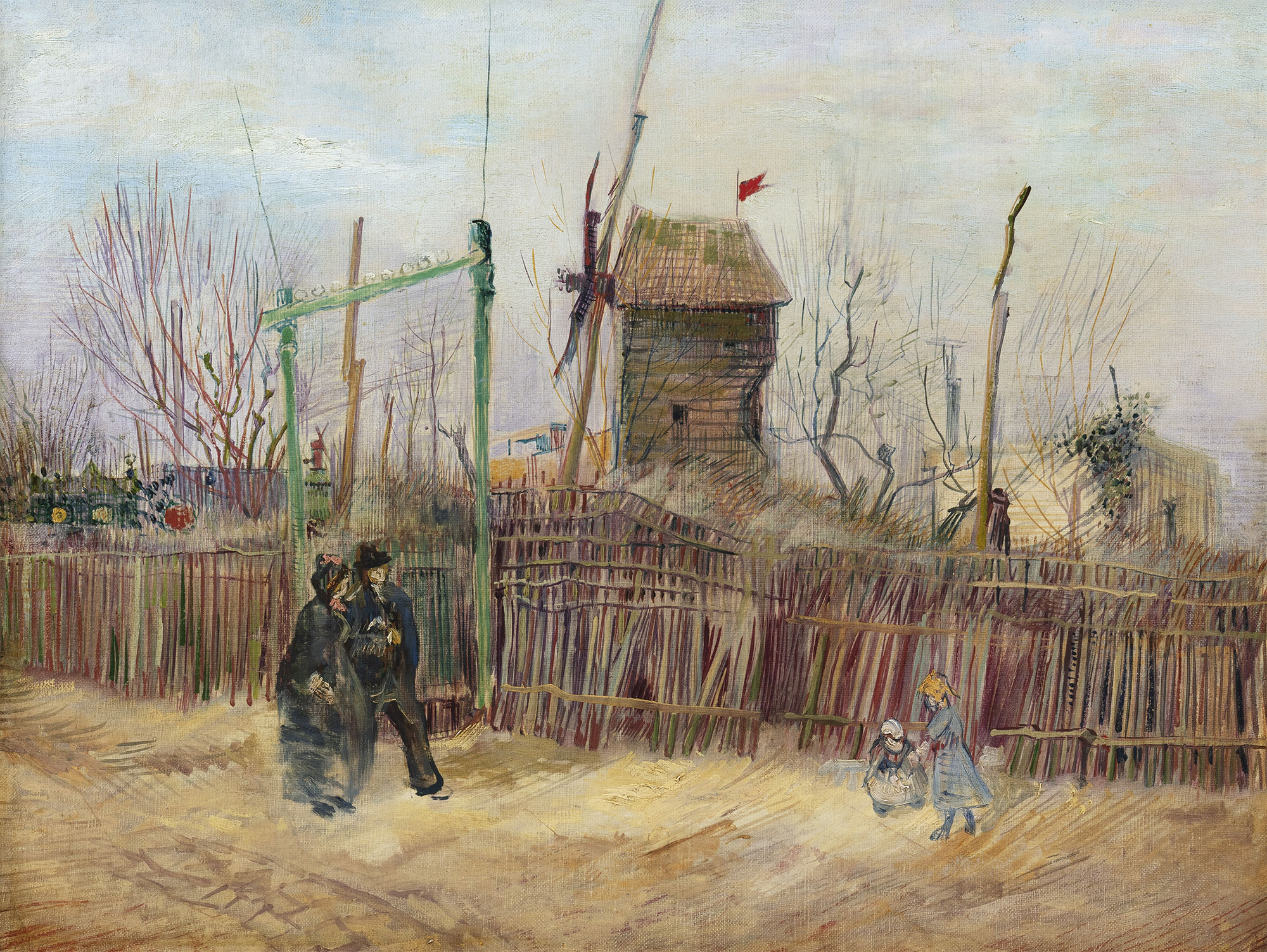
Rare Vincent van Gogh Painting Goes on Public Display for the First Time: Explore the 1887 Painting Online

Images cour­tesy of Sothe­bys

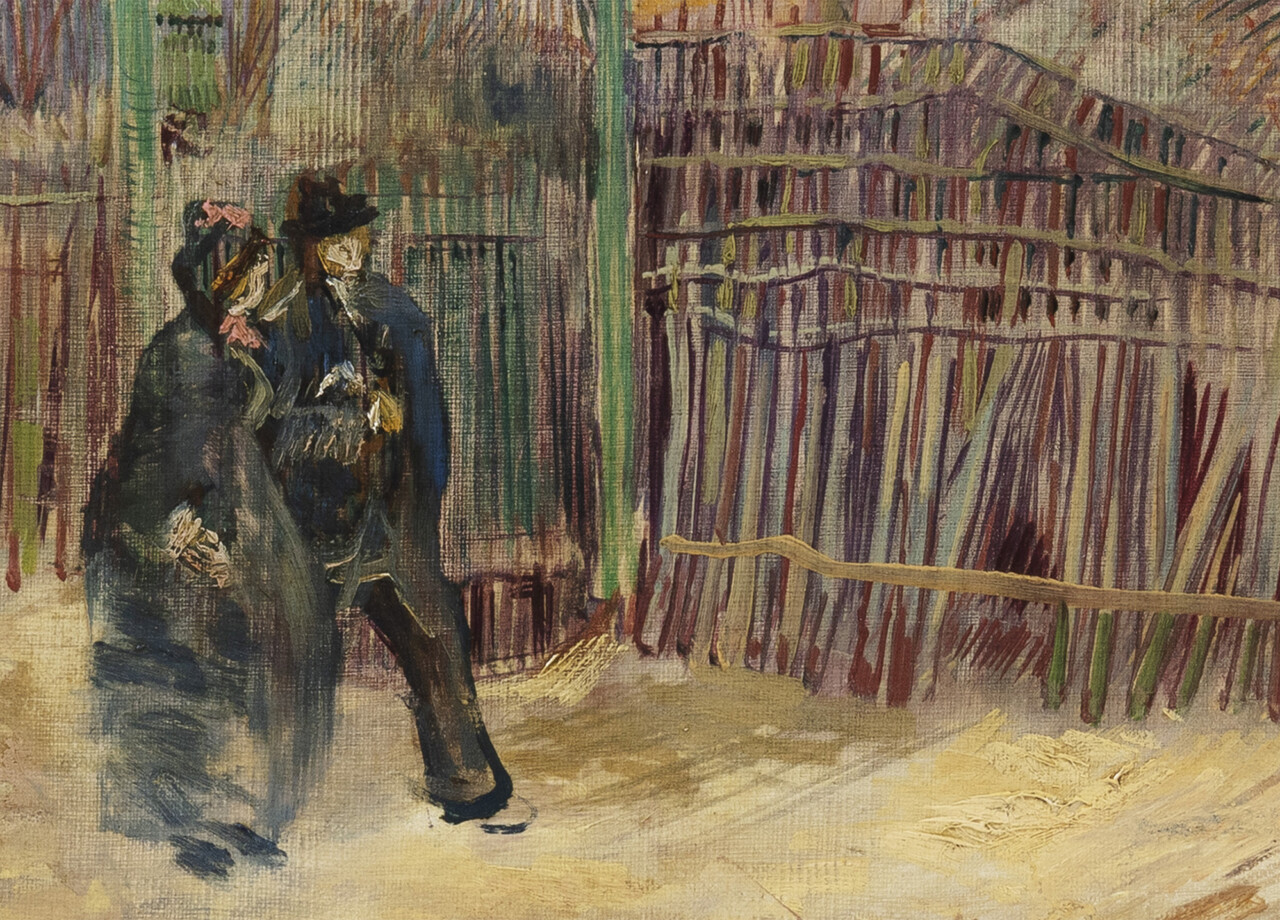
Not every Vin­cent van Gogh paint­ing hangs at the Van Gogh Muse­um, or indeed in a muse­um at all. Though many pri­vate col­lec­tors loan their Van Goghs to art insti­tu­tions that make them avail­able for pub­lic view­ing, some have nev­er let such prized pos­ses­sions out of their sight. Such, until recent­ly, was the case with Scène de rue à Mont­martre (Impasse des Deux Frères et le Moulin à Poivre), paint­ed in 1887 but not shown to the world until this year — in prepa­ra­tion for its auc­tion on March 25. Dur­ing its cen­tu­ry of pos­ses­sion by a sin­gle French fam­i­ly, the paint­ing count­ed as one of the few pri­vate­ly-held entries in Van Gogh’s Mont­martre series, which he paint­ed in the epony­mous neigh­bor­hood dur­ing the two years spent in Paris with his broth­er Theo.

“Unlike oth­er artists of his era, like Toulouse-Lautrec, Van Gogh was attract­ed to the pas­toral side of Mont­martre and would tran­scribe this ambi­ence rather than its balls and cabarets.” So says Aurélie Van­de­vo­orde, head of the Impres­sion­ist and Mod­ern Art depart­ment at Sotheby’s Paris to The Art News­pa­per’s Anna San­son.

The land­scape “marks van Gogh’s turn to his dis­tinc­tive Impres­sion­ist style,” writes Colos­sal’s Grace Ebert, and its “live­ly street is thought to be the same as that in Impasse des Deux Frères, which cur­rent­ly hangs at the Van Gogh Muse­um in Ams­ter­dam, and sim­i­lar­ly depicts a mill and flags pro­mot­ing the cabaret and bar through the gates.”

As depict­ed by Van Gogh more than 130 years ago, Mont­martre looks near­ly rur­al — quite unlike it does now, as any­one who’s fre­quent­ed the neigh­bor­hood in liv­ing mem­o­ry can attest. But the sta­tus of the paint­ing has changed even more than the sta­tus of the place: Scène de rue à Mont­martre “is expect­ed to sell for between $6 mil­lion and $9.7 mil­lion (€5 mil­lion to €8 mil­lion),” writes Smithsonian.com’s Isis Davis-Marks. Still, like most of Van Gogh’s Paris paint­ings, its val­ue does­n’t touch that of the work he did in his sub­se­quent Provençal sojourn (under the influ­ence of Japan­ese ukiyo‑e). “One such paint­ing, Laboureur dans un champ (1889),” adds Davis-Marks, “sold at Christie’s in 2017 for $81.3 mil­lion.” Well-heeled read­ers should thus keep an eye on Sothe­by’s site: this could be your chance to keep a (rel­a­tive­ly) afford­able Van Gogh in your own fam­i­ly for the next cen­tu­ry.

via Colos­sal

Relat­ed Con­tent:

Near­ly 1,000 Paint­ings & Draw­ings by Vin­cent van Gogh Now Dig­i­tized and Put Online: View/Download the Col­lec­tion

Down­load Vin­cent van Gogh’s Col­lec­tion of 500 Japan­ese Prints, Which Inspired Him to Cre­ate “the Art of the Future”

Van Gogh’s Ugli­est Mas­ter­piece: A Break Down of His Late, Great Paint­ing, The Night Café (1888)

13 Van Gogh’s Paint­ings Painstak­ing­ly Brought to Life with 3D Ani­ma­tion & Visu­al Map­ping

Expe­ri­ence the Van Gogh Muse­um in 4K Res­o­lu­tion: A Video Tour in Sev­en Parts

In a Bril­liant Light: Van Gogh in Arles – A Free Doc­u­men­tary

Based in Seoul, Col­in Mar­shall writes and broad­casts on cities, lan­guage, and cul­ture. His projects include the Sub­stack newslet­ter Books on Cities, the book The State­less City: a Walk through 21st-Cen­tu­ry Los Ange­les and the video series The City in Cin­e­ma. Fol­low him on Twit­ter at @colinmarshall or on Face­book.

Intimate Live Performances of Radiohead, Sonic Youth, the White Stripes, PJ Harvey & More: No Host, No Audience, Just Pure Live Music

It should be clear by now that rock and roll pos­es no dan­ger to the sta­tus quo. Fair enough: It’s going on 70 years since Elvis and Chuck Berry freaked out par­ents of scream­ing teens, and 50 years since Iggy and the Stooges ripped up stages in Detroit and the denizens of CBGB made rock sub­ver­sive again. That’s a long time for an edge to dull, and dull it has. Per­haps nowhere is this more in evi­dence than rock films like CBGB, which “some­how man­ages to make punk rock bor­ing,” and Netflix’s The Dirt, a movie about Möt­ley Crüe that gives us as much insight into the band as a cou­ple spins of “Dr. Feel­go­od,” argues crit­ic Bri­an Tal­leri­co.

Yes, we can chalk up bad rock films to lazy film­mak­ing and stu­dio greed, but there’s also a gen­er­al sense that the cul­ture now under­stands rock only as a mat­ter of ges­tures and anec­dotes: the mak­ing of the music reduced to styl­is­tic quirks and kitschy arti­fice.

This is in con­trast, Radio­head pro­duc­er Nigel Godrich felt, to ear­li­er media like the live per­for­mances on The Old Grey Whis­tle Test. (It’s cer­tain­ly in con­trast to John Peel’s raw ses­sions and films like Urgh! A Music War.) In mak­ing his From the Base­ment series, Godrich said, “I’m a sad fan try­ing to bring the mag­ic back to music TV.”

Just as rock pho­tog­ra­phy was reduced from “total access all the time” to well-kept mar­ket­ing and PR (or so claimed the late, leg­endary Baron Wol­man), rock per­for­mance has become over­pro­duced spec­ta­cle in which it can be dif­fi­cult to tell pre-record­ed tracks from real play­ing. Add to this the loss of inti­ma­cy in live venues in the time of COVID, and we get even far­ther away from the music’s cre­ation. Godrich and pro­duc­er Dil­ly Gent con­ceived of From the Base­ment years before the pan­dem­ic, but it’s almost as if they antic­i­pat­ed a cul­tur­al cri­sis of our moment, the enforced sep­a­ra­tion from the mak­ing of live music.

Like the best Zoom con­certs, From the Base­ment, pro­duced between 2006 and 2009, eschews the trap­pings of host, audi­ence, and stu­dio light­ing for an imme­di­ate expe­ri­ence of live cre­ation. It’s a safe, ster­ile envi­ron­ment — miss­ing are mosh pits, fans swarm­ing the stage, and the sex, drugs, and vio­lence of old. But to pre­tend that rock is dan­ger­ous in the 21st cen­tu­ry is noth­ing more than pre­tense. There’s no need to turn the music into the edgy spec­ta­cle it isn’t any­more (and has­n’t been since “Creep” ruled the radio), Godrich and Gent’s con­cept sug­gests. In doing so, we miss what it is now.

Or as Thom Yorke — whose band got first dibs, play­ing “Video­tape” and “Down is the New Up” in the debut episode — remarked, the show “was excit­ing because it came from the desire to cut out the crap that lies between the music and the view­er. To get plugged straight into the mains. No pro­duc­er or direc­tor egos mess­ing it up.” See From the Base­ment per­for­mances from Radio­head, Son­ic Youth, the White Stripes, and PJ Har­vey above and many more archived at the From the Base­ment YouTube chan­nel here.

Relat­ed Con­tent: 

An Archive of 1,000 “Peel Ses­sions” Avail­able Online: Hear David Bowie, Bob Mar­ley, Elvis Costel­lo & Oth­ers Play in the Stu­dio of Leg­endary BBC DJ John Peel

Radio­head Will Stream Con­certs Free Online Until the Pan­dem­ic Comes to an End

Radiohead’s Thom Yorke Per­forms Songs from His New Sound­track for the Hor­ror Film, Sus­piria

Josh Jones is a writer and musi­cian based in Durham, NC. Fol­low him at @jdmagness

Saturday Night Live’s Very First Sketch: Watch John Belushi Launch SNL in October, 1975

How do you kick off the longest run­ning live sketch com­e­dy show in tele­vi­sion his­to­ry? If you’re in the cast and crew for the first episode of Sat­ur­day Night Live, you have no idea you’re doing any­thing of the kind. Still the pressure’s on, and the new­ly hired “Not Ready for Prime­time Play­ers” had a lot of com­pe­ti­tion on their own show that night. When Sat­ur­day Night, the orig­i­nal title for SNL, made its debut on Octo­ber 11, 1975, doing live com­e­dy on tele­vi­sion was an extreme­ly risky propo­si­tion.

So, what do you do if you’re pro­duc­ers Dick Eber­sol and Lorne Michaels? Put your riski­est foot for­ward — John Belushi, the “first rock & roll star of com­e­dy” writes Rolling Stone, and “the ‘live’ in Sat­ur­day Night Live.” The man who would be comedy’s king, for a time, before he left the stage too soon. His first sketch, and the first on-air for SNL, reveals “a ten­den­cy toward the time­less­ly pecu­liar,” Time mag­a­zine writes, that made the show an instant cult hit.

Rather than skew­er­ing top­i­cal issues or imper­son­at­ing celebri­ties, the first sketch, “The Wolver­ines” goes after the ripe tar­gets of an immi­grant (Belushi) learn­ing Eng­lish and his teacher, played by head writer Michael O’Donoghue, who insists on mak­ing Belushi repeat the tit­u­lar word in non­sen­si­cal phras­es like “I would like to feed your fin­ger­tips to the wolver­ines.”

Belushi’s accent has shades of Andy Kaufman’s “for­eign man” from Caspi­ar, and he gets a brief moment to dis­play his phys­i­cal com­e­dy skills when he keels over in imi­ta­tion of his teacher hav­ing a heart attack. “The Wolver­ines” is short, non­sen­si­cal, and weird­ly sweet. “No one would know what kind of show this was from see­ing that,” Michaels remem­bered. We can still look back at that wild­ly uneven first sea­son and won­der what kind of show SNL would be now if it had held on to the anar­chic spir­it of the ear­ly years. But that’s a lot to ask of a 45-year-old live com­e­dy show.

The night’s guest was George Car­lin, who did not appear in any sketch­es, but who did get three sep­a­rate mono­logues. The show also fea­tured two musi­cal guests, Bil­ly Pre­ston and Janis Ian. Andy Kauf­man made an appear­ance doing his famous Mighty Mouse bit, and the Mup­pets were there (not the fun Mup­pets, but a “dark and grumpy ver­sion” Jim Hen­son dis­owned after the first sea­son.)

The first episode was also the first to fea­ture the icon­ic intro, “Live from New York, it’s Sat­ur­day Night!” — deliv­ered by Chevy Chase. Though it has become a cel­e­bra­to­ry announce­ment, at the time “it’s Sat­ur­day Night!” was a dark reminder of the live com­e­dy vari­ety show, Sat­ur­day Night Live with Howard Cosell, then fail­ing through its first and only sea­son before its 18-episode run came to an end the fol­low­ing year.

See more from that weird first night above, includ­ing Carlin’s Foot­ball and Base­ball mono­logue and the for­got­ten SNL Mup­pets, just above.

via Ulti­mate Clas­sic Rock

Relat­ed Con­tent: 

Cre­at­ing Sat­ur­day Night Live: Behind-the Scenes Videos Reveal How the Icon­ic Com­e­dy Show Gets Made

Lorne Michaels Intro­duces Sat­ur­day Night Live and Its Bril­liant First Cast for the Very First Time (1975)

Clas­sic Punk Rock Sketch­es from Sat­ur­day Night Live, Cour­tesy of Fred Armisen

Josh Jones is a writer and musi­cian based in Durham, NC. Fol­low him at @jdmagness

A Spellbinding Drone Journey Through a Bowling Alley

A now for some­thing that’s right up your alley…

Using an FPV drone, YouTu­ber “jay­byrd­films” takes you on a some­what dizzy­ing tour of Bryant Lake Bowl, a vin­tage bowl­ing alley in Min­neapo­lis. As CNET puts it, “It’s an impres­sive bit of film­mak­ing as the … drone flies down bowl­ing lanes, nuz­zles close to the pins and then soars back toward the bowlers. Crisp, atmos­pher­ic audio — of peo­ple chat­ting, bowl­ing balls rolling on wood, pins clang­ing, glass­es clink­ing — adds to the imme­di­a­cy.” Enjoy.

via Kot­tke

If you would like to sign up for Open Culture’s free email newslet­ter, please find it here. It’s a great way to see our new posts, all bun­dled in one email, each day.

If you would like to sup­port the mis­sion of Open Cul­ture, con­sid­er mak­ing a dona­tion to our site. It’s hard to rely 100% on ads, and your con­tri­bu­tions will help us con­tin­ue pro­vid­ing the best free cul­tur­al and edu­ca­tion­al mate­ri­als to learn­ers every­where. You can con­tribute through Pay­Pal, Patre­on, and Ven­mo (@openculture). Thanks!

Relat­ed Con­tent:

A Haunt­ing Drone’s‑Eye View of Cher­nobyl

A Drone’s Eye View of the Ancient Pyra­mids of Egypt, Sudan & Mex­i­co

See the Expan­sive Ruins of Pom­peii Like You’ve Nev­er Seen Them Before: Through the Eyes of a Drone

Guitarist Gary Clark, Jr. Plays Searing Acoustic Blues in a Spontaneous Jam Session

Gui­tarist, singer, and song­writer Gary Clark, Jr. was “sup­posed to save the blues,” writes Geoff Edgers at The Wash­ing­ton Post. That’s a lot of weight to hang on the shoul­ders of a musi­cian born in 1984. Clark grew up in Austin, Texas lis­ten­ing to Jimi Hen­drix, Ste­vie Ray Vaugh­an, Green Day, and Nir­vana. He’s been onscreen in John Sayles’ Hon­ey­drip­per, played Eric Clapton’s Cross­roads Gui­tar Fes­ti­val, and played along­side his hero B.B. King.

His ring­ing tone recalls King, his sear­ing leads sound like Hen­drix, but he’s just as hap­py evok­ing Cur­tis May­field, Stax Records, and Quin­cy Jones. He’s described his ide­al sound as “Snoop Dogg meets John Lee Hook­er.” The blues, what­ev­er Clark’s crit­ics might think they are, have come a long way since white 60s revival­ists trav­eled south and dis­cov­ered coun­try blues­men like Clark’s fel­low Tex­an Mance Lip­scomb, a share­crop­per all his life, even after his first album made him famous in 1961 and he record­ed with a “who’s who of musi­cians.”

Lip­scomb, “despite his fame,” writes Texas Month­ly, “remained poor.” Clark has done quite well for him­self. His suc­cess pro­vid­ed the occa­sion for his furi­ous, reg­gae-tinged track “This Land,” which recounts a con­fronta­tion with a neigh­bor who refused to believe a Black man could own the 50-acre ranch Clark owns in rur­al Texas, out­side Austin. Clark’s got blues, but it’s a dif­fer­ent era, and the music is more mul­ti-faceted than it was six­ty, nine­ty, or 100 years ago, even if some oth­er cul­tur­al atti­tudes haven’t changed at all.

He clear­ly wants to evade tra­di­tion­al labels and avoid repeat­ing him­self. “If it were up to every­body else,” Clark once sneered, “I would do Hen­drix cov­ers all the time.” (See his “Voodoo Child” live.) He may not want to wear the man­tle of the “sav­ior of the blues.” But he “can bang out a coun­try blues on an 80-year-old res­onator gui­tar,” Edgers writes, as com­fort­ably as he drops sam­ples into the demos he arranges at his home stu­dio.

See Clark at the top in a spon­ta­neous 12-bar acoustic jam in Berlin, and just above, he breaks out the res­onator for “Nextdoor Neigh­bor Blues.” This song is not, in fact, about a racist neigh­bor but about a much more uni­ver­sal sub­ject, one Mance Lip­scomb — and all the blues­men whose songs he remem­bered and record­ed in his own sur­pris­ing­ly ver­sa­tile, vir­tu­oso style — sang about all the time: a love affair gone wrong. It’s a sto­ry as old as music and maybe one rea­son we don’t have to wor­ry that the blues are going any­where.

Relat­ed Con­tent: 

Jimi Hen­drix Plays the Delta Blues on a 12-String Acoustic Gui­tar in 1968, and Jams with His Blues Idols, Bud­dy Guy & B.B. King

Ste­vie Ray Vaugh­an Plays the Acoustic Gui­tar in Rare Footage, Let­ting Us See His Gui­tar Vir­tu­os­i­ty in Its Purest Form

The Future of Blues Is in Good Hands: Watch 12-Year-Old Toby Lee Trade Riffs with Chica­go Blues Gui­tarist Ron­nie Bak­er Brooks

Josh Jones is a writer and musi­cian based in Durham, NC. Fol­low him at @jdmagness

The Iconic Dance Scene from Hellzapoppin’ Presented in Living Color with Artificial Intelligence (1941)

After Charles Lind­bergh “hopped” the Atlantic in 1927, his his­to­ry-mak­ing solo flight set off a craze for all things “Lindy.” Of the count­less songs, foods, prod­ucts, and trends cre­at­ed or named in hon­or of the famous one­time U.S. Air Mail pilot, only one remains rec­og­niz­able these more than 90 years lat­er: the Lindy Hop. Devel­oped on the streets and in the clubs of Harlem, the dance proved explo­sive­ly pop­u­lar, though it took Hol­ly­wood a few years to cap­i­tal­ize on it. In the late 1930s, the musi­cal Hel­lza­pop­pin’ brought the Lindy Hop to Broad­way, and in 1941, Uni­ver­sal Pic­tures turned that stage show into a major motion pic­ture direct­ed by H.C. Pot­ter (now best known for Mr. Bland­ings Builds His Dream House).

An often sur­re­al, fourth-wall-break­ing affair, Hel­lza­pop­pin’ is remem­bered main­ly for the five-minute Lindy Hop musi­cal num­ber that comes about halfway through the film. It fea­tures a dance troupe called the Harlem Con­ga­roos, played by the real-life Whitey’s Lindy Hop­pers, a group of pro­fes­sion­al swing dancers found­ed at Harlem’s Savoy Ball­room, the ori­gin point of the Lindy Hop as we know it today.

Its appear­ing mem­bers include Frankie Man­ning, whose name had become syn­ony­mous with the Lindy Hop in the 1930s, and Nor­ma Miller, who as a twelve-year-old girl famous­ly did the dance out­side the Savoy for tips. Hel­lza­pop­pin’ pre­serves their ath­leti­cism and vital­i­ty for all time — with a hot jazz sound­track to boot.

Like most Hol­ly­wood musi­cals of the ear­ly 1940s, Hel­lza­pop­pin’ was shot in black-and-white, and cinephiles will main­tain that it’s best seen that way. But just as the tech­nol­o­gy pow­er­ing long-haul flights has devel­oped great­ly since the days of Charles Lind­bergh, so has the tech­nol­o­gy of film col­oriza­tion. Take DeOld­ify, the “open-source, Deep Learn­ing based project to col­orize and restore old images and film footage” that “uses AI neur­al net­works trained with thou­sands of ref­er­ence pic­tures” – and that was used to pro­duce the ver­sion of Hel­lza­pop­pin’s Lindy Hop num­ber seen at the top of the post. It all looks much more con­vinc­ing than when Ted Turn­er attempt­ed to col­orize Cit­i­zen Kane, but in lovers of dance, what­ev­er sense of real­ism DeOld­ify con­tributes will main­ly inspire a deep­er long­ing to expe­ri­ence the cul­ture of Harlem as it real­ly was in the 1920s.

Relat­ed Con­tent:

1944 Instruc­tion­al Video Teach­es You the Lindy Hop, the Dance That Orig­i­nat­ed in 1920’s Harlem Ball­rooms

One of the Great­est Dances Sequences Ever Cap­tured on Film Gets Restored in Col­or by AI: Watch the Clas­sic Scene from Stormy Weath­er

Watch Metrop­o­lis’ Cin­e­mat­i­cal­ly Inno­v­a­tive Dance Scene, Restored as Fritz Lang Intend­ed It to Be Seen (1927)

Rita Hay­worth, 1940s Hol­ly­wood Icon, Dances Dis­co to the Tune of The Bee Gees Stayin’ Alive: A Mashup

Based in Seoul, Col­in Mar­shall writes and broad­casts on cities, lan­guage, and cul­ture. His projects include the Sub­stack newslet­ter Books on Cities, the book The State­less City: a Walk through 21st-Cen­tu­ry Los Ange­les and the video series The City in Cin­e­ma. Fol­low him on Twit­ter at @colinmarshall or on Face­book.

Why Is the Debut Disney+ Marvel TV Show a Tribute to Classic Sitcoms? Pretty Much Pop: A Culture Podcast #85 on WandaVision

The newest, now con­clud­ed super­hero series fea­tures char­ac­ters no one asked to hear more about, one of whom was accord­ing to the Mar­vel fran­chise films def­i­nite­ly dead, and drops them in media res into a lov­ing styl­is­tic recre­ation of The Dick Van Dyke Show, then I Dream of Jeanie, etc. Why is this hap­pen­ing, and is it good?

Your Pret­ty Much Pop hosts Mark Lin­sen­may­er, Eri­ca Spyres, and Bri­an Hirt are joined by guest Rolan­do Nieves from the Remakes, Reboots, and Revivals pod­cast try to fig­ure out what kind of sto­ry­telling this real­ly is, whether this exper­i­ment was suc­cess­ful, whether you have to be a Mar­vel die-hard (or old enough to have watched those sit-coms) to get it, and the poten­tial for future odd­ball super­hero out­ings that don’t fea­ture a big boss fight.

This episode is hot off the press­es, and more arti­cles are com­ing out about Wan­daVi­sion now, but here are a few that might help:

Fol­low Rolan­do @Rolando_Nieves.

Hear more of this pod­cast at prettymuchpop.com. This episode includes bonus dis­cus­sion (with more Rolan­do!) that you can access by sup­port­ing the pod­cast at patreon.com/prettymuchpop. This pod­cast is part of the Par­tial­ly Exam­ined Life pod­cast net­work.

Pret­ty Much Pop: A Cul­ture Pod­cast is the first pod­cast curat­ed by Open Cul­ture. Browse all Pret­ty Much Pop posts.

« Go BackMore in this category... »
Quantcast