Harrison Ford Gets Delightfully Dumbfounded by David Blaine’s Card Trick

Orig­i­nal­ly record­ed back in 2014, this clip of David Blaine per­form­ing a card trick for Har­ri­son Ford went viral this week. (Can we still use this expres­sion in the age of COVID?) Hang with it until the end. It’s worth the 1:50 of your time.

If you would like to sup­port the mis­sion of Open Cul­ture, con­sid­er mak­ing a dona­tion to our site. It’s hard to rely 100% on ads, and your con­tri­bu­tions will help us con­tin­ue pro­vid­ing the best free cul­tur­al and edu­ca­tion­al mate­ri­als to learn­ers every­where. You can con­tribute through Pay­Pal, Patre­on, and Ven­mo (@openculture). Thanks!

via Clarisse Loughrey

Relat­ed Con­tent:

Willie Nel­son Shows You a Delight­ful Card Trick

Mon­key Sees A Mag­ic Trick

Orson Welles Per­forms a Mag­ic Trick

Invisible People: Watch Poignant Mini-Documentaries Where Homeless People Tell Their Stories

Over the past year, the sto­ry of evic­tions dur­ing COVID has often risen above the muck. It’s made head­lines in major news­pa­pers and TIME mag­a­zine, and received seri­ous atten­tion from the gov­ern­ment, with stop-gap evic­tion mora­to­ri­ums put in effect and renewed sev­er­al times, and like­ly due to be renewed again. Stop­ping evic­tions is not enough. “For many land­lords,” notes the Unit­ed Way, “the order cre­at­ed a finan­cial bur­den of hous­ing renters with no pay­ments,” and with­out income, they have no way to pay. But these mea­sures have kept many thou­sands of vul­ner­a­ble adults and chil­dren from expe­ri­enc­ing home­less­ness.

And yet mora­to­ri­ums aside, the num­ber of peo­ple los­ing their homes is on the rise dur­ing the pan­dem­ic, with a dis­pro­por­tion­ate impact on Black, Lat­inx, and Indige­nous com­mu­ni­ties, and shel­ters have been forced to close or low­er capac­i­ty. Fram­ing increas­ing home­lessnes sole­ly as a cri­sis dri­ven by the virus miss­es the fact that it has been grow­ing since 2016, though it is down from pre-2007 lev­els. “Even before the cur­rent health/economic cri­sis,” notes a Home­less­ness Research Insti­tute report, “the old­er adult home­less pop­u­la­tion was pro­ject­ed to trend upwards until 2030.”

Indeed, home­less­ness has seemed like a sad, inevitable fact of Amer­i­can life for decades. Rather than accept the sit­u­a­tion, orga­ni­za­tions like Invis­i­ble Peo­ple have worked to end it. “The first step to solv­ing home­less­ness,” they write, “is acknowl­edg­ing that its vic­tims are peo­ple. Reg­u­lar peo­ple. Fathers. Moth­ers. Vet­er­ans. Whole fam­i­lies. Folks who fell on hard times and lost their core foun­da­tion of being human — their homes.” No one asks to be in the sit­u­a­tion, and the longer a per­son goes unhoused, the hard­er it is for them to rebuild their lives.

Invis­i­ble Peo­ple offers action steps and pub­lish­es well-researched jour­nal­ism on the prob­lems, and solu­tions, for the mil­lions of peo­ple expe­ri­enc­ing home­less­ness at any giv­en time. But as their name sug­gests, their pri­ma­ry aim is to make the lives of unhoused peo­ple vis­i­ble to those of us who tend to walk right by them in our haste. We can feel over­whelmed by the intractable scale of the prob­lem, which tends to turn indi­vid­u­als into sta­tis­tics. Invis­i­ble Peo­ple asks us to “change the sto­ry,” and to start by approach­ing home­less­ness one per­son, or one fam­i­ly, at a time.

Invis­i­ble Peo­ple was found­ed in Los Ange­les by Mark Hor­vath, a for­mer TV exec­u­tive who became home­less after drug and alco­hol addic­tion in 1995. After recov­er­ing, he lost his home again dur­ing the 2008 Reces­sion. Hor­vath began inter­view­ing peo­ple he met on the streets of L.A. and post­ing the videos to YouTube and Twit­ter. Soon, the project became a glob­al one, incor­po­rat­ed as a non-prof­it, and Hor­vath has trav­eled across the U.S. and to Cana­da, Peru, and the UK to inter­view peo­ple liv­ing with­out homes.

The project, says Hor­vath is designed to fos­ter  “a con­ver­sa­tion about solu­tions to end home­less­ness [that] gives home­less peo­ple a chance to tell their own sto­ry.” Those sto­ries are mov­ing, human, unfor­get­table, and usu­al­ly not at all what you might expect. You can see some of them here, and many more at the Invis­i­ble Peo­ple YouTube chan­nel. Con­nect with the orga­ni­za­tion and find out what you can do here.

via Boing­Bo­ing

Relat­ed Con­tent: 

Design­er Cre­ates Origa­mi Card­board Tents to Shel­ter the Home­less from the Win­ter Cold

How Josephine Bak­er Went From Home­less Street Per­former to Inter­na­tion­al Super­star, French Resis­tance Fight­er & Civ­il Rights Hero

The New York Pub­lic Library Lets Patrons Check Out Ties, Brief­cas­es & Hand­bags for Job Inter­views

Josh Jones is a writer and musi­cian based in Durham, NC. Fol­low him at @jdmagness

Nerves of Steel!: Watch People Climb Tall Buildings During the 1920s.

Thrillseek­ers! Are you gird­ing your loins to rejoin the amuse­ment park crowds this sum­mer?

No wor­ries if you don’t feel quite ready to brave the social­ly dis­tanced roller­coast­er lines. Indulge in some low-risk ver­ti­go, thanks to British Pathé’s vin­tage news­reels of steeple­jacks, steel­work­ers, and win­dow clean­ers doing their thing.

While these trades­peo­ple were called in when­ev­er an indus­tri­al chim­ney required repair or a steel beam was in need of weld­ing, many of the news­reels fea­ture icon­ic loca­tions, such as New York City’s Wool­worth Build­ing, above, get­ting a good stonework clean­ing in 1931.

In 1929, some “work­men acro­bats” were engaged to adorn St. Peter’s Basil­i­ca and the Vat­i­can with thou­sands of lamps when Pope Pius XI, in his first offi­cial act as pope, revived the pub­lic tra­di­tion of Urbi et Orbi, a papal address and apos­tolic bless­ing for the first time in fifty-two years.

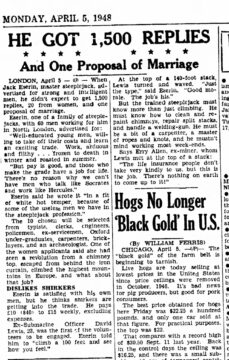
Some gen­der bound­aries got smashed in the after­math of WWII, but “steeple­jills” were nov­el­ty enough in 1948 that the scriptwriter pre­dictably milks it by hav­ing the announc­er crack wise to and about the uniden­ti­fied woman ready to climb all the way to the rim of a very tall smoke­stack.

“There it is! That long thing point­ing up there, it’s all yours!”

These days such a jib might con­sti­tute work­place harass­ment.

Did she get the job?

We don’t know. We hope so, who­ev­er she is — pre­sum­ably one of twen­ty female Lon­don­ers respond­ing to the help want­ed ad described in the Leth­bridge Her­ald, below:

Watch more scenes of vin­tage steeple­jacks — and jills — at work in a British Pathé “Nerves of Steel” playlist here.

Relat­ed Con­tent: 

The Sto­ry Behind the Icon­ic Pho­to­graph of 11 Con­struc­tion Work­ers Lunch­ing 840 Feet Above New York City (1932)

Watch the Com­plete­ly Unsafe, Ver­ti­go-Induc­ing Footage of Work­ers Build­ing New York’s Icon­ic Sky­scrap­ers

Watch 85,000 His­toric News­reel Films from British Pathé Free Online (1910–2008)

Ayun Hal­l­i­day is an author, illus­tra­tor, the­ater mak­er and Chief Pri­ma­tol­o­gist of the East Vil­lage Inky zine.  She’s had a ter­ri­ble fear of heights since a near miss in the Tro­gir Bell Tow­er some 14 years ago. Fol­low her @AyunHalliday.

A Short Animation Explores the Nature of Creativity & Invention, with Characters That Look Like Andrei Tarkovsky & Sergei Eisenstein

A gen­tle­man goes to the movies, only to find a mar­quee full of retreads, reboots, sequels, and pre­quels. He demands to know why no one makes orig­i­nal films any­more, a rea­son­able ques­tion peo­ple often ask. But it seems he has run direct­ly into a grad­u­ate stu­dent in crit­i­cal the­o­ry behind the glass. The tick­et-sell­er rat­tles off a the­o­ry of uno­rig­i­nal­i­ty that is dif­fi­cult to refute but also, it turns out, only a word-for-word recita­tion of the Wikipedia page on “Pla­gia­rism.”

This is one of the ironies in “Aller­gy to Orig­i­nal­i­ty” every Eng­lish teacher will appre­ci­ate. In the short, ani­mat­ed New York Times Op-Doc by Drew Christie, an offi­cial Sun­dance selec­tion in 2014, “two men dis­cuss whether any­thing is tru­ly orig­i­nal — espe­cial­ly in movies and books,” notes the Times. The ques­tion leads us to con­sid­er what we might mean by orig­i­nal­i­ty when every work is built from pieces of oth­ers. “In cre­at­ing this Op-Doc ani­ma­tion,” Christie writes, “I copied well-known images and pho­tographs, retraced innu­mer­able draw­ings, then pho­to­copied them as a way to under­score the un-orig­i­nal­i­ty of the entire process.”

From William Bur­roughs’ cut-ups to Roland Barthes’ “The Death of the Author,” mod­erns have only been re-dis­cov­er­ing what ancients accept­ed with a shrug — no one can take cred­it for a sto­ry, not even the author. Barthes argued that “lit­er­a­ture is pre­cise­ly the inven­tion of this voice, to which we can­not assign a spe­cif­ic ori­gin: lit­er­a­ture is that neuter, that com­pos­ite, that oblique into which every sub­ject escapes, the trap where all iden­ti­ty is lost, begin­ning with the very iden­ti­ty of the body that writes.”

In Christie’s short, the smar­tass the­ater employ­ee con­tin­ues quot­ing sources, now from the “Orig­i­nal­i­ty” Wikipedia, now from Mark Twain, who had many things to say about orig­i­nal­i­ty. Twain once wrote to Helen Keller, for exam­ple, out­raged that she had been accused of pla­gia­rism. He came to her defense with an earnest con­vic­tion: “The ker­nel, the soul—let us go fur­ther and say the sub­stance, the bulk, the actu­al and valu­able mate­r­i­al of all human utter­ance — is pla­gia­rism.”

Post­mod­ern sophistry from Mark Twain? Maybe. We haven’t had much oppor­tu­ni­ty to ver­bal­ly spar in pub­lic like this late­ly, unmasked and in search of enter­tain­ment in a pub­lic square. If you find your­self exas­per­at­ed with the stream­ing choic­es on offer, if the books you’re read­ing all start to feel too famil­iar, con­sid­er the infi­nite num­ber of cre­ative pos­si­bil­i­ties inher­ent in the art of quo­ta­tion — and remem­ber that we’re always repeat­ing, replay­ing, and remix­ing what came before, whether or not we cite our sources.

Relat­ed Con­tent: 

Every­thing is a Remix: A Video Series Explor­ing the Sources of Cre­ativ­i­ty

Mal­colm McLaren: The Quest for Authen­tic Cre­ativ­i­ty

Where Do Great Ideas Come From? Neil Gaiman Explains

Quentin Tarantino’s Copy­cat Cin­e­ma: How the Post­mod­ern Film­mak­er Per­fect­ed the Art of the Steal

Josh Jones is a writer and musi­cian based in Durham, NC. Fol­low him at @jdmagness

What Makes Citizen Kane a Great Film: 4 Video Essays Revisit Orson Welles’ Masterpiece on the 80th Anniversary of Its Premiere

To under­stand why Cit­i­zen Kane has for so long been referred to as the “great­est film of all time,” sim­ply watch any film made before it. Glib though that often-made pre­scrip­tion may sound, it gets at a truth about Orson Welles’ tale of the rise and fall of an Amer­i­can media mag­nate, his first and by far his most high­ly regard­ed pic­ture, now just days from the eight­i­eth anniver­sary of its pre­miere. “Its impact on cin­e­ma was so pro­found, and its tech­niques became so ubiq­ui­tous, that its once-rad­i­cal ideas now seem com­mon­place,” says the nar­ra­tor of the Youtube series One Hun­dred Years of Cin­e­ma, whose episode on the year 1941 could hard­ly have focused on any oth­er movie.

Among Cit­i­zen Kane’s most vis­i­ble inno­va­tions is cin­e­matog­ra­ph­er Gregg Toland’s use of deep focus, which allows Welles and his col­lab­o­ra­tors to make con­stant nar­ra­tive use of every visu­al detail. This encour­ages the audi­ence to “read the whole frame at once, much in the same way that one would read a paint­ing, each lay­er adding an ele­ment to the sto­ry.”

More sub­tly, “what sep­a­rat­ed Citi­zen Kane from the kind of films that pre­ced­ed it was the over­all ambiva­lence of its tone. It’s a film about one of the wealth­i­est, most suc­cess­ful men in the world, and yet per­me­at­ing the entire film is the gloom of fail­ure.” The lega­cy of these and oth­er dar­ing artis­tic choic­es man­i­fest in the work of sub­se­quent gen­er­a­tions of direc­tors, includ­ing such names cit­ed in the brief Fan­dor video essay above as Quentin Taran­ti­no, Mar­tin Scors­ese, Wes Ander­son, and Steven Spiel­berg.

“The cre­ators of Cit­i­zen Kane had the free­dom to play and inno­vate,” says Michael Aran­da in the episode of Crash Course Film Crit­i­cism above. “Many of their tech­ni­cal exper­i­ments changed the way film was being used as a sto­ry­telling medi­um — which, arguably, could be anoth­er way to define ‘great­ness.’ ” Welles him­self put it dif­fer­ent­ly: “There is a great gift that igno­rance has to bring to any­thing. That was the gift I brought to Kane, igno­rance.” Of course, he had the good excuse of being 25 years old, although already more than estab­lished on the stage and the radio. When Hol­ly­wood came call­ing, he brought his cre­ative­ly spir­it­ed Mer­cury The­atre Play­ers with­in to make use of the rel­a­tive­ly vast pro­duc­tion resources avail­able at RKO Pic­tures. One of Welles’ col­lab­o­ra­tors in par­tic­u­lar has recent­ly been back in the pub­lic eye: Her­man J. Mankiewicz, who’d pre­vi­ous­ly writ­ten scripts for Welles’ Camp­bell Play­house series on CBS Radio.

David Fincher’s bio­graph­i­cal dra­ma Mank, which won a cou­ple of Acad­e­my Awards last week­end, tells the sto­ry of the trou­bled screen­writer’s involve­ment with Cit­i­zen Kane. Orig­i­nal­ly writ­ten by Fincher’s father, Mank drew its first inspi­ra­tion from “Rais­ing Kane,” a 1971 essay by New York­er film crit­ic Pauline Kael that famous­ly depict­ed Mankiewicz, not Welles, as Cit­i­zen Kane’s pri­ma­ry author. Sub­se­quent schol­ar­ship, as explained in the Roy­al Ocean Film Soci­ety video above, has revealed that Kael was labor­ing under a mis­ap­pre­hen­sion (if not a grudge). But the fact remains that all the par­tic­i­pants in Cit­i­zen Kane did their bit to great­ly advance the medi­um of cin­e­ma, and for the young Welles the pic­ture became proof of his artis­tic matu­ri­ty: a mas­ter­piece, in the orig­i­nal sense.

Relat­ed Con­tent:

Orson Welles Explains Why Igno­rance Was His Major “Gift” to Cit­i­zen Kane

Jorge Luis Borges Reviews Cit­i­zen Kane — and Gets a Response from Orson Welles

Jean-Paul Sartre Reviews Orson Welles’ Mas­ter­work (1945): “Cit­i­zen Kane Is Not Cin­e­ma”

When Ted Turn­er Tried to Col­orize Cit­i­zen Kane: See the Only Sur­viv­ing Scene from the Great Act of Cin­e­mat­ic Sac­ri­lege

How Orson Welles’ F for Fake Teach­es Us How to Make the Per­fect Video Essay

What Makes Ver­ti­go the Best Film of All Time? Four Video Essays (and Mar­tin Scors­ese) Explain

Based in Seoul, Col­in Mar­shall writes and broad­casts on cities, lan­guage, and cul­ture. His projects include the Sub­stack newslet­ter Books on Cities, the book The State­less City: a Walk through 21st-Cen­tu­ry Los Ange­les and the video series The City in Cin­e­ma. Fol­low him on Twit­ter at @colinmarshall or on Face­book.

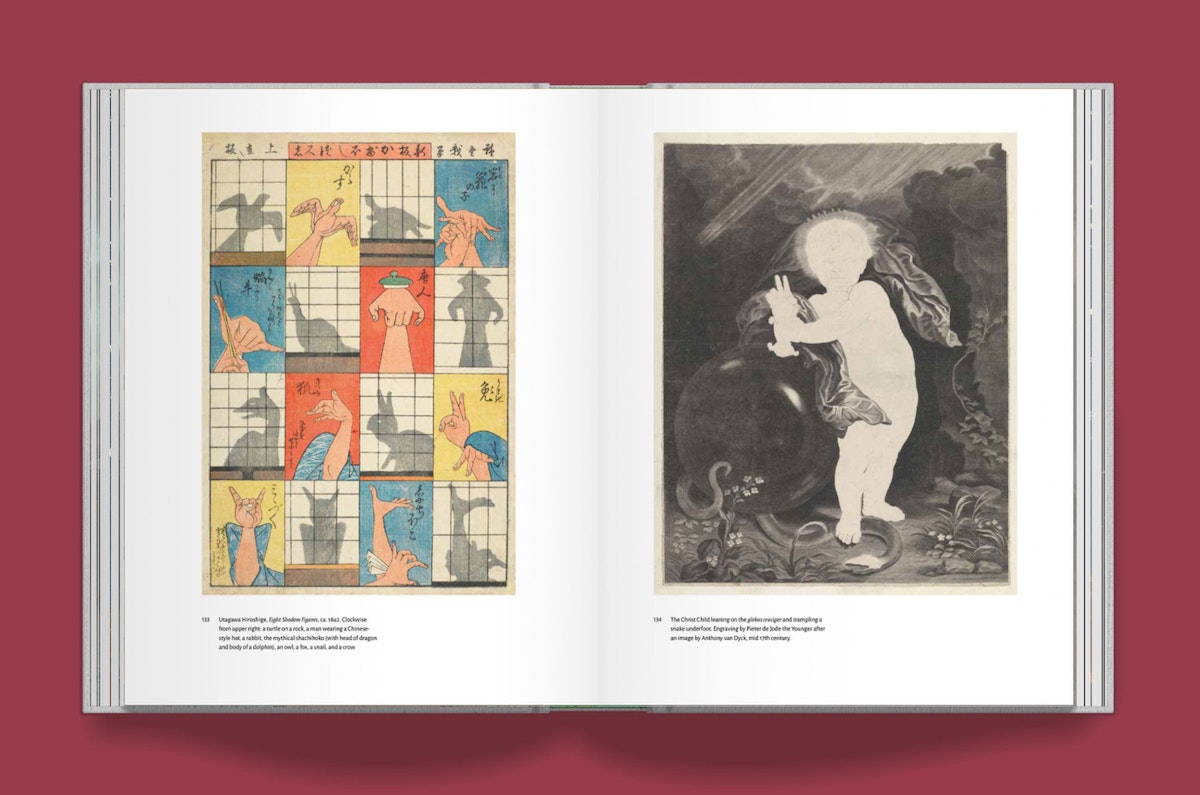
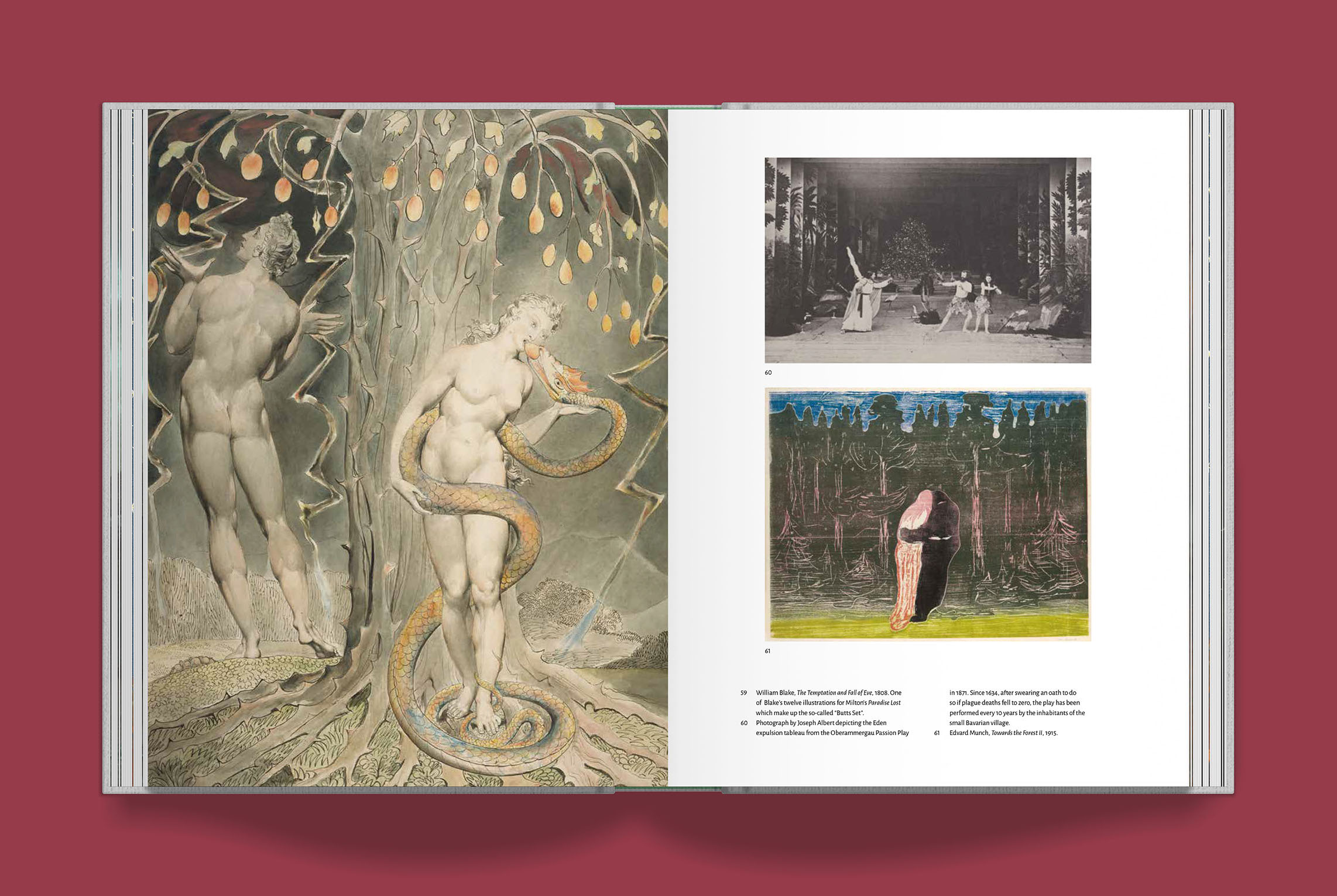
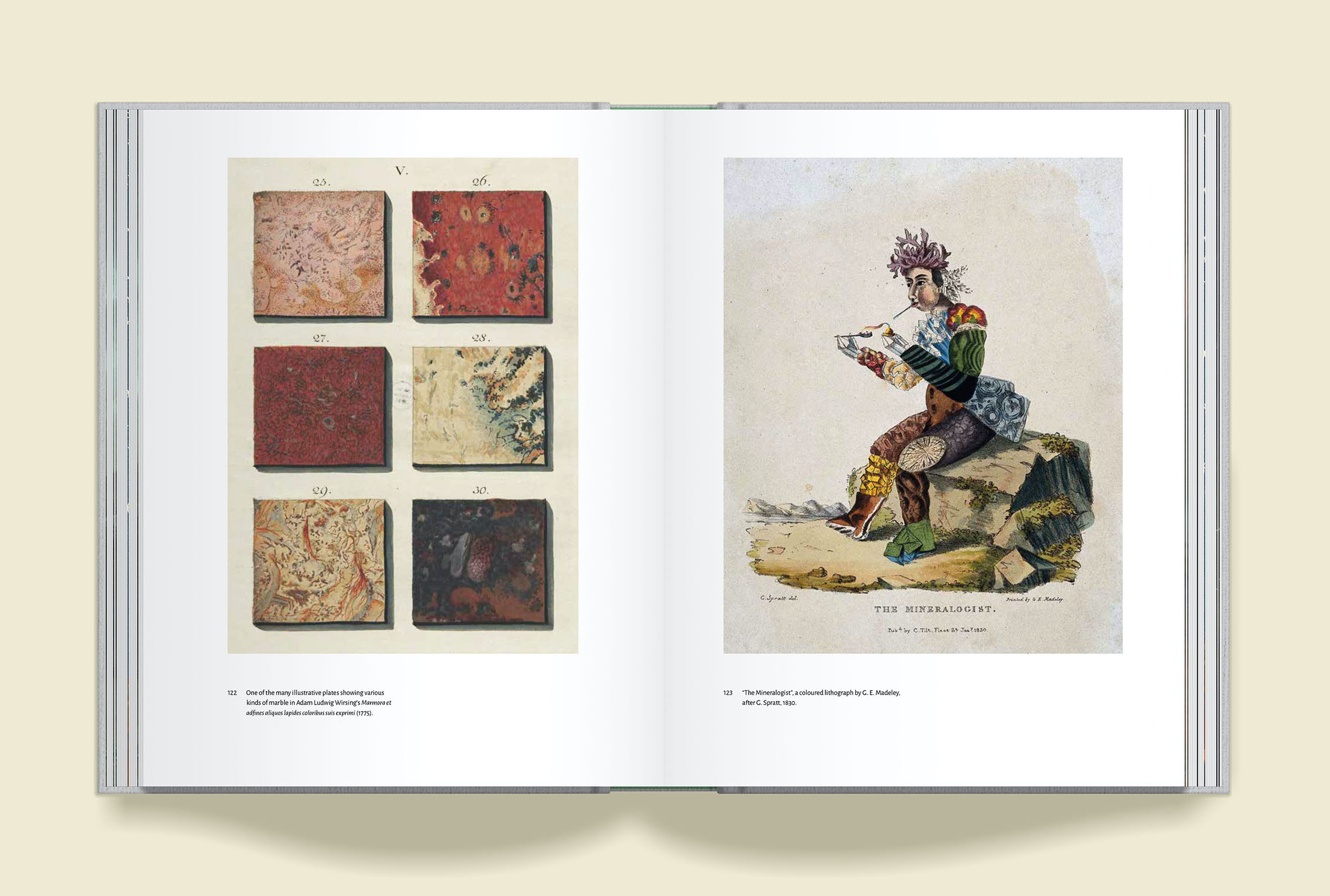
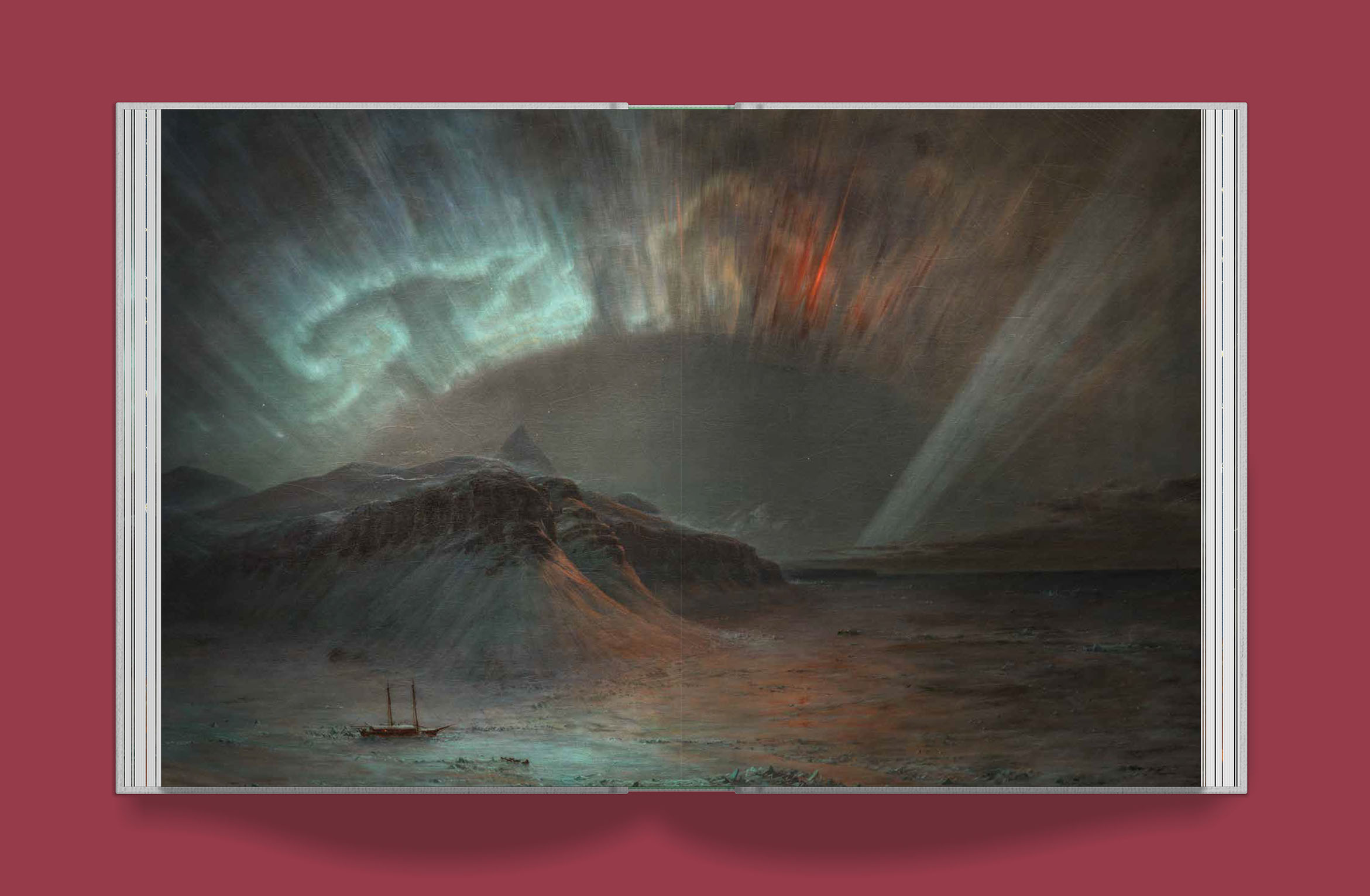
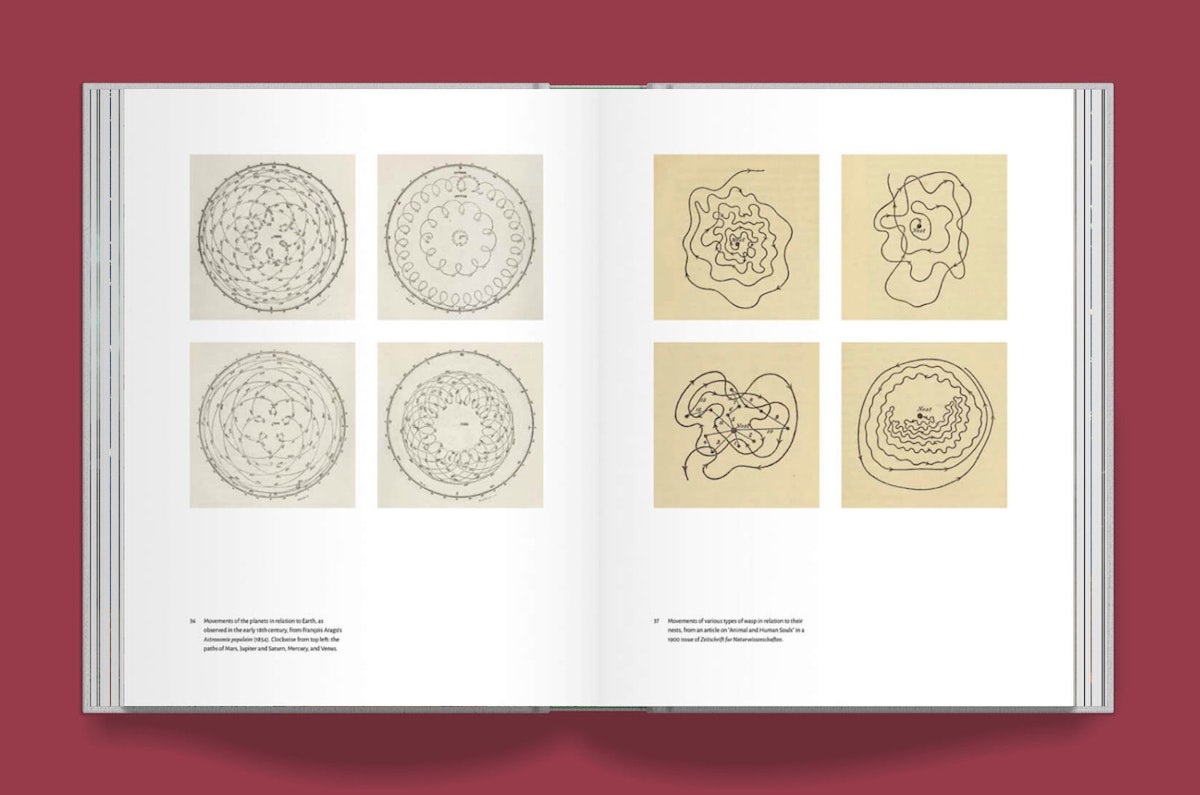
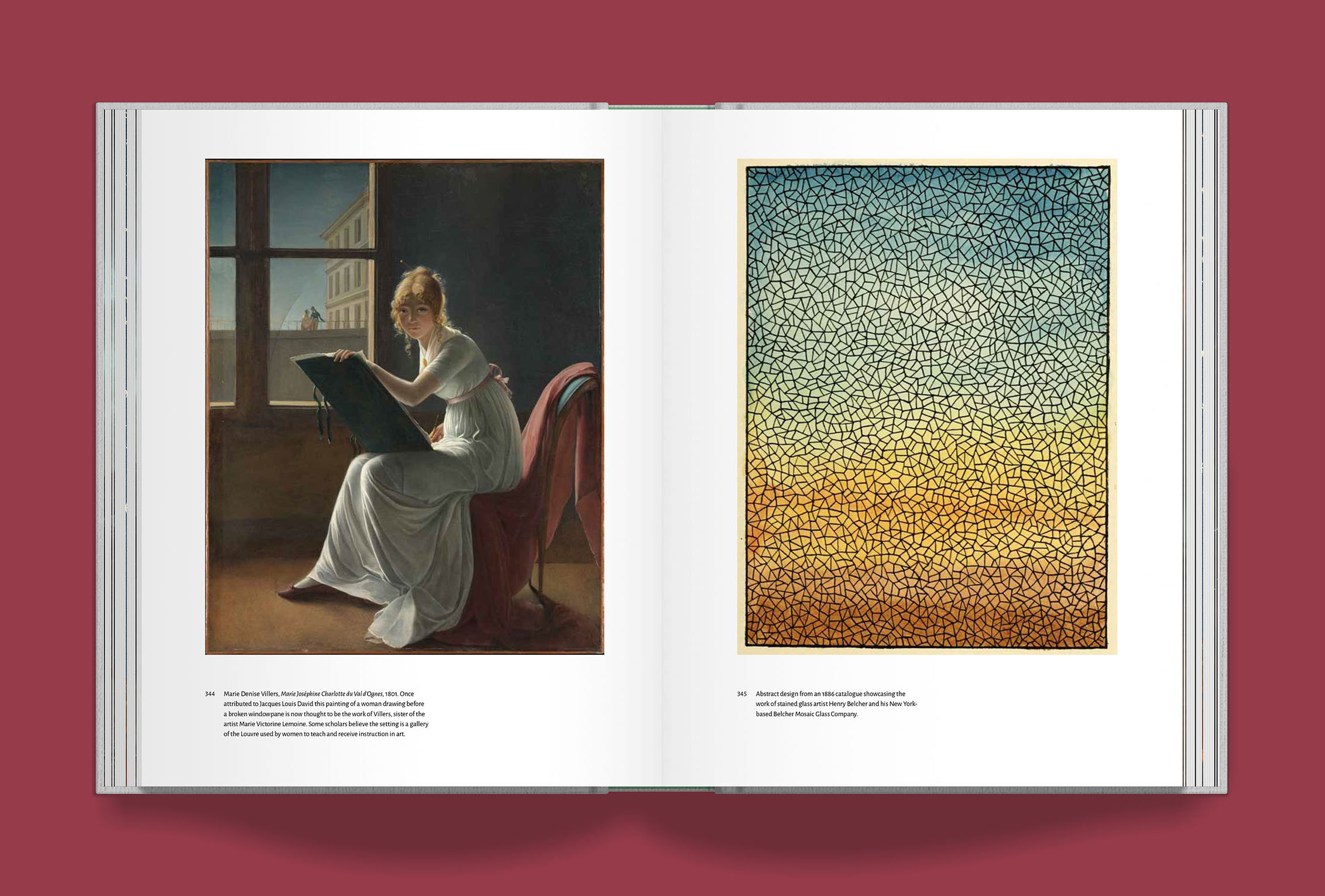
Affinities, a Book of Images to Celebrate 10 Years of The Public Domain Review

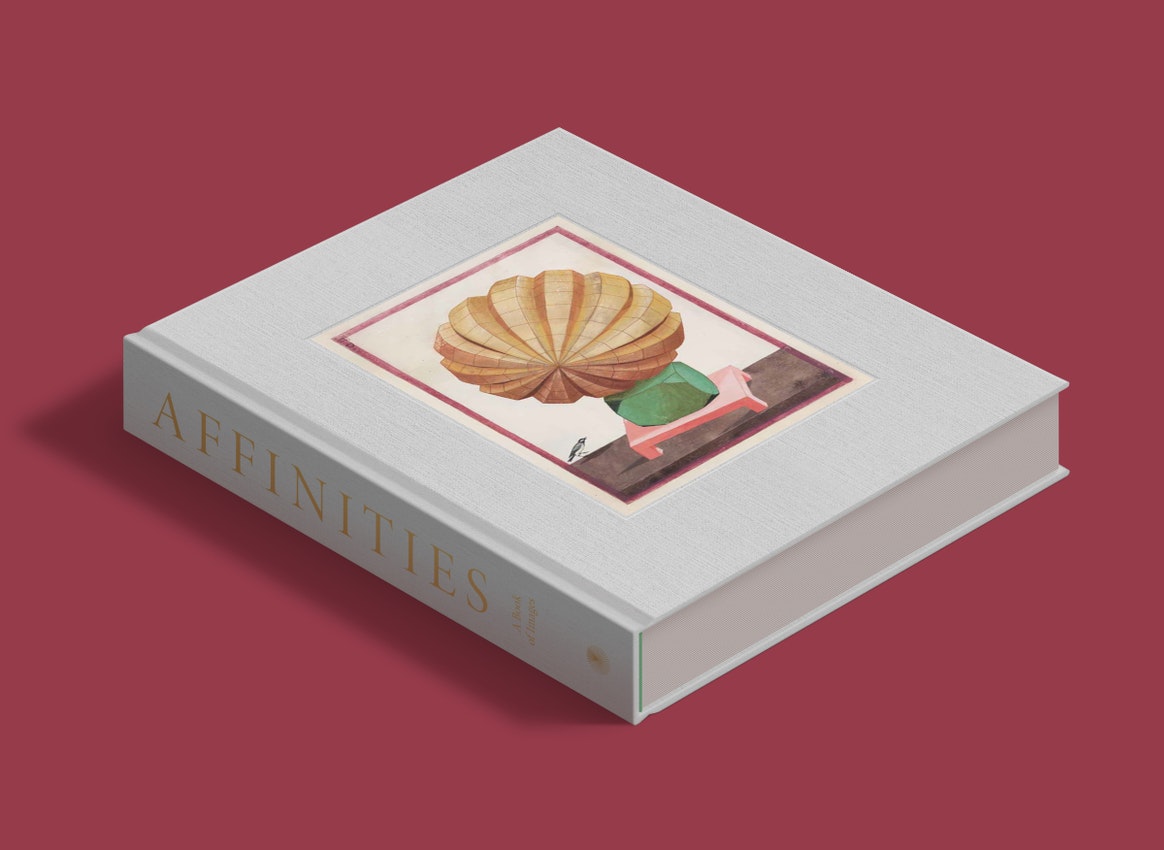
In a sim­i­lar way to how Open Cul­ture aims to dis­till in one place the web’s high-qual­i­ty free cul­tur­al and edu­ca­tion­al media, so The Pub­lic Domain Review aims to help read­ers explore the vast (and some­times over­whelm­ing!) sea of pub­lic domain works avail­able online — like a small exhi­bi­tion gallery at the entrance to an immense net­work of archives and stor­age rooms that lie beyond. Cel­e­brat­ing curi­ous and beau­ti­ful pub­lic domain images is at the very heart of what we do, and so it seemed fit­ting to mark our 10th anniver­sary with a big and beau­ti­ful book of images. Ever since the project began back in 2011, read­ers have implored us to do one, and so final­ly here it is…  we are extreme­ly excit­ed to bring out into the world AFFINITIES.

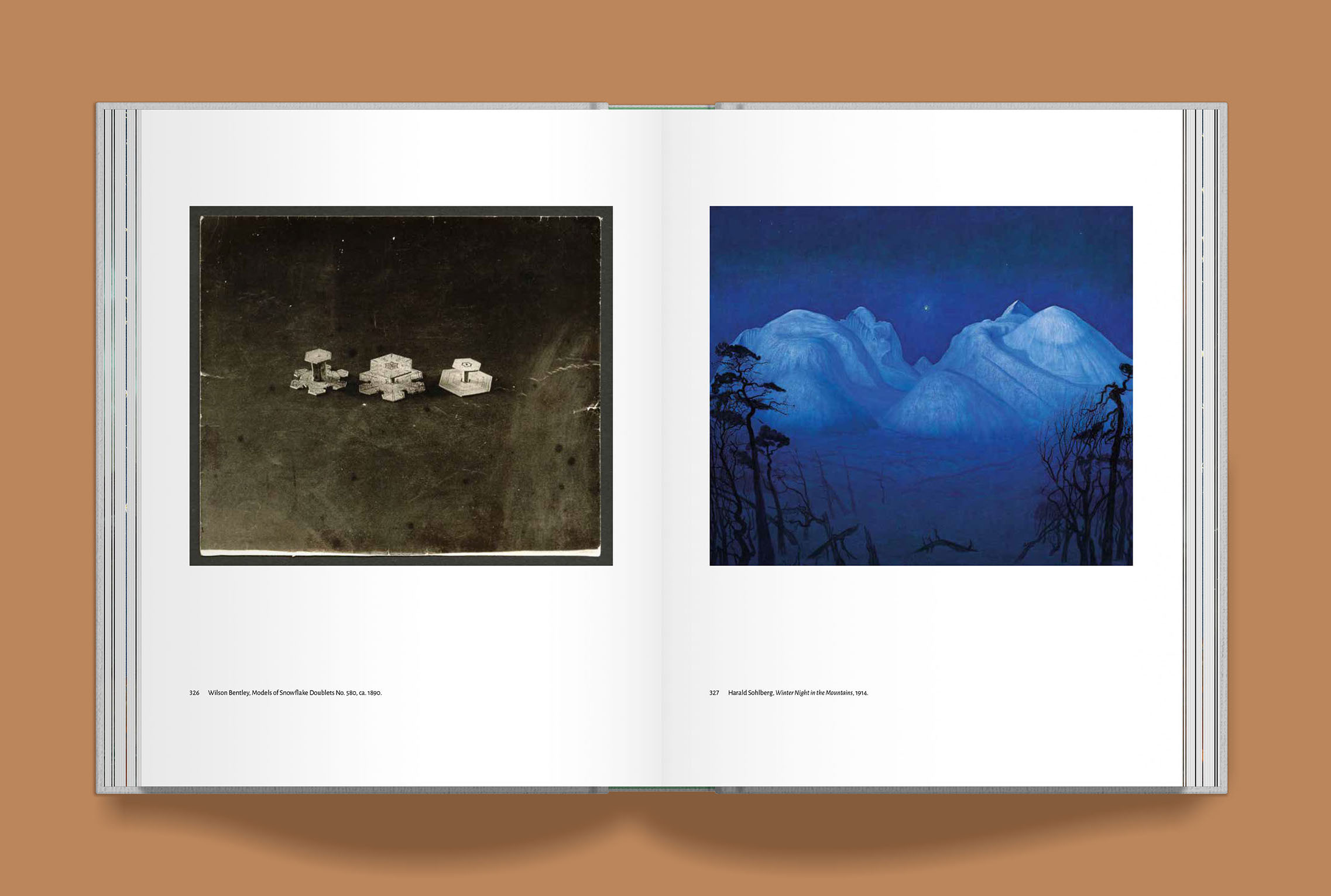
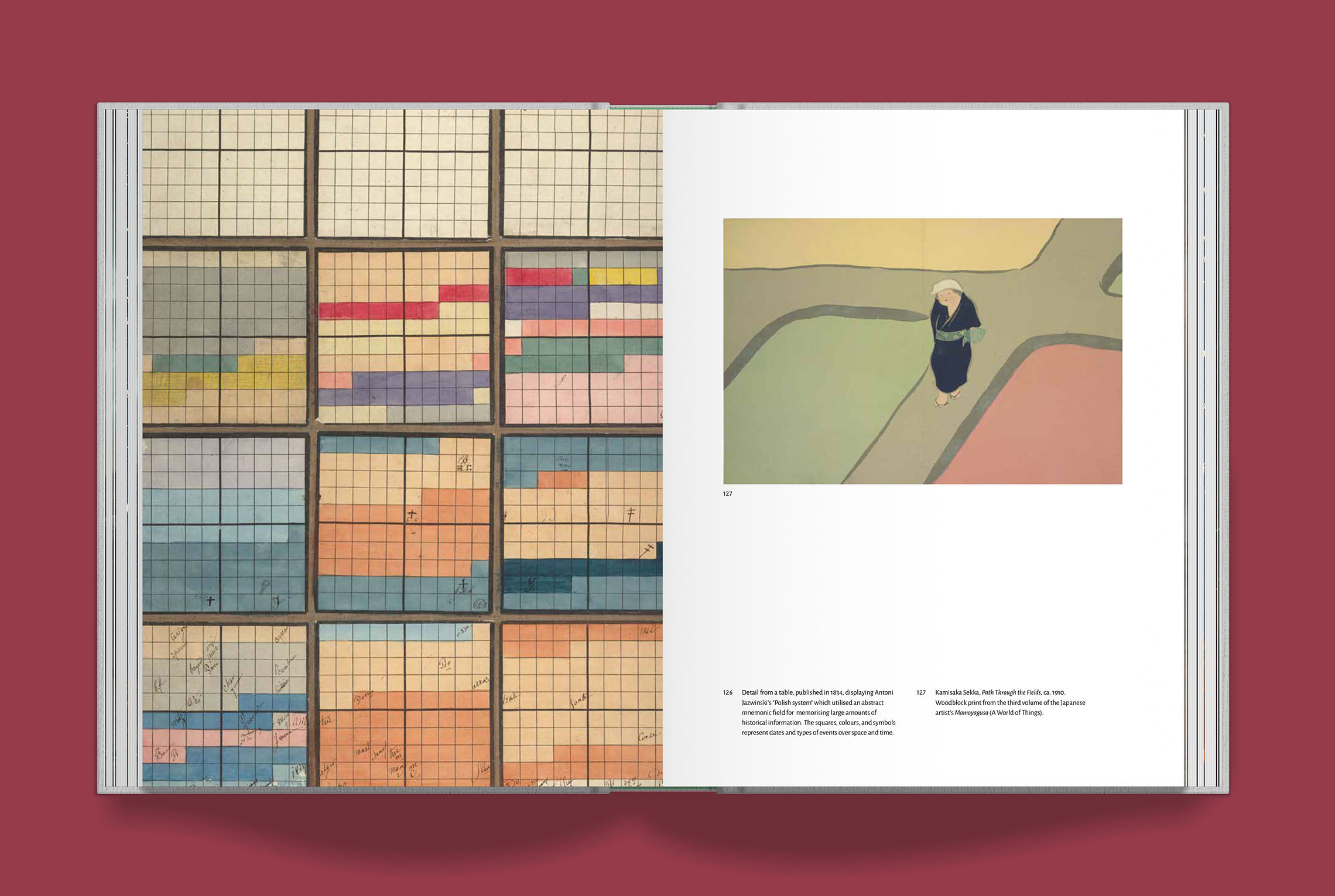
Gath­er­ing over 500 prints, paint­ings, illus­tra­tions, sketch­es, pho­tographs, doo­dles, and every­thing in between, the book is a care­ful­ly curat­ed jour­ney explor­ing echoes and con­nec­tions across more than two mil­len­nia of visu­al cul­ture. Assem­bled accord­ing to a dream­like log­ic, the images unfurl in a sin­gle unbro­ken sequence, through a play of visu­al echoes and evolv­ing the­mat­ic threads.

While it’s tak­en the best part of a year to cre­ate (a true lock­down baby), this has real­ly been 10 years in the mak­ing — a book born from a decade of deep immer­sion in pub­lic domain archives.

A com­pelling object and expe­ri­ence in its own right, Affini­ties also acts as a launch­pad for fur­ther dis­cov­er­ies and inven­tive engage­ments with the com­mons. It’s metic­u­lous sourc­ing points to works, cre­ators, and col­lec­tions around the world, serv­ing as a gate­way for future for­ays into the dig­i­tal pub­lic domain.

As for the phys­i­cal book itself, we want­ed to cre­ate an object as stun­ning as the images with­in. It is large for­mat (28 x 21.5cm / 11 x 8.5”), boasts a cloth-bound hard­cov­er, with a foil stamped title and embossed inset image, and extends across a whop­ping 368 pages. To help get this beau­ty made and assure the high­est qual­i­ty pro­duc­tion, we are very hap­py to have teamed up with spe­cial­ist art book pub­lish­er Vol­ume, an imprint of Thames & Hud­son.

It’s being sold via a crowd­fun­der and deliv­ery will be ear­ly next year. In addi­tion to the stan­dard edi­tion of the book, we’ve worked with Vol­ume to cre­ate a spe­cial Collector’s Edi­tion (in a slip­case with lim­it­ed edi­tion poster) and also a set of lim­it­ed edi­tion prints. All of the offer­ings are only avail­able dur­ing the cam­paign. 

Learn more, and order your copy, over on the crowd­fun­der page.

Adam Green is co-founder, cre­ator, and main edi­tor of The Pub­lic Domain Review and PDR Press.

by | Permalink | Make a Comment ( 1 ) |

How the Clash Embraced New York’s Hip Hop Scene and Released the Dance Track, “The Magnificent Dance” (1981)

“Before play­ing gui­tar for Cap­tain Beef­heart and Jeff Buck­ley,” John Kruth writes at the Observ­er, “Gary Lucas worked as a copy­writer for CBS/Epic Records,” where he fell in love with a punk band called the Clash, just signed to the label in 1977. “They weren’t easy to work with,” he remem­bered. “Like Frank Zap­pa, they spoke about pol­i­tics, gov­ern­ment and cor­po­rate inter­fer­ence with radio. They were, as I said, when I came up with the slo­gan to pro­mote the album: ‘The only group that mat­ters.’”

The slo­gan stuck and has become some­thing more than mar­ket­ing hype. Of the slew of British punk bands who made their way to the US in the late 1970s/early 1980s, the Clash had more impact than most oth­ers in some unex­pect­ed ways. Their clas­sic dou­ble album Lon­don Call­ing made Tom Morel­lo of Rage Against the Machine (the only 90s rap-rock band that mat­ters) take notice and change direc­tion. “It was music I could relate to lyri­cal­ly,” he says, “much more than the dun­geons-and-drag­ons type lyrics of my met­al fore­bears.”

More­over, god­fa­thers of polit­i­cal rap Pub­lic Ene­my found their cat­a­lyst in the Clash, and went on to cre­ate a rau­cous, mil­i­tant sound that was the punk equiv­a­lent in hip hop, full of snarling gui­tars, stri­dent dec­la­ra­tions and sirens. The song that most had an impact on PE founder and chief lyri­cist Chuck D came from the band’s even more sprawl­ing triple album San­din­ista!. When Chuck heard “The Mag­nif­i­cent Sev­en,” the Clash’s attempt to incor­po­rate Grand­mas­ter Flash and the Sug­ar Hill Gang — six months before Blondie released “Rap­ture” — “that’s when I start­ed to pay atten­tion,” he says.

“Mag­nif­i­cent Sev­en” came out of the band’s increas­ing musi­cal adven­tur­ous­ness in the record­ing of 1980’s San­din­ista!, in which they soaked up influ­ences from every place they toured. “When we vis­it­ed places,” Mick Jones remem­bered, “we were affect­ed by that… And for me, New York City was real­ly hap­pen­ing at that moment.” Jones took to car­ry­ing a boom box around blast­ing the lat­est hip hop. “Joe looked at the graf­fi­ti artists,” he says, “and I was tak­ing in things like break­danc­ing and rap.” The band, bassist Paul Simenon recalls, was “open for infor­ma­tion” when they met “peo­ple like Futu­ra and Grand­mas­ter Flash and Kur­tis Blow.”

The Clash didn’t only take from hip hop, but they tried to give back as well. Their 1981 run at “an aging Times Square Dis­co,” Jeff Chang writes, proved to be a major oppor­tu­ni­ty for graf­fi­ti artists like Futu­ra, who paint­ed a huge ban­ner that was unfurled onstage every night and got to deliv­er his own rap while the band backed him. When the Clash announced an addi­tion­al 11 shows after the NYPD lim­it­ed capac­i­ty, they showed what Chang calls a “naive act of sol­i­dar­i­ty,” book­ing Grand­mas­ter Flash and the Furi­ous Five as an open­ing act. White Amer­i­can punks sneered at the group; the Clash “respond­ed by exco­ri­at­ing their own fans in inter­views, and future Bronx-bred open­ers, The Treach­er­ous Three and ESG, received mar­gin­al­ly bet­ter treat­ment.”

Even more excit­ing was the fact that the B‑side to “The Mag­nif­i­cent Sev­en,” a dub remix called “The Mag­nif­i­cent Dance,” had made it to New York hip hop radio and made the band unlike­ly stars among black Amer­i­can lis­ten­ers. “The Clash were ecsta­t­ic to tune into WBLS and find that the DJs were not only play­ing ‘The Mag­nif­i­cent Dance’ up to five times a day, but also doing their own remix­es of it,” writes Mar­cus Gray, “dub­bing on sam­ples from the sound­track of Dirty Har­ry.” While the track, with its lop­ing bass line played by Ian Drury and the Block­heads bassist Nor­man Watt-Roy, primed dance floors for the suc­cess of the fol­low­ing year’s funk/disco “Rock the Cas­bah,” it was the lyrics that most grabbed lis­ten­ers like Morel­lo and Chuck D.

“They talked about impor­tant sub­jects,” says Chuck, “so there­fore jour­nal­ists print­ed what they said.… We took that from the Clash, because we were very sim­i­lar in that regard. Pub­lic Ene­my just did it 10 years lat­er.” It may have tak­en that long for the bar­ri­ers between punk and hip hop fans to come down, but to the extent that they did, it was in large part thanks to the musi­cal adven­tur­ous­ness of the Clash and the ear­ly icons and fans who saw their rev­o­lu­tion­ary poten­tial.

Relat­ed Con­tent: 

“Stay Free: The Sto­ry of the Clash” Nar­rat­ed by Pub­lic Enemy’s Chuck D: A New 8‑Episode Pod­cast

The Sto­ry Behind the Icon­ic Bass-Smash­ing Pho­to on the Clash’s Lon­don Call­ing

Watch Audio Ammu­ni­tion: A Doc­u­men­tary Series on The Clash and Their Five Clas­sic Albums

Josh Jones is a writer and musi­cian based in Durham, NC. Fol­low him at @jdmagness

Has TV Rotted Our Minds? On Neil Postman’s Amusing Ourselves to Death (A Pretty Much Pop Culture Podcast/Partially Examined Life Philosophy Podcast Crossover)

Mar­shall McLuhan famous­ly said “The medi­um is the mes­sage,” by which he meant that when we receive infor­ma­tion, its effect on us is deter­mined as much by the form of that infor­ma­tion as by the actu­al con­tent.

Neil Post­man, in his 1985 book Amus­ing Our­selves to Death: Pub­lic Dis­course in the Age of Show Busi­ness, ran with this idea, argu­ing that TV has con­di­tioned us to expect that every­thing must be enter­tain­ing, and that this has had a dis­as­trous effect on news, pol­i­tics, edu­ca­tion, and think­ing in gen­er­al.

In this dis­cus­sion, your Pret­ty Much Pop hosts Mark Lin­sen­may­er and Bri­an Hirt join with the rest of the Par­tial­ly Exam­ined Life crew: Seth Paskin, Dylan Casey and Wes Alwan.

The result is much more philo­soph­i­cal con­text than you’d get in a typ­i­cal Pret­ty Much Pop dis­cus­sion. Pla­to, for exam­ple, argued (through the char­ac­ter of Socrates) in the Phae­drus against writ­ing, which he said amounts to off-load­ing thought to this inert thing, when it should be live­ly in our minds and our direct con­ver­sa­tions. Post­man’s book describes the Age of Print as high­ly con­ge­nial toward lengthy, abstract rea­son­ing. High lit­er­a­cy rates, par­tic­u­lar­ly in Amer­i­ca, con­di­tioned peo­ple to expect that this is how infor­ma­tion is to be received, and as such they were, for instance, pre­pared to lis­ten rapt­ly to the Lin­coln-Dou­glas debates in which the speak­ers pro­vid­ed lawyer­ly speech­es that might span mul­ti­ple hours.

Post­man, an edu­ca­tion­al the­o­rist, described tele­vi­sion as not just pro­vid­ing a no-con­text expe­ri­ence whose high lev­el of visu­al and audi­to­ry stim­u­la­tion beats its spec­ta­tors into thought­less pas­siv­i­ty, but that its pop­u­lar­i­ty pos­i­tive­ly infects all the oth­er com­mu­ni­ca­tion chan­nels avail­able. Of course there is still in-per­son teach­ing, but tele­vi­sion short­ens atten­tion spans such that teach­ers now feel the need to con­stant­ly enter­tain instead of forc­ing stu­dents to make the effort required to attend care­ful­ly to what they have to teach. Of course there are still books, but they are less read, and the com­pe­ti­tion of tele­vi­sion for our time has changed the pre­sen­ta­tion with­in books so that they must be as imme­di­ate­ly and con­sis­tent­ly appeal­ing as tele­vi­sion.

McLuhan described tele­vi­sion as a “hot” medi­um due to its high lev­el of stim­u­la­tion, where a “cool” one like a text­book requires more active par­tic­i­pa­tion of the recip­i­ent. We dis­cuss how Post­man’s cri­tique fares in the Age of the Inter­net, which inter­est­ing­ly mix­es things up, with more inter­ac­tiv­i­ty (in that sense cool­er) yet even more pos­si­bil­i­ty for sen­so­ry dis­trac­tion (in that per­haps more impor­tant sense hot­ter). To sup­ple­ment Post­man, we also con­sult­ed a wide­ly read arti­cle from The Atlantic writ­ten by Nicholas Carr in 2008 called “Is Google Mak­ing Us Stu­pid.”

For more philo­soph­i­cal touch­points, see the post for this dis­cus­sion at partiallyexaminedlife.com.

Hear more Pret­ty Much Pop at prettymuchpop.com. This episode includes an equal­ly long sec­ond part that you can access by sup­port­ing Pret­ty Much Pop at patreon.com/prettymuchpop or by sup­port­ing The Par­tial­ly Exam­ined Life at partiallyexaminedlife.com/support. Lis­ten to a pre­view of part two.

Pret­ty Much Pop: A Cul­ture Pod­cast is the first pod­cast curat­ed by Open Cul­ture. Browse all Pret­ty Much Pop posts.

« Go BackMore in this category... »
Quantcast