The music collective Playing for Change is back. This time, they have Jackson Browne performing his 1970s hit, “Doctor, My Eyes,” supported by musicians from Brazil, Jamaica, India, Puerto Rico, France and beyond. Browne is also joined by Leland Sklar and Russ Kunkel, who played on the original 1972 song, and they still sound amazing. Enjoy.…
If you would like to sign up for Open Culture’s free email newsletter, please find it here. It’s a great way to see our new posts, all bundled in one email, each day.
If you would like to support the mission of Open Culture, consider making a donation to our site. It’s hard to rely 100% on ads, and your contributions will help us continue providing the best free cultural and educational materials to learners everywhere. You can contribute through PayPal, Patreon, and Venmo (@openculture). Thanks!
Not that it ranks especially high. In fact, it comes in at number 50, leading into a selection of videos from artists popular in a range of subsequent periods: Talking Heads, George Michael, Nirvana, LL Cool J, Britney Spears, Taylor Swift. As the artistic ambitions of the music video grew, it reflected not just a song’s cultural moment, but put several such moments in play at once.
In Sonic Youth’s “Teen Age Riot,” “a clip of Elvis Presley is followed by space-jazz pioneer Sun Ra; a snatch of underground comic book auteur Harvey Pekar on Late Night with David Letterman flits by.” For the “high water mark for kitschy 1990s irony” that is Weezer’s “Buddy Holly,” “Spike Jonze sets the video in the 1950s… but it’s the ’50s as seen on Happy Days, a sitcom that painted a rosy picture of the Eisenhower years.”
Jonze also draws inspiration from seventies television for the Beastie Boys’ “Sabotage,” a tribute to the cop shows of that era that makes up for an apparent lack of budget with sheer humor and energy (a reminder of the director’s origin in skateboarding videos). I remember my millennial peers getting excited about that video in the 90s, as, in the 200s, they’d get excited about Michel Gondry’s all-LEGO animation of the White Stripes’ “Fell in Love with a Girl.” This was roughly when Britney Spears was breaking through to superstardom, thanks not least to videos like “Baby One More Time,” which combines the slickness of teen pop with the chintz of teen life. “The idea for Britney’s iconic schoolgirl uniform and pigtails came from the singer herself: director Nigel Dick followed her lead, then had wardrobe buy every stitch of clothing in the video from Kmart.”
This was also before Youtube, whose ascent made the music video more viable than it had been in years. The AV Club’s list does include a few videos from the past decade and a half— Beyoncé’s “Single Ladies,” Lady Gaga’s “Bad Romance” — but on the whole, it underscores that there’s never been another time like the eighties. That decade that went from “Ashes to Ashes” to “Girls Just Want to Have Fun,”“Relax,”“Money for Nothing,”“Walk This Way,” “Take on Me,” and “Rhythm Nation” — to say nothing of institutions like Duran Duran, Madonna, and Michael Jackson, all of whom make the list more than once, but none of whom take its top spot. That goes to Peter Gabriel, whose stop-motion fantasia “Sledgehammer” is MTV’s all-time most-played music video. “If anyone wants to try and copy this video, good luck to them,” Gabriel once said. He meant its painstaking production, but he could just as easily have been talking about the place it attained in pop culture.
Based in Seoul, Colin Marshall writes and broadcasts on cities, language, and culture. His projects include the Substack newsletterBooks on Cities, the book The Stateless City: a Walk through 21st-Century Los Angeles and the video series The City in Cinema. Follow him on Twitter at @colinmarshall or on Facebook.
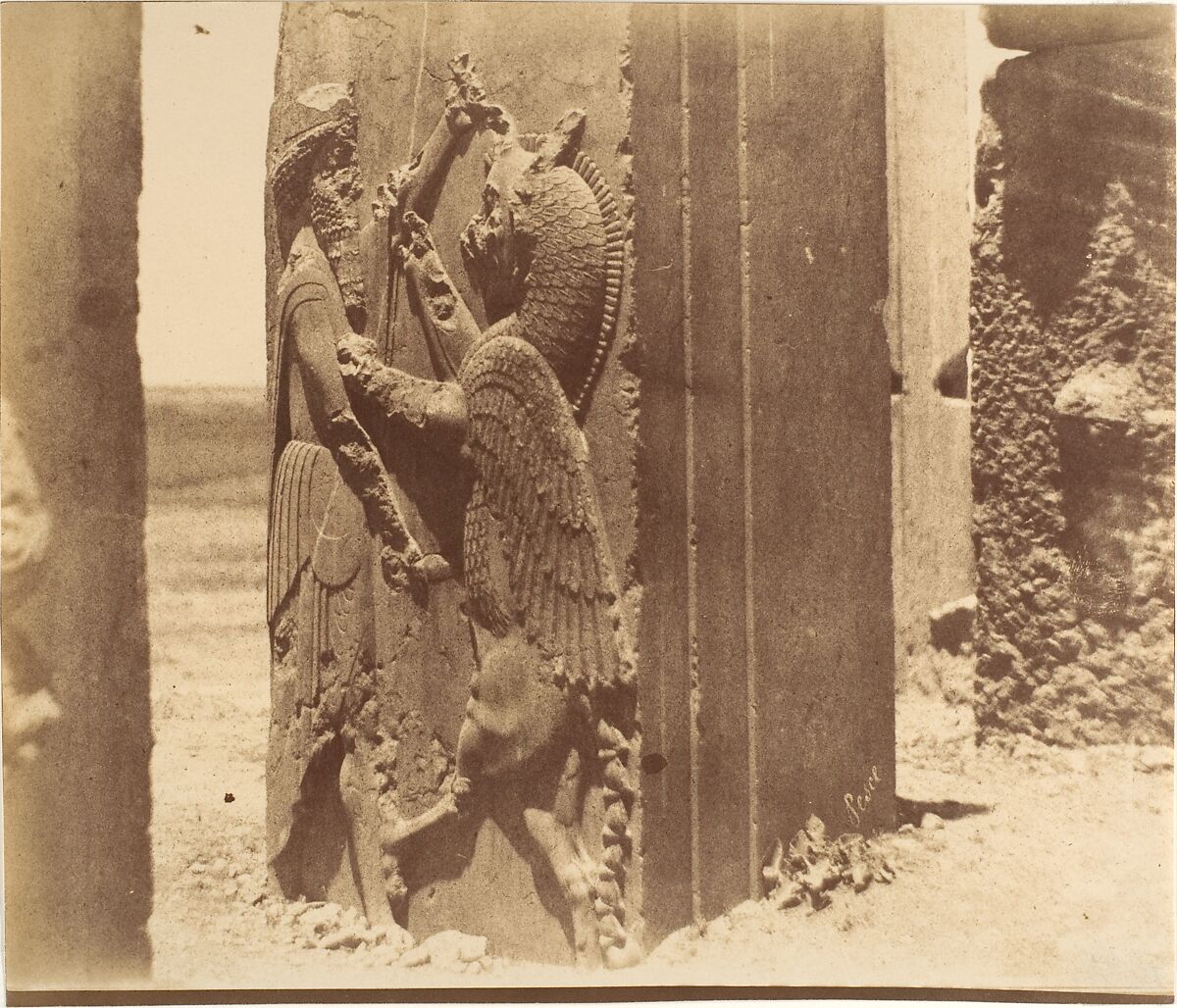
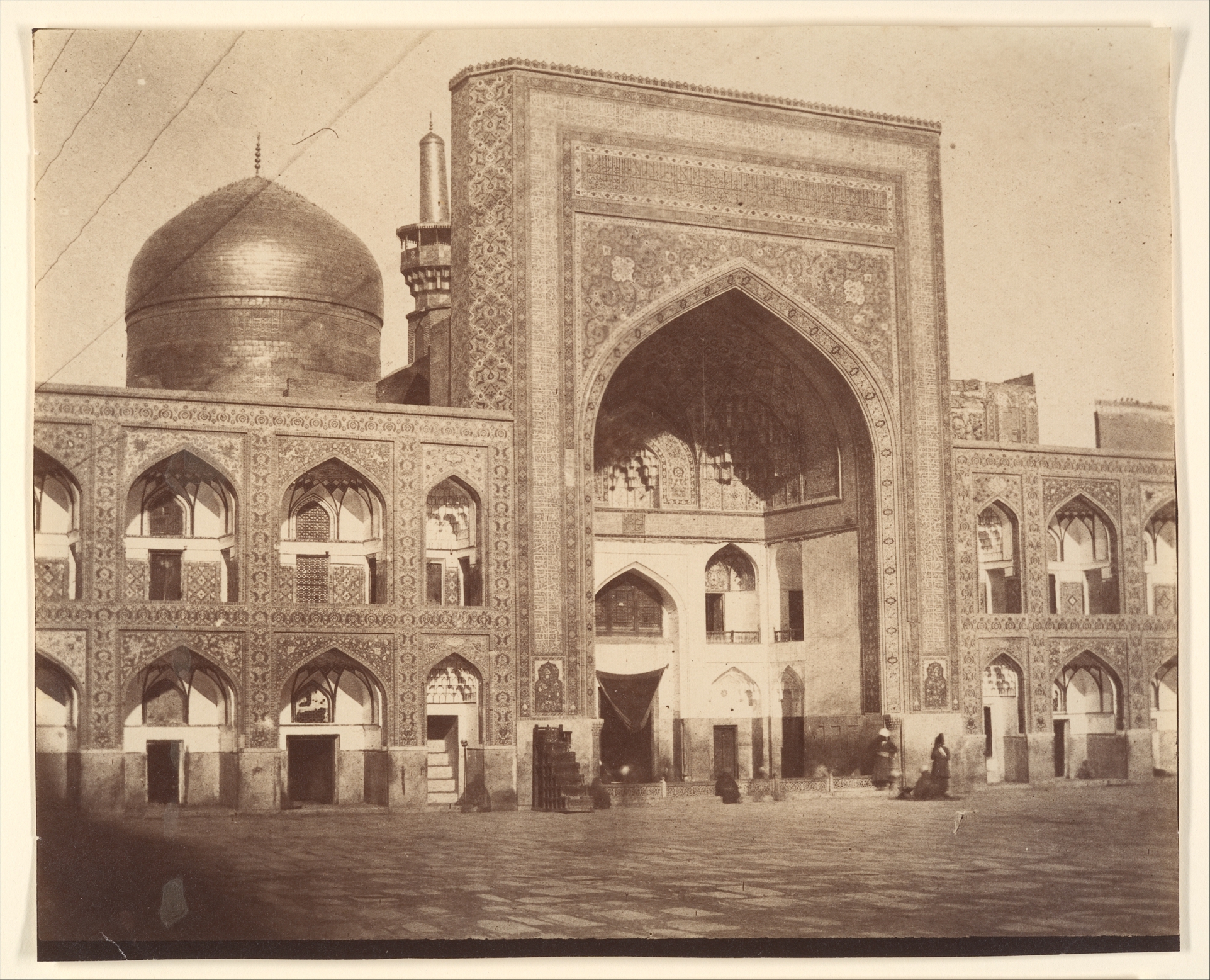
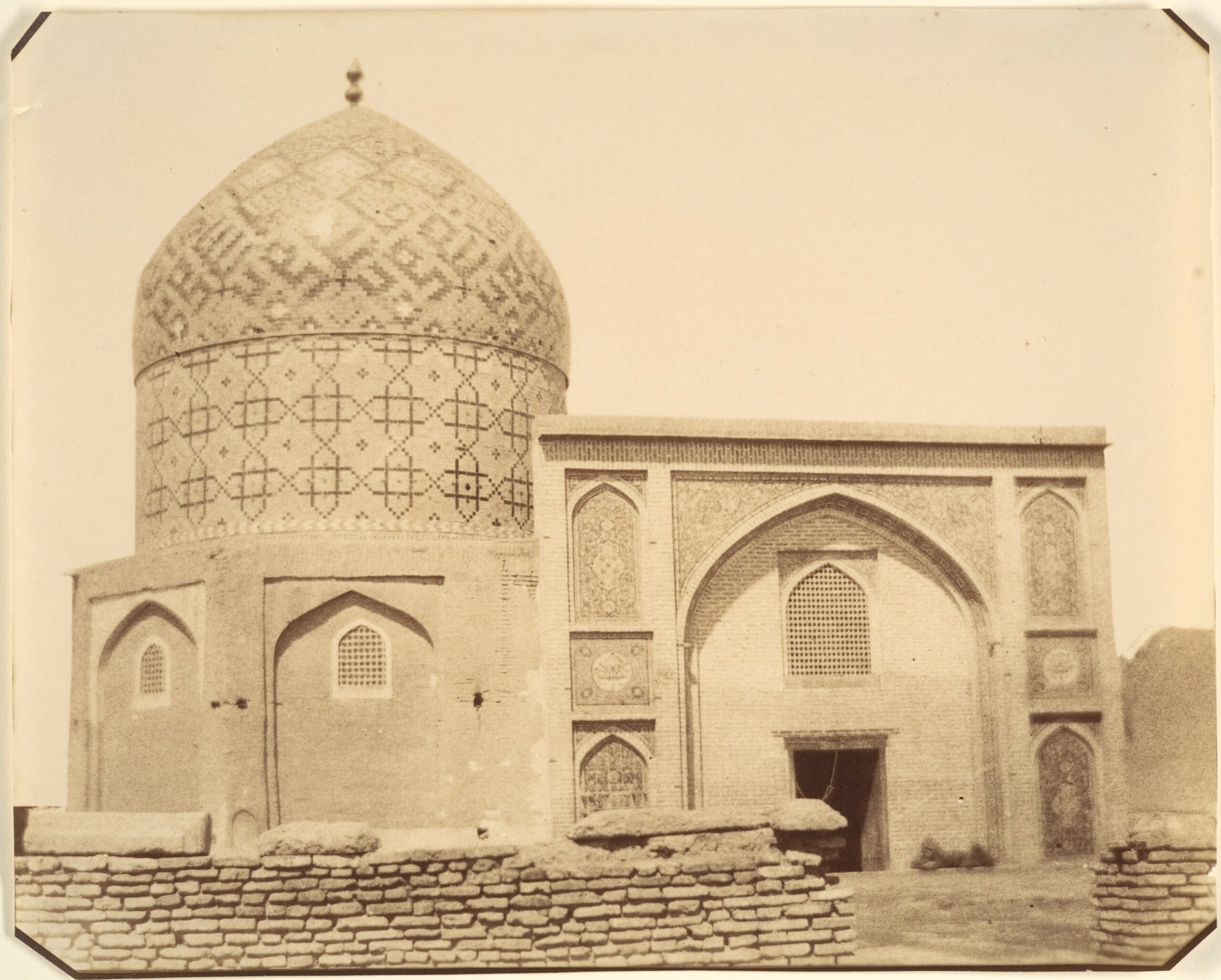
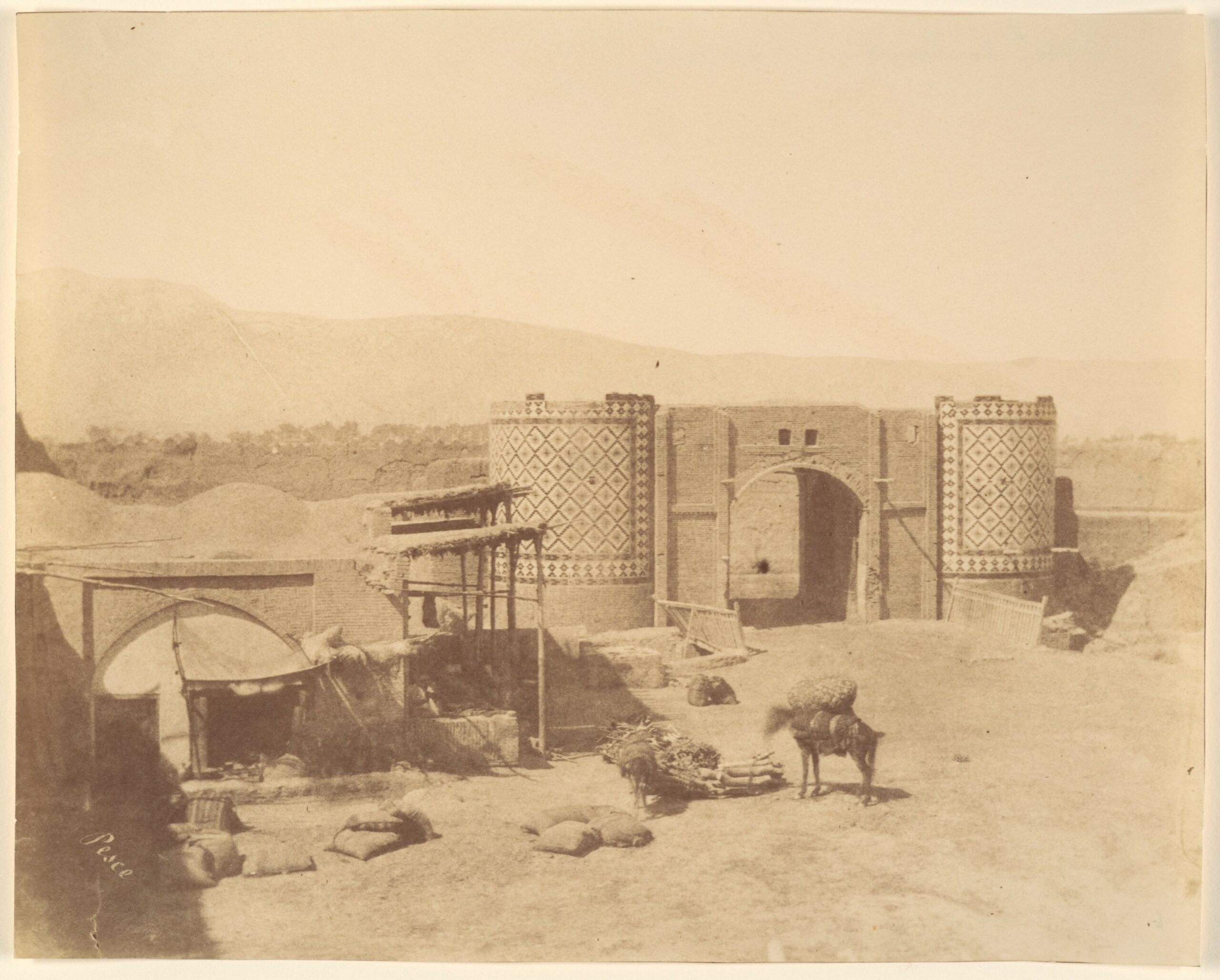
The technology and art of photography emerged in nineteenth-century Europe. And so, when a part of the world outside Europe was well-photographed in those days, it tended to be a traveling European behind the camera. Take John Thomson, previously featured here on Open Culture, for his photos of China in the eighteen-seventies. Even before that, an Italian colonel and photographer named Luigi Pesce was hard at work documenting a land geographically closer to Europe, but hardly less exotic in the European worldview of the time: Persia, or what we would today call Iran.
“According to scholars and historians, the first photographer in Iran was Jules Richard, a Frenchman who, as stated in his diaries, arrived in Tehran in 1844,” says the web site of the National Museum of Asian Art.
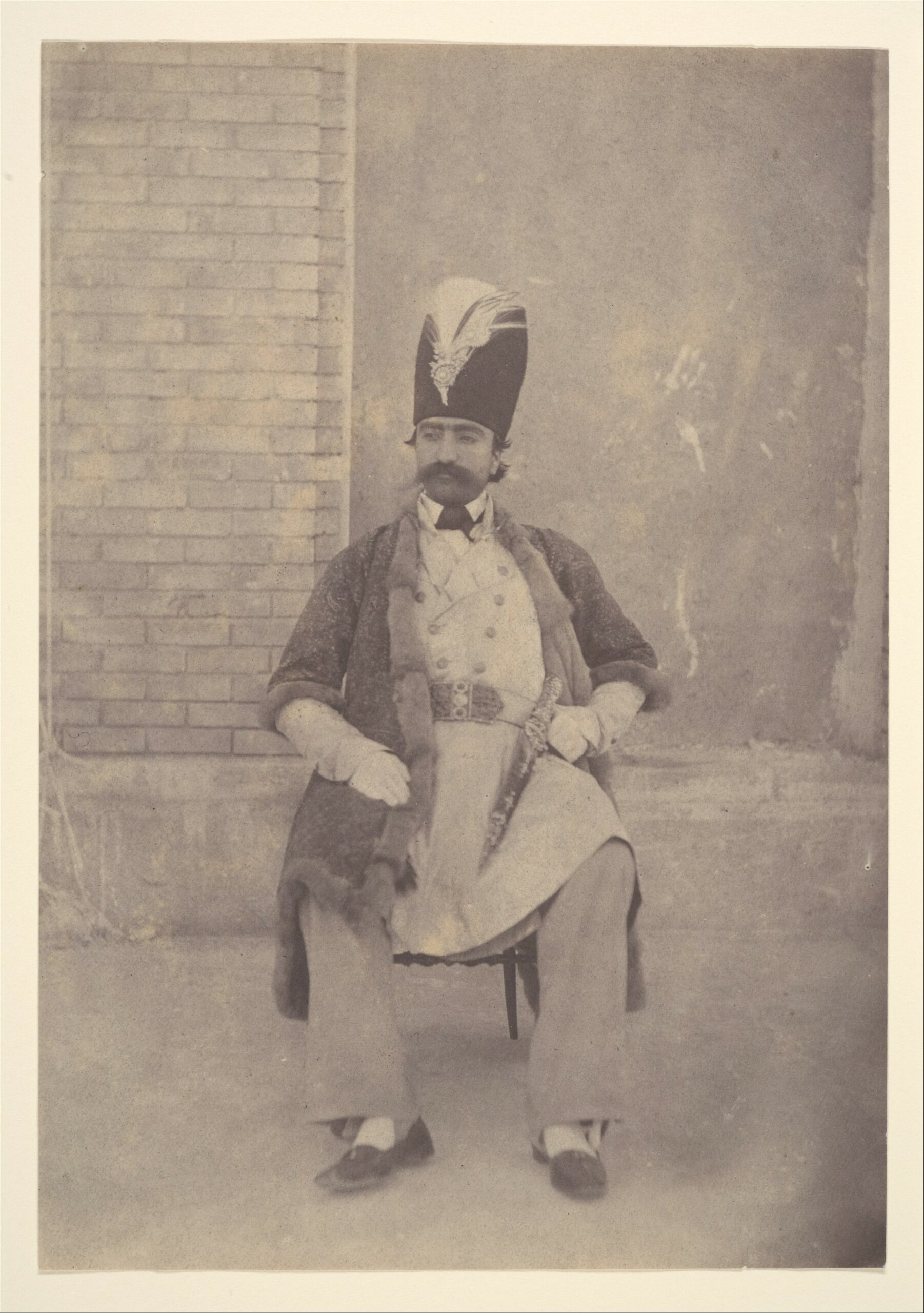
“He served as the French language tutor of the Gulsaz family and took daguerreotypes of Mohammad Shah (reigned 1834–48) and his son, the crown prince, Nasir al-Din Mirza.” Alas, these photographs seem to be lost, much like most others taken before Pesce’s arrival in the country in 1848, “during the reign of Naser al-Din Shah Qajar, to train Iranian infantry units.”
Pesce’s photographic subjects included Naser al-Din himself, pictures of whom appear in the online collection of Pesce’s work at the Metropolitan Museum of Art. It was the Met that received a copy of the photo collection Pesce produced of Iran’s ancient monuments — probably the very same copy that the photographer had originally sent to Prince William I, King of Prussia.
In those days, even such exalted figures had a great deal of curiosity about far-flung realms, and before photography, they had no easier way of seeing what those realms really looked like than making the arduous journey themselves.
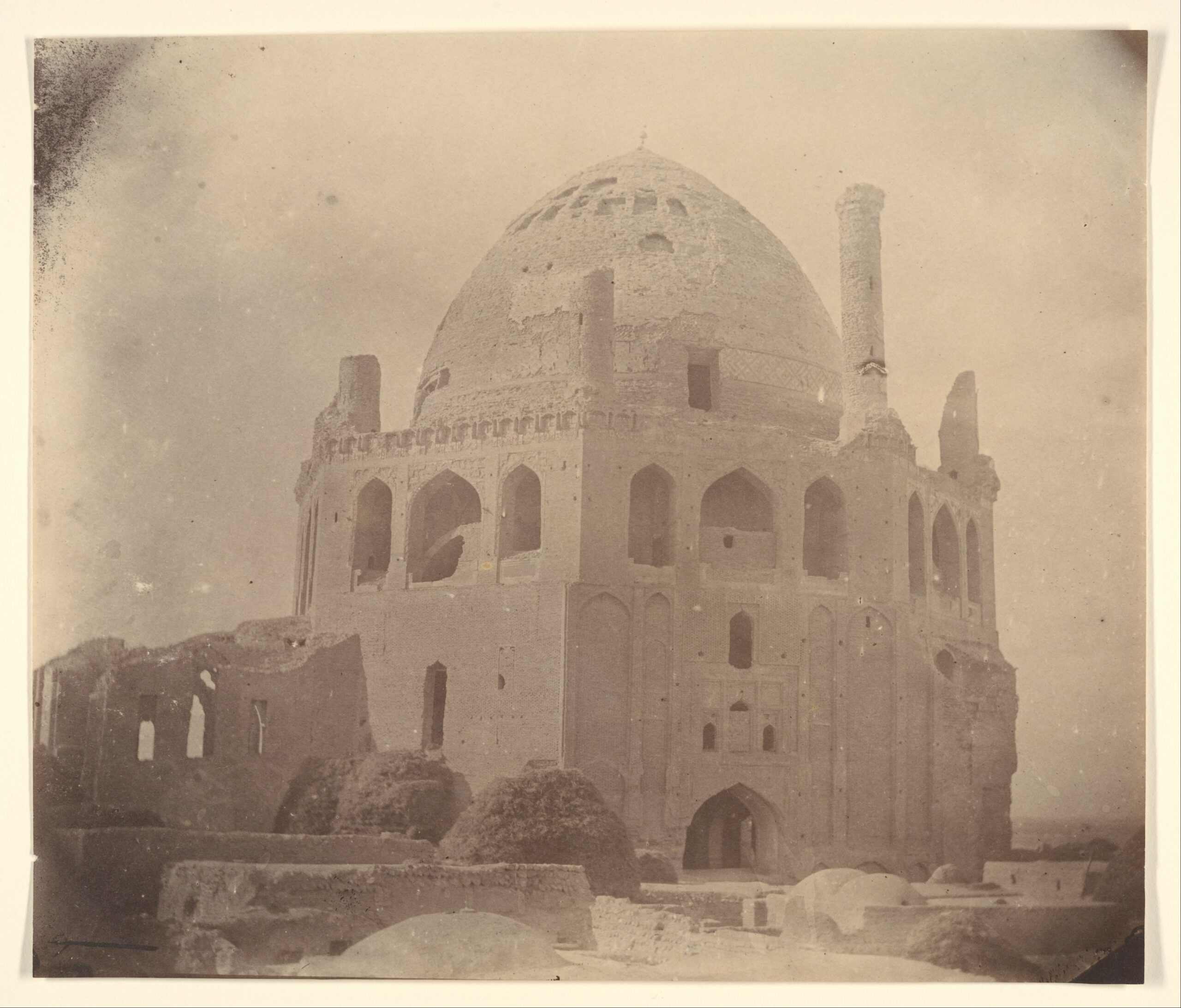
The sites captured in this collection include Toghrol Tower, the Tomb of Seeh‑i Mumin, and the Mosque of Nasser-eddin Shah — as well as Pasargadae, Naqsh‑e Rustam, and Persepolis, the famed ceremonial capital complex of the ancient Achaemenid Empire, which Pesce was the first to photograph. Or at least he was the first to succeed in doing so, Naser al-Din having previously sent Richard off to make some daguerreotypes of Persepolis that never came out.
But even Pesce’s photographs, fully executed using just about the height of the technology at the time, no longer have the immediacy they would have when Prince William gazed upon them; more than a century and a half later, they have a patina of historical distance that shades into unreality, making them feel not unlike ruins themselves. You can also view more photos on Google Arts and Culture.
Based in Seoul, Colin Marshall writes and broadcasts on cities, language, and culture. His projects include the Substack newsletterBooks on Cities, the book The Stateless City: a Walk through 21st-Century Los Angeles and the video series The City in Cinema. Follow him on Twitter at @colinmarshall or on Facebook.
It costs roughly $20,000, weighs nearly 100 pounds, and looks like a high-end microscope. Handmade in Switzerland, the MANUMENT Leva Machine makes espresso. How well does it make espresso? How do the shots taste?: According to coffee expert James Hoffmann–he’s the author of The World Atlas of Coffee–the shots have a texture that is “very enjoyable.” The texture is “silky, buttery and soft.” That verdict is sandwiched in the middle of a 20-minute review of the machine, which you can watch above.
If you would like to sign up for Open Culture’s free email newsletter, please find it here. It’s a great way to see our new posts, all bundled in one email, each day.
If you would like to support the mission of Open Culture, consider making a donation to our site. It’s hard to rely 100% on ads, and your contributions will help us continue providing the best free cultural and educational materials to learners everywhere. You can contribute through PayPal, Patreon, and Venmo (@openculture). Thanks!
Read a story set in the Middle Ages, Beowulf or anything more recently written, and you’re likely to run across a reference to mead, which seems often to have been imbibed heartily in halls dedicated to that very activity. The same goes for medieval-themed plays, movies, and even video games. Take Assassin’s Creed Valhalla, described by Max Miller, host of Youtube channel Tasting History, as “a history-based game of, like, my favorite time period — Saxons and Vikings, you know, fightin’ it out — so I’m assuming that there’s going to be mead in there somewhere.” He uploaded the video, below, in the fall of 2020, just before that game’s release, but according to the Assassin’s Creed Wiki, he was right: there is, indeed, mead in there.
Perhaps throwing back a digital horn of mead in a video game has its satisfactions, but surely it would only make us curious to taste the real thing. Hence Miller’s episode project of “making medieval mead like a viking,” which requires only three basic ingredients: water, honey, and ale dregs or dry ale yeast. (The set of required tools is a bit more complex, involving several different vessels and, ideally, a “bubbler” to let out the carbonation.)
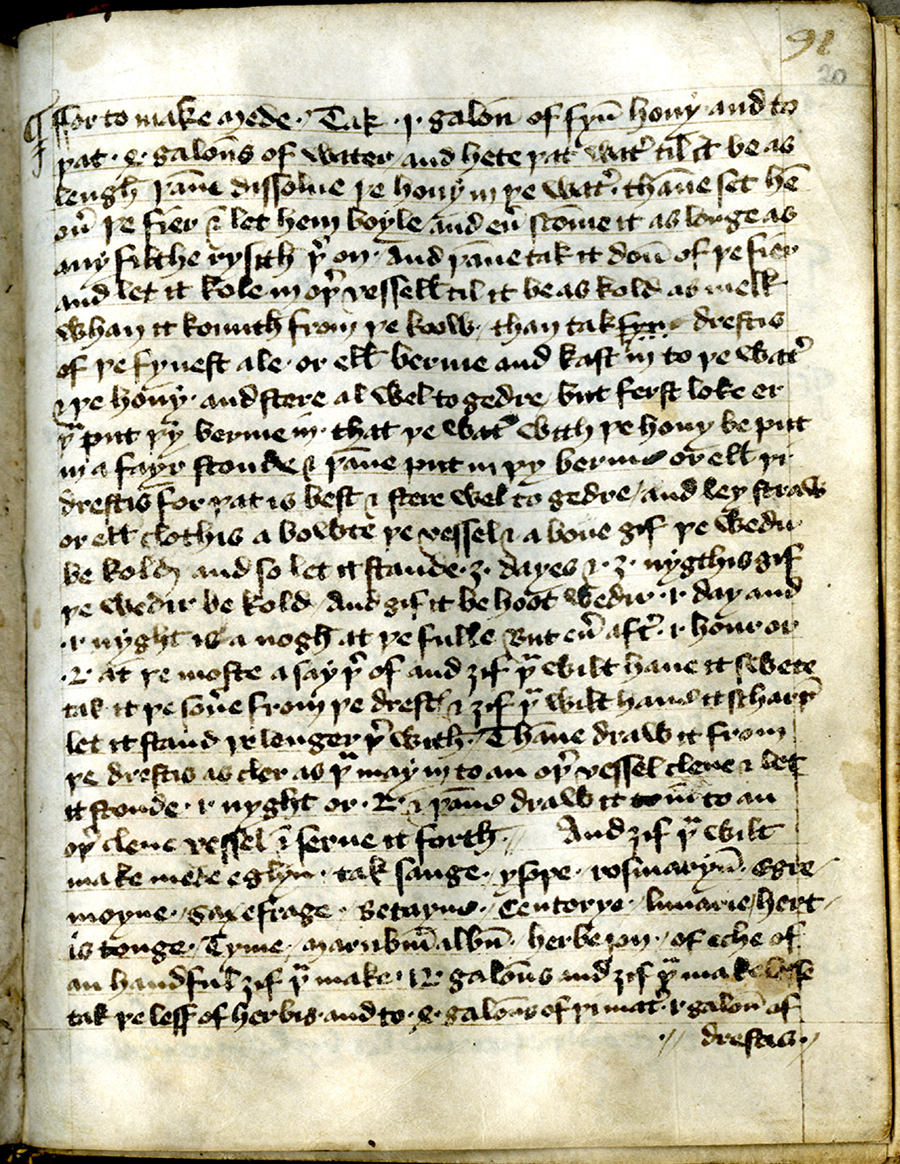
In it he consults a thirteenth- or fourteenth-century manuscript (above) called the Tractatus de Magnetate et Operationibus eius, which includes not just a letter on the workings of magnets — and “a university handbook on the theory of numbers, proportions, and harmony” and “the seven signs of bad breeding; the seven signs of elegance” — but also “one of the oldest known surviving English mead recipes.”
“When you think of Saxons and Vikings, yes, you think of mead,” Miller says, “but mead actually got its start way before that,” evidenced in the alcohol-and-honey residue found on Chinese pottery dating to 7000 BC and a written mention in the Indian Rigveda. “I have tasted the sweet drink of life, knowing that it inspires good thoughts and joyous expansiveness to the extreme, that all the gods and all mortals seek it together,” says that sacred text. Even if Miller’s mead doesn’t make you feel like a god, it does have the virtue of requiring only a few days’ fermentation, as opposed to the traditional period of months. Toward the video’s end, he mentions having set one bottle aside to ripen further, and possibly to feature in a later episode. That was nearly three years ago; today, Tasting History fans can only speculate as to what alcoholic Valhalla that brew has so far ascended.
You can find the text of the medieval recipe below:
//ffor to make mede. Tak .i. galoun of fyne hony and to
þat .4. galouns of water and hete þat water til it be as
lengh þanne dissolue þe hony in þe water. thanne set hem
ouer þe fier & let hem boyle and ever scomme it as longe as
any filthe rysith þer on. and þanne tak it doun of þe fier
and let it kole in oþer vesselle til it be as kold as melk
whan it komith from þe koow. than tak drestis
of þe fynest ale or elles berme and kast in to þe water
& þe hony. and stere al wel to gedre but ferst loke er
þu put þy berme in. that þe water with þe hony be put
in a fayr stonde & þanne put in þy berme or elles þi
drestis for þat is best & stere wel to gedre/ and ley straw
or elles clothis a bowte þe vessel & a boue gif þe wedir
be kolde and so let it stande .3. dayes & .3. nygthis gif
þe wedir be kold And gif it be hoot wedir .i. day and
.1. nyght is a nogh at þe fulle But ever after .i. hour or
.2. at þe moste a say þer of and gif þu wilt have it swete
tak it þe sonere from þe drestis & gif þu wilt have it scharpe
let it stand þe lenger þer with. Thanne draw it from
þe drestis as cler as þu may in to an oþer vessel clene & let
it stonde .1. nyght or .2. & þanne draw it in to an
oþer clene vessel & serve it forth // And gif þu wilt
make mede eglyn. tak sauge .ysope. rosmaryne. Egre-
moyne./ saxefrage. betayne./ centorye. lunarie/ hert-
is tonge./ Tyme./ marubium album. herbe jon./ of eche of
an handful gif þu make .12. galouns and gif þu mak lesse
tak þe less of herbis. and to .4. galouns of þi mater .i. galoun of
drestis.
Based in Seoul, Colin Marshall writes and broadcasts on cities, language, and culture. His projects include the Substack newsletterBooks on Cities, the book The Stateless City: a Walk through 21st-Century Los Angeles and the video series The City in Cinema. Follow him on Twitter at @colinmarshall or on Facebook.
First up is 1935’s A Midsummer Night’s Dream, featuring Olivia de Havilland, Jimmy Cagney, Dick Powell, and, in the role of Puck, a 15-year-old Mickey Rooney, hailed by the New York Times as “one of the major delights” of the film, and Variety as “so intent on being cute that he becomes almost annoying.”
Tragedies dominate, with no fewer than six Hamlets, Shakespeare’s most filmed work, and “one of the most fascinating and most thankless tasks in show business” according to novelist and frequent film critic James Agee:
There can never be a definitive production of a play about which no two people in the world can agree. There can never be a thoroughly satisfying production of a play about which so many people feel so personally and so passionately. Very likely there will never be a production good enough to provoke less argument than praise.
MacBeth, Richard III, Romeo and Juliet, and The Tempest — a comedy — are other crowd-pleasing workhorses, chewy assignments for actors and directors alike.
Moviegoing connoisseurs of the Bard may feel moved to stump for films that didn’t make the playlist. If you can find a trailer for it, go for it! Lobby the Shakespeare Network on its behalf, or make your case in the comments.
We’ll throw our weight behind Michael Almereyda’s Cymbeline, featuring Ed Harris roaring down the porch steps of a dilapidated Brooklyn Victorian on a motorcycle, the bizarre Romeo.Juliet pairing A‑list British vocal talent with an all-feline line-up of Capulets and Montagues, and Shakespeare Behind Bars, a 2005 documentary following twenty incarcerated men who spent nine months delving into The Tempest prior to a production for guards, fellow inmates, and invited guests.
Enjoy the complete playlist of Shakespeare film trailers below. They move from 1935 to 2021.
Salvador Dalí led a long and eventful life, so much so that certain of its chapters outlandish enough to define anyone else’s existence have by now been almost forgotten. “You’ve done some very mysterious things,” Dick Cavett says to Dalí on the 1971 broadcast of his show above. “I don’t know if you like to be asked what they mean, but there was an incident once where you appeared for a lecture in Paris, at the Sorbonne, and you arrived in a Rolls-Royce filled with cauliflowers.” At that, the artist wastes no time launching into an elaborate, semi-intelligible explanation involving rhinoceros horns and the golden ratio.
The incident in question had occurred sixteen years earlier, in 1955. “With bedlam in his mind and a quaint profusion of fresh cauliflower in his Rolls-Royce limousine, Spanish-born Surrealist Painter Salvador Dalí arrived at Paris’ Sorbonne University to unburden himself of some gibberish,” says the contemporary notice in Time. “His subject: ‘Phenomenological Aspects of the Critical Paranoiac Method.’ Some 2,000 ecstatic listeners were soon sharing Salvador’s Dalirium.”
To them he announced his discovery that “ ‘everything departs from the rhinoceros horn! Everything departs from [Dutch Master] Jan Vermeer’s The Lacemaker! Everything ends up in the cauliflower!’ The rub, apologized Dali, is that cauliflowers are too small to prove this theory conclusively.”
Nearly seven decades later, Honi Soit’s Nicholas Osiowy takes these ideas rather more seriously than did the sneering correspondent from Time. “Beneath the simple shock value and easy surrealism, it becomes clear Dalí was onto something; the humble cauliflower is considered one of the best examples of the legendary golden ratio,” Osiowy writes. “Cauliflowers, rhinoceroses and anteaters’ tongues were to Dali essential manifestations of a glorious shape; deserving of an explicit depiction in his The Sacrament of the Last Supper,” painted in the year of his Sorbonne lecture. “Shape, the idea of geometry itself, is the unsung magic of not just art but our entire cultural consciousness.” Not that Dalí himself would have copped to communicating that: “I am against any kind of message,” he insists in response to a question from fellow Dick Cavett Show guest, who happened to be silent-film icon Lillian Gish. The seventies didn’t need the surreal; they were the surreal.
Based in Seoul, Colin Marshall writes and broadcasts on cities, language, and culture. His projects include the Substack newsletterBooks on Cities, the book The Stateless City: a Walk through 21st-Century Los Angeles and the video series The City in Cinema. Follow him on Twitter at @colinmarshall or on Facebook.
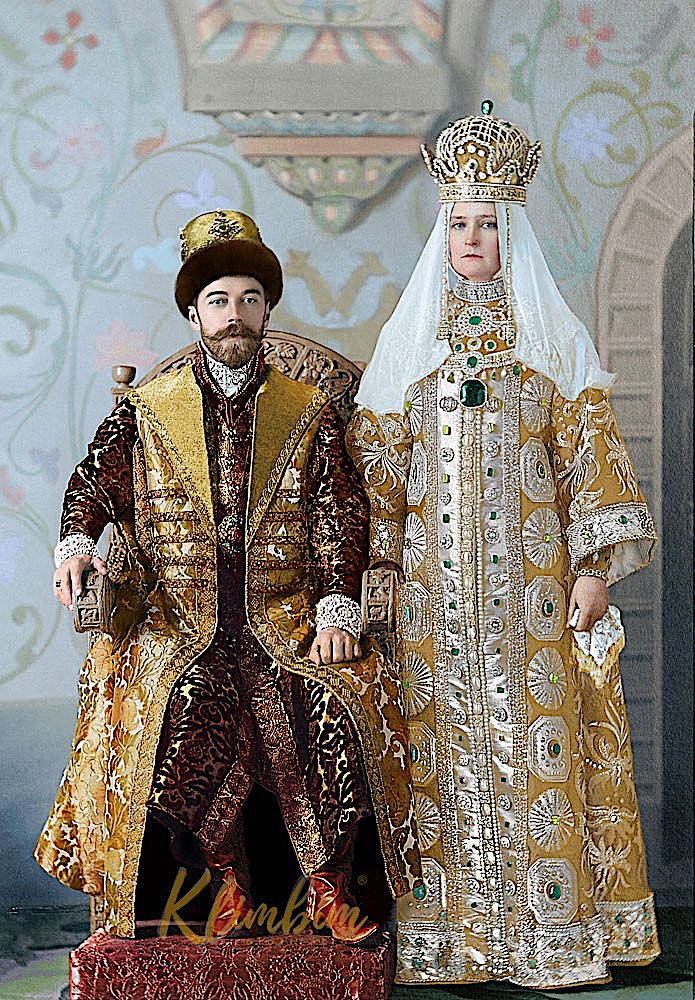
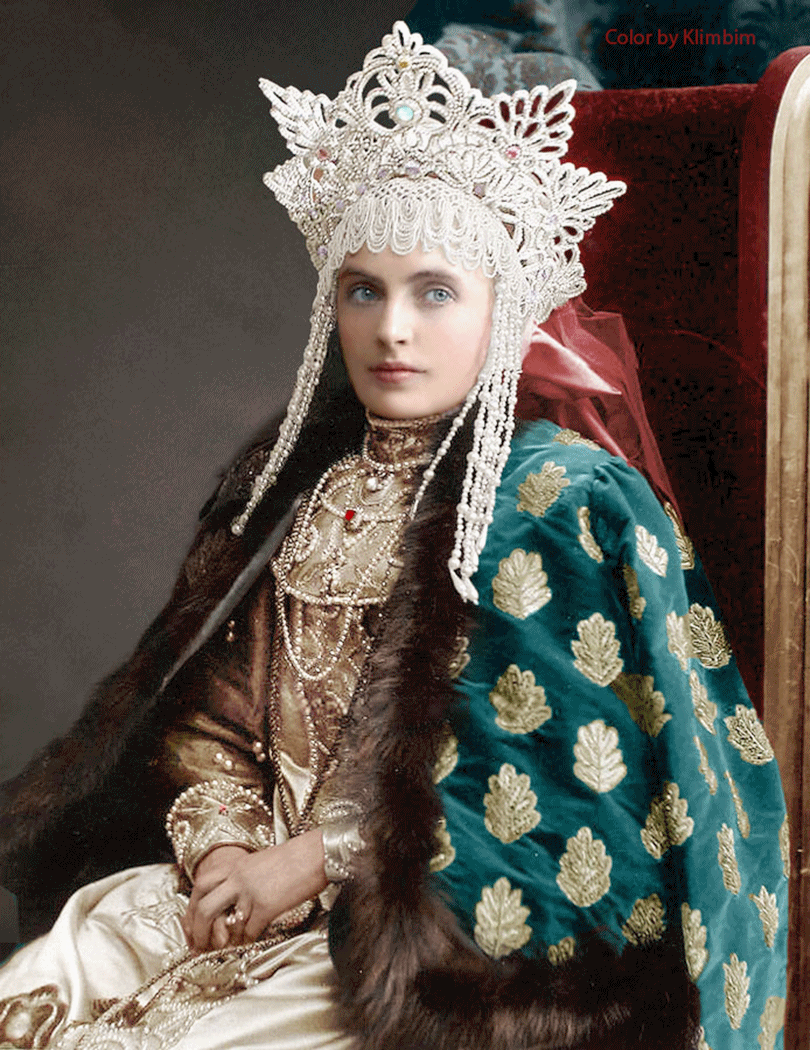
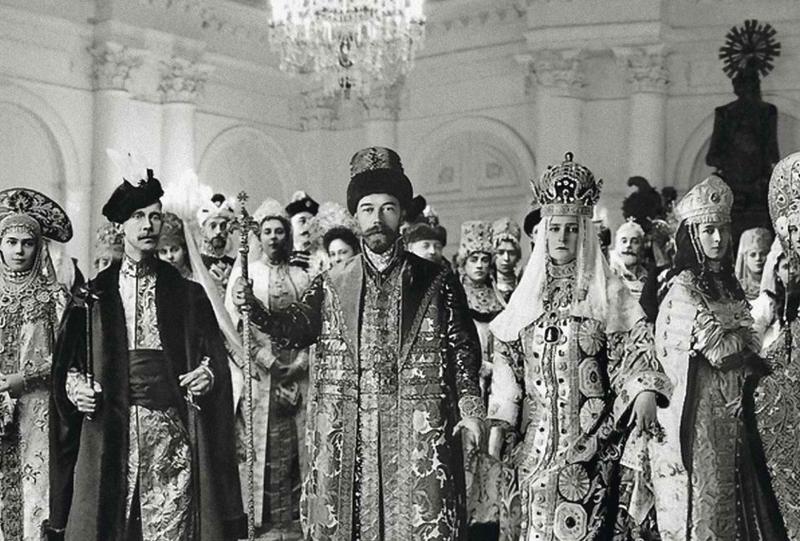
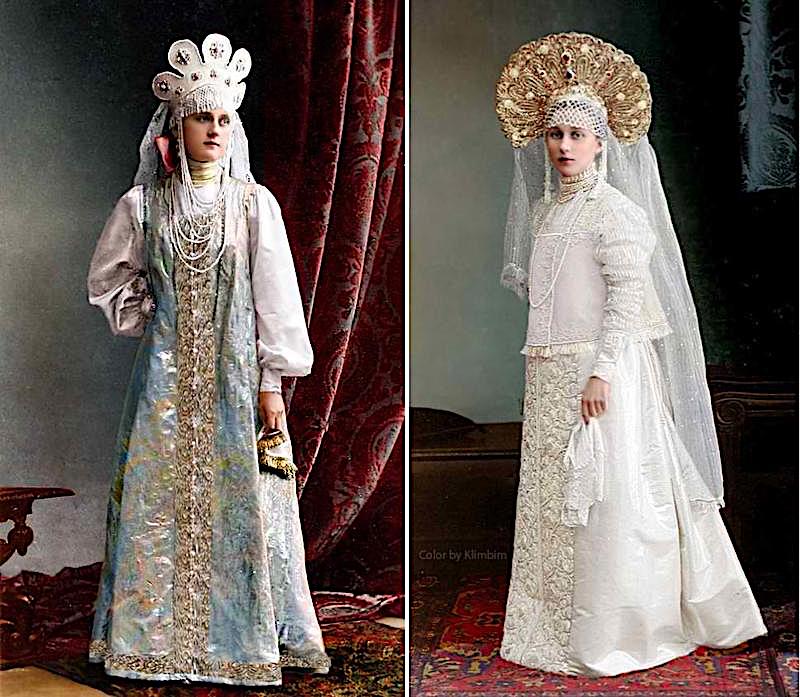
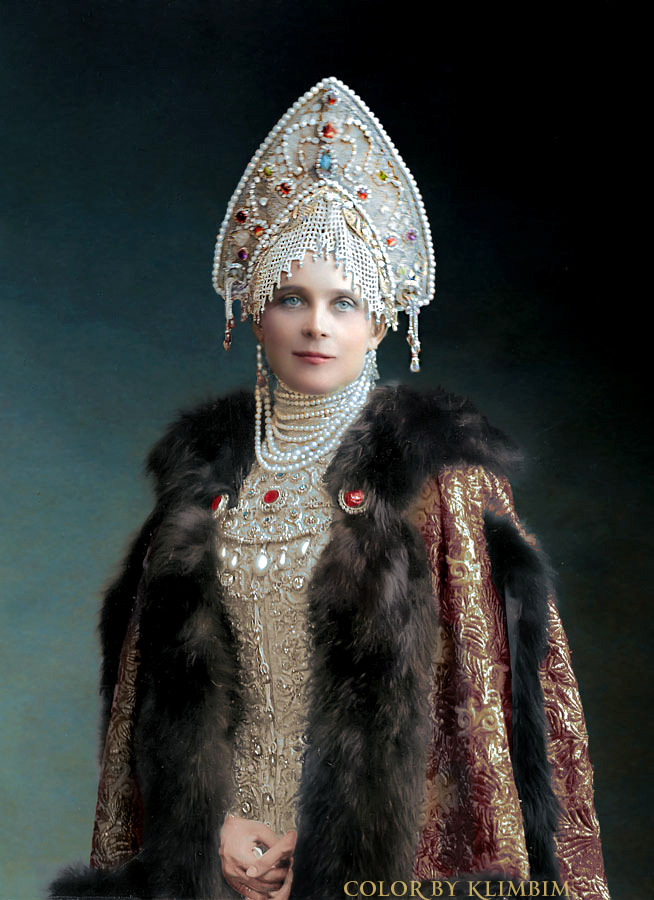
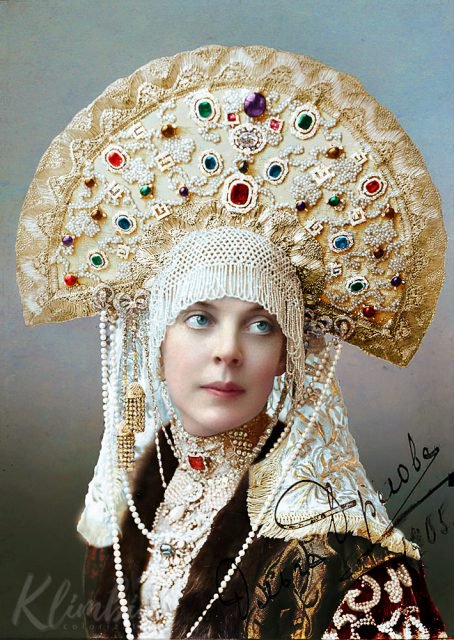
In 1903, the Romanovs, Russia’s last and longest-reigning royal family, held a lavish costume ball. It was to be their final blowout, and perhaps also the “last great royal ball” in Europe, writes the Vintage News. The party took place at the Winter Palace in St. Petersburg, 14 years before Czar Nicholas II’s abdication, on the 290th anniversary of Romanov rule. The Czar invited 390 guests and the ball ranged over two days of festivities, with elaborate 17th-century boyar costumes, including “38 original royal items of the 17th century from the armory in Moscow.”
“The first day featured feasting and dancing,” notes Russia Beyond, “and a masked ball was held on the second. Everything was captured in a photo album that continues to inspire artists to this day.” The entire Romanov family gathered for a photograph on the staircase of the Hermitage theater, the last time they would all be photographed together.
It is like seeing two different dead worlds superimposed on each other—the Romanovs’ playacting their beginning while standing on the threshold of their last days.
With the irony of hindsight, we will always look upon these poised aristocrats as doomed to violent death and exile. In a morbid turn of mind, I can’t help thinking of the baroque gothic of “The Masque of the Red Death,” Edgar Allan Poe’s story about a doomed aristocracy who seal themselves inside a costume ball while a contagion ravages the world outside: “The external world could take care of itself,” Poe’s narrator says. “In the meantime it was folly to grieve or to think. The prince had provided all the appliances of pleasure…. It was a voluptuous scene, that masquerade.”
Maybe in our imagination, the Romanovs and their friends seem haunted by the weight of suffering outside their palace walls, in both their country and around Europe as the old order fell apart. Or perhaps they just look haunted the way everyone does in photographs from over 100 years ago. Does the colorizing of these photos by Russian artist Klimbim—who has done similar work with images of WW2 soldiers andportraits of Russian poets and writers—make them less ghostly?
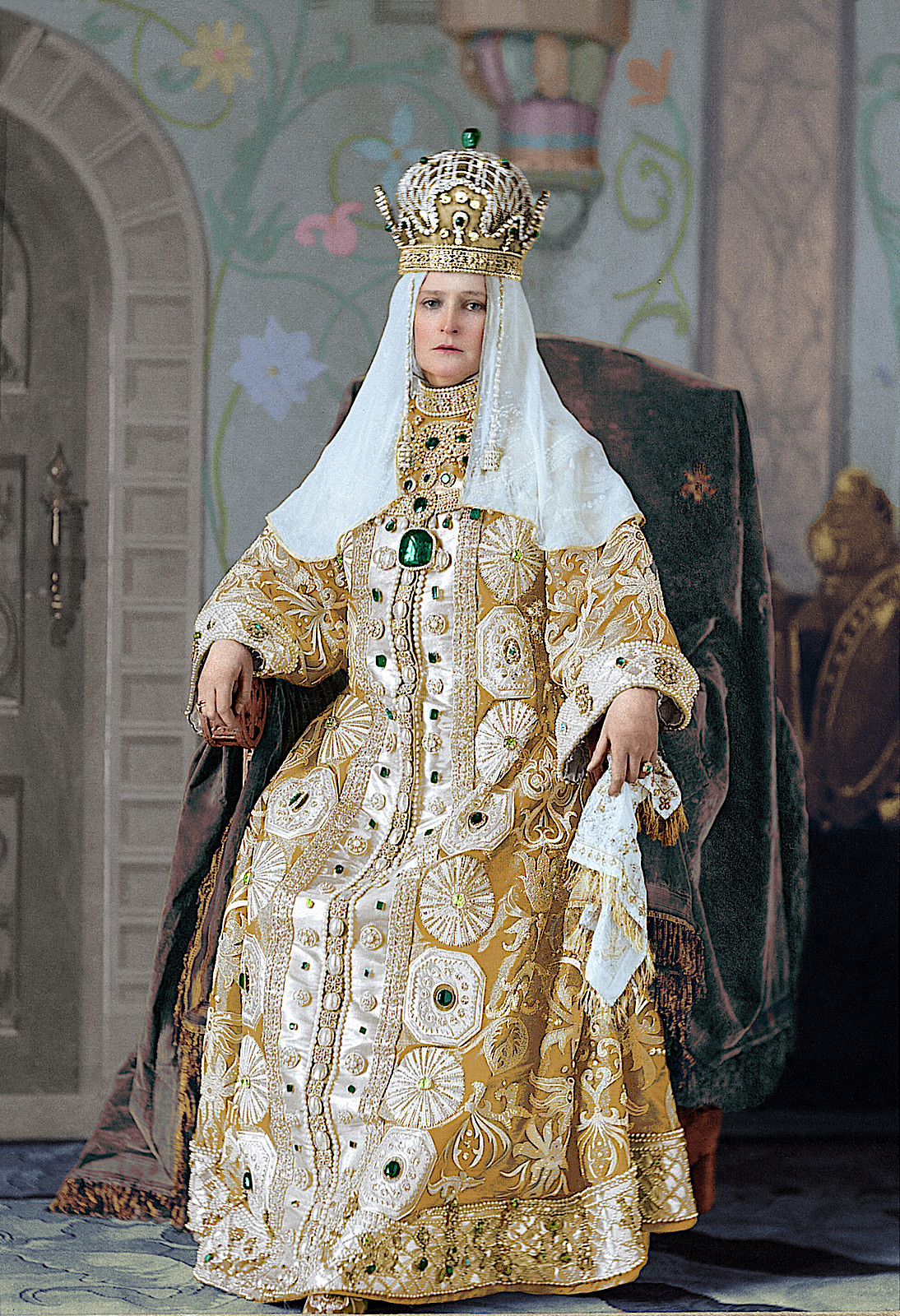
It puts flesh on the pale monochromatic faces, and gives the lavish costuming and furniture texture and dimension. Some of the images almost look like art nouveau illustrations (and resemble those of some of the finest illustrators of Poe’s work) and the work of contemporary painters like Gustav Klimt. Maybe it’s just me, but it seems that unease lingers in the eyes of some subjects—Empress Alexandra Fedorovna among them—a certain vague and troubled apprehension.
In their book A Lifelong Passion, authors Andrei Maylunas and Sergei Mironenko quote the Grand Duke Alexander Mikhailovitch who remembered the event as “the last spectacular ball in the history of the empire.” The Grand Duke also recalled that “a new and hostile Russia glared through the large windows of the palace… while we danced, the workers were striking and the clouds in the Far East were hanging dangerously low.” As Russia Beyond notes, soon after this celebration, “The global economic crisis marked the beginning of the end for the Russian Empire, and the court ceased to hold balls.”
In 1904, the Russo-Japanese War began, a war Russia was to lose the following year. Then the aristocracy’s power was further weakened by the Revolution of 1905, which Lenin would later call the “Great Dress Rehearsal” for the Revolutionary takeover of 1917. While the aristocracy costumed itself in the trappings of past glory, armies amassed to force their reckoning with the 20th century.
Who knows what thoughts went through the mind of the tzar, tzarina, and their heirs during those two days, and the minds of the almost 400 noblemen and women dressed in costumes specially designed by artist Sergey Solomko, who drew from the work of several historians to make accurate 17th-century recreations, while Peter Carl Fabergé chose the jewelry, including, writes the Vintage News, the tzarina’s “pearls topped by a diamond and emerald-studded crown” and an “enormous emerald” on her brocaded dress?
If the Romanovs had any inkling their almost 300-year dynasty was coming to its end and would take all of the Russian aristocracy with it, they were, at least, determined to go out with the highest style; the family with “almost certainly… the most absolutist powers” would spare no expense to live in their past, no matter what the future held for them. See the original, black and white photos, including that last family portrait, at History Daily, and see several more colorized images at the Vintage News.
Note: An earlier version of this post appeared on our site in 2019.
We're hoping to rely on loyal readers, rather than erratic ads. Please click the Donate button and support Open Culture. You can use Paypal, Venmo, Patreon, even Crypto! We thank you!
Open Culture scours the web for the best educational media. We find the free courses and audio books you need, the language lessons & educational videos you want, and plenty of enlightenment in between.