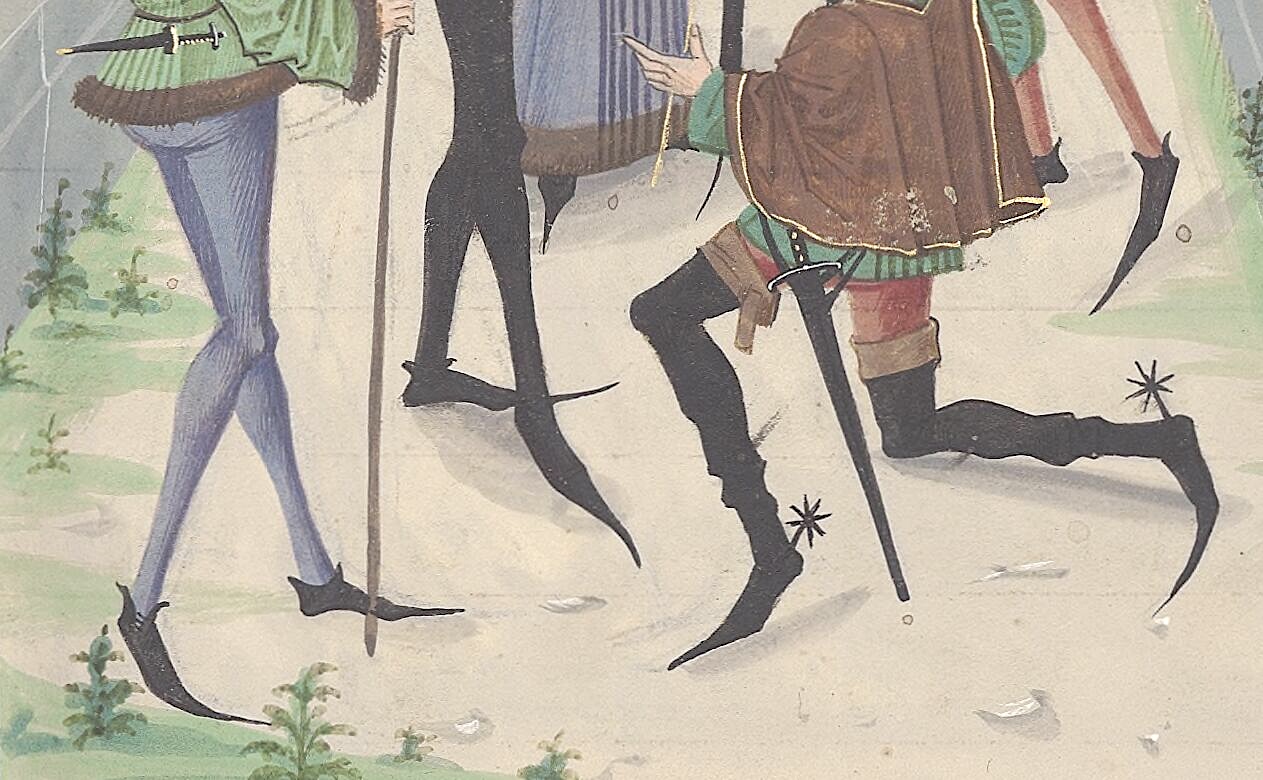
How Wearing Ridiculously Long Pointed Shoes Became a Medieval Fashion Trend

We can all remem­ber see­ing images of medieval Euro­peans wear­ing pointy shoes, but most of us have paid scant atten­tion to the shoes them­selves. That may be for the best, since the more we dwell on one fact of life in the Mid­dle Ages or anoth­er, the more we imag­ine how uncom­fort­able or even painful it must have been by our stan­dards. Den­tistry would be the most vivid exam­ple, but even that fash­ion­able, vague­ly elfin footwear inflict­ed suf­fer­ing, espe­cial­ly at the height of its pop­u­lar­i­ty — not least among flashy young men — in the four­teenth and fif­teenth cen­turies.

Called poulaines, a name drawn from the French word for Poland in ref­er­ence to the footwear’s sup­pos­ed­ly Pol­ish ori­gin, these pointy shoes appeared around the time of Richard II’s mar­riage to Anne of Bohemia in 1382. “Both men and women wore them, although the aris­to­crat­ic men’s shoes tend­ed to have the longest toes, some­times as long as five inch­es,” writes Ars Tech­ni­ca’s Jen­nifer Ouel­lette. “The toes were typ­i­cal­ly stuffed with moss, wool, or horse­hair to help them hold their shape.” If you’ve ever watched the first Black­ad­der series, know that the shoes worn by Rowan Atkin­son’s hap­less plot­ting prince may be com­ic, but they’re not an exag­ger­a­tion.

Regard­less, he was a bit behind the times, giv­en that the show was set in 1485, right when poulaines went out of fash­ion. But they’d already done their dam­age, as evi­denced by a 2021 study link­ing their wear­ing to nasty foot dis­or­ders. “Bunions — or hal­lux val­gus — are bulges that appear on the side of the foot as the big toe leans in towards the oth­er toes and the first metatarsal bone points out­wards,” writes the Guardian’s Nico­la Davis. A team of Uni­ver­si­ty of Cam­bridge researchers found signs of them being more preva­lent in the remains of indi­vid­u­als buried in the four­teenth and fif­teenth cen­turies than those buried from the eleventh through the thir­teenth cen­turies.

Yet bunions were hard­ly the evil against which the poulaine’s con­tem­po­rary crit­ics inveighed. After the Great Pesti­lence of 1348, says the Lon­don Muse­um, “cler­ics claimed the plague was sent by God to pun­ish Lon­don­ers for their sins, espe­cial­ly sex­u­al sins.” The shoes’ las­civ­i­ous asso­ci­a­tions con­tin­ued to draw ire: “In 1362, Pope Urban V passed an edict ban­ning them, but it did­n’t real­ly stop any­body from wear­ing them.” Then came sump­tu­ary laws, accord­ing to which “com­mon­ers were charged to wear short­er poulaines than barons and knights.” The pow­er of the state may be as noth­ing against that of the fash­ion cycle, but had there been a law against the blunt­ly square-toed shoes in vogue when I was in high school, I can’t say I would’ve object­ed.

Relat­ed con­tent:

Ele­gant 2,000-Year-Old Roman Shoe Found in a Well

Exquis­ite 2300-Year-Old Scythi­an Woman’s Boot Pre­served in the Frozen Ground of Siberia

The Ancient Romans First Com­mit­ted the Sar­to­r­i­al Crime of Wear­ing Socks with San­dals, Archae­o­log­i­cal Evi­dence Sug­gests

Doc Martens Boots Adorned with Hierony­mus Bosch’s “Gar­den of Earth­ly Delights”

How to Get Dressed & Fight in 14th Cen­tu­ry Armor: A Reen­act­ment

How Women Got Dressed in the 14th & 18th Cen­turies: Watch the Very Painstak­ing Process Get Cin­e­mat­i­cal­ly Recre­at­ed

Based in Seoul, Col­in Marshall writes and broad­casts on cities, lan­guage, and cul­ture. His projects include the Sub­stack newslet­ter Books on Cities and the book The State­less City: a Walk through 21st-Cen­tu­ry Los Ange­les. Fol­low him on the social net­work for­mer­ly known as Twit­ter at @colinmarshall.

Carl Sagan Predicts the Decline of America: Unable to Know “What’s True,” We Will Slide, “Without Noticing, Back into Superstition & Darkness” (1995)

Image by Ken­neth Zirkel, via Wiki­me­dia Com­mons

There have been many the­o­ries of how human his­to­ry works. Some, like Ger­man thinker G.W.F. Hegel, have thought of progress as inevitable. Oth­ers have embraced a more sta­t­ic view, full of “Great Men” and an immutable nat­ur­al order. Then we have the counter-Enlight­en­ment thinker Giambat­tista Vico. The 18th cen­tu­ry Neapoli­tan philoso­pher took human irra­tional­ism seri­ous­ly, and wrote about our ten­den­cy to rely on myth and metaphor rather than rea­son or nature. Vico’s most “rev­o­lu­tion­ary move,” wrote Isa­iah Berlin, “is to have denied the doc­trine of a time­less nat­ur­al law” that could be “known in prin­ci­ple to any man, at any time, any­where.”

Vico’s the­o­ry of his­to­ry includ­ed inevitable peri­ods of decline (and heav­i­ly influ­enced the his­tor­i­cal think­ing of James Joyce and Friedrich Niet­zsche). He describes his con­cept “most col­or­ful­ly,” writes Alexan­der Bert­land at the Inter­net Ency­clo­pe­dia of Phi­los­o­phy, “when he gives this axiom”:

Men first felt neces­si­ty then look for util­i­ty, next attend to com­fort, still lat­er amuse them­selves with plea­sure, thence grow dis­solute in lux­u­ry, and final­ly go mad and waste their sub­stance.

The descrip­tion may remind us of Shakespeare’s “Sev­en Ages of Man.” But for Vico, Bert­land notes, every decline her­alds a new begin­ning. His­to­ry is “pre­sent­ed clear­ly as a cir­cu­lar motion in which nations rise and fall… over and over again.”

Two-hun­dred and twen­ty years after Vico’s 1774 death, Carl Sagan—another thinker who took human irra­tional­ism seriously—published his book The Demon Haunt­ed World, show­ing how much our every­day think­ing derives from metaphor, mythol­o­gy, and super­sti­tion. He also fore­saw a future in which his nation, the U.S., would fall into a peri­od of ter­ri­ble decline:

I have a fore­bod­ing of an Amer­i­ca in my chil­dren’s or grand­chil­dren’s time — when the Unit­ed States is a ser­vice and infor­ma­tion econ­o­my; when near­ly all the man­u­fac­tur­ing indus­tries have slipped away to oth­er coun­tries; when awe­some tech­no­log­i­cal pow­ers are in the hands of a very few, and no one rep­re­sent­ing the pub­lic inter­est can even grasp the issues; when the peo­ple have lost the abil­i­ty to set their own agen­das or knowl­edge­ably ques­tion those in author­i­ty; when, clutch­ing our crys­tals and ner­vous­ly con­sult­ing our horo­scopes, our crit­i­cal fac­ul­ties in decline, unable to dis­tin­guish between what feels good and what’s true, we slide, almost with­out notic­ing, back into super­sti­tion and dark­ness…

Sagan believed in progress and, unlike Vico, thought that “time­less nat­ur­al law” is dis­cov­er­able with the tools of sci­ence. And yet, he feared “the can­dle in the dark” of sci­ence would be snuffed out by “the dumb­ing down of Amer­i­ca…”

…most evi­dent in the slow decay of sub­stan­tive con­tent in the enor­mous­ly influ­en­tial media, the 30 sec­ond sound bites (now down to 10 sec­onds or less), low­est com­mon denom­i­na­tor pro­gram­ming, cred­u­lous pre­sen­ta­tions on pseu­do­science and super­sti­tion, but espe­cial­ly a kind of cel­e­bra­tion of igno­rance…

Sagan died in 1996, a year after he wrote these words. No doubt he would have seen the fine art of dis­tract­ing and mis­in­form­ing peo­ple through social media as a late, per­haps ter­mi­nal, sign of the demise of sci­en­tif­ic think­ing. His pas­sion­ate advo­ca­cy for sci­ence edu­ca­tion stemmed from his con­vic­tion that we must and can reverse the down­ward trend.

As he says in the poet­ic excerpt from Cos­mos above, “I believe our future depends pow­er­ful­ly on how well we under­stand this cos­mos in which we float like a mote of dust in the morn­ing sky.”

When Sagan refers to “our” under­stand­ing of sci­ence, he does not mean, as he says above, a “very few” tech­nocrats, aca­d­e­mics, and research sci­en­tists. Sagan invest­ed so much effort in pop­u­lar books and tele­vi­sion because he believed that all of us need­ed to use the tools of sci­ence: “a way of think­ing,” not just “a body of knowl­edge.” With­out sci­en­tif­ic think­ing, we can­not grasp the most impor­tant issues we all joint­ly face.

We’ve arranged a civ­i­liza­tion in which most cru­cial ele­ments pro­found­ly depend on sci­ence and tech­nol­o­gy. We have also arranged things so that almost no one under­stands sci­ence and tech­nol­o­gy. This is a pre­scrip­tion for dis­as­ter. We might get away with it for a while, but soon­er or lat­er this com­bustible mix­ture of igno­rance and pow­er is going to blow up in our faces.

Sagan’s 1995 pre­dic­tions are now being her­ald­ed as prophet­ic. As Direc­tor of Pub­lic Radio International’s Sci­ence Fri­day, Charles Bergquist tweet­ed, “Carl Sagan had either a time machine or a crys­tal ball.” Matt Novak cau­tions against falling back into super­sti­tious think­ing in our praise of Demon Haunt­ed World. After all, he says, “the ‘accu­ra­cy’ of pre­dic­tions is often a Rorschach test” and “some of Sagan’s con­cerns” in oth­er parts of the book “sound rather quaint.”

Of course Sagan could­n’t pre­dict the future, but he did have a very informed, rig­or­ous under­stand­ing of the issues of thir­ty years ago, and his pre­dic­tion extrap­o­lates from trends that have only con­tin­ued to deep­en. If the tools of sci­ence education—like most of the coun­try’s wealth—end up the sole prop­er­ty of an elite, the rest of us will fall back into a state of gross igno­rance, “super­sti­tion and dark­ness.” Whether we might come back around again to progress, as Giambat­tista Vico thought, is a mat­ter of sheer con­jec­ture. But per­haps there’s still time to reverse the trend before the worst arrives. As Novak writes, “here’s hop­ing Sagan, one of the smartest peo­ple of the 20th cen­tu­ry, was wrong.”

Note: An ear­li­er ver­sion of this post appeared on our site in 2017. 

Relat­ed Con­tent:

Carl Sagan Presents His “Baloney Detec­tion Kit”: 8 Tools for Skep­ti­cal Think­ing

Carl Sagan Issues a Chill­ing Warn­ing to Amer­i­ca in His Last Inter­view (1996)

Philoso­pher Richard Rorty Chill­ing­ly Pre­dicts the Results of the 2016 Elec­tion … Back in 1998

Carl Sagan Warns Con­gress about Cli­mate Change (1985)

Josh Jones is a writer and musi­cian based in Durham, NC. Fol­low him at @jdmagness

by | Permalink | Make a Comment ( 40 ) |

Has SpaceX Done Anything NASA Hasn’t? Neil deGrasse Tyson Explains His “Feud” with Elon Musk

One would count nei­ther Elon Musk nor Neil deGrasse Tyson among the most reserved pub­lic fig­ures of the twen­ty-first cen­tu­ry. Giv­en the efforts Musk has been mak­ing to push into the busi­ness of out­er space, which has long been Tyson’s intel­lec­tu­al domain, it’s only nat­ur­al that the two would come into con­flict. Not long ago, the media eager­ly latched on to signs of a “feud” that seemed to erupt between them over Tyson’s remark that Musk — or rather, his com­pa­ny SpaceX — “has­n’t done any­thing that NASA has­n’t already done. The actu­al space fron­tier is still held by NASA.”

What this means is that SpaceX has yet to take human­i­ty any­where in out­er space we haven’t been before. That’s not a con­dem­na­tion, but in fact a descrip­tion of busi­ness as usu­al. “The his­to­ry of real­ly expen­sive things ever hap­pen­ing in civ­i­liza­tion has, in essen­tial­ly every case, been led, geopo­lit­i­cal­ly, by nations,” Tyson says in the StarTalk video above. “Nations lead expen­sive projects, and when the costs of these projects are under­stood, the risks are quan­ti­fied, and the time frames are estab­lished, then pri­vate enter­prise comes in lat­er, to see if they can make a buck off of it.”

To go, bold­ly or oth­er­wise, “where no one has gone before often involves risk that a com­pa­ny that has investors will not take, unless there’s a very clear return on invest­ment. Gov­ern­ments don’t need a finan­cial return on invest­ment if they can get a geopo­lit­i­cal return on invest­ment.” Though pri­vate enter­prise may be doing more or less what NASA has been doing for 60 years, Tyson has­tens to add, pri­vate enter­prise does do it cheap­er. In that sense, “SpaceX has been advanc­ing the engi­neer­ing fron­tier of space explo­ration,” not least by its devel­op­ment of reusable rock­ets. Still, that’s not exact­ly the Final Fron­tier.

Musk has made no secret of his aspi­ra­tions to get to Mars, but Tyson does­n’t see that even­tu­al­i­ty as being led by SpaceX per se. “The Unit­ed States decides, ‘We need to send astro­nauts to Mars,’ ” he imag­ines. “Then NASA looks around and says, ‘We don’t have a rock­et to do that.’ And then Elon says ‘I have a rock­et!’ and rolls out his rock­et to Mars. Then we ride in the SpaceX rock­et to Mars.” That sce­nario will look even more pos­si­ble if the unmanned Mars mis­sions SpaceX has announced go accord­ing to plan. What­ev­er their dif­fer­ences, Tyson and Musk — and every true space enthu­si­ast — sure­ly agree that it does­n’t mat­ter where the mon­ey comes from, just as long as we get out there one day soon.

Relat­ed con­tent:

Explore the Sur­face of Mars in Spec­tac­u­lar 4K Res­o­lu­tion

Neil deGrasse Tyson: ‘How Much Would You Pay for the Uni­verse?’

When Aster­oids Attack! Neil deGrasse Tyson and NASA Explain How To Stop an Armaged­don

Neil deGrasse Tyson Lists 8 (Free) Books Every Intel­li­gent Per­son Should Read

Are We Liv­ing in a Com­put­er Sim­u­la­tion?: A 2‑Hour Debate with Neil deG­grasse Tyson, David Chalmers, Lisa Ran­dall, Max Tegmark & More

Space Sex is Seri­ous Busi­ness: A Hilar­i­ous Short Ani­ma­tion Address­es Seri­ous Ques­tions About Human Repro­duc­tion in Space

Based in Seoul, Col­in Marshall writes and broad­casts on cities, lan­guage, and cul­ture. His projects include the Sub­stack newslet­ter Books on Cities and the book The State­less City: a Walk through 21st-Cen­tu­ry Los Ange­les. Fol­low him on the social net­work for­mer­ly known as Twit­ter at @colinmarshall.

Watch the First 2+ Hours of MTV’s Inaugural Broadcast (August 1, 1981)

Not every­one on August 1, 1981 had a VCR at their dis­pos­al, and not every­body stayed up until mid­night. But for­tu­nate­ly at least one per­son did, in order to tape the first two hours of a new cable chan­nel called MTV: Music Tele­vi­sion. Did they know it would be his­toric? MTV cer­tain­ly hoped it would be: they equat­ed the pre­miere of this 24/7 video ver­sion of radio with the moon land­ing. Peo­ple born long after this time might won­der why a MTV Music Video award stat­uette was hon­or­ing Buzz Aldrin. But at the time, it made sense. “Ladies and Gen­tle­men, Rock and Roll.” It was a state­ment: less than three decades after the first rock and roll sin­gle, this genre of music had won—-it had col­o­nized the plan­et. And beyond the plan­et, the next stop: the uni­verse.

It’s fit­ting the execs chose as their first selec­tion The Bug­gles’ “Video Killed the Radio Star.” Visu­als were not just going to be an adjunct to the music, they were going to become inex­tri­ca­bly linked. Either MTV was pre­scient about the visu­al decade to come or they in fact caused it to hap­pen. Music videos or short films had been around since the inven­tion of sound in the cin­e­ma, but MTV was *all* videos, *all the time*, brought to Amer­i­cans due to the dereg­u­la­tion of the tele­vi­sion indus­try in 1972 and the slow growth of cable chan­nels.

After a Pat Benatar video, the VJs intro­duce themselves—-Mark Good­man, Nina Black­wood, J.J. Jack­son, Alan Hunter, and Martha Quinn (all soon to be house­hold names and crushes)-—and then straight into a block of com­mer­cials: school binders, Super­man II, and Dol­by Noise Reduc­tion. A strange group of adver­tis­ers, to be sure. Good­man returns to ask, blind­ly, “Aren’t those guys the best?” Good­man has no idea what has pre­ced­ed him.

Yes, the first day of MTV was pret­ty rough. In fact, it’s a bit like a DJ who turns up to a gig to find they’ve left most of their records across town. In the first two hours we get two Rod Stew­art songs, two by the Pre­tenders, two by Split Ends, anoth­er Pat Benatar video, two from Styx, and two from the con­cert film for the Peo­ple of Kam­puchea. We also get com­plete­ly obscure videos: PH.D. “Lit­tle Susie’s on the Up”, Robin Lane and the Chart­busters “When Things Go Wrong”, Michael John­son “Bluer Than Blue”. This is D‑list stuff. No won­der MTV pre­miered at mid­night.

From these hum­ble begin­nings the chan­nel would soon find its groove and two years lat­er it would become ubiq­ui­tous in Amer­i­can house­holds.

Peo­ple pre­dict­ed the end of MTV right from the begin­ning. It would be a fad, or it would run out of videos to play. Forty years lat­er, the chan­nel has rebrand­ed itself into obliv­ion. And while music videos still get made, none have the effect that those first two decades had on gen­er­a­tions of view­ers. To para­phrase the Bug­gles, we have seen the play­back and it seems so long ago.

Note: An ear­li­er ver­sion of this post appeared on our site in 2021.

Relat­ed Con­tent:

The 120 Min­utes Archive Com­piles Clips & Playlists from 956 Episodes of MTV’s Alter­na­tive Music Show (1986–2013) 

The Inter­net Archive Res­cues MTV News’ Web Site, Mak­ing 460,000+ of Its Pages Search­able Again

Revis­it Pop-Up Video: The VH1 Series That Rein­vent­ed Music Videos & Pop Cul­ture

Revis­it Episodes of Liq­uid Tele­vi­sion, MTV’s 90s Show­case of Fun­ny, Irrev­er­ent & Bizarre Ani­ma­tion

Ted Mills is a free­lance writer on the arts.

The Nature of Human Stupidity Explained by The 48 Laws of Power Author Robert Greene

It’s prac­ti­cal­ly guar­an­teed that we now have more stu­pid peo­ple on the plan­et than ever before. Of course, we might be tempt­ed to think; just look at how many of them dis­agree with my pol­i­tics. But this unprece­dent­ed stu­pid­i­ty is pri­mar­i­ly, if not entire­ly, a func­tion of an unprece­dent­ed­ly large glob­al pop­u­la­tion. The more impor­tant mat­ter has less to do with quan­ti­ty of stu­pid­i­ty than with its qual­i­ty: of all the forms it can take, which does the most dam­age? Robert Greene, author of The 48 Laws of Pow­er and The Laws of Human Nature, address­es that ques­tion in the clip above from an inter­view with pod­cast­er Chris Williamson.

“What makes peo­ple stu­pid,” Greene explains, “is their cer­tain­ty that they have all the answers.” The basic idea may sound famil­iar, since we’ve pre­vi­ous­ly fea­tured here on Open Cul­ture the relat­ed phe­nom­e­non of the Dun­ning-Kruger effect. In some sense, stu­pid peo­ple who know they’re stu­pid aren’t actu­al­ly stu­pid, or at least not harm­ful­ly so.

True to form, Greene makes a clas­si­cal ref­er­ence: Athens’ lead­ers went into the Pelo­pon­nesian War cer­tain of vic­to­ry, when it actu­al­ly brought about the end of the Athen­ian gold­en age. “Peo­ple who are cer­tain of things are very stu­pid,” he says, “and when they have pow­er, they’re very, very dan­ger­ous,” per­haps more so than those we would call evil.

This brings to mind the oft-quot­ed prin­ci­ple known as Han­lon’s Razor: “Nev­er attribute to mal­ice that which is ade­quate­ly explained by stu­pid­i­ty.” But even in oth­er­wise intel­li­gent indi­vid­u­als, a ten­den­cy toward pre­ma­ture cer­tain­ty can induce that stu­pid­i­ty. Bet­ter, in Greene’s view, to cul­ti­vate what John Keats, inspired by Shake­speare, called “neg­a­tive capa­bil­i­ty”: the pow­er to “hold two thoughts in your head at the same time, two thoughts that appar­ent­ly con­tra­dict each oth­er.” We might con­sid­er, for instance, enter­tain­ing the ideas of our afore­men­tioned polit­i­cal ene­mies — not ful­ly accept­ing them, mind you, but also not ful­ly accept­ing our own. It may, at least, pre­vent the onset of stu­pid­i­ty, a con­di­tion that’s clear­ly dif­fi­cult to cure.

Relat­ed con­tent:

Why Incom­pe­tent Peo­ple Think They’re Com­pe­tent: The Dun­ning-Kruger Effect, Explained

Based in Seoul, Col­in Marshall writes and broad­casts on cities, lan­guage, and cul­ture. His projects include the Sub­stack newslet­ter Books on Cities and the book The State­less City: a Walk through 21st-Cen­tu­ry Los Ange­les. Fol­low him on the social net­work for­mer­ly known as Twit­ter at @colinmarshall.

Jean-Luc Godard Shoots Marianne Faithfull (RIP) Singing “As Tears Go By” in 1966

Note: Yes­ter­day, Mar­i­anne Faith­full passed away at age 78. In her mem­o­ry, we’re bring­ing back a favorite from deep in our archive. It orig­i­nal­ly appeared on our site in June 2012.

When you want to learn a thing or two about Jean-Luc Godard, you turn to New York­er film crit­ic Richard Brody. I do, any­way, since the man wrote the book on Godard: name­ly, Every­thing is Cin­e­ma: The Work­ing Life of Jean-Luc Godard. He fol­lowed up our post on Godard­’s film of Jef­fer­son Air­plane’s 1968 rooftop con­cert with a tweet link­ing us to a clip from Godard­’s fea­ture Made in U.S.A

That film came out in 1966, two years before the immor­tal Air­plane show but well into Godard­’s first major burst of dar­ing cre­ativ­i­ty, which began with 1959’s Breath­less and last­ed at least until Sym­pa­thy for the Dev­il, his 1968 doc­u­men­tary on — or, any­way, includ­ing — the Rolling Stones. Brody point­ed specif­i­cal­ly to the clip above, a brief scene where Mar­i­anne Faith­full sings “As Tears Go By,” a hit, in sep­a­rate record­ings, for both Faith­full and the Stones.

Brody notes how these two min­utes of a cap­pel­la per­for­mance from the 19-year-old Faith­full depict the “styles of the day.” For a long time since that day, alas, we Amer­i­can film­go­ers had­n’t had a chance to ful­ly expe­ri­ence Made in U.S.A. Godard based its script on Don­ald E. West­lake’s nov­el The Jug­ger but nev­er both­ered to secure adap­ta­tion rights, and the film drift­ed in legal lim­bo until 2009. But today, with that red tape cut, crisp new prints cir­cu­late freely around the Unit­ed States. Keep an eye on your local revival house­’s list­ings so you won’t miss your chance to wit­ness Faith­ful­l’s café per­for­mance, and oth­er such Godar­d­ian moments, in their the­atri­cal glo­ry. The cinephili­cal­ly intre­pid Brody, of course, found a way to see it, after a fash­ion, near­ly thir­ty years before its legit­i­mate Amer­i­can release: “The Mudd Club (the White Street night spot and music venue) got hold of a 16-mm. print and showed it — with the pro­jec­tor in the room — to a crowd of heavy smok­ers. It was like watch­ing a movie out­doors in Lon­don by night, or as if through the shroud­ing mists of time.”

If you would like to sign up for Open Culture’s free email newslet­ter, please find it here. It’s a great way to see our new posts, all bun­dled in one email, each day.

If you would like to sup­port the mis­sion of Open Cul­ture, con­sid­er mak­ing a dona­tion to our site. It’s hard to rely 100% on ads, and your con­tri­bu­tions will help us con­tin­ue pro­vid­ing the best free cul­tur­al and edu­ca­tion­al mate­ri­als to learn­ers every­where. You can con­tribute through Pay­Pal, Patre­on, and Ven­mo (@openculture). Thanks!

Relat­ed Con­tent:

Hear Mar­i­anne Faithfull’s Three Ver­sions of “As Tears Go By,” Each Record­ed at a Dif­fer­ent Stage of Life (1965, 1987 & 2018)

Watch David Bowie & Mar­i­anne Faith­full Rehearse and Sing Son­ny & Cher’s “I Got You Babe” (1973)

Watch the Rolling Stones Write “Sym­pa­thy for the Dev­il”: Scenes from Jean-Luc Godard’s ’68 Film One Plus One

Watch Derek Jarman’s Dar­ing 12-Minute Pro­mo Film for Mar­i­anne Faithfull’s 1979 Come­back Album Bro­ken Eng­lish (NSFW)

Col­in Mar­shall hosts and pro­duces Note­book on Cities and Cul­ture. Fol­low him on Twit­ter at @colinmarshall.

by | Permalink | Make a Comment ( 2 ) |

Google Unveils a Digital Marketing & E‑Commerce Certificate: 7 Courses Will Help Prepare Students for an Entry-Level Job in 6 Months

Sev­er­al years ago, Google launched a series of Career Cer­tifi­cates that will “pre­pare learn­ers for an entry-lev­el role in under six months.” Their first cer­tifi­cates focused on Project Man­age­ment, Data Ana­lyt­ics, User Expe­ri­ence (UX) Design, IT Sup­port and IT Automa­tion. And they have since released a cer­tifi­cate ded­i­cat­ed to Dig­i­tal Mar­ket­ing & E‑Commerce, which incor­po­rates train­ing on lever­ag­ing AI to enhance mar­ket­ing strate­gies and e‑commerce oper­a­tions.

Offered on the Cours­era plat­form, the Dig­i­tal Mar­ket­ing & E‑Commerce Pro­fes­sion­al Cer­tifi­cate con­sists of sev­en cours­es, all col­lec­tive­ly designed to help stu­dents “devel­op dig­i­tal mar­ket­ing and e‑commerce strate­gies; attract and engage cus­tomers through dig­i­tal mar­ket­ing chan­nels like search and email; mea­sure mar­ket­ing ana­lyt­ics and share insights; build e‑commerce stores, ana­lyze e‑commerce per­for­mance, and build cus­tomer loy­al­ty.” The cours­es include:

In total, this pro­gram “includes over 190 hours of instruc­tion and prac­tice-based assess­ments, which sim­u­late real-world dig­i­tal mar­ket­ing and e‑commerce sce­nar­ios that are crit­i­cal for suc­cess in the work­place.” Along the way, stu­dents will learn how to use tools and plat­forms like Can­va, Con­stant Con­tact, Google Ads, Google Ana­lyt­ics, Hoot­suite, Hub­Spot, Mailchimp, Shopi­fy, and Twit­ter. The cours­es also focus on some time­ly AI topics–like how to kick­start mar­ket­ing strat­e­gy ideas with AI, or use AI to help you under­stand your audi­ence.

You can start a 7‑day free tri­al and explore the cours­es. If you con­tin­ue beyond that, Google/Coursera will charge $49 USD per month. That trans­lates to about $300 after 6 months.

Explore the Dig­i­tal Mar­ket­ing & E‑Commerce Pro­fes­sion­al Cer­tifi­cate.

Note: Open Cul­ture has a part­ner­ship with Cours­era. If read­ers enroll in cer­tain Cours­era cours­es and pro­grams, it helps sup­port Open Cul­ture.

by | Permalink | Make a Comment ( 1 ) |

Explore a Digitized Edition of the Voynich Manuscript, “the World’s Most Mysterious Book”

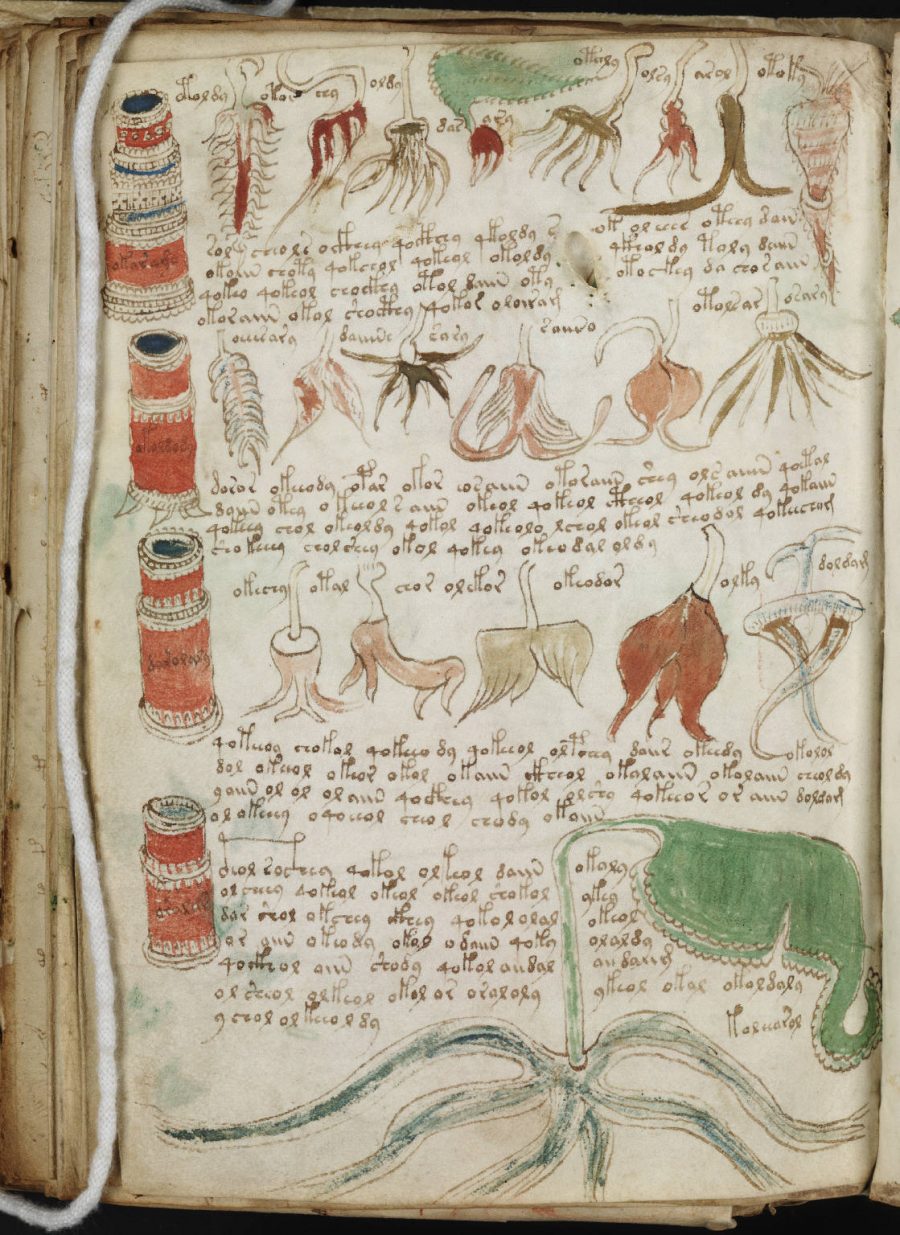
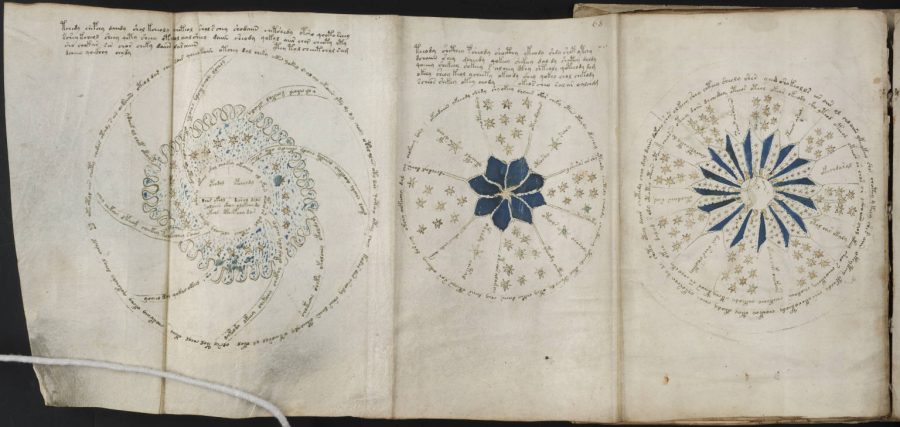
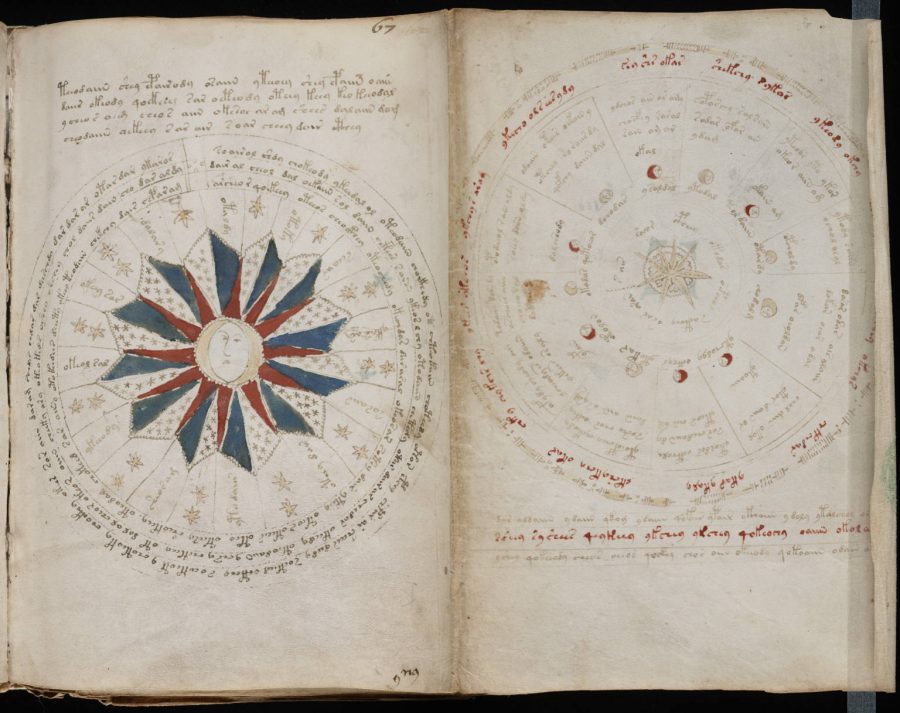
A 600-year-old manuscript—written in a script no one has ever decod­ed, filled with cryp­tic illus­tra­tions, its ori­gins remain­ing to this day a mys­tery…. It’s not as sat­is­fy­ing a plot, say, of a Nation­al Trea­sure or Dan Brown thriller, cer­tain­ly not as action-packed as pick-your-Indi­ana Jones…. The Voyn­ich Man­u­script, named for the anti­quar­i­an who redis­cov­ered it in 1912, has a much more her­met­ic nature, some­what like the work of Hen­ry Darg­er; it presents us with an inscrutably alien world, pieced togeth­er from hybridized motifs drawn from its con­tem­po­rary sur­round­ings.

The Voyn­ich Man­u­script is unique for hav­ing made up its own alpha­bet while also seem­ing to be in con­ver­sa­tion with oth­er famil­iar works of the peri­od, such that it resem­bles an uncan­ny dop­pel­ganger of many a medieval text.

A com­par­a­tive­ly long book at 234 pages, it rough­ly divides into sev­en sec­tions, any of which might be found on the shelves of your aver­age 1400s Euro­pean reader—a fair­ly small and rar­efied group. “Over time, Voyn­ich enthu­si­asts have giv­en each sec­tion a con­ven­tion­al name” for its dom­i­nant imagery: “botan­i­cal, astro­nom­i­cal, cos­mo­log­i­cal, zodi­ac, bio­log­i­cal, phar­ma­ceu­ti­cal, and recipes.”

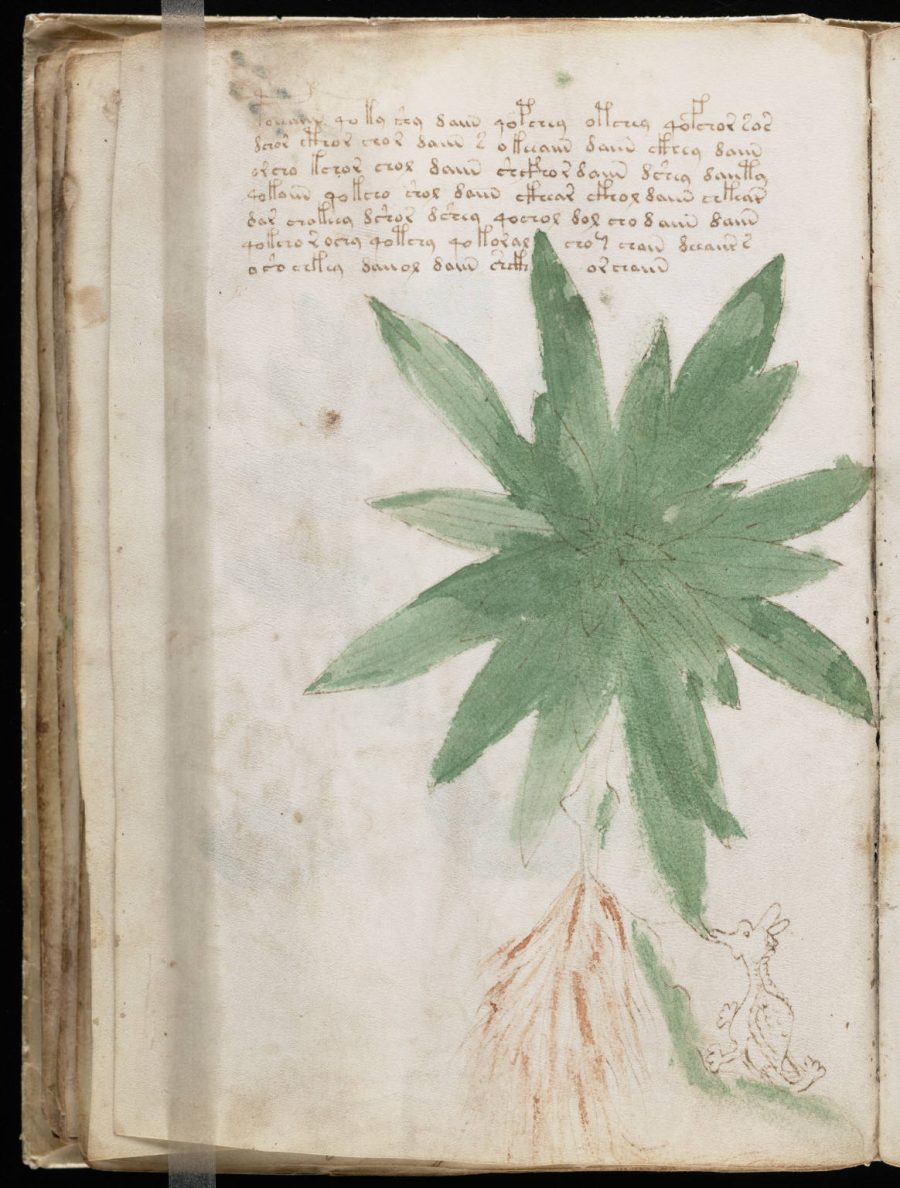
Schol­ars can only spec­u­late about these cat­e­gories. The man­u­scrip­t’s ori­gins and intent have baf­fled cryp­tol­o­gists since at least the 17th cen­tu­ry, when, notes Vox, “an alchemist described it as ‘a cer­tain rid­dle of the Sphinx.’” We can pre­sume, “judg­ing by its illus­tra­tions,” writes Reed John­son at The New York­er, that Voyn­ich is “a com­pendi­um of knowl­edge relat­ed to the nat­ur­al world.” But its “illus­tra­tions range from the fan­ci­ful (legions of heavy-head­ed flow­ers that bear no rela­tion to any earth­ly vari­ety) to the bizarre (naked and pos­si­bly preg­nant women, frol­ick­ing in what look like amuse­ment-park water­slides from the fif­teenth cen­tu­ry).”

The manuscript’s “botan­i­cal draw­ings are no less strange: the plants appear to be chimeri­cal, com­bin­ing incom­pat­i­ble parts from dif­fer­ent species, even dif­fer­ent king­doms.” These draw­ings led schol­ar Nicholas Gibbs to com­pare it to the Tro­tu­la, a Medieval com­pi­la­tion that “spe­cial­izes in the dis­eases and com­plaints of women,” as he wrote in a Times Lit­er­ary Sup­ple­ment arti­cle. It turns out, accord­ing to sev­er­al Medieval man­u­script experts who have stud­ied the Voyn­ich, that Gibbs’ pro­posed decod­ing may not actu­al­ly solve the puz­zle.

The degree of doubt should be enough to keep us in sus­pense, and there­in lies the Voyn­ich Man­u­script’s endur­ing appeal—it is a black box, about which we might always ask, as Sarah Zhang does, “What could be so scan­dalous, so dan­ger­ous, or so impor­tant to be writ­ten in such an uncrack­able cipher?” Wil­fred Voyn­ich him­self asked the same ques­tion in 1912, believ­ing the man­u­script to be “a work of excep­tion­al impor­tance… the text must be unrav­eled and the his­to­ry of the man­u­script must be traced.” Though “not an espe­cial­ly glam­orous phys­i­cal object,” Zhang observes, it has nonethe­less tak­en on the aura of a pow­er­ful occult charm.

But maybe it’s com­plete gib­ber­ish, a high-con­cept prac­ti­cal joke con­coct­ed by 15th cen­tu­ry scribes to troll us in the future, know­ing we’d fill in the space of not-know­ing with the most fan­tas­ti­cal­ly strange spec­u­la­tions. This is a propo­si­tion Stephen Bax, anoth­er con­tender for a Voyn­ich solu­tion, finds hard­ly cred­i­ble. “Why on earth would any­one waste their time cre­at­ing a hoax of this kind?,” he asks. Maybe it’s a rel­ic from an insu­lar com­mu­ni­ty of magi­cians who left no oth­er trace of them­selves. Sure­ly in the last 300 years every pos­si­ble the­o­ry has been sug­gest­ed, dis­card­ed, then picked up again.

Should you care to take a crack at sleuthing out the Voyn­ich mystery—or just to browse through it for curiosity’s sake—you can find the man­u­script scanned at Yale’s Bei­necke Rare Book & Man­u­script Library, which hous­es the vel­lum orig­i­nal. Or flip through the Inter­net Archive’s dig­i­tal ver­sion above. Anoth­er pri­vate­ly-run site con­tains a his­to­ry and descrip­tion of the man­u­script and anno­ta­tions on the illus­tra­tions and the script, along with sev­er­al pos­si­ble tran­scrip­tions of its sym­bols pro­posed by schol­ars. Good luck!

Note: An ear­li­er ver­sion of this post appeared on our site in 2017.

Relat­ed Con­tent:

An Ani­mat­ed Intro­duc­tion to “the World’s Most Mys­te­ri­ous Book,” the 15th-Cen­tu­ry Voyn­ich Man­u­script

1,000-Year-Old Illus­trat­ed Guide to the Med­i­c­i­nal Use of Plants Now Dig­i­tized & Put Online

The Writ­ing Sys­tem of the Cryp­tic Voyn­ich Man­u­script Explained: British Researcher May Have Final­ly Cracked the Code

An Intro­duc­tion to the Codex Seraphini­anus, the Strangest Book Ever Pub­lished

Josh Jones is a writer and musi­cian based in Durham, NC. Fol­low him at @jdmagness

by | Permalink | Make a Comment ( 5 ) |

« Go BackMore in this category... »
Quantcast