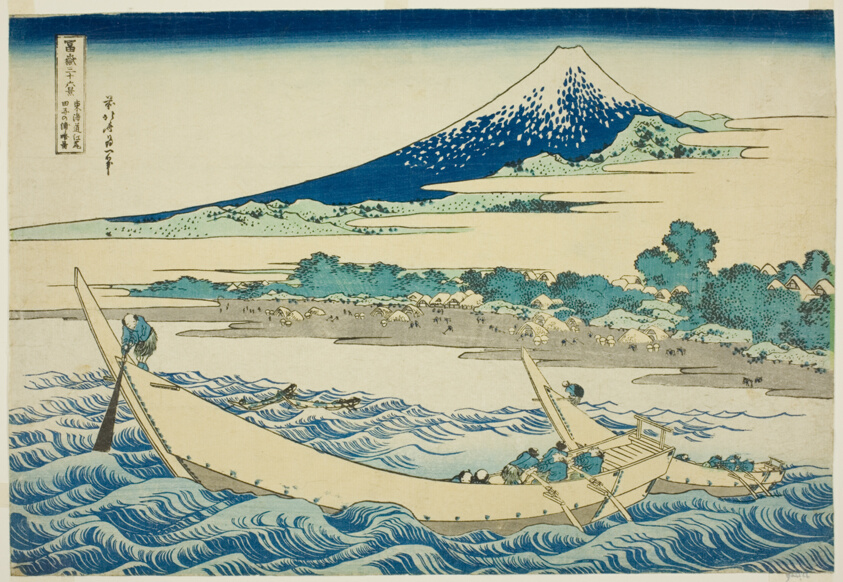
Though it’s traditionally meant “last in a progression or series,” as Merriam-Webster puts it, the word ultimate has been more often used in recent decades to mean “the best or most extreme of its kind.” The name of a recently launched digital archive performs a rare inversion, labeling as last a creation marked not by finality but extremity. Billed as “the largest search engine for museum art,” The Last Museum currently indexes around five million artworks, both those in the public domain and those covered by fair use. Whatever sort of art you wish to see, just describe it in the search bar, hit enter, and enjoy the numerous and diverse results from throughout history and all around the world.
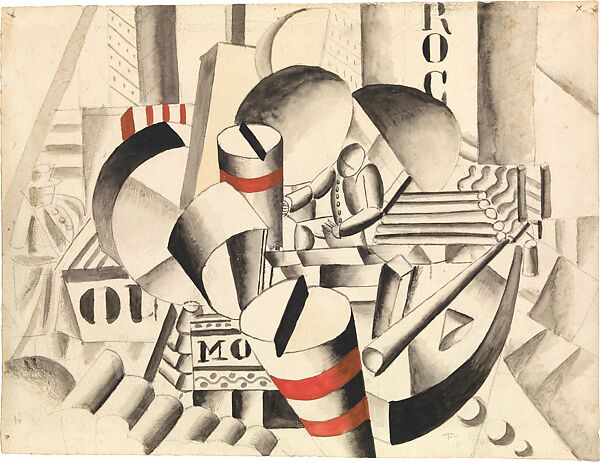
“Rather than functioning as a museum itself, the website aggregates publicly available collection records and images from thousands of institutions, allowing visitors to explore everything from Old Master paintings and ancient Egyptian sculpture to Japanese woodblock prints and vintage comics in one place,” writes Sage Helene at My Modern Met.
“Visitors can search by themes, moods, colors, subjects, or descriptive phrases without knowing an artwork’s title or artist. The system identifies related concepts and returns visually and thematically connected works, making it easy to discover unexpected pieces across cultures, time periods, and collections.” Its creators understand that the value of search lies in not just efficiency, but also surprise — not that the user experience is entirely “vibes-based,” as the kids today might say.
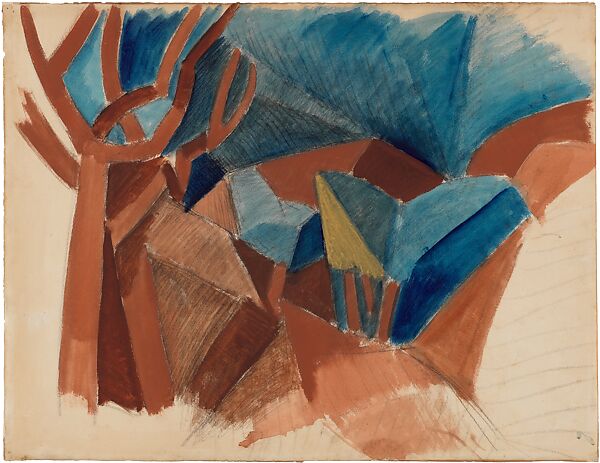
Though the search results can come, by default, from any time between 3000 BC and the current year, you can narrow the historical range by dragging the ends of the blue timeline inward. And if you prefer more specific browsing, you can also navigate through its lists of cultures or museums. The former includes everything from French, Roman, and Japanese (with a strong selection of woodblock prints), to Champa, Tajik, and Basque. The latter includes the British Museum, the Rijksmuseum, and the Metropolitan Museum of Art, as well as the likes of the HNM-PCC Hungarian National Museum, the Turin National University Library, and the Bath Postal Museum: institutions you can never be sure when you’ll visit next. There will, of course, be more museums founded in the future. But if things go according to plan, none of their holdings will escape The Last Museum’s ever-widening digital net. Enter the digital collection here.
via MyModernMet
Related content:
Explore the Newly Launched Public Domain Image Archive with 10,000+ Free Historical Images
Public.Work: A Smoothly Searchable Archive of 100,000+ “Copyright-Free” Images
A Search Engine for Finding Free, Public Domain Images from World-Class Museums
The Getty Makes Nearly 88,000 Art Images Free to Use However You Like
Download Great Works of Art from 40+ Museums Worldwide: Explore Artvee, the New Art Search Engine
Based in Seoul, Colin Marshall writes and broadcasts on cities, language, and culture. He’s the author of the newsletter Books on Cities as well as the books 한국 요약 금지 (No Summarizing Korea) and Korean Newtro. Follow him on the social network formerly known as Twitter at @colinmarshall.




The Mathematics of Arts is hidden in the Painter’s hand.