Cooking with Wool: Watch Mouthwatering Tiny Woolen Food Animations

Our fas­ci­na­tion with tiny food can be traced to the mouth­wa­ter­ing illus­tra­tions in Beat­rix Potter’s The Tale of Two Bad Mice.

Just like the doll­house-sized comestibles that so con­found­ed the tit­u­lar rodents, Tom Thumb and Hun­ca­munca, ani­ma­tor Andrea Love’s minia­ture pas­ta with red sauce is as ined­i­ble as it is appe­tiz­ing.

The self-taught stop motion specialist’s medi­um of choice is wool.

In an inter­view with Drag­on Frame stop motion software’s com­pa­ny blog, when they fea­tured Cook­ing with Wool: Break­fast, above, Love explained:

I like to make short per­son­al projects exper­i­ment­ing with the dif­fer­ent ways to ani­mate wool. The tech­nique is called nee­dle felt­ing and it involves shap­ing wool with a barbed nee­dle. I love the fuzzy aes­thet­ic, and feel like the pos­si­bil­i­ties are end­less. Every­thing in this video is made out of wool or felt, and is built over rigid insu­la­tion foam. This was a weekend/evening project, done over the course of three days… It is very chal­leng­ing work­ing with tiny bits of wool, but also amaz­ing how much detail can be achieved on a small scale when you con­sid­er that it is just tiny clumps of fur.

For­get the showstoppers—the melt­ing but­ter, the fried eggs flip­ping in the pan, the steam ris­ing from cup and ket­tle…

Let’s take a moment to admire the atten­tion to detail that went into the back­ground aspects—the rub­ber spat­u­la, the bananas, the cheery flecked wall­pa­per…

The only thing miss­ing is a pothold­er to han­dle that pip­ing hot cast iron skil­let.

Per­haps she ran out of wool?

The Port Townsend, Wash­ing­ton res­i­dent, who grad­u­at­ed from Hamp­shire Col­lege with a con­cen­tra­tion in film stud­ies and sus­tain­able agri­cul­ture, whips up her tee­ny wee­ny wooly meals in the same base­ment stu­dio where she crafts pro­mo­tion­al videos for local busi­ness­es, includ­ing the yarn shop where she sources her wool rov­ings.

View more of Andrea Love’s fiber-art stop motion ani­ma­tions, includ­ing a â€śdig­i­tal” banana paint­ing cre­at­ed with a woolen tablet and sty­lus, on her web­site and Insta­gram page.

Relat­ed Con­tent:

The Online Knit­ting Ref­er­ence Library: Down­load 300 Knit­ting Books Pub­lished From 1849 to 2012

Behold an Anatom­i­cal­ly Cor­rect Repli­ca of the Human Brain, Knit­ted by a Psy­chi­a­trist

20+ Knit­ters and Cro­chet Artists Stitch an Aston­ish­ing 3‑D Recre­ation of Picasso’s Guer­ni­ca

Ayun Hal­l­i­day is an author, illus­tra­tor, the­ater mak­er and Chief Pri­ma­tol­o­gist of the East Vil­lage Inky zine.  Join her in NYC on Mon­day, Feb­ru­ary 3 for New York: The Nation’s Metrop­o­lis the 21st install­ment of her book-based vari­ety show, Necro­mancers of the Pub­lic Domain. Fol­low her @AyunHalliday.

An Animated Look at the Charade of the Global Elites: Claiming They Want to “Change the World,” They End Up Preserving the Unjust Status Quo

From Peter Kropotkin to Leo Tol­stoy to Noam Chom­sky, some of the most revered anar­chist thinkers have exhaust­ed page after page explain­ing why pow­er over oth­ers is unjus­ti­fied, no mat­ter how it jus­ti­fies itself. To those who say the wealthy and pow­er­ful ben­e­fit soci­ety with char­i­ta­ble works and occa­sion­al­ly humane pol­i­cy, Tol­stoy might reply with the fol­low­ing illus­tra­tion, which opens Time edi­tor Anand Girid­haradas’ talk above, “Win­ner Take All,” as ani­mat­ed by the RSA:

I sit on a man’s back, chok­ing him and mak­ing him car­ry me, and yet assure myself and oth­ers that I am sor­ry for him and wish to light­en his load by all means pos­si­ble… except by get­ting off his back.

The author of Win­ners Take All: The Elite Cha­rade of Chang­ing the World, Girid­haradas doesn’t make the case for anar­chism here, except per­haps by the slight­est impli­ca­tion in his choice of epi­graph. But he does call out the “win­ners of our age,” no mat­ter how much they deter­mine to make a dif­fer­ence with human­i­tar­i­an aid, for being “unwill­ing to get off the man’s back.” Unwill­ing to pay tax­es, close loop­holes and tax shel­ters, pay high­er wages, or stop lob­by­ing to slash pub­lic ser­vices. Unwill­ing to rein­vest in the com­mu­ni­ties that made them.

“What does it look like to imag­ine the kind of change,” Girid­haradas asks, “that would involve the win­ners of our age step­ping off that guy’s back? Or being made to step off that guy’s back?” Here, he leaves us with an ellipses and moves to cri­tique the idea of the “win-win” as a means of mak­ing change, rather than just exchange.

The mar­ket econ­o­my has import­ed the cri­te­ria of exchange into pol­i­tics and social action. Every­thing is trans­ac­tion­al. But in order to address the gross inequities that result in peo­ple fig­u­ra­tive­ly sit­ting on the backs of oth­ers, some must gain more pow­er and oth­ers must have less. The par­ties do not meet in a state of ceteris paribus.

One might take issue with the very terms used in “win-win” think­ing. Rather than win­ners, some would call pow­er­ful cap­i­tal­ists oppor­tunists, prof­i­teers, and worse. (The term “rob­ber baron” was once in com­mon cir­cu­la­tion.) To claim that good works and good inten­tions obvi­ate mas­sive pow­er imbal­ances is to pre­sume that such imbal­ances are jus­ti­fi­able in the first place. Answer­ing this the­o­ret­i­cal ques­tion doesn’t, how­ev­er, address the prac­ti­cal prob­lem.

In the cur­rent sys­tem of cor­po­rate mis­rule, says Girid­haradas, “when every­thing is couched as a win-win, what you are real­ly say­ing… is that the best kinds of solu­tions don’t ask any­one to get off anyone’s back.” Unfet­tered cap­i­tal­ism has brought us the “pri­va­ti­za­tion of pub­lic prob­lems.” That is to say, com­pa­nies prof­it from the same issues they help cre­ate through pol­lu­tion, preda­to­ry schemes, and undue polit­i­cal influ­ence.

You don’t have to be an anar­chist to see a seri­ous prob­lem with that. But if you see the prob­lem, you should want to imag­ine how things could be oth­er­wise.

via Aeon

Relat­ed Con­tent:

Saul Alinsky’s 13 Tried-and-True Rules for Cre­at­ing Mean­ing­ful Social Change

Noam Chom­sky Explains the Best Way for Ordi­nary Peo­ple to Make Change in the World, Even When It Seems Daunt­ing

Teach­ing Tol­er­ance to Activists: A Free Course Syl­labus & Anthol­o­gy

Josh Jones is a writer and musi­cian based in Durham, NC. Fol­low him at @jdmagness

A Brief Animated History of Alcohol

Almost any­thing can be pre­served in alco­hol, except health, hap­pi­ness and mon­ey…

Rod­er­ick Phillips’ Ted-Ed les­son, a Brief His­to­ry of Alco­hol, above, opens with a bon mot from ear­ly 20th-cen­tu­ry quote maven Mary Wil­son Lit­tle, after which, an unwit­ting chim­panzee quick­ly dis­cov­ers the intox­i­cat­ing effects of over­ripe plums.

His eyes pin­wheel, he falls off a branch, and grins, drunk as a monkey’s uncle.

And though the sub­ject is alco­hol, this pri­mate is the only char­ac­ter in Anton Bogaty’s 5‑minute ani­ma­tion who could be hauled in on a drunk and dis­or­der­ly charge.

The oth­ers take a more sober, indus­tri­ous approach, illus­trat­ing alcohol’s promi­nent role in ear­ly med­i­cine, reli­gious rit­u­als, and glob­al trad­ing.

Ancient Egyp­tians har­vest the cere­al grains that will pro­duce beer, includ­ed as part of work­ers’ rations and avail­able to all class­es.

A native of South Amer­i­ca stirs a ket­tle of chicha, a fist­ful of hal­lu­cino­genic herbs held at the ready.

A Greek physi­cian tends to a patient with a gob­let of wine, as a near­by poet pre­pares to deliv­er an ode on its cre­ative prop­er­ties.

Stu­dents with an inter­est in the sci­ence of alco­hol can learn a bit about the fer­men­ta­tion process and how the inven­tion of dis­til­la­tion allowed for much stronger spir­its.

Alco­hol was a wel­come pres­ence aboard sea­far­ing ves­sels. Not only did this valu­able trad­ing com­mod­i­ty spark live­ly par­ties on deck, it san­i­tized the sailors’ drink­ing water, mak­ing longer voy­ages pos­si­ble.

Cheers to that.

Edu­ca­tors can cus­tomize the les­son here.

Relat­ed Con­tent:

Beer Archae­ol­o­gy: Yes, It’s a Thing

5,000-Year-Old Chi­nese Beer Recipe Gets Recre­at­ed by Stan­ford Stu­dents

How Carl Jung Inspired the Cre­ation of Alco­holics Anony­mous

Ayun Hal­l­i­day is an author, illus­tra­tor, the­ater mak­er and Chief Pri­ma­tol­o­gist of the East Vil­lage Inky zine.  Join her in NYC tongight, Mon­day, Jan­u­ary 6 when her month­ly book-based vari­ety show, Necro­mancers of the Pub­lic Domain cel­e­brates Cape-Cod­di­ties (1920) by Roger Liv­ingston Scaife. Fol­low her @AyunHalliday.

Why You Should Read Dune: An Animated Introduction to Frank Herbert’s Ecological, Psychological Sci-Fi Epic

A vision of human­i­ty’s future with­out most of the high tech­nol­o­gy we expect from sci­ence fic­tion, but with a sur­feit of reli­gions, mar­tial arts, and medieval pol­i­tics we don’t; pro­nun­ci­a­tion-unfriend­ly names and terms like “Bene Gesser­it,” “Kwisatz Hader­ach,” and “Muad’Dib”; a sand plan­et inhab­it­ed by giant killer worms: near­ly 55 years after its pub­li­ca­tion, Dune remains a strange piece of work. But apply­ing that adjec­tive to Frank Her­bert’s high­ly suc­cess­ful saga of inter­stel­lar adven­ture and intrigue high­lights not just the ways in which its intri­cate­ly devel­oped world is unfa­mil­iar to us, but the ways in which it is famil­iar — and has grown ever more so over the decades.

“Fol­low­ing an ancient war with robots, human­i­ty has for­bid­den the con­struc­tion of any machine in the like­ness of a human mind,” says Dan Kwartler in the ani­mat­ed TED-Ed intro­duc­tion to the world of Dune above. This edict “forced humans to evolve in star­tling ways, becom­ing bio­log­i­cal com­put­ers, psy­chic witch­es, and pre­scient space pilots,” many of them “reg­u­lar­ly employed by var­i­ous noble hous­es, all com­pet­ing for pow­er and new plan­ets to add to their king­doms.” But their super­hu­man skills “rely on the same pre­cious resource: the spice,” a mys­ti­cal crop that also pow­ers space trav­el, “mak­ing it the cor­ner­stone of the galac­tic econ­o­my.”

Her­bert sets Dune — the first of five books by him and many suc­ces­sors by his son Bri­an Her­bert and Kevin J. Ander­son — on the desert plan­et Arrakis, where the noble House Atrei­des finds itself relo­cat­ed. Before long, its young scion Paul Atrei­des “is cat­a­pult­ed into the mid­dle of a plan­e­tary rev­o­lu­tion where he must prove him­self capa­ble of lead­ing and sur­viv­ing on this hos­tile desert world.” Not that Arrakis is just some rock cov­ered in sand: an avid envi­ron­men­tal­ist, Her­bert “spent over five years cre­at­ing Dune’s com­plex ecosys­tem. The plan­et is check­ered with cli­mate belts and wind tun­nels that have shaped its rocky topog­ra­phy. Dif­fer­ing tem­per­ate zones pro­duce vary­ing desert flo­ra, and almost every ele­ment of Dune’s ecosys­tem works togeth­er to pro­duce the plan­et’s essen­tial export.”

Her­bert’s world-build­ing “also includes a rich web of phi­los­o­phy and reli­gion,” which involves ele­ments of Islam, Bud­dhism, Sufi mys­ti­cism, Chris­tian­i­ty, Judaism, and Hin­duism, all arranged in con­fig­u­ra­tions the likes of which human his­to­ry has nev­er seen. What Dune does with reli­gion it does even more with lan­guage, draw­ing for its vocab­u­lary from a range of tongues includ­ing Latin, Old Eng­lish, Hebrew, Greek, Finnish, and Nahu­atl. All this serves a sto­ry deal­ing with themes both eter­nal, like the decline of empire and the mis­placed trust in hero­ic lead­ers, and increas­ing­ly top­i­cal, like the con­se­quences of a feu­dal order, eco­log­i­cal change, and wars over resources in inhos­pitable, sandy places. At the cen­ter is the sto­ry of a man strug­gling to attain mas­tery of not just body but mind, not least by defeat­ing fear, described in Paul’s famous line as the “mind-killer,” the “lit­tle-death that brings total oblit­er­a­tion.”

The scope, com­plex­i­ty, and sheer odd­i­ty of Her­bert’s vision has repeat­ed­ly tempt­ed film­mak­ers and the film indus­try — and repeat­ed­ly defeat­ed them. Per­haps unsur­pris­ing­ly Alexan­der Jodor­owsky could­n’t get his plans off the ground for a 14-hour epic Dune involv­ing Pink Floyd, Sal­vador DalĂ­, Moe­bius, Orson Welles, and Mick Jag­ger. In 1984 David Lynch man­aged to direct a some­what less ambi­tious adap­ta­tion, but the nev­er­the­less enor­mous­ly com­plex and expen­sive pro­duc­tion came out as what David Fos­ter Wal­lace described as “a huge, pre­ten­tious, inco­her­ent flop.” Dune will return to the­aters in Decem­ber 2020 in a ver­sion direct­ed by Denis Vil­leneuve, whose recent work on the likes of Arrival and Blade Run­ner 2049 sug­gests on his part not just the nec­es­sary inter­est in sci­ence fic­tion, but the even more nec­es­sary sense of the sub­lime: a grandeur and beau­ty of such a scale and stark­ness as to inspire fear, much as every Dune read­er has felt on their own imag­ined Arrakis.

Relat­ed Con­tent:

The 14-Hour Epic Film, Dune, That Ale­jan­dro Jodor­owsky, Pink Floyd, Sal­vador Dalí, Moe­bius, Orson Welles & Mick Jag­ger Nev­er Made

Moe­bius’ Sto­ry­boards & Con­cept Art for Jodorowsky’s Dune

The Dune Col­or­ing & Activ­i­ty Books: When David Lynch’s 1984 Film Cre­at­ed Count­less Hours of Pecu­liar Fun for Kids

Why You Should Read The Mas­ter and Mar­gari­ta: An Ani­mat­ed Intro­duc­tion to Bulgakov’s Rol­lick­ing Sovi­et Satire

Why You Should Read One Hun­dred Years of Soli­tude: An Ani­mat­ed Video Makes the Case

Why You Should Read Crime and Pun­ish­ment: An Ani­mat­ed Intro­duc­tion to Dostoevsky’s Moral Thriller

Based in Seoul, Col­in Mar­shall writes and broad­casts on cities, lan­guage, and cul­ture. His projects include the book The State­less City: a Walk through 21st-Cen­tu­ry Los Ange­les and the video series The City in Cin­e­ma. Fol­low him on Twit­ter at @colinmarshall or on Face­book.

For the First Time, Studio Ghibli’s Entire Catalog Will Soon Be Available for Digital Purchase

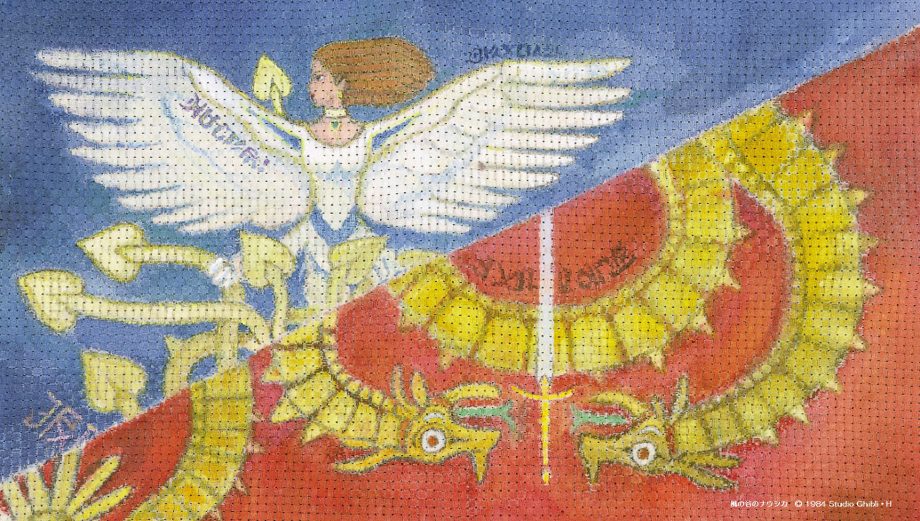
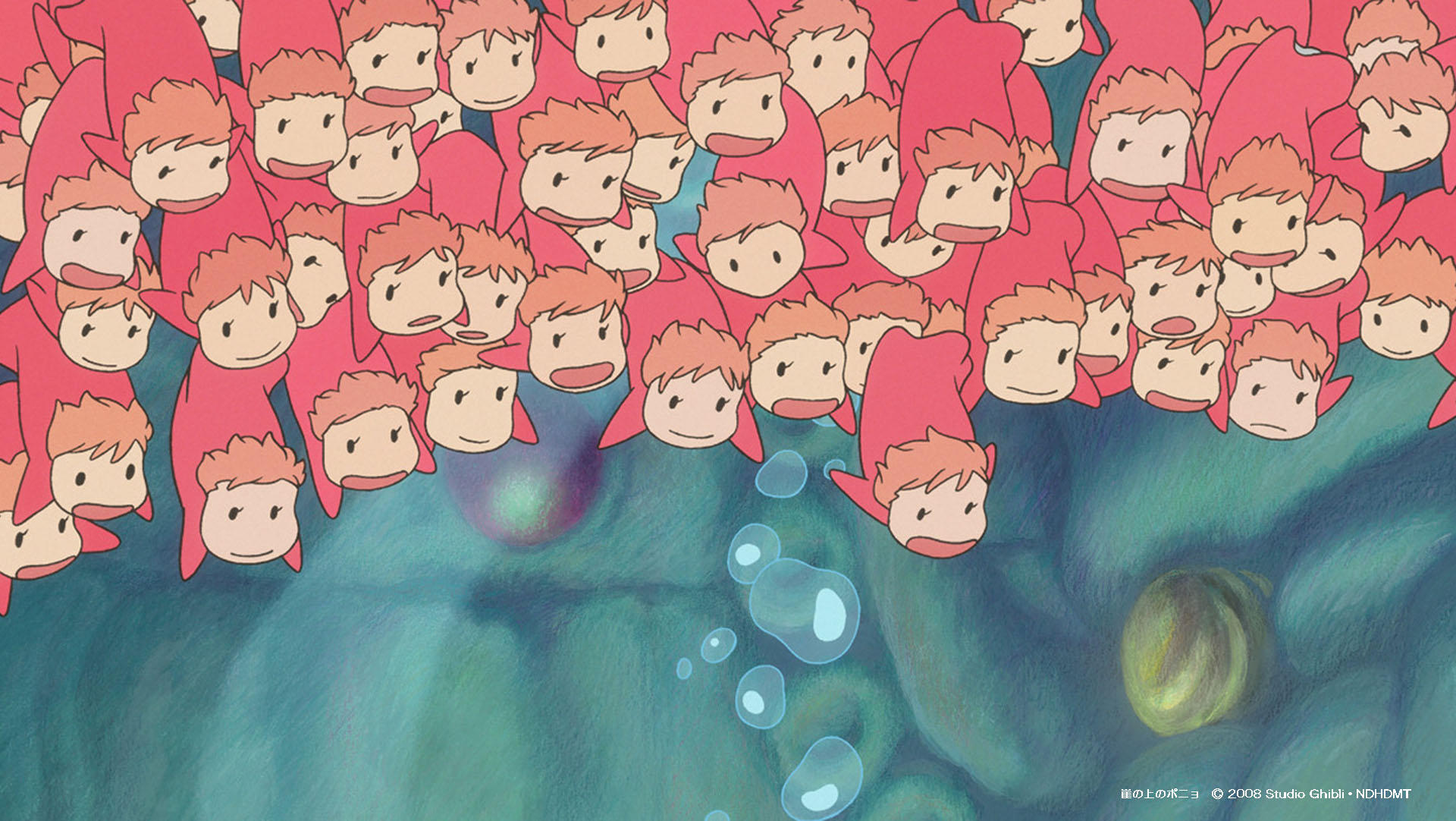
Some describe Stu­dio Ghi­b­li, the ani­ma­tion com­pa­ny found­ed by Hayao Miyaza­ki and Isao Taka­ha­ta, as “the Japan­ese Dis­ney.” That does jus­tice to the true nature of nei­ther Ghi­b­li nor Dis­ney, though both ven­tures have dis­played an uncan­ny abil­i­ty to pro­duce beloved ani­mat­ed films — and beloved ani­mat­ed films that haven’t always been easy to see on demand. Just this past sum­mer we fea­tured the release of Ghi­b­li’s Spir­it­ed Away in Chi­na, eigh­teen years after its pre­miere, but even in less polit­i­cal­ly sen­si­tive ter­ri­to­ries, fans have had their chal­lenges: find­ing a way to stream Ghi­b­li movies, for instance, which (at least in North Amer­i­ca) will become much eas­i­er on Decem­ber 17th.

On that date, reports Vari­ety’s Dave McNary, “GKids will release the entire Stu­dio Ghi­b­li cat­a­log of ani­mat­ed films for dig­i­tal pur­chase.” From Nau­si­caä of the Val­ley of the Wind and My Neigh­bor Totoro to From Up on Pop­py Hill and The Tale of the Princess Kaguya, Ghi­b­li’s films “will be avail­able to pur­chase in both Eng­lish and Japan­ese lan­guages on all major dig­i­tal trans­ac­tion­al plat­forms.”

This marks “the first time the Stu­dio Ghi­b­li films will be avail­able for dig­i­tal pur­chase any­where in the world,” includ­ing the stu­dio’s home­land of Japan — a coun­try, in any case, with a slight­ly dif­fer­ent rela­tion­ship to the inter­net than most, and one that tends to result in a pref­er­ence for phys­i­cal dis­tri­b­u­tion over dig­i­tal.

If you’ve nev­er seri­ous­ly watched Stu­dio Ghi­b­li’s films, don’t be fooled by the name GKids: the Amer­i­can dis­trib­u­tor spe­cial­izes in arti­sanal ani­ma­tion, most­ly but not entire­ly Japan­ese (its cat­a­log also includes Nina Paley’s Sita Sings the Blues), and those in charge there know full well the draw of Ghi­b­li for demo­graph­ics far beyond those still in child­hood. One can fair­ly argue, in fact, that young­sters aren’t Ghi­b­li’s pri­ma­ry audi­ence; where­as Dis­ney makes ani­ma­tion for kids that many grown-ups can enjoy, Ghi­b­li in some sense does the oppo­site. The films of Miyaza­ki, Taka­ha­ta, and Ghi­b­li’s oth­er stal­warts will thus make ide­al mate­r­i­al for the all-ages at-home movie marathons with­out which no hol­i­day sea­son is com­plete, see­ing as their ani­mat­ed mag­ic will arrive in the realm of on-demand not a moment too soon.

Relat­ed Con­tent:

How the Films of Hayao Miyaza­ki Work Their Ani­mat­ed Mag­ic, Explained in 4 Video Essays

Watch Hayao Miyazaki’s Beloved Char­ac­ters Enter the Real World

Stu­dio Ghi­b­li Releas­es Tan­ta­liz­ing Con­cept Art for Its New Theme Park, Open­ing in Japan in 2022

Based in Seoul, Col­in Mar­shall writes and broad­casts on cities and cul­ture. He’s at work on a book about Los Ange­les, A Los Ange­les Primer, the video series The City in Cin­e­maand the crowd­fund­ed jour­nal­ism project Where Is the City of the Future? Fol­low him on Twit­ter at @colinmarshall or on Face­book.

Watch a Hand-Drawn Animation of Neil Gaiman’s Poem “The Mushroom Hunters,” Narrated by Amanda Palmer

The arrival of a new­born son has inspired no few poets to com­pose works pre­serv­ing the occa­sion. When Neil Gaiman wrote such a poem, he used its words to pay trib­ute to not just the cre­ation of new life but to the sci­en­tif­ic method as well. “Sci­ence, as you know, my lit­tle one, is the study / of the nature and behav­ior of the uni­verse,” begins Gaiman’s “The Mush­room Hunters.” An impor­tant thing for a child to know, cer­tain­ly, but Gaiman does­n’t hes­i­tate to get into even more detail: “It’s based on obser­va­tion, on exper­i­ment, and mea­sure­ment / and the for­mu­la­tion of laws to describe the facts revealed.” Go slight­ly over the head of a new­born as all this may, any par­ent of an old­er but still young child knows what ques­tion nat­u­ral­ly comes next: “Why?”

As if in antic­i­pa­tion of that inevitable expres­sion of curios­i­ty, Gaiman harks back to “the old times,” when “men came already fit­ted with brains / designed to fol­low flesh-beasts at a run,” and with any luck to come back with a slain ante­lope for din­ner. The women, “who did not need to run down prey / had brains that spot­ted land­marks and made paths between them,” tak­ing spe­cial note of the spots where they could find mush­rooms. It was these mush­room hunters who used “the first tool of all,” a sling to hold the baby but also to “put the berries and the mush­rooms in / the roots and the good leaves, the seeds and the crawlers. / Then a flint pes­tle to smash, to crush, to grind or break.” But how to know which of the mush­rooms — to say noth­ing of the berries, roots, and leaves — will kill you, which will “show you gods,” and which will “feed the hunger in our bel­lies?”

“Observe every­thing.” That’s what Gaiman’s poem rec­om­mends, and what it memo­ri­al­izes these mush­room hunters for hav­ing done: observ­ing the con­di­tions under which mush­rooms aren’t dead­ly to eat, observ­ing child­birth to “dis­cov­er how to bring babies safe­ly into the world,” observ­ing every­thing around them in order to cre­ate “the tools we make to build our lives / our clothes, our food, our path home…” In Gaiman’s poet­ic view, the obser­va­tions and for­mu­la­tions made by these ear­ly mush­room-hunt­ing women to serve only the imper­a­tive of sur­vival lead straight (if over a long dis­tance), to the mod­ern sci­en­tif­ic enter­prise, with its con­tin­ued gath­er­ing of facts, as well as its con­stant pro­pos­al and revi­sion of laws to describe the pat­terns in those facts.

You can see “The Mush­room Hunters” brought to life in the video above, a hand-drawn ani­ma­tion by Cre­ative Con­nec­tion scored by the com­pos­er Jherek Bischoff (pre­vi­ous­ly heard in the David Bowie trib­ute Strung Out in Heav­en). You can read the poem at Brain Pick­ings, whose cre­ator Maria Popo­va hosts “The Uni­verse in Verse,” an annu­al “char­i­ta­ble cel­e­bra­tion of sci­ence through poet­ry” where “The Mush­room Hunters” made its debut in 2017. There it was read aloud by the musi­cian Aman­da Palmer, Gaiman’s wife and the moth­er of the afore­men­tioned son, and so it is in this more recent ani­mat­ed video. Young Ash will sure­ly grow up faced with few obsta­cles to the appre­ci­a­tion of sci­ence, and even less so to the kind of imag­i­na­tion that sci­ence requires. As for all the oth­er chil­dren in the world — well, it cer­tain­ly would­n’t hurt to show them the mush­room hunters at work.

This read­ing will be added to our col­lec­tion, 1,000 Free Audio Books: Down­load Great Books for Free.

via Brain Pick­ings

Relat­ed Con­tent:

Watch Neil Gaiman & Aman­da Palmer’s Haunt­ing, Ani­mat­ed Take on Leonard Cohen’s “Democ­ra­cy”

Hear Strung Out in Heav­en, a Gor­geous Trib­ute to David Bowie by Aman­da Palmer & Jherek Bischoff’s, Made with Help from Neil Gaiman

Aman­da Palmer Ani­mates & Nar­rates Hus­band Neil Gaiman’s Uncon­scious Mus­ings

Watch Love­birds Aman­da Palmer and Neil Gaiman Sing “Makin’ Whoopee!” Live

Neil Gaiman’s Dark Christ­mas Poem Ani­mat­ed

Dis­cov­er Emi­ly Dickinson’s Herbar­i­um: A Beau­ti­ful Dig­i­tal Edi­tion of the Poet’s Col­lec­tion of Pressed Plants & Flow­ers Is Now Online

Based in Seoul, Col­in Mar­shall writes and broad­casts on cities and cul­ture. He’s at work on a book about Los Ange­les, A Los Ange­les Primer, the video series The City in Cin­e­maand the crowd­fund­ed jour­nal­ism project Where Is the City of the Future? Fol­low him on Twit­ter at @colinmarshall or on Face­book.

The Cameraman’s Revenge (1912): The Truly Weird Origin of Modern Stop-Motion Animation

These days, ever more ambi­tions com­put­er-ani­mat­ed spec­ta­cles seem to arrive in the­aters every few weeks. But how many of them cap­ture our imag­i­na­tions as ful­ly as works of the thor­ough­ly ana­log art of stop-motion ani­ma­tion? The uncan­ny effect (and imme­di­ate­ly vis­i­ble labor-inten­sive­ness) of real, phys­i­cal pup­pets and objects made to move as if by them­selves still cap­ti­vates view­ers young and old: just watch how the Wal­lace and Gromit series, Ter­ry Gilliam’s Mon­ty Python shorts, The Night­mare Before Christ­mas, and even the orig­i­nal King Kong as well as Ray Har­ry­hausen’s mon­sters in Jason and the Arg­onauts and The 7th Voy­age of Sin­bad have held up over the decades.

The film­mak­ers who best under­stand the mag­ic of cin­e­ma still use stop-motion today, as Wes Ander­son has in The Fan­tas­tic Mr. Fox and Isle of Dogs. They all owe some­thing to a Pol­ish-Russ­ian ani­ma­tor of the ear­ly-to-mid-20th cen­tu­ry by the name of Ladis­las Stare­vich. Long­time Open Cul­ture read­ers may remem­ber the works of Stare­vich pre­vi­ous­ly fea­tured here, includ­ing the Goethe adap­ta­tion The Tale of the Fox and the much ear­li­er The Cam­era­man’s Revenge, a tale of infi­deli­ty and its con­se­quences told entire­ly with dead bugs for actors. Stare­vich, then the Direc­tor of the Muse­um of Nat­ur­al His­to­ry in Kau­nas, Lithua­nia, pulled off this cin­e­mat­ic feat “by installing wheels and strings in each insect, and occa­sion­al­ly replac­ing their legs with plas­tic or met­al ones,” says Phil Edwards in the Vox Almanac video above.

“How Stop Motion Ani­ma­tion Began” comes as a chap­ter of a minis­eries called Almanac Hol­ly­would­n’t, which tells the sto­ries of “big changes to movies that came from out­side Hol­ly­wood.” It would be hard indeed to find any­thing less Hol­ly­wood than a man installing wheels and strings into insect corpses at a Lithuan­ian muse­um in 1912, but in time The Cam­era­man’s Revenge proved as deeply influ­en­tial as it remains deeply weird. Stare­vich kept on mak­ing films, and sin­gle­hand­ed­ly fur­ther­ing the art of stop-motion ani­ma­tion, until his death in France (where he’d relo­cat­ed after the Russ­ian Rev­o­lu­tion) in 1965.

And though Stare­vich may not be a house­hold name today, Edwards reveals while trac­ing the sub­se­quent his­to­ry of stop-motion ani­ma­tion that cin­e­ma has­n’t entire­ly failed to pay him trib­ute: Ander­son­’s The Fan­tas­tic Mr. Fox is in a sense a direct homage to The Tale of the Fox, and Gilliam has called Stare­vich’s work “absolute­ly breath­tak­ing, sur­re­al, inven­tive and extra­or­di­nary, encom­pass­ing every­thing that Jan Svankma­jer, Waler­ian Borow­czyk and the Quay Broth­ers would do sub­se­quent­ly.” He sug­gests that, before we enter the “mind-bend­ing worlds” of more recent ani­ma­tors, we “remem­ber that it was all done years ago, by some­one most of us have for­got­ten about now” — and with lit­tle more than a few dead bugs at that.

Relat­ed Con­tent:

Watch The Amaz­ing 1912 Ani­ma­tion of Stop-Motion Pio­neer Ladis­las Stare­vich, Star­ring Dead Bugs

The Tale of the Fox: Watch Ladis­las Starevich’s Ani­ma­tion of Goethe’s Great Ger­man Folk­tale (1937)

The Mas­cot, a Pio­neer­ing Stop Ani­ma­tion Film by Wla­dys­law Starewicz

The His­to­ry of Stop-Motion Films: 39 Films, Span­ning 116 Years, Revis­it­ed in a 3‑Minute Video

Ray Harryhausen’s Creepy War of the Worlds Sketch­es and Stop-Motion Test Footage

Spike Jonze’s Stop Motion Film Haunt­ing­ly Ani­mates Paris’ Famed Shake­speare and Com­pa­ny Book­store

Based in Seoul, Col­in Mar­shall writes and broad­casts on cities, lan­guage, and cul­ture. His projects include the book The State­less City: a Walk through 21st-Cen­tu­ry Los Ange­les and the video series The City in Cin­e­ma. Fol­low him on Twit­ter at @colinmarshall or on Face­book.

Watch 21 Animated Ideas from Big Thinkers: Steven Pinker, Carol Dweck, Philip Zimbardo, David Harvey & More

The Roy­al Soci­ety for the Encour­age­ment of Arts, Man­u­fac­tures and Com­merce, bet­ter known as the Roy­al Soci­ety for the Arts, and best known sim­ply as the RSA, was found­ed in 1754. At the time, nobody could have imag­ined a world in which the peo­ple of every land, no mat­ter how far-flung, could hear the same talks by well-known schol­ars and speak­ers, let alone see them ani­mat­ed as if on a con­fer­ence-room white­board. Yet even back then, in an era before the inven­tion of ani­ma­tion and white­boards, let alone com­put­ers and the inter­net, peo­ple had an appetite for strong, often coun­ter­in­tu­itive or even con­trar­i­an ideas to diag­nose and poten­tial­ly even solve social prob­lems — an appetite for which the RSA Ani­mate series of videos was made.

We can’t under­stand what goes right and what goes wrong in our soci­eties with­out under­stand­ing how we think. To that end the RSA has com­mis­sioned ani­mat­ed videos based on talks by psy­chi­a­trist Iain McGilchrist on our “divid­ed brain,” for­mer polit­i­cal strate­gist (and cur­rent RSA Chief Exec­u­tive) Matthew Tay­lor on how our left and right brains shape our pol­i­tics, psy­chol­o­gist Steven Pinker on lan­guage as a win­dow into human nature, philoso­pher-soci­ol­o­gist Rena­ta Sale­cl on the para­dox­i­cal down­side of choice, psy­chol­o­gist Philip Zim­bar­do on our per­cep­tion of time, â€śsocial and eth­i­cal prophet” Jere­my Rifkin on empa­thy, philoso­pher Roman Krz­nar­ic on “out­ro­spec­tion,” jour­nal­ist Bar­bara Ehren­re­ich on “the dark­er side of pos­i­tive think­ing,” and behav­ioral-eco­nom­ics researcher Dan Ariely on dri­ve and dis­hon­esty.

Eco­nom­ics is anoth­er field that has pro­vid­ed the RSA with a sur­feit of ani­mat­able mate­r­i­al — even of the kind “econ­o­mists don’t want you to see,” as the RSA pro­motes econ­o­mist Ha-joon Chang’s talk on “why every sin­gle per­son can and SHOULD get their head around basic eco­nom­ics” and “how eas­i­ly eco­nom­ic myths and assump­tions become gospel.”

Freako­nom­ics co-authors Steven Levitt and Stephen Dub­n­er make an appear­ance to break down altru­ism, and “eco­nom­ic geo­g­ra­ph­er” David Har­vey attempts to envi­sion a sys­tem beyond cap­i­tal­ism. And on the parts of the intel­lec­tu­al map where eco­nom­ics over­laps pol­i­tics, the RSA brings us fig­ures like Slavoj Ĺ˝iĹľek, who “inves­ti­gates the sur­pris­ing eth­i­cal impli­ca­tions of char­i­ta­ble giv­ing.”

As, in essence, an edu­ca­tion­al enter­prise, RSA Ani­mate videos also look into new ways to think about edu­ca­tion itself. Edu­ca­tion­al­ist Car­ol Dweck exam­ines the issues of “why kids say they’re bored at school, or why they stop try­ing when the work gets hard­er” by look­ing at what kind of praise helps young stu­dents, and what kind harms them.

Edu­ca­tion and cre­ativ­i­ty expert Sir Ken Robin­son explains the need to change our very par­a­digms of edu­ca­tion. And accord­ing to the RSA’s speak­ers, those aren’t the only par­a­digms we should change: Microsoft Chief Envi­sion­ing Offi­cer Dave Coplin argues that we should re-imag­ine work, and tech­nol­o­gy crit­ic Evge­ny Moro­zov argues that we should rethink the “cyber-utopi­anism” that has exposed harm­ful side-effects of our dig­i­tal world.

httvs://www.youtube.com/watch?v=zDZFcDGpL4U&list=PL39BF9545D740ECFF&index=11&t=0s

But it is in this world that the RSA pro­motes “21st-cen­tu­ry enlight­en­ment,” a con­cept fur­ther explored in anoth­er talk by Matthew Tay­lor — and one of which you can get a few dos­es, ten min­utes at a time, on the full RSA Ani­mate Youtube playlist. Watch the com­plete playlist of 21 videos, from start to fin­ish, below.

Relat­ed Con­tent:

The Decline of Civilization’s Right Brain: Ani­mat­ed

Dan Ariely’s Ani­mat­ed Talk Reveals How and Why We’re All Dis­hon­est

The Pow­er of “Out­ro­spec­tion” — A Way of Life, A Force for Social Change — Explained with Ani­ma­tion

The His­to­ry of Music Told in Sev­en Rapid­ly Illus­trat­ed Min­utes

48 Ani­mat­ed Videos Explain the His­to­ry of Ideas: From Aris­to­tle to Sartre

Based in Seoul, Col­in Mar­shall writes and broad­casts on cities, lan­guage, and cul­ture. His projects include the book The State­less City: a Walk through 21st-Cen­tu­ry Los Ange­les and the video series The City in Cin­e­ma. Fol­low him on Twit­ter at @colinmarshall or on Face­book.

« Go BackMore in this category... »
Quantcast