A History of Ideas: Animated Videos Explain Theories of Simone de Beauvoir, Edmund Burke & Other Philosophers

The UK’s Open Uni­ver­si­ty has become a depend­able source of very short, online video intro­duc­tions to all sorts of things, from weighty sub­jects like reli­gion, eco­nom­ics, and lit­er­ary the­o­ry to lighter, but no less inter­est­ing fare like the art and sci­ence of bike design. With breezy tone and seri­ous intent, their ani­mat­ed “60-Sec­ond Adven­tures” make seem­ing­ly arcane aca­d­e­m­ic ideas acces­si­ble to laypeo­ple with no pri­or back­ground. Now they’ve teamed up with writer and BBC broad­cast­er Melvyn Bragg of In Our Time fame for a series of video shorts that run just a lit­tle over 60 sec­onds each, with ani­ma­tions by Andrew Park of Cogni+ive, and nar­ra­tion by comedic actor Har­ry Shear­er from Spinal Tap, The Simp­sons, and, most recent­ly, Nixon’s the One.

Drawn from Bragg’s BBC 4 radio pro­gram “A His­to­ry of Ideas,” the shorts intro­duce exact­ly that—each one a pré­cis of a long­stand­ing philo­soph­i­cal prob­lem like Free Will vs. Deter­min­ism (top) or the Prob­lem of Evil (above). Unlike some sim­i­lar­ly rapid out­lines, these videos—like the tie-in Bragg radio program—don’t sim­ply sketch out the issues in abstract; they draw from spe­cif­ic approach­es from fields as diverse as neu­ro­science, moral phi­los­o­phy, the­ol­o­gy, and fem­i­nist the­o­ry. In the video on free will at the top, for exam­ple, Shear­er intro­duces us to the Libet exper­i­ments, per­formed in the 1980s by neu­rol­o­gist Ben­jamin Libet to test our abil­i­ty to make vol­un­tary, con­scious deci­sions. The “Free Will Defense” video above references—at least visu­al­ly—Bertrand Russell’s noto­ri­ous teapot in its rather skep­ti­cal pre­sen­ta­tion of this the­o­log­i­cal bug­bear.

Some of the videos get even more spe­cif­ic, focus­ing in on the work of one thinker whose con­tri­bu­tions are cen­tral to our under­stand­ing of cer­tain con­cepts. Just above in “Fem­i­nine Beau­ty,” we have an intro­duc­tion to exis­ten­tial philoso­pher Simone de Beauvoir’s argu­ment that fem­i­nine beau­ty, and gen­der pre­sen­ta­tion more gen­er­al­ly, is social­ly con­struct­ed by pre­vail­ing patri­ar­chal norms—a con­cept cen­tral to the fem­i­nist work of lat­er thinkers like Judith But­ler. And below, we have the 18th cen­tu­ry con­cept of the “Sub­lime,” a sup­pos­ed­ly high­er, more threat­en­ing and inef­fa­ble aes­thet­ic mode, as dis­cussed in the work of con­ser­v­a­tive polit­i­cal philoso­pher Edmund Burke (also a sub­ject dear to Immanuel Kant, who had his own take on the idea).

See more “A His­to­ry of Ideas” short, ani­mat­ed videos—including “Diotima’s Lad­der,” “The Gold­en Ratio,” and “The Harm Prin­ci­ple”—on Youtube or the BBC Radio 4 site. The scripts for the clips, we should add, were writ­ten by Nigel War­bur­ton, whose Phi­los­o­phy Bites pod­cast you should nev­er miss.

And for much more exten­sive dis­cus­sions of these age-old philo­soph­i­cal ques­tions with real liv­ing “philoso­phers, the­olo­gians, lawyers, neu­ro­sci­en­tists, his­to­ri­ans and math­e­mati­cians,” down­load episodes of Melvyn Bragg’s “A His­to­ry of Ideas” show here or on iTunes.

Relat­ed Con­tent:

120+ Free Online Phi­los­o­phy Cours­es

“Hei­deg­ger in the Kitchen”: Alain de Botton’s Video Essay Explains the Philosopher’s Con­cept of Being

8‑Bit Phi­los­o­phy: Pla­to, Sartre, Der­ri­da & Oth­er Thinkers Explained With Vin­tage Video Games

The His­to­ry of Phi­los­o­phy With­out Any Gaps – Peter Adamson’s Pod­cast Still Going Strong

Josh Jones is a writer and musi­cian based in Durham, NC. Fol­low him at @jdmagness

Yoga in an X‑Ray Machine

Cour­tesy of Hybrid Med­ical Ani­ma­tions comes a high-tech “visu­al study/exploration of the body in motion.” The goal of the ani­ma­tion was to cre­ate a real­is­tic rep­re­sen­ta­tion of x‑rays, while also cap­tur­ing the beau­ty of var­i­ous yoga pos­es. Looks like they hit the mark on both accounts.

In cre­at­ing this 3D ani­ma­tion, no x‑rays were actu­al­ly used. No one was exposed to radi­a­tion in any way, shape or form. It’s all just ani­ma­tion — sophis­ti­cat­ed ani­ma­tion that some­how man­ages to show “prop­er bone den­si­ties and rep­re­sent actu­al bone mar­row inside each indi­vid­ual bone.” If you prac­tice yoga, you’ll cer­tain­ly rec­og­nize some of the pos­es in the clip.

If you would like to sign up for Open Culture’s free email newslet­ter, please find it here. It’s a great way to see our new posts, all bun­dled in one email, each day.

If you would like to sup­port the mis­sion of Open Cul­ture, con­sid­er mak­ing a dona­tion to our site. It’s hard to rely 100% on ads, and your con­tri­bu­tions will help us con­tin­ue pro­vid­ing the best free cul­tur­al and edu­ca­tion­al mate­ri­als to learn­ers every­where. You can con­tribute through Pay­Pal, Patre­on, and Ven­mo (@openculture). Thanks!

Relat­ed Con­tent:

Son­ny Rollins Describes How 50 Years of Prac­tic­ing Yoga Made Him a Bet­ter Musi­cian

Watch a New Music Video Shot Entire­ly With­in an MRI Machine

What Hap­pens When Your Brain is on Alfred Hitch­cock: The Neu­ro­science of Film

This is Your Brain on Sex and Reli­gion: Exper­i­ments in Neu­ro­science

Free Guid­ed Med­i­ta­tions From UCLA: Boost Your Aware­ness & Ease Your Stress

Night on Bald Mountain: An Eery, Avant-Garde Pinscreen Animation Based on Mussorgsky’s Masterpiece (1933)

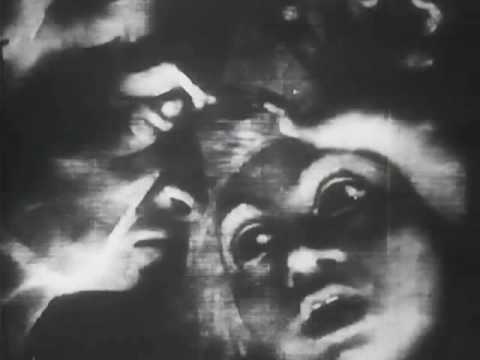
If you read Open Cul­ture reg­u­lar­ly, I imag­ine I can safe­ly call Alexan­der Alex­eieff and Claire Park­er your favorite France-based, Russ­ian-Amer­i­can hus­band-wife pin­screen ani­ma­tion team. Dare I pre­sume to refer to them as your favorite pin­screen ani­ma­tors, peri­od? We’ve pre­vi­ous­ly fea­tured two exam­ples of their time- and labor-devour­ing but utter­ly dis­tinc­tive ani­ma­tion tech­nique: their eerie open­ing to Orson Welles’ adap­ta­tion of Kafka’s The Tri­al, and their own daz­zling adap­ta­tion of Gogol’s short sto­ry “The Nose.” Alex­eieff and Park­er’s trip to the Gogol well reflects their pen­chant for the imag­i­na­tive cre­ators of Alex­eief­f’s home­land. The film we present here draws its inspi­ra­tion not from a Russ­ian writer, but from the Russ­ian com­pos­er Mod­est Mus­sorgsky, him­self an enthu­si­as­tic incor­po­ra­tor of his coun­try’s lore and tra­di­tions.

You cer­tain­ly know at least one work of Mus­sorgsky’s: Night on Bald Moun­tain, which he wrote ear­ly in his career but which nev­er saw a full orches­tral debut until 1886, five years after his death. Over half a cen­tu­ry after that, the piece found a much wider audi­ence through its use in Walt Dis­ney’s Fan­ta­sia. For many, that inter­sec­tion of Mus­sorgsky and Mick­ey Mouse will remain the finest exam­ple of clas­si­cal music unit­ed with ani­ma­tion, but have a look at how Alex­eieff and Park­er did it — in 1933, no less, sev­en years before Fan­ta­sia — and see what Car­toon Research’s Steve Stanch­field calls “one of the most unusu­al and unique look­ing ani­mat­ed films ever cre­at­ed.” It presents, he writes, “both delight­ful and at times hor­ri­fy­ing imagery, a stream of con­scious­ness bar­rage of images that chal­lenge the view­er to com­pre­hend both their mean­ing and the mys­tery of how they were cre­at­ed.”

To my four-year-old self, Fan­ta­sia seemed pret­ty scary too, but Alex­eieff and Park­er have, on their pin­screen, tak­en things to a whole oth­er psy­cho­log­i­cal lev­el. Near­ly forty years lat­er, they would use the music of Mussko­r­gy again to cre­ate 1972’s French-lan­guage Pic­tures at an Exhi­bi­tion. They would make anoth­er, Trois Themes, in 1980, but it appears lost to time, at least for the moment. Have we made you into the kind of pin­screen ani­ma­tion enthu­si­ast who might unearth it? You can view their pin­screen ani­ma­tion of Night on Bald Moun­tain on YouTube.


Relat­ed Con­tent:

Niko­lai Gogol’s Clas­sic Sto­ry, “The Nose,” Ani­mat­ed With the Aston­ish­ing Pin­screen Tech­nique (1963)

Kafka’s Para­ble “Before the Law” Nar­rat­ed by Orson Welles & Illus­trat­ed with Great Pin­screen Art

Two Beau­ti­ful­ly-Craft­ed Russ­ian Ani­ma­tions of Chekhov’s Clas­sic Children’s Sto­ry “Kash­tan­ka”

Col­in Mar­shall hosts and pro­duces Note­book on Cities and Cul­ture and writes essays on cities, lan­guage, Asia, and men’s style. He’s at work on a book about Los Ange­les, A Los Ange­les Primer. Fol­low him on Twit­ter at @colinmarshall or on Face­book.

The Adventures of Famed Illustrator Gustave Doré Presented in a Fantasic(al) Cutout Animation

When we fea­tured his illu­mi­na­tion of Edgar Allen Poe’s “The Raven,” we called Gus­tave Doré “one of the busiest, most in-demand artists of the 19th cen­tu­ry,” who “made his name illus­trat­ing works by such authors as Rabelais, Balzac, Mil­ton, and Dante.” His hand may have giv­en a visu­al dimen­sion to a num­ber of revered texts, but what of the man him­self? For the deep­est insight into an artist, we should look to the works of art he inspires. In the case of the cutout ani­mat­ed film above, Doré not only pro­vides the inspi­ra­tion but plays, in a sense, the star­ring role. L’imaginaire au pou­voir offers us a por­trait of the artist as a two-dimen­sion­al man, stum­bling into haunt­ing drawn-and-cut-out realms straight from his own imag­i­na­tion.

“The film was cre­at­ed by Vin­cent Piani­na and Loren­zo Papace of Le Petit Écho Malade and fea­tures music by Ödland,” writes EDW Lynch at Laugh­ing Squid (a site that pre­vi­ous­ly fea­tured Le Petit Écho Malade’s music video for Ödland’s “Øster­søen”) “It is a pro­mo, Lynch adds, for ‘Gus­tave Doré (1832–1883): Mas­ter of Imag­i­na­tion,’ an ongo­ing exhi­bi­tion of Doré’s work at Musée d’Orsay in Paris through May 11, 2014.” Though Doré, by all accounts, lived a fair­ly event­ful life, he had to have spent a great deal of it slav­ing painstak­ing­ly away with his wood engrav­ing tools. The same goes for any pro­duc­er of such vivid artis­tic visions—but I sus­pect that all of them have to go on this kind of har­row­ing jour­ney to the cen­ter of their soul now and again. Here, Piani­na and Papace have, with Doré’s very mate­ri­als, cre­at­ed a jour­ney into the inner realm that still gives them life today. And they’ve added a healthy dose of 21st-cen­tu­ry humor for good mea­sure.

via Laugh­ing Squid

Relat­ed Con­tent:

Ter­ry Gilliam Reveals the Secrets of Mon­ty Python Ani­ma­tions: A 1974 How-To Guide

Gus­tave Doré’s Splen­did Illus­tra­tions of Edgar Allan Poe’s “The Raven” (1884)

Vin­tage Film: Watch Hen­ri Matisse Sketch and Make His Famous Cut-Outs (1946)

Gus­tave Doré’s Dra­mat­ic Illus­tra­tions of Dante’s Divine Com­e­dy

Gus­tave Doré’s Exquis­ite Engrav­ings of Cer­vantes’ Don Quixote

Col­in Mar­shall hosts and pro­duces Note­book on Cities and Cul­ture and writes essays on cities, lan­guage, Asia, and men’s style. He’s at work on a book about Los Ange­les, A Los Ange­les Primer. Fol­low him on Twit­ter at @colinmarshall or on Face­book.

A Soviet Animation of Stephen King’s Short Story “Battleground” (1986)

Stephen King has that rare, and spec­tac­u­lar­ly prof­itable, skill to suck you into his world and com­pel you to flip to the next page. And when you’re hooked, his words have the uncan­ny abil­i­ty to sim­ply unfold like a movie in your head. So it isn’t sur­pris­ing that his books have been wide­ly adapt­ed to the sil­ver screen. Some are flat out mas­ter­pieces. Oth­ers are most decid­ed­ly not. This appre­ci­a­tion by film­mak­ers of King’s sto­ry­telling chops isn’t just con­tained to this side of the Iron Cur­tain. In 1986, Sovi­et ani­ma­tor Mikhail Titov — whose pre­vi­ous work includes How the Cos­sacks Played Foot­ball (1970) — turned King’s short sto­ry “Bat­tle­ground (1972) into an ani­mat­ed movie, titled sim­ply Сражение or Bat­tle.

The short is about a noirish hired gun who dress­es in a trench coat and a fedo­ra and bears more than a pass­ing resem­blance to Vladimir Putin. He is con­tract­ed to kill a toy mak­er. When he returns home, he dis­cov­ers that there’s a box on his doorstep and makes the com­plete­ly unwise deci­sion of tak­ing it inside. Soon, toy sol­diers start to tum­ble out of the box. They have live ammo, rock­et launch­ers, tiny lit­tle heli­copters at their dis­pos­al and they are on a sin­gle-mind­ed mis­sion to kill him. The killer soon finds him­self pinned down in bath­room, wait­ing for the next attack.

The film is a lot of fun. Titov relies heav­i­ly on roto­scop­ing – an ani­ma­tion tech­nique you prob­a­bly remem­ber from A‑ha’s music video Take On Me. The killer’s form and move­ments feel real­is­tic as the rest of the movie’s height­ened, brood­ing world bends and bulges as if ren­dered through a fish­eye lens. And like A‑ha, the film’s synth and sax­o­phone sound­track might sound painful­ly 80s to some. You can watch Bat­tle with sub­ti­tles above or with­out sub­ti­tles below. The dia­logue is min­i­mal through­out.

Bat­tle will be added to our list of Free Ani­ma­tions, part of our larg­er col­lec­tion, 4,000+ Free Movies Online: Great Clas­sics, Indies, Noir, West­erns, Doc­u­men­taries & More.

Relat­ed Con­tent:

Sovi­et Ani­ma­tions of Ray Brad­bury Sto­ries: ‘Here There Be Tygers’ & ‘There Will Comes Soft Rain’

Enjoy 15+ Hours of the Weird and Won­der­ful World of Post Sovi­et Russ­ian Ani­ma­tion

Watch Dzi­ga Vertov’s Unset­tling Sovi­et Toys: The First Sovi­et Ani­mat­ed Movie Ever (1924)

Niko­lai Gogol’s Clas­sic Sto­ry, “The Nose,” Ani­mat­ed With the Aston­ish­ing Pin­screen Tech­nique (1963)

Jonathan Crow is a Los Ange­les-based writer and film­mak­er whose work has appeared in Yahoo!, The Hol­ly­wood Reporter, and oth­er pub­li­ca­tions. You can fol­low him at @jonccrowAnd check out his blog Veep­to­pus, fea­tur­ing one new draw­ing of a vice pres­i­dent with an octo­pus on his head dai­ly.  The Veep­to­pus store is here.

Why We Love Repetition in Music: Explained in a New TED-Ed Animation

Our favorite pop songs have a repeat­ing cho­rus. You can pret­ty much bank on that. But, as it turns out, rep­e­ti­tion isn’t just a phe­nom­e­non in West­ern music. You’ll find it in many forms of music across the globe. Why is this the case? What makes rep­e­ti­tion a fair­ly uni­ver­sal fea­ture in music? In a new TED-Ed video, Eliz­a­beth Hell­muth Mar­gulis, Pro­fes­sor and Direc­tor of the Music Cog­ni­tion Lab at the Uni­ver­si­ty of Arkansas, “walks us through the basic prin­ci­ples of the ‘expo­sure effect,’ detail­ing how rep­e­ti­tion invites us into music as active par­tic­i­pants, rather than [as] pas­sive lis­ten­ers.” The ani­ma­tion was done by Andrew Zim­bel­man.

Don’t for­get to sign up for our dai­ly email. Once a day, we bun­dle all of our dai­ly posts and drop them in your inbox, in an easy-to-read for­mat.

via Laugh­ing Squid

Relat­ed Con­tent:

Her­bie Han­cock Presents the Pres­ti­gious Nor­ton Lec­tures at Har­vard Uni­ver­si­ty: Watch Online

Leonard Bernstein’s Mas­ter­ful Lec­tures on Music (11+ Hours of Video Record­ed in 1973)

Lis­ten to the Old­est Song in the World: A Sumer­ian Hymn Writ­ten 3,400 Years Ago

by | Permalink | Make a Comment ( 6 ) |

David Bowie & Brian Eno’s Collaboration on “Warszawa” Reimagined in a Comic Animation

If you want to talk about David Bowie, you’ll soon­er or lat­er have to talk about Bri­an Eno. That music pro­duc­er, visu­al artist, tech­no­log­i­cal tin­ker­er, and “drift­ing clar­i­fi­er” has­n’t had a hand in all the image-shift­ing rock star’s work, of course, but what col­lab­o­ra­tions they’ve done rank among the most endur­ing items in the Bowie cat­a­log. “I’m Afraid of Amer­i­cans,” which Eno co-wrote, remains a favorite of casu­al and die-hard fans alike; the 1995 Eno-pro­duced “cyber­noir” con­cept album 1.Outside seems to draw more acclaim now than it did on its release. But for the high­est mon­u­ment to the meet­ing of Bowie and Eno’s minds, look no fur­ther than Low, and Heroes, and Lodger, which the two craft­ed togeth­er in the late 1970s. These albums became infor­mal­ly known as the “Berlin tril­o­gy,” so named for one of the cities in which Bowie and Eno worked on them. Oh, to have been a fly on the wall dur­ing those ses­sions.

Ani­ma­tors the Broth­ers McLeod have giv­en us just that per­spec­tive in the car­toon above. It opens in Sep­tem­ber 1976 at the Château d’Hérou­ville, the “north­ern French­land” stu­dio which host­ed the bulk of Low’s record­ing ses­sions. These three and a half min­utes, in which Bowie, Eno, and pro­duc­er Tony Vis­con­ti lay down a cou­ple of takes for what will become “Warsza­wa,” one of the album’s most mem­o­rable tracks, come loaded with gags just for the Bowie-Eno enthu­si­ast. The car­toon Bowie (voiced uncan­ni­ly by come­di­an Adam Bux­ton) sports exact­ly the look he did in the Man Who Fell to Earth pub­lic­i­ty pho­to repur­posed for Low’s cov­er. Eno offers Bowie a piece of ambi­ent music, explain­ing that, if Bowie does­n’t like it, “I’ll use on one of my weird albums” (like Music for Bus Stops). Vis­con­ti con­stant­ly under­scores his doing, as a pro­duc­er, “more than peo­ple think.” And when Bowie and Eno find them­selves in need of some cre­ative inspi­ra­tion, where else would they turn than to the infal­li­ble advice of Oblique Strate­gies — even if it advis­es the use of “a made-up lan­guage that sounds kind of Ital­ian”?

via Bib­liok­lept

Relat­ed Con­tent:

David Bowie Releas­es Vin­tage Videos of His Great­est Hits from the 1970s and 1980s

David Bowie Recalls the Strange Expe­ri­ence of Invent­ing the Char­ac­ter Zig­gy Star­dust (1977)

Jump Start Your Cre­ative Process with Bri­an Eno’s “Oblique Strate­gies”

Bri­an Eno on Cre­at­ing Music and Art As Imag­i­nary Land­scapes (1989)

How David Byrne and Bri­an Eno Make Music Togeth­er: A Short Doc­u­men­tary

Col­in Mar­shall hosts and pro­duces Note­book on Cities and Cul­ture and writes essays on cities, lan­guage, Asia, and men’s style. He’s at work on a book about Los Ange­les, A Los Ange­les Primer. Fol­low him on Twit­ter at @colinmarshall or on Face­book.

Dripped: An Animated Tribute to Jackson Pollock’s Signature Painting Technique

To make an excit­ing movie, do you real­ly need much more than an art thief and his capers? With Dripped, ani­ma­tor Léo Ver­ri­er sees that can’t-miss premise and rais­es it in an explo­ration of art his­to­ry. In its 1940s New York City set­ting, paint­ing-swip­ing pro­tag­o­nist Jack lives not just to make world-renowned can­vass­es his own, but a part of him. When he gets these works of art back to his apart­ment, he does­n’t even con­sid­er sell­ing them; instead, he chews and swal­lows them, thus enabling him to assume in body the forms and col­ors famous­ly expressed in paint on their sur­faces. We are what we eat, and Jack eats art, but even becom­ing the art of oth­ers ulti­mate­ly leaves him unsat­is­fied. Deter­mined to paint and eat a can­vas of his own, he finds his stom­ach can’t han­dle his work in progress. Thrown into a bout of frus­tra­tion, an angered Jack toss­es one of his paint­ings to the ground, ran­dom­ly splat­ter­ing it with every col­or at hand. And thus he dis­cov­ers, in this ani­mat­ed fan­ta­sy, the tech­nique that Jack­son Pol­lock would pio­neer in real­i­ty.

To see the real artist — one not known for his eat­ing, though his drink­ing did gain a rep­u­ta­tion of its own — in action have a look at Hans Namuth’s 1951 footage of Pol­lock paint­ing with his sig­na­ture “drip” method above. To learn more about the how and the why of it, see also the 1987 doc­u­men­tary Por­trait of an Artist: Jack­son Pol­lock, which we fea­tured in 2012; and below, see the Muse­um of Mod­ern Art’s short exam­i­na­tion and re-cre­ation of Pol­lock­’s “action paint­ing” tech­nique. Chance may have led him to dis­cov­er this prac­tice, but it hard­ly means he gave up con­trol. Film­mak­er Stan Brakhage liked to tell the fol­low­ing illus­tra­tive sto­ry, which came out of hang­ing out with var­i­ous artists and com­posers in Pol­lock­’s stu­dio in the late 40s:

They were, like, com­ment­ing, and they used the words “chance oper­a­tions” — which was no both­er to me because I was hear­ing it reg­u­lar­ly from John Cage — and the pow­er and the won­der of it and so forth. This real­ly angered Pol­lock very deeply and he said, “Don’t give me any of your ‘chance oper­a­tions.’ ” He said, “You see that door­knob?” and there was a door­knob about fifty feet from where he was sit­ting that was, in fact, the door that every­one was going to have to exit. Drunk as he was, he just with one swirl of his brush picked up a glob of paint, hurled it, and hit that door­knob smack-on with very lit­tle paint over the edges. And then he said, “And that’s the way out.”

via Jux­tapoz

Relat­ed Con­tent:

Watch Por­trait of an Artist: Jack­son Pol­lock, the 1987 Doc­u­men­tary Nar­rat­ed by Melvyn Bragg

Jack­son Pol­lock 51: Short Film Cap­tures the Painter Cre­at­ing Abstract Expres­sion­ist Art

MoMA Puts Pol­lock, Rothko & de Koon­ing on Your iPad

Col­in Mar­shall hosts and pro­duces Note­book on Cities and Cul­ture and writes essays on cities, lan­guage, Asia, and men’s style. He’s at work on a book about Los Ange­les, A Los Ange­les Primer. Fol­low him on Twit­ter at @colinmarshall or on Face­book.

« Go BackMore in this category... »
Quantcast