Take Animated Virtual Reality Tours of Ancient Rome at Its Architectural Peak (Circa 320 AD)

Maybe you, too, were a Latin geek who loved sword and san­dal flicks from the gold­en age of the Hol­ly­wood epic? Quo Vadis, The Fall of the Roman Empire, The Robe, Demetrius and the Glad­i­a­tors, and, of course, Spar­ta­cus…. Nev­er mind all the heavy reli­gious pre­text, con­text, sub­text, or ham­mer over the head that suf­fused these films, or any pre­tense toward his­tor­i­cal accu­ra­cy. What thrilled me was see­ing ancient Rome come alive, bustling with togas and tunics, cen­tu­ri­ons and char­i­ots. The cen­ter of the ancient world for hun­dreds of years, the city, nat­u­ral­ly, retains only traces of what it once was—enormous mon­u­ments that might as well be tombs.

The incred­i­bly detailed 3D ani­ma­tions here don’t quite have the same rous­ing effect, grant­ed, as the “I am Spar­ta­cus!” scene. They don’t star Charl­ton Hes­ton, Sophia Loren, or Kirk Dou­glas. They appeal to dif­fer­ent sen­si­bil­i­ties, it’s true. But if you love the idea of vis­it­ing Rome dur­ing one of its peak peri­ods, you might find them as sat­is­fy­ing, in their way, as Peter Ustinov’s Nero speech­es.

Dat­ing not from the time of Mark Antony or even Jesus, the painstak­ing­ly-ren­dered tours of ancient Rome depict the city as it would have looked—sans humans and their activity—during its “archi­tec­tur­al peak,” as Realm of His­to­ry notes, under Con­stan­tine, “cir­ca 320 AD.”

The VR trail­er at the top from His­to­ry in 3D, devel­oped by Dani­la Logi­nov and Lasha Tskhon­dia, depicts, in Loginov’s words, “the Forums area, and also Pala­tine and Capi­toli­um hills.” The two addi­tion­al trail­ers for the project show the “baths of Tra­jan and Titus, the stat­ue of Colos­sus Solis, arch­es of Titus and Con­stan­tine, Ludus Mag­nus, the tem­ple of Divine Claudius. Our team spent some time and recre­at­ed this area along with all minor build­ings as a com­plex and added it to the mod­el which has been already done.” This means, he says, “we have now almost the entire cen­ter of ancient impe­r­i­al Rome already recre­at­ed!”

We glide gen­tly over the city with a low-flying-bird’s eye view, tak­ing in its real­is­tic sky­line, tree-lined streets, and gur­gling foun­tains. The lack of any human pres­ence makes the expe­ri­ence a lit­tle chilly, but if you’re moved by clas­si­cal archi­tec­ture, it also presents a refresh­ing lack of distraction—an impos­si­ble request in a vis­it to mod­ern Rome. Anoth­er project, Rome Reborn, which we’ve pre­vi­ous­ly fea­tured here, takes a dif­fer­ent approach to the same impe­r­i­al city of 320 AD. The trail­ers for their VR app don’t pro­vide the seam­less flight expe­ri­ence, but they do con­tain equal­ly epic music. (They also have a few peo­ple in them, block­i­ly-ren­dered gawk­ing tourists rather than ancient Romans.)

Instead, these clips give us fas­ci­nat­ing glimpses of the inte­ri­ors of such splen­did struc­tures as the Basil­i­ca of Maxentius—tiled floors, domed ceil­ings, columned walls—from a num­ber of dif­fer­ent per­spec­tives. We also get to fly above the city, drone-style, or hot air bal­loon-style, as it were. In the clip below, we cruise over Rome in that vehi­cle, with ****************@***il.com”>Bernard Frisch­er, pro­fes­sor emer­i­tus at the Uni­ver­si­ty of Vir­ginia, serv­ing as the app’s “vir­tu­al archae­ol­o­gist” in an audio tour.

“The ambi­tious under­tak­ing,” of the Rome Reborn app, writes Meilan Sol­ly at Smith­son­ian, “painstak­ing­ly built by a team of 50 aca­d­e­mics and com­put­er experts over a 22-year peri­od, recre­ates 7,000 build­ings and mon­u­ments scat­tered across a 5.5 square mile stretch of the famed Ital­ian city.” The three mod­ules of the Rome Reborn app demoed here are all avail­able at their web­site. Geeks—and his­to­ri­ans of ancient Roman archi­tec­ture and city planning—rejoice.

via Smith­son­ian

Relat­ed Con­tent:

A Huge Scale Mod­el Show­ing Ancient Rome at Its Archi­tec­tur­al Peak (Built Between 1933 and 1937)

An Inter­ac­tive Map Shows Just How Many Roads Actu­al­ly Lead to Rome

The Ups & Downs of Ancient Rome’s Economy–All 1,900 Years of It–Get Doc­u­ment­ed by Pol­lu­tion Traces Found in Greenland’s Ice

Josh Jones is a writer and musi­cian based in Durham, NC. Fol­low him at @jdmagness

In 17th-Century Japan, Creaking Floors Functioned as Security Systems That Warned Palaces & Temples of Approaching Intruders and Assassins

Offer a cut­ting-edge secu­ri­ty sys­tem, and you’ll suf­fer no short­age of cus­tomers who want it installed. But before our age of con­cealed cam­eras, motion sen­sors, reti­nal scan­ners, and all the oth­er advanced and often unset­tling tech­nolo­gies known only to indus­try insid­ers, how did own­ers of large, expen­sive, and even roy­al­ty-hous­ing prop­er­ties buy peace of mind? We find one par­tic­u­lar­ly inge­nious answer by look­ing back about 400 years ago, to the wood­en cas­tles and tem­ples of 17th-cen­tu­ry Japan.

“For cen­turies, Japan has tak­en pride in the tal­ents of its crafts­men, car­pen­ters and wood­work­ers includ­ed,” writes Sora News 24’s Casey Baseel. “Because of that, you might be sur­prised to find that some Japan­ese cas­tles have extreme­ly creaky wood­en floors that screech and groan with each step. How could such slip­shod con­struc­tion have been con­sid­ered accept­able for some of the most pow­er­ful fig­ures in Japan­ese his­to­ry? The answer is that the sounds weren’t just tol­er­at­ed, but desired, as the noise-pro­duc­ing floors func­tioned as Japan’s ear­li­est auto­mat­ed intrud­er alarm.”

In these spe­cial­ly engi­neered floors, “planks of wood are placed atop a frame­work of sup­port­ing beams, secure­ly enough that they won’t dis­lodge, but still loose­ly enough that there’s a lit­tle bit of play when they’re stepped on.” And when they are stepped on, “their clamps rub against nails attached to the beams, cre­at­ing a shrill chirp­ing noise,” ren­der­ing stealthy move­ment near­ly impos­si­ble and thus mak­ing for an effec­tive “coun­ter­mea­sure against spies, thieves, and assas­sins.”

Accord­ing to Zen-Garden.org, you can still find — and walk on — four such uguisub­ari, or “nightin­gale floors,” in Kyoto: at Daikaku-ji tem­ple, Chio-in tem­ple, Toji-in tem­ple, and Nino­mu­ra Palace.

If you can’t make it out to Kyoto any time soon, you can have a look and a lis­ten to a cou­ple of those nightin­gale floors in the short clips above. Then you’ll under­stand just how dif­fi­cult it would have been to cross one with­out alert­ing any­one to your pres­ence. This sort of thing sends our imag­i­na­tions straight to visions of high­ly trained nin­jas skill­ful­ly out­wit­ting palace guards, but in their day these delib­er­ate­ly squeaky floors floors also car­ried more pleas­ant asso­ci­a­tions than that of immi­nent assas­si­na­tion. As this poem on Zen-Garden.org’s uguisub­ari page says says:


鳥を聞く

歓迎すべき音

鴬張りを渡る


A wel­come sound

To hear the birds sing

across the nightin­gale floor

via @12pt9/Sora News

Relat­ed Con­tent:

Hōshi: A Short Doc­u­men­tary on the 1300-Year-Old Hotel Run by the Same Japan­ese Fam­i­ly for 46 Gen­er­a­tions

Watch Japan­ese Wood­work­ing Mas­ters Cre­ate Ele­gant & Elab­o­rate Geo­met­ric Pat­terns with Wood

Mes­mer­iz­ing GIFs Illus­trate the Art of Tra­di­tion­al Japan­ese Wood Join­ery — All Done With­out Screws, Nails, or Glue

Omoshi­roi Blocks: Japan­ese Memo Pads Reveal Intri­cate Build­ings As The Pages Get Used

A Vir­tu­al Tour of Japan’s Inflat­able Con­cert Hall

Based in Seoul, Col­in Mar­shall writes and broad­casts on cities, lan­guage, and cul­ture. His projects include the book The State­less City: a Walk through 21st-Cen­tu­ry Los Ange­les and the video series The City in Cin­e­ma. Fol­low him on Twit­ter at @colinmarshall or on Face­book.

Sears Sold 75,000 DIY Mail Order Homes Between 1908 and 1939, and Transformed American Life

Two of the books that most shaped Amer­i­can cul­ture both hap­pened to bear the nick­name “The Big Book.” While the sec­ond of these, the A.A. Man­u­al, pub­lished in 1939, changed the coun­try with 12-Step recov­ery groups, the first of these, the Sears Cat­a­log, trans­formed Amer­i­ca with mass con­sump­tion, offer­ing cus­tomers in every part of the coun­try access to mod­ern con­ve­niences and retail goods of all kinds at unheard of prices. Begin­ning in 1908, Sears start­ed sell­ing entire hous­es, in approx­i­mate­ly 25-ton kits trans­port­ed by rail­road, con­sist­ing of 30,000 pre-cut parts, plumb­ing and elec­tri­cal fix­tures, and up to 750 pounds of nails.

“In an era before com­mer­cial avi­a­tion and long-haul truck­ing,” Curbed mar­vels, “Sears, Roe­buck & Co. set up an oper­a­tion that would pack­age and ship more than 400 dif­fer­ent types of homes and build­ings to any­body who had the cash and access to a cat­a­log.”

They start­ed small, and just as they didn’t come up with the con­cept of the mail order cat­a­log, Sears didn’t invent the kit house, though they sug­gest as much in their telling of the sto­ry. Instead they may have tak­en the idea from anoth­er com­pa­ny called Aladdin. Aladdin hous­es have been for­got­ten, how­ev­er, and even Sears’ main com­peti­tor, Mont­gomery Ward, didn’t catch up until 1921 and only last­ed ten years in the kit house busi­ness.

Sears hous­es, on the oth­er hand, are cel­e­brat­ed and sought out as mod­els of the ear­ly 20th cen­tu­ry Amer­i­can home, and for good rea­son. Between 1908 and 1939, Sears sold 70–75,000 hous­es in 447 dif­fer­ent styles all over the coun­try. “From Crafts­man to Cape Cods, they offered a cus­tom home at bud­gets and sizes that could accom­mo­date any size fam­i­ly,” writes Pop­u­lar Mechan­ics.

These Sears homes weren’t cheap low-end hous­es. Many of them were built using the finest qual­i­ty build­ing mate­ri­als avail­able dur­ing that time. It’s not uncom­mon to find Sears homes today with oak floors, cypress sid­ing, and cedar shin­gles.

What’s even more extra­or­di­nary is that 50% of these were built by the home­own­ers them­selves, usu­al­ly, as in a barn-rais­ing, with the gen­er­ous help of fam­i­ly, friends, and neigh­bors. The oth­er half sold were built pro­fes­sion­al­ly. “Often,” writes Messy Nessy, “local builders and car­pen­try com­pa­nies pur­chased homes from Sears to build as mod­el homes and mar­ket their ser­vices to poten­tial cus­tomers.”

These hous­es could have a sig­nif­i­cant effect on the char­ac­ter of a neigh­bor­hood. Not only could poten­tial buy­ers see first­hand, and par­tic­i­pate in, the con­struc­tion. They could order the same or a sim­i­lar mod­el, cus­tomize it, and even—as the com­pa­ny tells us in its own short his­to­ry of the “Sears Mod­ern Home”—design their own homes and “sub­mit the blue­prints to Sears, which would then ship off the appro­pri­ate pre­cut and fit­ted mate­ri­als.”

Sears sounds mod­est about its impact. The com­pa­ny writes it was not “an inno­v­a­tive home design­er” but instead “a very able fol­low­er of pop­u­lar home designs but with the added advan­tage of mod­i­fy­ing hous­es and hard­ware accord­ing to buy­er tastes.” Yet Sears hous­es aren’t beloved for their for­ward-look­ing designs, but for their stur­di­ness and vari­ety, as well as for their impact on “the emo­tion­al lives of rur­al folk,” as Messy Nessy puts it.

“The Sears mail-order cat­a­logues were sit­ting on kitchen coun­ter­tops inside mil­lions of Amer­i­can homes, allow­ing poten­tial home­own­ers to both visu­al­ize their new home and pur­chase it as eas­i­ly as they might have bought a new toast­er.” Build­ing a house required a lit­tle more invest­ment than plug­ging in a toast­er, and required a 75-page instruc­tion book, but that’s anoth­er part of why Sears house hunters are such a ded­i­cat­ed bunch, awestruck at each still-stand­ing mod­el they’re able to pho­to­graph and match up with its cat­a­log illus­tra­tions and floor plans.

In its first year of pro­duc­tion, 1908, Sears sold only one mod­el, num­ber 125, an Eight-Room Bun­ga­low Style House for $945, adver­tised as “the finest cot­tage ever con­struct­ed at a price less than $1500.” In 1918, the com­pa­ny moved from a num­ber­ing sys­tem to named mod­els, most of which sound like the names of cozy small towns and bed­room com­mu­ni­ties: Ade­line, Bel­mont, Maple­wood, Aval­on, Kil­bourne, Del Ray, Stone Ridge…. (See a full list of these mod­els at The Arts & Crafts Soci­ety web­site.)

In the years Sears sold hous­es, between 54 and 44 per­cent of Amer­i­cans lived in rur­al areas, and these con­sti­tut­ed Sears’ most loy­al cus­tomers, giv­en that the cat­a­log allowed them to pur­chase things they could buy nowhere else, includ­ing ten room colo­nial man­sions like The Mag­no­lia, avail­able from 1913 to 1922 for $6,488, or rough­ly $88,000—a steal if you can put in the work. This was the largest and most expen­sive mod­el the com­pa­ny offered, “a three-sto­ry, eight room neo-Geor­gian with a two-sto­ry columned por­ti­co, porte-cochere, and sleep­ing porch­es.” (Mint juleps and ser­vants’ quar­ters not includ­ed.)

Sears even­tu­al­ly offered three build qual­i­ties, Hon­or Bilt, Stan­dard Built, and Sim­plex Sec­tion­al. At the low­est end of the price and build spec­trum, the com­pa­ny notes, “Sim­plex hous­es were fre­quent­ly only a cou­ple of rooms and were ide­al for sum­mer cot­tages.” Many of its low-end and ear­ly mod­els did not include bath­rooms, and the com­pa­ny sold out­hous­es sep­a­rate­ly. But due to inno­v­a­tive con­struc­tion meth­ods, even the least expen­sive hous­es held up well.

Because the com­pa­ny lost most of the records after its kit house busi­ness fold­ed, it can be dif­fi­cult to iden­ti­fy a Sears house. And because even the “youngest of Sears homes,” Pop­u­lar Mechan­ics points out, is now going on eight decades old, they all require a sig­nif­i­cant amount of care.” The blog Kit House Hunters has found over 10,000 Sears Hous­es still stand­ing across the coun­try, most of them in the North­east and Mid­west, where they sold best. (One com­mu­ni­ty in Elgin, IL has over 200 ver­i­fied Sears homes.)

In the video at the top, you can see a few of those well-built Sears hous­es still lived in today. The short How to Archi­tect short video above points out that “Sears had a mas­sive impact on the busi­ness of home-build­ing, and… the busi­ness of pre-fab­ri­ca­tion, is alive and well today.” For a look at the vari­ety and intri­ca­cy of the Sears Mod­ern Home designs, see this Flickr gallery with over 80 images of cat­a­log pages, illus­trat­ed homes, and floor plans. And if you think you might be liv­ing in one of these hous­es, many of which have been grant­ed his­toric sta­tus, find out with this handy 9‑step guide for iden­ti­fy­ing a Sears Kit Home.

Relat­ed Con­tent:

How the Sears Cat­a­log Dis­rupt­ed the Jim Crow South and Helped Give Birth to the Delta Blues & Rock and Roll

1,300 Pho­tos of Famous Mod­ern Amer­i­can Homes Now Online, Cour­tesy of USC

A Quick Ani­mat­ed Tour of Icon­ic Mod­ernist Hous­es


Buckminster Fuller Creates Striking Posters of His Own Inventions


In addi­tion to his for­mi­da­ble body of work in archi­tec­ture, design, and the­o­ry of the kind the world had nev­er known before, Buck­min­ster Fuller also knew how to pro­mote him­self. Some­times this meant appear­ing on late-night new-age talk shows, but at its core it meant com­ing up with ideas that would imme­di­ate­ly “read” as rev­o­lu­tion­ary to any­one who saw them in action. But how to put them before the eyes of some­one who has­n’t had the chance to see a geo­des­ic dome, a Dymax­ion House and Car, or even a Geodome 4 tent in real life?

The ascent of graph­ic design in the 20th cen­tu­ry, a cen­tu­ry Fuller saw begin and lived through most of, pro­vid­ed one promis­ing answer: posters. The ones you see here show off “Fuller’s most famous inven­tions, with line draw­ings from his patents super­im­posed over a pho­to­graph of the thing itself,” writes Fast Com­pa­ny’s Katharine Schwab.

“While they look like some­thing Fuller afi­ciona­dos might have cre­at­ed after the man’s death to cel­e­brate his work, Fuller actu­al­ly cre­at­ed them in part­ner­ship with the gal­lerist Carl Sol­way near the end of his career.”

These posters, “strik­ing with their two-lay­er design, are Fuller’s visu­al homage to his own genius — and an attempt to bring what he believed were world-chang­ing utopi­an con­cepts to the mass­es.” They’re also now on dis­play at the Edward Cel­la Art + Archi­tec­ture in Los Ange­les, whose exhi­bi­tion “R. Buck­min­ster Fuller: Inven­tions and Mod­els” runs until Novem­ber 2nd. “Fuller’s objects and prints func­tion not only as mod­els of the math­e­mat­i­cal and geo­met­ric prop­er­ties under­ly­ing their con­struc­tion but also as ele­gant works of art,” says the gallery’s site. “As such, the works rep­re­sent the hybrid­i­ty of Fuller’s prac­tice, and his lega­cy across the fields of art, design, sci­ence, and engi­neer­ing.”

You can see more of Fuller’s posters, which depict and visu­al­ly explain the struc­tures of such inven­tions as the geo­des­ic dome and Dymax­ion Car, of course, but also less­er-known cre­ations like a “Fly­’s Eye” dome cov­ered in bub­ble win­dows (indi­vid­u­al­ly swap­pable for solar pan­els), a sub­mersible for off­shore drilling, and a row­boat with a body reduced to two thin “nee­dles,” at Design­boom. Edward Cel­la Art + Archi­tec­ture has also made the posters avail­able for pur­chase at $7,000 apiece. That price might seem in con­tra­dic­tion with Fuller’s utopi­an ideals about uni­ver­sal acces­si­bil­i­ty through sheer low cost, but then, who could look at these and call them any­thing but works of art?

via Curbed

Relat­ed con­tent:

A Three-Minute Intro­duc­tion to Buck­min­ster Fuller, One of the 20th Century’s Most Pro­duc­tive Design Vision­ar­ies

Buck­min­ster Fuller’s Map of the World: The Inno­va­tion that Rev­o­lu­tion­ized Map Design (1943)

The Life & Times of Buck­min­ster Fuller’s Geo­des­ic Dome: A Doc­u­men­tary

Buck­min­ster Fuller Cre­ates an Ani­mat­ed Visu­al­iza­tion of Human Pop­u­la­tion Growth from 1000 B.C.E. to 1965

Buck­min­ster Fuller’s Col­lab­o­ra­tion with The North Face Cul­mi­nates with a New Geo­des­ic Dome Tent, the Geodome 4

Based in Seoul, Col­in Mar­shall writes and broad­casts on cities, lan­guage, and cul­ture. His projects include the book The State­less City: a Walk through 21st-Cen­tu­ry Los Ange­les and the video series The City in Cin­e­ma. Fol­low him on Twit­ter at @colinmarshall or on Face­book.

French Illustrator Revives the Byzantine Empire with Magnificently Detailed Drawings of Its Monuments & Buildings: Hagia Sophia, Great Palace & More

The Byzan­tine Empire fell in the mid-15th cen­tu­ry, but some­thing of its spir­it still lives on. A great deal of it lives on in the work of the French illus­tra­tor Antoine Hel­bert. “This pas­sion was kin­dled by a birth­day gift from his moth­er,” writes a blog­ger named Herve Ris­son in a post about it. “This gift was a book about Byzan­tium. Hel­bert was 7 years old.” Like many an inter­est instilled ear­ly and deeply enough in child­hood, Hel­bert’s fas­ci­na­tion turned into an obses­sion — or any­way, what looks like it must be an obses­sion, since it has moti­vat­ed him to cre­ate such mag­nif­i­cent­ly detailed recre­ations of Byzan­tium in its hey­day.

“Attract­ed by the archi­tec­ture,” Ris­son writes of Hel­bert, “he has also a strong pas­sion for the his­to­ry of the Byzan­tine Empire, much maligned and despised, in com­par­i­son with the his­to­ry of the ‘real’ Roman Empire.”

That’s not to say that the Byzan­tine Empire, also known as the East­ern Roman Empire, has received no atten­tion, but undoubt­ed­ly it has received less than the West­ern Roman Empire it sur­vived in the fifth cen­tu­ry. Still, few his­tor­i­cal empires of any kind receive such an exquis­ite degree of atten­tion from any sin­gle liv­ing artist.

You can see some of Hel­bert’s work on his site, which is divid­ed into two sec­tions: one for scenes of Byzan­tium, and one for the archi­tec­ture of Byzan­tium. The lat­ter cat­e­go­ry, images from which you see here, includes such world-famous land­marks as Hagia Sophia, Boukoleon Palace, and the Great Palace of Con­stan­tino­ple — the city now known as Istan­bul, Turkey. The intact Hagia Sophia con­tin­ues to attract tourists in huge num­bers, but those who vis­it the Great Palace, or what remains of it, have to use their imag­i­na­tion to get a sense of what it must have looked like in the Byzan­tine Empire’s hey­day.

Hel­bert, who only made his first vis­it to Istan­bul at the age of 35, has put in that amount of imag­i­na­tive work and much more besides. “Since then,” writes Ris­son, Hel­bert “has tak­en great care to res­ur­rect the city of the emper­ors, with great atten­tion to details and to the sources avail­able. What he can’t find, he invents, but always with a great care for the his­tor­i­cal accu­ra­cy.” Indeed, many of Hel­bert’s illus­tra­tions don’t, at first glance, look like illus­tra­tions at all, but more like what you’d come up with if you trav­eled back to the Con­stan­tino­ple of fif­teen or so cen­turies ago with a cam­era. “The project has no lucra­tive goal,” Ris­son notes. “It’s a pas­sion. A byzan­tine pas­sion!”

Relat­ed Con­tent:

Map­ping the Sounds of Greek Byzan­tine Church­es: How Researchers Are Cre­at­ing “Muse­ums of Lost Sound”

The His­to­ry of Byzan­tium Pod­cast Picks Up Where The His­to­ry of Rome Left Off

How Ara­bic Trans­la­tors Helped Pre­serve Greek Phi­los­o­phy … and the Clas­si­cal Tra­di­tion

Hear the Hagia Sophia’s Awe-Inspir­ing Acoustics Get Recre­at­ed with Com­put­er Sim­u­la­tions, and Let Your­self Get Trans­port­ed Back to the Mid­dle Ages

Based in Seoul, Col­in Mar­shall writes and broad­casts on cities and cul­ture. His projects include the book The State­less City: a Walk through 21st-Cen­tu­ry Los Ange­les and the video series The City in Cin­e­ma. Fol­low him on Twit­ter at @colinmarshall or on Face­book.

How the Radical Buildings of the Bauhaus Revolutionized Architecture: A Short Introduction

When Ger­many lost World War I, it also lost its monar­chy. The con­sti­tu­tion for the new post­war Ger­man state was writ­ten and adopt­ed in the city of Weimar, giv­ing it the unof­fi­cial name of the Weimar Repub­lic. Free of monar­chi­cal cen­sor­ship, the Weimar Repub­lic saw, among oth­er upheavals, the flood­gates open for artis­tic exper­i­men­ta­tion in all areas of life. One of the most influ­en­tial aes­thet­ic move­ments of the era began in Weimar, where the Great Big Sto­ry short above opens. As the city gave birth to the Weimar Repub­lic, it also gave birth to the Bauhaus.

The Bauhaus, lit­er­al­ly “build­ing house,” was a school in two sens­es, both a move­ment and an actu­al insti­tu­tion. The style it advo­cat­ed, accord­ing to the video’s nar­ra­tor, “looked to strip build­ings from unnec­es­sary orna­ment and build the foun­da­tion of what is called mod­ern archi­tec­ture.” It was at Weimar Uni­ver­si­ty in 1919 that archi­tect Wal­ter Gropius found­ed the Bauhaus, and his office still stands there as a tes­ta­ment to the pow­er of “clean, sim­ple designs fit for the every­day life.” We also see the first offi­cial Bauhaus build­ing, Georg Muche’s Haus am Horn of 1923, and Gropius’ Bauhaus Dessau of 1925, which “amazed the world with its steel-frame con­struc­tion and asym­met­ri­cal plan.”

You can learn more about the Bauhaus’ prin­ci­ples in the video above, a chap­ter of an Open Uni­ver­si­ty series on design move­ments. As an edu­ca­tion­al insti­tu­tion, the Bauhaus “offered foun­da­tion train­ing in many art and design dis­ci­plines,” includ­ing mass pro­duc­tion, seek­ing to “devel­op stu­dents who could uni­fy art with craft while embrac­ing new tech­nol­o­gy.” Bauhaus thinkers believed that “good design required sim­plic­i­ty and geo­met­ric puri­ty,” which led to works of graph­ic design, fur­ni­ture, and espe­cial­ly archi­tec­ture that looked then like rad­i­cal, some­times hereti­cal depar­tures from tra­di­tion — but which to their cre­ators rep­re­sent­ed the future.

“Noth­ing dates faster than peo­ple’s fan­tasies about the future,” art crit­ic Robert Hugh­es once said, but some­how the fruits of the Bauhaus still look as mod­ern as they ever did. That holds true even now that the influ­ence of the Bauhaus man­i­fests in count­less ways in var­i­ous realms of art and design, though it had already made itself glob­al­ly felt when the school moved to Berlin in 1932. By that time, of course, Ger­many had anoth­er regime change com­ing, one that would denounce the Bauhaus as a branch of “degen­er­ate art” spread­ing the dis­ease of “cos­mopoli­tan mod­ernism.” The Gestapo shut it down in 1933, but thanks to the efforts of emi­grants like Gropius, Hannes Mey­er, and Lud­wig Mies van der Rohe, each of whom once led the school, the Bauhaus would live on.

Relat­ed Con­tent:

An Oral His­to­ry of the Bauhaus: Hear Rare Inter­views (in Eng­lish) with Wal­ter Gropius, Lud­wig Mies van der Rohe & More

Down­load Orig­i­nal Bauhaus Books & Jour­nals for Free: Gropius, Klee, Kandin­sky, Moholy-Nagy & More

32,000+ Bauhaus Art Objects Made Avail­able Online by Har­vard Muse­um Web­site

Bauhaus, Mod­ernism & Oth­er Design Move­ments Explained by New Ani­mat­ed Video Series

The Female Pio­neers of the Bauhaus Art Move­ment: Dis­cov­er Gertrud Arndt, Mar­i­anne Brandt, Anni Albers & Oth­er For­got­ten Inno­va­tors

Based in Seoul, Col­in Mar­shall writes and broad­casts on cities and cul­ture. His projects include the book The State­less City: a Walk through 21st-Cen­tu­ry Los Ange­les and the video series The City in Cin­e­ma. Fol­low him on Twit­ter at @colinmarshall or on Face­book.

Frank Lloyd Wright Creates a List of the 10 Traits Every Aspiring Artist Needs


No fig­ure looms larg­er over Amer­i­can archi­tec­ture than Frank Lloyd Wright. From the ear­ly 1890s to the ear­ly 1920s he estab­lished him­self as the builder of dozens of strik­ing, styl­is­ti­cal­ly inno­v­a­tive pri­vate homes as well as pub­lic works like Chicago’s Mid­way Gar­dens and Toky­o’s Impe­r­i­al Hotel. But by the end of that peri­od his per­son­al life had already turned chaot­ic and even trag­ic, and in his pro­fes­sion­al life he saw his com­mis­sions dry up. Just when it looked like he might not leave much of a lega­cy at all, an idea came to him: why not start a school?

“Wright found­ed what he called the Tal­iesin Fel­low­ship in 1932, when his own finan­cial prospects were dis­mal, as they had been through­out much of the 1920s,” writes archi­tec­ture crit­ic Michael Kim­mel­man in the New York Review of Books. “Hav­ing seen the great Chica­go archi­tect Louis Sul­li­van, his for­mer boss, die in pover­ty not many years ear­li­er, Wright was fore­stalling his own prospec­tive obliv­ion.” Charg­ing a tuition of $675 (“raised to $1,100 in 1933, more than at Yale or Har­vard”), Wright designed a pro­gram “to indoc­tri­nate aspir­ing archi­tects in his gospel of organ­ic archi­tec­ture, for which they would do hours of dai­ly chores, plant crops, wash Wright’s laun­dry, and enter­tain him and his guests as well as one anoth­er in the evenings with musi­cals and ama­teur the­atri­cals.”

There at Tal­iesin, his epony­mous home-stu­dio, locat­ed in the appro­pri­ate­ly rur­al set­ting of Spring Green, Wis­con­sin, Wright sought to forge not just com­plete archi­tects, and not just com­plete artists, but com­plete human beings. He pro­posed, in Kim­mel­man’s words, “the cre­ation of a small, inde­pen­dent soci­ety made bet­ter through his archi­tec­ture.” He also drew up a list, lat­er includ­ed in his auto­bi­og­ra­phy, of the qual­i­ties the builders of that soci­ety should pos­sess:

I. An hon­est ego in a healthy body – good cor­re­la­tion
II. Love of truth and nature
III. Sin­cer­i­ty and courage
IV. Abil­i­ty for action
V. The esthet­ic sense
VI. Appre­ci­a­tion of work as idea and idea as work
VII. Fer­til­i­ty of imag­i­na­tion
VIII. Capac­i­ty for faith and rebel­lion
IX. Dis­re­gard for com­mon­place (inor­gan­ic) ele­gance
X. Instinc­tive coop­er­a­tion

This list reflects the kind of qual­i­ties Wright seemed to spend his life cul­ti­vat­ing in him­self, not to men­tion dis­play­ing to the pub­lic. Not that he showed much regard for the truth when it con­flict­ed with his own myth­mak­ing, nor an instinct for coop­er­a­tion with those he con­sid­ered less than his equals — and archi­tec­tural­ly speak­ing, he did­n’t con­sid­er any­one his equal. As well as Wright’s ego may have served him, not every artist needs one quite so colos­sal, but per­haps, per his list, they do need an hon­est one. “Ear­ly in life I had to choose between hon­est arro­gance and hyp­o­crit­i­cal humil­i­ty,” he once said. “I chose the for­mer and have seen no rea­son to change.”

Relat­ed Con­tent:

Take 360° Vir­tu­al Tours of Frank Lloyd Wright’s Archi­tec­tur­al Mas­ter­pieces, Tal­iesin & Tal­iesin West

Frank Lloyd Wright Reflects on Cre­ativ­i­ty, Nature and Reli­gion in Rare 1957 Audio

Haru­ki Muraka­mi Lists the Three Essen­tial Qual­i­ties For All Seri­ous Nov­el­ists (And Run­ners)

Pat­ti Smith, Umber­to Eco & Richard Ford Give Advice to Young Artists in a Rol­lick­ing Short Ani­ma­tion

John Cleese’s Advice to Young Artists: “Steal Any­thing You Think Is Real­ly Good”

Based in Seoul, Col­in Mar­shall writes and broad­casts on cities and cul­ture. His projects include the book The State­less City: a Walk through 21st-Cen­tu­ry Los Ange­les and the video series The City in Cin­e­ma. Fol­low him on Twit­ter at @colinmarshall or on Face­book.

Take a 360° Virtual Tours of Frank Lloyd Wright’s Architectural Masterpieces, Taliesin & Taliesin West

In addi­tion to his build­ings, Frank Lloyd Wright left behind more than 23,000 draw­ings, 40 large-scale mod­els, 44,000 pho­tographs, 600 man­u­scripts and 300,000 pieces of cor­re­spon­dence. Any archives of that size, in this case a size com­men­su­rate with Wright’s pres­ence in archi­tec­tur­al his­to­ry, demand a daunt­ing (and expen­sive) amount of main­te­nance work. The Frank Lloyd Wright Foun­da­tion did the best it could with them after the archi­tec­t’s death in 1959, hous­ing most of their mate­ri­als at Wright’s two far-flung stu­dio-home-school com­plex­es: Tal­iesin in Spring Green, Wis­con­sin and Tal­iesin West in Scotts­dale, Ari­zona.

In 2012, the Foun­da­tion part­nered with the Muse­um of Mod­ern Art and the Avery Archi­tec­tur­al and Fine Arts Library to move the archives to New York and dig­i­tize them. Tal­iesin and Tal­iesin West, how­ev­er, still stand in the same places that they always have.

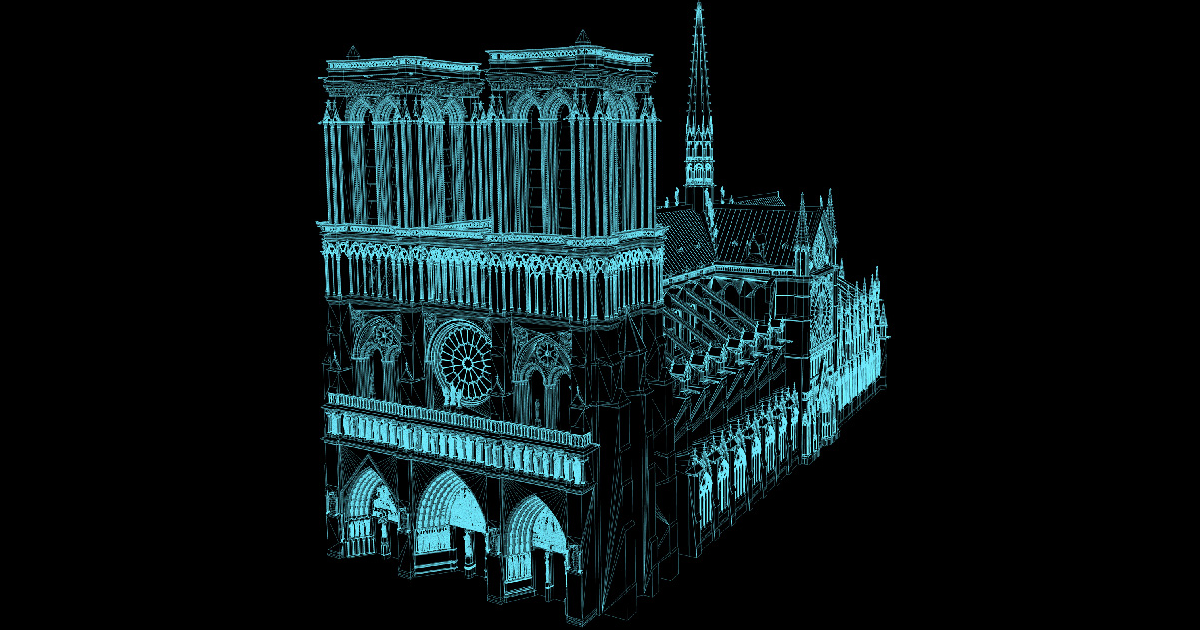
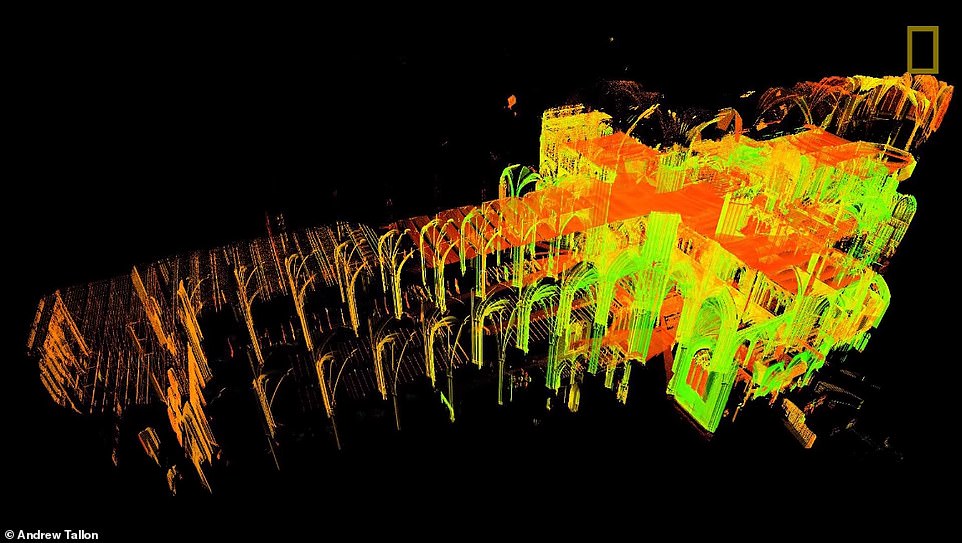
With a quar­ter of the 400 struc­tures Wright designed in his life­time now demol­ished or oth­er­wise lost, one has to won­der: could the build­ings them­selves be dig­i­tal­ly archived as well? Leica Geosys­tems has tak­en a step in that direc­tion by using “the world’s small­est and light­est imag­ing laser scan­ner, the BLK360″ to pro­duce “a dimen­sion­al­ly accu­rate laser cap­tured rep­re­sen­ta­tion” of Tal­iesin West.

The result­ing “point cloud” ver­sion of Tal­iesin West appears in the video above, which shows how the data cap­tured by the sys­tem rep­re­sents the exte­ri­or and the inte­ri­or of the build­ing. Like most impor­tant works of archi­tec­ture, its aes­thet­ics some­how both rep­re­sent the pro­jec­t’s time (in this case, con­struc­tion and addi­tions span­ning from 1911–1959) and tran­scend it. The scan also includes the sur­round­ing nat­ur­al land­scape, from which one can nev­er sep­a­rate Wright’s mas­ter­works, as well as the spe­cial­ly designed fur­ni­ture inside. This tech­nol­o­gy also makes pos­si­ble a vir­tu­al tour, which you can take here. You might fol­low it up with the vir­tu­al tour of the orig­i­nal Tal­iesin pre­vi­ous­ly fea­tured here on Open Cul­ture, there­by mak­ing an archi­tec­tur­al pil­grim­age of 1600 miles in an instant.

Wright, accord­ing to the New York Review of Books’ archi­tec­tur­al crit­ic Mar­tin Filler, believed in “the suprema­cy of the Gesamtkunst­werk, the com­plete work of art that was the dream of nine­teenth-cen­tu­ry vision­ar­ies who fore­saw the dis­in­te­gra­tion of cul­ture in the wake of the Indus­tri­al Rev­o­lu­tion.” It makes sense that the archi­tect, equal­ly a man of the nine­teenth and the twen­ti­eth cen­turies, would ded­i­cate him­self to the notion that “only by chang­ing the world — or, fail­ing that, cre­at­ing an alter­na­tive to it — could art be saved.” With his build­ings, Wright did indeed cre­ate an alter­na­tive to the world as it was. How they’ll hold up in the cen­turies to come nobody can say, but with more and more advanced meth­ods of inte­gra­tion between the phys­i­cal and dig­i­tal worlds, per­haps his art can be saved.

Take a vir­tu­al tour of Tal­iesin West here, and the orig­i­nal Tal­iesin here.

Relat­ed Con­tent:

Take a 360° Vir­tu­al Tour of Tal­iesin, Frank Lloyd Wright’s Per­son­al Home & Stu­dio

Frank Lloyd Wright Designs an Urban Utopia: See His Hand-Drawn Sketch­es of Broad­acre City (1932)

The Mod­ernist Gas Sta­tions of Frank Lloyd Wright and Mies van der Rohe

Frank Lloyd Wright Reflects on Cre­ativ­i­ty, Nature and Reli­gion in Rare 1957 Audio

Frank Lloyd Wright’s Falling­wa­ter Ani­mat­ed

Based in Seoul, Col­in Mar­shall writes and broad­casts on cities and cul­ture. His projects include the book The State­less City: a Walk through 21st-Cen­tu­ry Los Ange­les and the video series The City in Cin­e­ma. Fol­low him on Twit­ter at @colinmarshall or on Face­book.

« Go BackMore in this category... »
Quantcast